Sterrekopje Farm
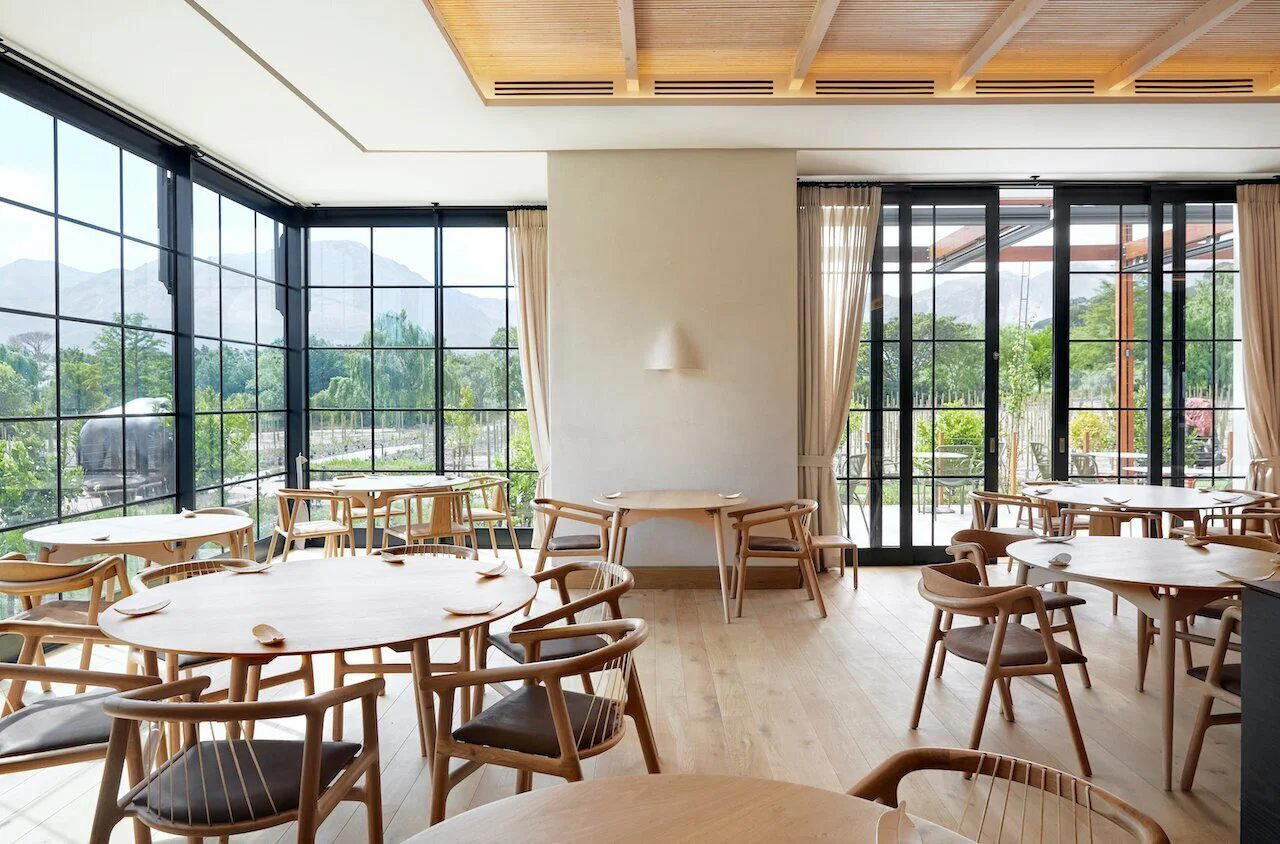
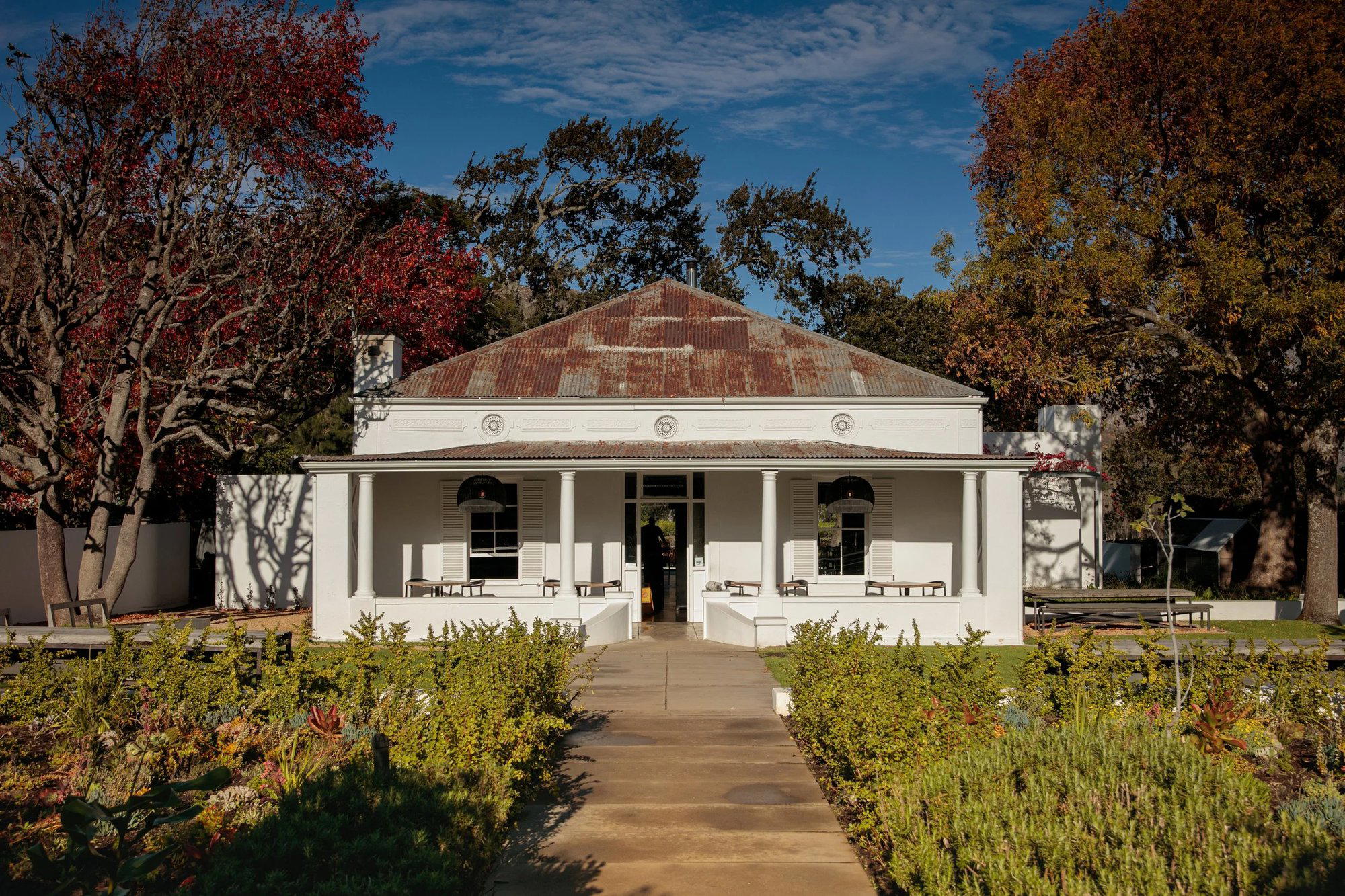
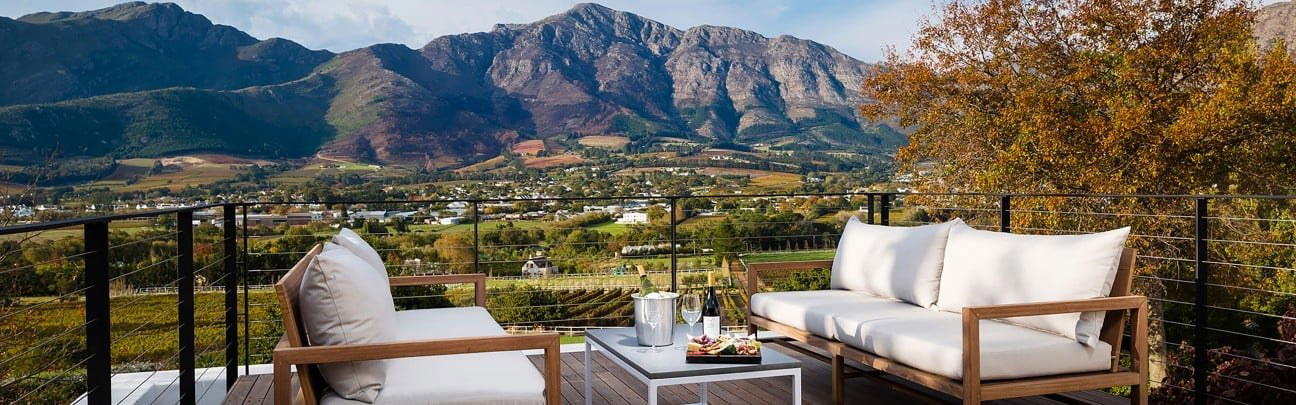
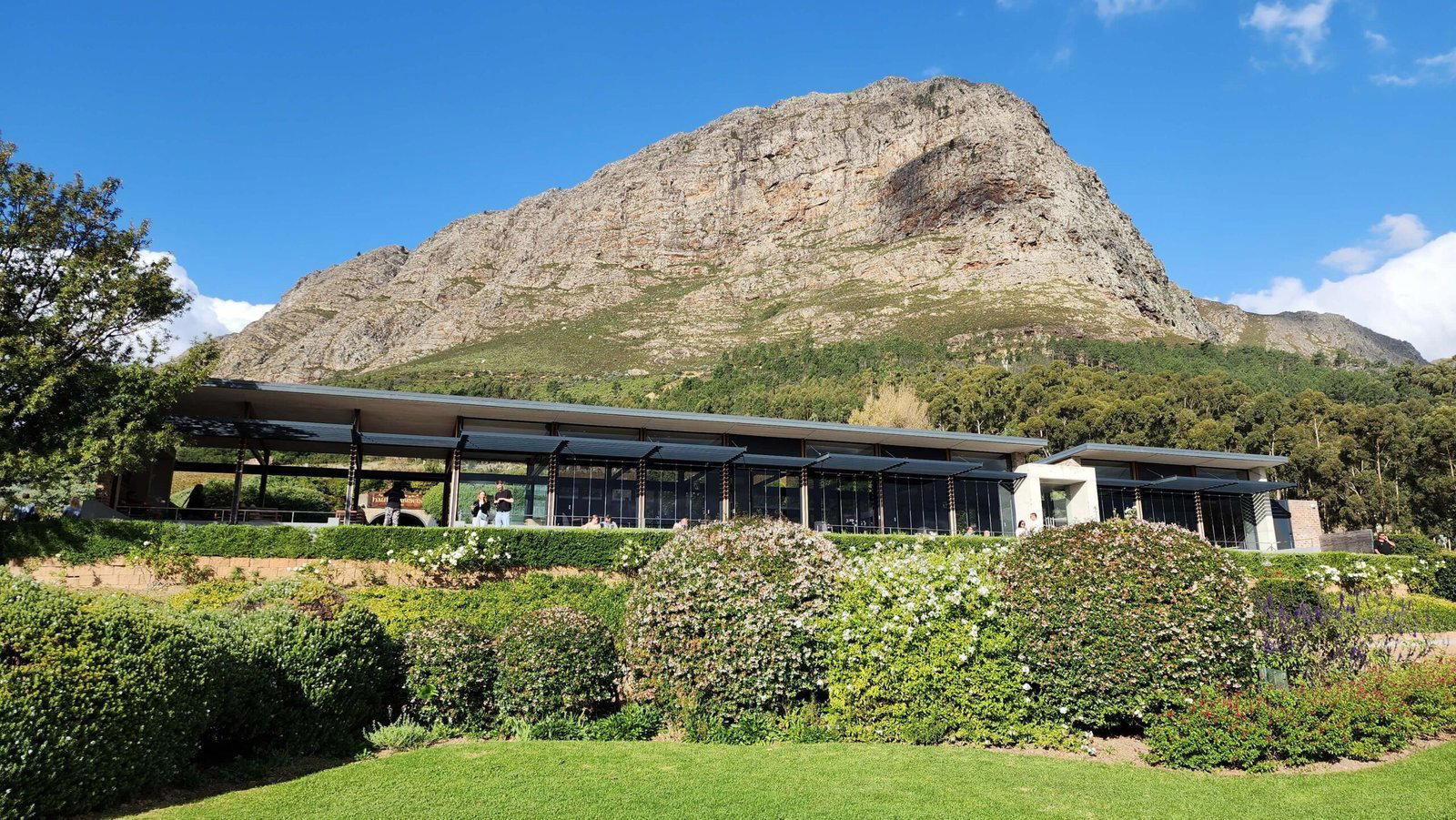
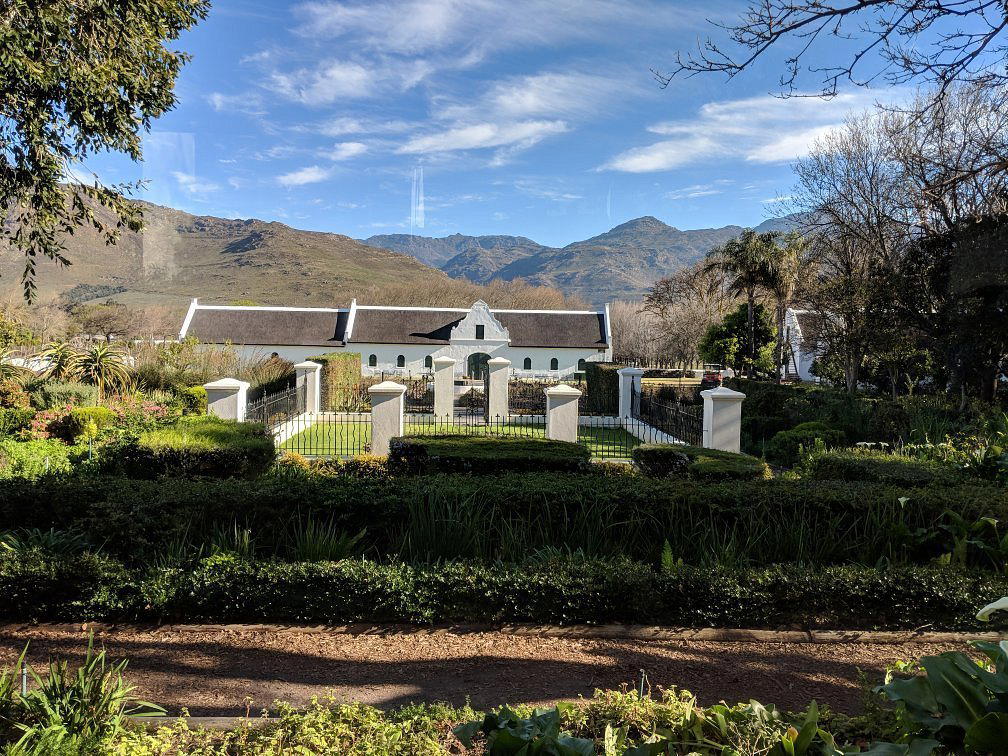
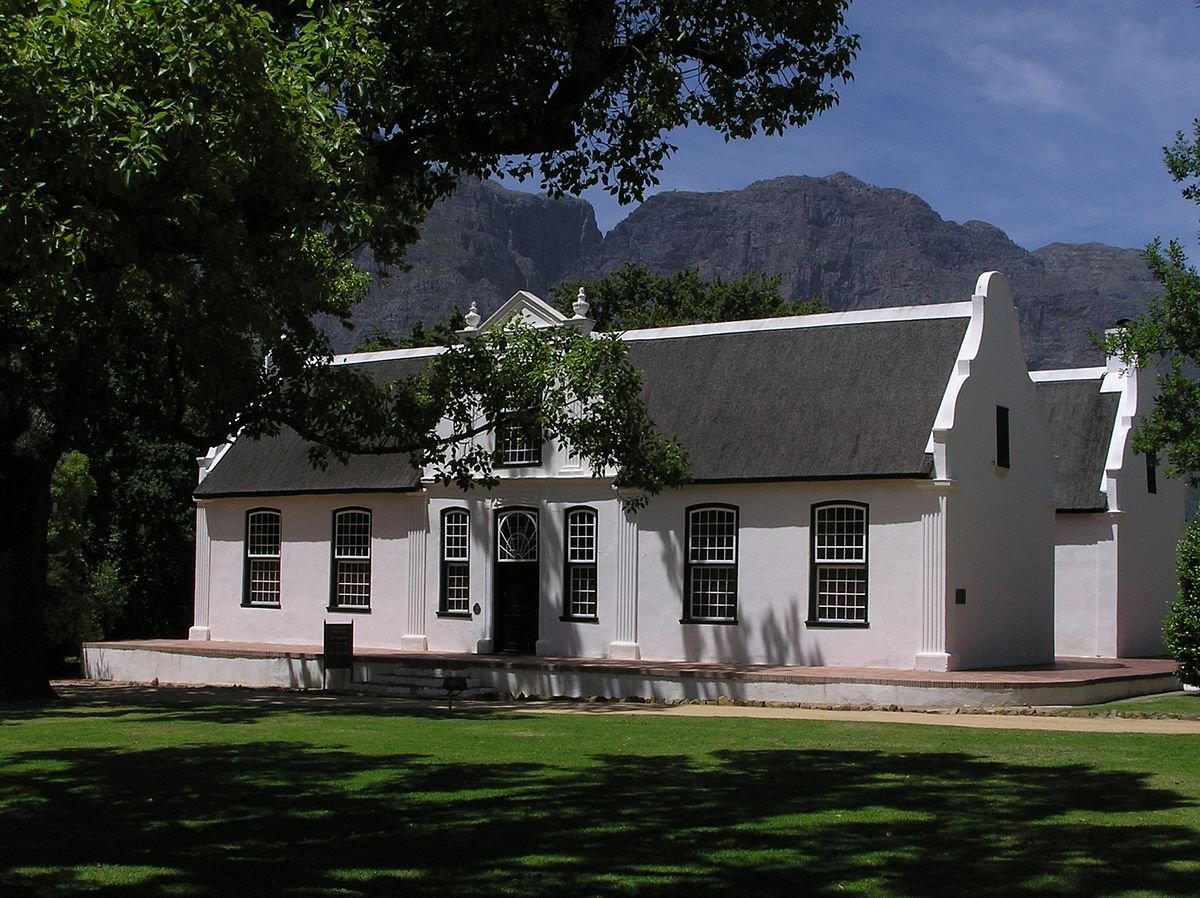
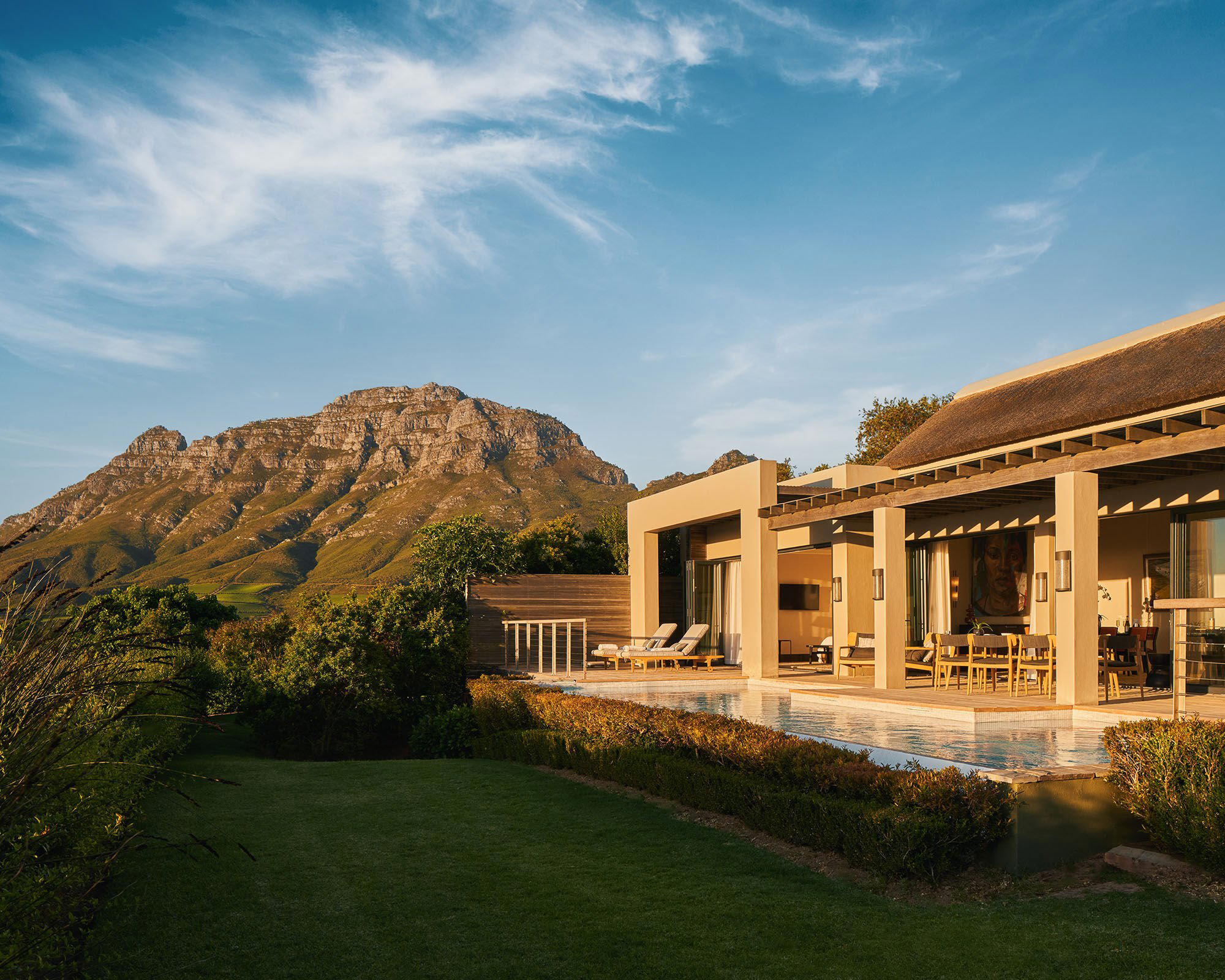
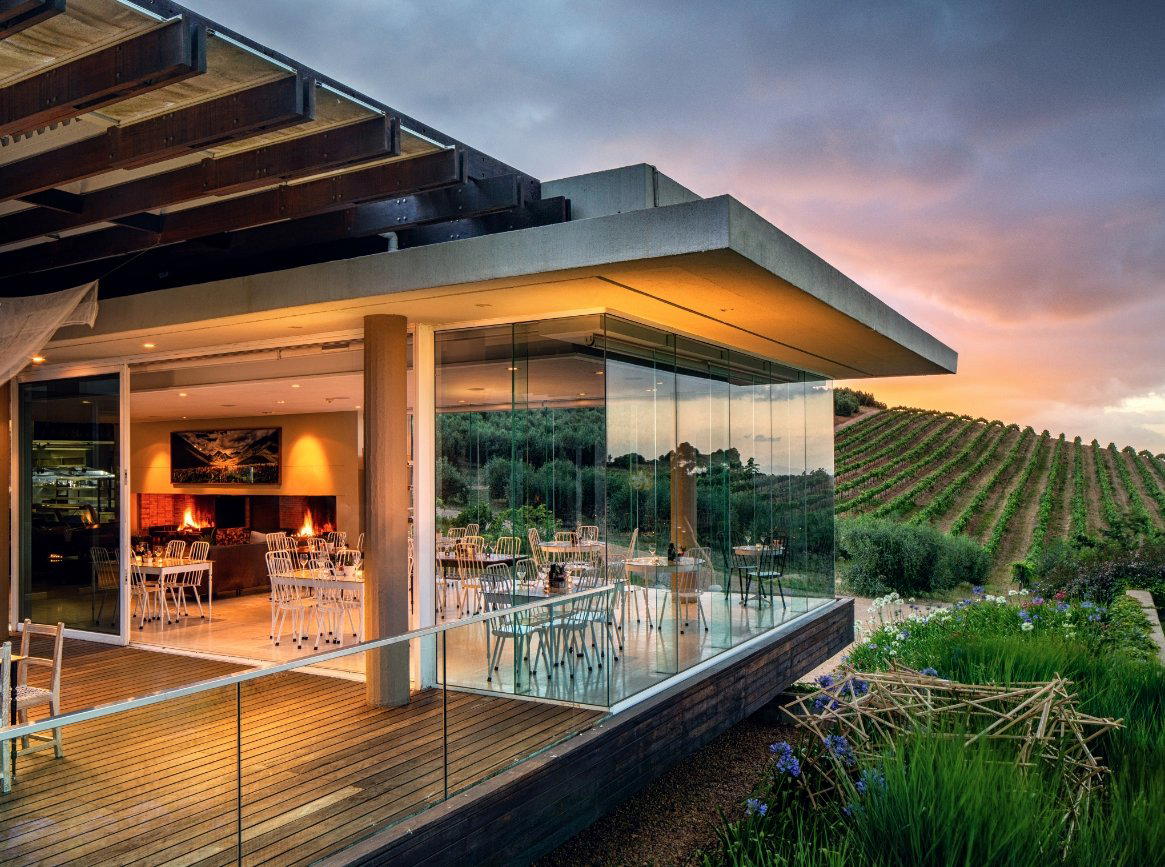
Sterrekopje Farm sits on Excelsior Road in Franschhoek, a valley where farm-to-table dining and wine estate restaurants define the local register. The property occupies the kind of agricultural setting that shapes Franschhoek's reputation for place-rooted hospitality, placing it within a wine country tradition where landscape and plate are rarely treated as separate concerns. Visitors to the broader Stellenbosch and Franschhoek corridor will find it alongside some of the Western Cape's most serious farm dining addresses.
 Discover on Pearl
Pearl is the En Primeur Club membership app — saves, bookings, and concierge access live there. Same editors, same standards.
- Address
- Excelsior Rd, Franschhoek, 7690, South Africa
- Phone
- +27210070762
- Website
- sterrekopje.com
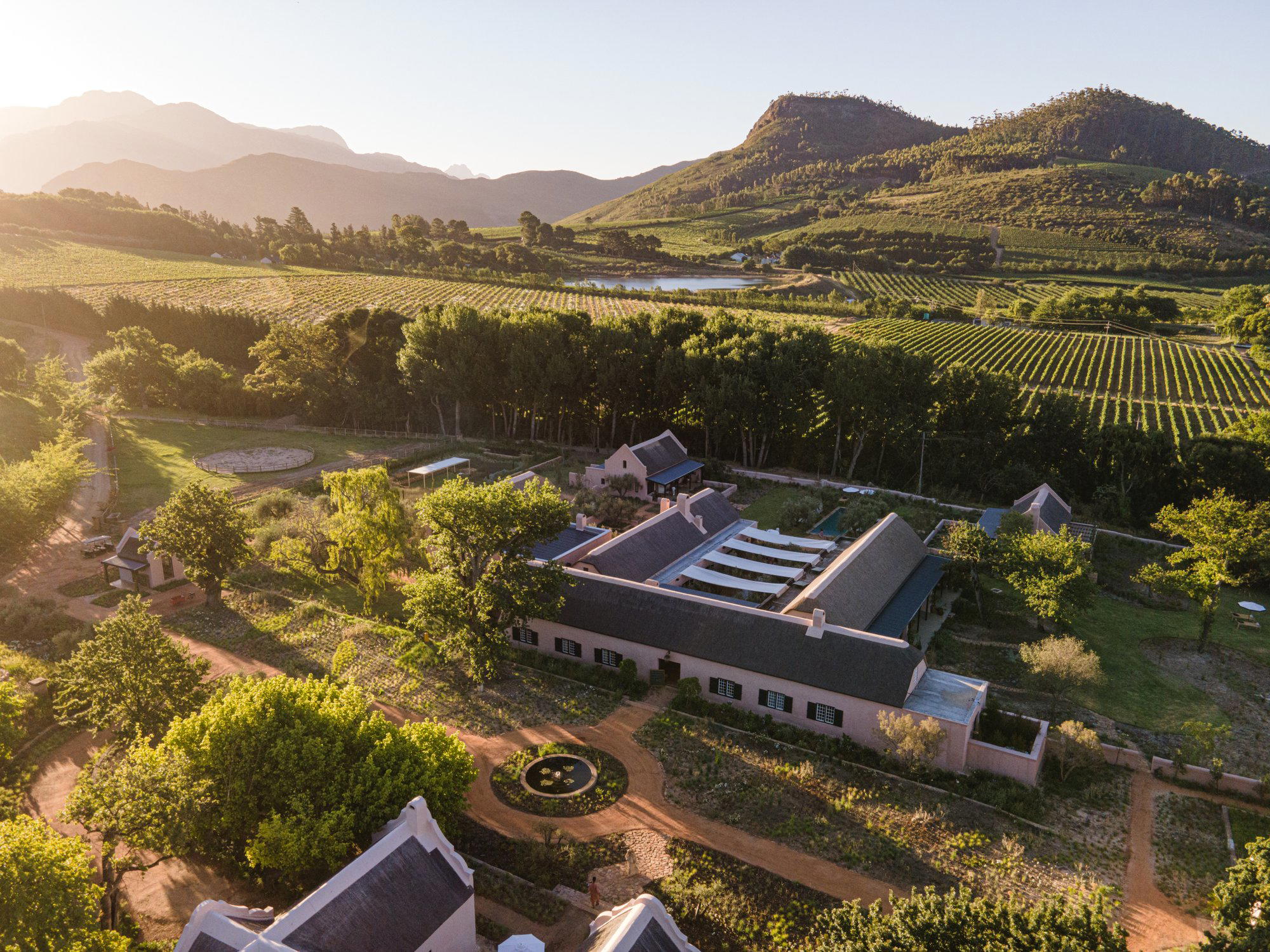
Sterrekopje Farm in Franschhoek
The road into Franschhoek from the Franschhoek Pass side arrives through a corridor of wine farms, stone walls, and mountain fynbos that makes the valley feel deliberately apart from the Cape's urban churn. Excelsior Road, where Sterrekopje Farm is addressed, belongs to this agricultural fabric. In a valley where the dining scene has been built around estate restaurants and farm properties rather than high-street venues, the farm address carries its own signal. Franschhoek's food and wine identity rests on exactly this model: properties that use land, produce, and vineyard context as the primary frame for a meal, rather than importing a concept from elsewhere.
That tradition places Sterrekopje Farm within a competitive set that is geographically defined as much as it is culinarily defined. The Franschhoek Valley concentrates a higher density of farm and estate dining than almost any other wine region in South Africa, and visitors making a decision about where to spend a meal are typically comparing properties along a stretch of road rather than across a city grid. Peer context matters here: Le Quartier Français in Franschhoek anchors the valley's fine dining reputation at the formal end, while farm-format properties operate at various registers between casual vineyard lunches and more structured tasting experiences. Sterrekopje's positioning within that range is part of what makes an informed visit worthwhile.
The Western Cape Farm Dining Tradition
South Africa's farm restaurant model emerged from wine estate hospitality in the 1990s and has since split into several distinct categories. At one end sit the estate restaurants attached to major wine producers, where the food program exists partly to anchor cellar door visits and partly to stand alone as a dining destination. At the other end, smaller farm properties have developed more intimate, produce-first formats where the agricultural setting is not backdrop but operational reality: kitchen gardens, direct animal husbandry, and seasonal menus that shift with what the land is producing rather than what a centralized supply chain delivers.
The broader Western Cape has generated some of South Africa's most discussed dining across both categories. Rust en Vrede Restaurant in Stellenbosch represents the estate-dining model at its most formal, with a wine program built around the property's own production. Bread & Wine Vineyard Restaurant in Stellenbosch operates at a more relaxed register, with charcuterie and wood-fired cooking that keeps the farm character central. Wolfgat in Paternoster has drawn international attention for a forage-and-coastline approach that positioned South African farm-and-field dining within a global conversation. Each sits in a different tier and appeals to a different kind of visitor, but all share the premise that place is the primary ingredient.
Sterrekopje Farm's Franschhoek address connects it to this conversation. The valley has historically attracted visitors willing to treat a meal as the primary reason for a journey rather than an afterthought to a wine tasting, and farm properties in this setting tend to draw from that same visitor intent.
Stellenbosch and Franschhoek as a Dining Circuit
Most visitors to this part of the Western Cape treat Stellenbosch and Franschhoek as a connected circuit rather than isolated stops. The two towns are roughly thirty kilometres apart by road, and the quality of dining across both means that a well-planned two-day visit can cover meaningful ground without repetition. Chefs Warehouse at Maison in Stellenbosch operates the shared-plate format that Liam Tomlin's group has refined across multiple Cape Town addresses, while Kleine Zalze Restaurant anchors estate dining within Stellenbosch proper. For a broader sense of how this region's restaurants compare, the full Stellenbosch Nu restaurants guide maps the range across price points and formats.
The Franschhoek end of this circuit has historically carried more weight with international visitors, partly because of Le Quartier Français's long-standing editorial presence and partly because the valley's visual drama makes it a natural anchor for a longer stay. Farm properties in Franschhoek benefit from that traffic while operating at a remove from the town's main street restaurant strip, which has grown considerably in density over the past decade.
How Franschhoek Farm Addresses Compare to Cape Town's Dining Scene
Cape Town's own restaurant scene has moved decisively toward technically ambitious, produce-driven formats over the past several years. Fyn in Cape Town sits at the formal end of that shift, with Japanese-influenced South African cooking that has drawn sustained critical attention. The city's energy is concentrated and urban; the farm dining model of the Winelands operates from a different premise entirely, where the distance from the city is itself part of what you are paying for. Visitors who have exhausted Cape Town's restaurant options, or who want to place a meal inside a different kind of physical environment, tend to make the drive to Stellenbosch or Franschhoek with that contrast in mind.
South Africa's dining geography extends well beyond the Western Cape, though the Cape's concentration of internationally recognized addresses remains disproportionately high. Klein Jan in Moshaweng Nu has brought attention to the Kalahari as a serious dining destination, while Wolfgat in Saldanha Bay extended the Paternoster model's reach northward along the West Coast. For visitors specifically interested in farm and estate formats, the Franschhoek Valley remains the country's most coherent single destination, with the density of options and the quality of wine making a full day's itinerary direct to construct.
Planning a Visit to Sterrekopje Farm
Sterrekopje Farm sits on Excelsior Road in Franschhoek, which positions it within the valley's agricultural corridor rather than on the town's main restaurant strip. Visitors arriving from Cape Town will cover approximately eighty kilometres by road, with the journey taking roughly an hour depending on the route chosen over the Franschhoek Pass or through Stellenbosch. Advance reservations are essential.
The Quick Read
Comparable venues nearby, for context on price, style, and recognition.
| Venue | Cuisine | Price | Notes |
|---|---|---|---|
| Sterrekopje FarmThis venue — the venue you are viewing | Franschhoek, Farm-to-Table Vegetarian | $$$$ | |
| Chefs Warehouse at Maison | $$$$ | Franschhoek, Global Tapas with South African Focus | |
| Orangerie Restaurant | Franschhoek, Modern Classic French | $$$ | |
| Rust en Vrede Restaurant | $$$$ | Stellenbosch, Contemporary French with Brazilian-Italian Influences | |
| Kleine Zalze Restaurant | $$$ | Stellenbosch, Modern South African Fusion | |
| Tokara | $$$$ | Helshoogte Pass, Contemporary South African Fine Dining |
Continue exploring
More in Stellenbosch Nu
Restaurants in Stellenbosch Nu
Browse all →
Bars in Stellenbosch Nu
Browse all →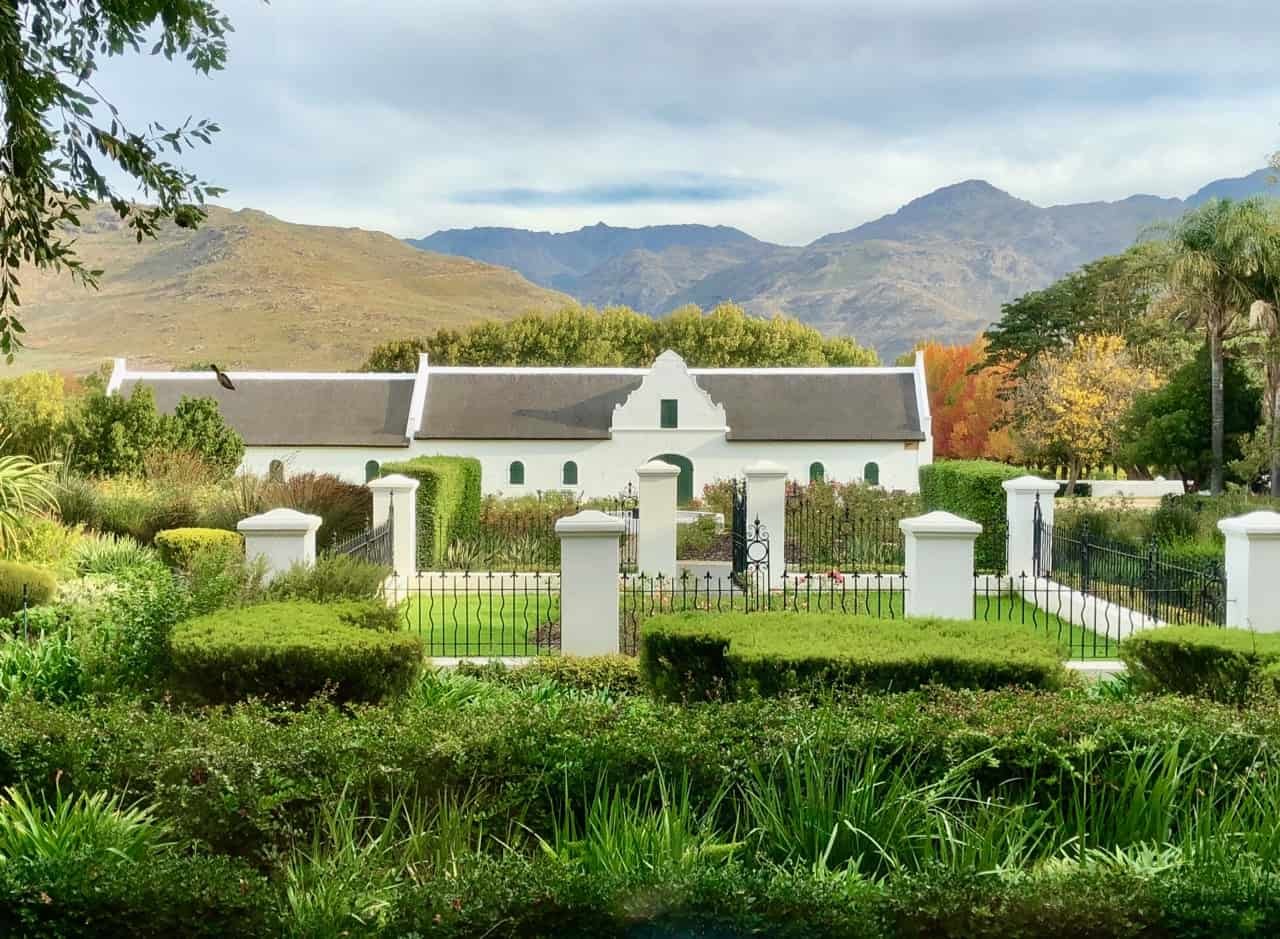
Hotels in Stellenbosch Nu
Browse all →
At a Glance
- Rustic
- Cozy
- Scenic
- Intimate
- Whimsical
- Special Occasion
- Celebration
- Garden
- Historic Building
- Zero Proof
- Farm To Table
- Organic
- Local Sourcing
- Biodynamic
- Mountain
- Vineyard
- Garden
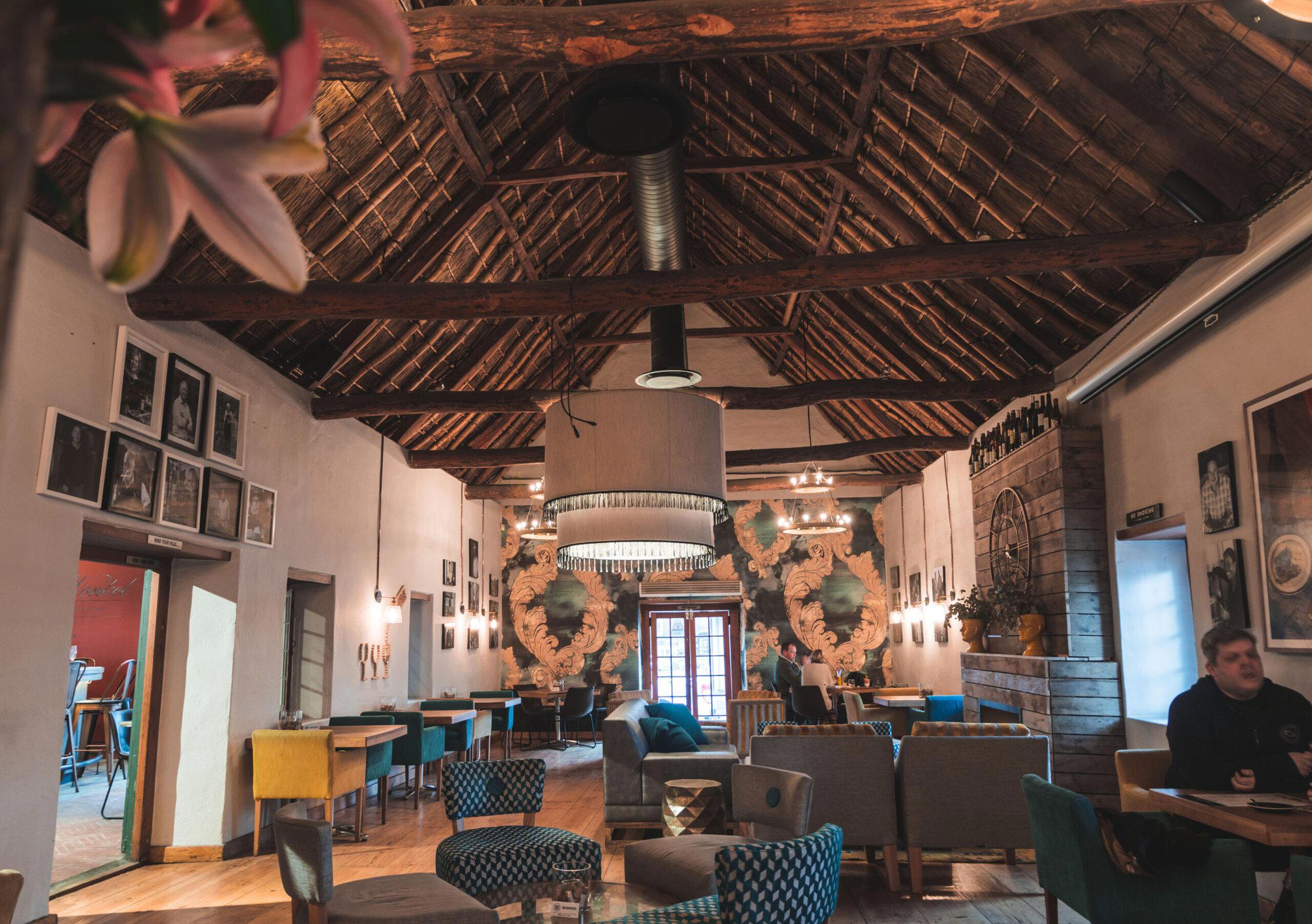
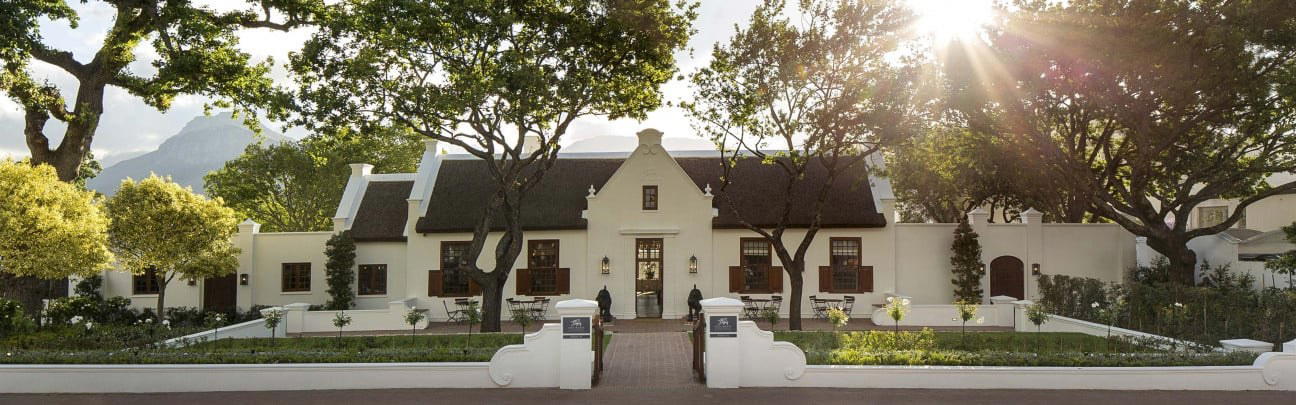
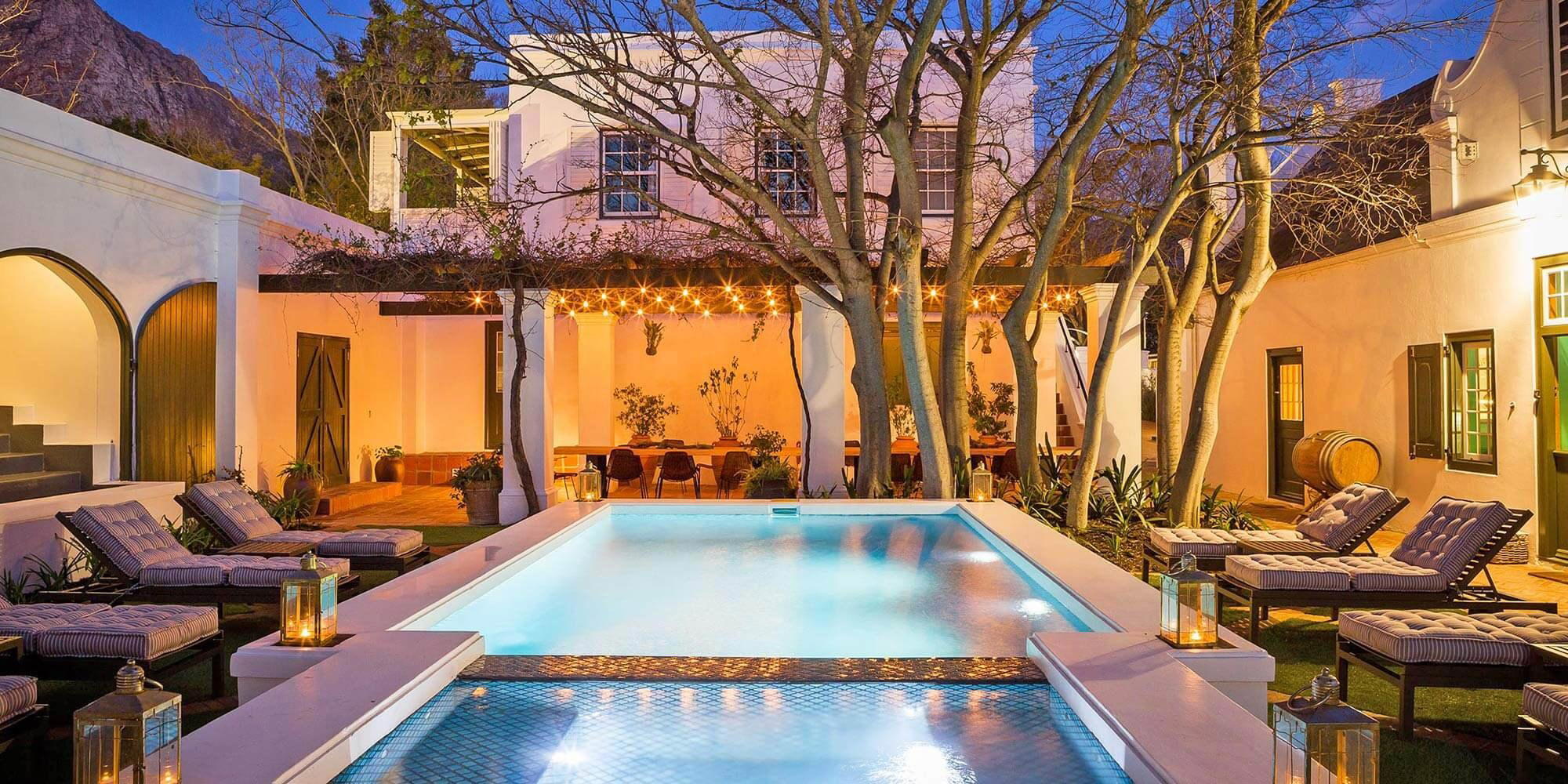
Soulful and nurturing with hand-painted fireplaces, colorful textiles, African-inspired frescoes, sun-soaked orangeries, and a slow-living ethos fostering serenity and creativity.