Steers
Steers occupies a counter inside Park Station's Western Concourse, one of Johannesburg's busiest transit hubs. It sits within the city's fast-food infrastructure rather than its fine-dining circuit, making it a useful reference point for understanding how everyday eating culture operates in the urban core. For context on Johannesburg's broader restaurant range, the EP Club city guide covers the full spectrum.
Pearl is the En Primeur Club membership app — saves, bookings, and concierge access live there. Same editors, same standards.
- Address
- Shop C30A, Parkstation, Park Station, Western Concourse, Johannesburg, 2000, South Africa
- Phone
- +27113332095
- Website
- locations.steers.co.za
- Directions
- Get directions
 Saves & bookings on Pearl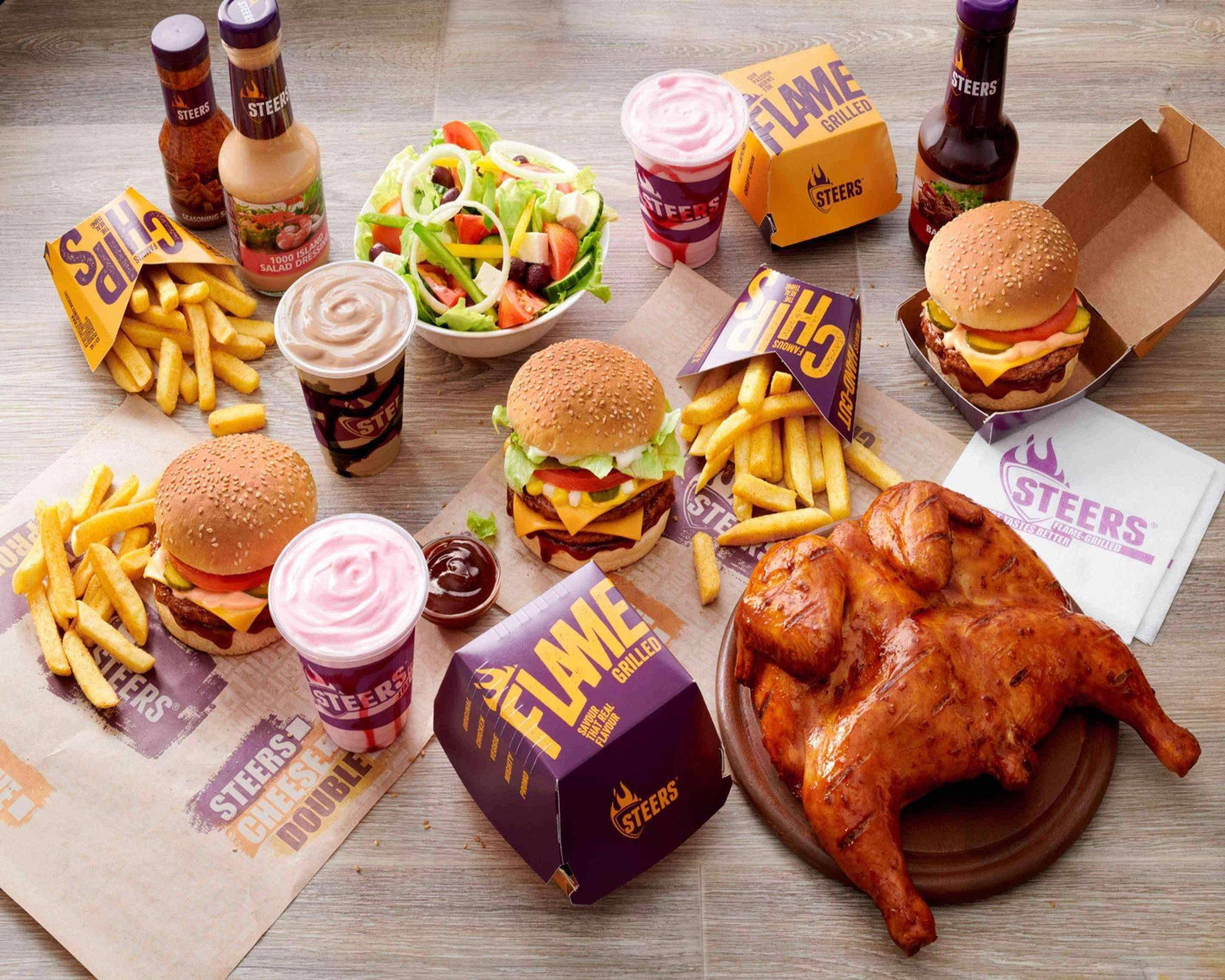
Transit Food and the Rituals of the Everyday Counter
Park Station's Western Concourse moves at a pace that most dining environments are not designed for. Commuters connecting between Gautrain services, intercity coaches, and the city's Metrorail network pass through in volumes that make deliberate, seated dining a secondary consideration. The food outlets inside this concourse exist within a specific logic: speed of service, price accessibility, and the kind of menu familiarity that removes the need for decision-making under time pressure. Steers operates within that logic at Shop C30A.
South Africa's fast-food sector is notably domestically driven. While global chains maintain a presence, several of the country's most widely recognised quick-service brands were built locally, shaped by local ingredient access and local appetite patterns. The Steers brand has a long history within that domestic fast-food tradition, and its placement inside one of Johannesburg's primary transit nodes reflects a distribution strategy oriented around footfall rather than destination dining. It is the kind of outlet that serves a function most cities rely on but few travel platforms address directly.
What the Transit Counter Tells You About Johannesburg's Eating Culture
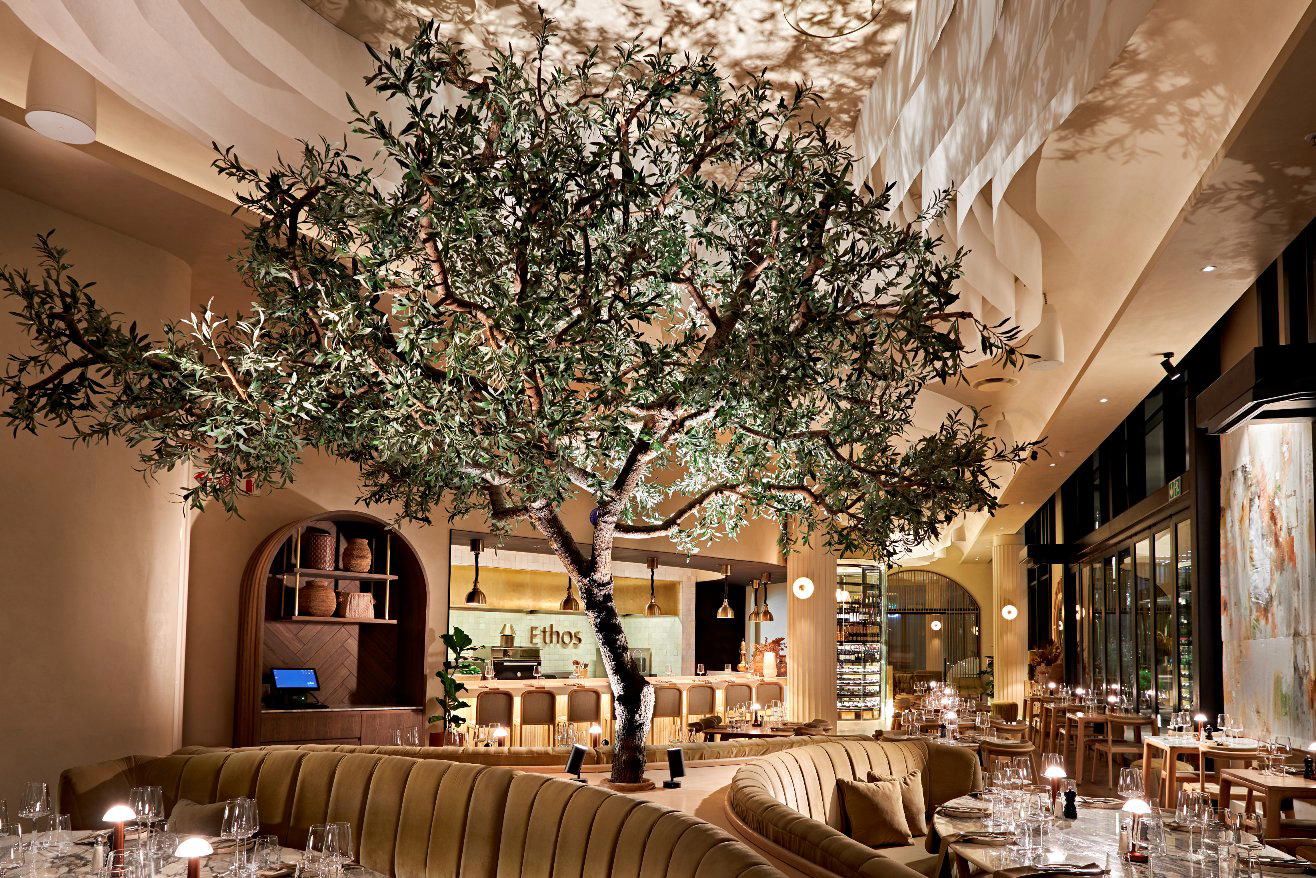
Johannesburg's dining culture operates across a much wider register than its fine-dining coverage might suggest. At the summit of the market, venues like Aurum and Embarc represent the city's ambition for precision cooking and sourced ingredients. Ethos Restaurant and Gigi sit in the mid-tier, where neighbourhood character and menu personality matter as much as technique. Then there is the everyday infrastructure, the counters inside transport hubs, office towers, and shopping concourses, where the majority of the city's meals are actually eaten.
The transit counter format has its own rituals. At Park Station specifically, the rhythm of eating is dictated by departure boards and connection windows rather than by any internal pacing set by the kitchen. Diners are rarely seated for longer than a few minutes. The order is placed quickly, often without consulting a menu at length, because familiarity with the offer is assumed. Payment, collection, and consumption happen in a compressed sequence that mirrors the station's broader tempo. This is not incidental to the dining experience; it is the dining experience. The format rewards consistency and penalises experimentation, which is why menu range at this tier tends to converge around a narrow set of reliably executed options.
South Africa's fast-food counter tradition has also shaped expectations around what a burger or grilled item should deliver at price points accessible to a working commuter. That expectation sits at a different calibration than the craft-patty movement that has influenced mid-market casual dining in Johannesburg's northern suburbs. Both exist, but they are not competing for the same moment in a person's day.
Park Station as a Dining Context
Eating at Park Station means accepting the station's physical conditions as the frame. Noise levels reflect a major urban transit hub. Seating, where it exists, is shared and functional rather than considered. The experience is defined by the concourse rather than by any individual outlet within it. Travellers arriving at Johannesburg for the first time via Gautrain, or locals moving between connections, encounter this concourse as part of the city's texture rather than as a destination in its own right.
For a fuller sense of where Johannesburg's restaurant culture has developed genuine creative depth, the EP Club editorial covers venues operating at different registers. Kolonaki Greek Kouzina reflects the city's migrant-cuisine traditions; EAT YOUR HEART OUT in Hillbrow engages with one of Johannesburg's most historically layered neighbourhoods; Foundry in Sandton addresses the northern business district's dining expectations. These are part of the same city but represent a wholly different decision architecture than a concourse counter.
Placing Steers in the National Fast-Food Conversation
Within South Africa's domestic quick-service market, Steers occupies a position that is broadly associated with flame-grilled beef burgers. The brand's recognition across the country means that many travellers arriving at Park Station from another South African city are already familiar with the offer. That pre-existing familiarity is precisely the point: the transit counter is not where most people encounter a brand for the first time, but where they confirm what they already know about it. Routine rather than discovery is the operating mode.
This contrasts sharply with the trajectory of South African dining at the aspirational end of the market. Venues like Fyn in Cape Town and Wolfgat in Paternoster have drawn international attention for their engagement with indigenous ingredients and coastal foraging traditions. Le Quartier Français in Franschhoek and Bread & Wine Vineyard Restaurant in Stellenbosch anchor the Winelands dining circuit. Klein Jan in Moshaweng Nu has extended the conversation about South African terroir into the Kalahari. These venues are building a national dining identity that gets covered in international publications. The fast-food counter at a transit hub is building something else: daily sustenance for a city that runs on movement.
For those planning a longer engagement with South African dining outside Johannesburg, La Sosta Restaurant in Swellendam, Wolfgat in Saldanha Bay, and Cairo Kitchen in Kungwini Part 2 each represent specific regional dining cultures worth placing in context. Internationally, the EP Club covers the full range from Le Bernardin in New York City to Atomix in New York City, both of which demonstrate how different the pacing and ritual of a high-investment tasting counter can be from the transit-counter format described here.
Planning a Visit
Steers at Park Station is located at Shop C30A in the Western Concourse, accessible directly from the station's main pedestrian flows. No booking is required, and the format is walk-in by design. Price here is around $8 per person. The outlet is most practically used as a functional stop during transit rather than as a dining destination requiring planning.
Where It Fits
Comparable venues nearby, for context on price, style, and recognition.
| Venue | Cuisine | Price | Notes |
|---|---|---|---|
| SteersThis venue — the venue you are viewing | Flame-Grilled Burgers | $ | Not listed |
| RocoMamas Southgate | American Smash Burgers & BBQ | $$ | Southgate |
| the Italian job food emporium | Authentic Italian Deli Trattoria | $$ | Bryanston |
| The Whippet in Linden | Modern Café Brunch | $$ | Linden |
| Kolonaki Greek Kouzina | Modern Greek Meze | $$$ | Parkhurst |
| KŌL Izakhaya | Modern Japanese Izakaya | $$$ | Hyde Park |
Continue exploring
More in Johannesburg
Restaurants in Johannesburg
Browse all →
Bars in Johannesburg
Browse all →
Hotels in Johannesburg
Browse all →
Wineries in Johannesburg
Browse all →
At a Glance
- Lively
- Energetic
- Casual Hangout
- Family
Casual fast-food atmosphere with focus on fresh, flame-grilled preparation.