Sabi Sabi Private Game Reserve
Our verdict
Sabi Sabi Private Game Reserve carries a 40-year track record in the South African Bushveld, operating four luxury lodges across the Greater Kruger area and holding a 3-Star Accreditation from the World of Fine Wine & Lifestyle Awards. Its wine program draws on boutique South African producers, while game drives, conservation programming, and lodge dining position it in the upper tier of private reserve experiences accessible from Johannesburg.

Pearl is the En Primeur Club membership app — saves, bookings, and concierge access live there. Same editors, same standards.
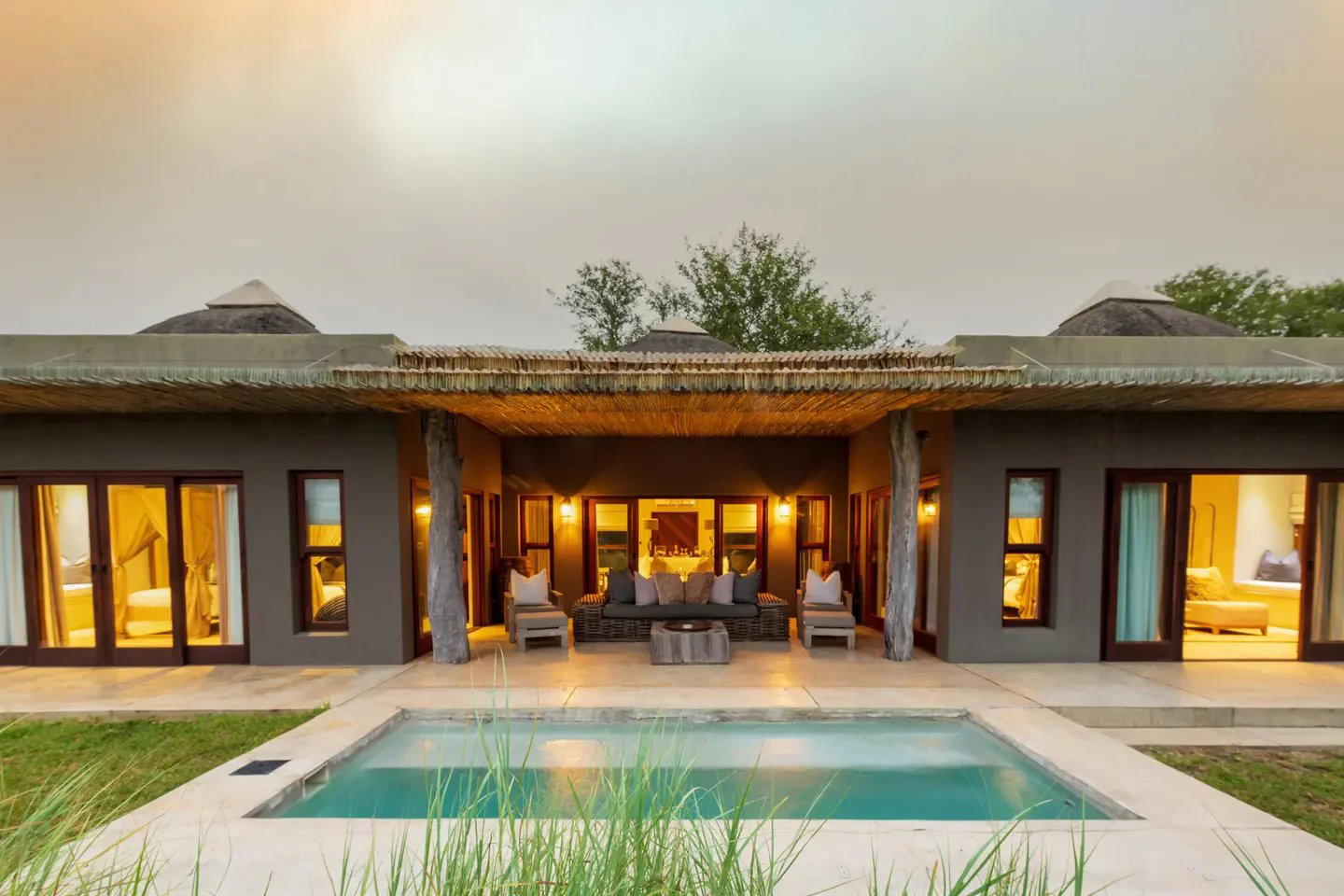
Forty Years in the Bushveld: Where Private Reserve Standards Are Set
The private game reserve sector in South Africa divides, broadly, into two camps: the large-footprint, branded-lodge operations that move high volumes through standardised programs, and the family-owned reserves that have spent decades calibrating a more particular experience. Sabi Sabi Private Game Reserve belongs firmly to the second category. Family-owned and operational for more than 40 years, it sits within the Greater Kruger ecosystem and has accumulated the kind of institutional knowledge that newer entrants simply cannot compress into a few seasons. That depth shows in the way the reserve structures its wine programming, conservation commitments, and the culinary offer across its four lodges — each designed under a philosophy the reserve describes as Yesterday, Today and Tomorrow, a framework that positions heritage and contemporary South African identity alongside each other rather than in competition.
For travellers planning a Johannesburg stay who want to extend into a genuine wilderness experience, Sabi Sabi represents one of the most credentialled options in the Greater Kruger corridor. The reserve's Melrose Estate address in Johannesburg functions as a city liaison point; the lodges themselves operate within the Sabi Sand Game Reserve, a private concession bordering Kruger National Park that offers traversing rights across a landscape with one of the highest concentrations of leopard sightings on the continent.
The 3-Star Wine Accreditation and What It Signals
South Africa's fine dining and hospitality scene has developed a more sophisticated relationship with its own wine industry over the past decade, and the private reserve sector has been slower than the Cape Winelands to formalise that relationship. The award is a structured evaluation, not a participation credential, and a 3-Star result positions Sabi Sabi among the more wine-considered private lodges in the country. The accreditation explicitly recognises the reserve's commitment to featuring boutique South African producers, including lesser-known labels that the broader hospitality market tends to overlook. For guests accustomed to wine programs at properties like Delaire Graff Lodges & Spa in Helshoogte Pass or the cellar-forward approach at Ellerman House in Bantry Bay, Sabi Sabi's accreditation signals a comparable seriousness applied to a very different setting — dinner under open skies rather than a formal dining room.
This matters editorially because the World of Fine Wine evaluation framework assesses list construction, producer diversity, and the capacity to guide guests through South African wine at a meaningful level. A lodge that passes this evaluation has, by definition, moved beyond the predictable list of Stellenbosch Cabernet and Swartland Chenin that constitutes the floor of the market. The boutique producer focus also connects Sabi Sabi to a broader movement visible at Cape Town restaurants like Fyn and at destination dining spots like Wolfgat in Paternoster, where sourcing from smaller, identity-driven South African producers has become a deliberate editorial statement rather than a default.
Cuisine in Context: Dining at a Bush Lodge
Dining within a private game reserve operates under constraints and opportunities that differ fundamentally from a standalone restaurant. The kitchen must serve guests who have been in the field since before dawn, feeding them in rhythm with the game drive schedule rather than a conventional meal service. At the upper end of the private reserve market, this has produced a distinct format: a long communal table or open-air boma dinner that blends South African flavour traditions with produce-led contemporary cooking, served against a backdrop of firelight and the ambient sounds of the bush. The cuisine at this tier is not competing with Johannesburg's fine dining rooms, venues like Aurum or Ethos Restaurant occupy a different register entirely, but it is competing with the experience itself, which means the food must reinforce rather than distract from the setting.
Sabi Sabi's four lodges each carry a distinct character, which allows for differentiation in how dining is executed across the property. The reserve's 40-year track record in the Sabi Sand means its kitchen teams have had time to develop a genuine sense of place in their cooking, drawing on South African ingredients and the particular rhythms of a bush stay. For guests travelling from Johannesburg's more technically ambitious dining scene, the structured menus at Embarc or the produce-focused cooking at Gigi, the shift to lodge dining represents a deliberate change of register, trading technical precision for atmosphere and occasion.
Conservation and Community: The Longer Credential
In the private reserve sector, conservation commitment functions as both an ethical position and a quality signal. Reserves that have invested meaningfully in anti-poaching, habitat management, and community partnerships over decades tend to produce better wildlife encounters, not because of any single intervention, but because long-term land stewardship compounds in the same way that a mature vineyard compounds into wine quality. Sabi Sabi's four-decade operating history in the Sabi Sand, paired with an explicit conservation and community mandate, places it among the reserves that have contributed to the Sabi Sand's status as one of the most densely wildlife-populated private concessions in southern Africa.
This is relevant to travellers because the private reserve market now includes a range of operators with very different conservation track records, and the difference is perceptible in the field. The Sabi Sand's traversing agreements mean that a well-regarded lodge can follow sightings across a broad area; a reserve with 40 years of ranger training and tracker development has, by that point, cultivated the kind of field knowledge that determines whether a guest sees the leopard for two minutes or follows it for forty.
Planning the Stay: Getting There from Johannesburg
Sabi Sabi's Johannesburg address at Melrose Estate serves as a reservations and liaison office; the lodges are accessed via charter flight from OR Tambo International Airport to a private airstrip within the Sabi Sand, a journey of approximately 90 minutes. Road transfer is also possible but considerably longer, and most guests at this price tier and experience level choose the fly-in option. Booking should be made well in advance, particularly for peak game viewing months (June through September, when vegetation is sparse and wildlife concentrates around water sources). The four lodges serve different guest profiles in terms of scale and atmosphere, so selecting the right lodge within the Sabi Sabi portfolio is a meaningful decision. The reserve's Johannesburg office is the appropriate first point of contact for that guidance.
For travellers building a broader South Africa itinerary, pairing a Sabi Sabi stay with Cape Winelands dining, the tasting menu experience at Le Quartier Français in Franschhoek or the producer-focused offer at Dusk in Stellenbosch, is a coherent routing that covers both the country's wildlife and its wine identity in a single trip. Johannesburg itself offers a full range of supplementary options, from cocktail bars and wine-focused restaurants to cultural experiences, all documented in our full Johannesburg experiences guide. Additional planning resources include our full Johannesburg restaurants guide, our full Johannesburg hotels guide, our full Johannesburg bars guide, and our full Johannesburg wineries guide.
For context on what wine accreditation at this level means relative to international benchmarks, the structured wine programs at Le Bernardin in New York City or the hospitality standards at Emeril's in New Orleans offer a useful reference point for what award recognition signals within a hospitality context. Within Johannesburg's own dining scene, the Japanese-inflected format at KŌL Izakhaya illustrates how the city's most considered operators approach sourcing and menu discipline, a standard that Sabi Sabi's wine accreditation suggests is being matched in the lodge setting.
Frequently asked questions
What part of town is Sabi Sabi Private Game Reserve in?
Sabi Sabi Private Game Reserve is located at 4 Jameson Ave, Melrose Estate, Johannesburg, 2196, South Africa, Johannesburg.
Does Sabi Sabi Private Game Reserve have a Michelin star or similar recognition?
Sabi Sabi Private Game Reserve has received recognition including: {"wbwl_source": {"slug": "sabi-sabi-private-game-reserve", "page_type": "star_accreditation", "category_slug": "star-accreditation", "award_result": "Accredited", "is_global_winner": "False"}, "scraped_details": {"hero_image": "
What's the signature dish at Sabi Sabi Private Game Reserve?
Specific menu details are not published in advance, which is standard practice for private bush lodge kitchens that build menus around seasonal and local availability. What the 3-Star World of Fine Wine accreditation does confirm is that the food and wine programme meets a documented hospitality benchmark. Guests should expect South African produce-led cooking paired with a curated selection of boutique South African wines.
What's the best way to book Sabi Sabi Private Game Reserve?
Sabi Sabi operates a reservations and liaison office at 4 Jameson Ave, Melrose Estate, Johannesburg. The lodges themselves are reached via charter flight from OR Tambo International Airport, so bookings typically bundle accommodation with transfer logistics.
What is Sabi Sabi Private Game Reserve known for?
Sabi Sabi is a family-owned private game reserve with more than four decades of operation in the South African Bushveld, distinguished by four luxury lodges built around a stated design philosophy of Yesterday, Today and Tomorrow. It holds a 3-Star accreditation from the World of Fine Wine & Lifestyle Awards, recognising its wine and hospitality standards. The reserve is also noted for a long-standing commitment to conservation and community programmes, which in the private reserve sector functions as a substantive operational credential rather than a marketing position.
Comparable Spots, Quickly
| Venue | Cuisine | Price | Awards |
|---|---|---|---|
| Sabi Sabi Private Game ReserveThis venue (the venue you are viewing) | Luxury Safari Fine Dining with African Influences | Not listed | Not listed |
| Gigi | Contemporary South African with Global Influences | Not listed | The Best Chef One Knife |
| Les Creatifs | Modern South African Fine Dining | $50–100 | The Best Chef One Knife |
| The Blockman | Contemporary South African Steakhouse | $50–100 | Star Wine List |
| Aurum | Modern European Contemporary | Not listed | Star Wine List |
| Embarc | Contemporary European | $20–30 | Star Wine List |
Recognition history
Dated appearances from independent guides and award organizations, with the underlying list record or original source where available.
World's Best Wine Lists Awards WBWL Category Winner
World's Best Wine Lists Awards
Full recognition history (6 entries)
World's Best Wine Lists Awards WBWL 3-Star
World's Best Wine Lists Awards
World's Best Wine Lists Awards WBWL Category Winner
World's Best Wine Lists Awards
World's Best Wine Lists Awards WBWL 3-Star
World's Best Wine Lists Awards
World's Best Wine Lists Awards WBWL 3-Star
World's Best Wine Lists Awards
World's Best Wine Lists Awards WBWL Category Winner
World's Best Wine Lists Awards
Continue exploring
More in Johannesburg
Restaurants in Johannesburg
All restaurants in Johannesburg →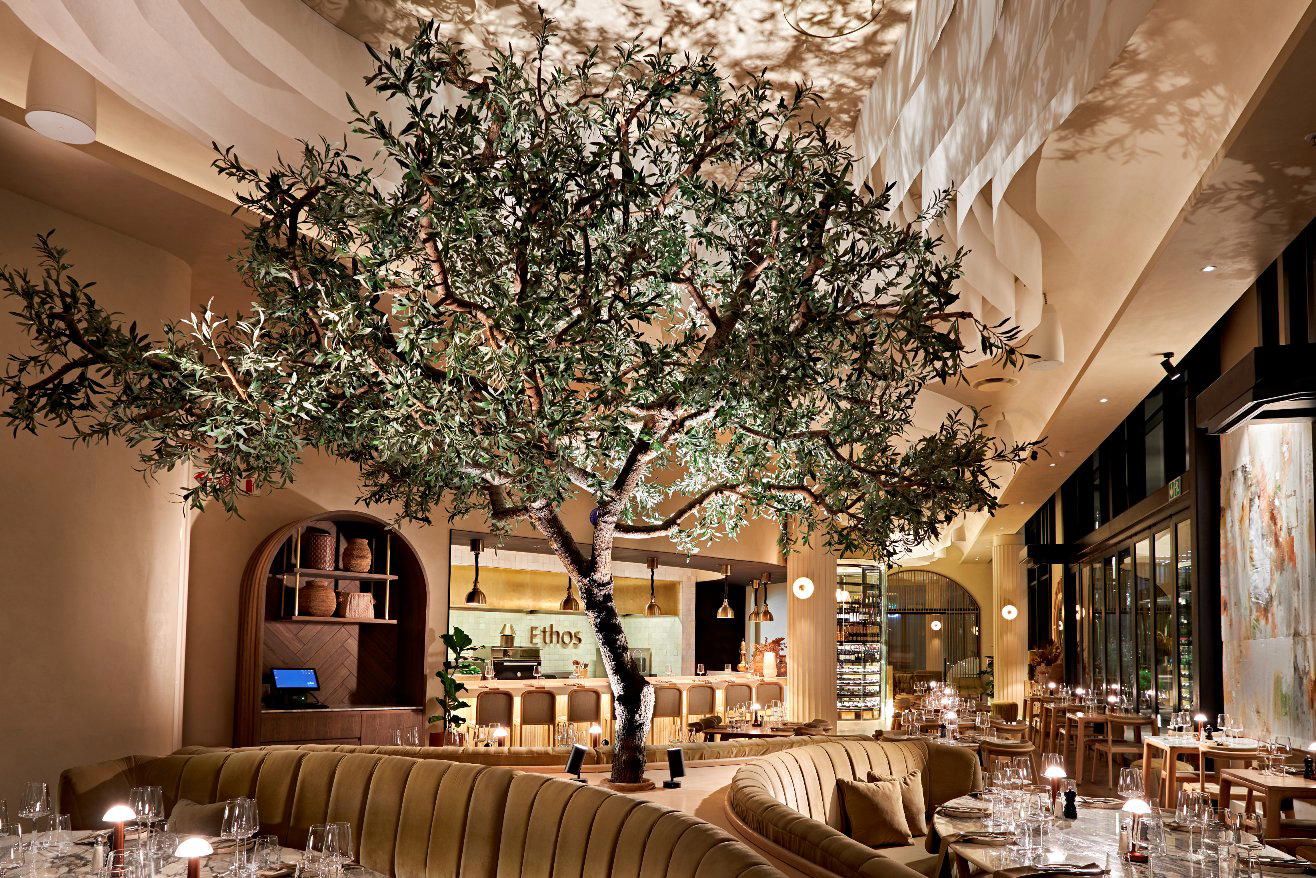
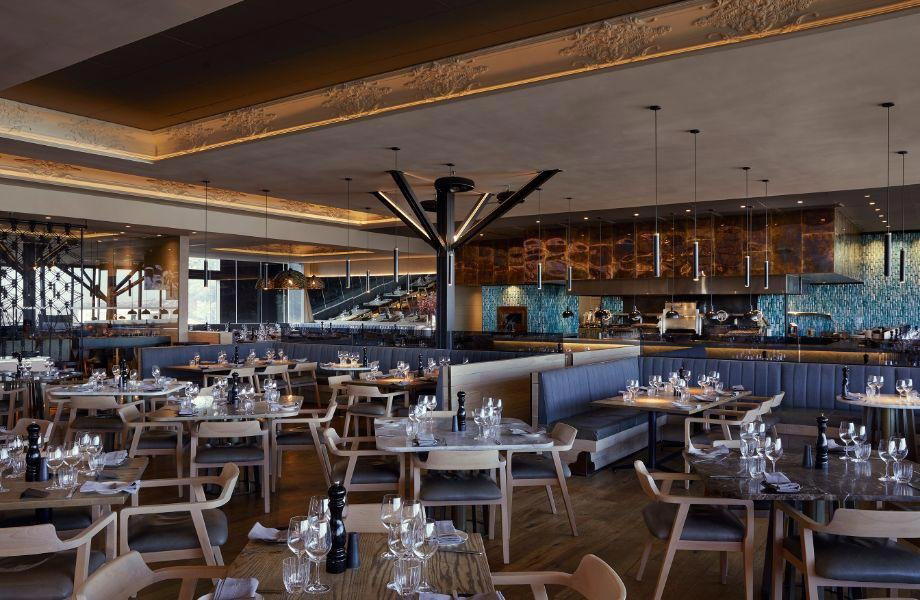
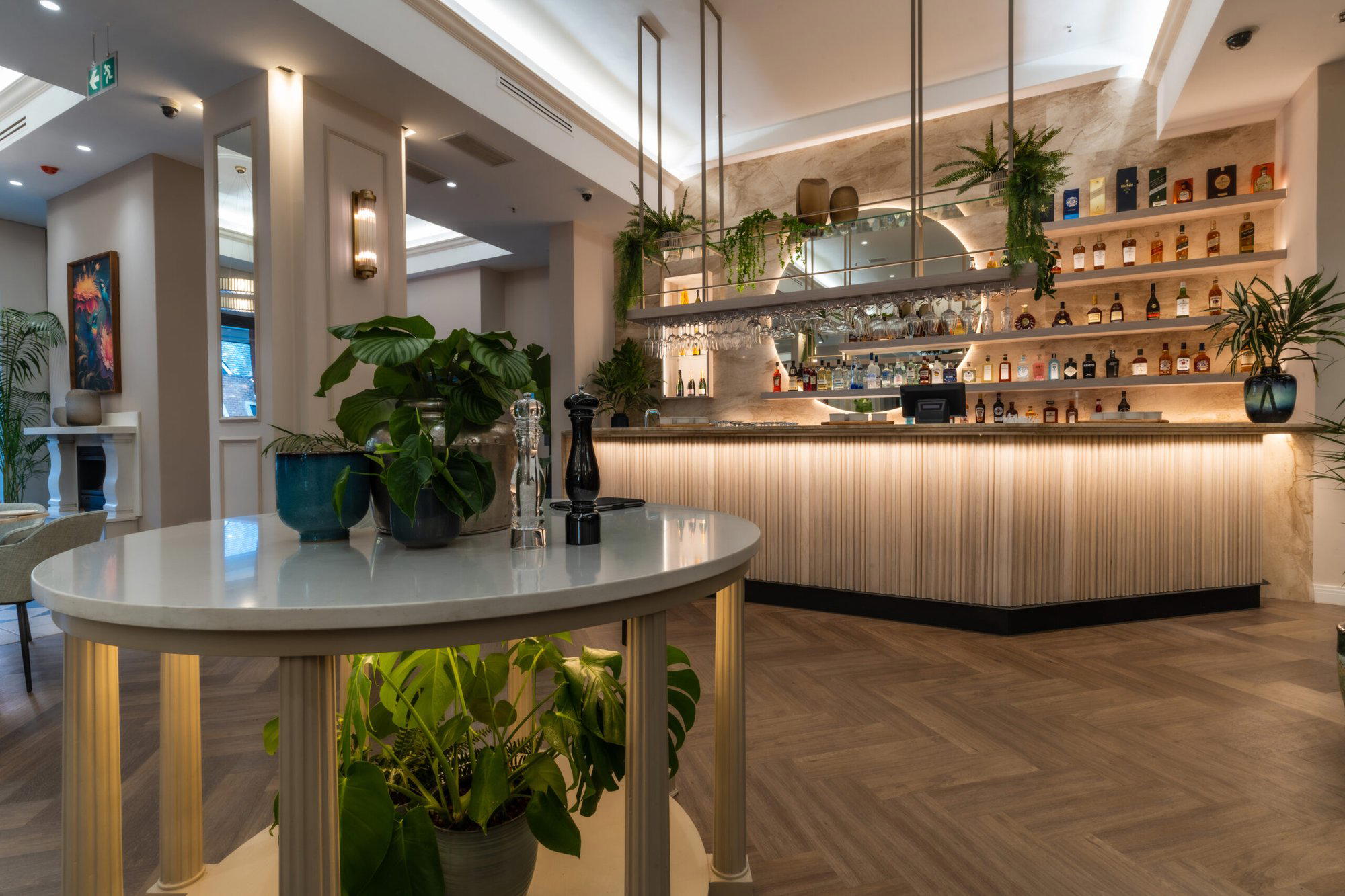
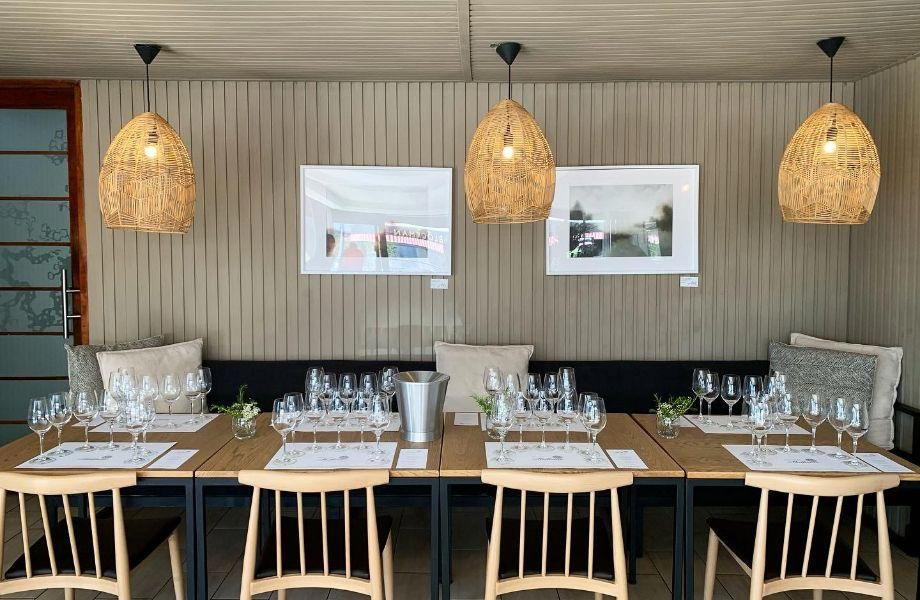
Bars in Johannesburg
All bars in Johannesburg →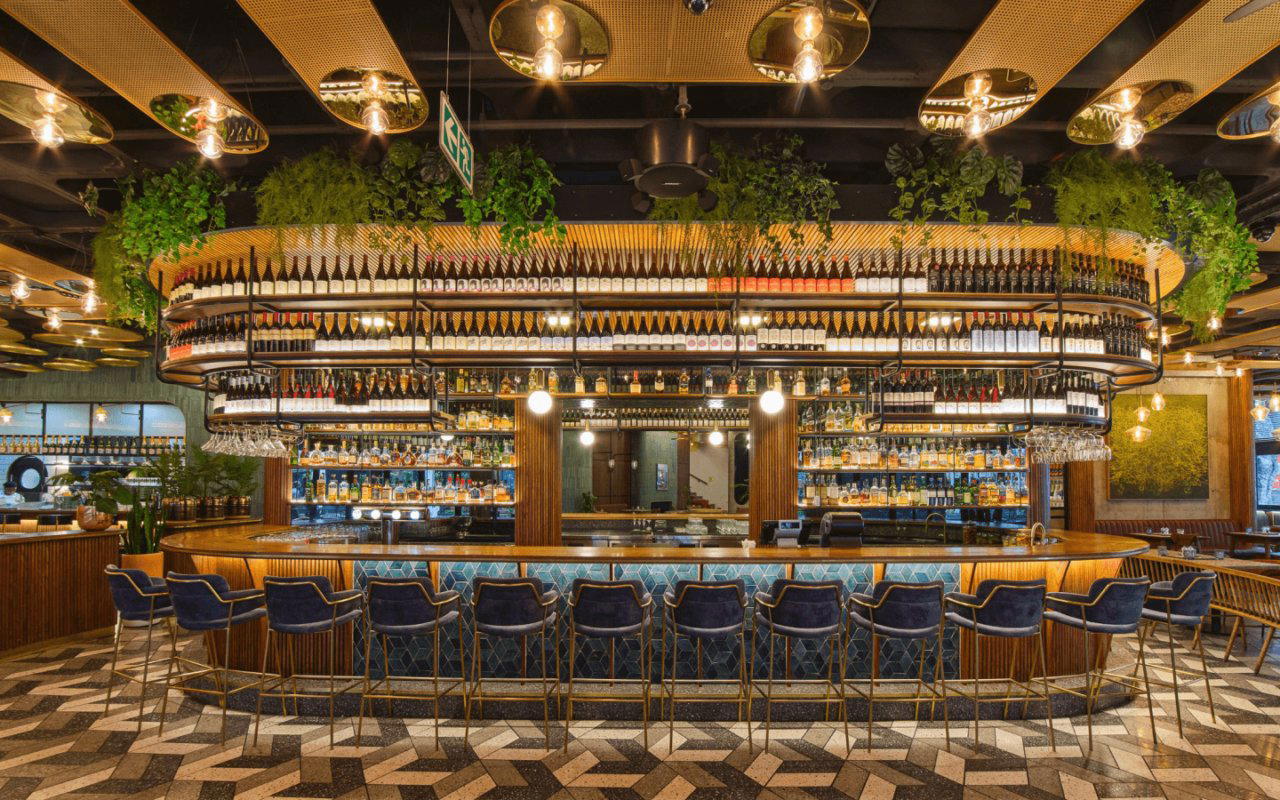
Hotels in Johannesburg
All hotels in Johannesburg →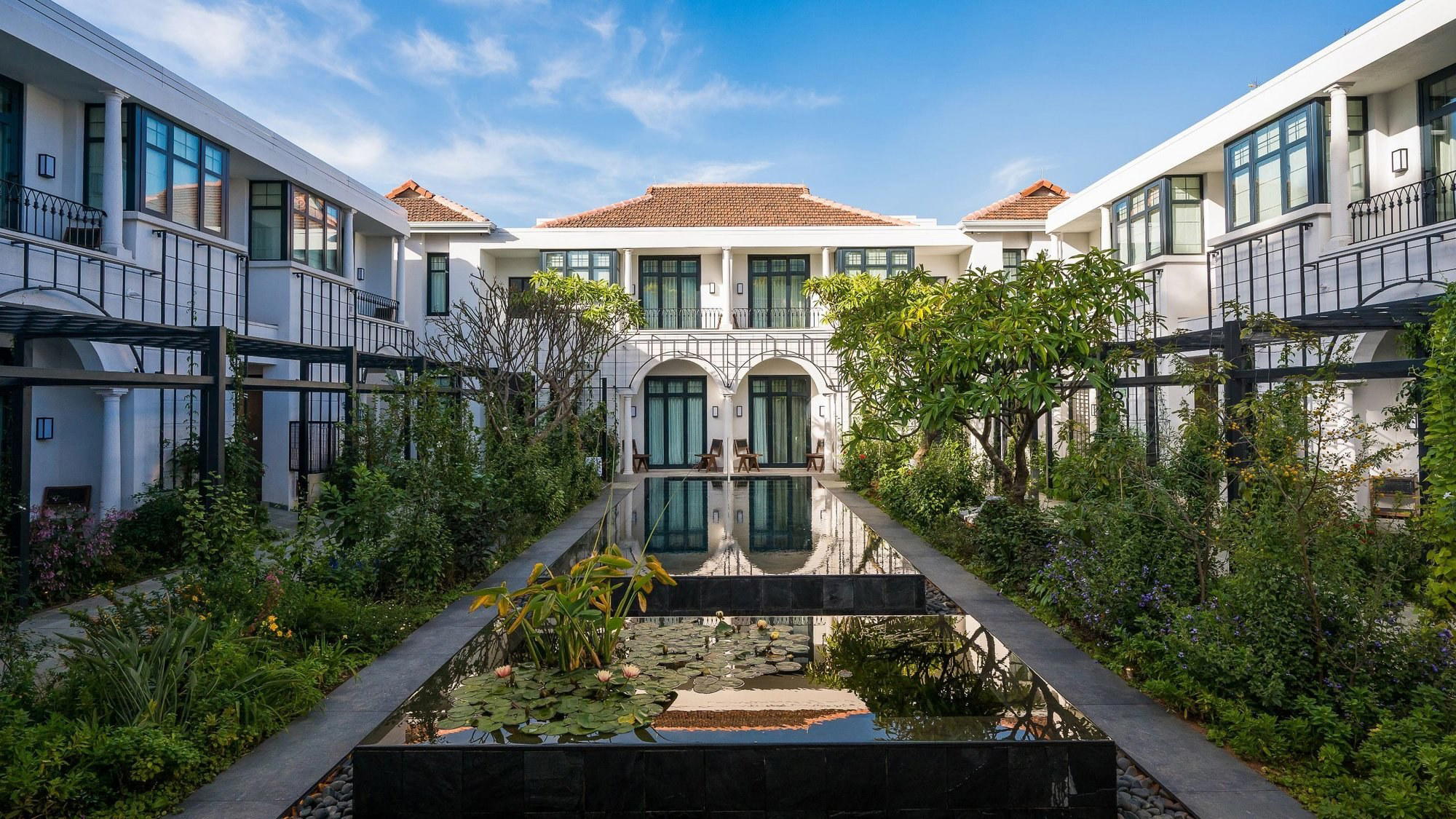
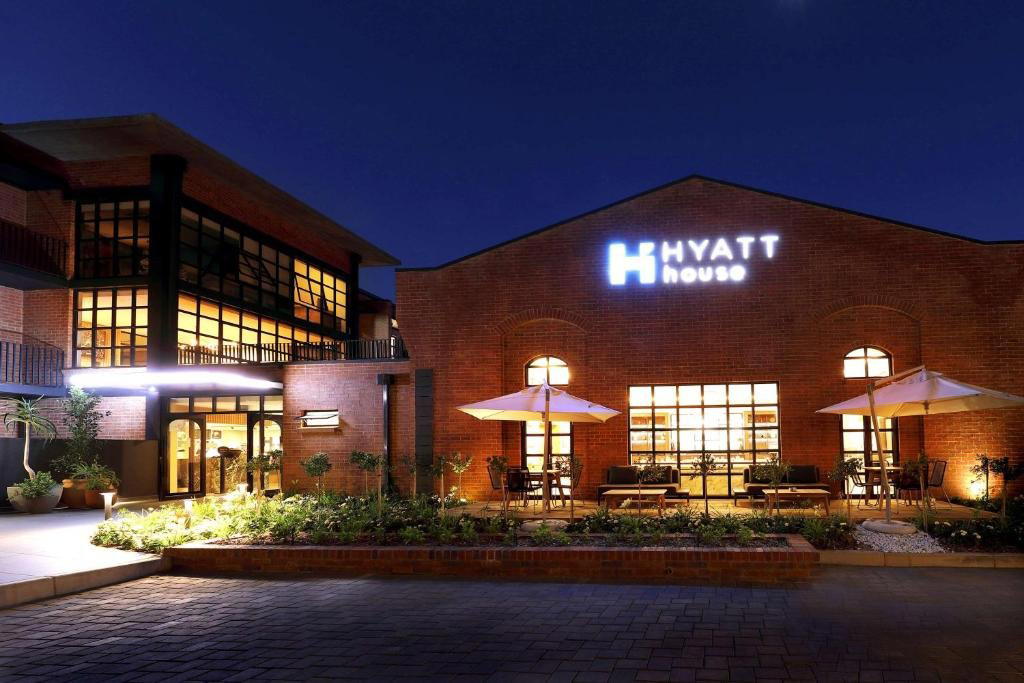
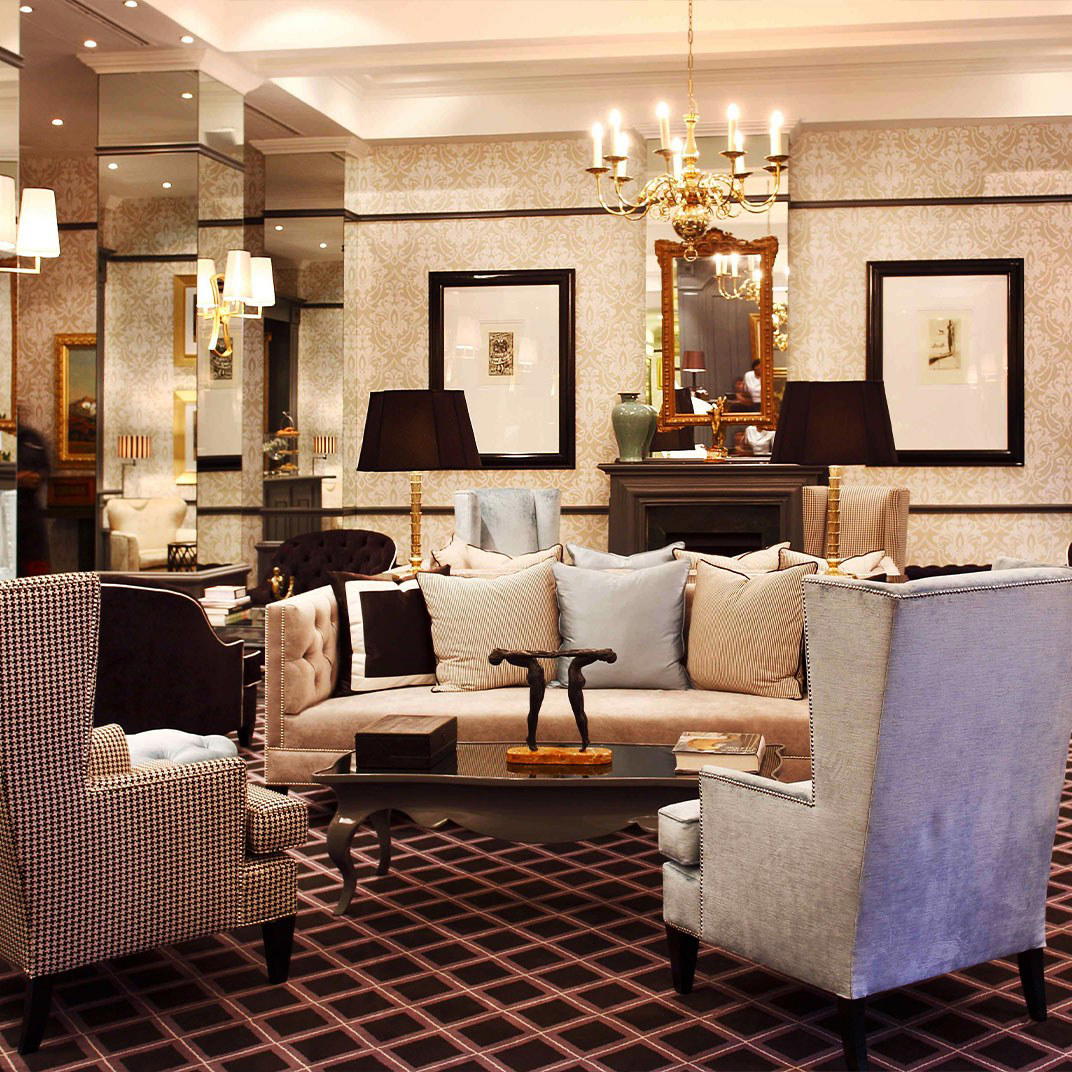
Wineries in Johannesburg
All wineries in Johannesburg →
Sabi Sabi Private Game Reserve
The wine
- Wine program
- Deep wine list
- Extensive wine list
- Sommelier-led
Details
- Romantic
- Elegant
- Scenic
- Intimate
- Rustic
- Ornate
- Special Occasion
- Celebration
- Date Night
- Private Event
- Private Dining
- Open Kitchen
- Wine Cellar
- Terrace
- Courtyard
- Extensive Wine List
- Sommelier Led
- Farm To Table
- Local Sourcing
- Garden
- Mountain
- Set Menu
- Prix Fixe
- Wine
- Vegetarian Friendly
- Allergy Accommodating
Current opening hours
- Monday
- Open 24 hours
- Tuesday
- Open 24 hours
- Wednesday
- Open 24 hours
- Thursday
- Open 24 hours
- Friday
- Open 24 hours
- Saturday
- Open 24 hours
- Sunday
- Open 24 hours
Hours can change for holidays and private events. Last verified .
Intimate and luxurious with natural lighting from stars, lanterns, and fires, blending sensory immersion in the bushveld with elegant, cocooned atmospheres.