
Set within the Royal Hideaway Corales Suites in La Caleta, Starfish occupies a considered position inside one of Adeje's more design-conscious resort complexes. The kitchen divides its attention between fish, as the name signals, and a plant-forward program that has drawn early recognition from EP Club, which awarded three radishes in acknowledgment of a promising start under Chef Victor Bossecker.
Pearl is the En Primeur Club membership app — saves, bookings, and concierge access live there. Same editors, same standards.
- Address
- Royal Hideaway Corales Suites, Av. de la Virgen de Guadalupe, 21, 38679 La Caleta, Santa Cruz de Tenerife, Spain
- Phone
- +34 922 75 79 00
- Website
- barcelo.com
- Directions
- Get directions
 Saves & bookings on Pearl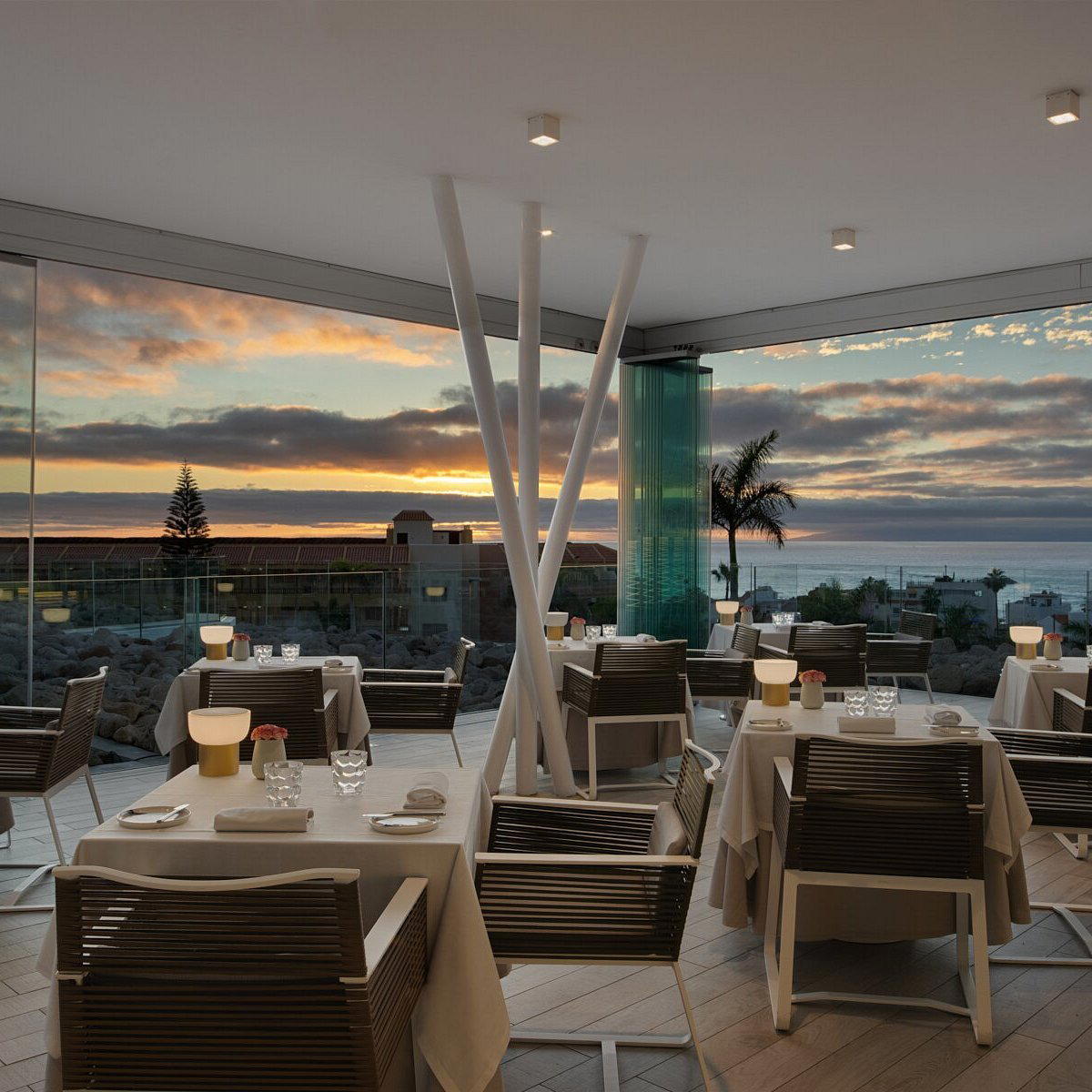
Seafood and Soil: How Starfish Is Rewriting Resort Dining in La Caleta
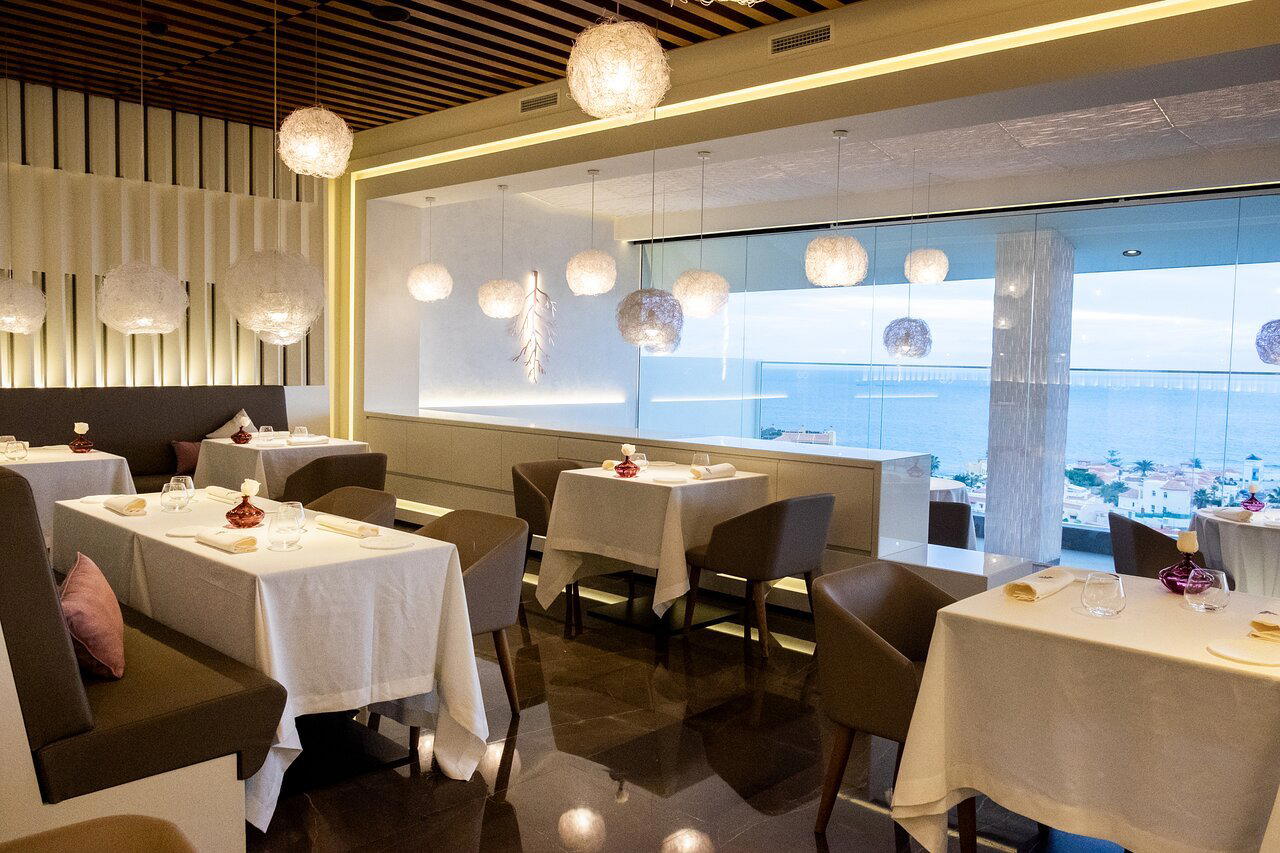
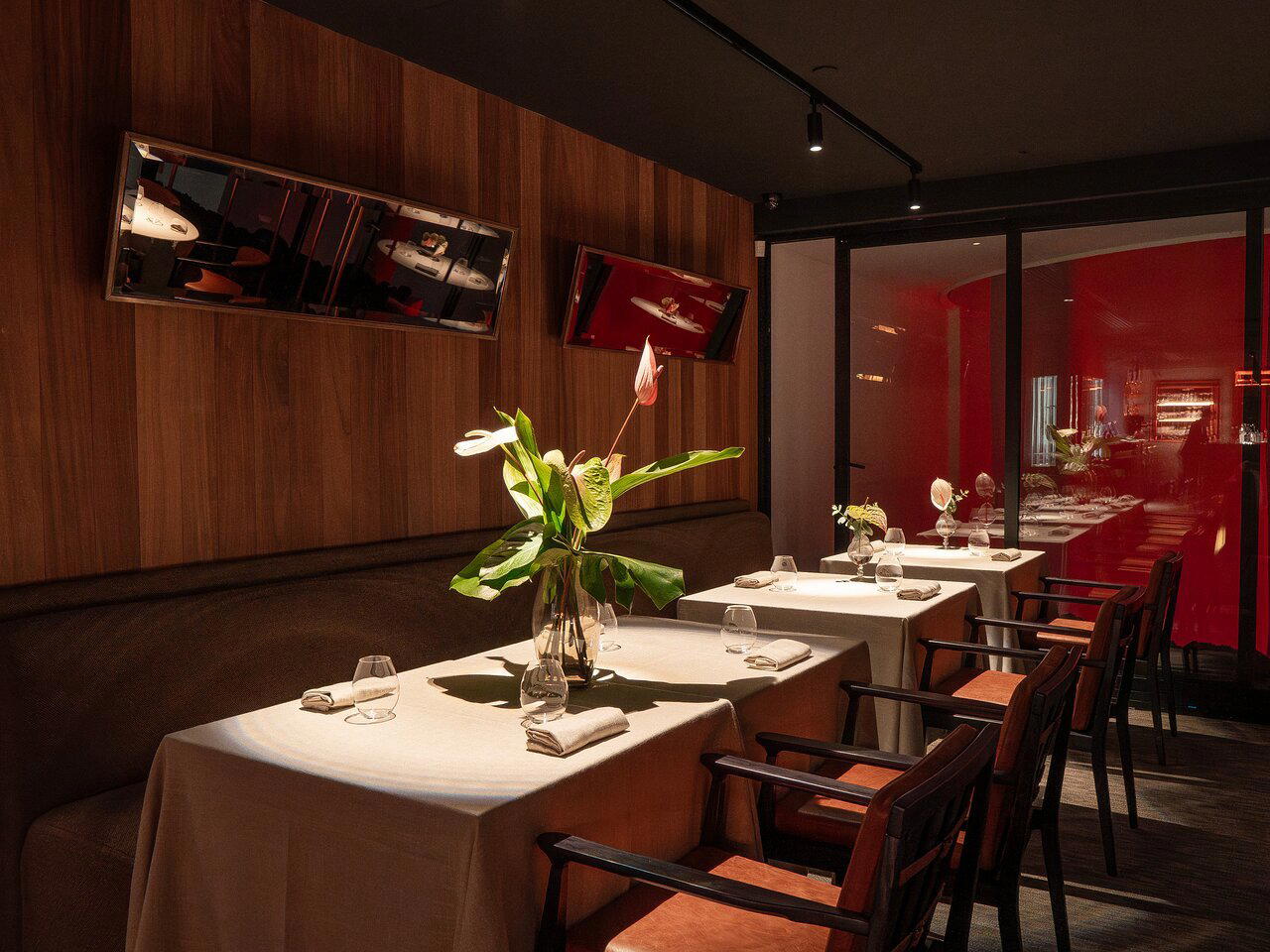
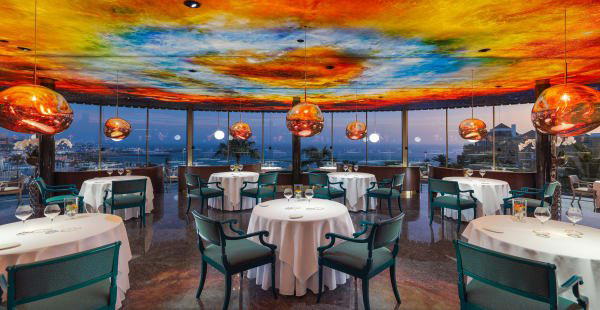
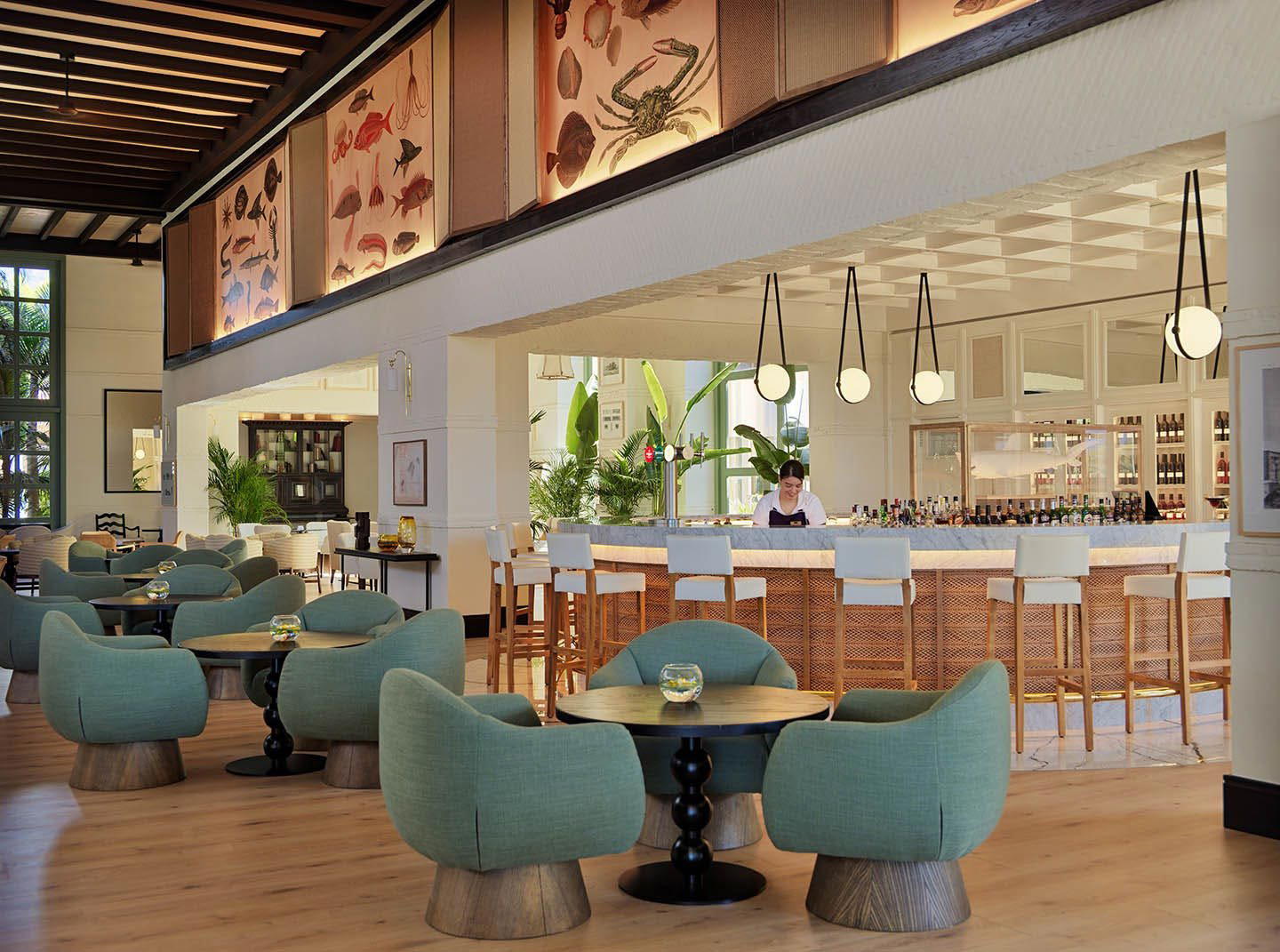
The southern coast of Tenerife has long attracted resort development, and La Caleta sits at the quieter, more residential end of that strip. The Royal Hideaway Corales Suites, where Starfish operates, belongs to the tier of Adeje properties that positions itself through design restraint rather than scale. Arriving at the restaurant, the sense is of deliberate proportion: the setting within the hotel complex feels contained rather than cavernous, which does something useful for the dining atmosphere. The Atlantic light that defines this coast at dusk filters into the space and sets a register that a larger ballroom restaurant simply cannot replicate. That physical context matters, because it explains part of why Starfish works the way it does.
The Ingredient Argument: Fish, Soil, and Why the Split Matters
Restaurant concepts built around a single ingredient category tend to either commit fully or hedge nervously. Starfish does neither in a conventional sense. The name declares the ocean as its foundation, and the kitchen treats Atlantic seafood as its primary text. The waters around Tenerife and the broader Canary Islands archipelago give any serious fish-focused kitchen a compelling raw material base: the island sits at the crossroads of Atlantic currents that support species diversity rarely available on mainland European coastlines. For a restaurant operating at resort level, leaning into that geography is both a statement of identity and a form of sourcing logic.
What complicates, and strengthens, the concept is the parallel plant program. EP Club's early assessment noted a commitment to 100% pure plant dishes running alongside the seafood offer, and framed both as credible rather than one supplementing the other. This matters because resort restaurants across the Canary Islands have historically treated vegetarian and plant-based options as afterthought additions to a protein-led menu. A kitchen that takes plant sourcing seriously enough to build dedicated dishes around it is making a different argument: that the volcanic soil of Tenerife, which produces distinctive local produce, belongs on the plate with the same intentionality as the fish pulled from the water around it.
Chef Victor Bossecker's presence gives that argument structural support. Within the Corales Hotel complex, which houses multiple restaurants including Il Bocconcino by Royal Hideaway and Donaire, Starfish occupies a distinct lane: sustainability as a kitchen methodology rather than a marketing position. EP Club noted that sustainability runs through Bossecker's approach at a foundational level, which means ingredient sourcing decisions are not incidental but structural to how the menu is built. That distinction separates kitchens that talk about provenance from those that organize their supply chains around it.
Where Starfish Sits in Adeje's Dining Structure
Adeje's restaurant scene has grown considerably in range over the past decade, moving from a predominantly resort-buffet model toward a more differentiated mix of creative and contemporary formats. At the upper end of that range, El Rincón de Juan Carlos operates in the €€€€ tier with a creative format that draws guests from across the island. Nub sits in a similar creative bracket. Starfish, by the evidence available, positions within the €€€ tier alongside peers like San-Hô, a fusion-format restaurant at the same price level.
The three-radish rating from EP Club signals a kitchen with clear direction and genuine early-stage promise, while also acknowledging that the program is still developing. This is not unusual for a restaurant in its formative period inside a resort complex: the challenge for such kitchens is almost always about maintaining creative consistency when the operational demands of resort volume push toward standardisation. The rating implies Starfish is holding that tension reasonably well, with the expectation that the offer will deepen as the menu matures.
For wider context on how ingredient-led seafood restaurants have developed at the summit of the Spanish market, the comparison set is instructive. Aponiente in El Puerto de Santa María has built one of Spain's most committed cases for marine ingredient sourcing as a philosophical framework. Internationally, Le Bernardin in New York City represents what sustained focus on seafood as primary material can produce at the highest level. Starfish operates at a different scale and does not claim that tier, but the ingredient logic it applies connects it to a broader current in serious seafood cooking: the idea that the sourcing narrative and the plate are inseparable.
Planning a Visit
Starfish operates within the Royal Hideaway Corales Suites at Avenida de la Virgen de Guadalupe 21, La Caleta, in the Adeje municipality. Access is direct for guests staying at the Corales complex; non-resident diners should confirm reservation availability directly with the hotel, as seat access and booking protocols for in-house restaurants at resort properties vary. Given the early-stage recognition and a guest profile drawn primarily from the hotel's own clientele, booking ahead is advisable. Tenerife's year-round mild climate means the restaurant does not carry the strong seasonal demand spikes that affect mainland Spanish destinations, but the southern resorts are busiest from November through April when Northern European visitors concentrate on the island.
Spain's wider creative dining scene, which includes Arzak in San Sebastián, Azurmendi in Larrabetzu, El Celler de Can Roca in Girona, Cocina Hermanos Torres in Barcelona, and DiverXO in Madrid, has pushed sustainability and ingredient provenance into the mainstream of serious Spanish cooking. Starfish operates well below those stratospheric addresses, but the conversation they have normalized about sourcing and seasonality provides the cultural backdrop against which a kitchen like Bossecker's makes sense as an aspiration. Similarly, American kitchens committed to a single protein category, like Emeril's in New Orleans, show how a strong ingredient identity can anchor a restaurant's position across years and changing trends.
In Context: Similar Options
Comparable venues nearby, for context on price, style, and recognition.
| Venue | Cuisine | Price | Awards | Notes |
|---|---|---|---|---|
| Starfish, La CaletaThis venue — the venue you are viewing | Atlantic Seafood Grill | $$$ | Not listed | Not listed |
| Troqué | Contemporary Spanish Fine Dining | $$$ | Not listed | La Caleta |
| Kensei | Contemporary Japanese Fine Dining | $$$ | Michelin Plate | Costa Adeje |
| Char | Modern steakhouse & grill | $$$ | Not listed | Costa Adeje |
| Cráter - Identidad Canaria | Contemporary Canarian Gastronomy | $$$$ | Michelin Plate | Costa Adeje |
| Cráter Identidad Canaria | Contemporary Canarian Tasting Menu | $$$$ | Not listed | Costa Adeje / Barranco de las Torres |
Recognition history
Dated appearances from independent guides and award organizations, with the underlying list record or original source where available.
We're Smart World 3 Radishes
We're Smart World
Continue exploring
More in Adeje
Restaurants in Adeje
Browse all →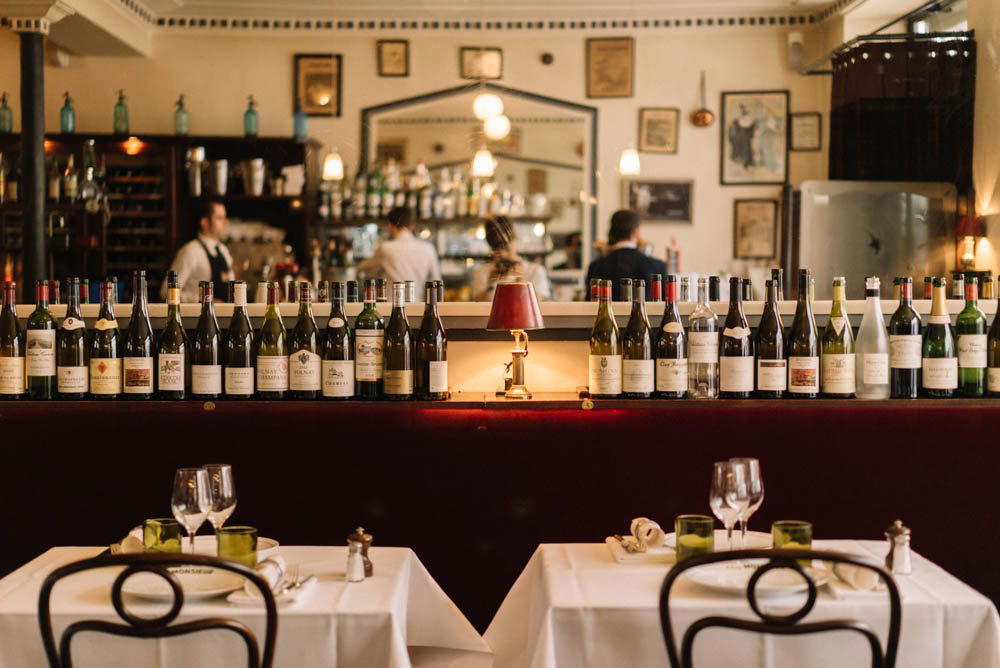
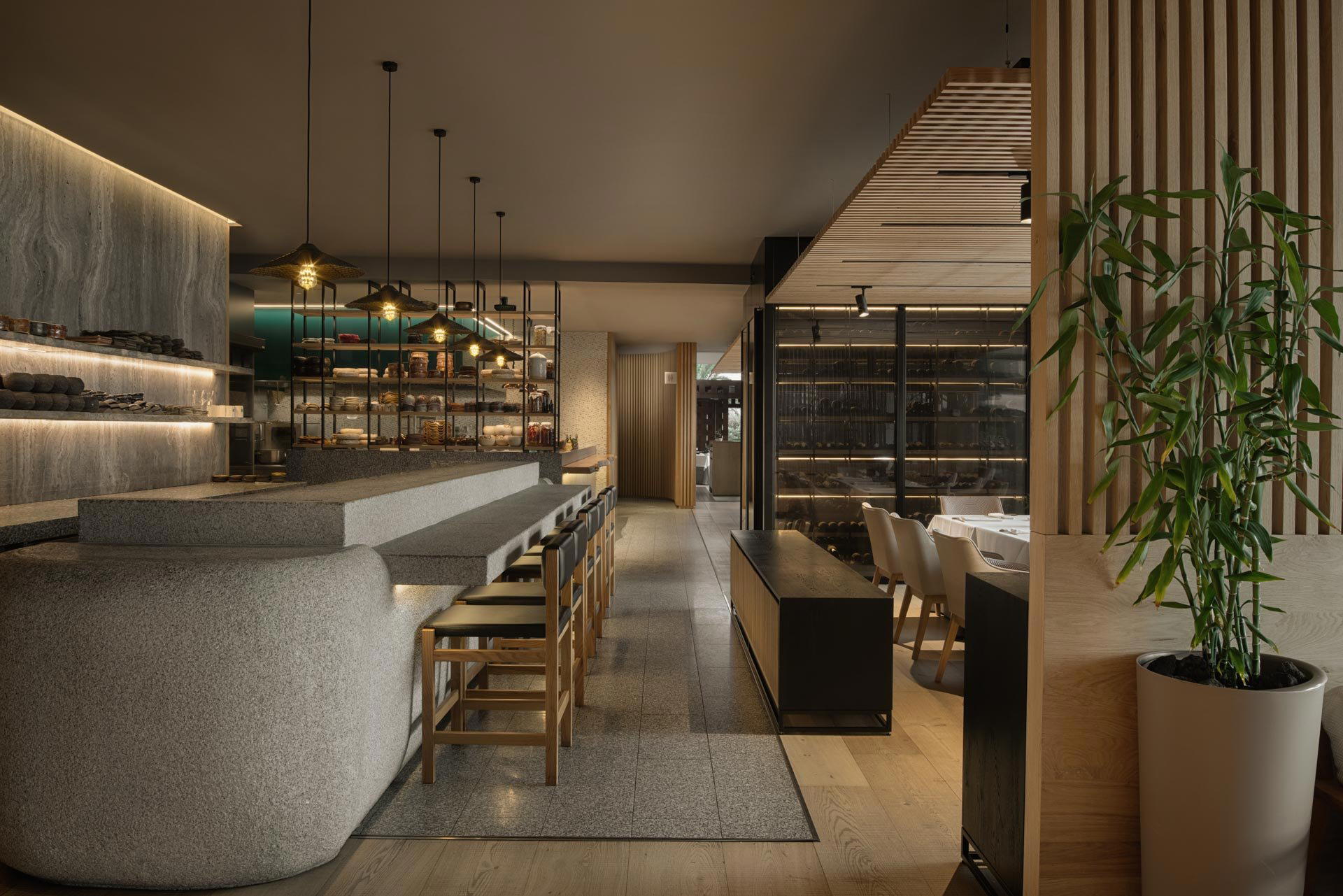
Bars in Adeje
Browse all →
Hotels in Adeje
Browse all →
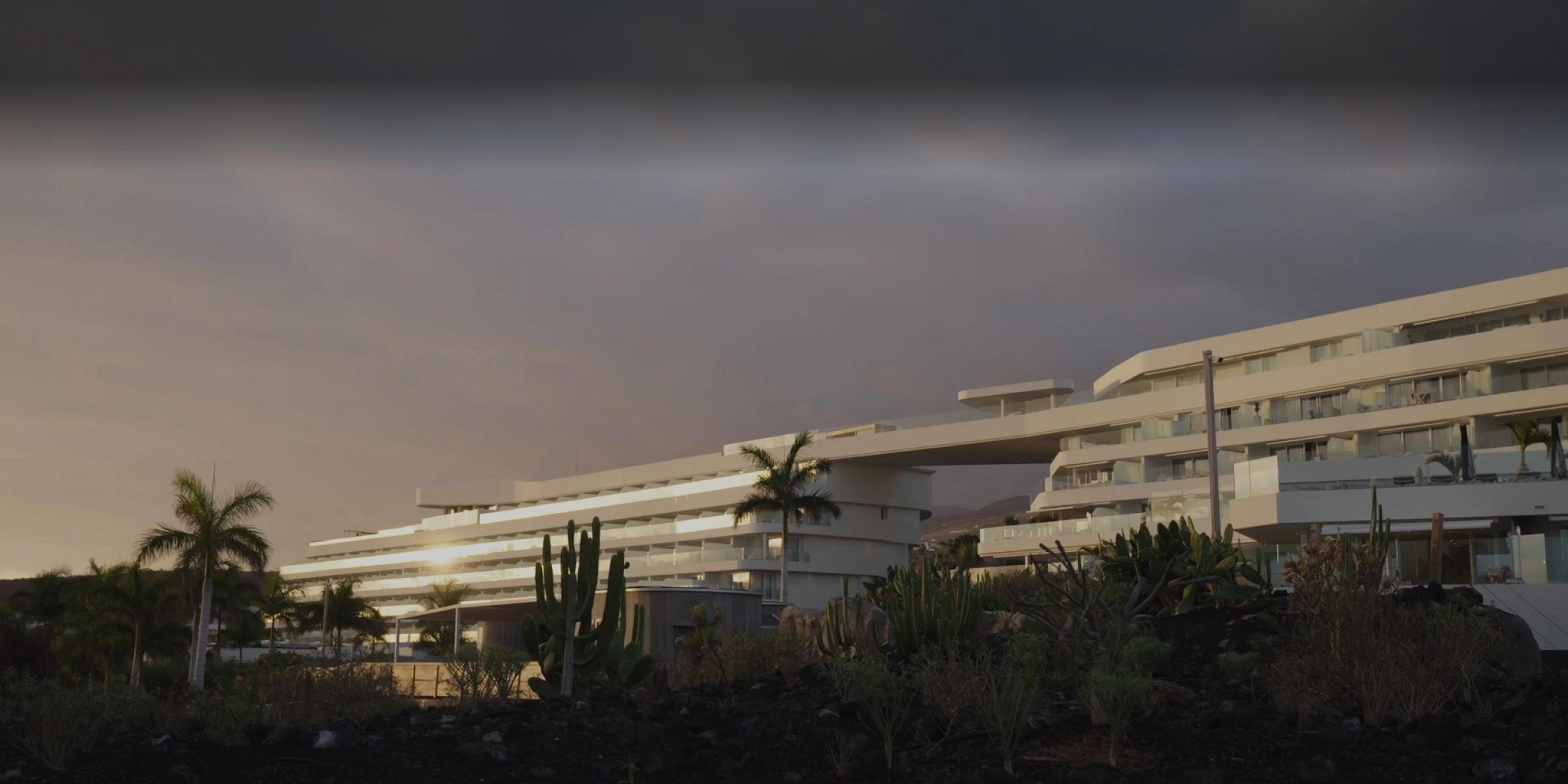
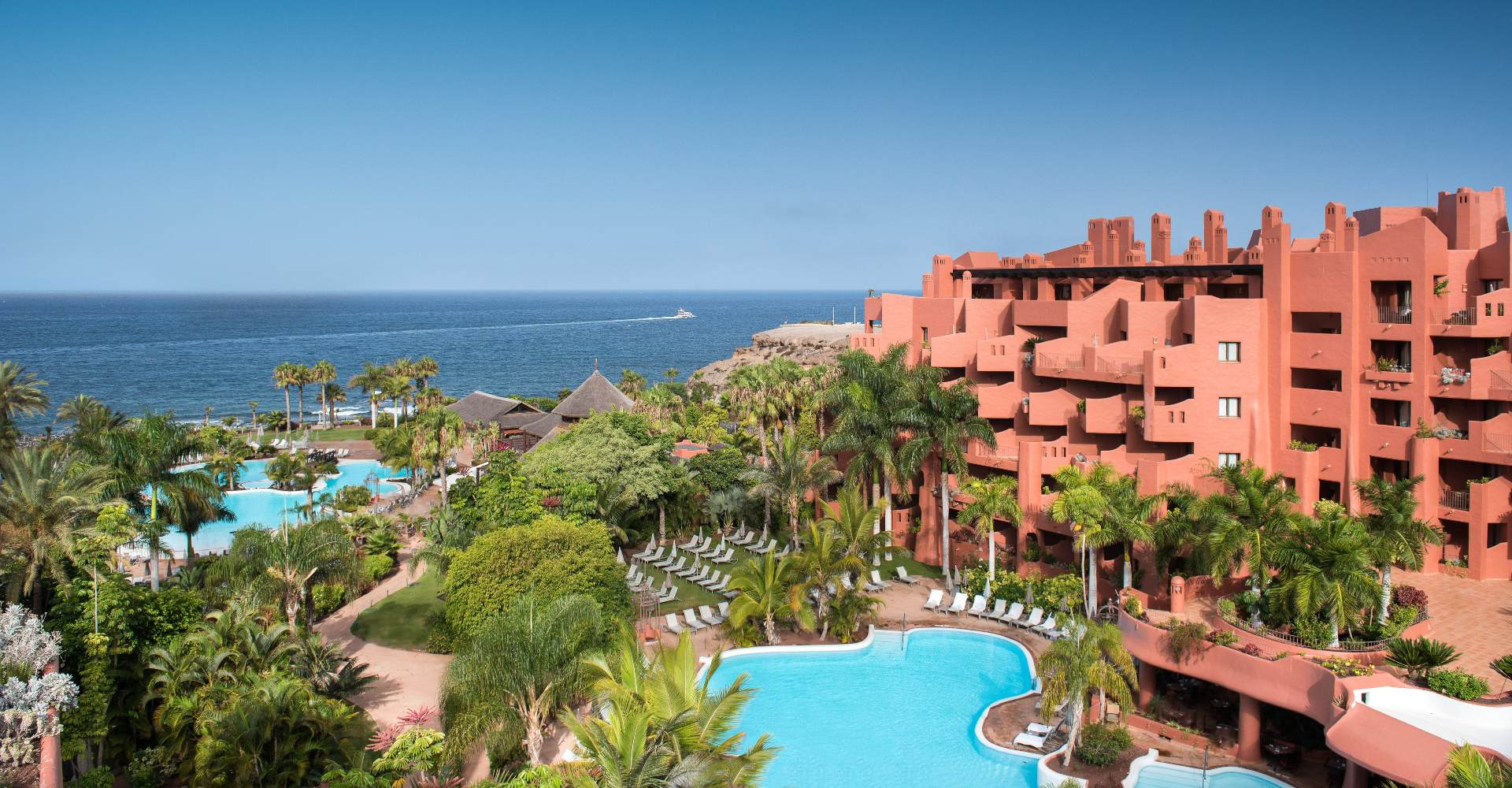
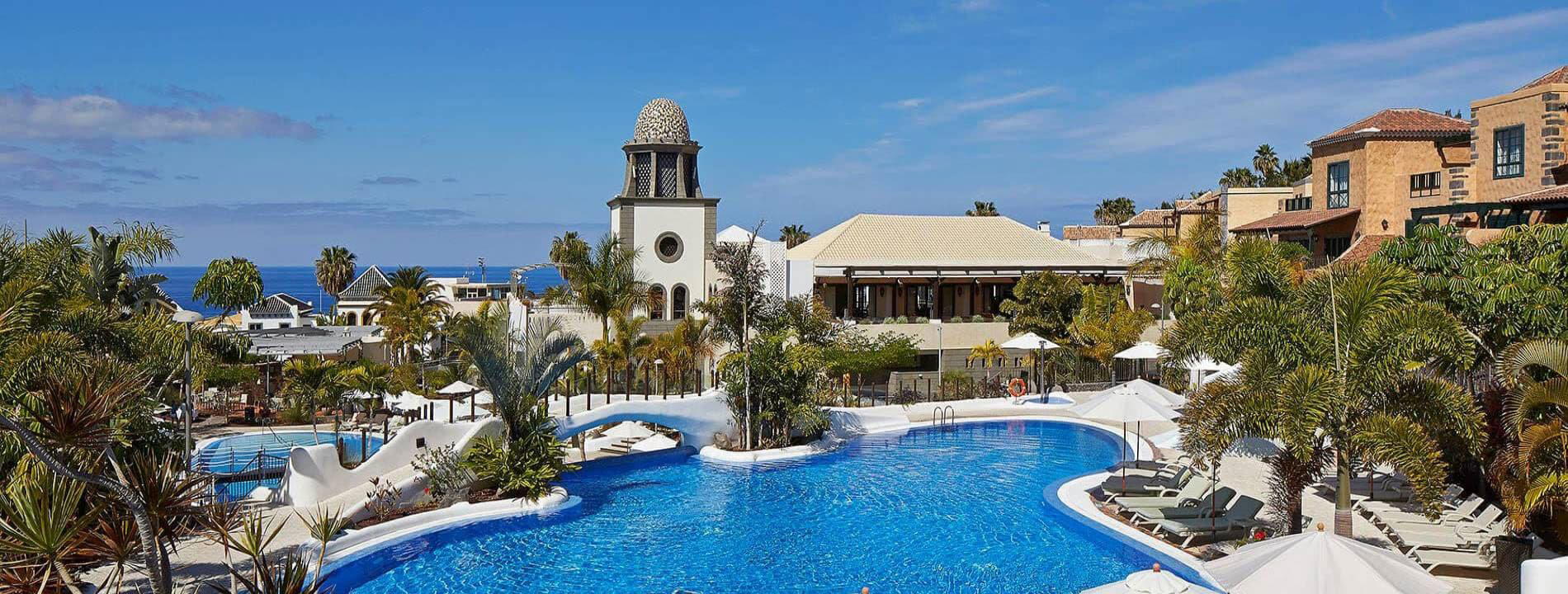
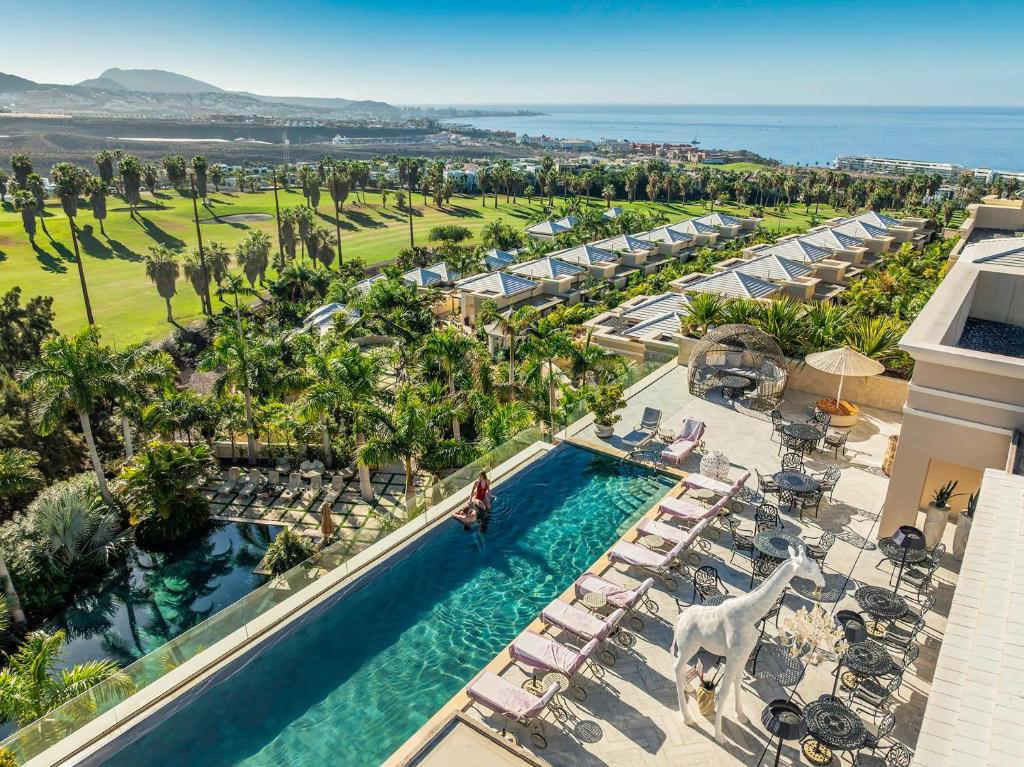
Wineries in Adeje
Browse all →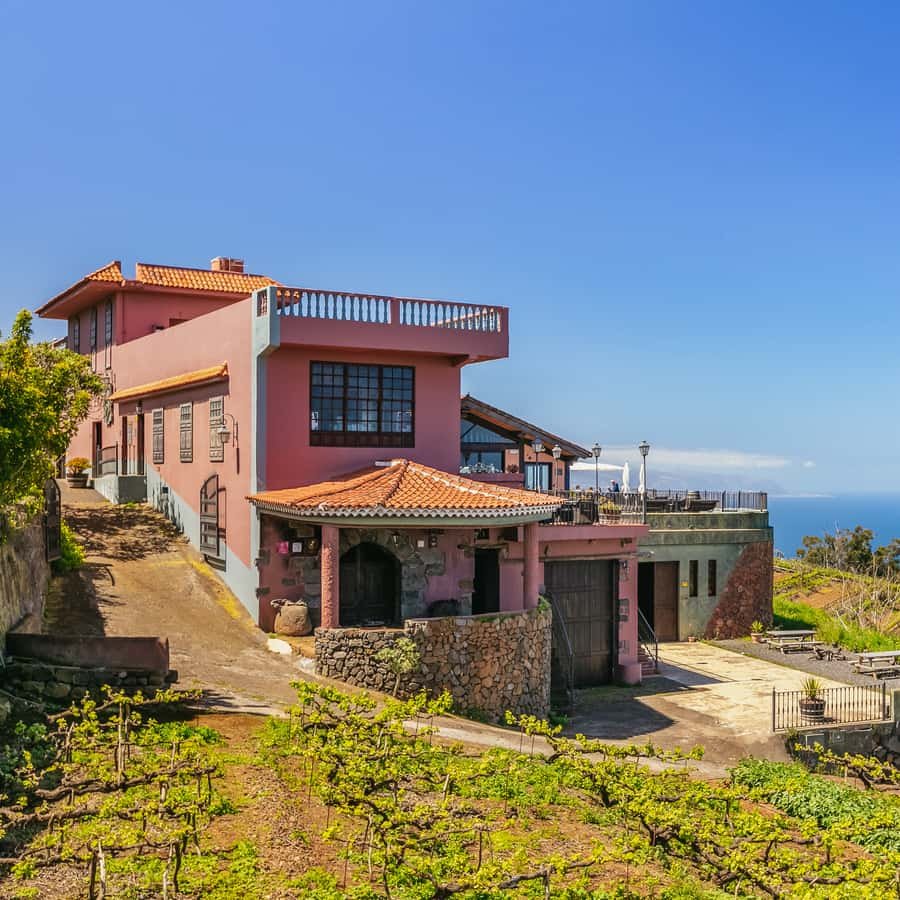
At a Glance
- Elegant
- Scenic
- Sophisticated
- Date Night
- Special Occasion
- Waterfront
- Terrace
- Extensive Wine List
- Sustainable Seafood
- Waterfront
Current opening hours
- Monday
- 12:30–9 PM
- Tuesday
- 12:30–9 PM
- Wednesday
- 12:30–9 PM
- Thursday
- 12:30–9 PM
- Friday
- 12:30–9 PM
- Saturday
- 12:30–9 PM
- Sunday
- 12:30–9 PM
Hours can change for holidays and private events. Last verified .
Airy and open with magnificent ocean views, romantic lighting, and a relaxing upscale atmosphere.