Star Pizza
Our verdict
Compared to the city's higher-end independent restaurants, it operates in a different register entirely, one where the pizza itself, rather than the occasion, is the reason to return.

Pearl is the En Primeur Club membership app, where members save venues, book tables and use the concierge.

Houston's dining culture is frequently framed around its fine-dining credentials, and that framing is not inaccurate. The city holds multiple Michelin-recognized restaurants, supports prix-fixe programs at March and Le Jardinier Houston, and has developed a serious appetite for chef-driven cuisine spanning traditions as far apart as Venetian and Indian. But a city of Houston's scale also requires the counterweight: the places that fill in the daily rhythm of eating rather than punctuating it. Neighborhood pizza in that sense is not a lesser category, it is a different infrastructure entirely.
Sourcing and the Logic of a Pizza Counter
The ingredient sourcing conversation in American pizza has shifted considerably over the past two decades. At the national level, the debate moved from New York-style vs. Neapolitan to a more granular discussion about flour provenance, tomato variety, mozzarella production method, and fermentation time for the dough. These are not abstract concerns: the difference between a 00-flour crust fermented for 48 hours and a standard commercial blend is legible in the finished product, both in texture and in flavor development. Restaurants like Smyth in Chicago and Single Thread Farm in Healdsburg have demonstrated that sourcing discipline at the ingredient level changes what a dish can do, and that principle applies across price points, not only at the tasting-menu tier.
For a neighborhood counter like Star Pizza, sourcing signals tend to manifest differently than they do at venues with published supplier relationships and forager credits on the menu. The evidence is in the product consistency across visits, in whether the tomato sauce has the brightness of a quality San Marzano base or the flatness of a commodity puree, in whether the cheese pulls cleanly or sits heavy. These are the calibration points that regulars use over months and years, the informal scoring system that determines whether a place becomes a neighborhood institution or simply occupies a space until something else moves in.
The broader context for ingredient sourcing in Texas pizza is worth noting. The Gulf Coast proximity gives Houston access to certain dairy and produce supply chains that northern cities do not share, and the state's ranching infrastructure means that meat toppings, sausage, pepperoni, ground beef, can be sourced from regional producers at a quality level that national chains do not match. Whether any given independent pizza operation takes advantage of those supply chains is a venue-specific question, but the opportunity exists in a way that it does not in many other American markets. For readers comparing Houston's pizza options to those in cities like New Orleans or across the Southwest, the regional supply context is a meaningful differentiator.
Montrose as a Dining Reference Point
Montrose's dining identity is harder to pin down than a single cuisine or price tier. The neighborhood accommodates BCN Taste and Tradition at one end of the formality spectrum and counter-service operations at the other, with a middle band of chef-driven casual restaurants, places like Tatemó with its masa-focused Mexican program, that have national recognition without commanding tasting-menu pricing. What unites the neighborhood's better options is a certain seriousness about the product itself, regardless of format. A Montrose restaurant that coasts on location rather than quality tends to cycle out relatively quickly; the customer base is too informed and too mobile for complacency to hold.
Star Pizza sits inside that dynamic. That kind of competitive proximity tends to discipline an operation over time, even without formal review pressure. The venues that survive in Montrose's middle tier typically do so by being genuinely good at a specific thing, not by being generically acceptable at many things. Pizza, done with real attention to dough, sauce, and heat management, is a narrow enough focus to reward that discipline.
Houston Pizza in the Broader American Context
American pizza has developed distinct regional identities, New York's thin foldable slices, Chicago's deep dish, New Haven's coal-fired apizza, Detroit's rectangular pan style, but Texas has never quite crystallized a single pizza tradition in the same way. That ambiguity can work in favor of a place like Star Pizza. Without the weight of a local canonical style to conform to or deviate from, Houston pizza operations have more room to define their own standards. The comparison set is less about replicating a tradition and more about executing a coherent vision of what the pizza should be. Venues further up the ambition scale, The French Laundry in Napa, Blue Hill at Stone Barns in Tarrytown, Addison in San Diego, work within highly codified traditions and against explicit peer sets. A neighborhood pizza counter operates with different parameters, but the underlying logic of executing a clear standard with consistency is the same.
For readers building a Houston itinerary that covers the full range of the city's dining, Star Pizza sits at the casual anchor of a set that could extend upward through Montrose's mid-range and into the fine-dining tier. See our full Houston restaurants guide for the complete picture.
The pizza itself is the core reason to visit, and within that, the versions that show the most about a kitchen's sourcing and technique are typically the simpler ones: a margherita or a direct sausage pie, where tomato quality, cheese character, and crust structure are most legible. Heavy topping combinations tend to obscure the base product.
How far ahead should I plan for Star Pizza?
Star Pizza operates in the neighborhood casual tier, which typically means walk-in availability is realistic, particularly outside of Friday and Saturday peak hours. Houston's Montrose district draws a dense local dining population, so weekend evenings at well-established spots can involve a wait even without a formal reservation system. If you are combining a visit with a broader Montrose evening that includes other stops, arriving earlier in the dinner window reduces that risk.
What makes Star Pizza different from other Houston pizza options?
Star Pizza's longevity in Montrose, one of Houston's most competitive and food-informed neighborhoods, places it in a different category from newer openings that have yet to establish a track record. In a district where restaurants with national press attention cycle through with some regularity, sustained neighborhood loyalty over time is a concrete signal about product consistency. For Houston visitors building a full-range dining itinerary that also includes venues like March or Le Jardinier, Star Pizza provides a useful casual counterpoint without requiring a detour outside the neighborhood.
Frequently asked questions
Where is Star Pizza in Houston?
Star Pizza is located at 2111 Norfolk St, Houston, TX 77098, Houston.
How long has Star Pizza been part of Houston's Montrose neighborhood?
Star Pizza has maintained a presence on Norfolk Street in Montrose long enough to be considered part of the neighborhood's dining foundation rather than its recent wave. In a zip code where restaurant turnover is high and competition spans every price tier, longevity at a single address in Houston is a concrete credential in itself.
What's the must-try dish at Star Pizza?
The pizza is the operational center of everything at Star Pizza, and the versions that reveal the most about the kitchen's approach are those with fewer toppings, where dough texture and sauce balance carry the weight. Star Pizza's position in Montrose, a Houston neighborhood with high baseline expectations for sourcing and craft, adds useful context for gauging what the kitchen is working toward. Order simply on a first visit and adjust from there.
How far ahead should I plan for Star Pizza?
Star Pizza operates in the neighborhood casual tier, which typically means walk-in availability is realistic outside Friday and Saturday peak hours. For weekend evenings in Montrose, arriving early or calling ahead is the more reliable approach.
Compact Comparison
A quick peer check to anchor this venue’s price and recognition.
| Venue | Cuisine | Price | Awards | Notes |
|---|---|---|---|---|
| Star PizzaThis venue (the venue you are viewing) | Chicago & New York Style Pizza | $20–30 | Not listed | Not listed |
| Musaafer | Modern Indian Fine Dining | $100–150 | 1 Michelin Star | Indian |
| March | Modern Mediterranean Tasting | $200–300 | 1 Michelin Star · Star Wine List | Venetian |
| Nancy's Hustle | Modern American Bistro | $50–100 | Michelin Bib Gourmand | New American, Contemporary |
| Theodore Rex | Modern American Small Plates | $50–100 | Michelin Bib Gourmand · Resy Best of the Hit List | New American, Contemporary |
| Hidden Omakase | Modern Japanese Omakase | $150–200 | Michelin Plate | Sushi |
Continue exploring
More in Houston
Restaurants in Houston
All restaurants in Houston →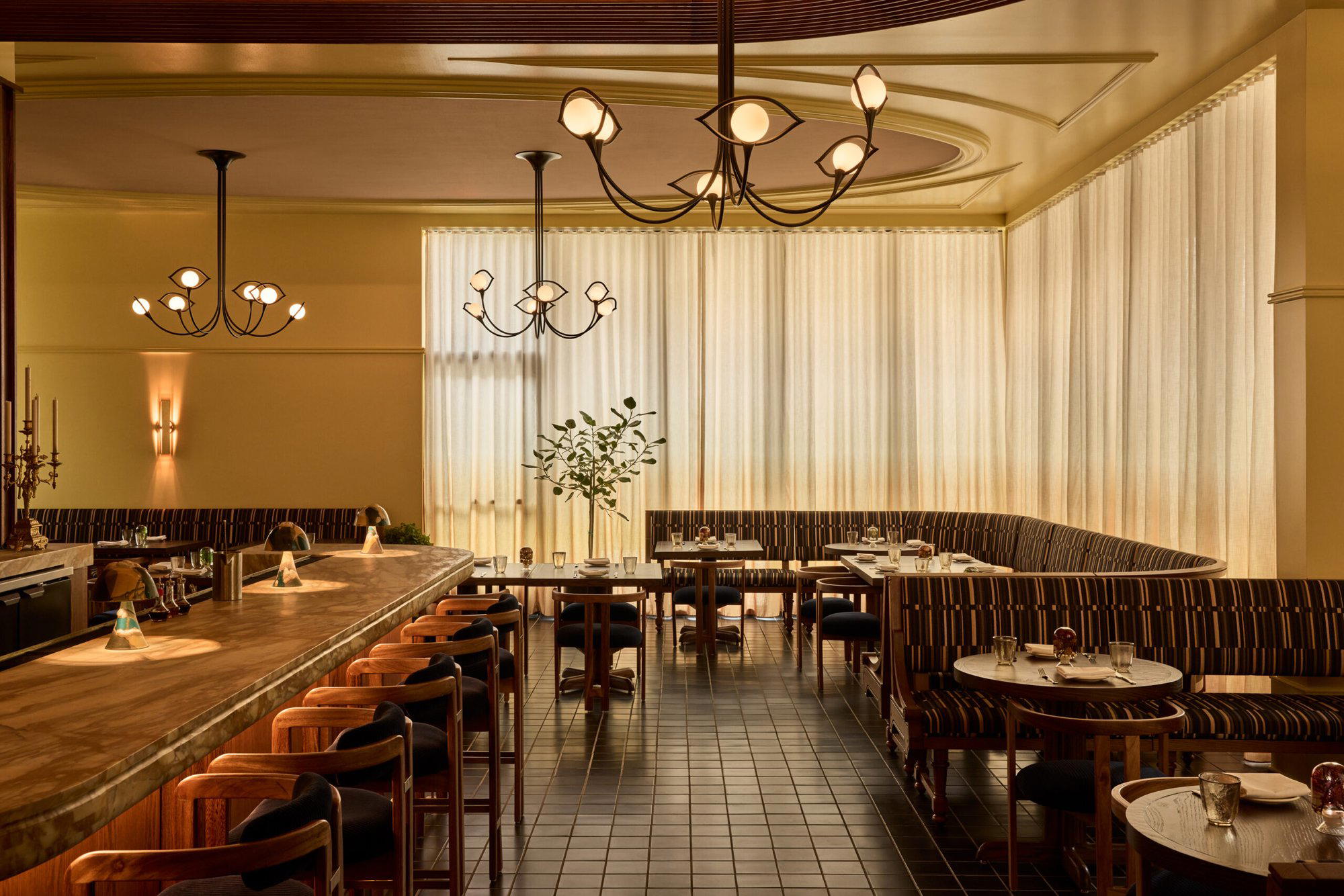
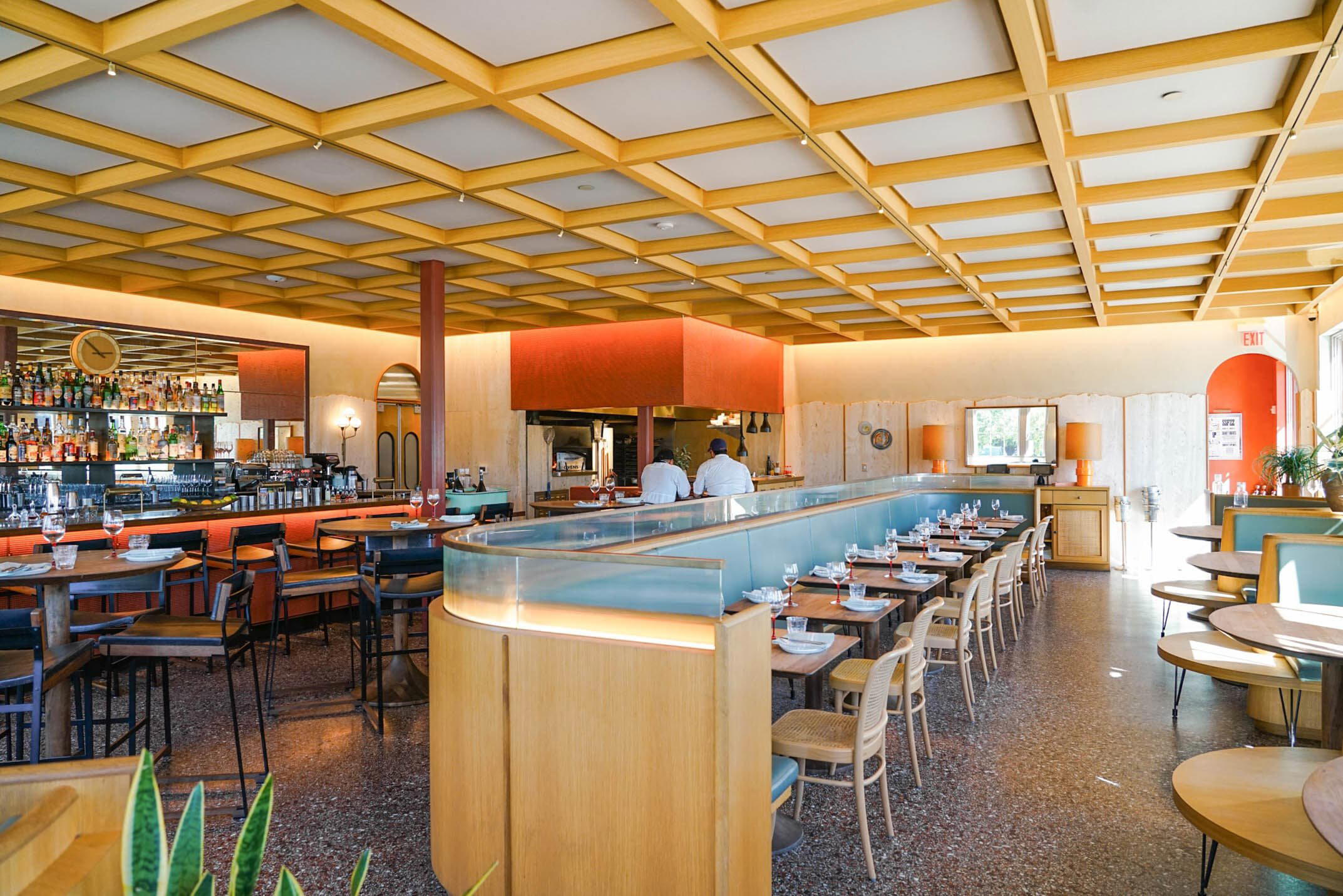
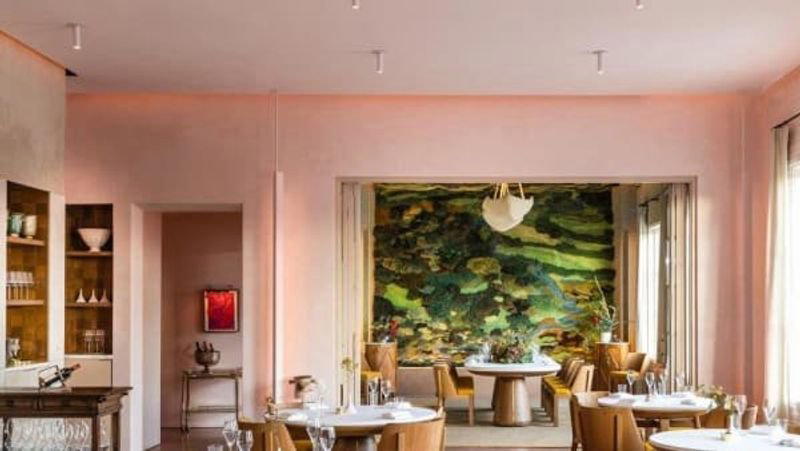
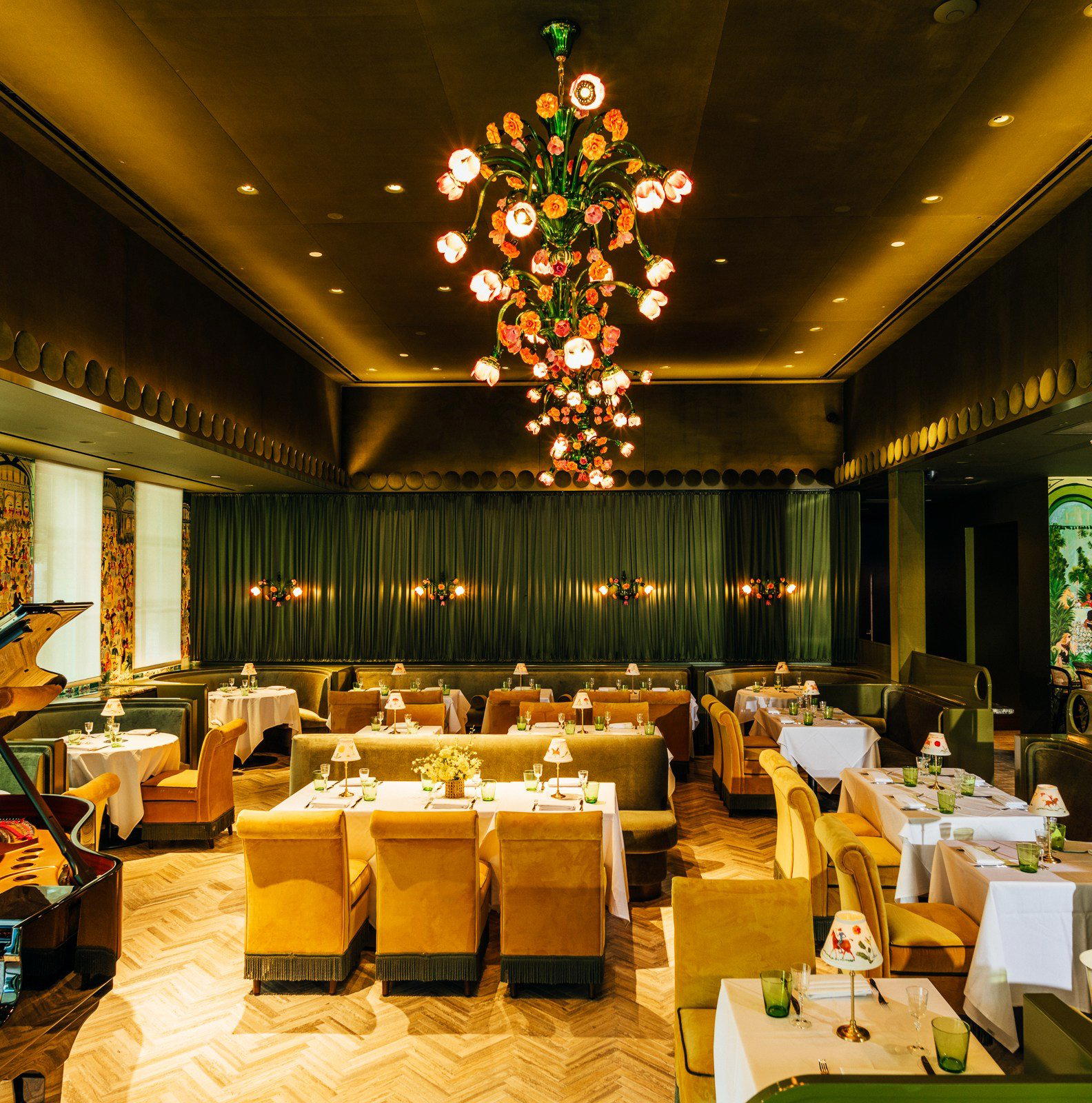
Bars in Houston
All bars in Houston →


Details
- Rustic
- Casual
- Cozy
- Family
- Casual Hangout
- Group Dining
- Standalone
- A La Carte
- Vegetarian Friendly
- Gluten Free Options
Current opening hours
- Monday
- 11 AM–9 PM
- Tuesday
- 11 AM–9 PM
- Wednesday
- 11 AM–9 PM
- Thursday
- 11 AM–10 PM
- Friday
- 11 AM–10 PM
- Saturday
- 11 AM–10 PM
- Sunday
- 11 AM–10 PM
Hours can change for holidays and private events. Hours as of .
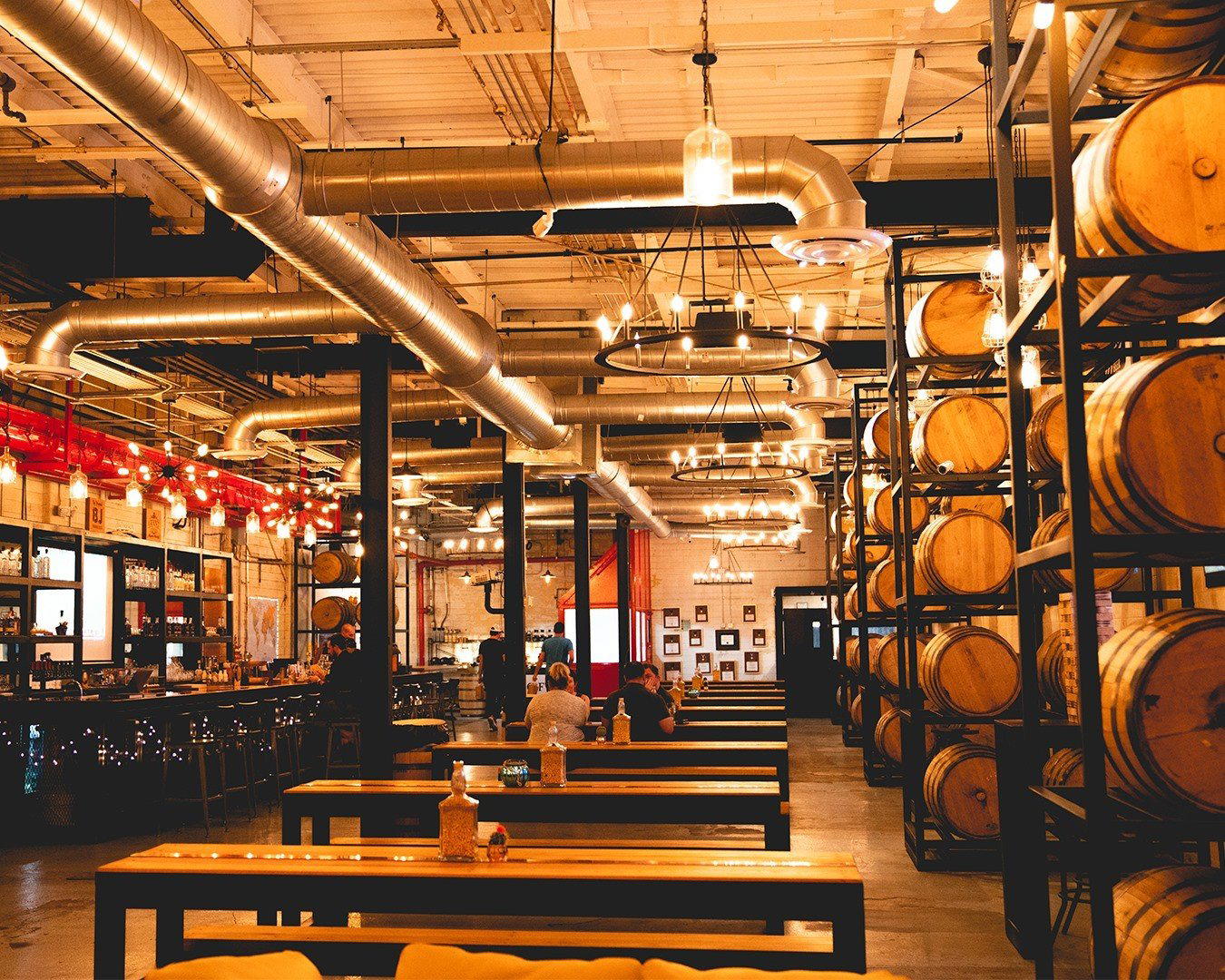
Informal rustic setting in a converted house with vintage wooden tables, murals, graffiti, and a homely casual atmosphere.