DaMarco
On Westheimer Road in Houston's Montrose corridor, DaMarco holds a specific place in the city's fine Italian conversation, a room where the pacing of a meal is taken seriously and the experience is shaped by Old World dining customs rather than contemporary trend cycles. For those who approach a long dinner as a considered ritual rather than a transaction, DaMarco consistently represents one of the more credible addresses on the Houston table.
Pearl is the En Primeur Club membership app — saves, bookings, and concierge access live there. Same editors, same standards.
- Address
- 1520 Westheimer Rd, Houston, TX 77006
- Phone
- +17138078857
- Website
- damarcohouston.com
- Directions
- Get directions
 Saves & bookings on Pearl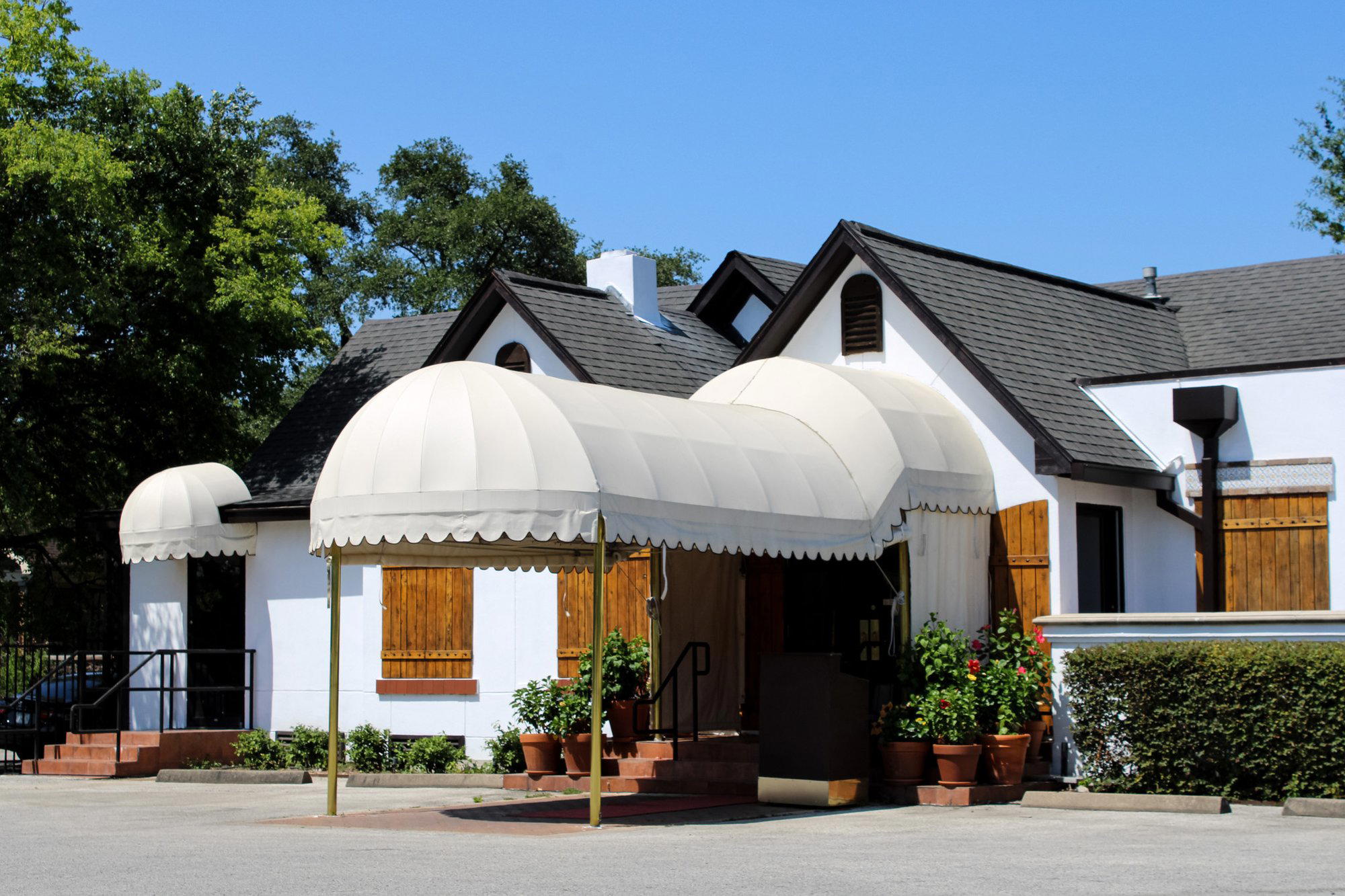
A Room That Asks You to Slow Down
DaMarco is a refined Italian trattoria in Houston's Montrose neighborhood, and its formal course structure shapes the experience from the start. Westheimer Road in Montrose carries a particular kind of dining gravity in Houston. The strip accommodates everything from casual taquerias to serious wine-forward rooms, and over the decades it has served as the city's most reliable test of whether a restaurant can outlast its own opening momentum. DaMarco sits at 1520 Westheimer Rd in that corridor, and what distinguishes it from the neighborhood's churn is a commitment to a kind of dining pace that most American cities have largely abandoned: the Italian long table, where courses arrive with deliberate spacing and the meal is the event rather than a prelude to it.
That structure, an Old World format transplanted to a city better known for barbecue conviction and Tex-Mex breadth, is what places DaMarco in a specific and relatively small tier of Houston dining. Italian cuisine at this register is not particularly well-represented in the city. Houston's premium restaurant conversation tends to cluster around French-influenced tasting menus (see Le Jardinier Houston), Venetian-inflected format rooms like March, and the Spanish precision of BCN Taste & Tradition. DaMarco occupies a quieter corner of that conversation, Italian in tradition, measured in execution, and deliberately resistant to the kind of theatrical service that has come to define many of its peers.
The Ritual of the Italian Table
In northern Italian dining tradition, the structure of a meal carries its own etiquette. Antipasti give way to a separate pasta course, which precedes the secondi, and the expectation is that each stage receives full attention before the next begins. That grammar is increasingly compressed or abandoned at Italian restaurants in the United States, where multi-course formats often get collapsed into two or three dishes for the sake of table turns. DaMarco's positioning on Westheimer is largely built around resisting that compression.
This matters because the ritual itself changes what you eat and how you experience it. Pasta served as a standalone course, not as a side or a shared plate, occupies a different register on the palate than the same dish arriving alongside a protein. The sequencing is not decorative; it reflects how Italian cooks have long understood the architecture of appetite. For diners accustomed to this format from time spent in Italy, DaMarco offers a frame of reference that few Houston rooms attempt. For those encountering it for the first time, it functions as an education in a dining logic that has little to do with current trend cycles and everything to do with accumulated practice.
That kind of experience-driven, ritual-forward dining is not exclusive to Italian cuisine. Across American fine dining, a handful of rooms have built their reputations on format discipline rather than novelty: The French Laundry in Napa, Blue Hill at Stone Barns in Tarrytown, Smyth in Chicago, and Single Thread Farm in Healdsburg all operate on the premise that how a meal unfolds is as important as what is served. DaMarco applies that same discipline to a specifically Italian frame, which keeps it relevant to a particular kind of diner even as the broader market trends toward abbreviated formats and shared-plate informality.
Where DaMarco Sits in Houston's Premium Tier
Houston's upper dining bracket has become more competitive and more globally referenced over the past decade. Rooms like Musaafer and Tatemó have pushed the city's fine dining conversation into territory that increasingly tracks with what is happening in New York, Los Angeles, and San Francisco. Against that backdrop, DaMarco represents an older model: a restaurant that has earned its position through longevity and consistent format rather than through awards momentum or social media visibility.
That argument matters in a city where restaurant tenure is often short. Montrose in particular tends to reward novelty in its early cycles and then thin out the field within three to five years. A restaurant that continues to operate on Westheimer across multiple trend cycles is making an implicit argument about demand that does not require external validation to be credible. For context, the premium Italian tier in cities like New York, where Le Bernardin and Atomix define what sustained relevance looks like at the leading, is built on exactly this kind of durability argument. DaMarco operates at a different scale and price register, but the underlying logic of survival-as-credential applies across markets.
Compared to peers on the Westheimer corridor, DaMarco's format signals a specific price expectation. the multi-course Italian structure and the Montrose address position it in the $$$$ bracket. That is a meaningful distinction for planning purposes, particularly relative to the higher $$$$-tier rooms that include March and Houston's omakase counters.
Planning a Visit
The Montrose address on Westheimer is accessible by car and sits within a dense dining corridor where parking follows the standard Houston neighborhood model: street parking available with some variability at peak times. The restaurant's location places it in walking distance of several other considered dinner options, which makes it a viable anchor for a longer evening in the area.
| Venue | Cuisine | Price Tier | Format |
|---|---|---|---|
| DaMarco | Italian | $$$ | Multi-course, traditional structure |
| March | Venetian | $$$$ | Tasting menu, counter format |
| Le Jardinier Houston | French | $$$$ | À la carte / seasonal menu |
| BCN Taste & Tradition | Spanish | $$$ | Pintxos and sharing plates |
For broader context on Houston's dining scene across neighborhoods and price tiers, visit Houston's dining guide. Similar ritual-forward rooms elsewhere in the US include Emeril's in New Orleans, Providence in Los Angeles, Lazy Bear in San Francisco, Addison in San Diego, The Inn at Little Washington, and at the European end, Atelier Moessmer Norbert Niederkofler in Brunico, which represents what commitment to a single culinary tradition looks like at its most sustained.
- Truffle Pasta
- Spaghetti with Sea Urchin
- Lamb Chops
- Branzino Carpaccio with Foie Gras
- Grilled Octopus
- Dover Sole
Quick Comparison
Comparable venues nearby, for context on price, style, and recognition.
| Venue | Cuisine | Price | Notes |
|---|---|---|---|
| DaMarcoThis venue — the venue you are viewing | Refined Italian Trattoria | $$$$ | Not listed |
| Amore Italian Restaurant | Authentic Italian with Handmade Pasta & Wood-Fired Pizza | $$$$ | Montrose |
| Tony's | Italian Fine Dining | $$$$ | Upper Kirby |
| Lombardi Cucina Italiana | Modern Italian Trattoria | $$$ | Afton Oaks |
| Mimo | Rustic Italian | $$$ | Eastwood |
| Milton's | Italian-American Trattoria | $$$ | Pemberton |
Continue exploring
More in Houston
Restaurants in Houston
Browse all →
Bars in Houston
Browse all →
Hotels in Houston
Browse all →
At a Glance
- Romantic
- Elegant
- Classic
- Intimate
- Sophisticated
- Date Night
- Celebration
- Special Occasion
- Business Dinner
- Private Dining
- Standalone
- Extensive Wine List
- Sommelier Led
- Local Sourcing
Current opening hours
- Monday
- Closed
- Tuesday
- 11:30 AM–2 PM, 5:30–9 PM
- Wednesday
- 11:30 AM–2 PM, 5:30–9 PM
- Thursday
- 11:30 AM–2 PM, 5:30–10 PM
- Friday
- 11:30 AM–2 PM, 5:30–10 PM
- Saturday
- 5:30–10 PM
- Sunday
- Closed
Hours can change for holidays and private events. Last verified .
Candlelit and romantic with rustic elegance; intimate tables in a quaint Westheimer cottage with fresh flowers, crisp linens, crystal stemware, and bone china creating a transformative dining room atmosphere.