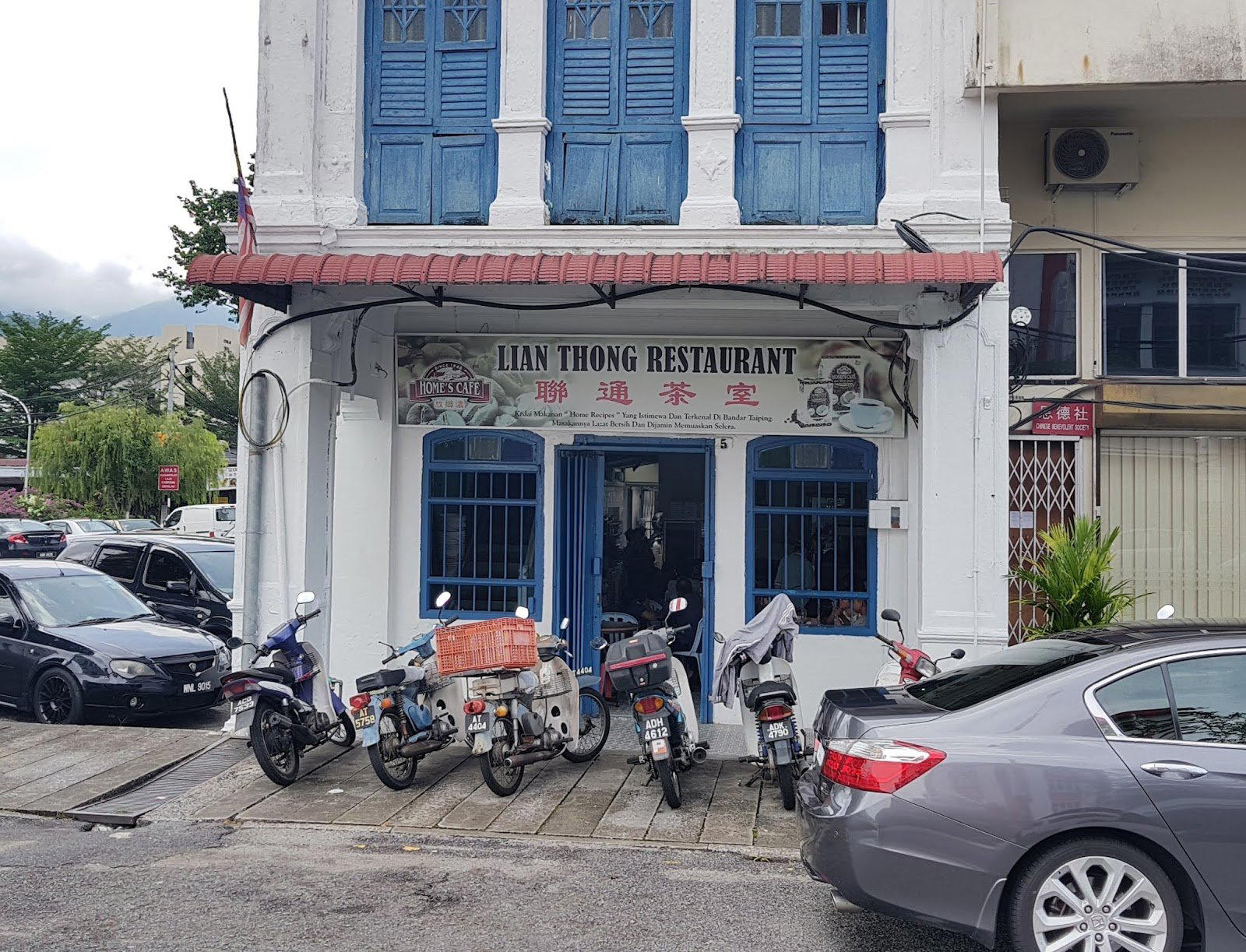
On Jalan Kota in the heart of old Taiping, Lian Thong Restaurant occupies a shophouse address that places it squarely within the town's long-established coffee-shop dining tradition. The restaurant draws locals and returning visitors for its everyday Chinese cooking in a setting shaped by decades of neighbourhood routine rather than trend-chasing.
- Address
- No. 5, Jalan Kota, 34000 Taiping, Perak, Malaysia
- Phone
- +60 5 807 2645
- Website
- m.facebook.com
- Directions
- Get directions
Old Taiping, Old Rhythms
Taiping has a particular relationship with time. Perak's former colonial capital moves at a pace that most Malaysian cities abandoned decades ago, and its dining scene reflects that disposition. Shophouse restaurants along streets like Jalan Kota still operate on the logic of the traditional kopitiam: arrive early, share tables with strangers, eat without ceremony, and leave when you're done. There is no reservation system, no printed menu handed to you by a host, and no expectation that the meal will be anything other than food at a table in the middle of a working day. Lian Thong Restaurant is a casual Traditional Halal Chinese & Nyonya Kopitiam at No. 5, Jalan Kota, 34000 Taiping, Perak, Malaysia. It sits inside that tradition.
In the broader map of Malaysian dining, Taiping occupies an interesting middle ground. It lacks the critical mass of George Town's hawker infrastructure and the fine-dining ambition of Kuala Lumpur venues like Dewakan in Kuala Lumpur, but it has something those cities are actively trying to preserve: an intact, unhurried local eating culture rooted in everyday Chinese and Malay cooking. Restaurants on this stretch of Jalan Kota are simply continuing what they have always done.
The Shophouse Format and What It Demands of You
The dining ritual at a Taiping shophouse restaurant is structured by the space itself. A narrow ground floor, open-fronted to catch whatever breeze comes off the street, sets the pace before you've ordered anything. Marble-topped tables, plastic stools, and ceiling fans running at full speed signal that the meal here is not about lingering theatre. The format is transactional in the leading sense: the kitchen runs at speed, portions arrive quickly, and the efficiency is part of the atmosphere rather than a shortcoming of it.
This is a register of dining that sits far from the meticulously paced tasting menus at places like Lazy Bear in San Francisco or the long-room formality of Le Bernardin in New York City, but it operates with its own clear etiquette. You read the board or ask what's available. You order in full at once. Tea arrives without being requested. The rhythm is set by the kitchen's output, not by your preference for pacing, and learning to eat on that schedule is part of what makes the experience legible. For visitors accustomed to service-led dining, adjusting to a kitchen-led format can reframe what a meal is actually for.
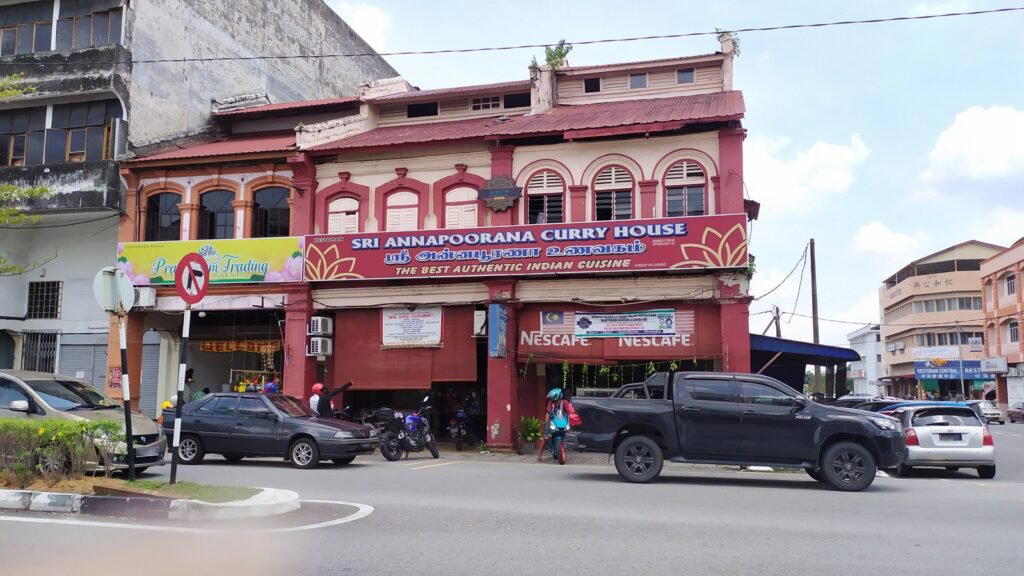
Across Taiping, this pattern repeats. At Sin Kuan Kee Restaurant and Sri Annapoorana Curry House, the same shophouse logic applies: ordering is direct, service is functional, and the food bears the weight of the argument. The standard is not set by presentation but by whether the dish is correct, whether the braise has the right depth, whether the rice has absorbed what it should. These are kitchens that answer to regulars, and regulars have long memories.
Taiping's Chinese Cooking Tradition
Perak's Chinese culinary heritage is predominantly Cantonese and Hakka, with Hokkien influence filtering in through the state's trading history. In practical terms, that means a cooking register built around clear broths, soy-braised proteins, and stir-fried vegetables finished with high-heat wok breath. Taiping's older Chinese restaurants tend to cook within this tradition without editorialising it. There is no fusion gesture, no contemporary plating rationale. The dishes exist because they have always existed, and the kitchen's job is to execute them correctly.
This places Taiping in a different category from George Town's more celebrated heritage dining, where venues like Auntie Gaik Lean's Old School Eatery in George Town have attracted international attention for Peranakan cooking with clear provenance and documentation. Taiping's version is less curated, more ambient. The food is culturally intact but rarely spotlit, which gives it a different quality for the visitor willing to read it on its own terms rather than through the framework of culinary tourism.
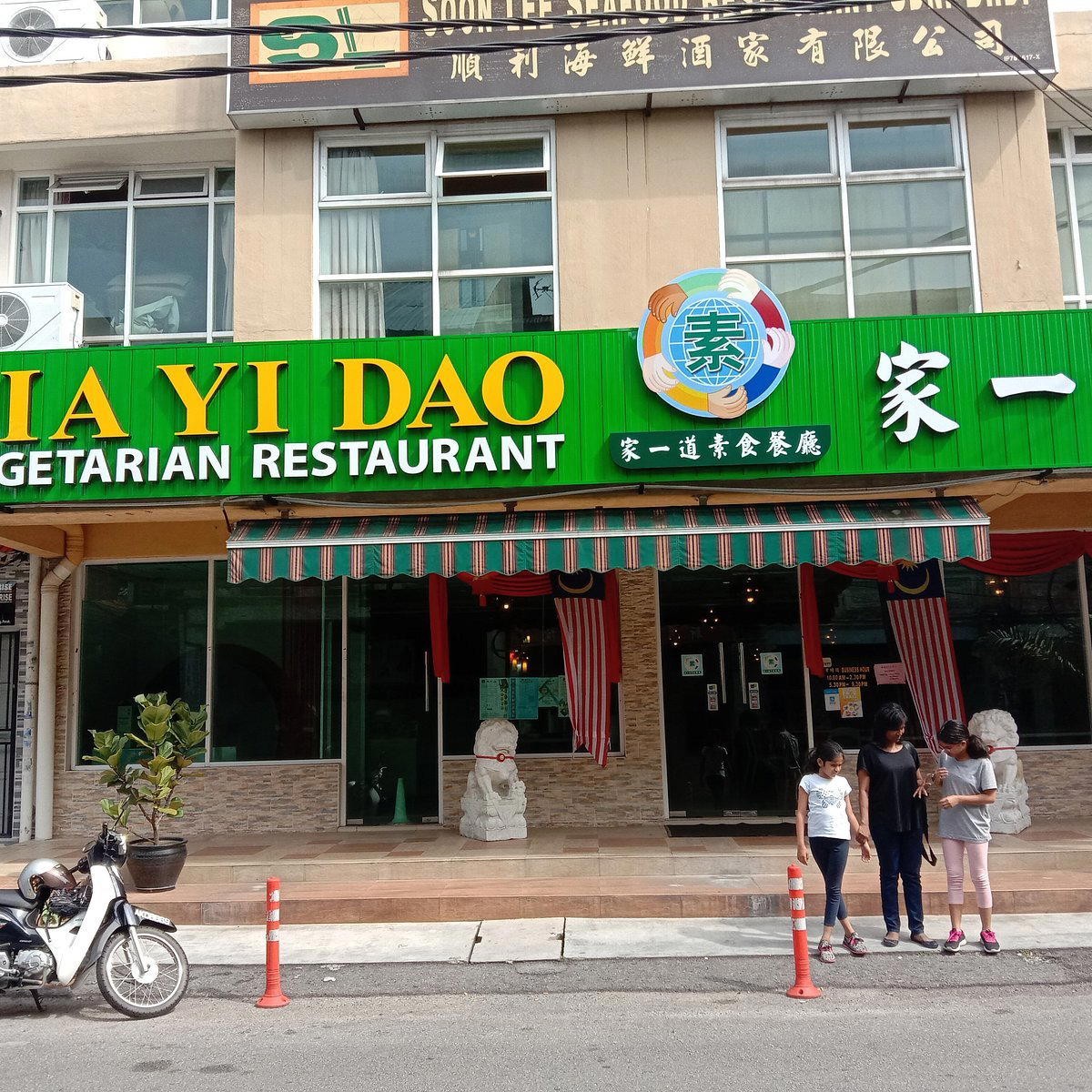
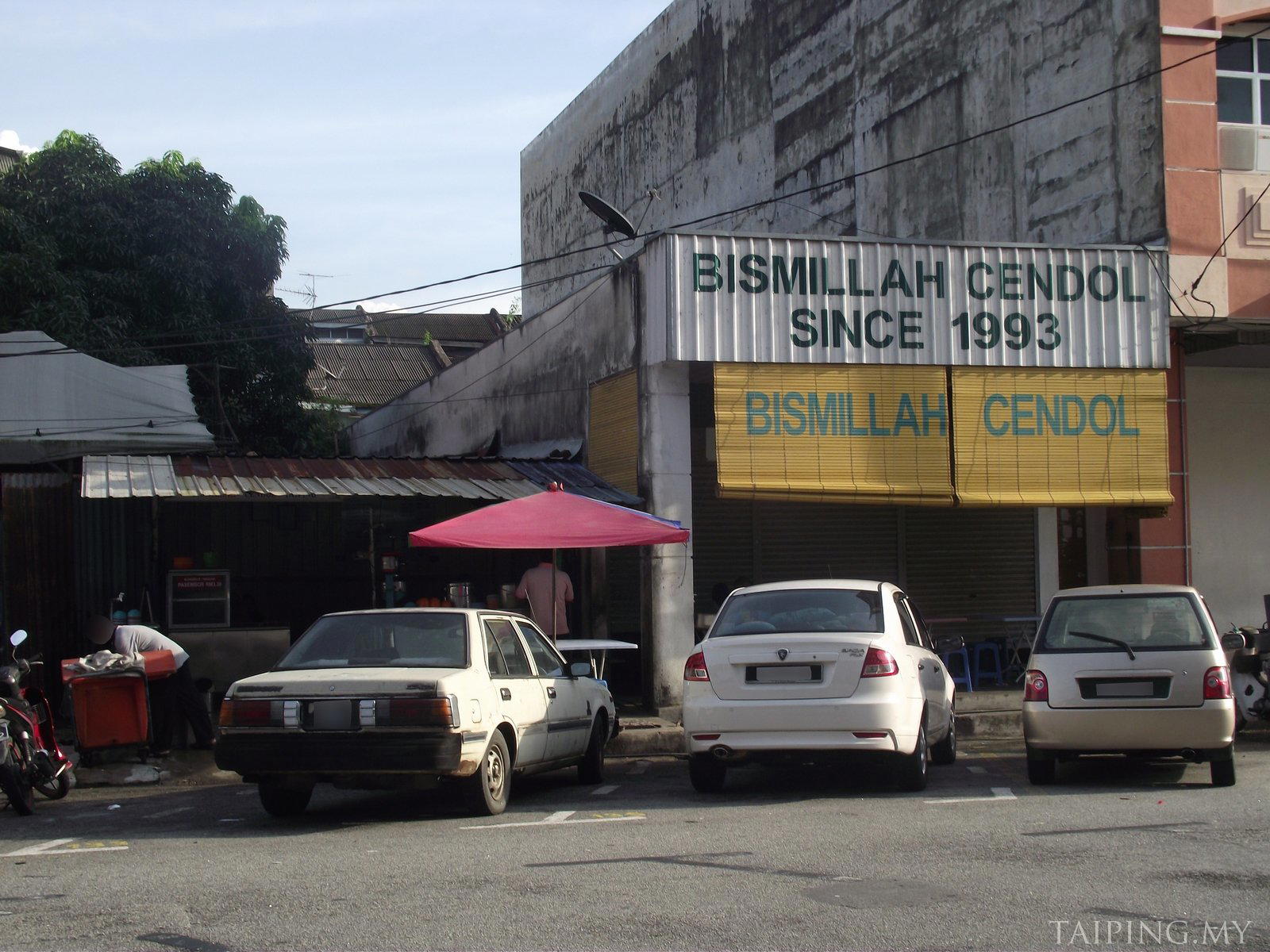
Complementing the Chinese side of Taiping's food culture are operations like Bismillah Cendol, which anchors the Malay dessert tradition in the same neighbourhood, and Jia Yi Dao Vegetarian Restaurant, which points to a separate Buddhist-Chinese strand of the city's eating habits. Taken together, these addresses sketch a dining culture that is genuinely plural, operating across community lines without any particular venue positioning itself as the synthesis. For a broader orientation, the EP Club Taiping restaurants guide maps these patterns across the town's main eating streets.
Where Lian Thong Sits in the comparable set
Positioning Lian Thong against a comparable set requires being clear about what the comparable set actually is. This is not a restaurant competing with the resort kitchens at The Dining Room at The Datai Langkawi or the gallery-adjacent dining of Lavo and Lavo Gallery in Petaling Jaya. It sits in the category of established neighbourhood Chinese restaurants that have outlasted multiple generations of owners and regulars, where the measure of success is continued daily operation rather than critical recognition.
In that category, longevity and local loyalty are the operative credentials. Jalan Kota's restaurant addresses have been through enough economic cycles to thin out the unreliable ones. What remains tends to remain for a reason. The address's continuity in a town that has watched newer openings come and go constitutes its own form of evidence.
Planning Your Visit
Taiping is accessible by road and rail from Kuala Lumpur, with the Taiping KTM station placing the town centre within a short drive. Jalan Kota runs through the older commercial district, within walking distance of the Taiping Lake Gardens and the town's historical core. Shophouse restaurants in this area typically run through the morning and into midday, with lunch service representing the busiest window. Arriving at peak hour means sharing the rhythm with office workers, market traders, and school-run regulars, the full cross-section of Taiping's working week. For visitors building a fuller Taiping itinerary around this kind of everyday eating, adding stops like Bismillah Cendol and Sin Kuan Kee Restaurant to the same morning builds a coherent picture of what Jalan Kota actually offers.
Cuisine and Recognition
Comparable venues nearby, for context on price, style, and recognition.
| Venue | Cuisine | Price | Notes |
|---|---|---|---|
| Lian Thong Restaurant (Taiping)This venue — the venue you are viewing | Traditional Halal Chinese & Nyonya Kopitiam | $ | Not listed |
| Bismillah Cendol | Traditional Malaysian Cendol | $ | Taiping |
| Jia Yi Dao Vegetarian Restaurant | Chinese Vegetarian | $$ | Taiping |
| Sin Kuan Kee Restaurant • Taiping | Traditional Cantonese Pastries & Dim Sum | $$ | Taiping town |
| Sri Annapoorana Curry House | Southern Indian Curry House | $$ | Taiping |
| Ah Fook Yong Tau Fu Cheong Fun | Malaysian Chee Cheong Fun & Yong Tau Foo | $ | Pudu |
Continue exploring
More in Taiping
Restaurants in Taiping
Browse all →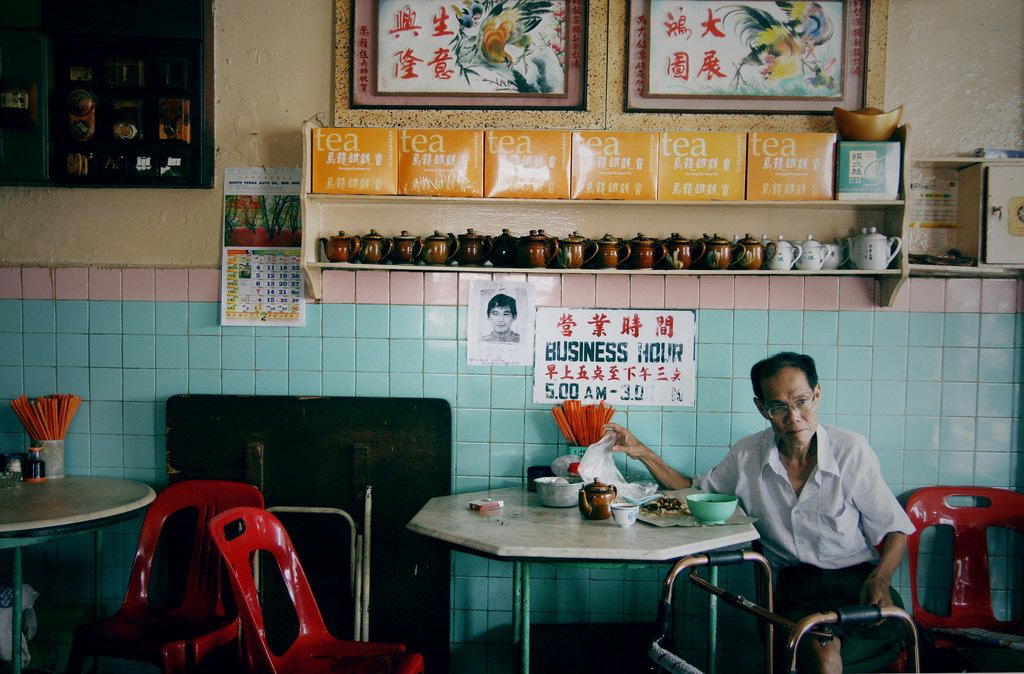
Bars in Taiping
Browse all →
Hotels in Taiping
Browse all →
At a Glance
- Rustic
- Classic
- Cozy
- Well Known
- Brunch
- Casual Hangout
- Group Dining
- Historic Building
- Standalone
Rustic, nostalgic old-fashioned coffee shop with natural light, wooden tables and chairs, and a welcoming atmosphere enhanced by elderly waiters that adds to its authentic charm.