
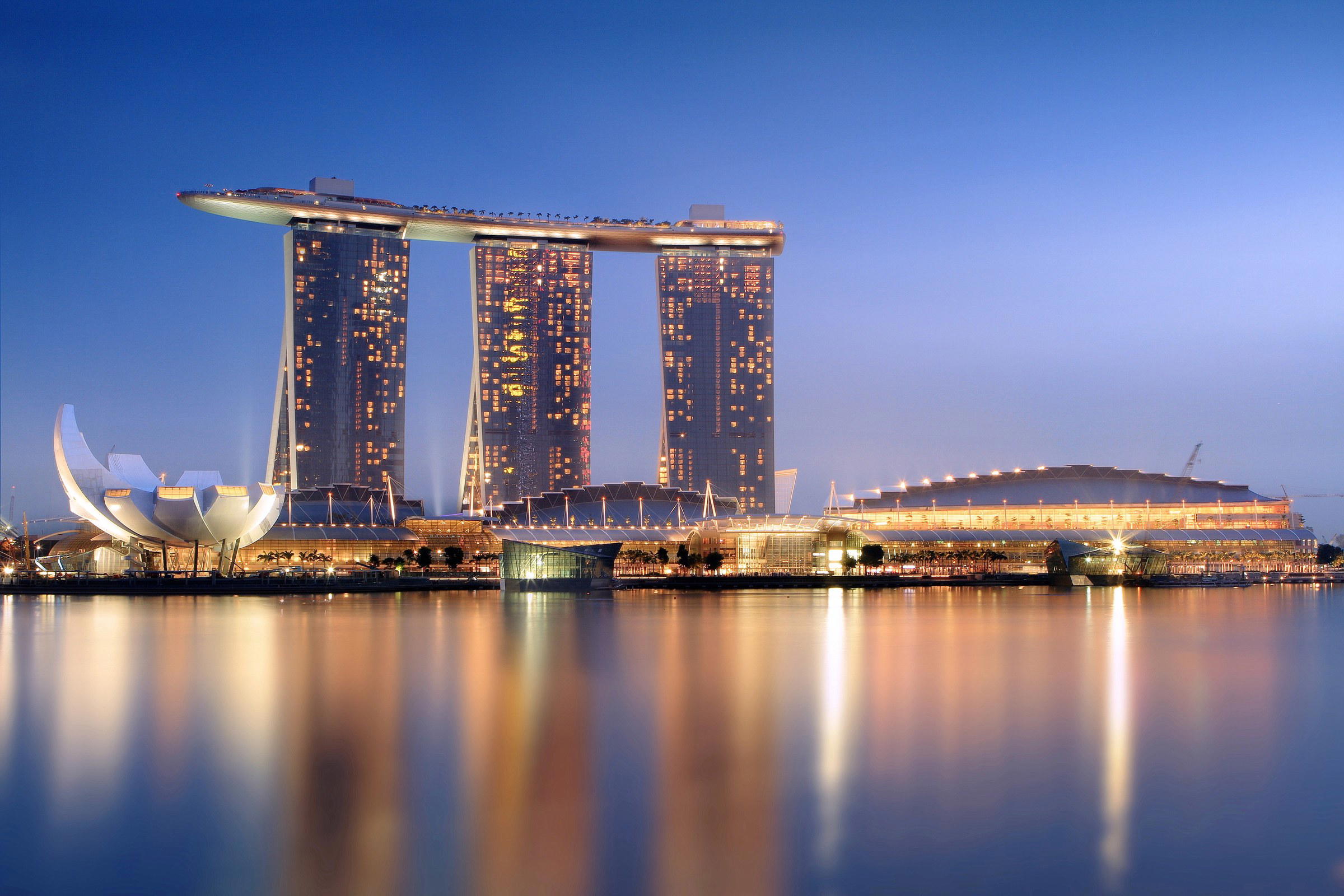
Spago at Marina Bay Sands pairs Modern California with Asian influences, a rooftop terrace, skyline and waterfront views, and an extensive wine list with craft cocktails.
Pearl is the En Primeur Club membership app — saves, bookings, and concierge access live there. Same editors, same standards.
- Address
- Singapore
- Phone
- +65 6688 9955
- Website
- wolfgangpuck.com
- Directions
- Get directions
 Saves & bookings on Pearl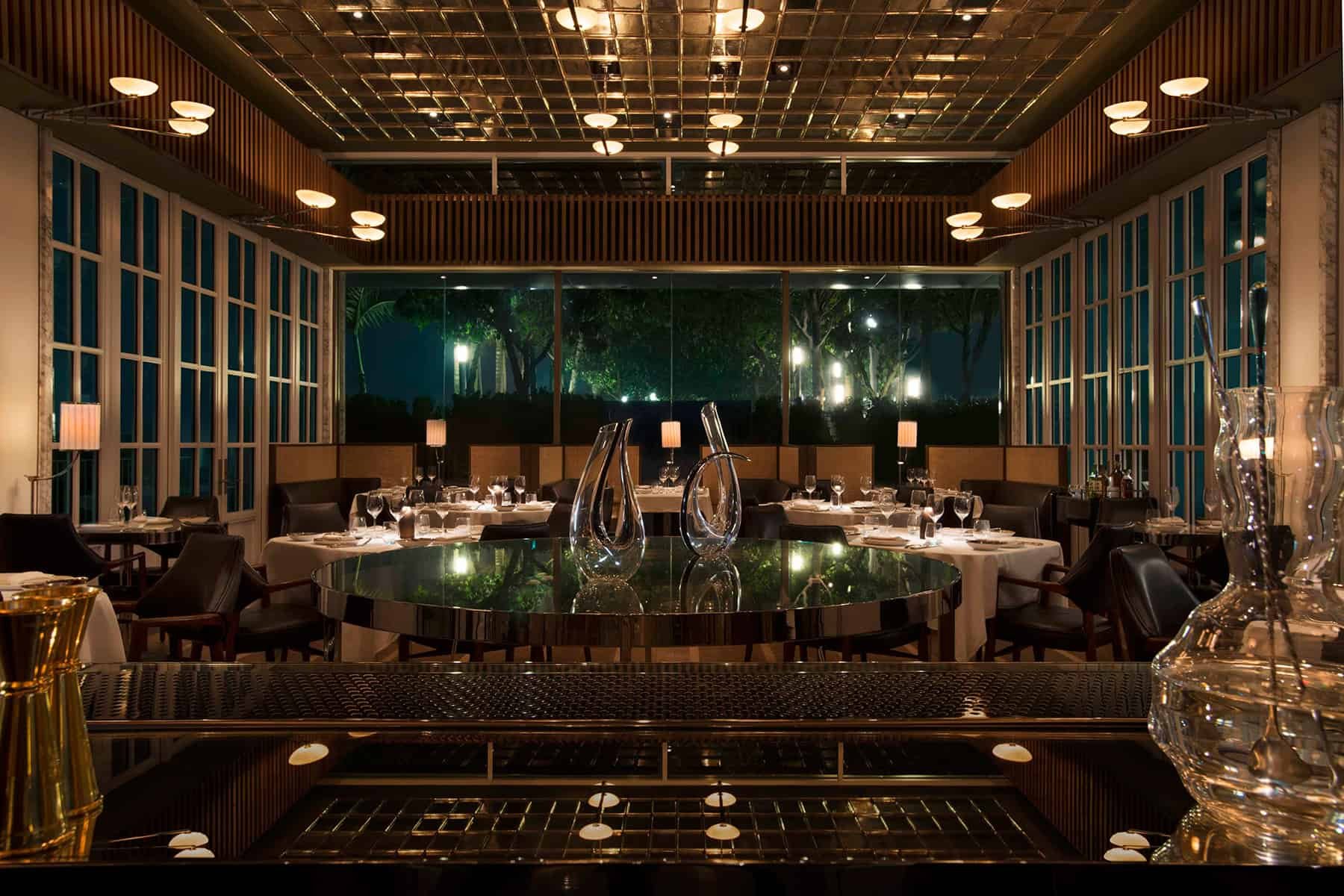
Marina Bay's Upper Tier, Seen From the 57th Floor
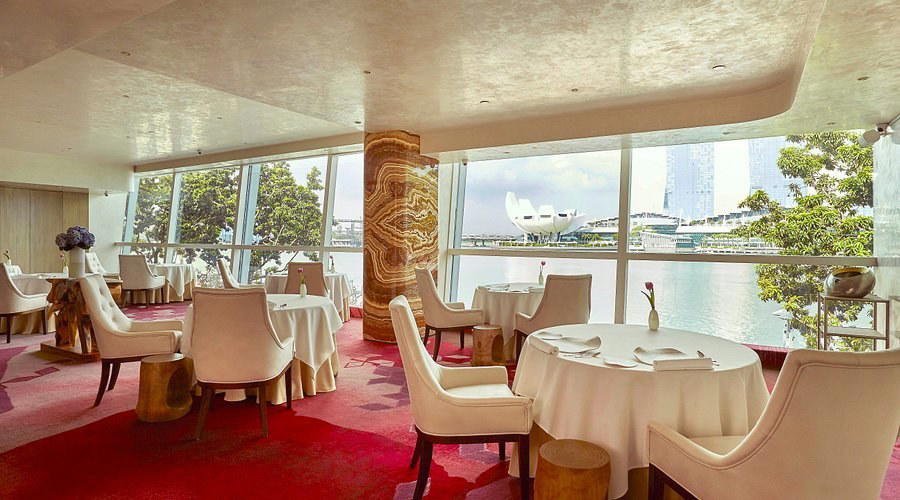
Spago at Marina Bay Sands is a restaurant in Singapore serving modern California with Asian influences. The approach to Spago at Marina Bay Sands tells you something about Singapore's appetite for international culinary ambition. You arrive via the hotel's tower lifts, the city grid shrinking below you as you ascend toward a dining room that sits at the intersection of two distinct forces: the global reach of Wolfgang Puck's hospitality group, which has placed Spago addresses from Beverly Hills to Tokyo, and Singapore's own appetite for premium international dining that can hold its own against the city-state's most serious local contenders. The views across Marina Bay are not incidental to the experience here; they are part of the room's argument for itself.
That said, one interesting question about Spago Singapore is not whether the room is impressive — it is — but where it fits inside a city that has, over the past decade, built one of Asia's most competitive fine dining ecosystems from the ground up.
Singapore's International Fine Dining Tier
Singapore's restaurant scene has stratified noticeably in recent years. At one end sit the city's homegrown tasting-menu addresses: Odette (French Contemporary) and Les Amis (French) have accumulated Michelin recognition that places them alongside particularly awarded rooms in Asia. At another end, international imports have carved out a different kind of authority, trading on global brand equity, architectural settings, and menus calibrated to please both local regulars and the high-volume of well-traveled guests that a property like Marina Bay Sands generates nightly. Spago sits firmly in this second category, and that positioning shapes every aspect of how the restaurant functions.
It is worth comparing this dynamic to how international restaurant brands operate elsewhere. In Hong Kong, 8 1/2 Otto e Mezzo Bombana has earned standalone Michelin recognition independently of its hotel context, suggesting that the international-brand-in-Asian-luxury-hotel format can transcend its setting. In Monte Carlo, Alain Ducasse at Louis XV operates with a similar tension between architectural spectacle and culinary seriousness. What distinguishes the stronger examples in this format is whether the kitchen program has developed a point of view specific to its location, rather than simply replicating the flagship's menu logic in a new postcode.
Spago's award recognition signals that the beverage program here has attracted serious critical attention, which places it in a different conversation from purely hotel-amenity dining. For a restaurant at this address, that kind of third-party validation matters: it distinguishes the wine offering from the kind of default international list that high-volume luxury hotel restaurants often default to.
The Sustainability Question in High-Volume Hotel Dining
The sustainability story at premium hotel restaurants in Southeast Asia is complicated by scale. A restaurant operating inside a property the size of Marina Bay Sands faces procurement challenges that a 20-seat independent counter does not. Volume, consistency, and the logistical demands of a high-turnover luxury setting create real friction with the farm-direct, waste-minimizing sourcing models that smaller progressive restaurants have built their identities around. This is not a problem distinctive to Spago: Le Bernardin in New York City and Alinea in Chicago both operate at scale while maintaining sourcing discipline, but both do so outside the additional layer of hotel-group procurement constraints.
The more credible sustainability signals at premium hotel restaurants in this region tend to appear in specific, verifiable choices: relationships with particular regional producers, documented commitments to reducing imported proteins in favor of local aquaculture or regional agriculture, and transparent communication about waste management. What is clear is that the regional fine dining peer group, including Zén (European Contemporary) and Jaan by Kirk Westaway (British Contemporary), both of which have demonstrated ingredient-level sourcing transparency, has raised the benchmark for what thoughtful procurement looks like in Singapore's upper dining tier. The conversation around ethical sourcing at this level now extends beyond tokenism to ingredient-by-ingredient accountability, and diners who track these questions are increasingly applying that scrutiny to international-brand restaurants alongside local independents.
Comparable conversations are happening at restaurants like Aponiente in El Puerto de Santa María, where marine sustainability is foundational to the menu architecture, and at Lazy Bear in San Francisco, where the communal format creates transparency about sourcing relationships. The standard has been set; the question is which international hotel restaurants choose to meet it.
Where Spago Sits in the Singapore Competitive Picture
Against Singapore's current fine dining cohort, Spago occupies a distinct niche: it is not competing for the same guest as Meta (Innovative) or the city's more experimental tasting-menu rooms. Its comparable set is the luxury-hotel restaurant that combines serious wine credentials, a globally recognized kitchen name, and an architectural setting that functions as part of the dining proposition. In that tier, the World of Fine Wine Asia Regional Winner recognition is the clearest external signal of standing.
For comparison, the equivalent format in other cities, think Alléno Paris au Pavillon Ledoyen or Emeril's in New Orleans, suggests that the genre can sustain genuine culinary ambition when the kitchen commits to more than brand maintenance. The Singapore location benefits from the city's extraordinary food culture, which creates a demanding local diner base that holds imported restaurant concepts to higher standards than many comparable markets.
Singapore's broader dining and hospitality offer is substantial enough that Spago functions as one node in a larger network.
Planning a Visit
Reputation Context
Comparable venues nearby, for context on price, style, and recognition.
| Venue | Cuisine | Price | Notes |
|---|---|---|---|
| Spago at Marina Bay SandsThis venue — the venue you are viewing | Modern California with Asian Influences | $$$$ | Not listed |
| Spago by Wolfgang Puck | Modern Californian with Asian Influences | $$$$ | BAYFRONT SUBZONE |
| CUT by Wolfgang Puck, Marina Bay Sands Singapore | Premium Steakhouse with Japanese Wagyu | $$$$ | BAYFRONT SUBZONE |
| Restaurant Born | Contemporary French-Chinese Fusion | $$$$ | CHINATOWN |
| SUSHISAMBA Singapore | Japanese-Peruvian-Brazilian Fusion | $$$$ | CECIL |
| Shang Palace | Classic Cantonese Fine Dining | $$$$ | NASSIM |
Recognition history
Dated appearances from independent guides and award organizations, with the underlying list record or original source where available.
World's Best Wine Lists Awards WBWL Category Winner
World's Best Wine Lists Awards
Continue exploring
More in Singapore
Restaurants in Singapore
Browse all →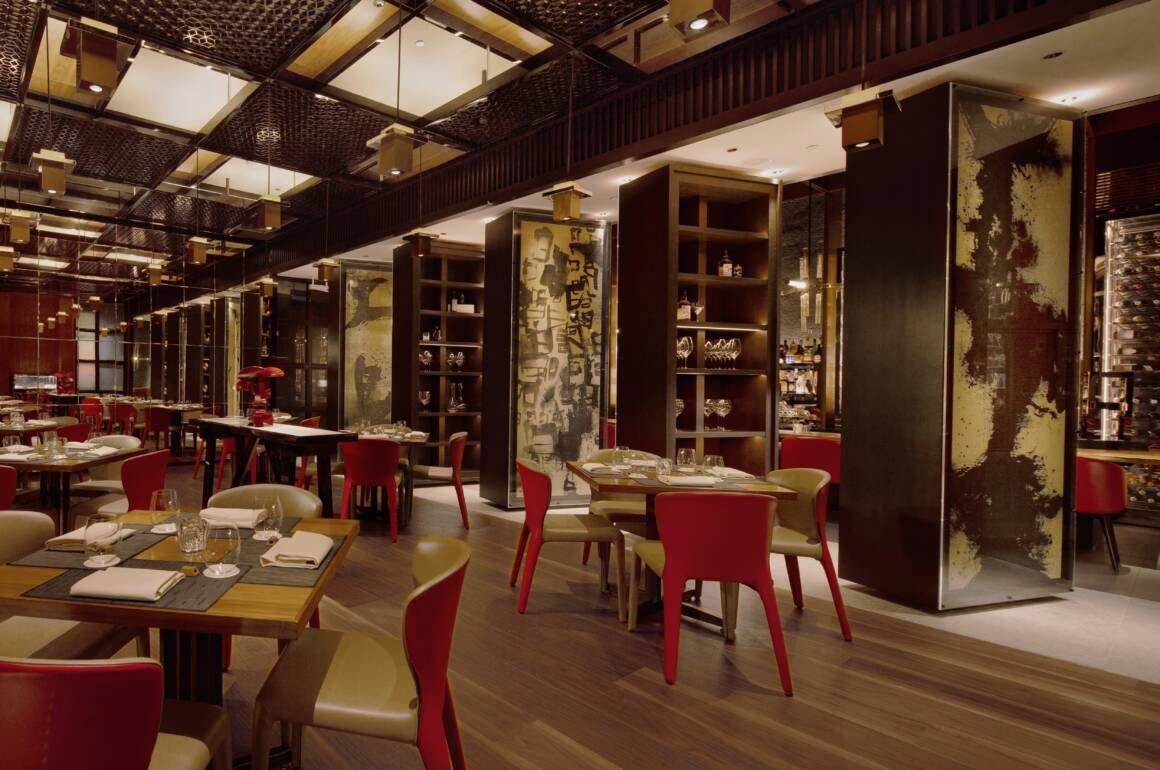
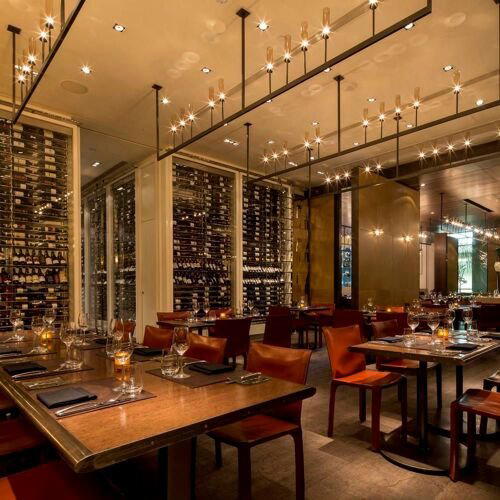

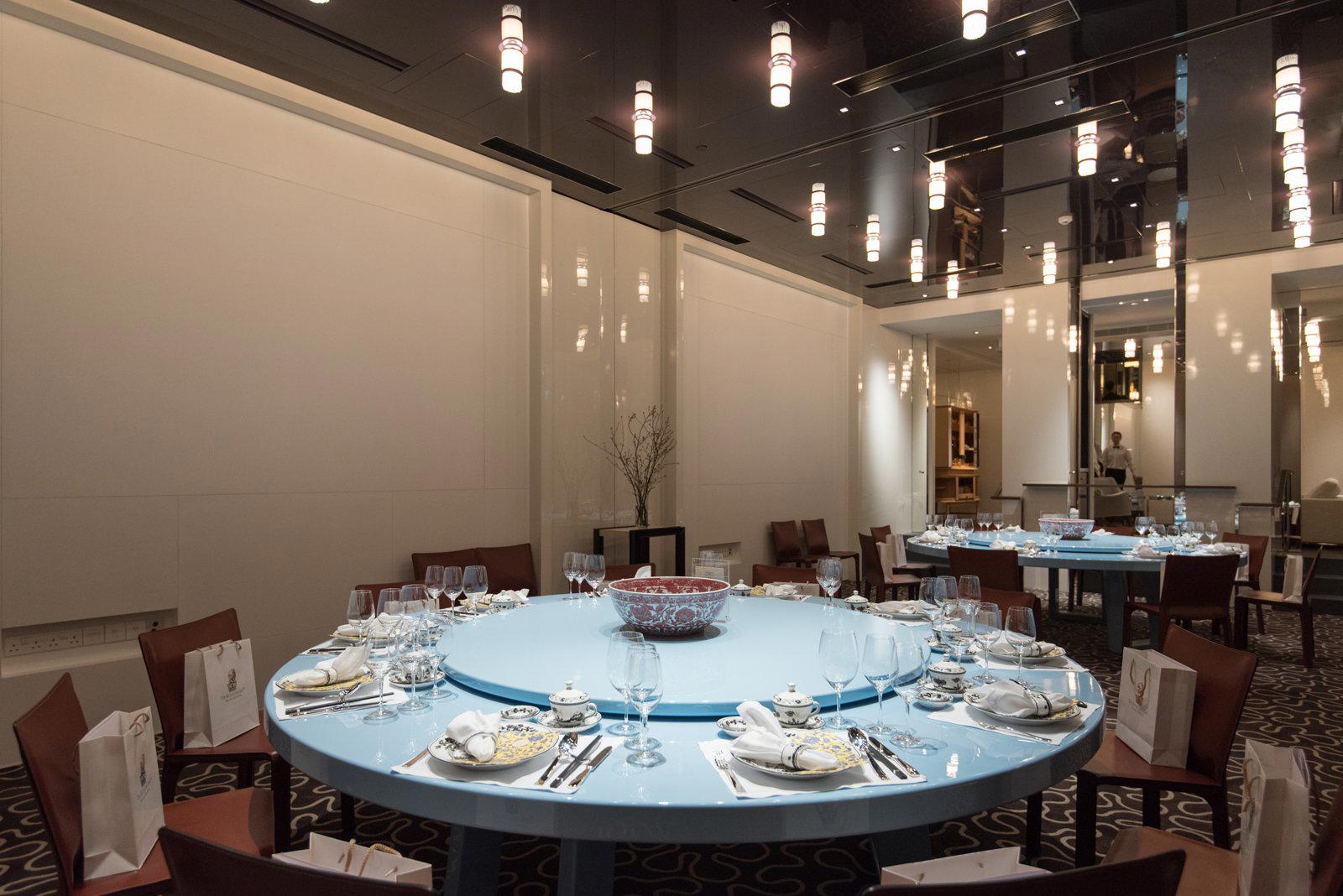
Bars in Singapore
Browse all →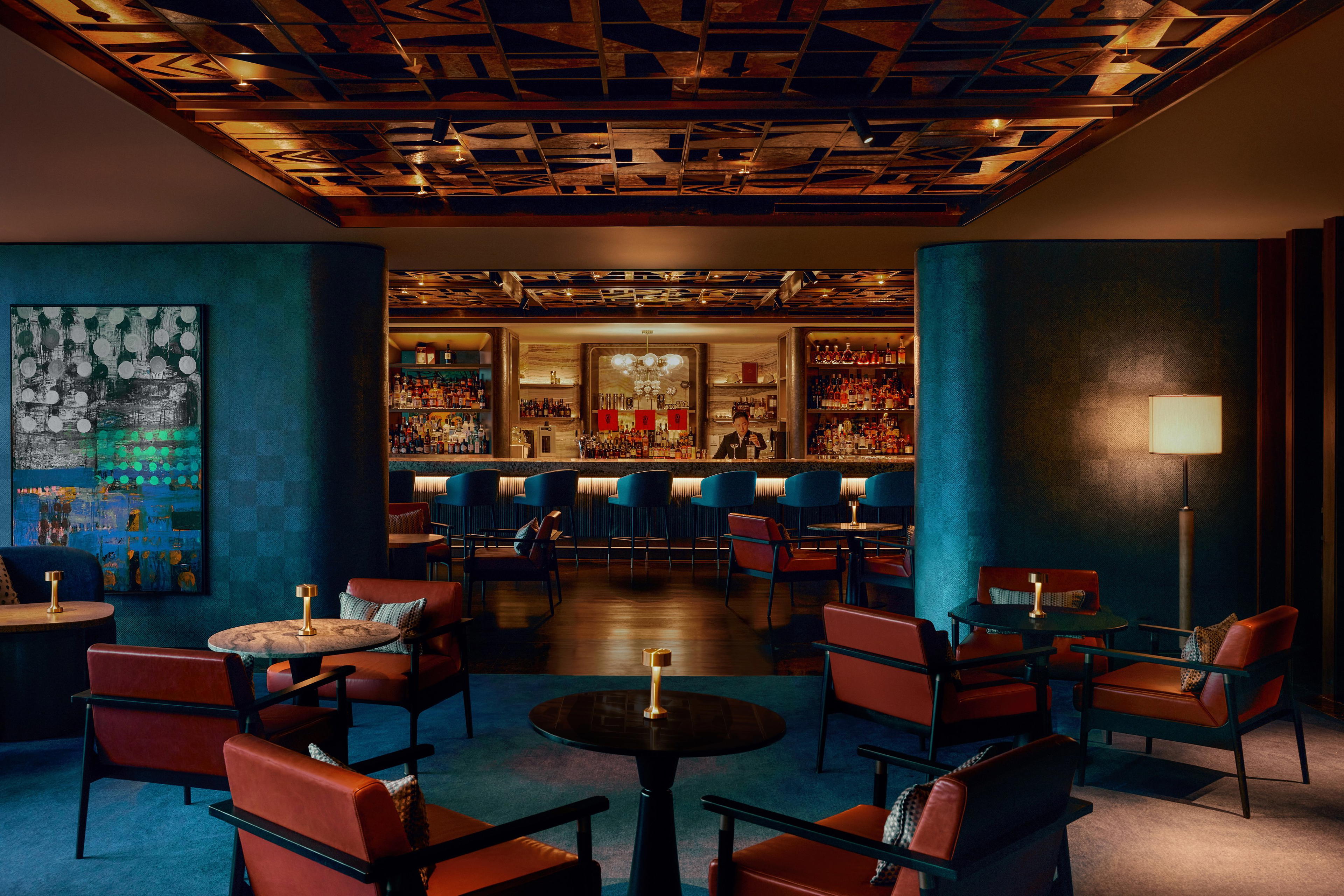
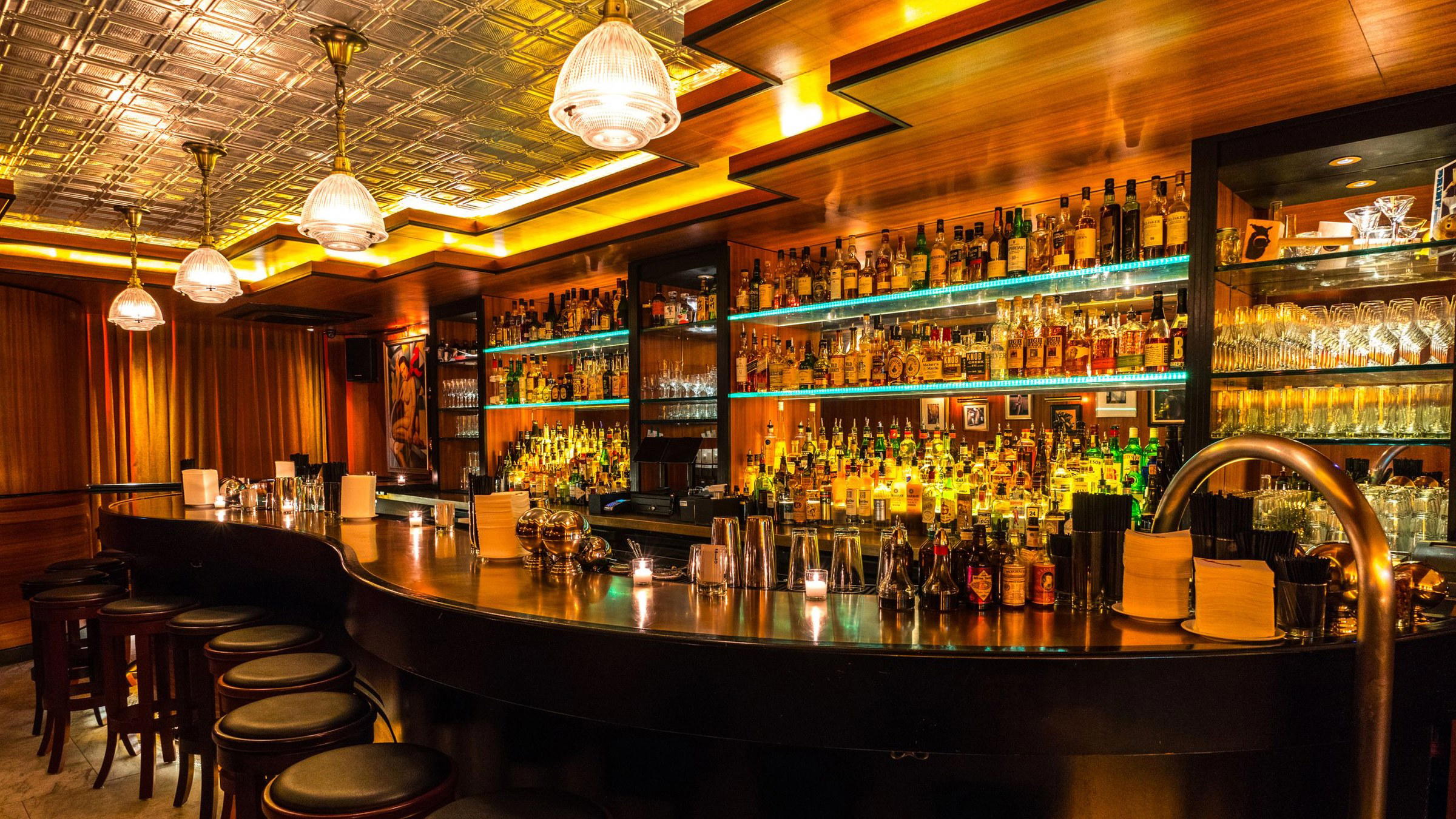
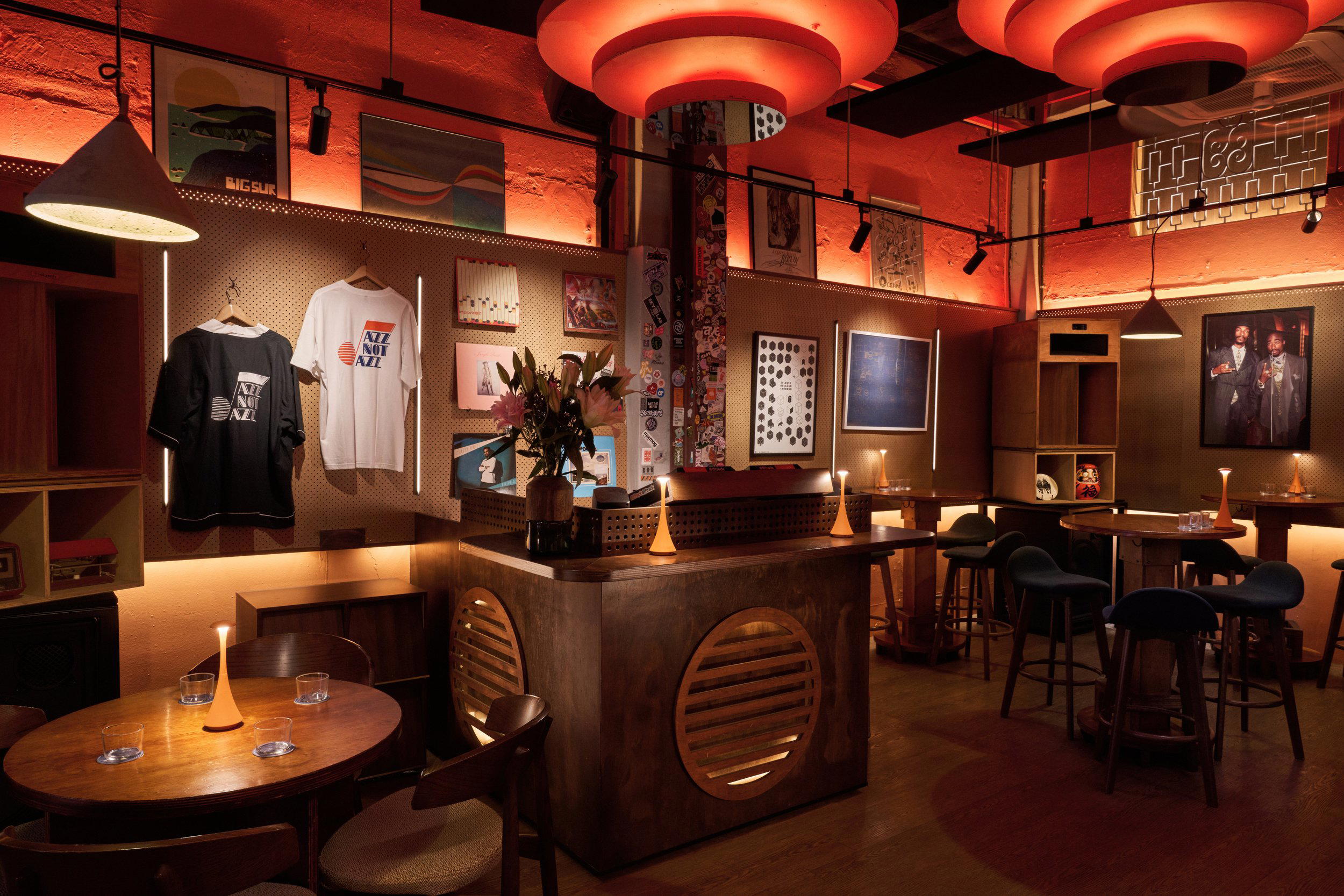
At a Glance
- Elegant
- Sophisticated
- Well Known
- Scenic
- Date Night
- Special Occasion
- Business Dinner
- Rooftop
- Hotel Restaurant
- Panoramic View
- Terrace
- Extensive Wine List
- Craft Cocktails
- Skyline
- Waterfront
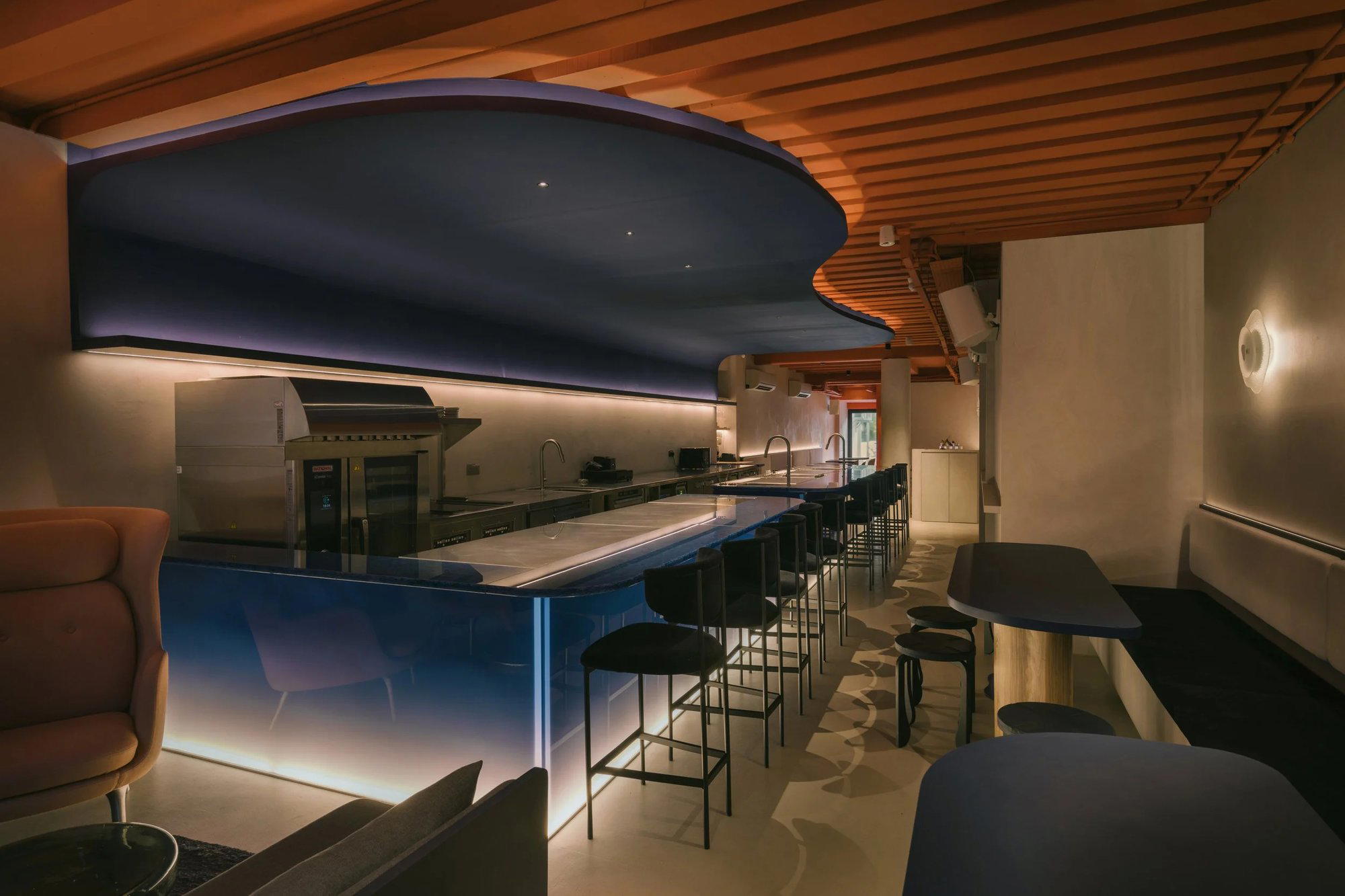
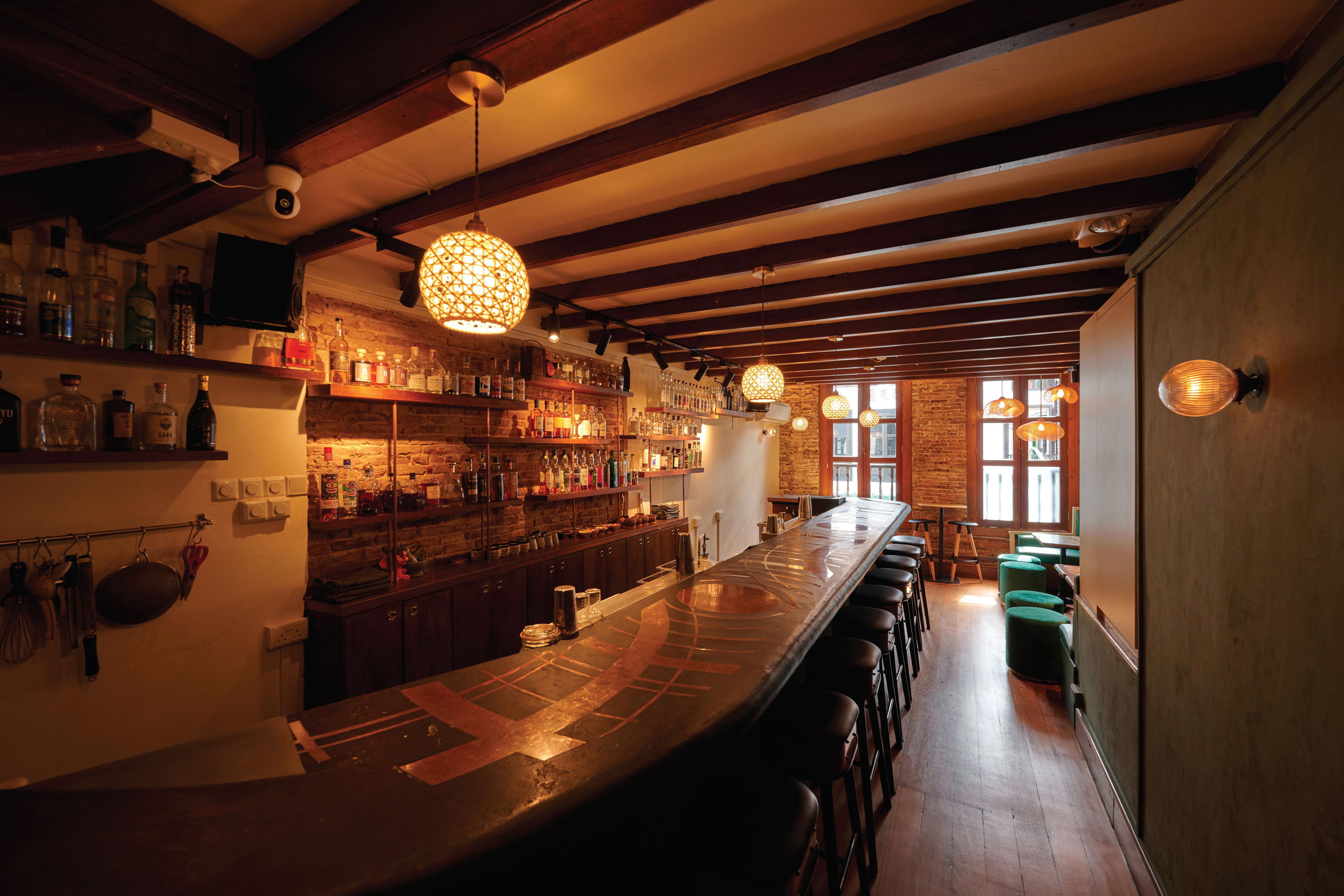
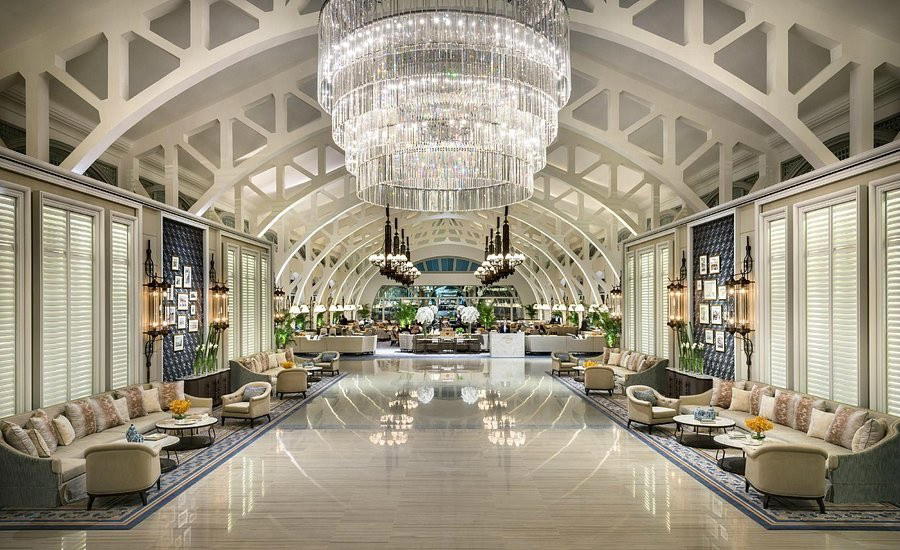
Elegant dining room with subtle lighting, cool serenity, and focus on panoramic city views.