SODA & SWINE
Soda & Swine operates out of Point Loma's Liberty Station, the former Naval Training Center redeveloped into one of San Diego's most active arts and dining complexes. The format leans casual and social, with a focus on handcrafted sodas and charcuterie-forward plates that fit the neighborhood's repurposed-industrial character. It sits in a different tier from destinations like Addison or Soichi, serving a walk-in, share-everything crowd rather than a reservation-driven one.
- Address
- 2750 Dewey Rd #104, San Diego, CA 92106
- Phone
- +1 619 501 9989
- Website
- sodaandswine.com
- Directions
- Get directions
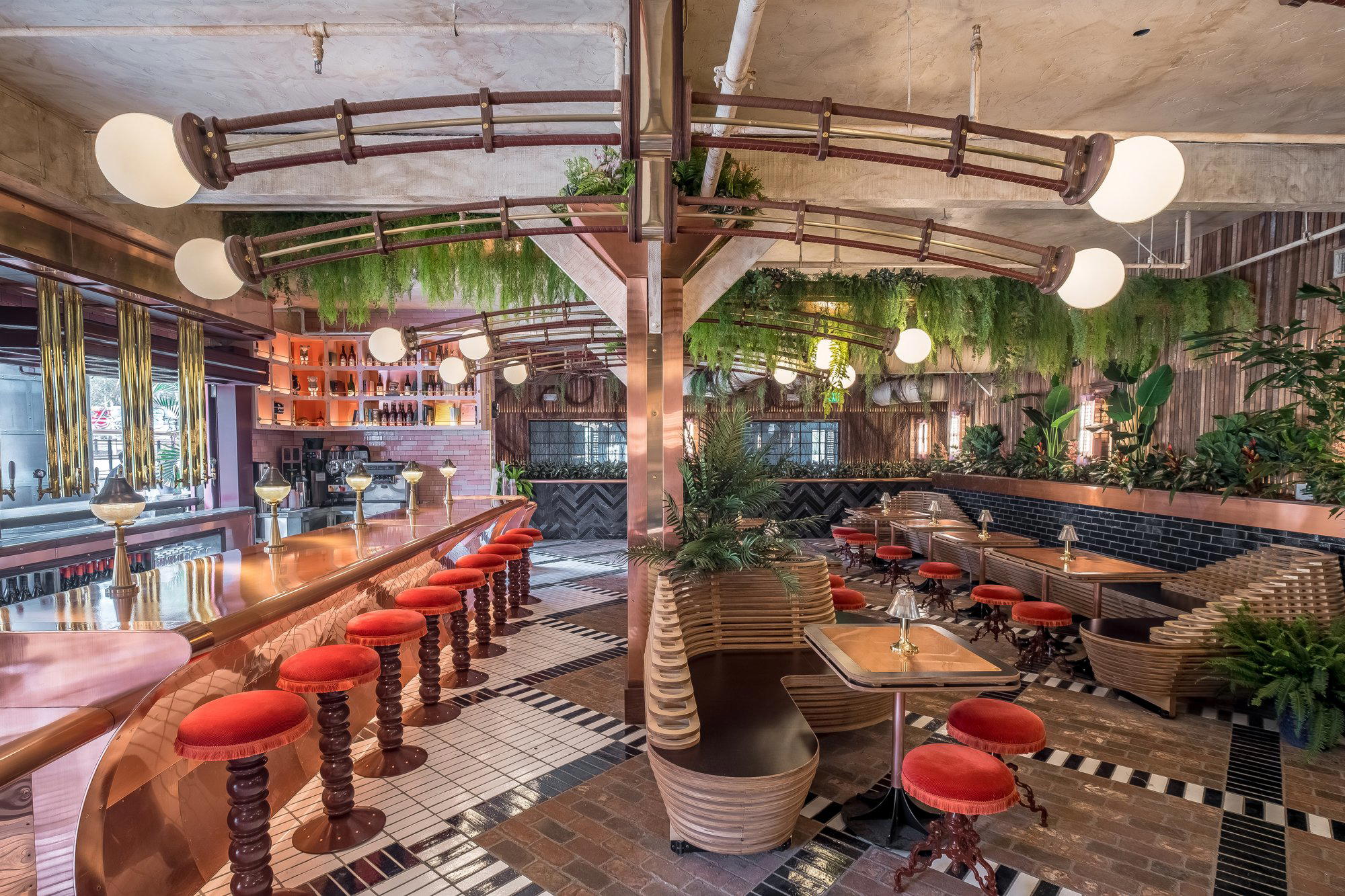
Liberty Station and the Case for Casual Done Consciously
Point Loma's Liberty Station occupies a former Naval Training Center converted into a mixed-use arts, dining, and retail complex where the bones of early-20th-century military architecture give the whole campus an unhurried, civic feel. The wide pedestrian corridors, low-slung brick buildings, and open-air plazas create a setting where eating and drinking feel like extensions of a neighbourhood stroll rather than a destination event. Soda & Swine sits inside this context at 2750 Dewey Road, and the address alone positions it differently from San Diego's reservation-driven fine dining tier, this is a place shaped by its surroundings as much as by what comes out of its kitchen.
That distinction matters when you consider how American casual dining has evolved in the last decade. Thoughtful operators in this space have stopped treating "casual" as a license to be imprecise. Instead, the better examples treat modest price points and informal formats as a constraint that sharpens focus, fewer components, cleaner sourcing decisions, more transparent connections between what's on the plate and where it came from. Soda & Swine fits that pattern in concept, pairing handcrafted sodas with charcuterie-forward food in a format that rewards sharing and conversation over ceremony.
The Sustainability Argument in Charcuterie Formats
Charcuterie as a dining format carries an inherent sustainability logic that often goes unremarked. The tradition of curing, smoking, and fermenting meats developed precisely because these techniques extended the usable life of whole-animal harvests, minimizing waste across cuts that wouldn't otherwise reach the table in a culture of prime-only cooking. Modern charcuterie programs that take this seriously source whole animals, use nose-to-tail processing, and build menus around what's available rather than what sells fastest. Compared with the à la carte model, where kitchen prep generates significant waste from trimming and over-ordering, a charcuterie-anchored format structurally reduces that loss.
Across the United States, a smaller cohort of restaurants has pushed this further, connecting charcuterie to documented ethical sourcing frameworks. Blue Hill at Stone Barns in Tarrytown operates at the extreme end of this commitment, with an entire farming operation underpinning the menu. Single Thread Farm in Healdsburg applies a similar farm-direct philosophy to Japanese-inflected California cooking. Smyth in Chicago links its sourcing to a separate farm project. These are fine-dining expressions of the same underlying logic, but the ethos translates down the price ladder, the question is whether an operator at a more accessible price point applies the same discipline or simply adopts the aesthetic without the substance.
The handcrafted soda component at Soda & Swine adds another layer to this conversation. House-made sodas, when built from real ingredients rather than commercial syrups, represent a meaningful step away from the high-fructose, heavily packaged beverage economy that dominates casual dining. The production of small-batch syrups from whole fruit, herbs, and spices generates far less packaging waste than bulk procurement, and the flavour profiles tend toward seasonal availability rather than year-round uniformity, a natural prompt for rotating the menu with what's actually ripe or available.
Where Soda & Swine Sits in San Diego's Dining Range
San Diego's restaurant range runs from the rarefied, Addison, which holds a Michelin star and operates at the city's highest price tier, through a deep middle band of serious, chef-driven casual options. Soichi occupies a premium omakase position at the summit of the Japanese category. At the other end, places like 777 G St and 1450 El Prado serve different neighbourhood needs with different formats. Soda & Swine belongs to neither the fine-dining nor the pure-neighbourhood-local tier; it occupies a social, share-plate position that works well for groups, post-event grazing, and the kind of low-friction eating that Liberty Station's campus layout encourages.
For context beyond San Diego: the pairing of house-crafted non-alcoholic drinks with charcuterie-forward menus appears in similar forms at operators across the country, from Frasca Food & Wine in Boulder, which takes beverage pairing seriously at a higher price point, to more accessible formats in cities like New Orleans, where Emeril's has long demonstrated that locally sourced, sharing-oriented formats can sustain multi-decade audiences. The common thread is a beverage program that earns its place at the table rather than serving as an afterthought to the food.
Nationally, the restaurants leading on the intersection of sourcing ethics and dining accessibility include Providence in Los Angeles, which has built a serious sustainable seafood framework into a fine-dining format, and The French Laundry in Napa, which maintains on-site kitchen gardens. At the more avant-garde end, Atomix in New York City and Atelier Moessmer Norbert Niederkofler in Brunico have built sustainability into the menu architecture at a structural level. Soda & Swine doesn't operate in those tiers, but the underlying questions about sourcing and waste reduction are relevant across the price spectrum. Also worth considering: Lazy Bear in San Francisco and Le Bernardin in New York City both demonstrate how beverage programs and sourcing commitments can become load-bearing elements of a restaurant's identity rather than secondary features.
The Inn at Little Washington in Washington and 94th Aero Squadron show how physical setting, a repurposed historic environment, shapes dining identity just as much as the menu does. Liberty Station, with its conversion history and civic scale, gives Soda & Swine a similar kind of built-in character that a strip-mall or generic commercial space would not.
Planning a Visit
Soda & Swine is located at 2750 Dewey Road, Suite 104, within the Liberty Station complex in Point Loma. The campus is accessible by car with parking available on site, and the walkable layout means a visit can extend naturally into the surrounding arts spaces, galleries, and other restaurants before or after eating. For a broader picture of where this fits among San Diego's dining options, the full San Diego restaurants guide maps the city's range from neighbourhood casual to Michelin-recognised fine dining. Specific hours, current pricing, and booking availability are best confirmed directly with the venue, as operational details in this category change with some frequency.
Where It Fits
Comparable venues nearby, for context on price, style, and recognition.
| Venue | Cuisine | Price | Notes |
|---|---|---|---|
| SODA & SWINEThis venue — the venue you are viewing | American Meatball House | $$ | Not listed |
| The Lion's Share | Modern American with Wild Game | $$ | Downtown |
| Louisiana Purchase | Polished Cajun & Creole | $$ | North Park |
| 94th Aero Squadron | Classic American Steakhouse & Seafood | $$ | Kearny Mesa |
| Phil's BBQ | Mesquite BBQ | $$ | Midway-Pacific Highway |
| Albert's Restaurant | International American Zoo Dining | $$ | Balboa Park |
Continue exploring
More in San Diego
Restaurants in San Diego
Browse all →
Bars in San Diego
Browse all →
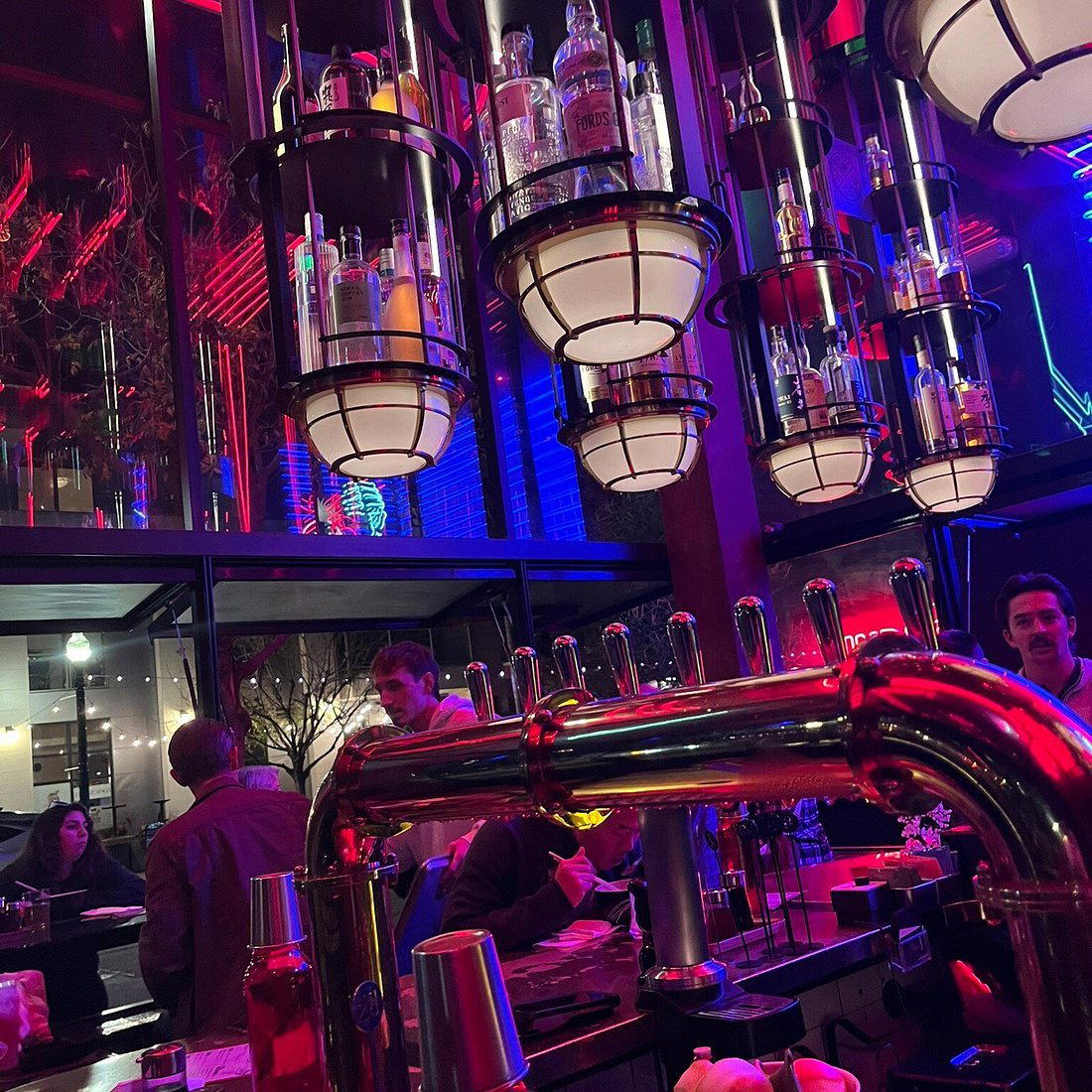
At a Glance
- Lively
- Trendy
- Casual Hangout
- Group Dining
- Open Kitchen
- Craft Cocktails
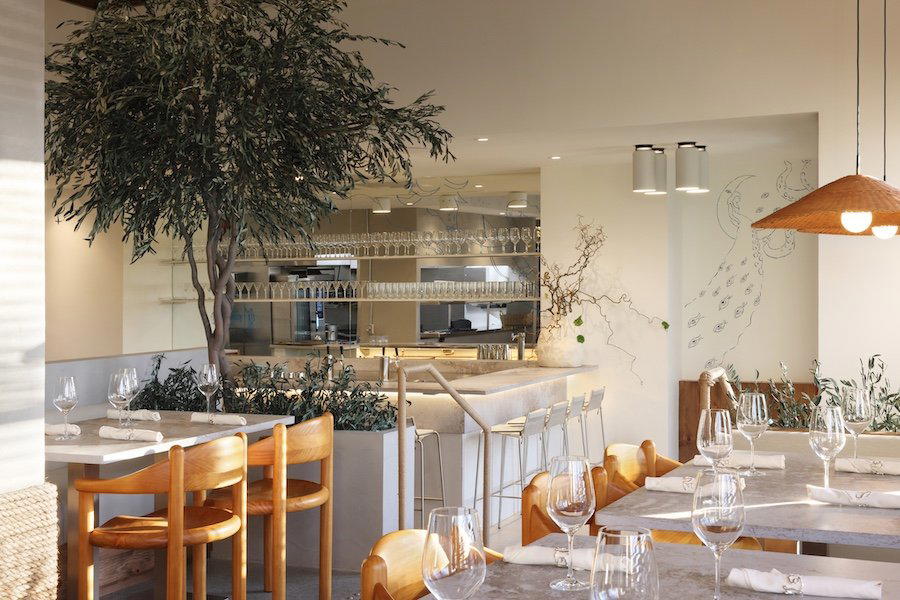
Casual and fun atmosphere centered around comfort food with a playful beverage selection.