Sophia's Place
Our verdict
Sophia's Place operates out of a North Valley address on 4th Street NW, a corridor that tracks closely with Albuquerque's long-standing community dining culture. With limited published data on cuisine type, chef, or pricing, the restaurant sits in a tier where neighborhood reputation carries more weight than formal recognition. For context on the broader Albuquerque dining scene, see our full Bernalillo County restaurants guide.
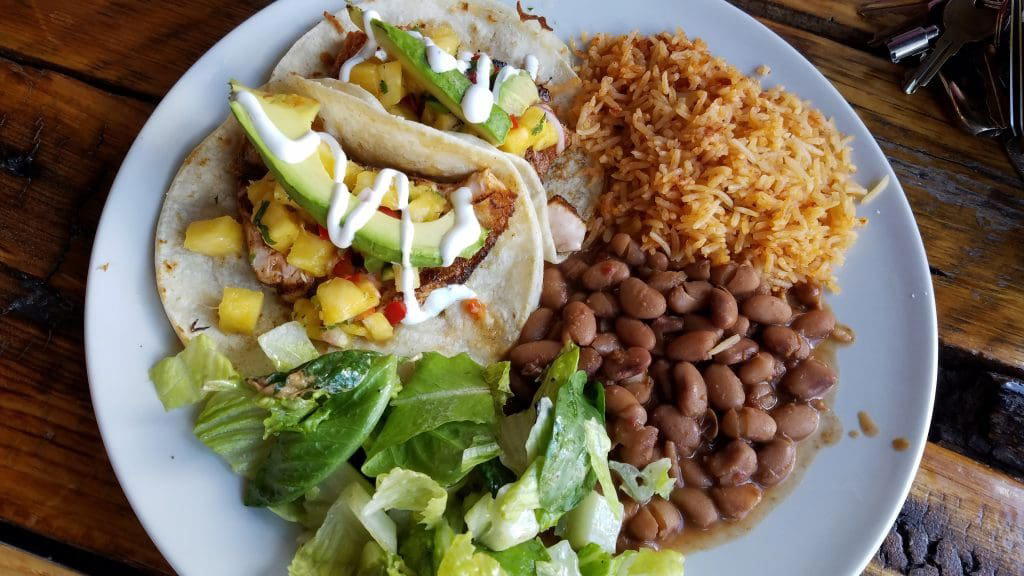
The menu
What to order
- Duck enchiladas
- Shrimp tacos
- Carnitas quesadilla
- Lemon ricotta pancakes
North Valley, 4th Street, and What That Address Tells You
Albuquerque's 4th Street NW corridor runs through the North Valley with a character that resists easy categorization. It is not a destination dining strip in the way that Downtown or Nob Hill attract out-of-town attention, and that is precisely the point. The restaurants that anchor this stretch tend to serve a specific local function: they are places where regulars return weekly, where the room fills with families and neighbors rather than visitors tracking award lists. Sophia's Place, at 6313 4th St NW, operates within that context. Its address places it in a residential-commercial band of the North Valley that has historically supported community-driven dining over performance dining.
New Mexico's ingredient story is one of the most geographically defined in the American Southwest. The state's chile supply chain, anchored by the Hatch Valley roughly 225 miles south of Albuquerque, gives any restaurant working with local product an immediate point of distinction. Green versus red chile is not a preference question in New Mexico, it is a seasonal and regional identifier. Early fall marks the green chile roast season, when the air across the Rio Grande valley carries the scent of charring skins, and restaurants that source regionally shift their menus accordingly. This is the baseline expectation that North Valley diners bring to a neighborhood table, and it is the standard against which any local spot is informally measured.
Ingredient Provenance in the Albuquerque Context
The farm-to-table framing that became a national restaurant marketing shorthand over the past two decades means something more specific in New Mexico than in most American cities. Here, the supply chain is shorter and older. Northern New Mexico has operated small-scale agriculture for centuries, and Albuquerque's proximity to farms producing blue corn, squash, beans, and stone fruit gives kitchens working in this area access to product that larger metro markets import at significant cost and delay. Restaurants in the North Valley that source locally are not making a lifestyle statement, they are working within a supply infrastructure that has existed far longer than the contemporary farm-to-table conversation.
For comparison, consider how nationally recognized restaurants engage with ingredient provenance at scale. Blue Hill at Stone Barns in Tarrytown built its entire operating model around an on-site farm, turning ingredient sourcing into the explicit subject of its menu. Single Thread Farm in Healdsburg runs its own farm operation as a direct input to the kitchen. Smyth in Chicago integrates foraged and farmed ingredients with a level of documentation that signals its formal position in the sourcing-forward tier. These are $$$$ operations with Michelin recognition and extensive press infrastructure. The North Valley in Albuquerque operates at a different register, where sourcing decisions are rarely publicized but often just as deeply local.
Where Sophia's Place Sits in Albuquerque's Dining Structure
Albuquerque's restaurant scene has a tiered structure that does not always map neatly onto the frameworks developed for cities like New York, San Francisco, or Los Angeles. At the leading sits a small group of chef-driven restaurants with national press attention. Below that is a mid-tier of established local operators with loyal followings and strong community integration. The North Valley, in general, skews toward that second tier and below, with pricing and format that reflect neighborhood function over destination positioning. Our full Bernalillo County restaurants guide maps this structure in more detail and places individual venues within it.
Sophia's Place, at its 4th Street address, belongs to a category of Albuquerque restaurants where published data is sparse and discovery happens through local networks rather than formal review channels. No awards, no cuisine classification, no price range, and no chef information are available in the record. That absence is itself contextual information. Venues in this tier are rarely invisible because they are new, they are often invisible to formal tracking systems precisely because their audience does not require those systems to find them.
For readers accustomed to the credential-dense environments of restaurants like Le Bernardin in New York City, Atomix in New York City, or Addison in San Diego, a venue like Sophia's Place represents a different kind of dining proposition. The question it poses is whether a room with no published awards, no documented chef pedigree, and no formal price tier can deliver something that the credentialed tier cannot. In New Mexico's North Valley, the answer is often yes, and the currency is community trust rather than critical consensus.
The Southwest Sourcing Tradition and What It Demands of Local Kitchens
Restaurants working within New Mexico's ingredient culture carry a set of expectations that are difficult to fake. Local diners in Albuquerque know what Hatch green chile tastes like in peak season, know what blue corn posole requires, and know when a kitchen is substituting inferior product. This is a form of food literacy that develops over generations rather than through restaurant education, and it functions as a quality filter that operates independently of any formal award system. Frasca Food and Wine in Boulder has built its reputation on Italian regional specificity as a form of sourcing intelligence. The Wolf's Tailor in Denver applies a similar discipline to its ingredient sourcing framework. In New Mexico, that discipline is embedded in the regional culture rather than positioned as a point of differentiation.
Other Southwest-adjacent restaurants developing sourcing-forward narratives include ITAMAE in Miami, which applies a Peruvian-Japanese framework to ingredient provenance, and Oyster Oyster in Washington, D.C., which has positioned its entire menu around hyper-local and regenerative sourcing. These are formal, documented programs. What happens in Albuquerque's neighborhood dining tier is less documented but not necessarily less connected to place.
Planning a Visit
Sophia's Place is located at 6313 4th St NW, Albuquerque, NM 87107, in the North Valley section of Bernalillo County. No phone number, website, hours, or booking method are available through formal channels at the time of writing, which means the most reliable approach is to visit in person or check locally published listings for current operating information. Given the neighborhood-facing character of the address, walk-in availability is likely more common than formal reservations, though this cannot be confirmed without direct contact. Visitors traveling from outside Albuquerque should treat this as a discovery-mode stop rather than a planned anchor, and pair it with confirmed reservations elsewhere if the visit is time-sensitive.
For a broader orientation to what Bernalillo County dining offers across price tiers and formats, the EP Club Bernalillo County guide provides category-level coverage. For readers interested in how farm-driven sourcing operates at the formal end of the American dining spectrum, The French Laundry in Napa, Lazy Bear in San Francisco, Providence in Los Angeles, Emeril's in New Orleans, Bacchanalia in Atlanta, The Inn at Little Washington, and Atelier Moessmer Norbert Niederkofler in Brunico each represent different national and international approaches to the same underlying question of where ingredients come from and why that matters.
Frequently asked questions
Is Sophia's Place a family-friendly restaurant?
Sophia's Place sits on the 4th Street NW corridor in Albuquerque's North Valley, a stretch that draws a mixed residential crowd rather than a nightlife one. That neighborhood character generally points toward a setting where families are at home.
Is Sophia's Place better for a quiet night or a lively one?
The 4th Street NW address in Albuquerque's North Valley places Sophia's Place outside the city's higher-volume dining corridors like Nob Hill or Downtown. Restaurants in this part of the city tend toward the lower-key end of the spectrum.
What kind of cuisine does Sophia's Place serve in Albuquerque's North Valley?
The North Valley section of Bernalillo County hosts a range of dining traditions, from New Mexican staple cooking to independent neighborhood spots with broader American menus. Confirming the kitchen's focus directly with the venue is the most reliable approach before visiting.
What's the must-try dish at Sophia's Place?
In the New Mexico context, kitchens on the 4th Street NW corridor frequently work with local green and red chile, but whether Sophia's Place follows that tradition is unconfirmed.
Where exactly is Sophia's Place?
Sophia's Place is located at 6313 4th St NW, Albuquerque, NM 87107, Bernalillo County.
Can I walk in to Sophia's Place?
Walk-in availability can vary significantly even among neighborhood restaurants in the North Valley. Arriving early or calling ahead is the practical approach until hours are confirmed.
What do critics highlight about Sophia's Place?
Its presence on the 4th Street NW corridor, a stretch that rarely draws formal critical attention compared to central Albuquerque, may partly explain the absence of documented coverage. This does not reflect on quality, many North Valley fixtures operate without formal review profiles.
Comparison Snapshot
| Venue | Cuisine | Price | Awards | Notes |
|---|---|---|---|---|
| Sophia's PlaceThis venue (the venue you are viewing) | New Mexico-inspired Mexican | Not listed | Not listed | Not listed |
| Le Bernardin | French Seafood Fine Dining | $300–500 | 3 Michelin Stars · World's 50 Best #13 | French, Seafood |
| Lazy Bear | Modern American Tasting Menu | Not listed | 2 Michelin Stars · World's 50 Best #25 | Progressive American, Contemporary |
| Atomix | Modern Korean Tasting Menu | $300–500 | 2 Michelin Stars · World's 50 Best #7 | Modern Korean, Korean |
| Per Se | French Fine Dining Tasting Menu | $300–500 | 3 Michelin Stars · World's 50 Best #40 | French, Contemporary |
| Masa | Traditional Japanese Omakase | $500+ | 2 Michelin Stars · World's 50 Best #27 | Sushi, Japanese |
Continue exploring
More in Albuquerque
Restaurants in Albuquerque
All restaurants in Albuquerque →

Details
- Cozy
- Casual Hangout
- Brunch
- Open Kitchen
- Local Sourcing
- A La Carte
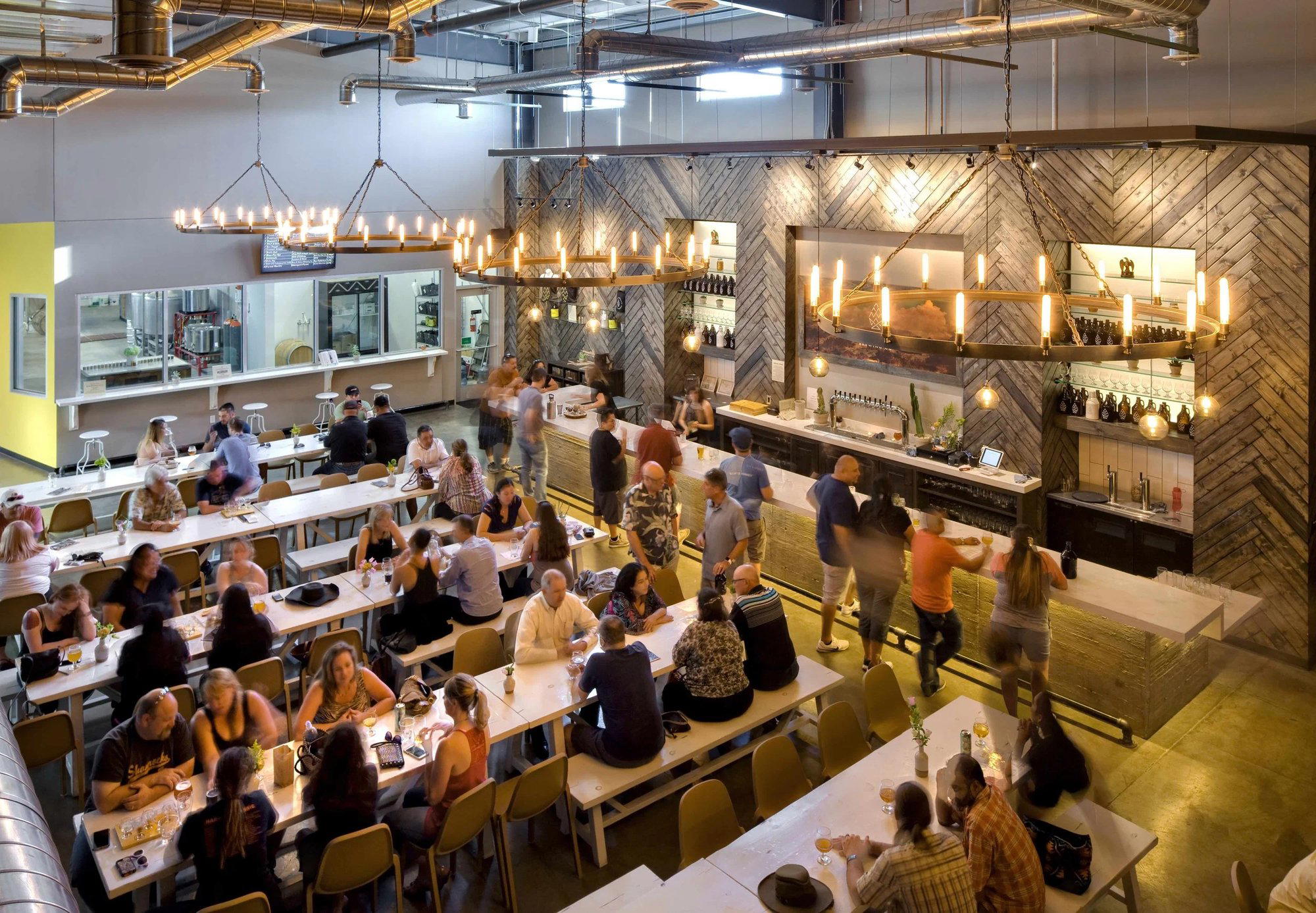
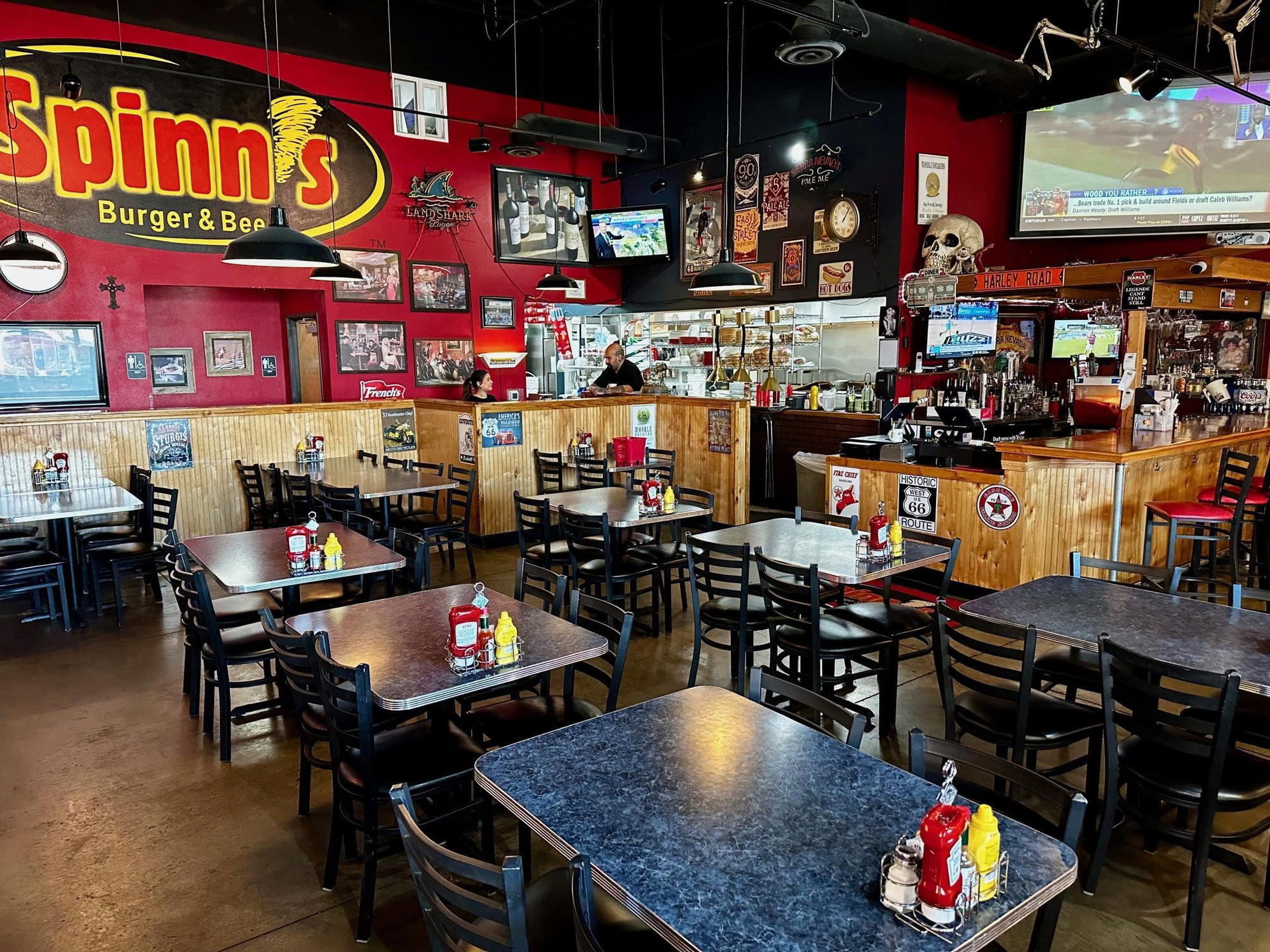
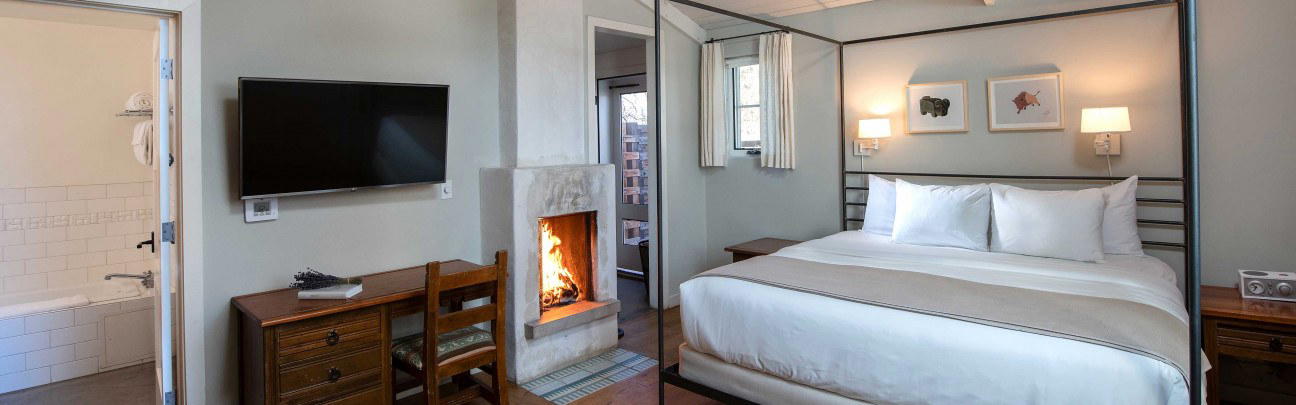
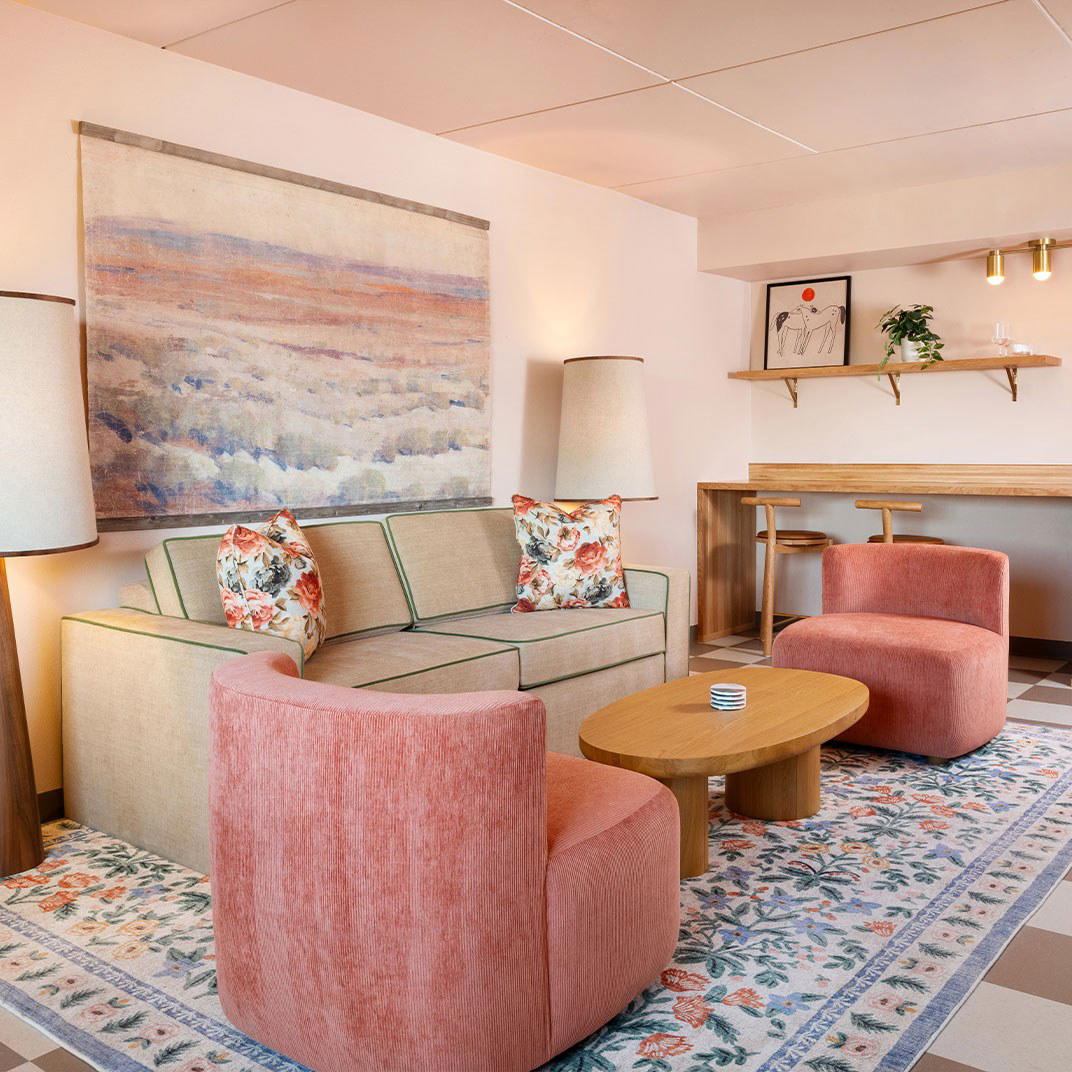
Contemporary and unpretentious atmosphere in a Route 66 lodge setting with a welcoming, down-to-earth feel.