Hotel Spedition Thun

A converted 19th-century freight depot on the edge of Thun's old town, Hotel Spedition trades on a specific design tension: 120-year-old exposed oak beams running above mid-century furniture and fittings. The result is a property that sits outside the grand-palace tradition dominant in Swiss hospitality, offering a more architecturally considered alternative for travellers who find heritage and modernism more interesting in combination than in isolation.
Pearl is the En Primeur Club membership app — saves, bookings, and concierge access live there. Same editors, same standards.
- Address
- Gewerbestrasse 4, Thun 3600, Switzerland
- Directions
- Get directions
 Saves & bookings on Pearl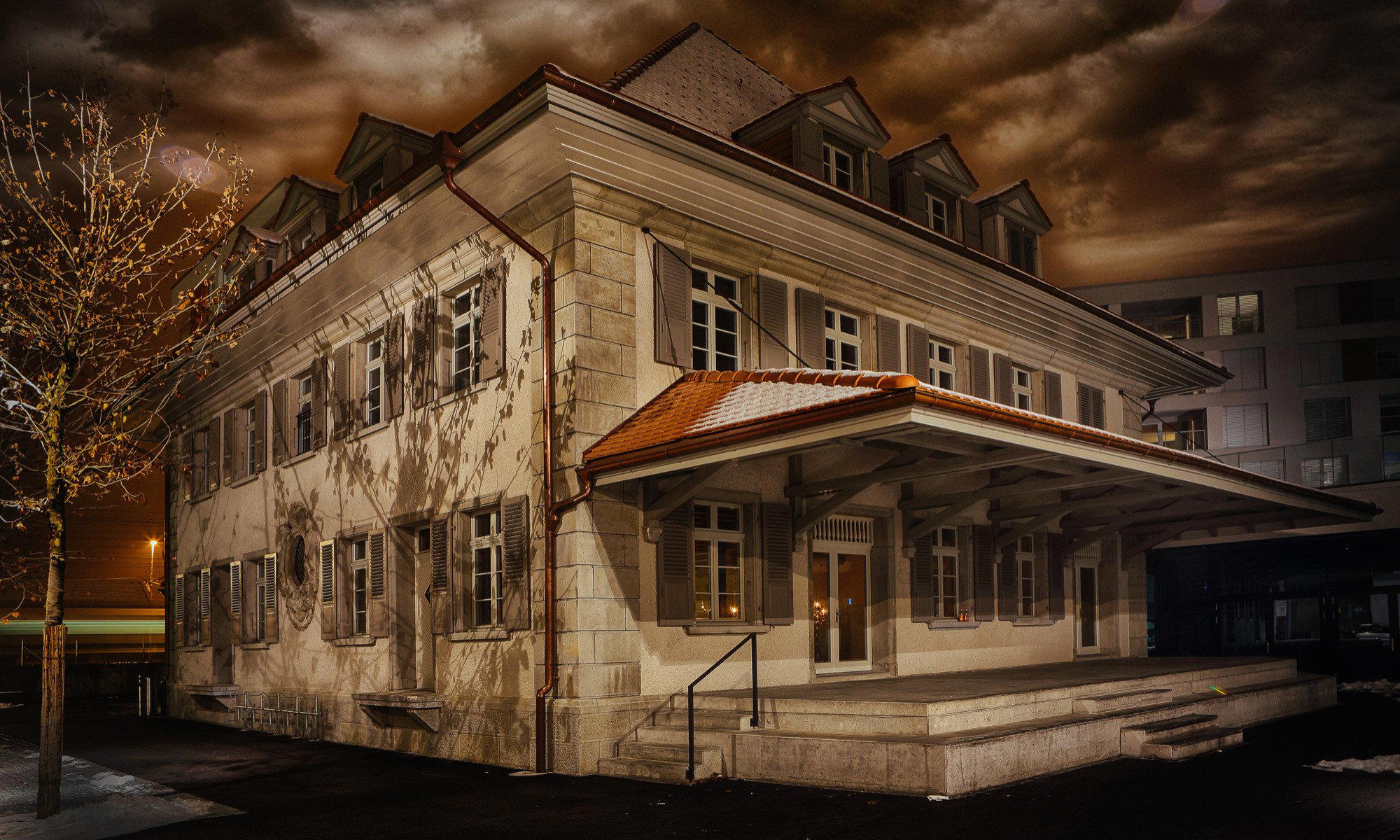
A Freight Depot Repurposed: Thun's Industrial Heritage as Hotel Design
Switzerland's hotel canon is dominated by the grand-palace tradition: Belle Époque facades on lake frontages, alpine retreats with wood-panelled dining rooms, and international-brand properties that deliver reliable luxury with minimal local inflection. Properties like Badrutt's Palace Hotel in St. Moritz, Baur au Lac in Zurich, or Beau-Rivage Geneva represent that tradition at its most complete. Hotel Spedition Thun operates from a different premise entirely. The building at Gewerbestrasse 4 began life as a commercial freight depot, and the design approach works with that origin rather than papering over it.
The structural signature of the space is its exposed oak beams, now more than 120 years old. In a country where timber construction has deep regional roots, old-growth oak at this scale and this state of preservation carries specific weight. The choice to leave these elements exposed rather than conceal them behind plasterwork or cladding is a design decision that shapes every room in the building. Industrial heritage repurposed as hospitality is a pattern that has spread across European cities over the past two decades, from converted warehouses in Hamburg to former textile mills in the English north, but it remains relatively uncommon in the Bernese Oberland, where the architectural vernacular skews toward alpine chalets and lakeside grand hotels.
The Design Tension That Defines the Property
What distinguishes Hotel Spedition from direct industrial-chic conversions is the deliberate juxtaposition of its Victorian-era bones with mid-20th-century design. This is a more specific aesthetic position than it might first appear. Mid-century modernism, roughly the design vocabulary that ran from the late 1940s through the 1960s, valued clean lines, functional forms, and a conscious break from ornament. Placing that sensibility against structural timber that predates it by half a century creates a dialogue between two different ideas about how buildings and objects should relate to the people who use them.
The effect is a property that reads as layered rather than themed. Themed industrial conversions tend to fetishise the original fabric, filling the space with salvaged fittings and period references until the result feels like a museum installation. Hotel Spedition takes a different route, using the beams as structural given and building a contemporary inhabitation around them. For travellers with a serious interest in interior design, this approach is considerably more interesting than either a faithfully restored period interior or a contemporary property that has discarded its past entirely.
Hotel Spedition's position in that conversation is defined by its industrial rather than aristocratic or vernacular starting point.
Thun as Context: A City That Earns More Attention Than It Gets
Thun sits at the northern end of Lake Thun, where the Aare river leaves the lake and begins its passage north toward Bern. The city has historically functioned as a gateway to the Bernese Oberland, a staging post for travellers heading toward Interlaken, Grindelwald, or the high alpine regions beyond. That transit status has kept it from developing the self-contained tourist infrastructure of its more famous neighbours, which means the city retains a working, lived-in character that the heavily touristed resort towns have largely lost.
The old town, with its refined arcaded walkways running above street level, is one of the more architecturally distinctive in the region, and the castle above the Aare bend has anchored the townscape since the 12th century. For a broader sense of what Thun offers in terms of dining and hospitality, our full Thun restaurants guide covers the city's food scene in detail. Hotel Spedition's address on Gewerbestrasse, a street name that translates straightforwardly as industrial street, places it at the functional edge of the old town rather than within its picture-postcard core, which suits the property's character.
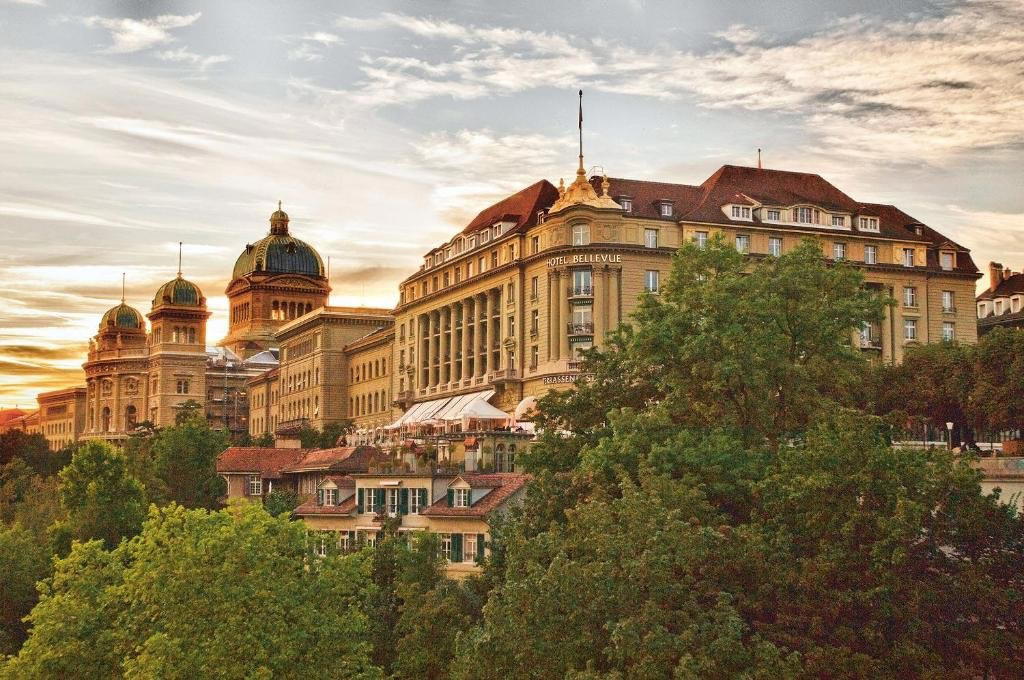
Travellers comparing Thun to larger Swiss cities or established resort destinations should note that this is precisely the point. Properties like the Mandarin Oriental Palace in Lucerne, the Beau-Rivage Palace in Lausanne, or the Hotel Bellevue Palace in Bern deliver the full-service grand hotel experience in cities with comprehensive cultural and gastronomic infrastructure. Hotel Spedition is a different proposition: a design-led property in a city that rewards slower, less itinerary-driven travel.
Planning Your Stay
The hotel is located at Gewerbestrasse 4, Thun 3600, Switzerland. Thun is well-connected by Swiss Federal Railways, with direct services from Bern taking under 20 minutes and connections from Zurich or Geneva available with a single change. For travellers exploring the broader Bernese Oberland, Thun serves as a practical base with the lake and mountain landscapes immediately accessible. Those looking for comparison properties in the alpine region might consider The Alpina Gstaad, CERVO Mountain Resort in Zermatt, or The Capra in Saas-Fee for more resort-oriented alternatives.
How Hotel Spedition Thun compares with similar nearby venues.
| Venue | Awards |
|---|---|
| Hotel Spedition Thun | 2026 Design Hotels Member - Hotel Spedition Thun |
Recognition history
Dated appearances from independent guides and award organizations, with the underlying list record or original source where available.
Design Hotels Member
Design Hotels
Continue exploring
More in Thun
Hotels in Thun
Browse all →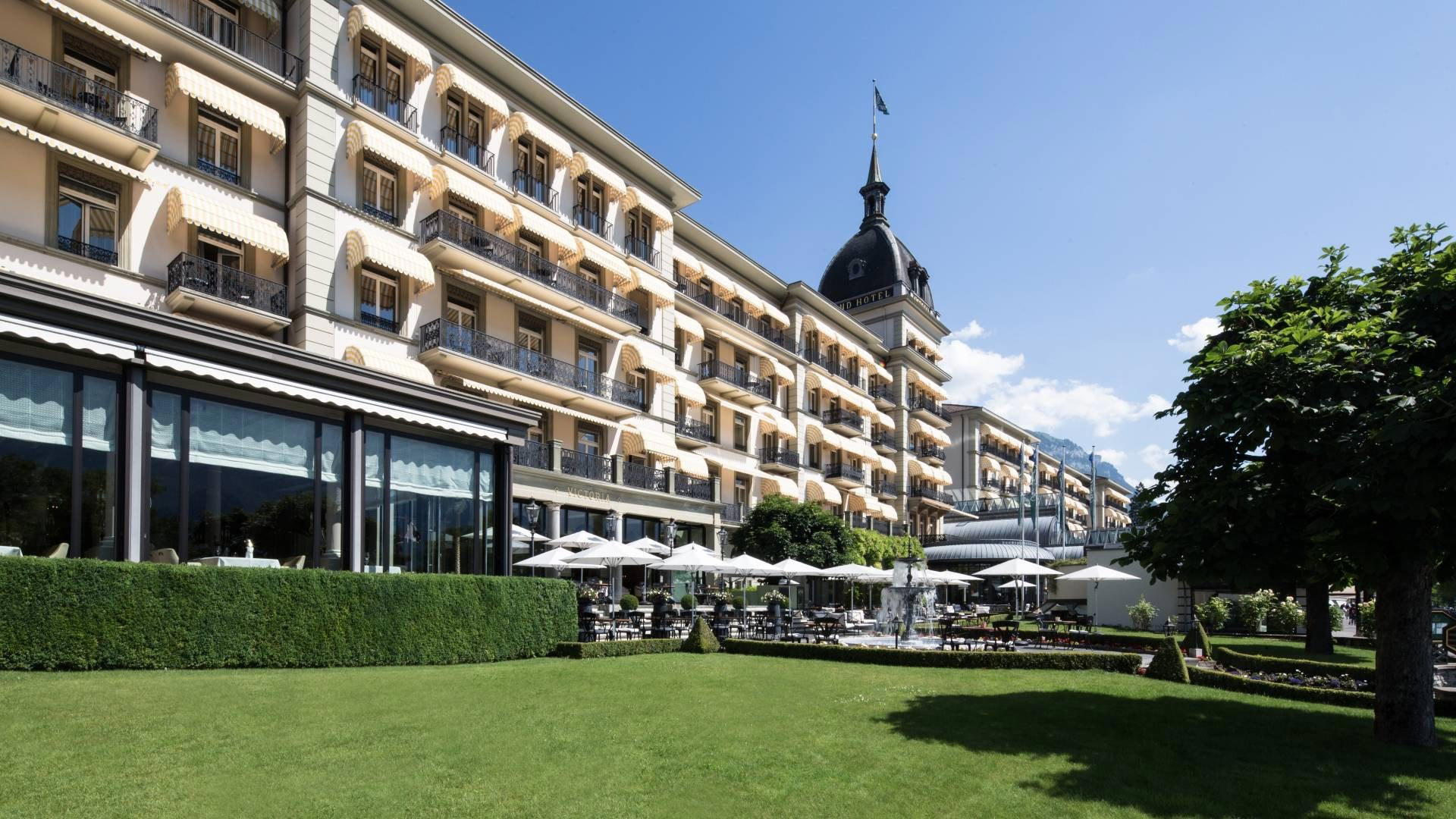
Bars in Thun
Browse all →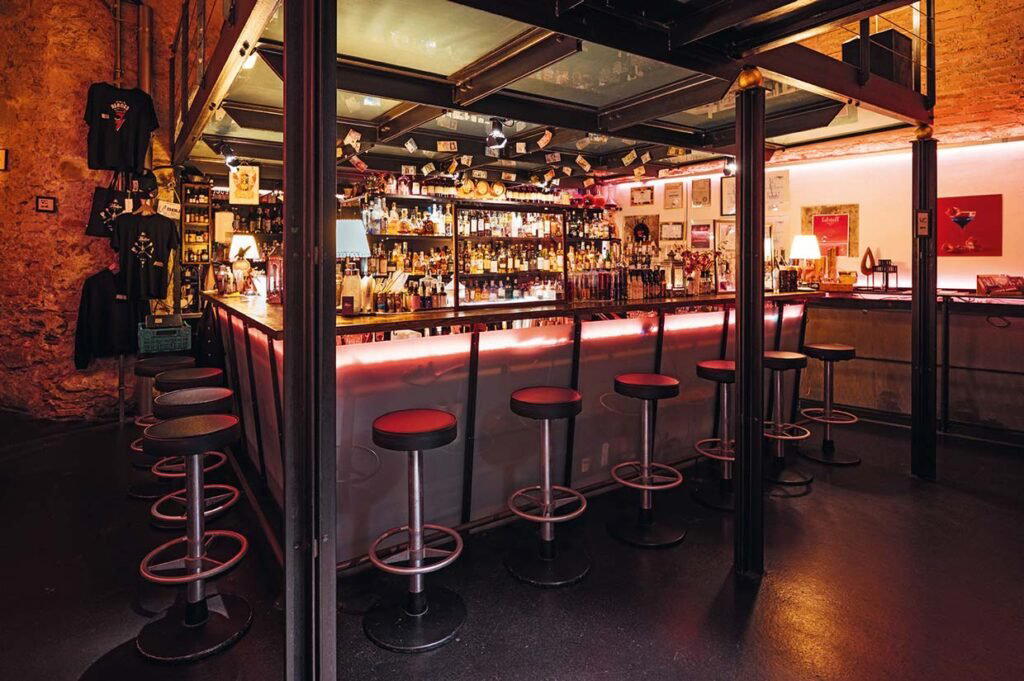


Restaurants in Thun
Browse all →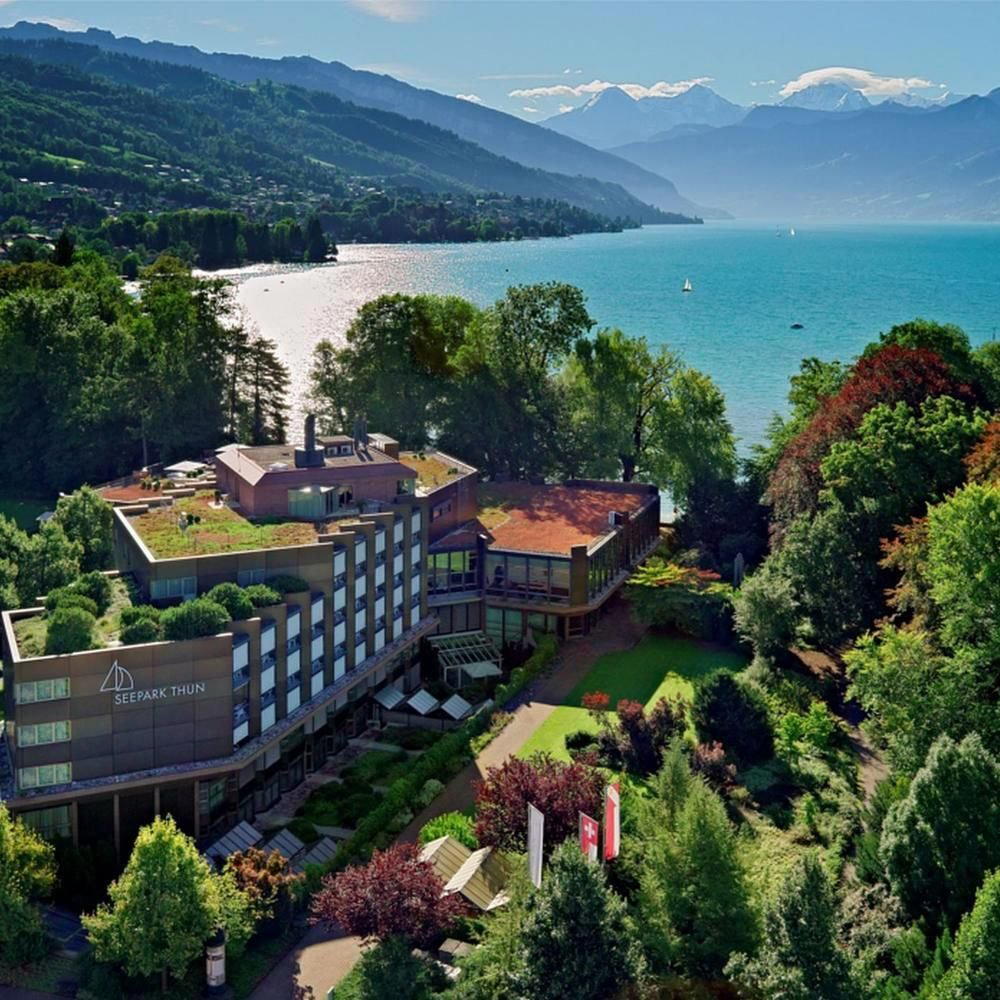

At a Glance
- Cozy
- Modern
- Elegant
- Intimate
- Industrial
- Romantic Getaway
- Business Trip
- Weekend Escape
- Historic Building
- Design Destination
- Wi Fi
- Restaurant
- Air Conditioning
- Breakfast Included
- Bar
- Elevator
- Housekeeping
- Street Scene
- Wi Fi
- Restaurant
- Air Conditioning
- Breakfast Included
- Bar
- Elevator
- Housekeeping
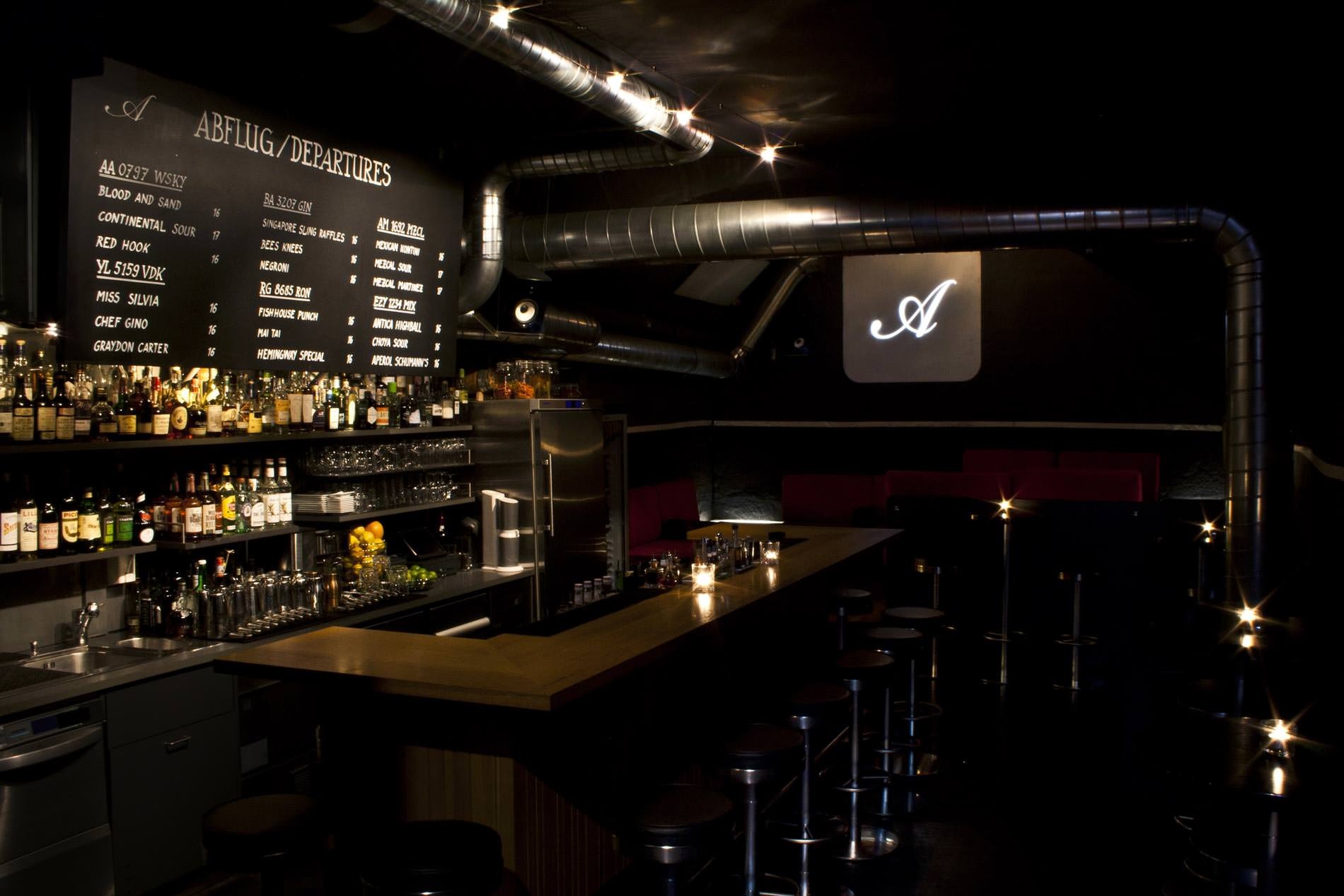
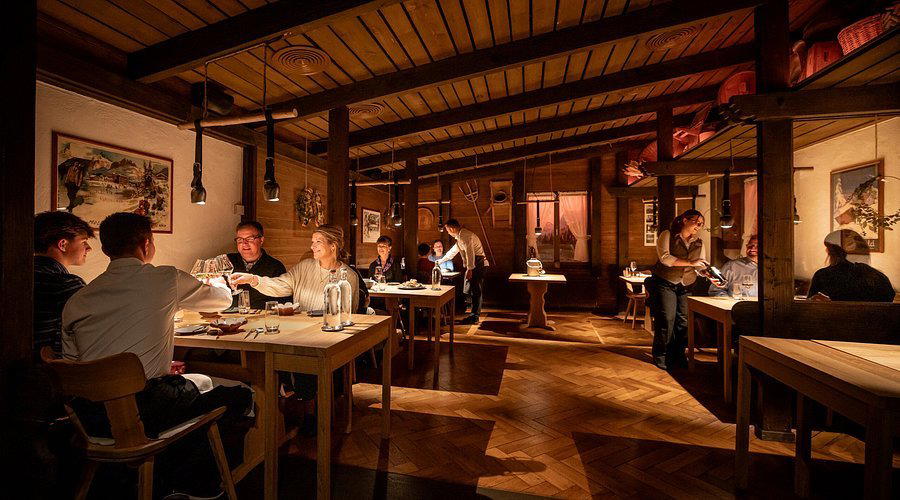
Moody lighting with warm, cozy colors creating a relaxing, intimate atmosphere despite the open layout.