Our verdict
On Karl-Liebknecht-Straße in Leipzig's Südvorstadt, Sona occupies a stretch where independent restaurants have steadily displaced the neighbourhood's older café culture. The address places it among a generation of Leipzig venues working at the intersection of Central European produce and technique borrowed from further afield — a positioning that separates it from both the tourist-facing historicism of the city centre and the more established fine-dining tier anchored by Stadtpfeiffer.

Pearl is the En Primeur Club membership app — saves, bookings, and concierge access live there. Same editors, same standards.
- Address
- Karl-Liebknecht-Straße 57, 04107 Leipzig, Germany
- Phone
- +4934159090690
- Hours
- Mon–Thu 12–10:30 PMFri–Sat 12–11 PMSun 12–10:30 PM
- Website
- sona-leipzig.de
- Directions
- Get directions
- Booking
- Book on the venue's website
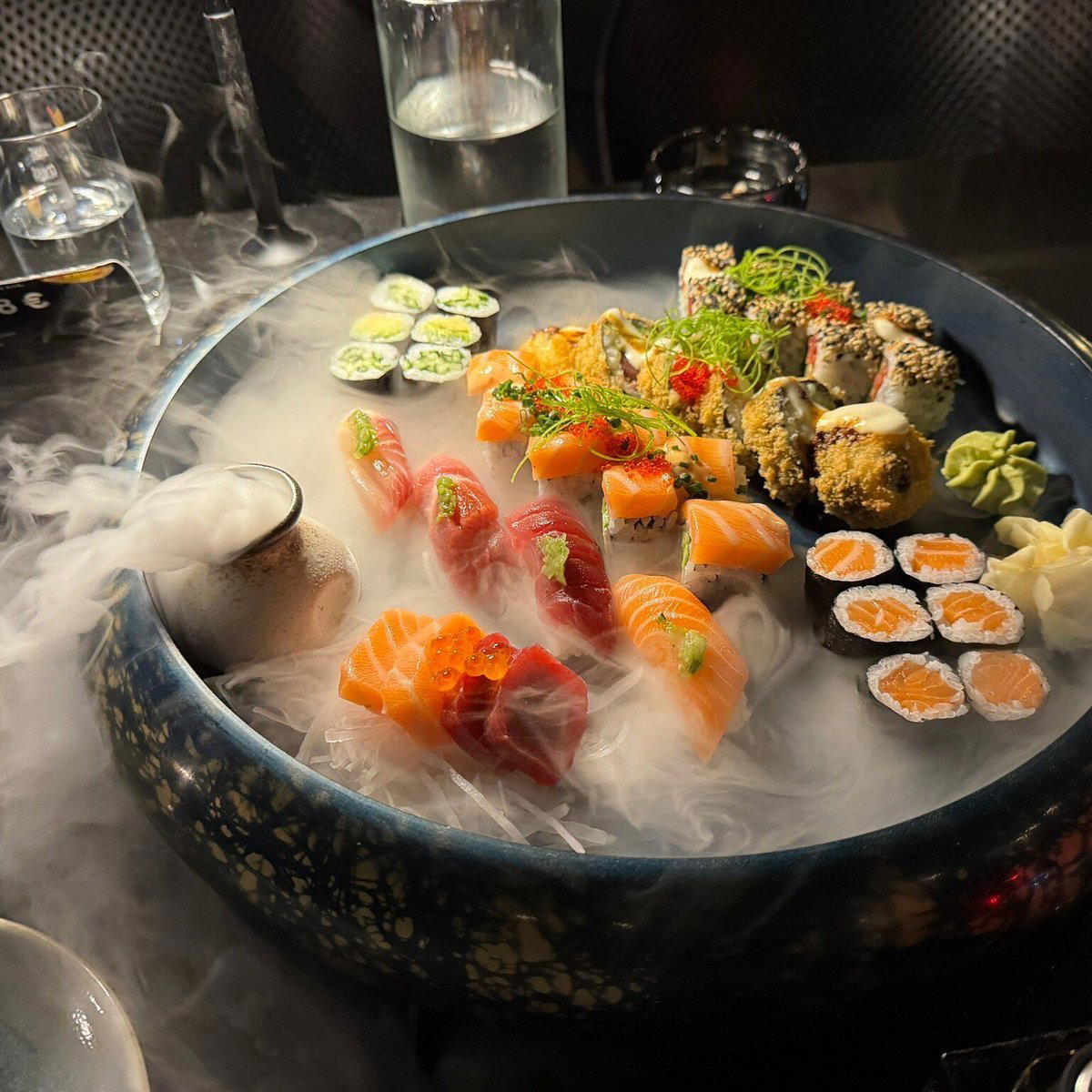
The menu
What to order
- Crunchy Salmon
- Signature Rolls
- Curry Licious
- Rib Eye Tataki
Karl-Liebknecht-Straße and the New Leipzig Dining Tier
Südvorstadt is the part of Leipzig that doesn't announce itself. Karl-Liebknecht-Straße, the long arterial strip locals abbreviate to KoLi, runs south from the ring road through a sequence of gründerzeit façades that have accumulated decades of independent retail, bars, and restaurants without much curation from above. The neighbourhood's dining scene has been reshaped over the past decade by a younger cohort of operators who found lower rents and an open-minded local clientele more useful than the prestige addresses closer to the Marktplatz. Sona, at number 57, sits inside that shift.
Leipzig's restaurant geography now stratifies more clearly than it did ten years ago. At the upper end, Stadtpfeiffer anchors the creative fine-dining tier with a long-established reputation and a price point to match. A middle band of modern European addresses, including Kuultivo, operates with serious kitchen intent at a slightly more accessible level. Below that sits a broader informal category that ranges from Addis Café to neighbourhood spots like Alfa Restaurant. Sona's position within this structure is the kind of question worth settling before booking: it is not the room you go to for a full tasting-menu occasion, nor is it a casual drop-in. It occupies the productive middle ground where technique is visible but the atmosphere does not require ceremony.
Local Produce, Borrowed Method
The editorial conversation around Central European restaurants has shifted considerably since the late 2010s. Where the default framework once treated German fine dining as a primarily French-influenced exercise, a generation of cooks trained across Scandinavia, the Iberian Peninsula, and East Asia has returned to German cities with different reference points. Leipzig has felt this later than Hamburg or Berlin, partly because its restaurant market spent much of the post-reunification period building critical mass rather than refining it. That context matters for reading what Sona is attempting.
The intersection of imported technique and regional produce is now a coherent positioning in its own right, not simply a transitional phase toward classical French alignment. Germany's eastern states offer a particular larder: game from Saxony's forests, freshwater fish from the river systems that define the regional geography, root vegetables and brassicas that suit fermentation and slow preparation alike. Restaurants working in this register tend to produce food that reads as contemporary in method while remaining legible in its ingredient origins. The leading version of this approach, seen at venues like ES:SENZ in Grassau or the long-sustained precision of Waldhotel Sonnora in Dreis, achieves a coherence between place and plate that menus assembled from global luxury ingredients rarely match. Sona operates closer to the entry point of that spectrum, but the orientation is the same.
For comparison, Germany's most decorated addresses — Aqua in Wolfsburg, Vendôme in Bergisch Gladbach, Victor's Fine Dining in Perl — set a benchmark of technical rigour that filters down through the broader culture. Leipzig has not yet produced a venue at that tier, but the aspiration is present in the better rooms on KoLi and its surrounding streets. The comparison is useful not to diminish but to locate: knowing where Sona sits relative to JAN in Munich or Schwarzwaldstube in Baiersbronn tells you something about the gap this city's independent operators are still closing.
The Room and the Experience
KoLi restaurants tend to occupy ground-floor spaces in converted residential buildings, and Sona follows that pattern. The physical experience of arriving on foot from the nearest tram stops, Südplatz or Karl-Liebknecht-Straße/Connewitzer Straße, both on the 9 and 11 lines, places you in a neighbourhood where the restaurants compete on quality rather than foot traffic. This is a table you seek out, not one you stumble across. The format, based on the address and the neighbourhood's established conventions, is likely to be compact rather than cavernous: KoLi's restaurant spaces rarely exceed forty covers, which keeps service ratios workable and the room from feeling impersonal.
Internationally-trained diners familiar with the format at venues like CODA Dessert Dining in Berlin or the counter-service precision of 997 Sushi Restaurant in Leipzig itself will find Sona a different register: more informal, less structured around a fixed tasting sequence, with the flexibility that comes from a neighbourhood address rather than a destination-dining model. The comparison to New York's technical-forward rooms, Le Bernardin or Atomix, is instructive in the other direction: those venues represent what the local-ingredient, global-technique approach looks like at maximum resource and reputation. Sona represents it at the neighbourhood scale, where the trade-off is intimacy over grandeur.
Planning Your Visit
Karl-Liebknecht-Straße 57 is accessible by tram from Leipzig's city centre in under fifteen minutes, and the street has enough adjacent options, bars, cafés, other restaurants, that an evening in Südvorstadt is self-contained without needing to return to the centre. Given that specific pricing, hours, and booking details are not currently listed on public-facing platforms, contacting the venue directly before visiting is the sensible approach. Leipzig's better independent rooms do fill mid-week as well as at weekends, particularly in the autumn months when the city's conference and trade-fair calendar brings an additional professional audience. Walking in without a reservation is a workable strategy at lunch on quieter days; dinner on a Friday or Saturday is a different calculation. For a broader orientation to where Sona sits within the city's full dining offer, the EP Club Leipzig restaurants guide maps the competitive set across price tiers and cuisines. The Restaurant Haerlin in Hamburg benchmark, see Restaurant Haerlin, and the Schanz model in the Moselle, Schanz in Piesport, illustrate the ceiling of what technically-committed German kitchens can achieve, and calibrating expectations accordingly before arriving in Leipzig is worthwhile.
Frequently asked questions
at Sona?
Can I walk in to Sona?
What's the defining dish or idea at Sona?
Do they accommodate allergies at Sona?
Is eating at Sona worth the cost?
How does Sona compare to other modern restaurants on Karl-Liebknecht-Straße?
The Minimal Set
Comparable venues nearby, for context on price, style, and recognition.
| Venue | Cuisine | Price | Notes |
|---|---|---|---|
| SonaThis venue — the venue you are viewing | Japanese Sushi & Asian Fusion | $30–50 | Not listed |
| MITO Restaurant | Modern Japanese Sushi & Robata Grill | $30–50 | Eutritzsch, Modern Japanese Sushi & Robata Grill |
| 997 Sushi Restaurant | Modern Japanese Sushi & Robata | $20–30 | Plagwitz, Modern Japanese Sushi & Robata |
| Ramen 1974 | Authentic Japanese Regional Ramen | $10–20 | Südvorstadt, Authentic Japanese Regional Ramen |
| Sancho Pancha | Tex-Mex | $10–20 | Schleußig, Tex-Mex |
| PEKAR | Regional Italian Pizza with Seasonal Ingredients | $10–20 | Altlindenau, Regional Italian Pizza with Seasonal Ingredients |
Continue exploring
More in Leipzig
Restaurants in Leipzig
Browse all →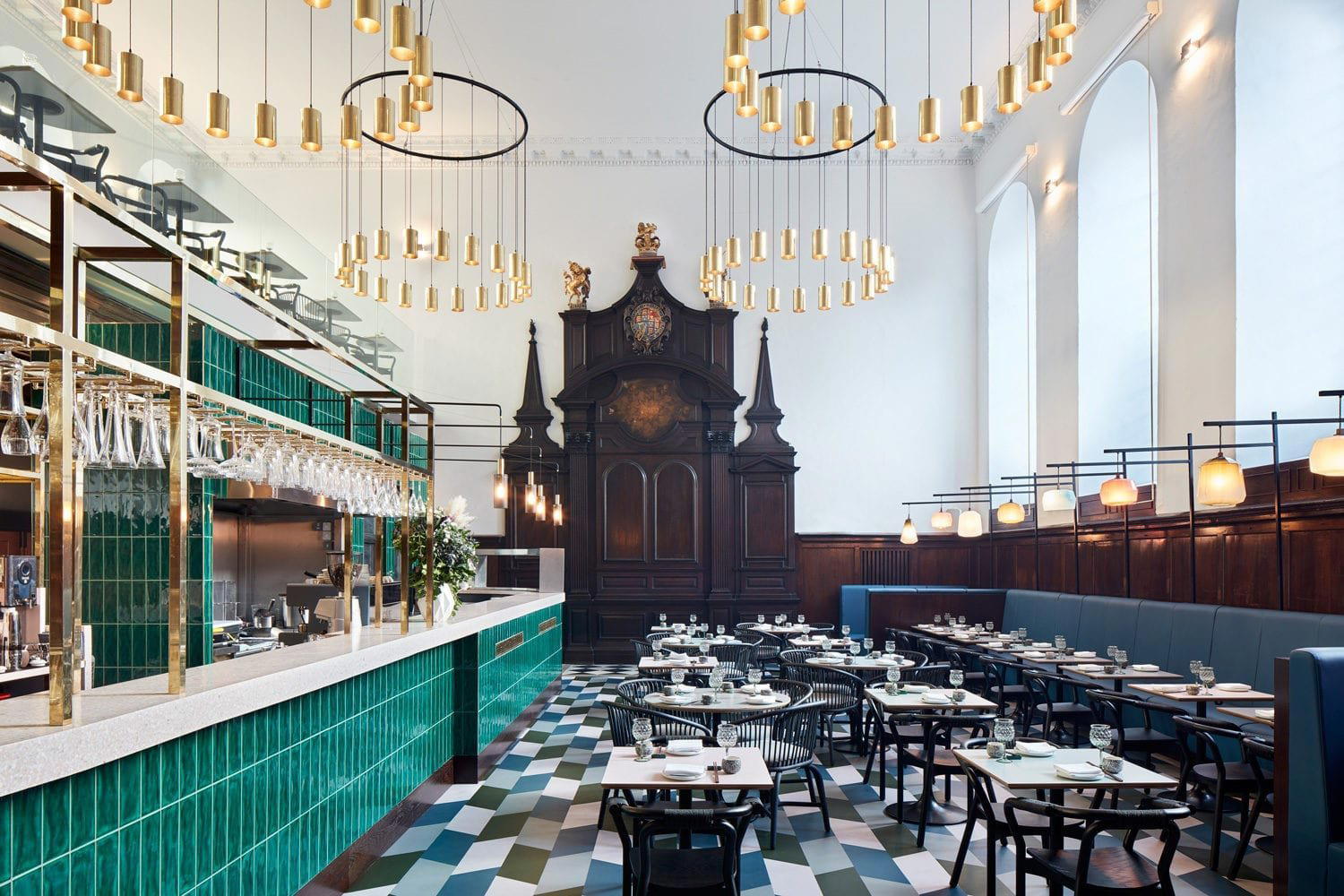
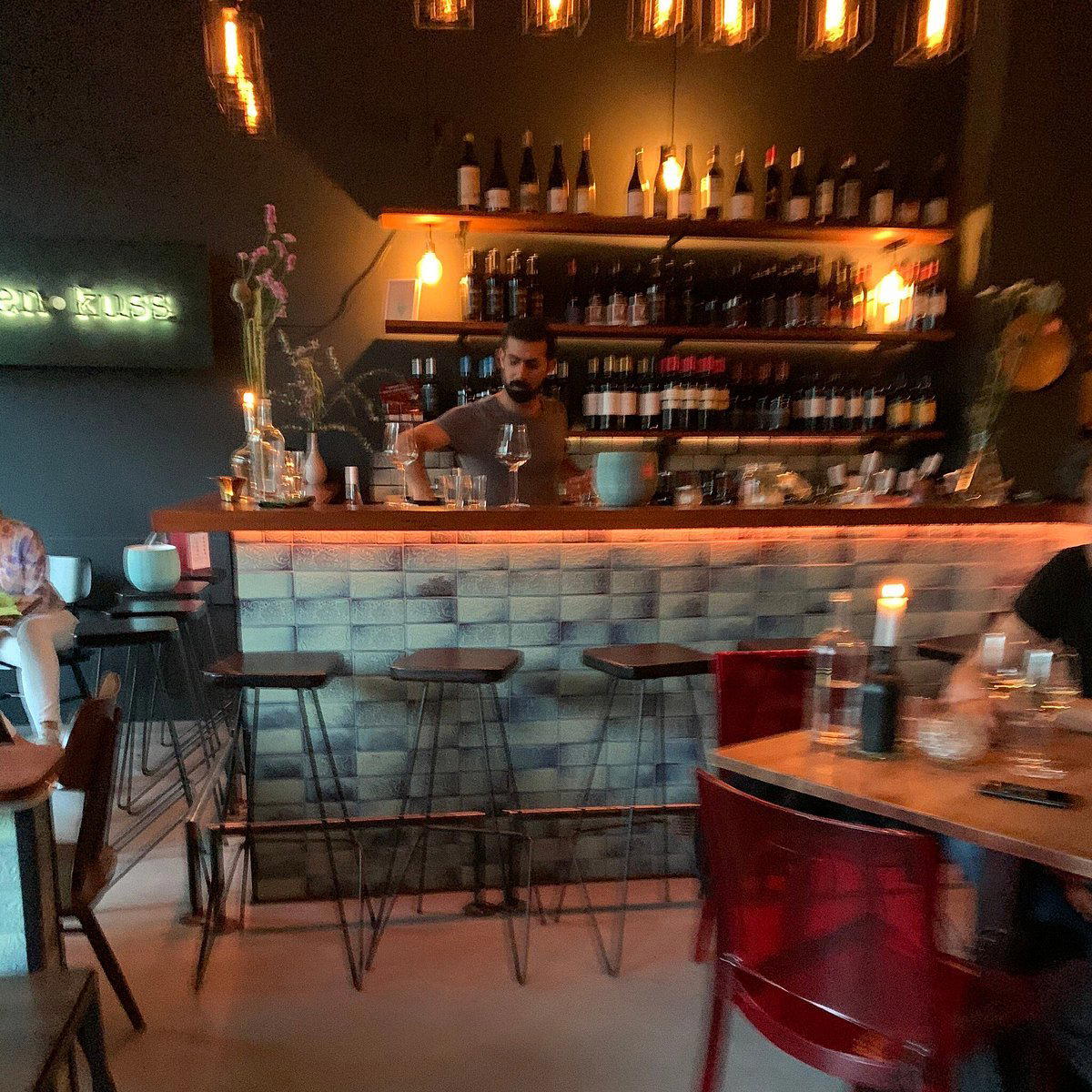
Bars in Leipzig
Browse all →
Hotels in Leipzig
Browse all →
Wineries in Leipzig
Browse all →
Details
- Elegant
- Modern
- Sophisticated
- Date Night
- Special Occasion
- Open Kitchen
- A La Carte
- Vegetarian Friendly
Current opening hours
- Monday
- 12–10:30 PM
- Tuesday
- 12–10:30 PM
- Wednesday
- 12–10:30 PM
- Thursday
- 12–10:30 PM
- Friday
- 12–11 PM
- Saturday
- 12–11 PM
- Sunday
- 12–10:30 PM
Hours can change for holidays and private events. Last verified .
Elegant and comfortable with visually appealing interiors, thoughtfully designed dining spaces, and a serene atmosphere focused on quality food.