Soko Sushi
Our verdict
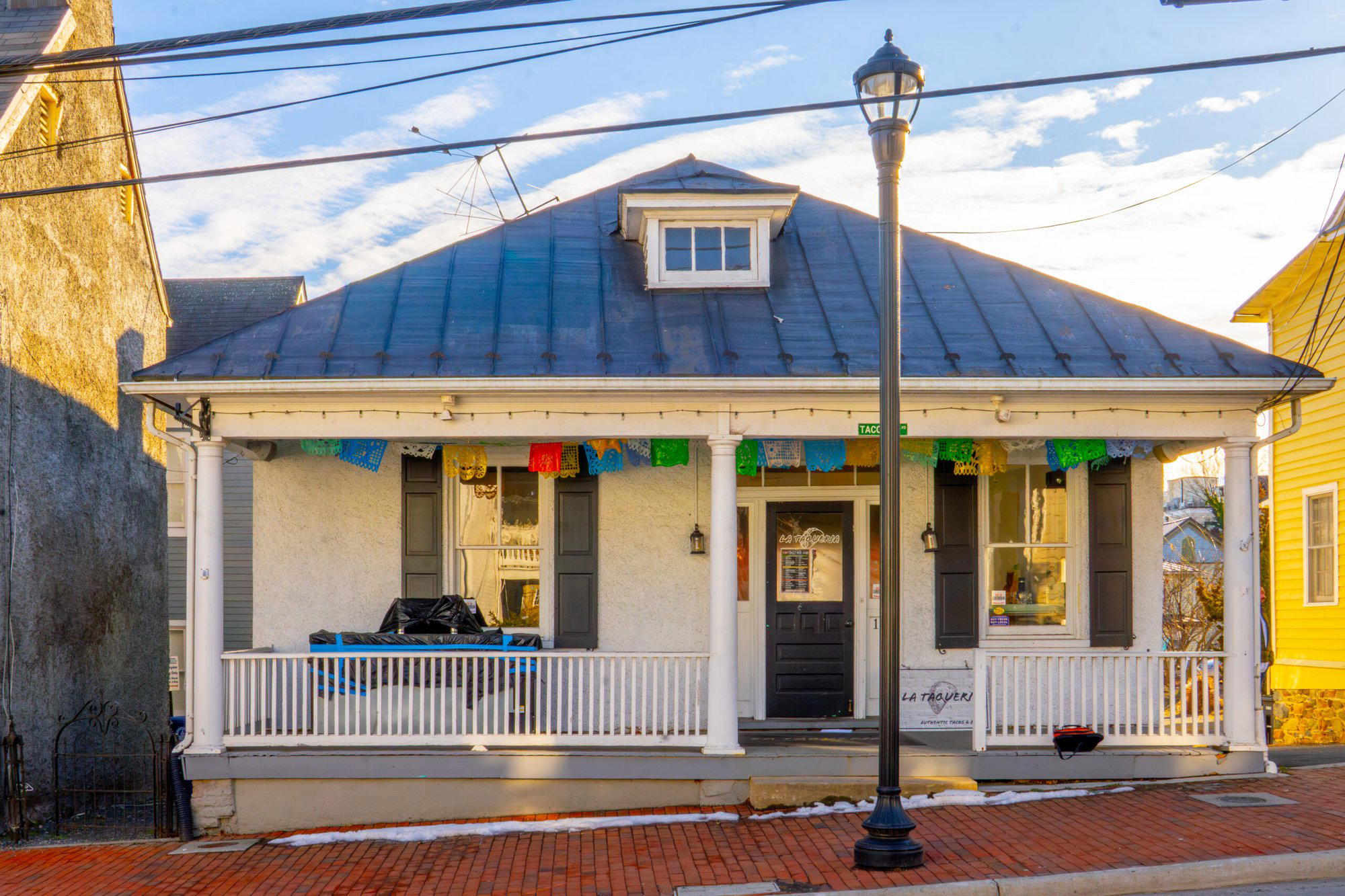
In Leesburg's working-town core, Soko operates at the intersection of butcher shop craft and deli counter pragmatism, turning quality-sourced meat into cheesesteaks and sandwiches worth making the detour for. It belongs to a category of provisions-led casual spots that Northern Virginia has historically underserved, where the supply chain is the real story on the plate.

Pearl is the En Primeur Club membership app — saves, bookings, and concierge access live there. Same editors, same standards.
- Address
- Leesburg, United States
The menu
What to order
- Prime Rib Cheesesteak
- Beef Tallow Fries
- Bone Broth
Where the Counter Comes First
Leesburg sits at the edge of Loudoun County wine country, a town more accustomed to agritourism and winery crawls than to serious butcher-counter culture. That makes Soko something worth paying attention to: a butcher shop and deli that grounds its menu in the logic of the provisions counter rather than the restaurant pass. The format, cheesesteaks and sandwiches built from a working butcher operation, belongs to a tradition with deep American roots, one that puts ingredient sourcing ahead of kitchen technique as the primary value proposition.
Walk into any serious butcher-deli hybrid in the Mid-Atlantic and the hierarchy is immediately clear. The meat case is the menu. What the butcher is cutting that day, what came in from which farm or supplier, determines what ends up between bread. Soko operates inside that tradition, in a town that has more wineries than it does serious meat counters, which positions it as a different kind of stop on the Loudoun County circuit than most visitors arrive expecting.
The Sourcing Argument in a Sandwich
The ingredient-sourcing model that defines the butcher-deli format has been making a quiet comeback across American cities over the past decade. At the top of the market, venues like Blue Hill at Stone Barns in Tarrytown and Single Thread Farm in Healdsburg have built $$$$ tasting menus around farm-to-pass sourcing narratives. What the butcher-deli model does is apply the same sourcing logic at a price point and format accessible to a lunch crowd, without the ceremony.
A cheesesteak made from properly sourced ribeye, sliced fresh from a case that a butcher manages daily, is a fundamentally different product from one built on pre-packaged protein. The distinction is not about prestige, it is about the practical result on the plate: fat distribution, texture, flavor concentration. Northern Virginia has historically been a gap market for this kind of operation. The county supports strong agricultural infrastructure, with farms and small producers throughout Loudoun's rural corridors, but the connection between that supply base and the town's casual dining counters has not always been direct. A format like Soko's, with a butcher shop at its operational center, is better positioned to close that gap than a conventional restaurant kitchen.
That sourcing proximity matters most in a cheesesteak context because the dish has almost no technical complexity to hide behind. The Philly tradition that the sandwich descends from was never about refinement; it was about the quality of the beef and the efficiency of the griddle. The leading versions of the format across the Mid-Atlantic still follow that logic, relying on the integrity of the cut rather than sauce or layering to carry the result.
Leesburg as a Food Town: Context and Gaps
Leesburg's food scene has expanded considerably as Loudoun County has grown into one of Virginia's fastest-developing suburban corridors. The town now holds a range of dining options from wine-country casual to full-service restaurants, and it sits within reasonable driving distance of Washington, D.C. which creates a visitor base with experience across a wide range of formats. For the full picture of where Soko fits into Leesburg's broader food and drink options, our full Leesburg restaurants guide maps the category by neighborhood and format.
What the town has built more thoroughly is its winery and agritourism infrastructure. Leesburg's wineries draw weekend visitors from the D.C. metro area specifically for the pastoral drive and tasting room experience. The bar scene in the historic downtown core has deepened alongside that tourism economy. But the casual, provisions-led counter format that butcher-deli operations represent remains less developed here than in comparable Northern Virginia towns, which is part of what makes the format relevant in this specific geography.
For visitors building a fuller Leesburg itinerary, the hotels guide for Leesburg and experiences guide cover the broader picture of how to use the town as a base for Loudoun County exploration.
How This Format Sits in the Wider American Dining Picture
It is worth being clear about what a butcher-deli is not, because the American dining conversation can sometimes conflate formats with similar sourcing values but very different price points and experiences. Soko is not in the same category as The Inn at Little Washington, the closest point of reference for fine dining in the region, nor does it operate anywhere near the $$$$ tasting menu tier represented nationally by venues like Alinea in Chicago, The French Laundry in Napa, or Le Bernardin in New York City.
What it shares with those venues is the foundational premise that sourcing quality is non-negotiable. Venues like Lazy Bear in San Francisco, Providence in Los Angeles, and Addison in San Diego all operate from the same starting point: know where the ingredient comes from before deciding what to do with it. The butcher-deli model simply runs that principle at the casual end of the market, which is arguably where it has the greatest daily impact on what people actually eat. At the furthest point of that global comparison, venues like 8 1/2 Otto e Mezzo Bombana in Hong Kong and Alain Ducasse at Louis XV in Monte Carlo demonstrate how far the sourcing-first argument can travel up the formality spectrum. Soko operates at the other end of that spectrum, where the argument is made in a sandwich.
Planning a Visit
Leesburg's historic downtown core, where most of the town's independent food businesses are concentrated, is compact and walkable. Soko's format as a butcher shop and deli means the most practical approach is a daytime visit, built around a lunch stop rather than an evening reservation. For visitors coming from the D.C. area on a weekend wine-country itinerary, it fits naturally as a midday anchor before heading further west into Loudoun's vineyard corridors. Given the format, no advance booking infrastructure is typically required for a counter-service deli operation, though hours and current offerings are worth confirming directly before making a dedicated trip.
Frequently asked questions
Is Soko in Leesburg a good option for sourcing quality meat to take home as well as eating in?
Yes — the butcher-shop component of Soko's operation means the venue functions as both a counter-service lunch destination and a retail meat source. This dual-format model, common in urban markets but less frequent in suburban Virginia towns like Leesburg, lets visitors pick up house-cut product to cook at home alongside ordering from the deli and cheesesteak menu. The butcher-counter format is the structural feature that distinguishes Soko from a sandwich-only operation.
What's the signature dish at Soko?
Soko's format centers on cheesesteaks and built-to-order sandwiches backed by a working butcher counter, which means the sandwich quality is tied directly to the meat sourcing rather than a commissary supply chain. The cheesesteak is the anchor item and the clearest expression of what separates a butcher-deli format from a standard sandwich shop.
Do I need a reservation for Soko?
Butcher-deli counters in this format typically operate on a walk-in basis, and Soko's setup in Leesburg follows that model. Reservations are not part of the standard deli-counter experience. Peak lunch hours in Leesburg's historic downtown tend to move quickly, so arriving outside the midday rush is practical.
What makes Soko worth seeking out?
Leesburg sits at the center of Loudoun County's agritourism corridor, but the town has had few serious butcher-counter operations to match its wine and farm credentials. Soko occupies that gap, pairing a working butcher shop with a deli and sandwich program in a format that is sparse across Northern Virginia. For visitors already moving through Loudoun County's wineries or farm stands, it functions as a logical and substantive food stop rather than an afterthought.
Booking and Cost Snapshot
Comparable venues nearby, for context on price, style, and recognition.
| Venue | Cuisine | Price | Awards | Notes |
|---|---|---|---|---|
| Soko SushiThis venue — the venue you are viewing | Artisanal American Butcher & Deli | $10–20 | Not listed | Not listed |
| The Conche | Contemporary American with Chocolate Infusions | $50–100 | Not listed | Village at Leesburg, Contemporary American with Chocolate Infusions |
| Lightfoot | Modern American Seasonal with International Accents | $50–100 | Wine Spectator Award of Excellence | Downtown Leesburg, Modern American Seasonal with International Accents |
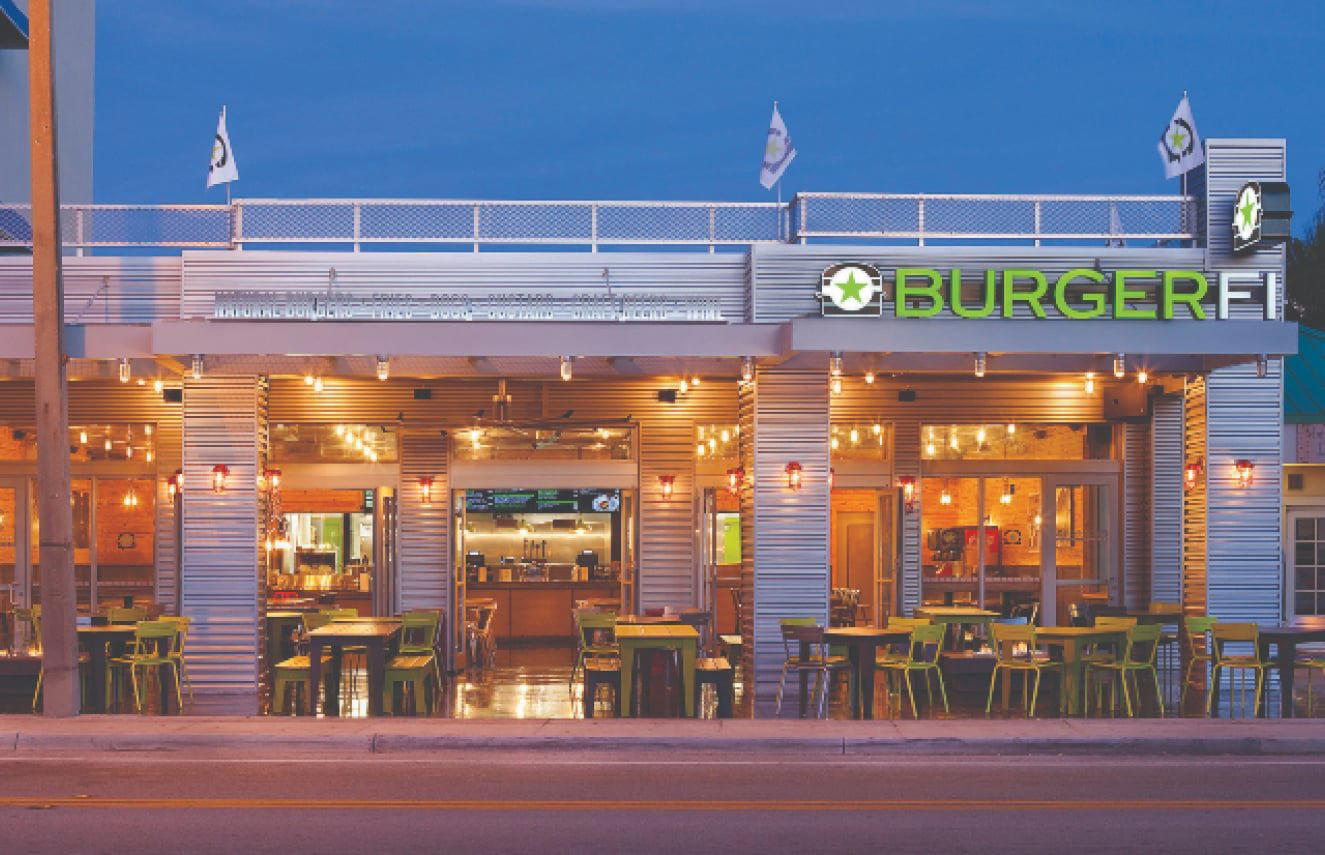
| BurgerFi | Gourmet Burgers | $10–20 | Not listed | Village at Leesburg, Gourmet Burgers |
| Trinity House Café | American Bakery Café | $10–20 | Not listed | Historic Downtown, American Bakery Café |
| The Wine Kitchen | Italian-Inspired Small Plates | Not listed | Not listed | Leesburg, Italian-Inspired Small Plates |
Continue exploring
More in Leesburg
Restaurants in Leesburg
Browse all →
Hotels in Leesburg
Browse all →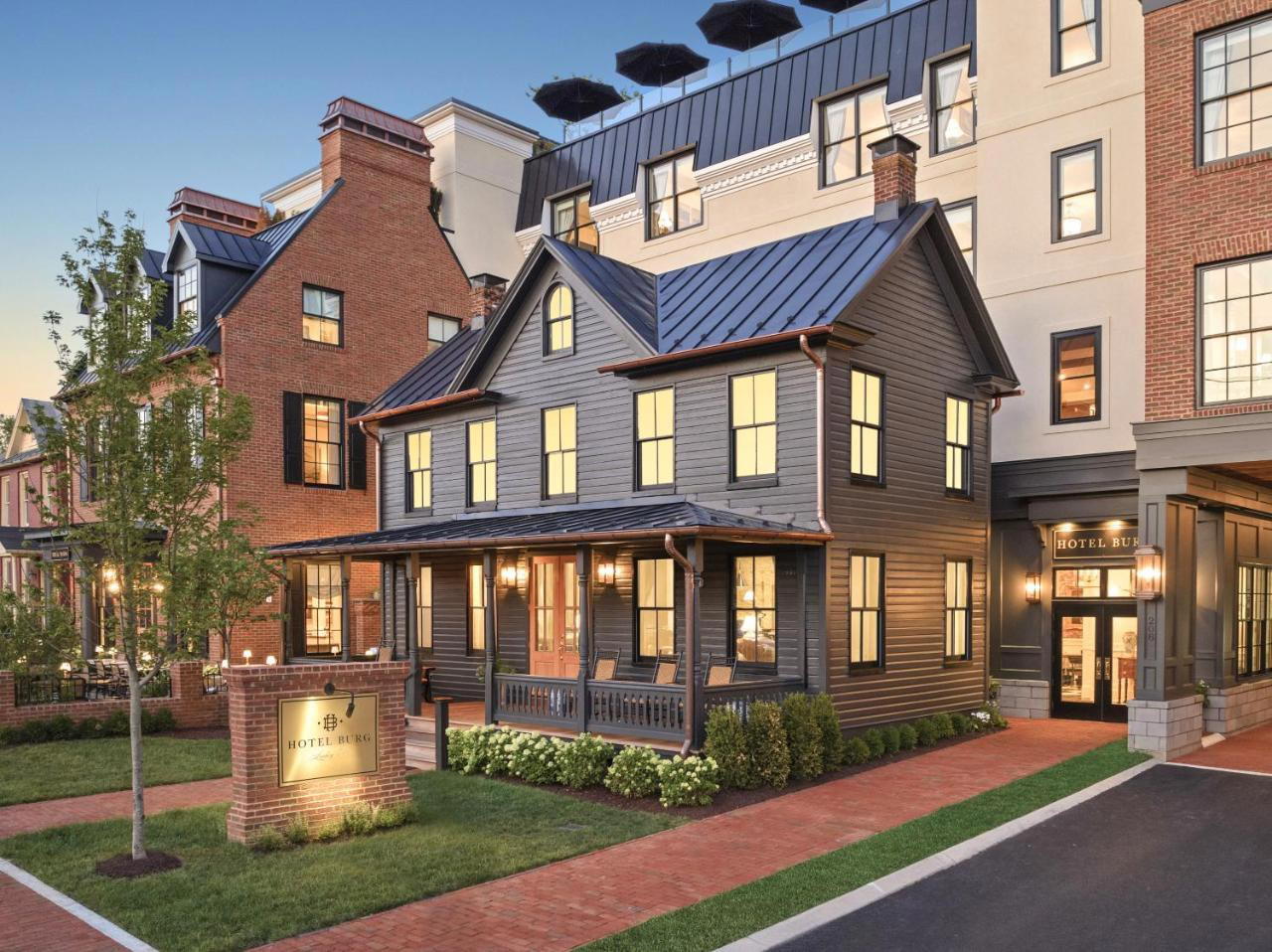
Wineries in Leesburg
Browse all →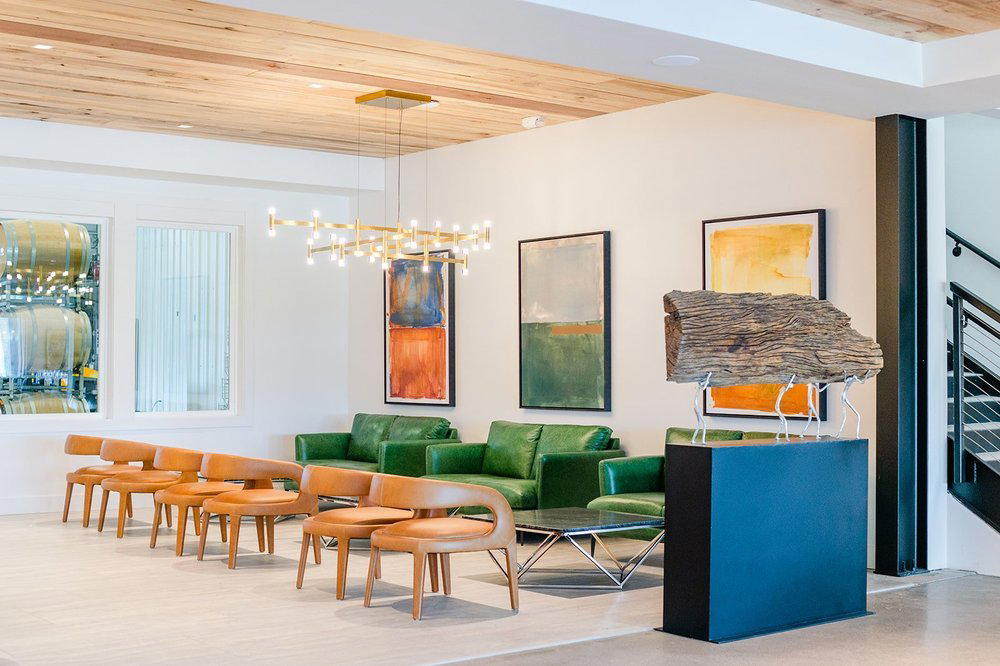
Details
- Rustic
- Trendy
- Modern
- Casual Hangout
- After Work
- Standalone
- Open Kitchen
- Farm To Table
- Local Sourcing
- Zero Waste
- Organic
- Counter Dining
- A La Carte
- Wine
- Organic Focus
Contemporary butcher shop with a takeout-counter format; polished casual atmosphere reflecting the chef's fine-dining background and commitment to quality sourcing.