Soko
Soko is a butcher shop and deli in Arlington, Massachusetts, operating within a local food scene that prizes neighborhood-scale, craft-oriented producers over chain volume. The format places it alongside Arlington's growing cluster of specialty food operators, where counter service and product knowledge carry more weight than white-tablecloth presentation.
 Discover on Pearl
Pearl is the En Primeur Club membership app — saves, bookings, and concierge access live there. Same editors, same standards.
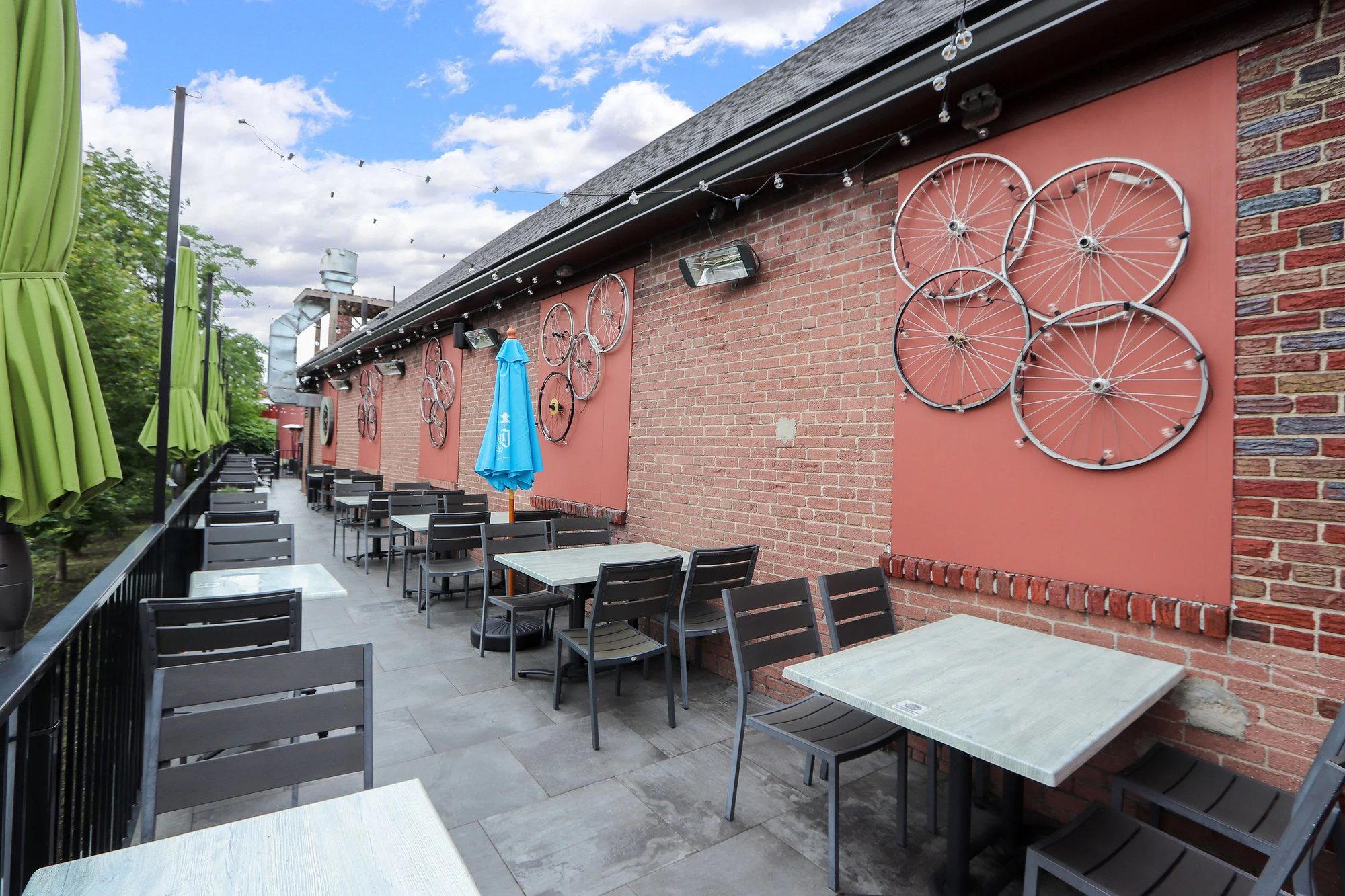
The Butcher Counter as Neighborhood Institution
In American food culture, the independent butcher shop and deli occupies a specific, durable role that chain grocery never fully displaced. The counter format, the conversation about cuts, the deli case stocked with house-made provisions, these are the hallmarks of a food tradition that runs from old-world delicatessens through to the craft butchery revival that accelerated in American cities after 2008. Soko is an artisanal ice cream shop in Arlington, Massachusetts, serving the local community at a price tier of about $10 per person. It is a butcher shop and deli in a town that, like many of Boston's inner suburbs, has developed a genuine appetite for specialty food operators who know their supply chains and can talk about them.
Arlington is not a destination dining suburb in the way that, say, Cambridge pulls visitors for its restaurant density. It functions instead as a residential community with a specific expectation: that the food shops and casual restaurants within it serve the people who actually live there, week to week, rather than weekend tourists. The butcher shop and deli format is well-suited to that expectation. It serves the morning errand, the midweek dinner problem, the Sunday charcuterie board. Soko (Arlington, planned), a related project in the area, signals that the Soko identity has enough traction to support a second footprint, which itself speaks to how the format resonates locally.
What the Butcher-Deli Format Means in Practice
The distinction between a supermarket meat counter and an independent butcher shop is not merely aesthetic. Independent butchers typically work with smaller regional farms, offer a wider range of secondary and tertiary cuts, and carry house-made or locally sourced charcuterie that supermarket buyers do not stock. The deli component, prepared foods, sandwiches, cured meats, extends the shop's usefulness from a raw ingredient source to an eat-now destination. This dual function is what made the old-school deli a neighborhood anchor, and it is what gives contemporary butcher-deli operators like Soko a competitive position distinct from either a grocery store or a sit-down restaurant.
Arlington's food scene reflects a broader pattern visible across the inner Boston suburbs: a mix of long-standing ethnic restaurants that serve specific immigrant communities and a newer wave of craft-oriented operators who position quality of sourcing as a selling point. Pho 75 represents the former tradition, with Vietnamese counter service built on recipe consistency and volume. Bayou Bakery, Coffee Bar and Eatery occupies the casual American end of the spectrum. A Modo Mio Pizzeria Napoletana brings a specific regional Italian commitment to its format. Soko fits into this picture as a specialist food shop, offering a different kind of value: prepared goods that go home with you.
Cultural Roots of the Butcher and Deli Tradition
The deli counter is one of the older food retail formats in American life, with deep roots in Eastern European Jewish immigration in the late nineteenth and early twentieth centuries, and parallel traditions in Italian, German, and later other immigrant communities. What each of these traditions shared was a premium on preservation and preparation: cured meats, pickled vegetables, smoked fish, house-made sausage. The butcher stood adjacent to this, selling not just commodity cuts but the knowledge of how to use them, the braising cut versus the roasting cut, the right fat ratio for a grind.
The contemporary craft butchery movement, which gained momentum in American cities from roughly 2008 onward, drew on this heritage deliberately. Shops like Fleisher's in New York and Belcampo in California positioned themselves explicitly as a return to the whole-animal, farm-relationship model that industrial meat processing had eroded. The Boston metro area developed its own version of this wave, with independent butchers establishing footholds in neighborhoods that could support the price premium that comes with better sourcing. Arlington's demographics, largely educated, homeowning, with disposable income oriented toward food quality rather than restaurant frequency, fit the profile of communities where this format has worked.
Soko operates within this tradition. The format carries cultural weight that extends well beyond the transaction. When a butcher shop functions as intended, it becomes a reference point for how a neighborhood thinks about food: where does the meat come from, who prepared the sausage, what should I do with this cut. These are not questions that a grocery meat counter is designed to answer. They are the questions that independent operators exist to address.
How Soko Sits in Arlington's Food Picture
Arlington's dining and food retail scene is covered comprehensively in our full Arlington restaurants guide. The town's food character is shaped by its residential density, its proximity to Cambridge and Somerville, and a local culture that supports independent operators across multiple formats. Alongside the restaurant scene, visitors and residents can explore Arlington's bar and drinks scene, accommodation options, local wine retail and wineries, and curated experiences in the area.
For reference points at the other end of the fine dining spectrum, the craft and sourcing ethos that drives shops like Soko finds its most elaborate expression in tasting-menu restaurants like Single Thread Farm in Healdsburg, where farm-to-counter traceability is the organizing principle of a three-Michelin-star experience, or The French Laundry in Napa, which has long treated ingredient provenance as a cornerstone of its kitchen philosophy. The distance between a neighborhood butcher shop and a destination fine dining room is vast in format and price, but the underlying argument, that sourcing specificity matters, runs through both ends of the market. At the opposite pole, the theatrical precision of Alinea in Chicago or the French classical tradition at Le Bernardin in New York City represent what happens when that ingredient focus gets layered with technical ambition and formal service structures. The butcher-deli stays upstream of all that, closer to the raw material than the finished plate.
For those exploring the broader American casual dining spectrum, Emeril's in New Orleans and Lazy Bear in San Francisco represent how American regional food identity gets refined into formal restaurant experiences. Internationally, the sourcing-first ethic shows up in different forms at 8½ Otto e Mezzo Bombana in Hong Kong and Alain Ducasse's Louis XV in Monte Carlo, both of which treat ingredient selection as a foundational act rather than an afterthought. And Angie, Arlington's French-influenced bistro, offers a contrasting model in the same neighborhood: sit-down European technique applied to a local customer base.
Planning Your Visit
Soko operates as a butcher shop and deli in Arlington, Massachusetts, a town reachable from central Boston via the MBTA or by car along Massachusetts Avenue, one of the metro area's primary arterial routes connecting Cambridge through Arlington and into Lexington. As with most independent butcher-deli operations, weekday mornings and weekend hours tend to drive the bulk of prepared food and cut-to-order traffic, arriving early in the day generally yields the widest selection and the most attentive counter experience. Current offerings vary with season and supply.
A Pricing-First Comparison
Comparable venues nearby, for context on price, style, and recognition.
| Venue | Cuisine | Price | Awards | Notes |
|---|---|---|---|---|
| SokoThis venue — the venue you are viewing | East Arlington, Artisanal Ice Cream Shop | $ | , | |
| Angie | Dining | , | , | |
| Soko | Arlington, Modern Japanese Omakase | $$$ | , | |
| Jimmy's Steer House | $$ | , | East Arlington, Classic American Steakhouse | |
| Sushi Kappo Toraya | $$$ | , | East Arlington, sake_bar | |
| Tony's Market | Oak Bluffs, American Deli | $ | , |
Continue exploring
More in Arlington
Restaurants in Arlington
Browse all →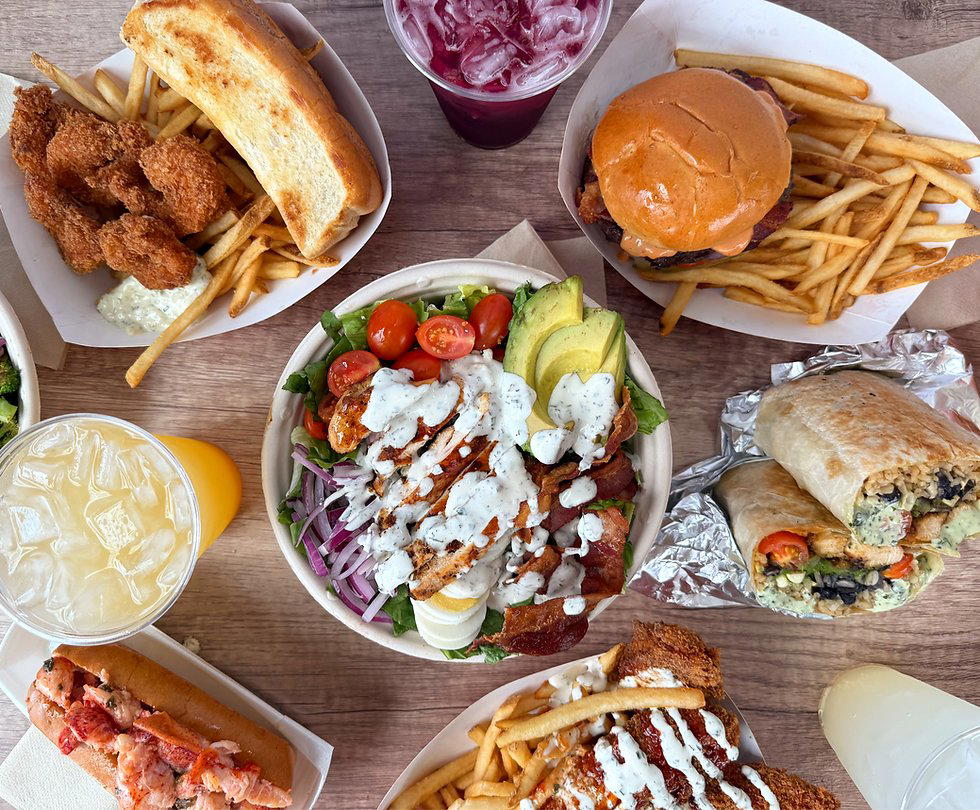
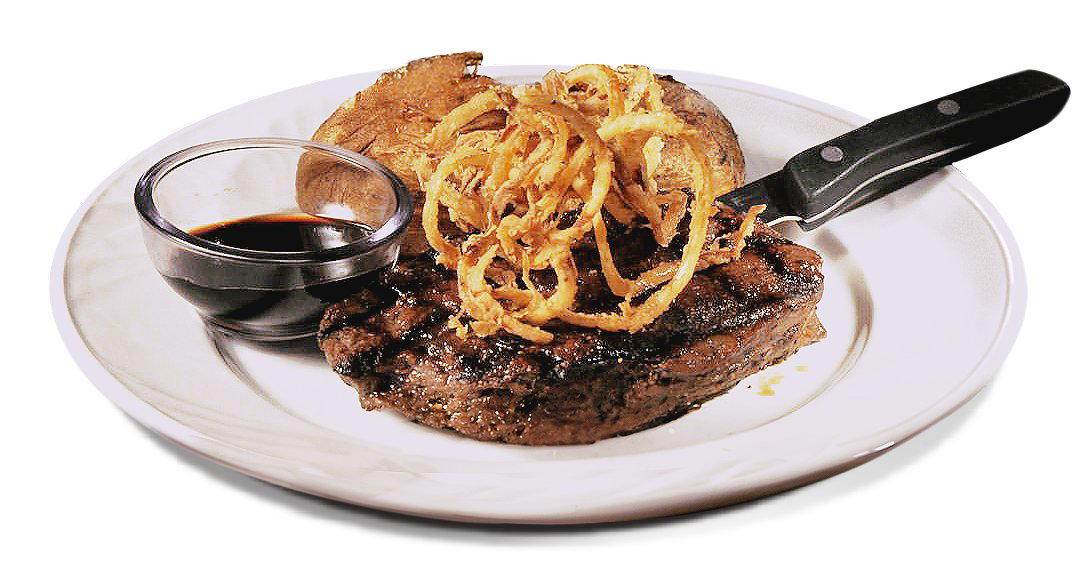
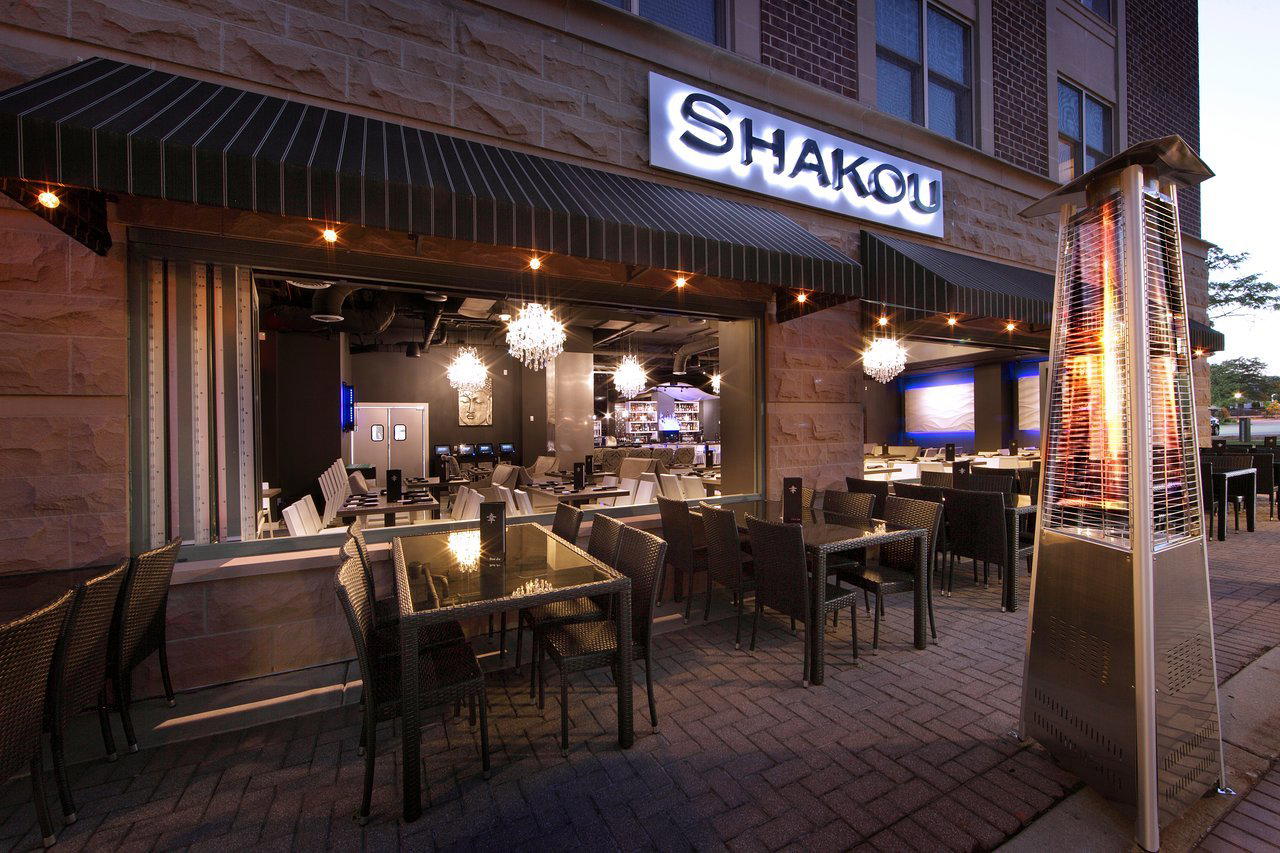
Bars in Arlington
Browse all →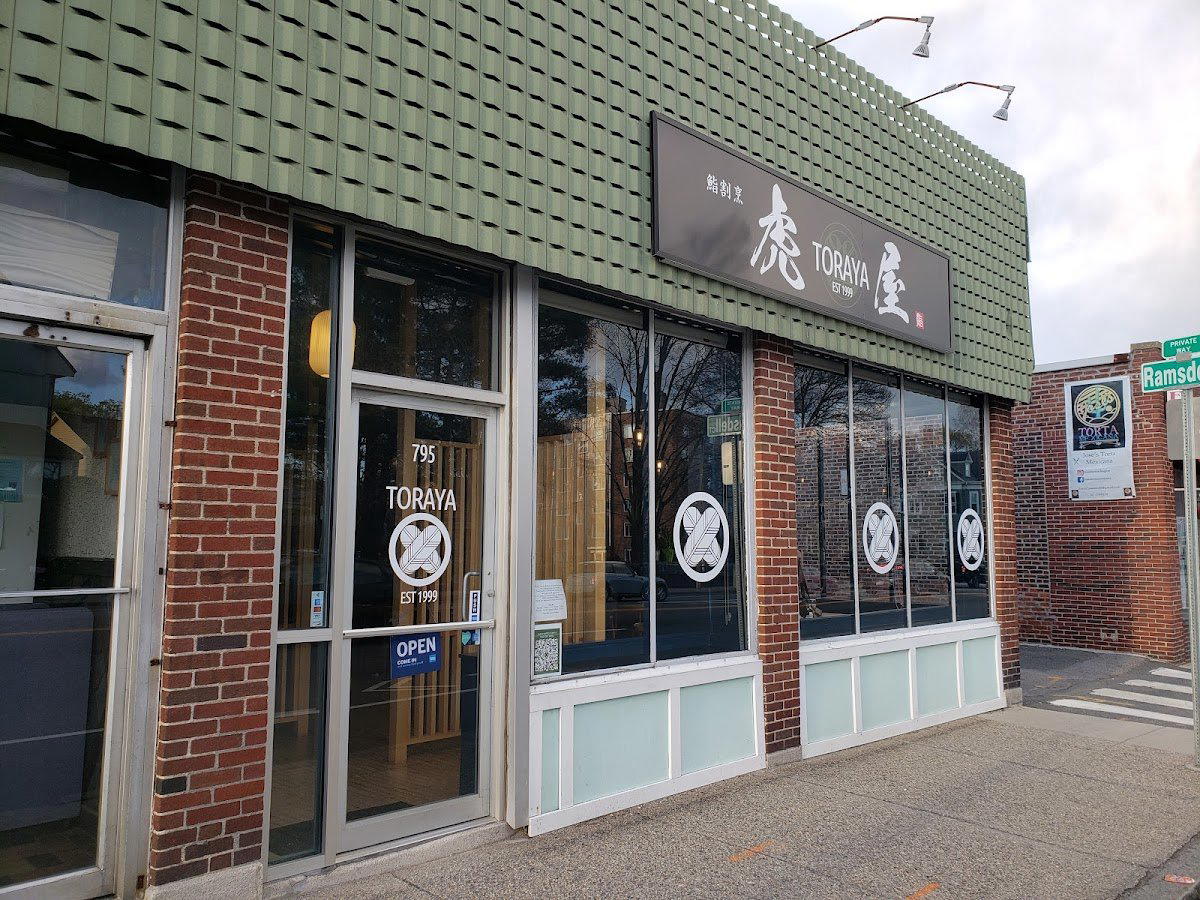
At a Glance
- Family
- Casual Hangout
Casual, friendly atmosphere with a down-home feel and buzzing crowds.