Arlington


Arlington occupies the St James's address that Le Caprice made famous, revived under Jeremy King with the same black-and-white photography, banquette seating, and a menu of European classics that earned consecutive Michelin Plates in 2024 and 2025. The salmon fishcakes with sorrel sauce and iced berries with white chocolate sauce remain touchstones of the London brasserie canon. For solo diners, the bar seats near the entrance offer one of the more civilised perches in the neighbourhood.
Pearl is the En Primeur Club membership app — saves, bookings, and concierge access live there. Same editors, same standards.
- Address
- 20 Arlington St, London SW1A 1RJ, United Kingdom
- Phone
- +44 20 3856 1000
- Website
- arlington.london
- Directions
- Get directions
 Saves & bookings on Pearl
The Room That Refuses to Disappear
Walk into 20 Arlington Street on a weekday evening and the first thing that registers is the photographs. David Bailey's monochrome portraits line the walls, their subjects ranging from the recognised to the half-forgotten, and the piano in the corner is already doing its work. The room has the specific gravity of a place that has been performing this act for a long time. That continuity is the point: Arlington is, in almost every material sense, Le Caprice restored, operating under a new name after Jeremy King returned to the address that defined St James's dining for more than three decades.
The Michelin Guide awarded Arlington a Plate in both 2024 and 2025, a recognition that sits precisely where the restaurant positions itself: credentialled without the maximalist ambition of the three-star tier, and deliberately so. Peer it against the ££££ bracket of London's Modern European circuit — CORE by Clare Smyth, Restaurant Gordon Ramsay, or the tasting-menu architecture of Dovetale — and Arlington occupies a different lane entirely. The £££ pricing and à la carte format signal a room built for regulars, not for once-in-a-lifetime occasions requiring advance saving.
A Legacy Under Critical Pressure
The critical conversation around Arlington has been shaped almost entirely by its predecessor. When Le Caprice closed in 2020, the closure registered as an event in the wider London dining record, not merely a commercial decision. That the address reopened with much of the original aesthetic intact, the banquettes, the Parisian brasserie monochrome palette, the Bailey photographs, placed Arlington immediately in the territory of revival rather than reinvention. The question critics and returning regulars asked was whether the kitchen could sustain the comparison.
Evidence, across two consecutive Michelin Plate recognitions, is that it largely does. The Plate is not a star, but it is the Guide's marker for good cooking worth knowing about, and back-to-back inclusions indicate a kitchen operating with consistency rather than on the strength of an opening-year novelty effect. A confirmed regular from the Le Caprice era, quoted in contemporary coverage, noted the continuity was close enough that the rebranding could have fooled him. That kind of testimony is both a commercial asset and a measuring stick against which every subsequent service is judged.
London's brasserie tier has narrowed over the same period. Several rooms that once occupied the confident middle ground between neighbourhood bistro and destination fine dining have either closed or repositioned upward on price. Arlington's ability to hold a classical European register at £££ while earning consecutive critical recognition places it among a smaller group of London rooms that have resisted the pressure to complexify in order to justify their prices. Bar Valette and Six Portland Road operate in loosely analogous registers, though with different neighbourhood contexts and format emphases.
The Menu as Institutional Memory
Arlington's kitchen works from a menu that treats European classics as a stable repertoire rather than a starting point for reinterpretation. Dressed Dorset crab, chicken Milanese, crispy duck salad, calf's liver with bacon, these are dishes with well-established reference points, and the room's reputation rests on executing them with precision and confidence rather than on surprise. The salmon fishcakes with sorrel sauce have accumulated a following over decades, and the iced berries with white chocolate sauce occupies a similar position in the institutional memory of the address.
Daily specials extend the range without disturbing the dominant register, running to dishes like vitello tonnato or chargrilled squid with pepper salsa and bacon, which give the kitchen room to respond to season and supply without repositioning the room's identity. For first-time visitors expecting something more exploratory, the specials are where to direct attention. The dessert section earns specific mention in contemporary coverage: a tarte tatin described as rich and buttery, alongside an elderflower jelly with summer fruits in the lighter register, indicate a kitchen that takes the third course seriously rather than treating it as an afterthought.
The wine list leans European throughout, with bottles beginning at around £50. A selection by the glass opens from approximately £9 and by carafe from around £27, which offers a practical entry point for solo diners or for those working through multiple courses without committing to a full bottle.
St James's and the Geography of Occasion
St James's has a particular dining character in London: it operates at the intersection of institutional formality and genuine comfort, oriented toward a clientele that expects quality without theatre. The neighbourhood's restaurant stock skews toward rooms with history, places that have accumulated meaning through years of regular use rather than through design-forward openings. Arlington fits that profile exactly, occupying an address with thirty-plus years of cultural weight and deploying an aesthetic that references its predecessor directly.
For a broader picture of what London's European-leaning restaurant circuit looks like beyond the city, the country houses and destination tables, The Fat Duck in Bray, L'Enclume in Cartmel, Moor Hall in Aughton, Gidleigh Park in Chagford, and Hand and Flowers in Marlow, each represent different points on the ambition spectrum that Arlington deliberately sits apart from.
The service in this room has been consistently described in terms of efficiency and professionalism rather than warmth-as-performance, which is appropriate for St James's: attentive, technically sound, and not prone to over-explaining. The bar seats near the entrance remain one of the better-noted solo dining positions in the area.
For the broader London picture, see our guides to [London restaurants](), [London hotels](), [London bars](), [London wineries](), and London experiences. For European dining in a different register and geography, Stiller in Guangzhou and Aroma in Guangzhou offer points of comparison at the European-leaning end of Asian fine dining.
Know Before You Go
- Address: 20 Arlington St, London SW1A 1RJ
- Cuisine: European (classical brasserie register)
- Price range: £££
- Awards: Michelin Plate 2024, Michelin Plate 2025
- Wine by the glass: From approximately £9; carafes from approximately £27
- Leading seats: Banquettes at the rear for groups and couples; bar seats near the entrance for solo diners
- Atmosphere: Piano evenings; monochrome photography throughout; Parisian brasserie aesthetic
A Credentials Check
Comparable options at a glance, pulled from our tracked venues.
| Venue | Cuisine | Price | Awards |
|---|---|---|---|
| ArlingtonThis venue — the venue you are viewing | European | £££ | Not listed |
| The Ledbury | Modern European, Modern Cuisine | ££££ | Michelin 3 Star |
| Sketch, The Lecture Room and Library | Modern French | ££££ | Michelin 3 Star |
| CORE by Clare Smyth | Modern British | ££££ | Michelin 3 Star |
| Restaurant Gordon Ramsay | Contemporary European, French | ££££ | Michelin 3 Star |
| Dinner by Heston Blumenthal | Modern British, Traditional British | ££££ | Michelin 2 Star |
Recognition history
Dated appearances from independent guides and award organizations, with the underlying list record or original source where available.
Michelin Plate
Michelin
Michelin Plate
Michelin
The Good Food Guide GFG Good
The Good Food Guide
Michelin Plate
Michelin
Continue exploring
More in London
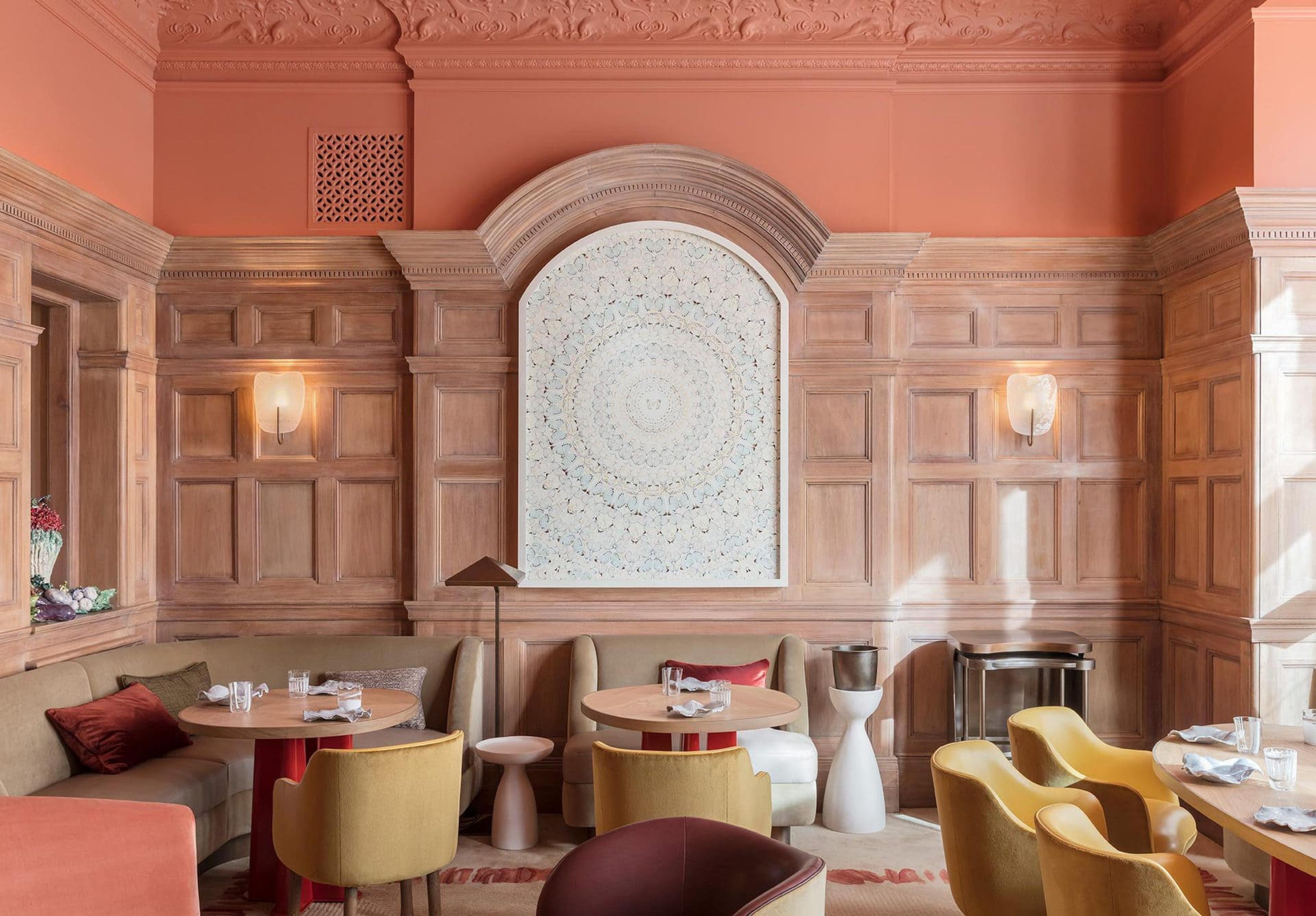
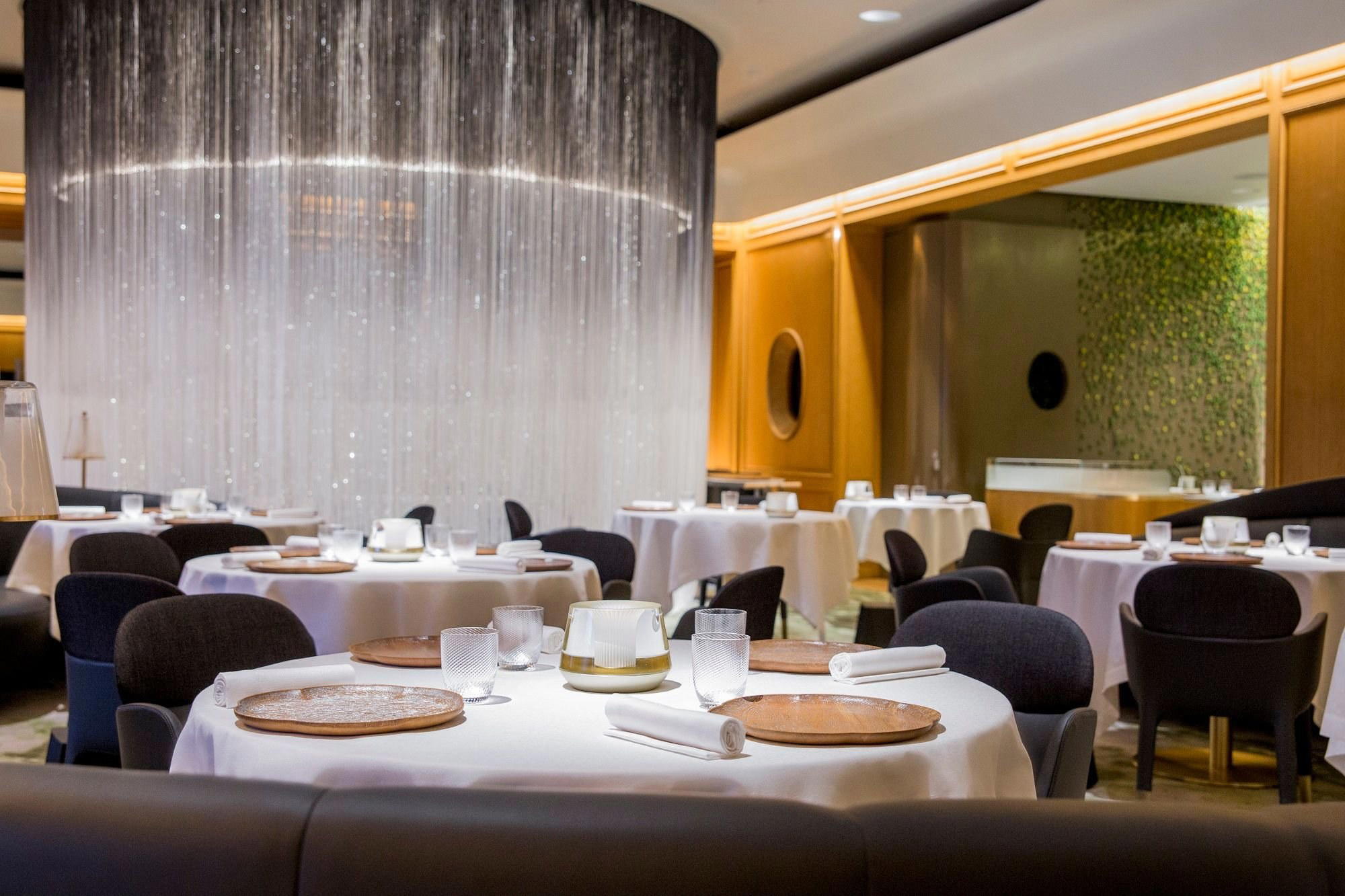
Restaurants in London
Browse all →
Bars in London
Browse all →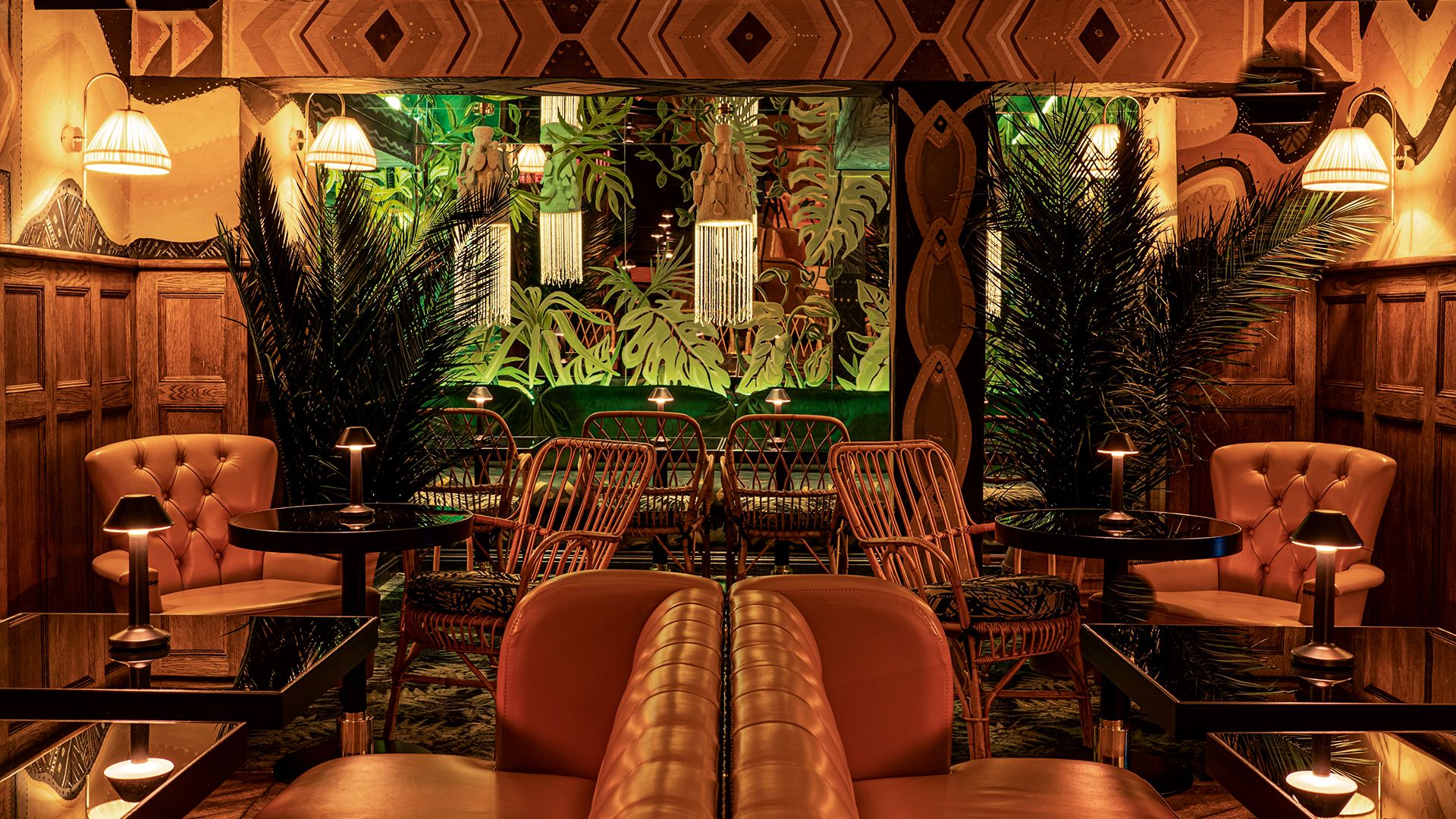
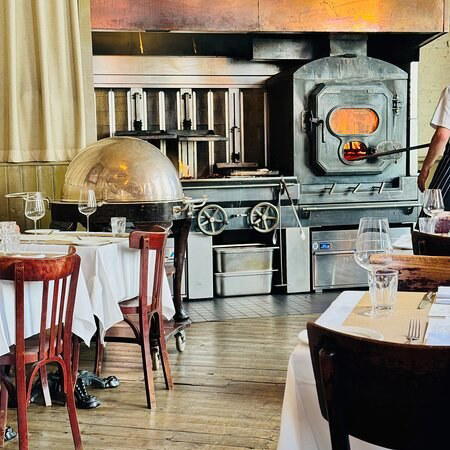
Hotels in London
Browse all →



At a Glance
- Classic
- Elegant
- Well Known
- Special Occasion
- Business Dinner
- Date Night
- Historic Building
- Extensive Wine List
Current opening hours
- Monday
- 11:30 AM–3 PM, 5–11 PM
- Tuesday
- 11:30 AM–3 PM, 5–11 PM
- Wednesday
- 11:30 AM–3 PM, 5–11 PM
- Thursday
- 11:30 AM–3 PM, 5–11 PM
- Friday
- 11:30 AM–3 PM, 5–11 PM
- Saturday
- 11:30 AM–3 PM, 5–11 PM
- Sunday
- 11:30 AM–3 PM, 5–11 PM
Hours can change for holidays and private events. Last verified .
Monochromatic luxurious Art Deco with black and white decor, piano music, buzzy atmosphere, and warm lighting.
Know Before You Go
- Getting there
- 20 Arlington St, London SW1A 1RJ, United Kingdom