Skull Creek Dockside
Skull Creek Dockside sits at the water's edge on Hilton Head Island's quieter northern shore, where the tidal creek sets the pace for what ends up on the plate. The restaurant draws from the Low Country's deep tradition of dock-to-table seafood, positioning itself among the island's waterfront dining options for visitors who want proximity to the source, not just a view of it.
Pearl is the En Primeur Club membership app — saves, bookings, and concierge access live there. Same editors, same standards.
- Address
- 2 Hudson Rd, Hilton Head Island, SC 29926
- Phone
- +18437853625
- Website
- docksidehhi.com
- Directions
- Get directions
 Saves & bookings on Pearl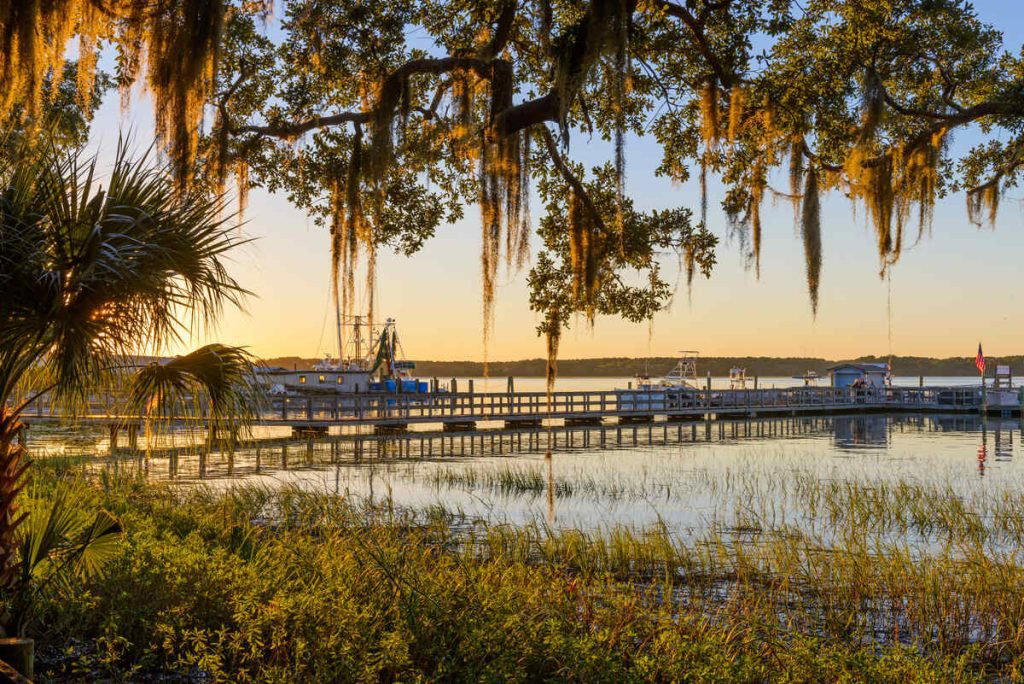
Where the Creek Sets the Menu
On Hilton Head Island's northern end, away from the resort-corridor density of Coligny and Palmetto Dunes, Skull Creek runs wide and tidal between marsh grass and working docks. The approach to Skull Creek Dockside along Hudson Road puts you in contact with that geography before you've ordered a drink: the smell of salt and pluff mud arrives first, followed by the low silhouette of boats at rest and the particular flat light that bounces off brackish water in the late afternoon. That physical orientation is not incidental. In the Low Country, where a restaurant sits relative to the water has historically determined what it serves and how it serves it, and a dock address carries culinary implications that an inland address simply does not.
Hilton Head's waterfront dining tier has always split between spots that use the view decoratively and those that let proximity to working waterfronts shape their sourcing logic. Skull Creek Dockside at 2 Hudson Rd occupies the latter category, drawing on a shoreline location that connects the kitchen to the tidal rhythms governing what's available and when. That distinction matters more than it might first appear, particularly for visitors arriving during the summer and early fall months when local shrimp, crab, and shellfish are at peak supply from nearby Low Country waters.
The Low Country Sourcing Tradition
South Carolina's coastal food culture has never required much justification for its ingredient focus. The state's shrimping industry, centered on the waters between Hilton Head and Beaufort, produces white shrimp that local chefs and diners treat as a seasonal marker rather than a commodity protein. When the shrimp boats are running out of Skull Creek and adjacent landings, the chain from water to plate compresses dramatically. The blue crab season follows a similar logic, with late summer yields from local crab pots feeding a Low Country tradition of simple, high-heat preparations that let the ingredient carry the plate.
This sourcing geography separates the Hilton Head waterfront from inland resort dining in ways that are concrete rather than rhetorical. Restaurants with dock access or relationships with working vessels can respond to daily catch conditions in ways that menus written weeks in advance cannot. That responsiveness is the defining characteristic of serious dock-side dining, whether at a weathered fish house or a polished waterfront room. Nationally, kitchens that have built reputations on proximity to their protein sources, from Le Bernardin in New York City to Providence in Los Angeles, treat ingredient origin as a non-negotiable structural element rather than a talking point. The same principle applies at the regional level, where a Skull Creek address carries meaningful sourcing weight for anyone paying attention.
Hilton Head's Waterfront Dining Context
The island's restaurant scene has expanded and diversified considerably over the past decade, adding formats and price points that did not previously exist here. That expansion has pushed waterfront venues to define themselves more precisely within a fuller competitive field. Black Marlin Bayside Grill operates from a comparable waterfront position and draws a similarly water-oriented crowd. Celeste Coastal Cuisine approaches coastal ingredients from a more refined angle. Charlie's l Etoile Verte has long anchored the island's European-inflected fine dining end, while Chophouse 119 addresses a different appetite entirely with its land-focused menu. Alfred's Restaurant rounds out the mid-to-upper tier with its own distinct approach.
Within that field, Skull Creek Dockside's northern-shore position is itself a differentiator. Most of the island's dining activity clusters toward the south and along the main corridor, which means the Skull Creek area operates at a quieter remove from peak-season foot traffic. That geography suits a certain type of visitor: one who arrives by water, comes specifically for the dock experience, or prefers a setting where the surrounding environment is marsh and creek rather than hotel pool and retail strip.
What the Dock Format Delivers
Dock-adjacent dining in the Low Country carries a specific set of expectations that have been refined over generations. The format rewards dishes that are direct in preparation and honest about their ingredients, where a steamed local crab or a simply fried shrimp demonstrates more about the kitchen's sourcing than an elaborate composed plate would. The waterfront setting creates its own ambient logic: outdoor seating over or near the water, afternoon sun giving way to cooler creek breezes, and a pace that follows the tide rather than a rigid service timeline.
The American restaurant scene has increasingly valorized this kind of ingredient-forward directness. Programs at Single Thread Farm in Healdsburg and Blue Hill at Stone Barns in Tarrytown have demonstrated that proximity-to-source can be the organizing principle of an entire culinary identity, not merely a marketing frame. At the other end of the formality spectrum, the same sourcing logic operates in waterfront fish houses and dock restaurants, where the provenance of the catch is self-evident from the boats moored fifty feet from the dining room. The restaurant's location puts it in that second category, where the sourcing argument is made by geography as much as by kitchen technique.
Comparable frameworks, though in radically different formats and price tiers, animate places like Lazy Bear in San Francisco, Alinea in Chicago, The French Laundry in Napa, Addison in San Diego, Atomix in New York City, The Inn at Little Washington, Emeril's in New Orleans, and 8 1/2 Otto e Mezzo Bombana in Hong Kong: in every case, the sourcing relationship between kitchen and ingredient origin is the spine of what makes the experience coherent.
Planning Your Visit
The surrounding area is quieter than the island's main resort zones, which affects both the ambiance and the logistics: parking is generally more relaxed, the pre-dinner atmosphere is less frenetic, and the transition from travel to table happens at a lower pitch.
Comparable Venues
Comparable venues nearby, for context on price, style, and recognition.
| Venue | Cuisine | Price | Notes |
|---|---|---|---|
| Skull Creek DocksideThis venue — the venue you are viewing | Seafood with Lowcountry Views | $$ | Not listed |
| Seacrest Restaurant and Terrace | Lowcountry Seafood and Steak | $$$ | Shipyard |
| Olive & Fig Mediterranean Kitchen | Lebanese Mediterranean | $$ | Moss Creek Village |
| Poseidon | Coastal Seafood | $$$ | Shelter Cove Towne Centre |
| Alfred's Restaurant | Authentic German & European | $$$ | Plantation Center |
| Nectar | Farm-to-Table Southern American | $$$ | Hilton Head Island |
Continue exploring
More in Hilton Head Island
Restaurants in Hilton Head Island
Browse all →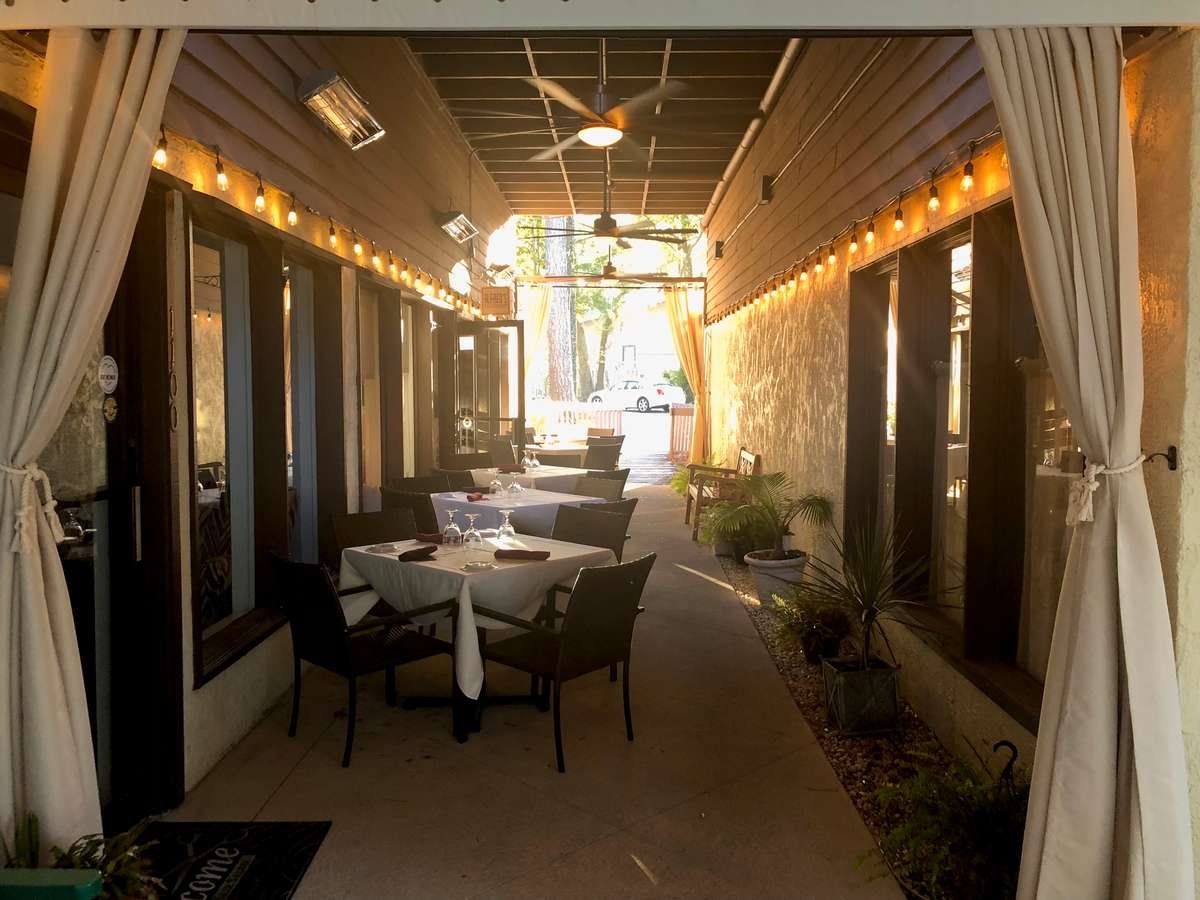
Bars in Hilton Head Island
Browse all →
At a Glance
- Scenic
- Lively
- Rustic
- Family
- Group Dining
- Brunch
- Celebration
- Waterfront
- Open Kitchen
- Terrace
- Private Dining
- Craft Cocktails
- Local Sourcing
- Waterfront
Current opening hours
- Monday
- 11 AM–9 PM
- Tuesday
- 11 AM–9 PM
- Wednesday
- 11 AM–9 PM
- Thursday
- 11 AM–9 PM
- Friday
- 11 AM–10 PM
- Saturday
- 11 AM–10 PM
- Sunday
- 10 AM–9 PM
Hours can change for holidays and private events. Last verified .
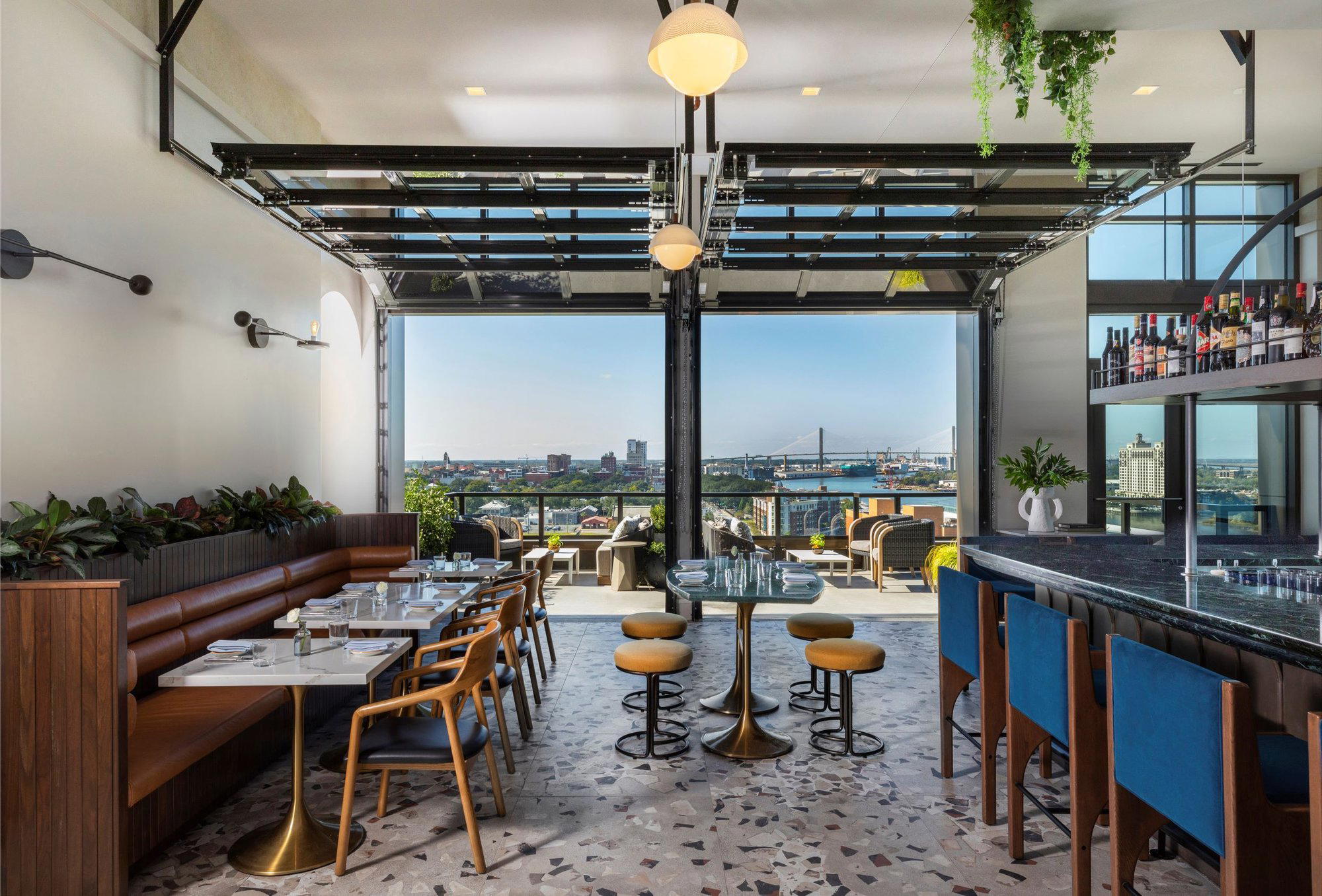
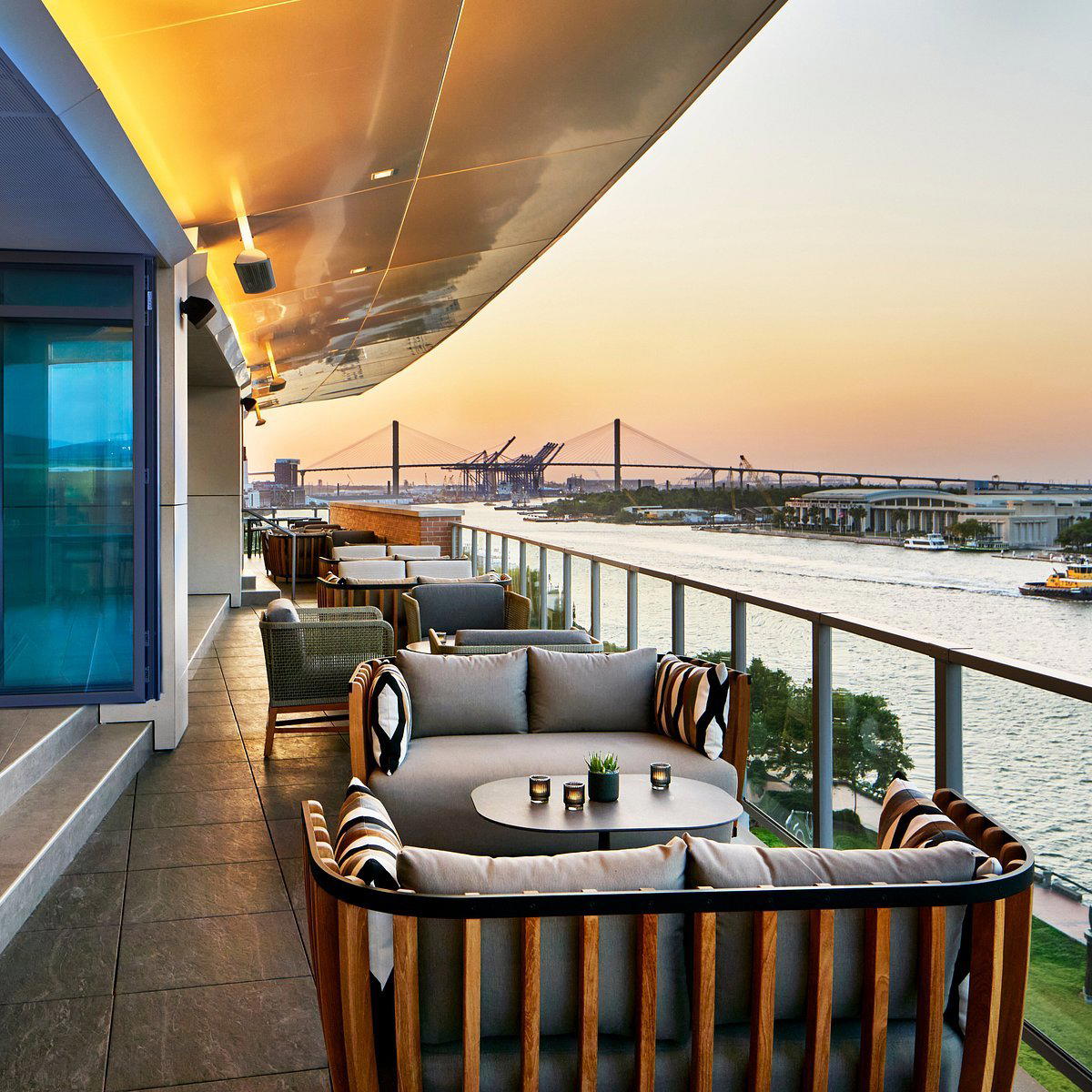
Nautical river house atmosphere with reclaimed wood, full-pane glass windows showcasing creek views, and lively Lowcountry outdoor seating.