Celeste Coastal Cuisine
Celeste Coastal Cuisine sits on Hilton Head Island's northern end, operating within a dining scene where locally sourced seafood and Lowcountry traditions anchor the strongest kitchens. The address at 20 Hatton Place positions it away from the resort-strip crowd, serving a clientele that comes with an appetite for coastal fare over spectacle. For context on where Celeste fits among Hilton Head's broader restaurant options, the EP Club's full island guide is the place to start.
Pearl is the En Primeur Club membership app — saves, bookings, and concierge access live there. Same editors, same standards.
- Address
- 20 Hatton Pl Ste 300, Hilton Head Island, SC 29926
- Phone
- +18438024744
- Website
- celestehhi.com
- Directions
- Get directions
 Saves & bookings on Pearl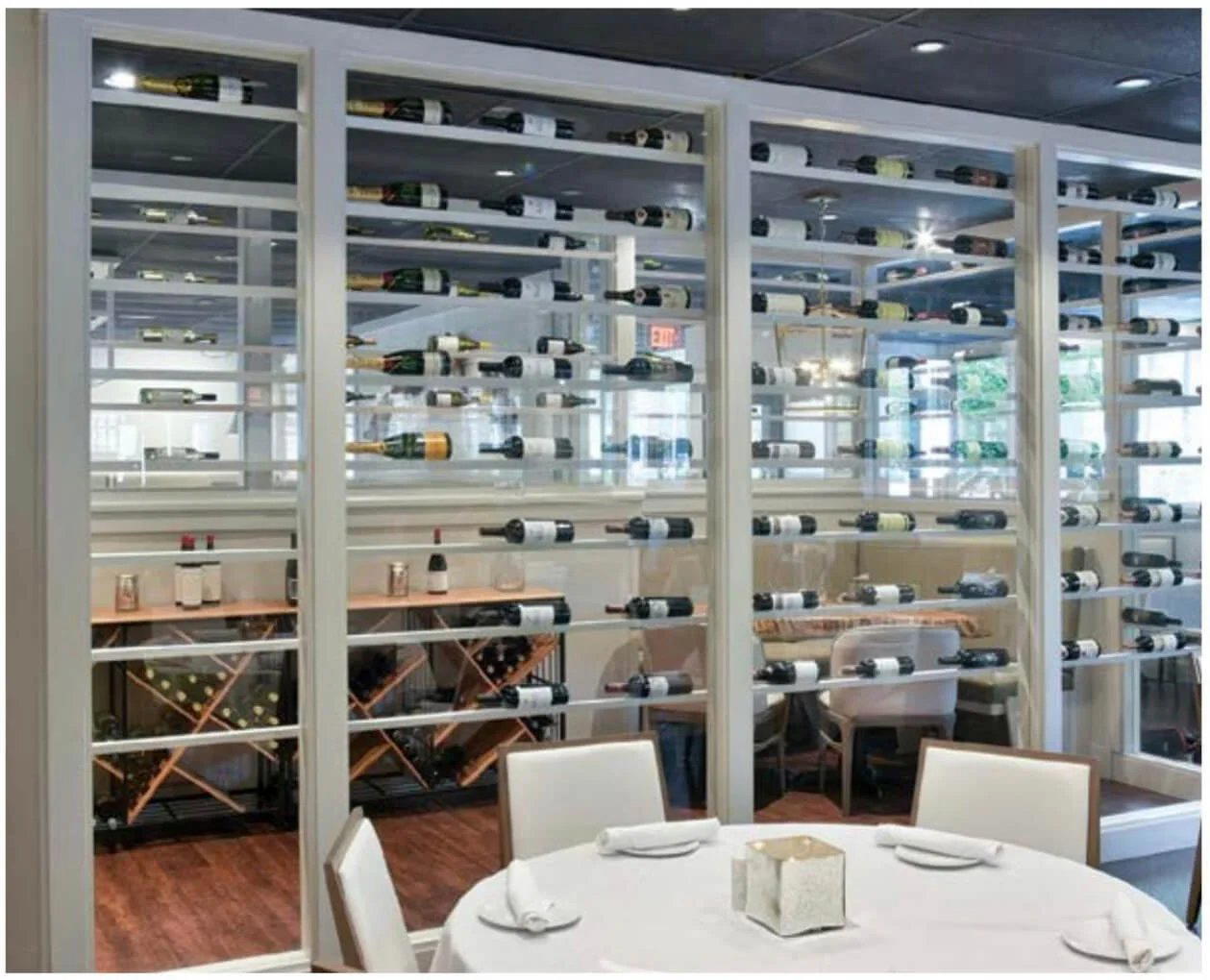
The Rhythm of a Coastal Meal on Hilton Head Island
There is a particular cadence to dining well on Hilton Head Island that separates it from other Carolina resort destinations. The island's leading meals are not rushed. They follow the logic of the coast itself: unhurried, tied to what the water produced that week, and structured around the assumption that the table is yours for the evening. Celeste Coastal Cuisine, addressed at 20 Hatton Place in the island's northern corridor, operates within that broader tradition. The location, removed from the Beach Road commercial cluster, signals something about the intended audience: guests who are not stumbling in from a resort pool but arriving with purpose.
Hilton Head's dining scene has matured considerably over the past decade. Where the island once leaned heavily on reliably safe seafood grills and chain-adjacent resort dining, a smaller cohort of independent restaurants has pushed the standard upward, drawing on Lowcountry culinary identity rather than generic coastal Americana. Celeste Coastal Cuisine sits within that independent cohort, which is a meaningful distinction on an island where the competition includes polished neighbours like Charlie's l Etoile Verte, long regarded as the island's standard-bearer for refined continental cooking, and Black Marlin Bayside Grill, which owns the casual waterfront lane. Understanding where a restaurant sits in that competitive field tells you as much as any single dish description.
Coastal Format and the Logic of the Meal
Coastal cuisine as a dining category carries specific ritual obligations that the leading practitioners take seriously. The meal should open with something light and briny — raw bar, chilled shellfish, a crudo that establishes the kitchen's relationship with acidity and salt. It should progress through the catch in increasing richness, with saucing that complements rather than conceals. Pacing matters more here than in, say, a steakhouse format: the marine proteins that anchor a coastal menu are less forgiving of the wrong moment, arriving either too early before a guest has settled or too late when appetite has plateaued. Kitchens that understand this structure their service accordingly, and the result is a meal that feels considered rather than mechanical.
At the national level, this approach is demonstrated most rigorously at venues like Le Bernardin in New York City and Providence in Los Angeles, both of which treat seafood as a discipline rather than a category. Further up the experiential register, tasting-menu formats at Single Thread Farm in Healdsburg and Smyth in Chicago embed seasonal sourcing as the structural logic of the entire meal. Hilton Head operates at a different scale and price tier than any of those rooms, but the underlying principle — that a meal's sequence should respect the ingredient, travels across formats.
The Lowcountry Context
South Carolina's Lowcountry cooking is one of the more coherent regional traditions in American cuisine. It draws on Gullah Geechee foodways, tidal-harvest ingredients (shrimp, blue crab, oysters from the ACE Basin and surrounding waters), and preparations that have remained structurally similar for generations: the rice-based dishes, the long-simmered stews, the smoke. Restaurants on Hilton Head sit at the intersection of that tradition and resort hospitality, which creates genuine tension. The most interesting kitchens on the island hold both in balance rather than collapsing into tourist-facing simplification.
That tension is what makes the island's dining scene worth mapping carefully. Alfred's Restaurant occupies a different register, and Chophouse 119 serves the protein-forward crowd that wants land over sea. Coastal Capri Ristorante pivots the coastal theme toward Italian coastal cooking, a meaningful differentiation. Celeste, by name and positioning, anchors itself in the American coastal lane, which means its editorial peers are those using regional sourcing as the spine of the menu rather than as decorative copy. For the full picture of how these restaurants relate to one another, the EP Club's full Hilton Head Island restaurants guide provides the comparative framework.
What the Dining Ritual Tells You About the Room
A restaurant's approach to the ritual of service often reveals more than its menu language does. In coastal formats specifically, the sequencing of a meal functions as editorial commentary on the kitchen's priorities. Does the room allow for extended time at the raw bar before transitioning? Is the bread service designed to bridge that gap thoughtfully? Are the seafood courses presented with enough separation to give each its moment? These are the questions a critical reader brings to a coastal room, and they are the same questions that separate a kitchen executing a dining tradition from one merely listing seafood on a menu.
The national reference points for how a committed kitchen handles this ritual include Blue Hill at Stone Barns in Tarrytown, where sourcing and sequence are inseparable, and The Inn at Little Washington, where pacing is treated as a form of hospitality rather than logistics. Even in more compressed formats, the principle holds: the meal's internal rhythm communicates the kitchen's confidence. At the other end of the spectrum, tasting-menu discipline at venues like Atomix in New York City or the environmental-sourcing rigor at Atelier Moessmer Norbert Niederkofler in Brunico represent how seriously the leading rooms take the architecture of a meal. Celeste operates in a different tier and a different tradition, but the standard for what intentional coastal dining looks like has been set clearly at the upper end of the category.
Planning Your Visit
Celeste Coastal Cuisine is located at 20 Hatton Place, Suite 300, Hilton Head Island, SC 29926, in a commercial complex toward the island's northern section rather than in the main resort corridor. Guests arriving from the Sea Pines or Palmetto Dunes areas should account for island traffic, particularly during peak summer months when the island's population swells with vacation visitors and beach-side restaurants run long waits. The address placement suggests a guest profile that knows the island well enough to seek out a specific destination rather than defaulting to proximity to their hotel. For current hours, reservation availability, and any seasonal adjustments, contacting the venue directly or checking through the EP Club's Hilton Head Island guide is advisable given the absence of booking infrastructure in widely available public directories. Coastal restaurants on the island tend to see their strongest demand from late May through Labor Day; visiting outside those windows generally means shorter waits and a less compressed dining room. Comparable options nearby, including Emeril's in New Orleans style southern seafood influence and the tasting-room precision of The French Laundry in Napa or Lazy Bear in San Francisco and Addison in San Diego, offer points of calibration for those cross-referencing their coastal dining expectations against national benchmarks before arriving on the island.
Continue exploring
More in Hilton Head Island
Restaurants in Hilton Head Island
Browse all →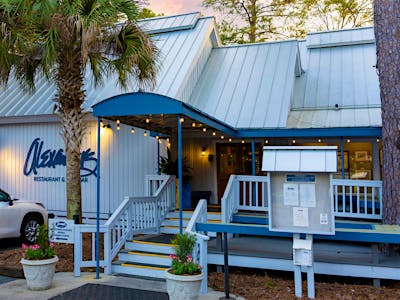
Bars in Hilton Head Island
Browse all →
At a Glance
- Elegant
- Sophisticated
- Date Night
- Special Occasion
- Wine Cellar
- Extensive Wine List
- Craft Cocktails
- Local Sourcing
Current opening hours
- Monday
- 5–9 PM
- Tuesday
- 5–9 PM
- Wednesday
- 5–9 PM
- Thursday
- 5–9 PM
- Friday
- 5–9 PM
- Saturday
- 5–9 PM
- Sunday
- 11 AM–2 PM, 5–9 PM
Hours can change for holidays and private events. Last verified .
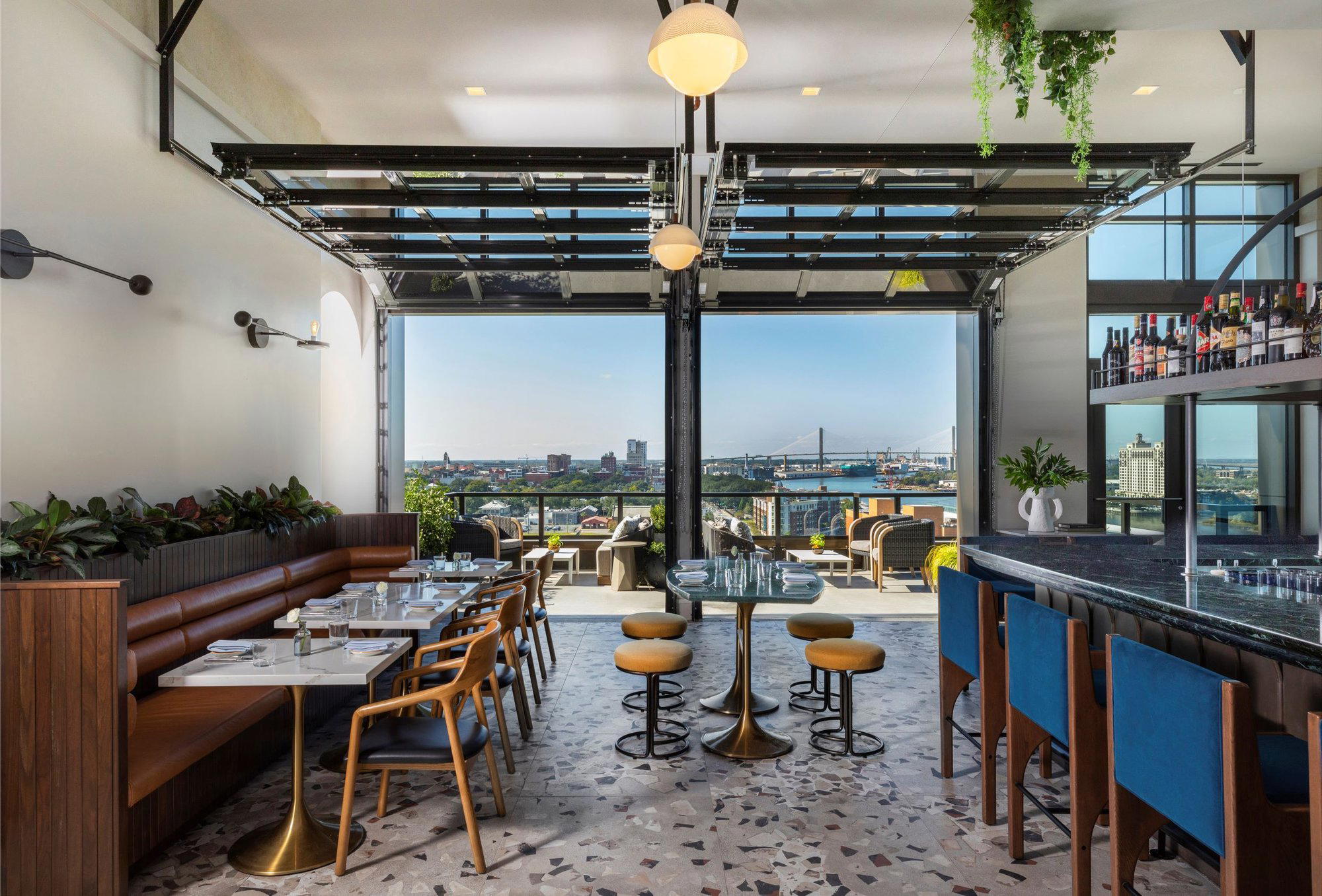
Upscale ambiance with moderate noise levels.
Know Before You Go
- Getting there
- 20 Hatton Pl Ste 300, Hilton Head Island, SC 29926