Sitka and Spruce
"Sip & Share at Sitka & Spruce You’ll want to arrive early at Sitka & Spruce to allow time for browsing the other shops inside Melrose Market: Calf and Kid’s artisanal cheeses, Rain Shadow Meats’ sausages and steaks, Glasswing’s home decor, and Marigold & Mint’s fresh flowers. At Sitka & Spruce, chef Matthew Dillon features a rotating menu of hyper-local Northwest cuisine in shareable small plates and mains. The artfully arranged charcuterie platter is a must-try, and don’t skip the bread, the Columbia City sourdough loaf with whipped butter is a local favorite. Just want a snack? Try Bar Ferd’nand next door, also co-owned by Dillon, for a glass of wine and simple bar snacks, or take home a bottle."
Pearl is the En Primeur Club membership app — saves, bookings, and concierge access live there. Same editors, same standards.
- Address
- 1531 Melrose Ave, Seattle, WA 98122
- Website
- sitkaandspruce.com

Where the Pacific Northwest Pantry Sets the Agenda
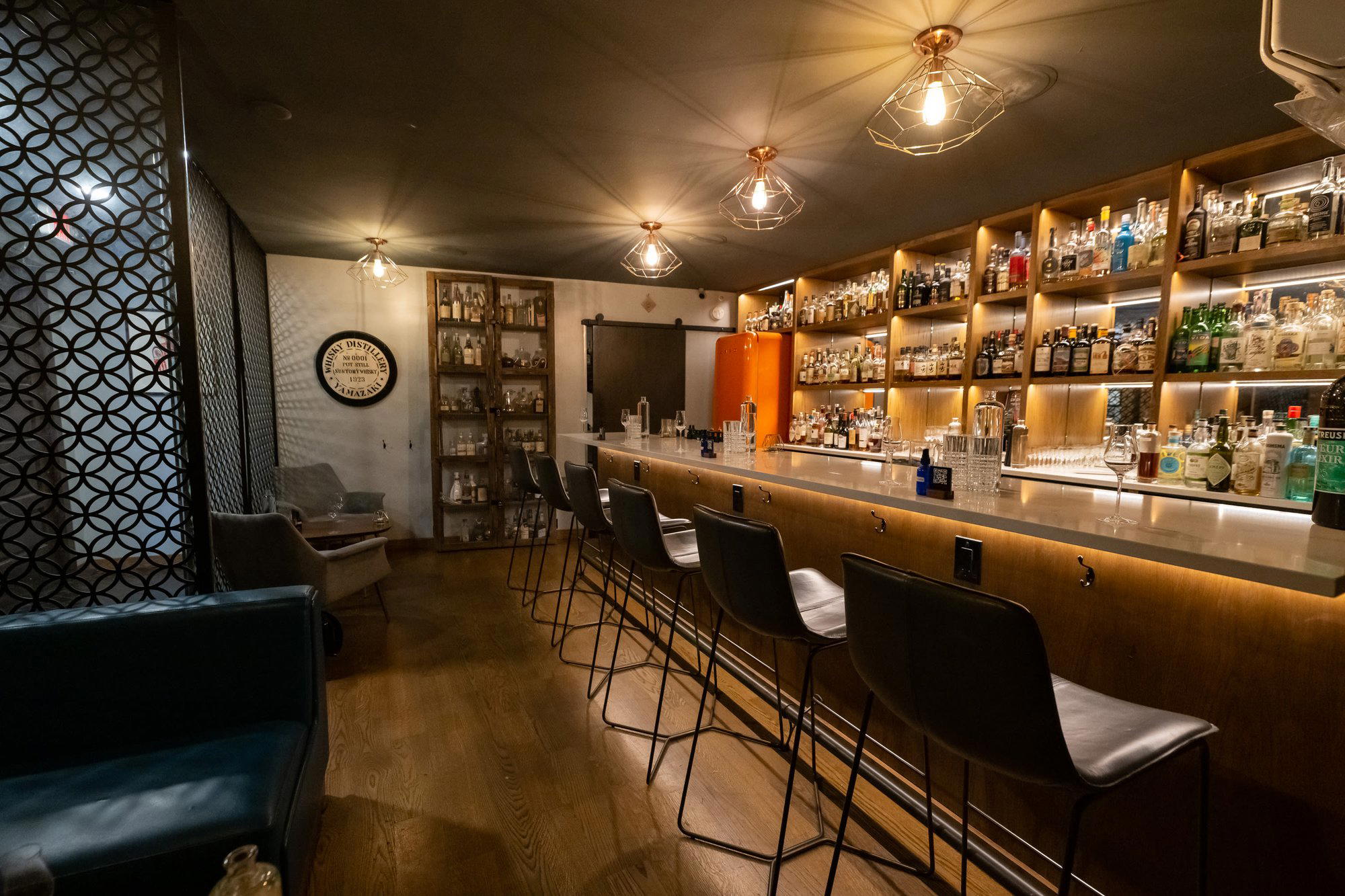
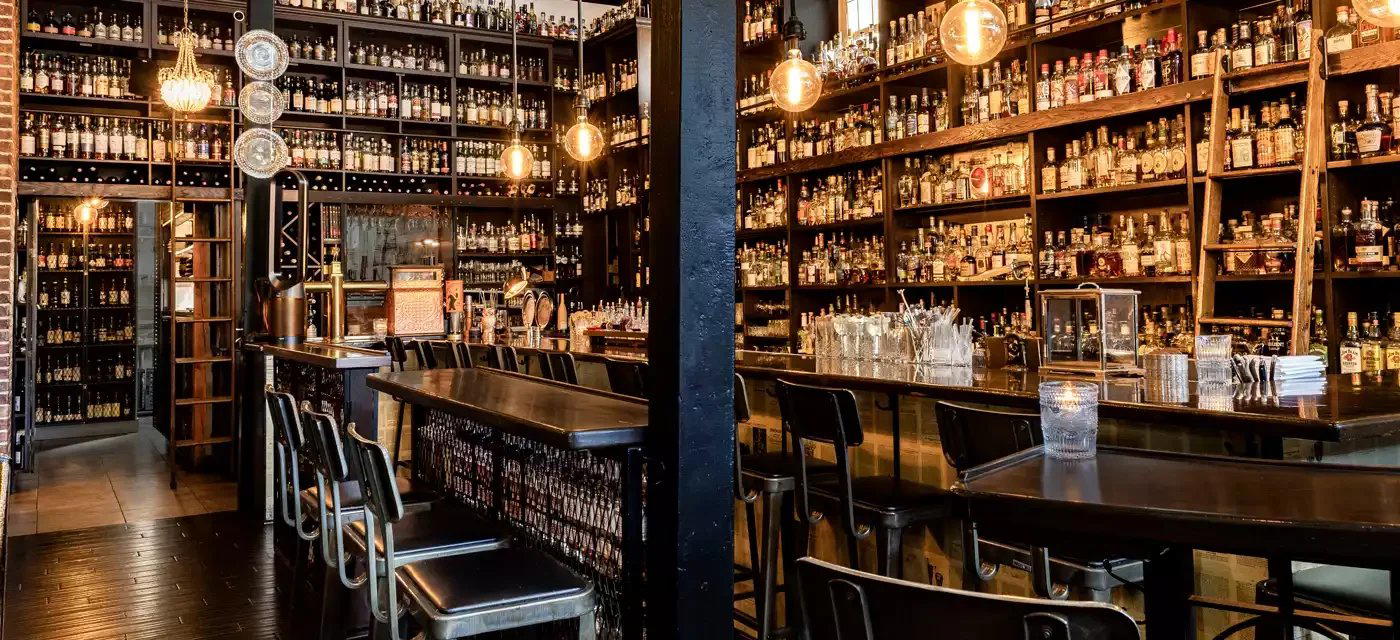
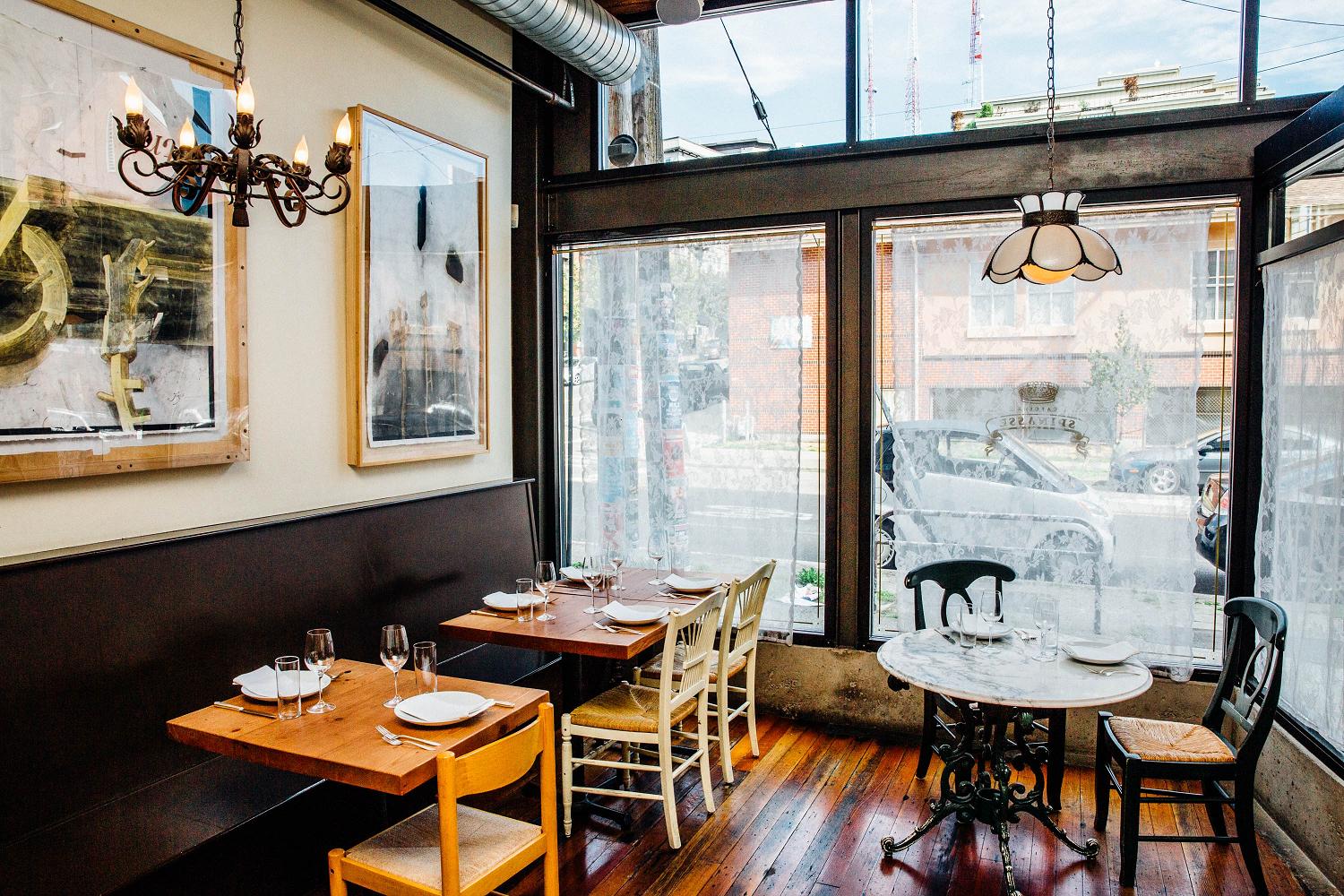
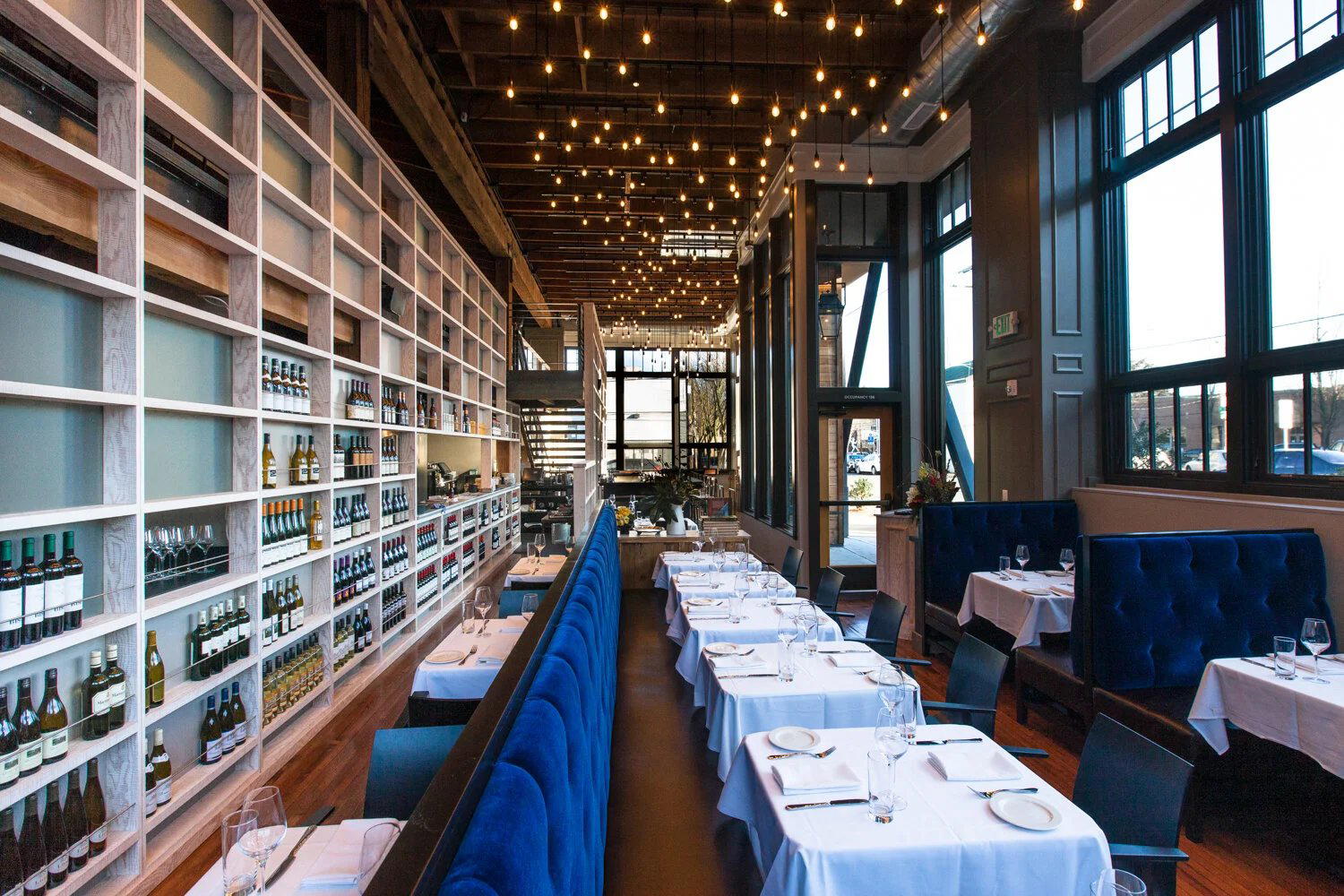
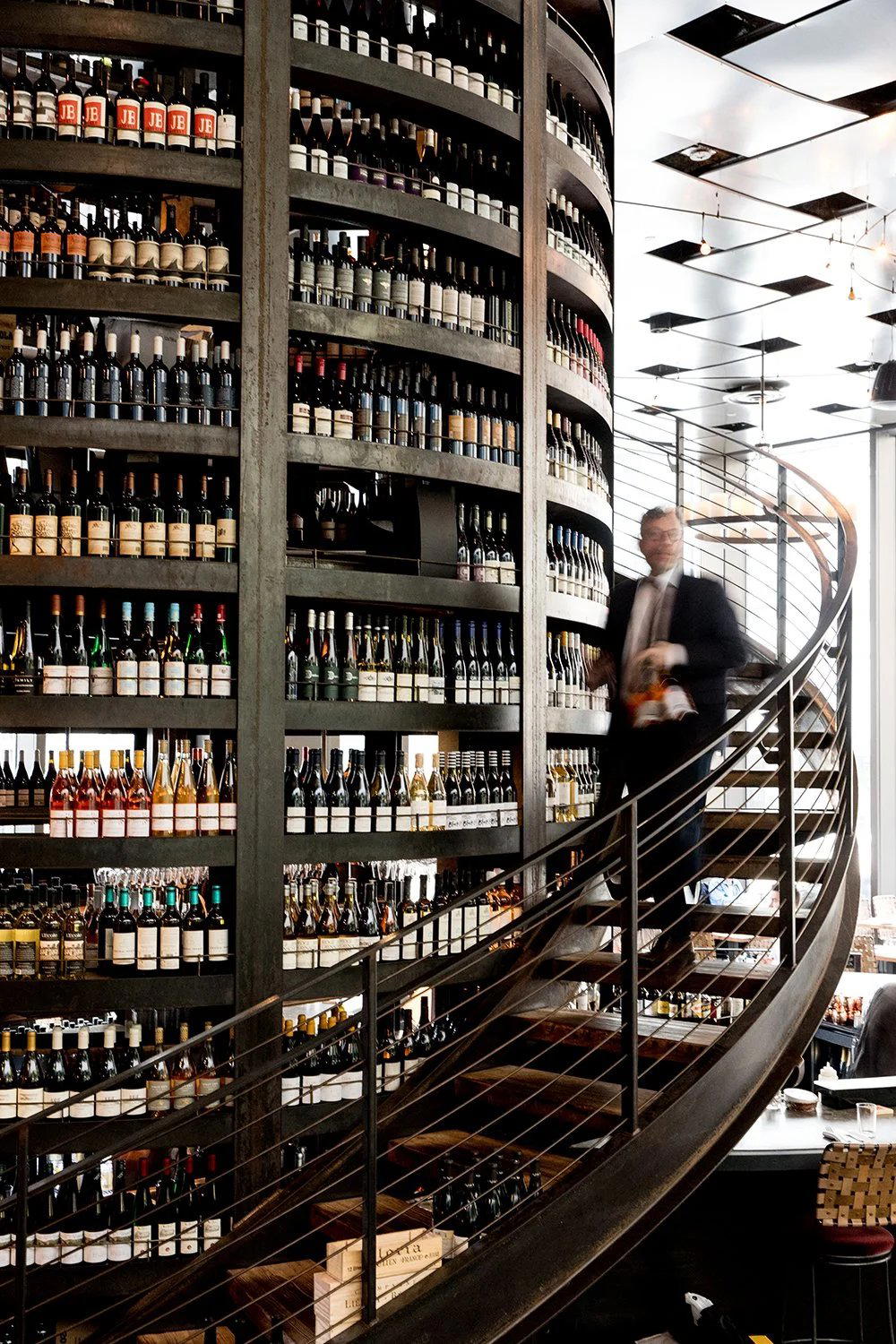
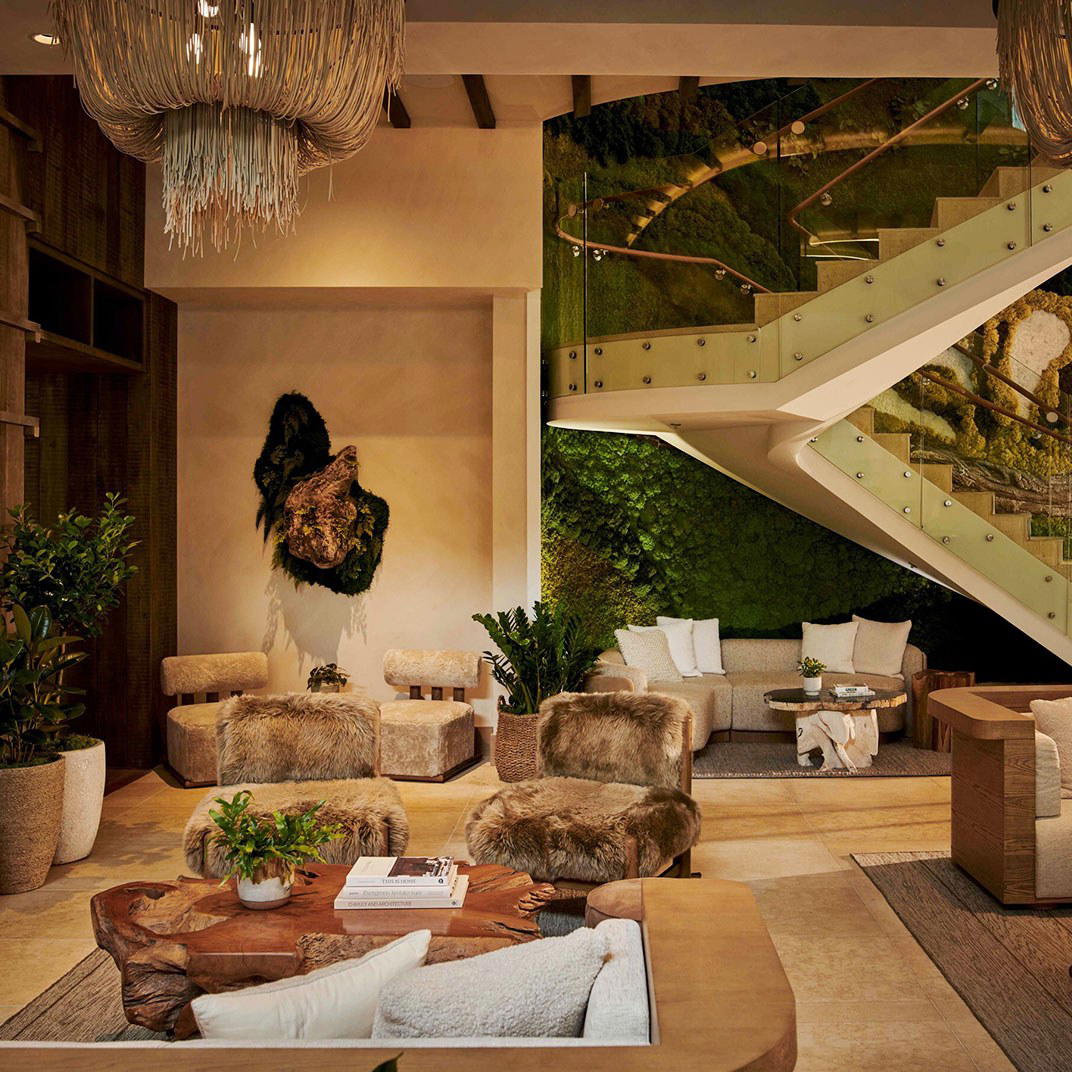
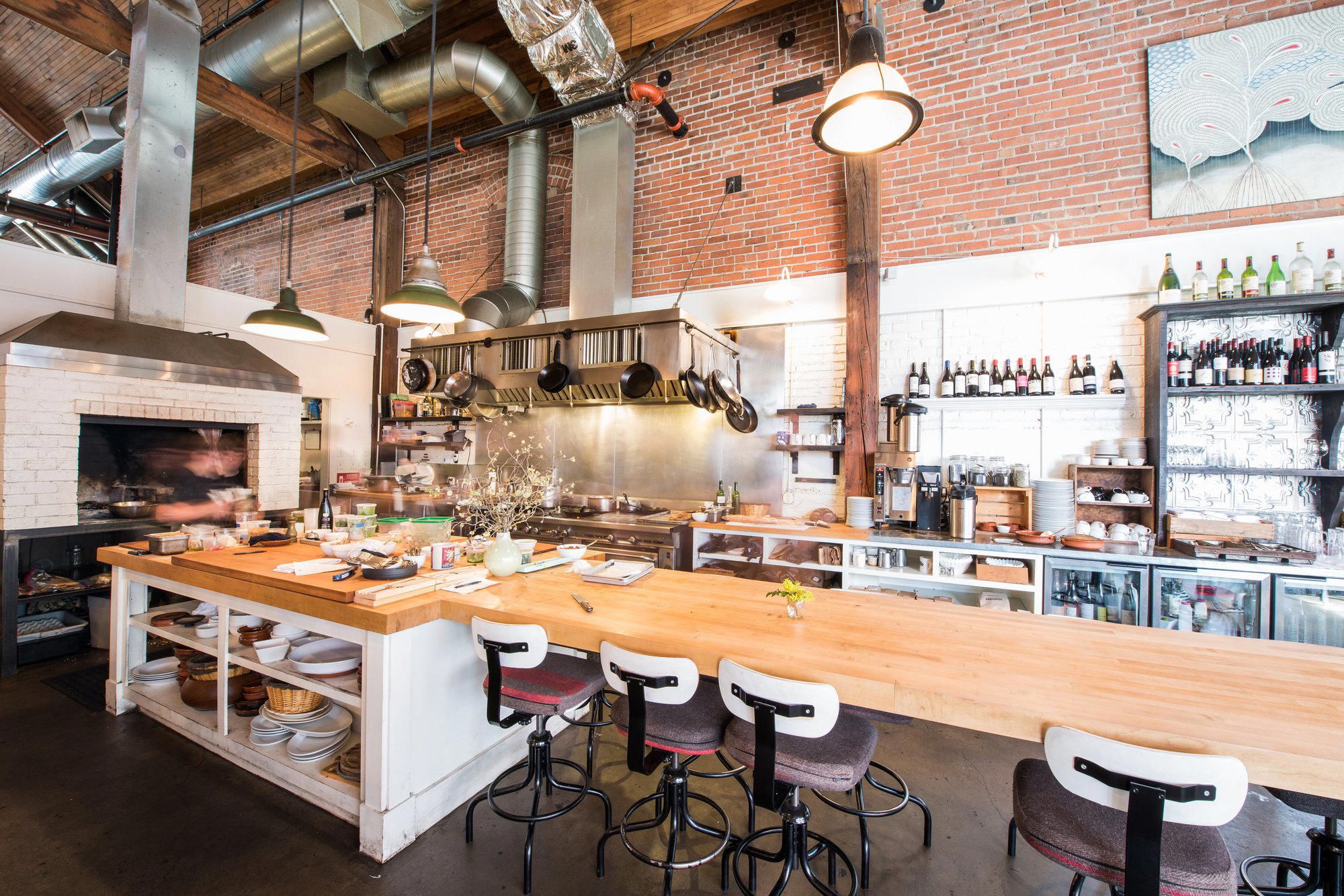
On Melrose Avenue in Capitol Hill, Sitka and Spruce is a restaurant serving Northwest Farm-to-Table cuisine at about $50 per person. It occupies a converted warehouse space where the room does the work before a single plate arrives. Rough timber, open shelving, and a layout that prioritizes communal tables over private dining signal something specific: this is not a restaurant that performs intimacy through soft lighting and tablecloths. The environment argues for a different kind of eating, one that is participatory and seasonal by design.
Capitol Hill is a neighbourhood where independent restaurants have long operated at a different register than the white-tablecloth tier of Canlis or the larger dining rooms found further west. The street-level, low-intervention aesthetic that defines the area suits Sitka and Spruce precisely because the food follows the same logic: ingredients first, technique in service of the produce rather than the other way around.
How the Menu Is Built, and What That Tells You
Across American restaurant culture, the shift away from fixed tasting menus and toward daily-changing, produce-driven formats has been one of the more consequential structural moves of the past two decades. Sitka and Spruce belongs firmly to that category: a menu that reflects what arrived that morning rather than what was planned six weeks ago. This is the format associated with farm-to-table philosophy at its most disciplined, where the kitchen's role is selection and restraint rather than elaboration and spectacle.
The practical consequence of that approach is a menu that does not hold still. Regulars who visit across multiple seasons encounter a fundamentally different set of dishes each time. This is not novelty for its own sake. It reflects a European market-cooking tradition, present in similar forms at places like Blue Hill at Stone Barns in Tarrytown and Single Thread Farm in Healdsburg, where the sourcing calendar dictates the creative calendar. In Seattle, that seasonal window includes wild mushrooms, Dungeness crab, spot prawns, and a spring vegetable run that arrives earlier than most continental US markets.
The menu architecture at Sitka and Spruce leans toward smaller plates and shared formats. This structural decision has implications beyond portion size: it changes the pace of the meal, distributes decision-making across the table, and places emphasis on combination rather than sequence. It is a format that rewards curiosity and penalizes rigid ordering habits, which is why it tends to polarize first-time diners while building strong repeat loyalty among regulars.
Seattle's Ingredient-Driven Middle Tier
Seattle's restaurant economy supports a sizeable middle tier that sits between high-investment tasting-menu formats and neighbourhood casual. Sitka and Spruce occupies that tier, drawing comparison not to destination restaurants built around a single chef's ego but to the class of ingredient-honest rooms that use simplicity as a filter. In that sense, its comparable set is less Le Bernardin in New York City or The French Laundry in Napa and more Smyth in Chicago or Lazy Bear in San Francisco: places where the kitchen's relationship to sourcing is the primary editorial statement.
Within Seattle specifically, that positioning places Sitka and Spruce at a distance from the New Asian confidence of Joule and the seafood-forward New American tradition of spots like Walrus and Carpenter. The restaurant is not trying to compete in those categories. Its argument is about a different value entirely: that a room built around daily sourcing and shared plates can offer something that fixed menus and single-protein focus cannot.
Critical Context: What the Format Demands
Produce-driven, daily-changing menus require a different relationship with service than scripted tasting formats. At restaurants like Providence in Los Angeles or Addison in San Diego, the menu is a fixed document and the server's job is largely explanatory. At Sitka and Spruce, the server is a navigator, interpreting what arrived that day and helping the table build a coherent meal from a shifting list. That demands more from both sides of the transaction.
The communal table format compounds this. Sitting alongside strangers at a shared table is common in Northern European dining rooms and in certain New York formats, but it remains counterintuitive in American casual-fine contexts. At Sitka and Spruce, it is not accidental; it is structural. The layout implies a specific social contract, and diners who arrive expecting a private dining experience will be working against the room rather than with it.
That distinction matters more in Seattle than in some other markets. Pacific Northwest dining culture has historically favoured informality, but a specific kind of purposeful informality that prizes sourcing transparency and producer relationships over ceremony. Sitka and Spruce occupies the logical centre of that tradition.
Price and Positioning
Comparable venues nearby, for context on price, style, and recognition.
| Venue | Cuisine | Price | Awards | Notes |
|---|---|---|---|---|
| Sitka and SpruceThis venue — the venue you are viewing | $$$ | , | ||
| Queen Anne | Uptown, Cajun-Creole | $$$ | , | |
| Conversation | $$$ | , | Belltown, New American with Pacific Northwest Focus | |
| Off Alley | $$$ | , | Columbia City, Seasonal Pacific Northwest Nose-to-Tail | |
| Ben Paris | $$$ | , | Central Business District, Modern American | |
| The Shambles | $$$ | , | Roosevelt, Contemporary American Steakhouse |
Continue exploring
More in Seattle
Restaurants in Seattle
Browse all →Bars in Seattle
Browse all →Hotels in Seattle
Browse all →At a Glance
- Rustic
- Intimate
- Cozy
- Modern
- Special Occasion
- Brunch
- Open Kitchen
- Farm To Table
- Local Sourcing
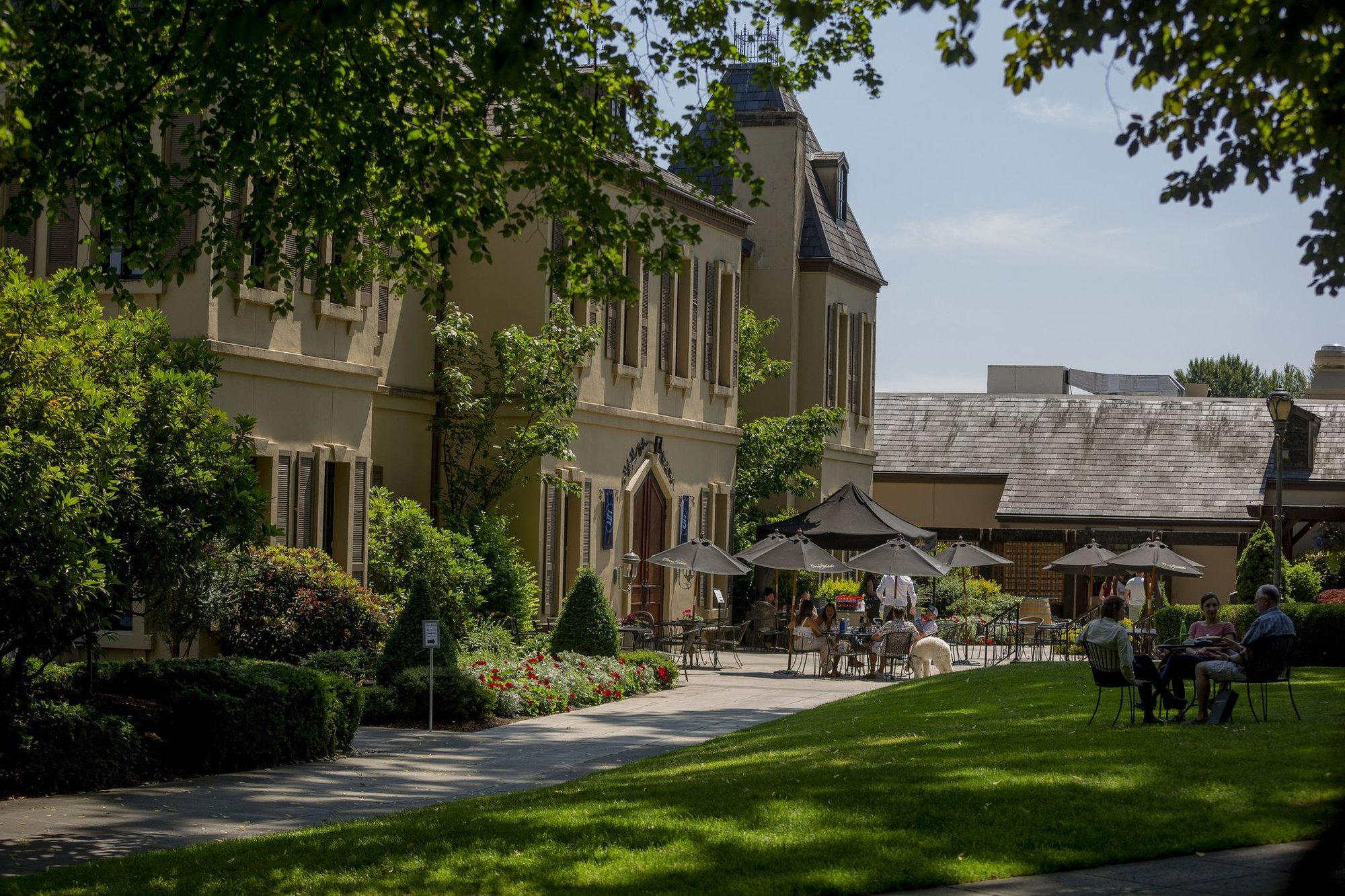
Atmospheric with vintage glass panes, sunlight streaming through tall windows, white accents, and a greenhouse-like feel from the open-air market setting.