Our verdict
Set inside the Passage Pommeraye, one of France's great nineteenth-century covered arcades, La Passagère occupies a setting that does much of the editorial work before the food arrives. The address alone places it inside a different conversation from Nantes' broader restaurant scene, where modern cuisine rooms compete on tasting menus and chef credentials rather than architectural theatre.

Pearl is the En Primeur Club membership app, where members save venues, book tables and use the concierge.
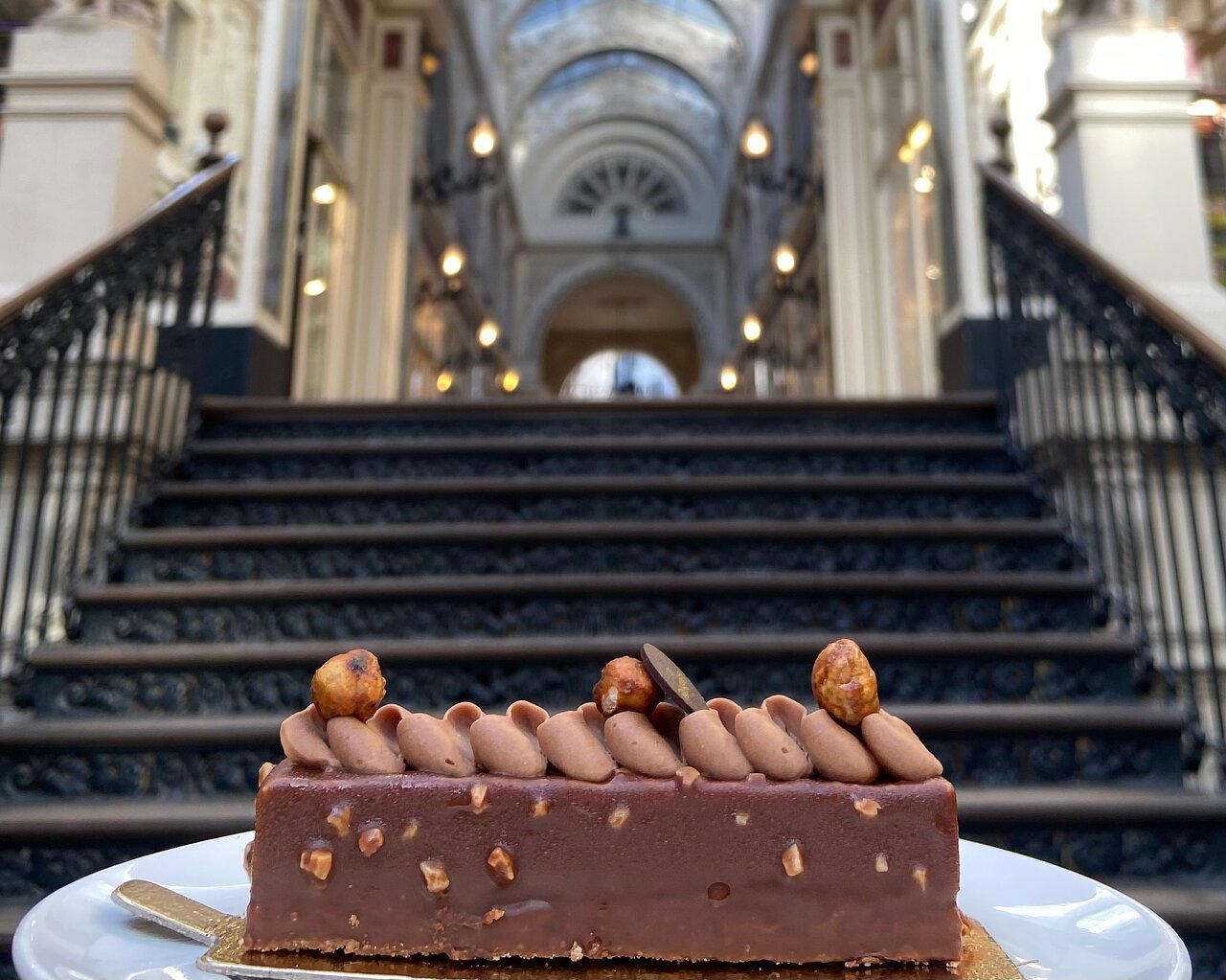
The Arcade as Context
Few dining addresses in provincial France arrive with as much structural drama as the Passage Pommeraye. Built in 1843 and classified as a historic monument, the arcade in central Nantes is a three-level iron-and-glass galleria that French architecture historians routinely cite as one of the finest examples of the genre outside Paris. The staircases, the sculpted caryatids, the light falling through the overhead glazing at different angles depending on the hour, these are not incidental details. They are the room. La Passagère, at 1 Rue du Puits d'Argent, sits within this frame, which means the setting is doing significant atmospheric work before the kitchen contributes a single plate.
In broader terms, this positions La Passagère differently from the cluster of serious modern cuisine rooms that have defined Nantes' dining ambition over the past decade. Venues like L'Atlantide 1874 - Maison Guého and LuluRouget compete on the conventional prestige signals of French gastronomic dining: tasting menu architecture, seasonal sourcing, and chef lineage. La Passagère competes on those terms too, but its location inside a classified monument means the proposition begins somewhere else entirely.
Where the Address Fits in Nantes' Restaurant Map
Nantes has built a coherent fine dining tier over the past fifteen years, anchored by restaurants that treat the Loire estuary's produce, Atlantic fish, local salt-marsh lamb, river vegetables, as a regional identity rather than a marketing point. The city now has a spread of ambitions that runs from neighbourhood naturalist cooking at addresses like Les Cadets up through creative mid-market rooms such as Freia, and into the formal register occupied by the city's most awarded tables. Le Manoir de la Régate, set along the Erdre river, shows how location can function as part of a restaurant's identity, and La Passagère operates by a similar logic, with the Passage Pommeraye providing a version of that place-specific gravitas inside the city centre.
For a broader orientation to this scene, the EP Club Nantes restaurants guide maps the city's dining tiers and neighbourhood-level patterns in fuller detail.
Planning Around the Address
The editorial angle on La Passagère almost inevitably becomes a question of logistics, because the address raises it first. The Passage Pommeraye is a working arcade in the heart of a city of 300,000 people, situated between the Place du Commerce and the Rue de la Fosse. It is accessible by tram (line 1, Commerce stop) and sits within comfortable walking distance of the main hotel corridor around the Place Graslin. That accessibility matters, because dining inside a classified monument in provincial France sometimes implies a degree of inconvenience that the Pommeraye does not in fact impose.
What the address does impose is the need to think ahead. The combination of the setting's reputation, the limited number of covers that a historic arcade interior can realistically accommodate, and the patterns of Nantes dining culture, where serious restaurants fill quickly from Thursday through Saturday, means that booking well in advance is not a precaution but a structural reality. French restaurant culture at this level rarely accommodates late-decision planning, and the Passage Pommeraye's profile as a tourist and local landmark adds foot-traffic pressure that tables-only restaurants do not face. The practical implication is that weekend reservations should be secured a minimum of two to three weeks ahead, and for specific dates with any flexibility constraint, further still.
Contrast this with how booking operates at some of France's most-followed addresses. At Mirazur in Menton or Troisgros in Ouches, demand consistently outpaces availability by months, a pattern shared by Alléno Paris au Pavillon Ledoyen and Flocons de Sel in Megève. La Passagère operates in a different tier of demand, which is part of its relevance to a well-organised traveller: it represents a serious dining address that does not yet require the kind of calendar gymnastics associated with France's most-awarded rooms, including long-established institutions like Auberge de l'Ill, Bras in Laguiole, or Paul Bocuse.
What the Setting Implies About the Offer
In France's regional fine dining circuit, setting and format tend to correlate. Restaurants that occupy exceptional architectural or natural environments, the way AM par Alexandre Mazzia in Marseille occupies its stripped-back room as a kind of conceptual container, or the way Assiette Champenoise in Reims anchors itself to a specific regional identity, tend to build their service and menu logic in dialogue with their physical context. A room inside a nineteenth-century glass galleria invites a particular kind of formality, or at least a deliberateness about how light, space, and the movement of people through the arcade interact with the experience at the table.
That architectural pressure distinguishes the Passage Pommeraye setting from a conventional restaurant room and aligns it more closely with the category of dining addresses where the environment is a co-author of the experience. Similar dynamics operate at Au Crocodile in Strasbourg, where the historical weight of an Alsatian institution shapes expectation before the menu arrives, or at Le Bernardin in New York, where the room's particular formal register is inseparable from the dining proposition. Atomix, also in New York, operates on the opposite principle, minimalist context that forces all attention toward the plate. La Passagère, by virtue of its address, belongs in the first category.
This is flagged here not as an omission to dismiss but as useful editorial information: it means that prospective visitors should verify current format and reservation arrangements directly with the venue or through current local listings before finalising plans. In a city where the dining scene moves quickly and restaurant formats sometimes shift, that kind of first-hand confirmation is a reasonable step regardless of how well-profiled an address is.
What is confirmed is the address itself and the setting it implies. In Nantes' restaurant map, that combination of historical monument and central location represents a distinctive tier, separate from the river-view or neighbourhood-format rooms that define much of the city's serious dining, and worth planning around with some care.
Frequently asked questions
Where do I go for La Passagère?
La Passagère is located at Passage Pommeraye, 1 Rue du Puits d'Argent, 44000 Nantes, France, Nantes.
Is La Passagère inside the historic Passage Pommeraye arcade in Nantes?
Yes. La Passagère is addressed at 1 Rue du Puits d'Argent, placing it directly within the Passage Pommeraye, a three-level neoclassical arcade built in 1843 and classified as a French historic monument. That setting is the defining physical fact about the restaurant: few dining rooms in provincial France occupy comparable listed architecture. It shapes the atmosphere before any menu consideration.
Can I walk in to La Passagère?
No booking policy data is confirmed for La Passagère in EP Club's records. Restaurants occupying architecturally significant addresses in Nantes' fine dining tier typically require advance reservations, particularly on weekends. Contacting the venue before arrival is advisable given the Passage Pommeraye's position as one of Nantes' most visited historic sites, which increases foot traffic in the immediate area.
Comparison Snapshot
Comparable venues nearby, for context on price, style, and recognition.
| Venue | Cuisine | Price | Awards | Notes |
|---|---|---|---|---|
| La PassagèreThis venue (the venue you are viewing) | French Tea House & Bistro | $20–30 | Not listed | Not listed |
| La Cigale | Classic French Brasserie | $30–50 | Not listed | Graslin |
| Le Canclaux | Seasonal French Bistro | $20–30 | Not listed | Mellinet-Canclaux |
| Bistro Melon | French Bistro | $30–50 | Star Wine List | Copernic |
| Battos | Modern French Bistro | $30–50 | Not listed | Hauts-Pavés |
| Lulu le Bistrot | Traditional French Bistro | $20–30 | Michelin Plate | Mail du Front Populaire |
Continue exploring
More in Nantes
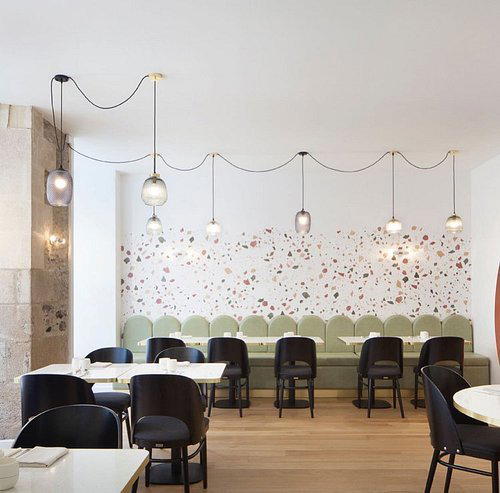
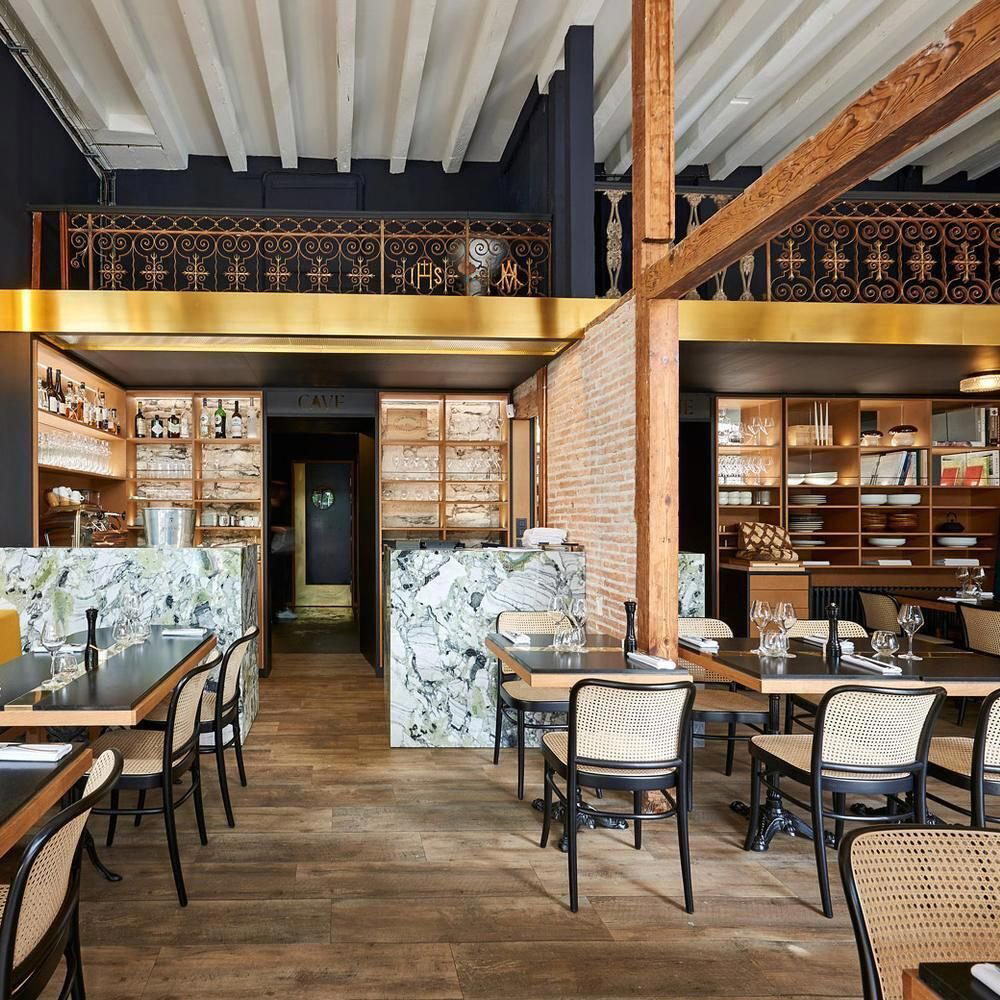
Restaurants in Nantes
All restaurants in Nantes →
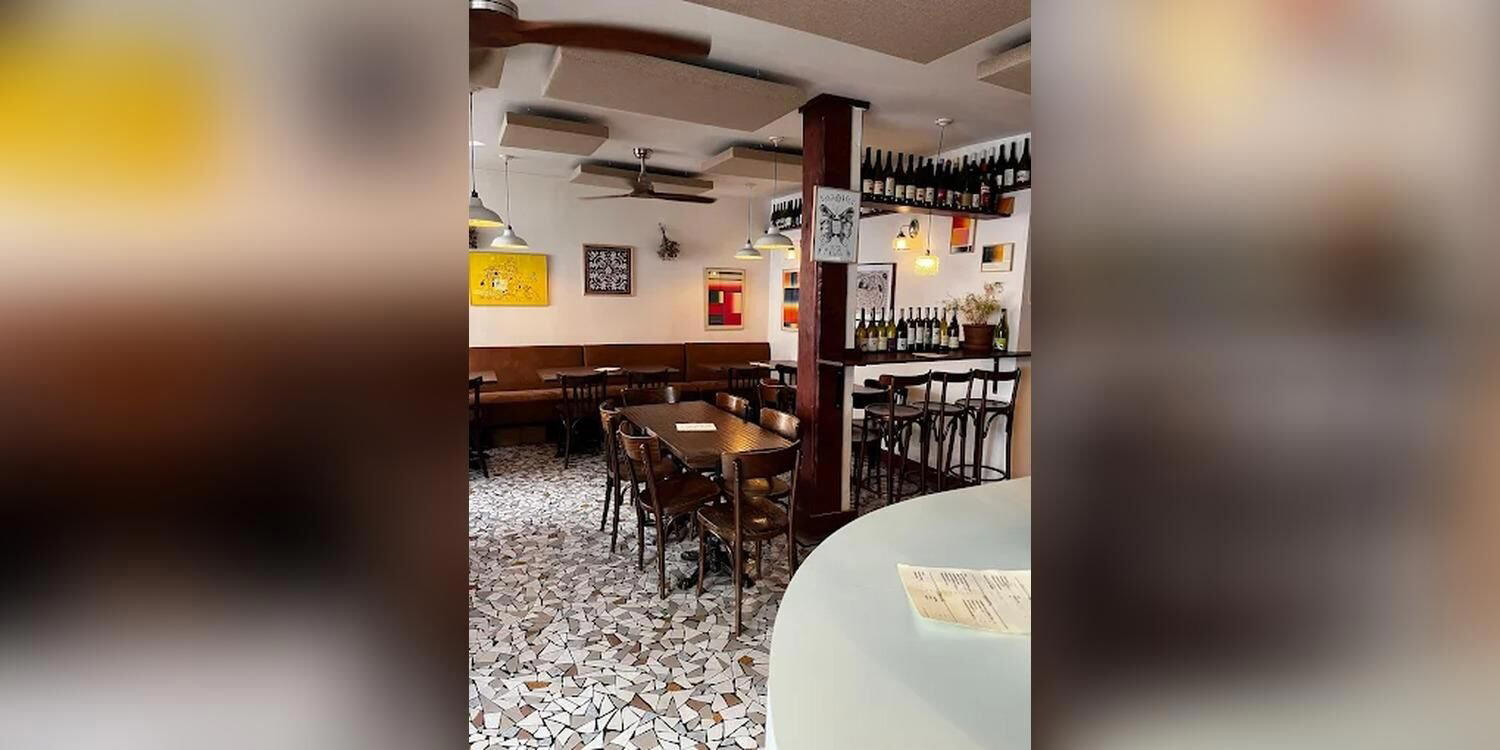
Bars in Nantes
All bars in Nantes →
Hotels in Nantes
All hotels in Nantes →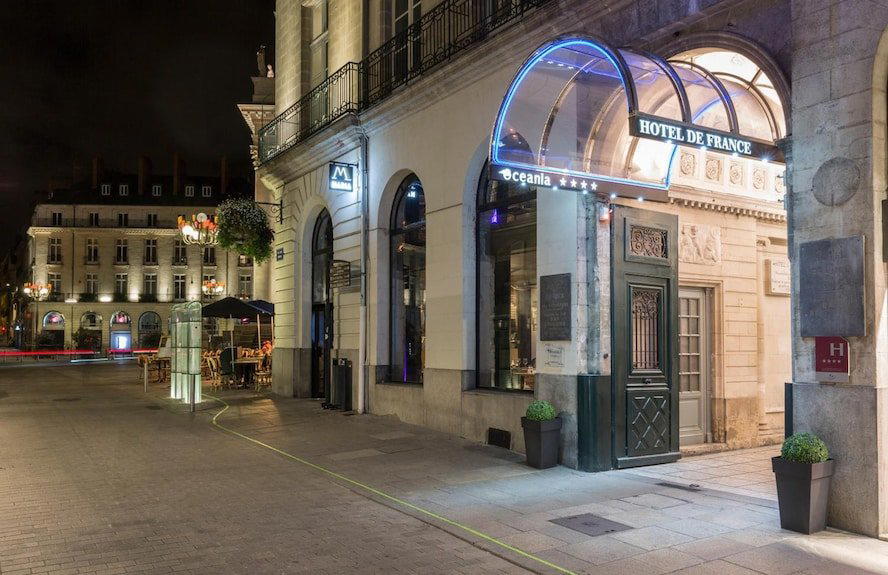

Details
- Elegant
- Cozy
- Intimate
- Brunch
- Casual Hangout
- Terrace
- Historic Building
- Extensive Wine List
- Local Sourcing
- Street Scene
- A La Carte
- Vegetarian Friendly
Current opening hours
- Monday
- 11:15 AM–6:45 PM
- Tuesday
- 11:15 AM–6:45 PM
- Wednesday
- 11:15 AM–6:45 PM
- Thursday
- 11:15 AM–6:45 PM
- Friday
- 11:15 AM–6:45 PM
- Saturday
- 10:30 AM–7 PM
- Sunday
- Closed
Hours can change for holidays and private events. Hours as of .
Warm and refined atmosphere with bright natural light from large windows overlooking the street.