KPOT Korean BBQ & Hot Pot
KPOT on Schoenherr Road brings the dual-format Korean BBQ and hot pot experience to Sterling Heights, where diners control the cook at tableside grills and simmering broths. The format rewards groups willing to engage with the process rather than wait for a plate to arrive. It sits in a segment of the metro Detroit dining scene where interactive dining and shared proteins have carved a reliable following.
Pearl is the En Primeur Club membership app — saves, bookings, and concierge access live there. Same editors, same standards.
- Address
- 44751 Schoenherr Rd, Sterling Heights, MI 48313
- Phone
- +15869917898
- Website
- thekpot.com
- Directions
- Get directions
 Saves & bookings on Pearl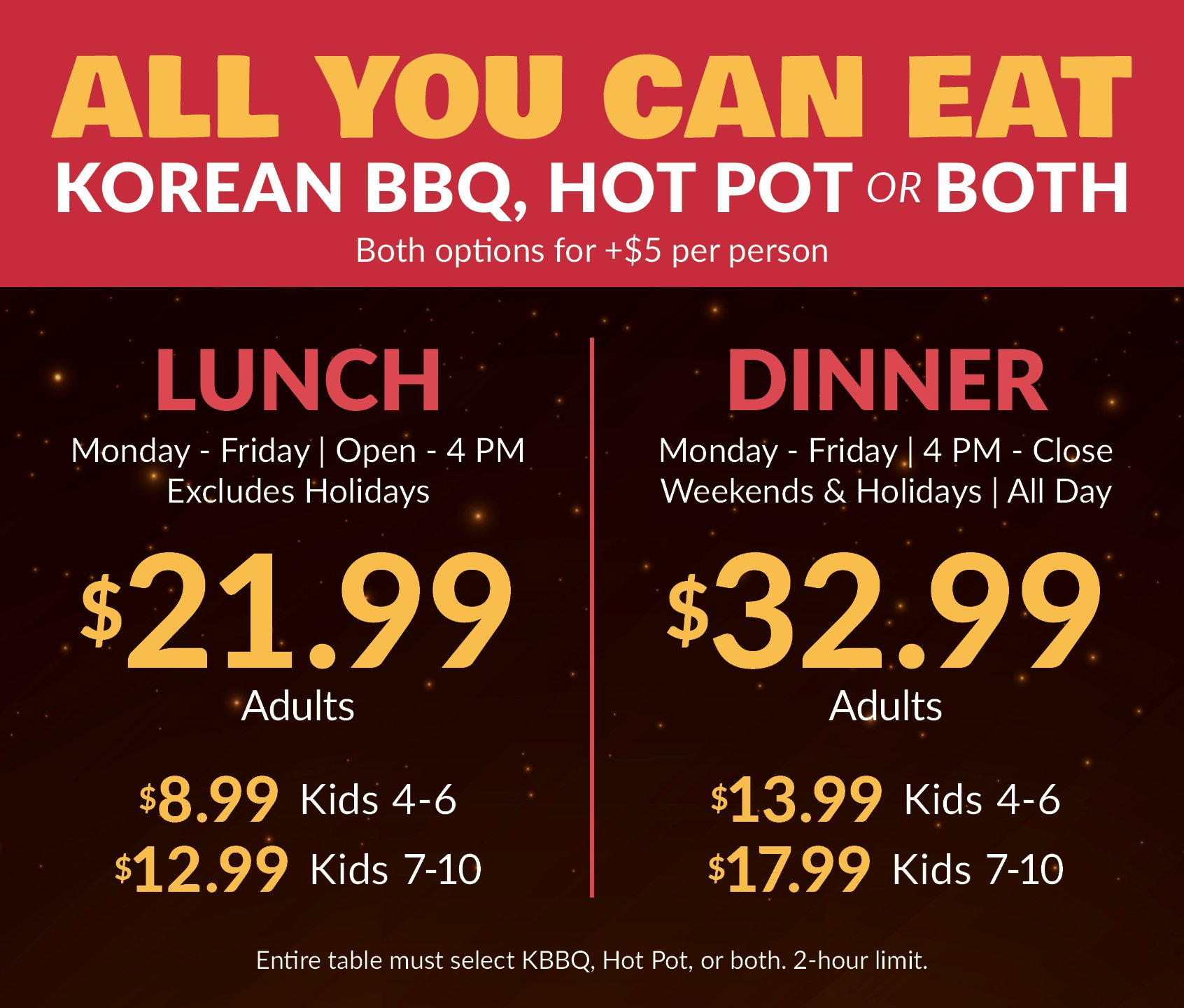
Sterling Heights and the Rise of the Tableside Cook
Interactive dining formats have expanded steadily across suburban Metro Detroit over the past decade, and the Korean BBQ and hot pot hybrid now occupies a distinct tier in that shift. The model asks diners to become participants: raw proteins and produce arrive at the table, heat sources are embedded in the surface, and the meal unfolds according to the group's own pace and preference. KPOT Korean BBQ & Hot Pot at 44751 Schoenherr Road in Sterling Heights sits squarely within this format, which has moved from a niche ethnic dining category into a mainstream suburban draw across the United States.
What makes the dual-format approach worth understanding is that it fuses two distinct Korean dining traditions into a single table. Korean BBQ, rooted in the charcoal grills of Seoul's Mapo and Mapo-gu districts, centers on marinated and unmarinated cuts cooked quickly over high heat. Hot pot, with its regional Chinese and broader East Asian lineage, operates differently: a simmering communal broth into which ingredients are lowered slowly, absorbing flavor over time. Combining both at one table creates a longer, more variable meal than either format alone and demands a broader spread of raw ingredients to justify the setup.
Ingredient Format and the Sourcing Question
The tableside cook model lives or dies on the quality of its raw material. At the higher end of the Korean BBQ category nationally, sourcing signals matter: whether beef cuts are USDA Prime or Choice, whether pork belly is fresh or pre-frozen, whether broths are house-made or concentrate-based. These distinctions don't always appear on menus but show up clearly at the table. For KPOT as a chain format operating across multiple U.S. markets, the sourcing approach follows standardized supply chains typical of multi-location operations rather than the hyper-local or single-farm sourcing that defines a different category of restaurant entirely.
It's instructive to contrast that against what ingredient-focused American fine dining pursues. Places like Blue Hill at Stone Barns in Tarrytown or Single Thread Farm in Healdsburg build their menus around named farms and documented supply chains, where provenance is the editorial point of the plate. The French Laundry in Napa and Providence in Los Angeles operate in a similar register of sourcing intentionality. KPOT occupies a different register entirely: accessible, high-volume tableside dining where the sourcing question is less about provenance and more about consistency across a large protein selection.
That consistency matters for its own reasons. Groups arriving with varied preferences need enough variety across the protein, vegetable, and broth selection to accommodate different appetites at one table, and a well-managed supply chain is what makes that possible without the menu collapsing under its own breadth.
Where KPOT Sits in the Sterling Heights Dining Mix
Sterling Heights has developed a layered dining scene shaped heavily by its Arab American, South Asian, and East Asian communities, making it one of the more culturally diverse suburban dining corridors in the state. Sahara Restaurant & Banquet Center and Saj Alreef Restaurant anchor the Middle Eastern end of Schoenherr's dining corridor, while Shogun represents the Japanese teppanyaki format that KPOT partially echoes in its tableside theater. Red Crab Juicy Seafood operates in a neighboring high-engagement format: seafood boils eaten with hands from plastic bags. The throughline across these options is that Sterling Heights diners respond to participatory, group-format meals rather than plated fine dining service.
KPOT belongs in that participatory tier. Its format self-selects for a specific kind of visit: three or more people, a willingness to cook and coordinate, and enough time at the table to move through multiple rounds of protein. Solo visits or quick business lunches don't fit the format's logic. For a full picture of how this venue fits into the broader Sterling Heights dining options, see our full Sterling Heights restaurants guide.
The Korean BBQ Format in Its National Context
KPOT operates as part of a franchise network that has expanded into suburban and mid-tier urban markets across the United States. That expansion reflects a broader pattern: Korean BBQ, once concentrated in Koreatown corridors in Los Angeles, New York, and Chicago, has moved into mainstream suburban dining as the format's logic became legible to a wider audience. The dual Korean BBQ and hot pot model in particular accelerated during the post-2020 dining recovery, when large-format group dining experienced renewed demand and operators found that interactive formats drove higher per-table dwell time and spend.
The format doesn't compete with the fine dining Korean tier. Atomix in New York City represents Korean cuisine operating at the tasting-menu level, with sourcing and technique precision that bears little resemblance to a tableside grill chain. The distinction matters because it clarifies what KPOT is: a high-engagement, accessible format that makes a specific type of communal dining widely available, not a premium Korean dining destination in the Atomix or fine-dining sense.
For context on what fine dining looks like at the national level, Le Bernardin in New York City, Alinea in Chicago, Addison in San Diego, Bacchanalia in Atlanta, Lazy Bear in San Francisco, Emeril's in New Orleans, The Inn at Little Washington, and 8 1/2 Otto e Mezzo Bombana in Hong Kong all operate in categories that KPOT doesn't attempt to inhabit.
Planning Your Visit
KPOT at 44751 Schoenherr Road in Sterling Heights serves a suburban corridor that draws heavily from the surrounding residential communities. The format works well for groups of three to six, where the cooking load and protein variety can be distributed across the table without waste. For specific hours, current pricing, and booking options, confirming directly with the location before visiting is advised, as chain locations frequently update their operational details. The Schoenherr Road corridor has adequate parking typical of suburban strip and plaza formats, making access direct for groups arriving by car, which is the practical norm in this part of Macomb County.
Continue exploring
More in Sterling Heights
Restaurants in Sterling Heights
Browse all →
Bars in Sterling Heights
Browse all →


At a Glance
- Lively
- Trendy
- Energetic
- Group Dining
- Family
- Casual Hangout
- Open Kitchen
- Beer Program
Current opening hours
- Monday
- 12–10:30 PM
- Tuesday
- 12–10:30 PM
- Wednesday
- 12–10:30 PM
- Thursday
- 12–10:30 PM
- Friday
- 12–11:30 PM
- Saturday
- 12–11:30 PM
- Sunday
- 12–10:30 PM
Hours can change for holidays and private events. Last verified .
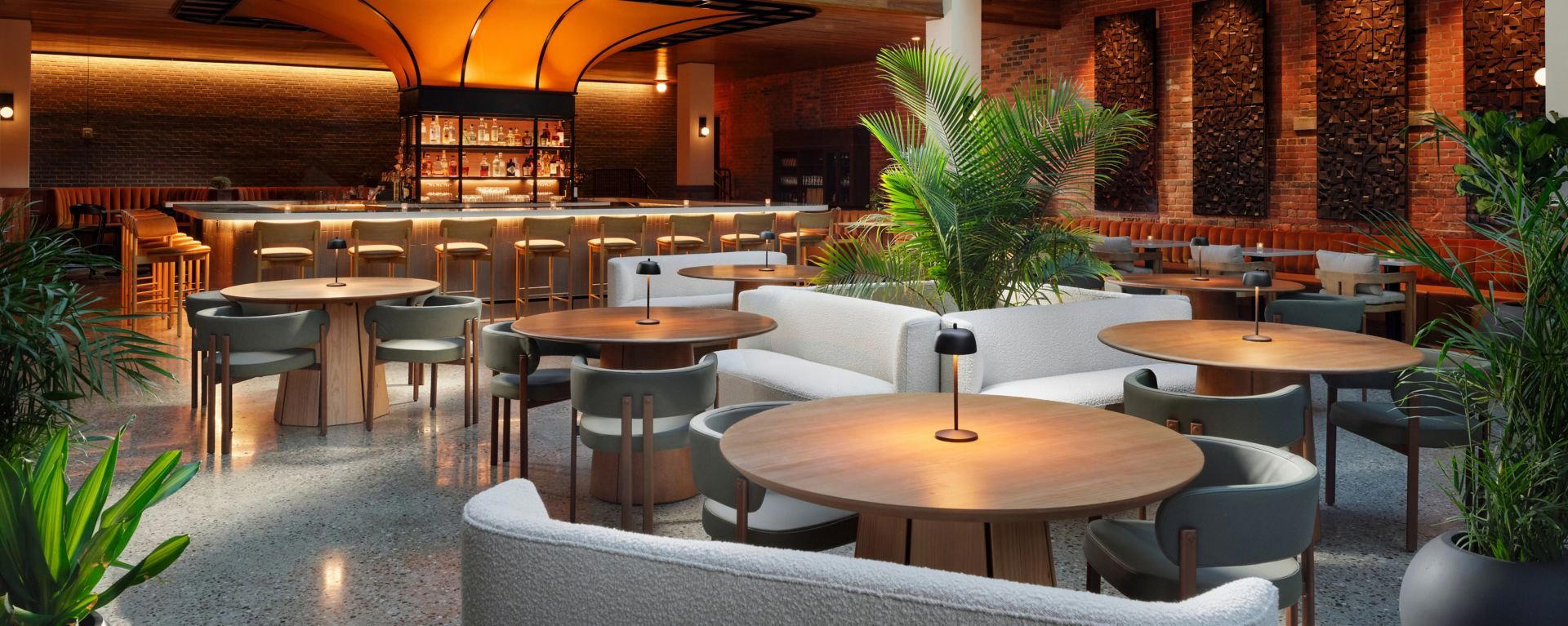
Neon lights and busy kitchen sounds create a lively, energetic atmosphere.
Know Before You Go
- Getting there
- 44751 Schoenherr Rd, Sterling Heights, MI 48313