Shizen



Michelin Plate
Our verdict
A Michelin Plate holder in both 2024 and 2025, It occupies a niche between neighbourhood accessibility and genuine technical ambition, rare ground in any major American city.

Pearl is the En Primeur Club membership app, where members save venues, book tables and use the concierge.

The menu
What to order
- Body and Soul
- Prime Suspect
- Hidden Agenda
- Candlestick
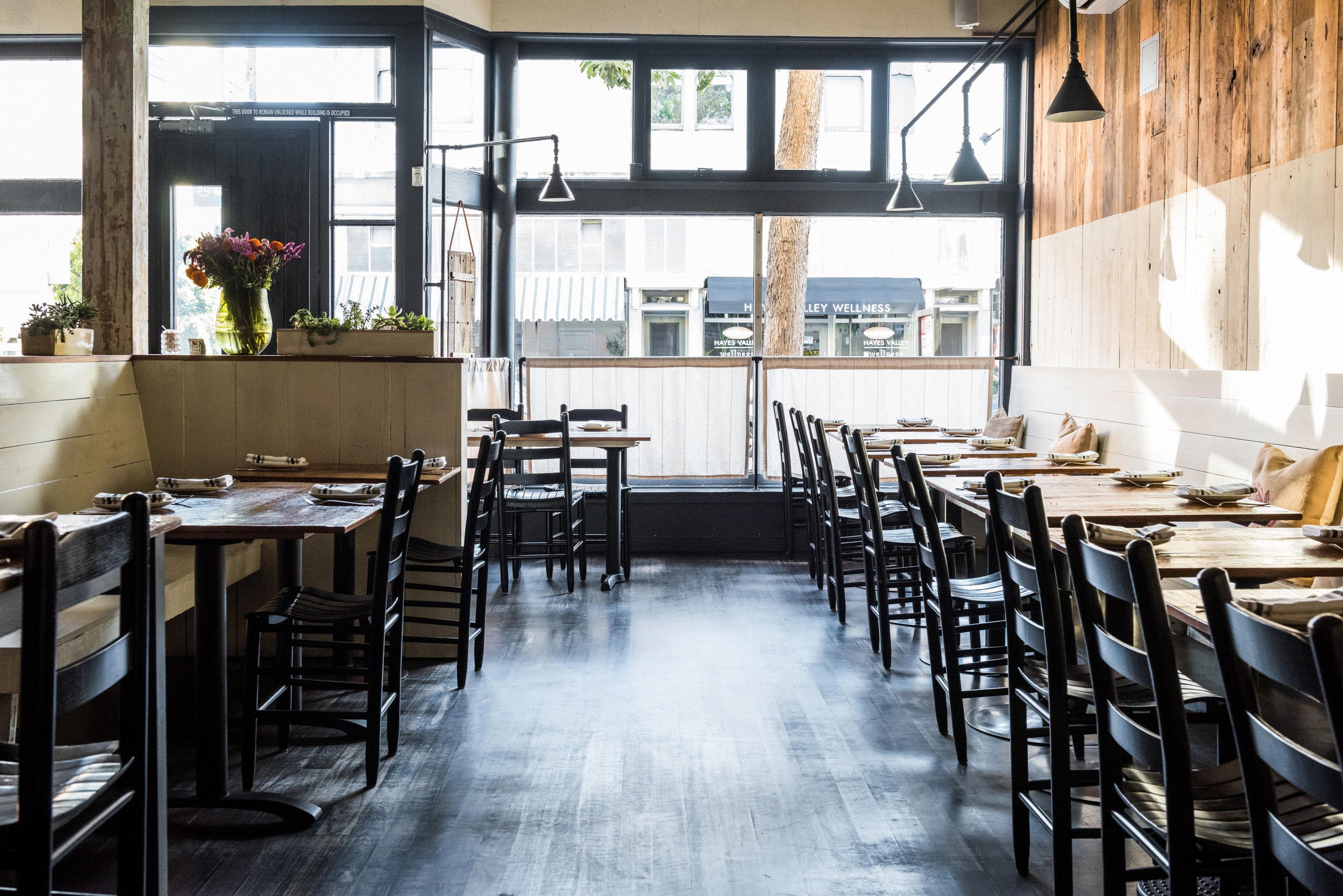
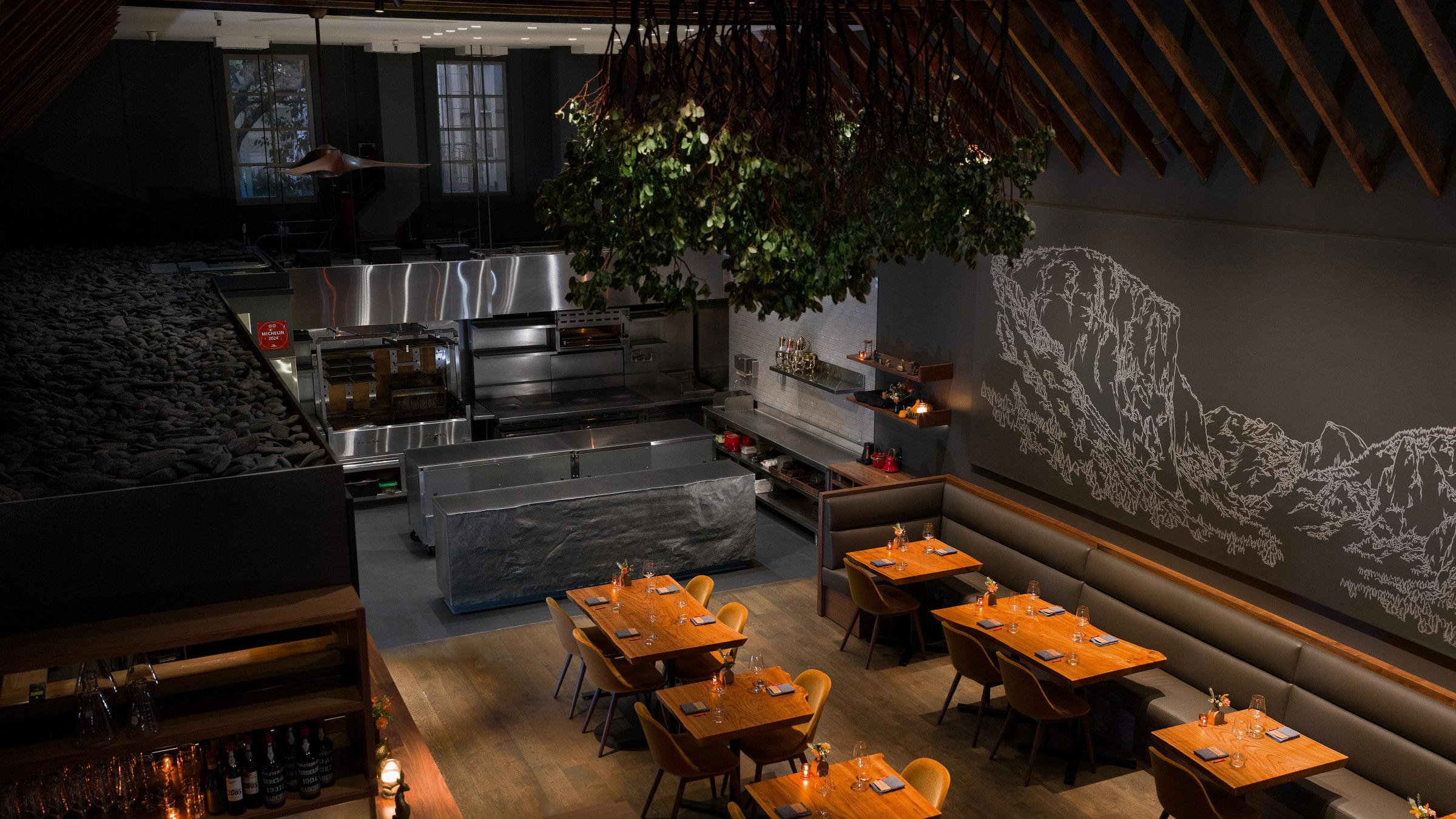
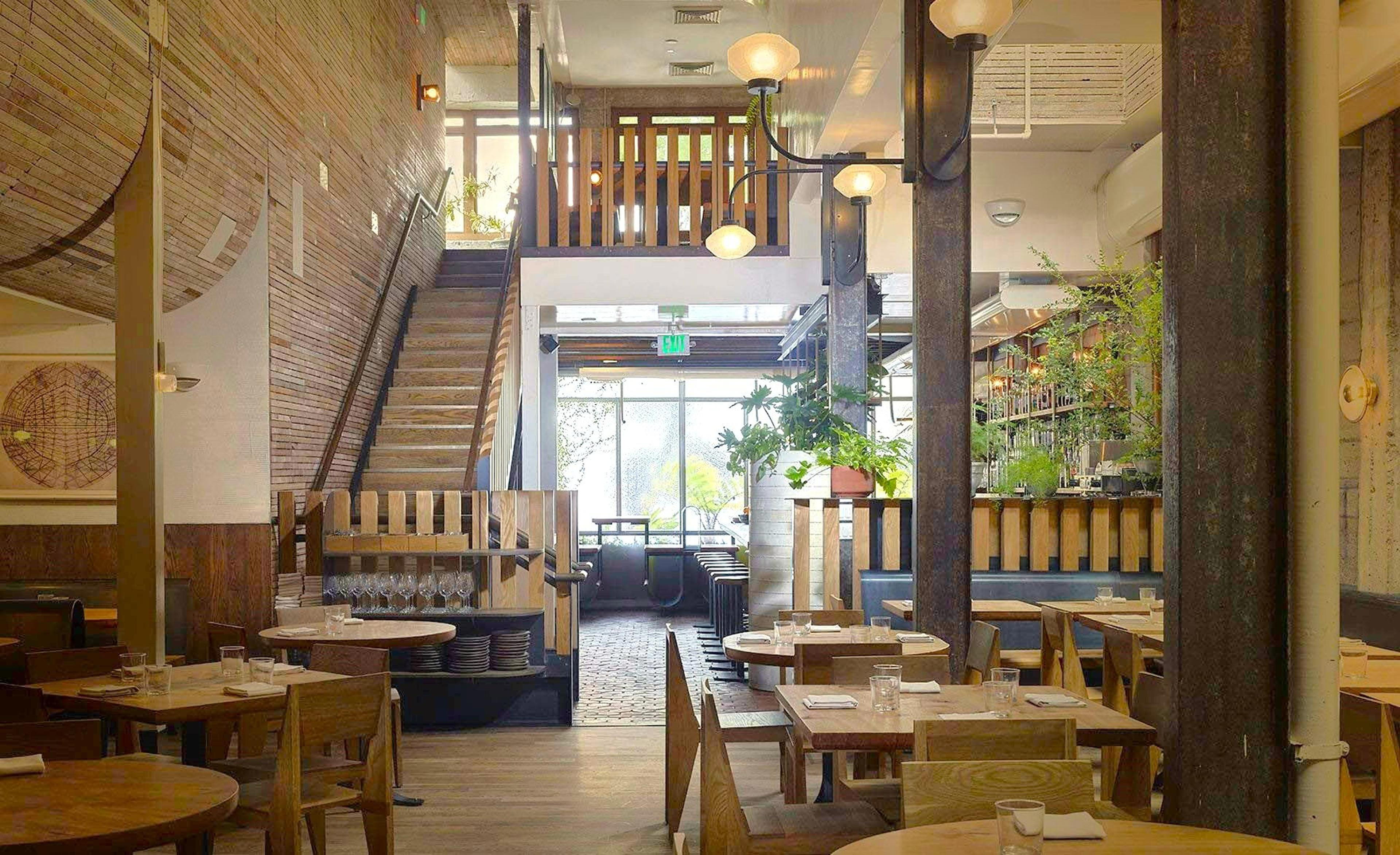
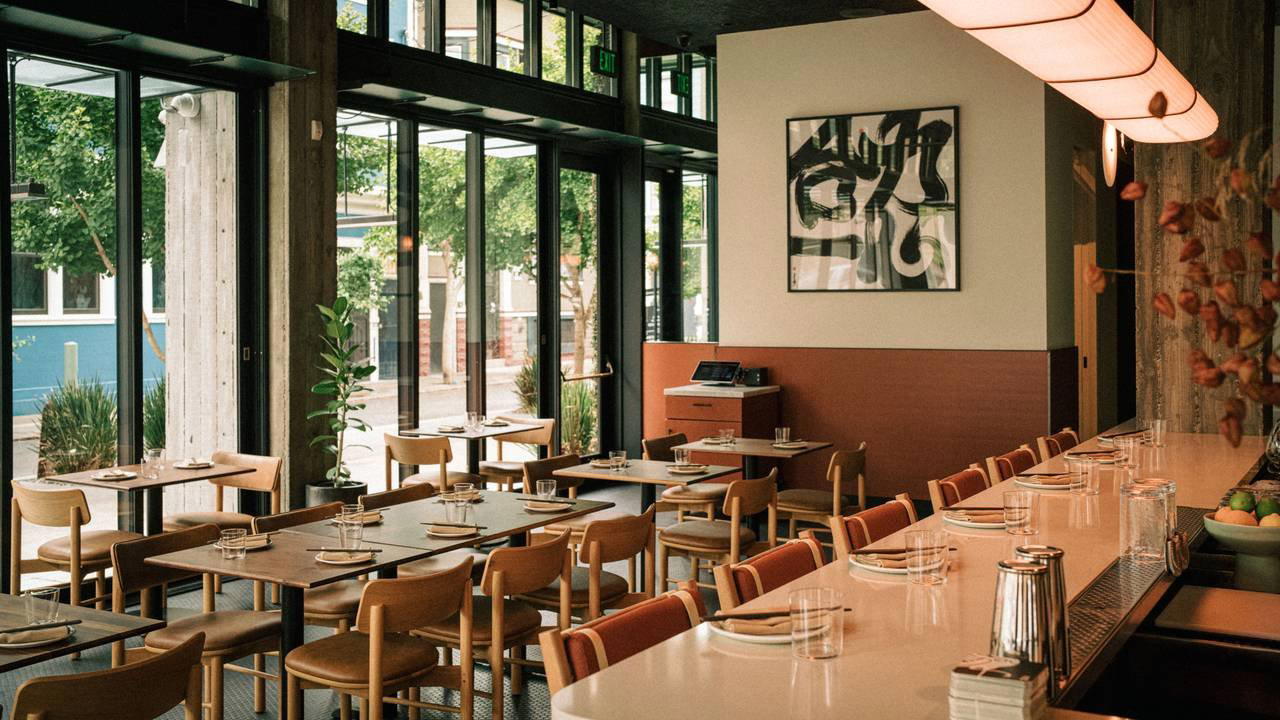
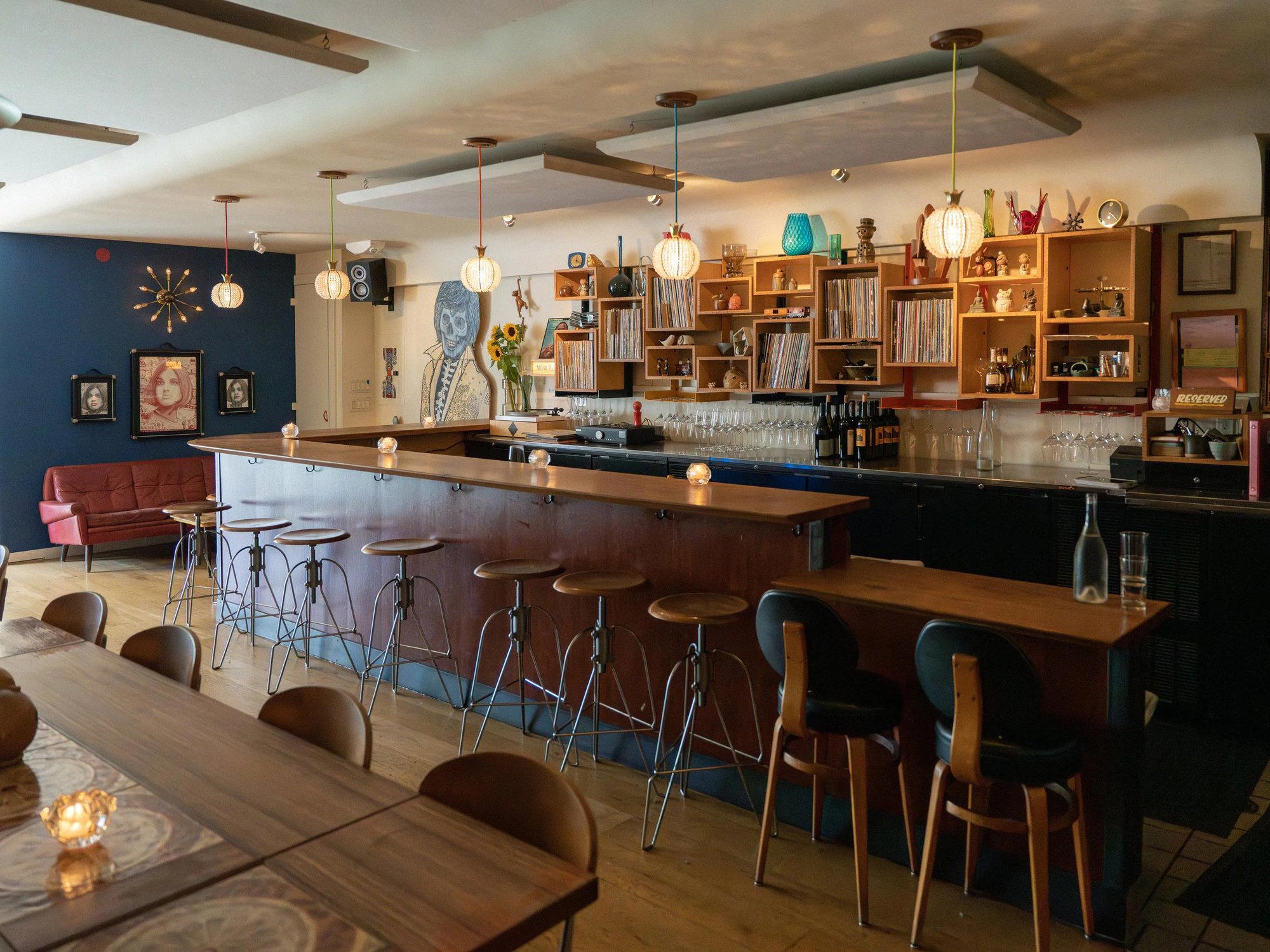
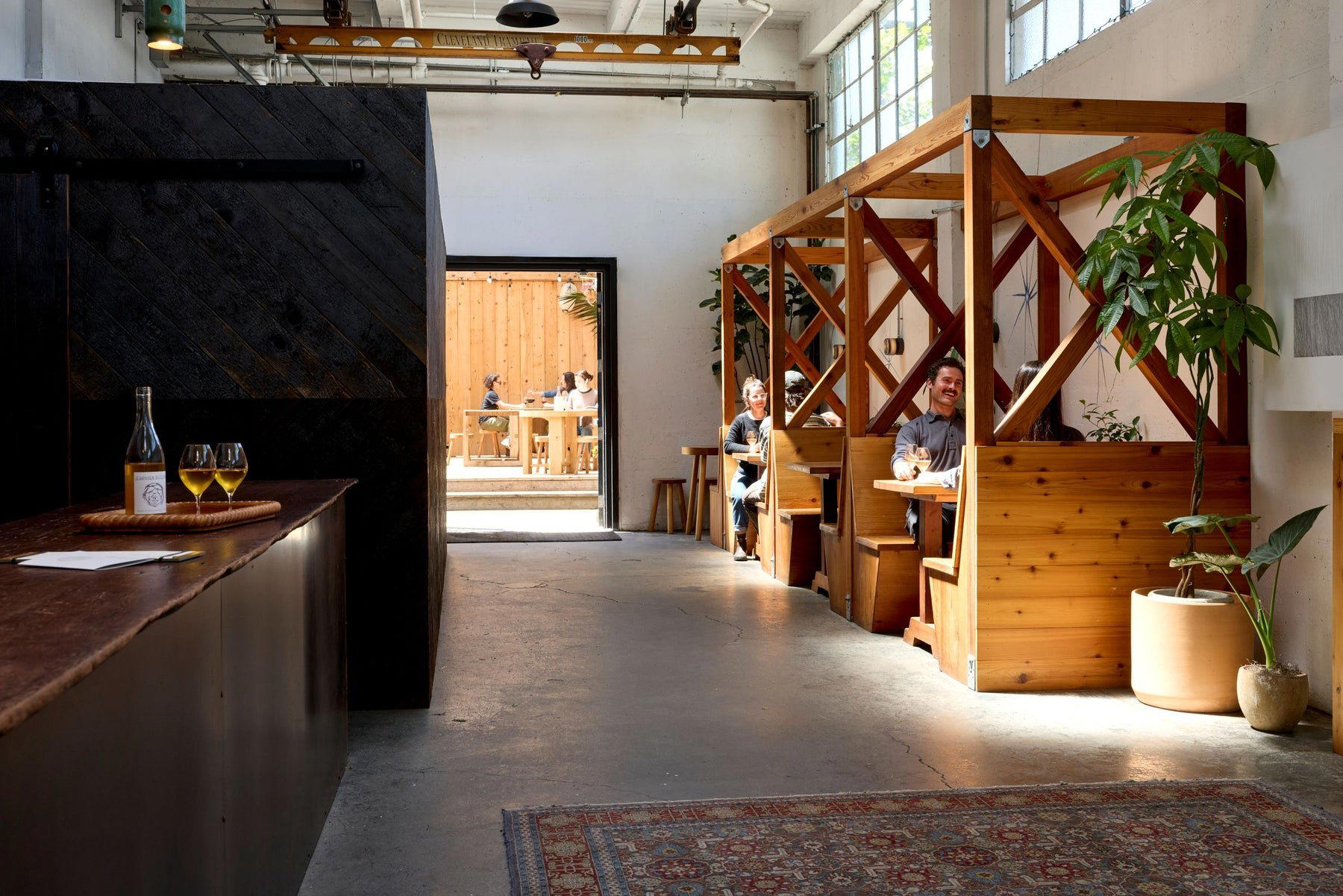
The block of 14th Street where Shizen sits is not a restaurant row. The Mission District's dining density concentrates further south and east, which makes the walk to 370 14th feel deliberate, you are going somewhere specific, not stumbling across it. Inside, the room reads more urban izakaya than plant-based health café: dark timber, close tables, a counter presence that signals kitchen transparency. For a vegan restaurant operating at this price point, the design choice matters. It tells you that the food is not meant to be virtuous. It is meant to be eaten.
Shojin, Kaiseki, and the Long History of Meatless Japanese Cooking
Understanding what Shizen does requires some context about where Japanese plant-based cooking actually comes from. Shojin ryori, the Buddhist temple cuisine that originated in the Zen monasteries of 13th-century Japan, predates by several centuries the Western framing of vegetarianism as a health or ethical position. It is a rigorous, technique-heavy discipline that uses the same seasonal logic as kaiseki, honoring the ingredient at its peak, building umami through fermentation and dashi rather than animal fat, but strips out fish, meat, and in its strictest form, root vegetables that disturb the soil. The results are not austere. They are concentrated.
That tradition sits alongside other global cuisines with deep herbivorous roots: the thali structures of South Indian vegetarian cooking, Ethiopian fasting-day cuisine built around injera and legume-heavy wots, Lebanese meze that makes olive oil and preserved lemon do the work of protein. What connects these traditions is that none of them treats the absence of meat as a limitation. They developed their own complexity on entirely different terms. Shizen operates inside that logic, applying Japanese technique to California's ingredient supply in a format that owes more to those centuries of shojin discipline than to the contemporary vegan restaurant movement.
Chef Yu Kunisue anchors the kitchen in that lineage. The credential matters here less as biography and more as category signal: this is Japanese-trained technique applied to plant material, not ingredient substitution dressed up as Asian food. Lazy Bear, Atelier Crenn, Benu, and Quince represent a commitment of $200–$350 per person before wine, in formats that require two to three hours and advance reservations measured in weeks or months. Shizen at $$ sits at a remove from that circuit in spend but not necessarily in ambition. The Michelin Plate recognition in 2024 and 2025 places it in the guide's considered tier, below star level but above the noise of the general listings, in a category that Michelin reserves for kitchens producing food worth a specific trip.
Among dedicated plant-based restaurants in the city, KLE in Zurich and Légume in Seoul represent the European and East Asian equivalents of the same shift: serious technique applied to no-meat formats, at price points that do not require the tasting-menu commitment. The pattern reflects a broader restructuring of how ambitious restaurants position plant-based cooking, not as a dietary accommodation but as a primary culinary language.
The Opinionated About Dining Signal
The 2025 Opinionated About Dining ranking places Shizen at #387 in its Leading Restaurants in Japan list, an anomaly that reflects OAD's methodology of tracking chef lineage and training origin rather than purely geographic location. OAD's rankings are crowd-sourced from serious eaters and weighted toward culinary insiders, making the placement a peer signal as much as a critical one. It positions Shizen in a reference set that includes Japanese-tradition restaurants operating globally, rather than bracketing it solely against its Mission District neighbours.
Planning Your Visit
Shizen vs. Nearby Alternatives
| Venue | Cuisine / Format | Price | Michelin Status (2025) | Advance Booking |
|---|---|---|---|---|
| Shizen | Vegan / Japanese-technique | $$ | Plate | Moderate |
| Lazy Bear | Progressive American / Tasting Menu | $$$$ | Two Stars | Weeks ahead |
| Atelier Crenn | Modern French / Tasting Menu | $$$$ | Three Stars | Months ahead |
| Benu | French-Chinese / Tasting Menu | $$$$ | Three Stars | Months ahead |
Shizen is located at 370 14th Street in the Mission District. Parking in the area is street-level and competitive on weekends; BART's 16th Street Mission station reduces the friction considerably.
For broader planning across the city, see The French Laundry in Napa and Single Thread Farm in Healdsburg represent the Sonoma and Napa county alternatives for tasting-format dining. For comparable ambition in other U.S. cities, Le Bernardin in New York, Alinea in Chicago, Emeril's in New Orleans, and Providence in Los Angeles each anchor their city's serious dining tier in different ways.
Frequently asked questions
Can I bring kids to Shizen?
Shizen's format skews toward a deliberate, course-driven dining experience rooted in Japanese shojin tradition, which tends to suit adults or older children comfortable with a slower pace. The $$ price range makes it more accessible than San Francisco's $$$$ tasting menu tier, so the financial barrier is lower. There is no stated age policy in the venue's published information.
What's the vibe at Shizen?
Shizen sits at 370 14th St in San Francisco's Mission District, well outside the white-tablecloth corridors of Hayes Valley or SoMa's fine dining corridor. The $$ price point and plant-based focus suggest a room that reads as composed and intentional rather than formal. Its Michelin Plate recognition in both 2024 and 2025 places it in serious culinary company without the stiffness of a starred room.
What kind of recognition has Shizen received?
Shizen has received recognition including: Opinionated About Dining Top Restaurants in Japan Ranked #387 (2025); Michelin Plate (2025); Michelin Plate (2024).
What do regulars order at Shizen?
Shizen's menu is rooted in Japanese plant-based cooking drawing from shojin ryori and kaiseki traditions, so the kitchen's strength lies in composed vegetable preparations rather than any single marquee dish. The OAD #387 ranking in its 2025 Top Restaurants list reflects consistent execution across the menu rather than a single signature item.
Reputation First
A compact comparison to help you place this venue among nearby peers.
| Venue | Cuisine | Price | Awards | Notes |
|---|---|---|---|---|
| ShizenThis venue (the venue you are viewing) | Modern Vegan Sushi | $50–100 | Michelin Plate | Not listed |
| Lazy Bear | Modern American Tasting Menu | Not listed | 2 Michelin Stars · World's 50 Best #25 | Progressive American, Contemporary |
| Benu | Modern Asian Fusion Fine Dining | $150–200 | 3 Michelin Stars · World's 50 Best #33 | French - Chinese, Asian |
| Atelier Crenn | Contemporary French Fine Dining | $300–500 | 3 Michelin Stars · World's 50 Best #44 | Modern French, Contemporary |
| Quince | Modern French Fine Dining | $300–500 | 3 Michelin Stars · World's 50 Best #48 | Italian, Contemporary |
| Saison | Modern French-Italian | Not listed | Michelin Plate | Progressive American, Californian |
Recognition history
Dated appearances from independent guides and award organizations, with the underlying list record or original source where available.
Michelin Plate
Michelin · 2026 Michelin Plate
San Francisco Chronicle Top 100 Bay Area Restaurants #99
San Francisco Chronicle
Opinionated About Dining Top Restaurants in Japan Ranked #387
Opinionated About Dining
Full recognition history (5 entries)
Michelin Plate
Michelin
Michelin Plate
Michelin