Bayts

Bayts brings a plant-focused set menu format to Lucerne's dining scene, with a seven-course progression built entirely around vegetables, legumes, and plant-based ingredients. Dishes such as 'cauliflower, chilli, lime' demonstrate the kitchen's preference for precise, minimal compositions over ornate plating. The minimalist room, relaxed service, and flexible four-course option on weeknights make it one of the more accessible serious tables in the city.
Pearl is the En Primeur Club membership app — saves, bookings, and concierge access live there. Same editors, same standards.
- Address
- Bireggstrasse 24
- Phone
- +41 41 544 95 27
- Website
- bayts.ch
- Directions
- Get directions
 Saves & bookings on Pearl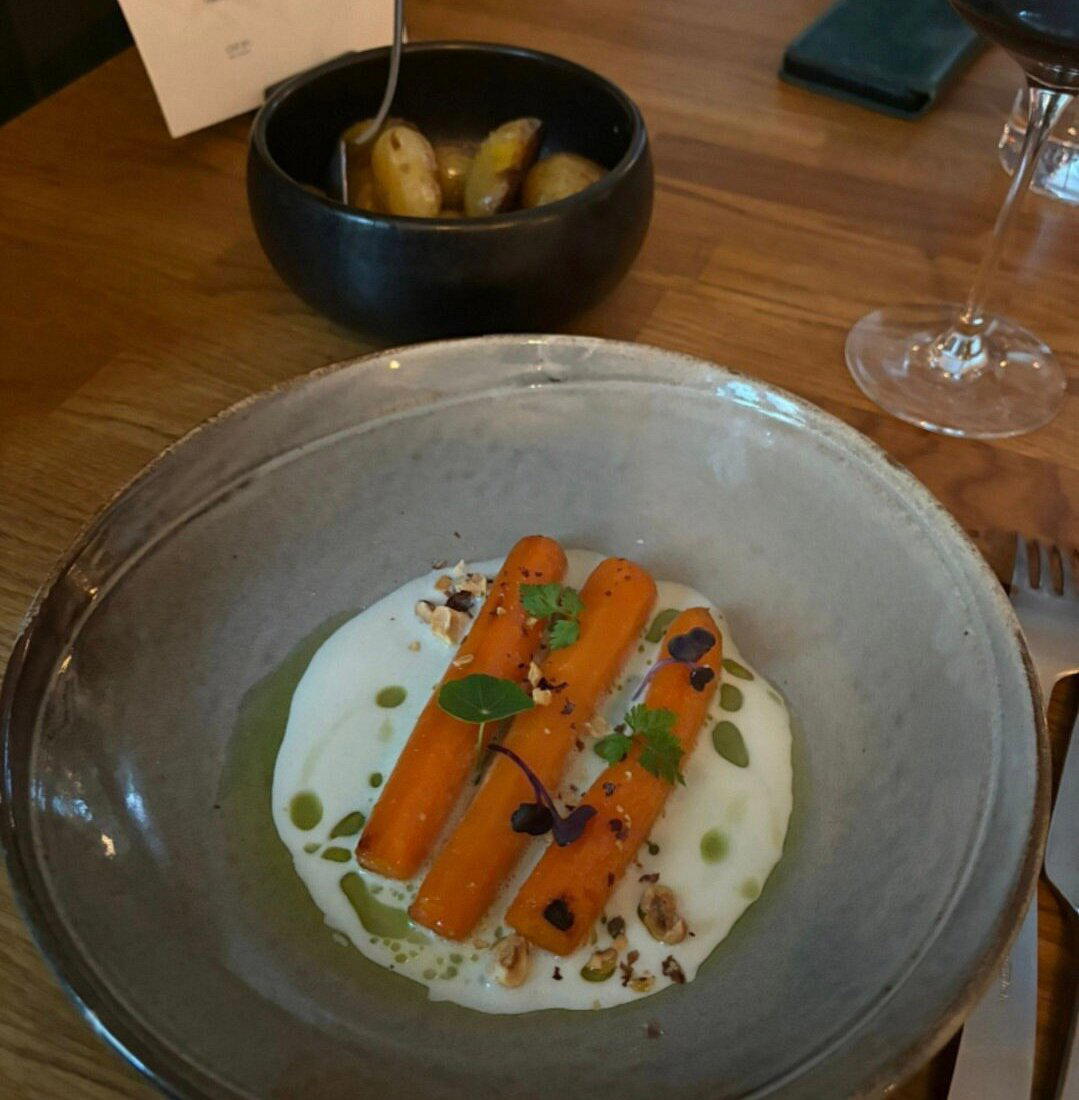
Where Plant-Centred Cooking Meets Considered Restraint
Switzerland's fine dining conversation is dominated by classical French technique and alpine ingredient traditions. At the multi-starred end, venues like Hotel de Ville Crissier in Crissier and Schloss Schauenstein in Fürstenau define the country's international reputation for cooking that draws on provenance and seasons. Against that backdrop, a small, format-driven restaurant in Lucerne built around plant ingredients alone represents a deliberate departure — not a trend-chasing one, but a structural commitment to ingredients that most serious kitchens still treat as supporting cast.
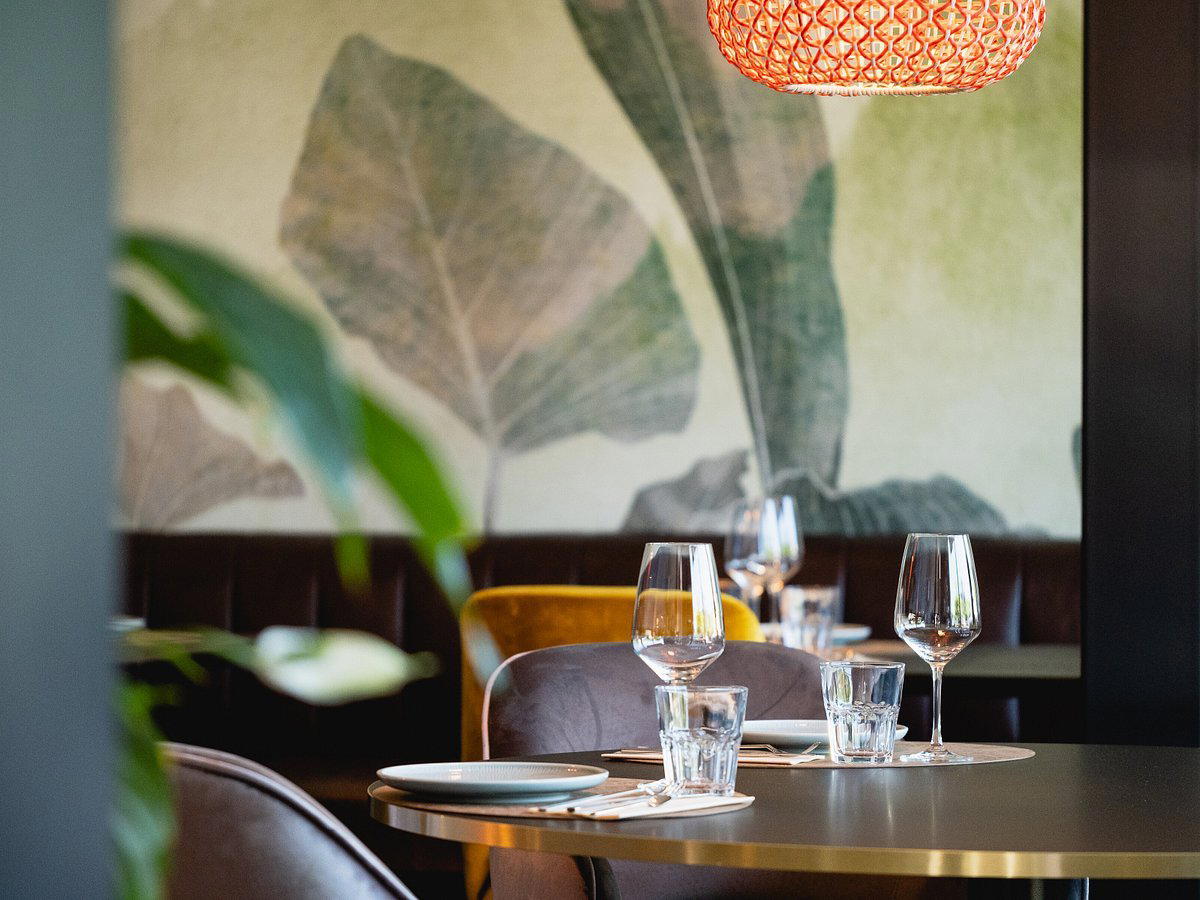
Bayts sits on Bireggstrasse 24 in Lucerne, away from the tourist density of the old town waterfront. The room carries a minimalist, upscale aesthetic without the stiffness that minimalism can produce when executed without warmth. The atmosphere reads as relaxed and the service as attentive without being formal, which places it in a different register from the city's more ceremonially inclined tables such as Colonnade or CAAA by Pietro Catalano. The name itself is pronounced like the English word "bites" — an intentional signal that the kitchen takes the food seriously without requiring the dining room to match it in gravity.
The Logic of a Plant-Only Ingredient Framework
Plant-centred tasting menus have proliferated across European cities over the past decade, but the format varies considerably in ambition. At one end, there are restaurants where vegetables replace protein without redesigning the compositional logic of the dish. At the other, kitchens rebuild the menu from the ingredient outward, treating plant material as the primary source of texture, fat, acidity, and depth rather than as a substitute for something else. Bayts belongs to the second category.
The kitchen's approach to naming is instructive. Dishes listed as "lettuce, macadamia, chives" or "cauliflower, chilli, lime" use a three-element format that maps exactly what is on the plate and signals how the kitchen thinks about balance. Each element carries a distinct role: the primary vegetable provides the structural base, the secondary ingredient brings fat or contrast, and the third introduces acid or heat. This is the grammar of a kitchen that has thought about plant ingredients as a complete system rather than an ethical constraint. Compared to the classical French register at Des Balances, the cooking at Bayts operates with a fundamentally different hierarchy of flavour, one where nothing is subordinate by default.
Switzerland's geography gives any serious kitchen meaningful access to alpine and pre-alpine produce. The country's short summer and hard winter seasons compress the window for certain ingredients and extend the relevance of preservation, fermentation, and careful selection. A plant-focused menu in this context is not working against the local ingredient calendar but with a version of it that most restaurants here choose not to foreground. The ambition at Bayts, as the restaurant's own description notes, sits in the pairing of direct composition with technically demanding execution, a combination that requires sourcing of sufficient quality to hold up without the cushion of animal protein or classical sauce work.
Format and Flexibility
The core offer is a seven-course set menu, structured to move through smaller appetiser-format bites and larger composed dishes. On Tuesdays through Thursdays, a condensed four-course version is available, which lowers both the time commitment and the price of entry for diners who want to engage with the kitchen's approach without the full progression. This format split is a practical accommodation, common at set-menu-only restaurants in mid-sized European cities where the full tasting menu format draws a narrower audience on weeknights.
For context within Lucerne's current scene, most of the city's serious set-menu restaurants operate at the €€€€ price tier. Lucide and Maihöfli by UniQuisine both occupy different creative registers at similar or adjacent price points. Bayts positions itself as a younger, more informal version of the serious tasting menu format, the restaurant is described as a refreshing and young concept, which in practice means the aesthetic and service approach is calibrated toward accessibility without abandoning kitchen ambition.
Lucerne's Evolving Serious Dining Scene
Lucerne is not a restaurant city in the way that Zurich or Geneva are. Its dining infrastructure reflects a population that skews toward tourism and a high concentration of hotel restaurants, which shapes what kinds of independent concepts can sustain themselves here. The appearance of a focused, plant-centred tasting menu restaurant at this address is a data point about how Lucerne's independent scene is beginning to diversify beyond the classical and hotel-adjacent formats that have defined it.
The broader Swiss fine dining spectrum runs from the deeply classical, places like Cheval Blanc by Peter Knogl in Basel and Memories in Bad Ragaz, to resort-integrated formats such as 7132 Silver in Vals and Da Vittorio - St. Moritz. Bayts fits none of those categories. It reads instead as part of a younger generation of European tasting menu concepts that have more in common with the format discipline of, say, a serious contemporary counter in New York or New Orleans, think the ingredient focus that drives kitchen philosophy at venues like Le Bernardin in New York City or Emeril's in New Orleans, than with the alpine grandeur that defines Switzerland's prestige restaurant tier.
Planning Your Visit
Bayts is located at Bireggstrasse 24, Lucerne, at a slight remove from the main tourist circuit around the Chapel Bridge and waterfront. Diners travelling specifically for the restaurant should account for the weekday four-course option as a more accessible entry point, with the full seven-course menu the natural choice for a dedicated evening. Given the format and the kitchen's described ambition, this is a table that rewards going without distraction rather than combining with a dense sightseeing schedule. No phone or website details are currently listed in public records; checking the restaurant directly on arrival or via Lucerne-based reservation platforms is a reliable booking route. For a broader picture of what the city offers across price points and formats, the full Lucerne restaurants guide maps the scene in detail, and the Lucerne hotels guide, bars guide, wineries guide, and experiences guide cover the rest of the city's premium offering.
How Bayts Lucerne compares with similar nearby venues.
| Venue | Cuisine | Price | Awards |
|---|---|---|---|
| Bayts | Not listed | Not listed | 2026 MICHELIN Plate - Bayts |
| Thai Garden | Thai | €€ | Not listed |
| Drei Könige | Farm to table | €€ | Not listed |
| Sauvage | International | €€€ | Not listed |
Recognition history
Dated appearances from independent guides and award organizations, with the underlying list record or original source where available.
Michelin Plate
Michelin · 2026 Michelin Plate
Continue exploring
More in Lucerne
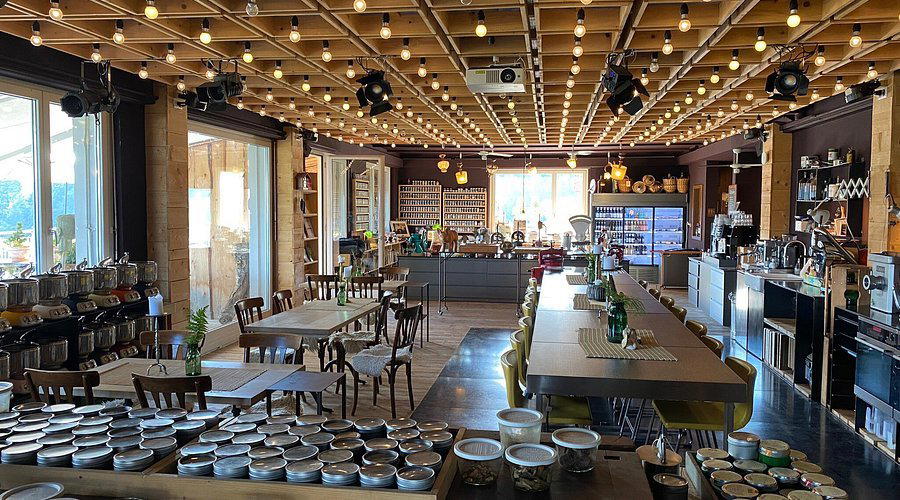
Restaurants in Lucerne
Browse all →
Bars in Lucerne
Browse all →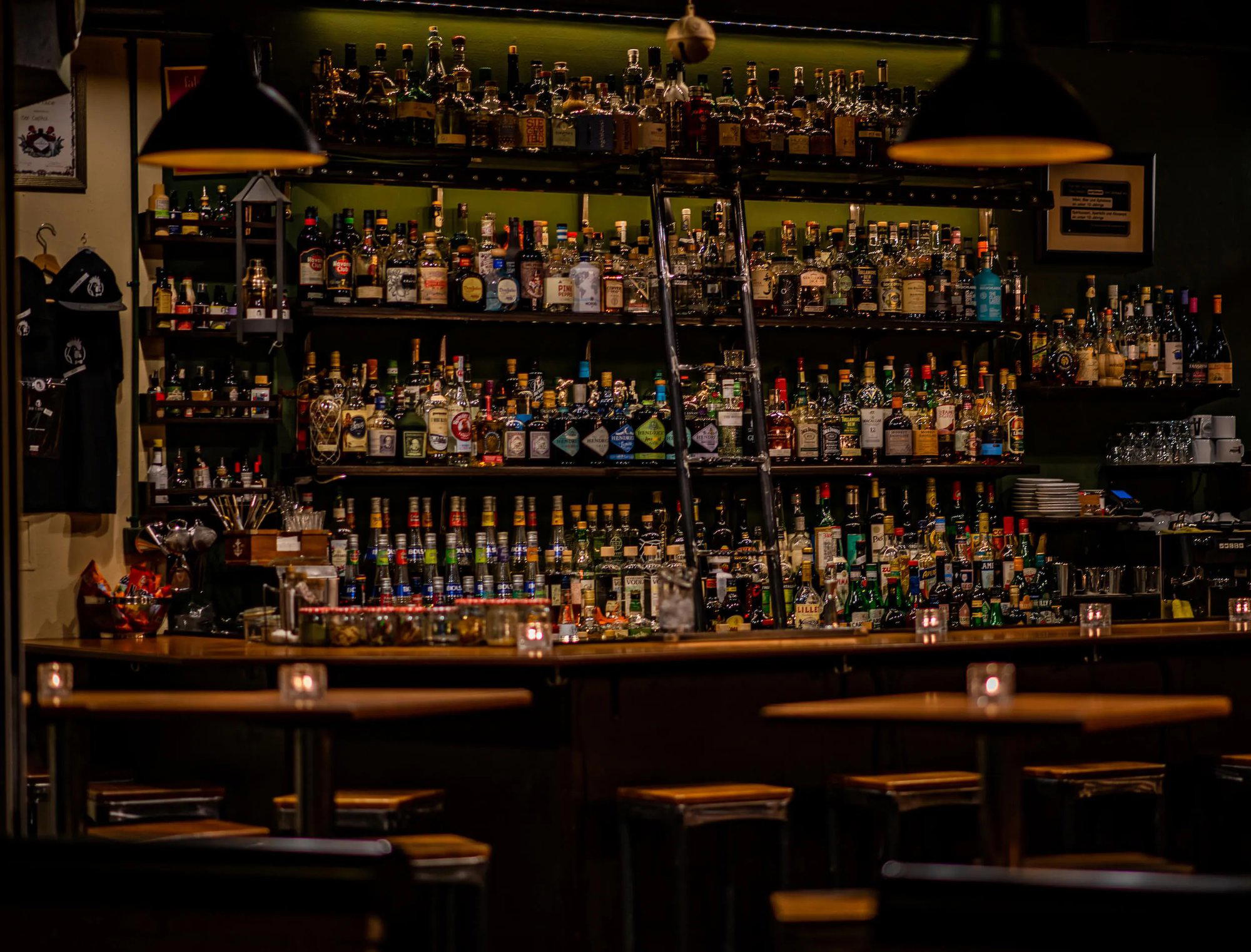
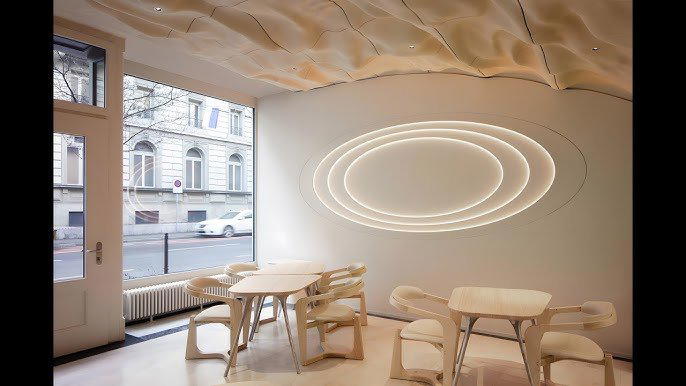
Hotels in Lucerne
Browse all →

At a Glance
- Trendy
- Modern
- Elegant
- Minimalist
- Celebration
- Special Occasion
- Date Night
- Design Destination
- Standalone
- Natural Wine
- Extensive Wine List
- Zero Proof
- Local Sourcing
- Organic
- Natural Wine
Current opening hours
- Monday
- Closed
- Tuesday
- 6–11 PM
- Wednesday
- 6–11 PM
- Thursday
- 6–11 PM
- Friday
- 6–11 PM
- Saturday
- 6–11 PM
- Sunday
- Closed
Hours can change for holidays and private events. Last verified .
Upscale, trendy, minimalist aesthetic with pleasant and relaxed atmosphere; stylishly decorated with plants and modern furnishings; not overly loud.