Sessions
Sessions at 52 Grosvenor Gardens sits in London's growing food hall tier, bringing multiple vendors under one roof in a Belgravia-adjacent address that places it between the neighbourhood's fine-dining tradition and a more accessible, pluralist eating format. The format suits parties with competing appetites and works across lunch and casual evening visits without the commitment of a tasting menu or à la carte booking.
Pearl is the En Primeur Club membership app — saves, bookings, and concierge access live there. Same editors, same standards.
- Address
- 52 Grosvenor Gardens, London SW1W 0AU, United Kingdom
- Website
- sessions.co.uk
- Directions
- Get directions
 Saves & bookings on Pearl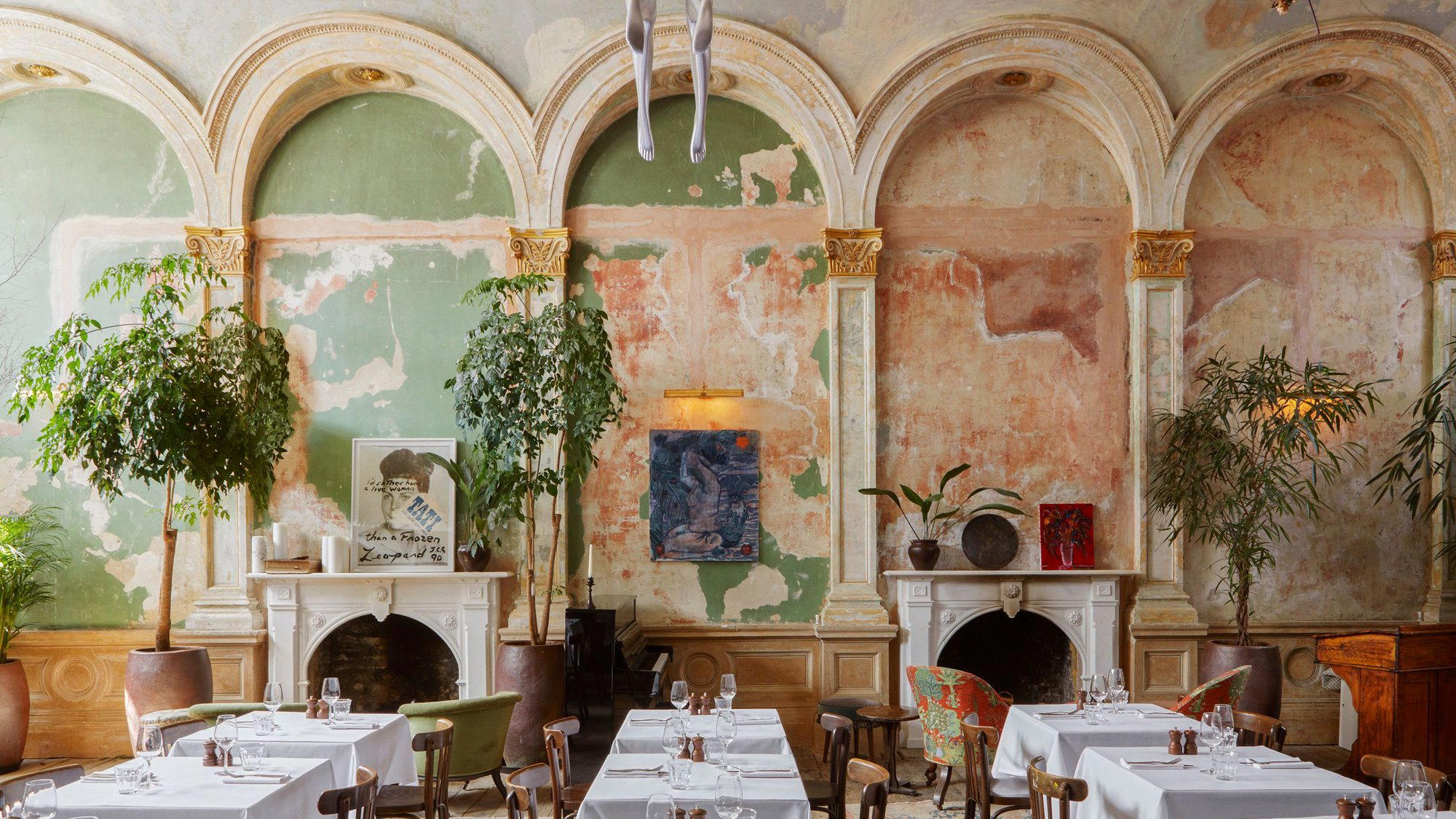
A Belgravia Address in a Food Hall Format
Grosvenor Gardens occupies an odd seam in London's eating geography. The address sits close enough to Belgravia's Georgian squares to carry some of that neighbourhood's weight, yet the food hall format at Sessions pulls in a different direction entirely. Sessions operates as a multi-vendor space where the format itself is the proposition. That distinction matters in a city where the food hall model has expanded from market-style weekend affairs into permanent, city-centre operations with serious kitchens behind them.
London's food hall tier has matured considerably over the past decade. What began as a vehicle for street-food operators to find permanent footing has evolved into a format that now competes directly with mid-market restaurants for the weekday lunch crowd and weekend gatherings where a single cuisine choice would create friction. The SW1W postcode gives Sessions a footfall profile that skews toward office workers from the Victoria corridor and visitors staying in the surrounding hotels, a different demographic than the destination-dining audiences driving covers at The Ledbury or Sketch's Lecture Room and Library.
The Logic of the Multi-Vendor Model in London Right Now
Food halls occupy a structural position in London's eating economy that single-format restaurants cannot easily replicate. They compress decision-making for groups, absorb dietary range without requiring a kitchen to be all things at once, and allow operators to run smaller, more focused menus than a full-service restaurant demands. That focus, when it functions well, is where imported culinary technique meets British ingredient supply in interesting ways.
The intersection of global method and local product is where London's food hall operators have made their strongest arguments. The leading examples in the city, from Mercato Metropolitano to Kerb's permanent sites, have moved away from a purely international street-food framing toward a model where vendors use British seasonal produce as raw material for techniques drawn from across Europe, East Asia, and the Americas. That approach mirrors what happens at the fine-dining end of the market, where kitchens like Dinner by Heston Blumenthal treat British culinary history as a source of technique rather than nostalgia, just at a different price point and scale.
Sessions at Grosvenor Gardens enters that broader shift at an accessible tier. The multi-vendor format means the ingredient-to-technique story varies by stall rather than being authored by a single kitchen, which is both the format's limitation and its flexibility. Diners can move between preparations and cuisines in a single sitting in a way that no single-concept restaurant allows, and the seasonal rhythm of the market supply chain tends to move through vendor menus faster than it moves through a restaurant's quarterly reprint cycle.
Practical Considerations for a Visit
Reaching Sessions from Victoria station takes under ten minutes on foot, following Buckingham Palace Road south toward Grosvenor Gardens. The location also sits within walking distance of Sloane Square for those approaching from Chelsea, making it a practical stopping point that connects two distinct London neighbourhoods. the EP Club's full London restaurants guide maps the city's eating options across all tiers and formats, while the London hotels guide covers accommodation options in the surrounding area. The bars guide, wineries guide, and experiences guide complete the picture for a multi-day visit to the city.
The food hall format also places Sessions in a different booking logic than tabled restaurants.
How Sessions Sits Within a Wider Eating Circuit
For travellers building a pluralist eating week in London, the food hall tier serves a specific function: it handles the meals where agenda-setting is less important than flexibility and shared access. The comparison set for Sessions is the other permanent multi-vendor sites across central and inner London, as well as the mid-market casual formats that compete for the same lunchtime and early-evening covers.
That positioning also connects to what is happening in food hall formats in other cities. The food hall format is London's most democratic answer to that question, and the Grosvenor Gardens address gives Sessions a central enough location to attract both planned visits and spontaneous ones.
For those extending a London eating trip to other UK cities, Corner Shop in Glasgow and The Highland Laddie in Leeds offer reference points for how casual eating formats are developing outside the capital, while Franc in Canterbury shows a similar accessible-tier proposition in a cathedral city context. European comparison points include Alain Ducasse at Louis XV in Monte Carlo and Emeril's in New Orleans, both of which operate in the opposite direction on the formality spectrum but speak to the same question of how a city's eating culture indexes its ambitions.
City Peers
Comparable venues nearby, for context on price, style, and recognition.
| Venue | Cuisine | Price | Notes |
|---|---|---|---|
| SessionsThis venue — the venue you are viewing | Modern European Seasonal | $$$ | Not listed |
| Ember Yard | Wood-Fired Spanish-Italian Tapas | $$$ | Soho |
| Isabel | Modern Mediterranean with Latin influences | $$$$ | Mayfair |
| Casa do Frango | Portuguese Piri-Piri Grill | $$ | Bankside |
| Aimer Restaurant | Mediterranean | $$ | Wimbledon |
| Peckham Bazaar | Pan-Balkan Charcoal Grill | $$$ | Nunhead |
Continue exploring
More in London
Restaurants in London
Browse all →
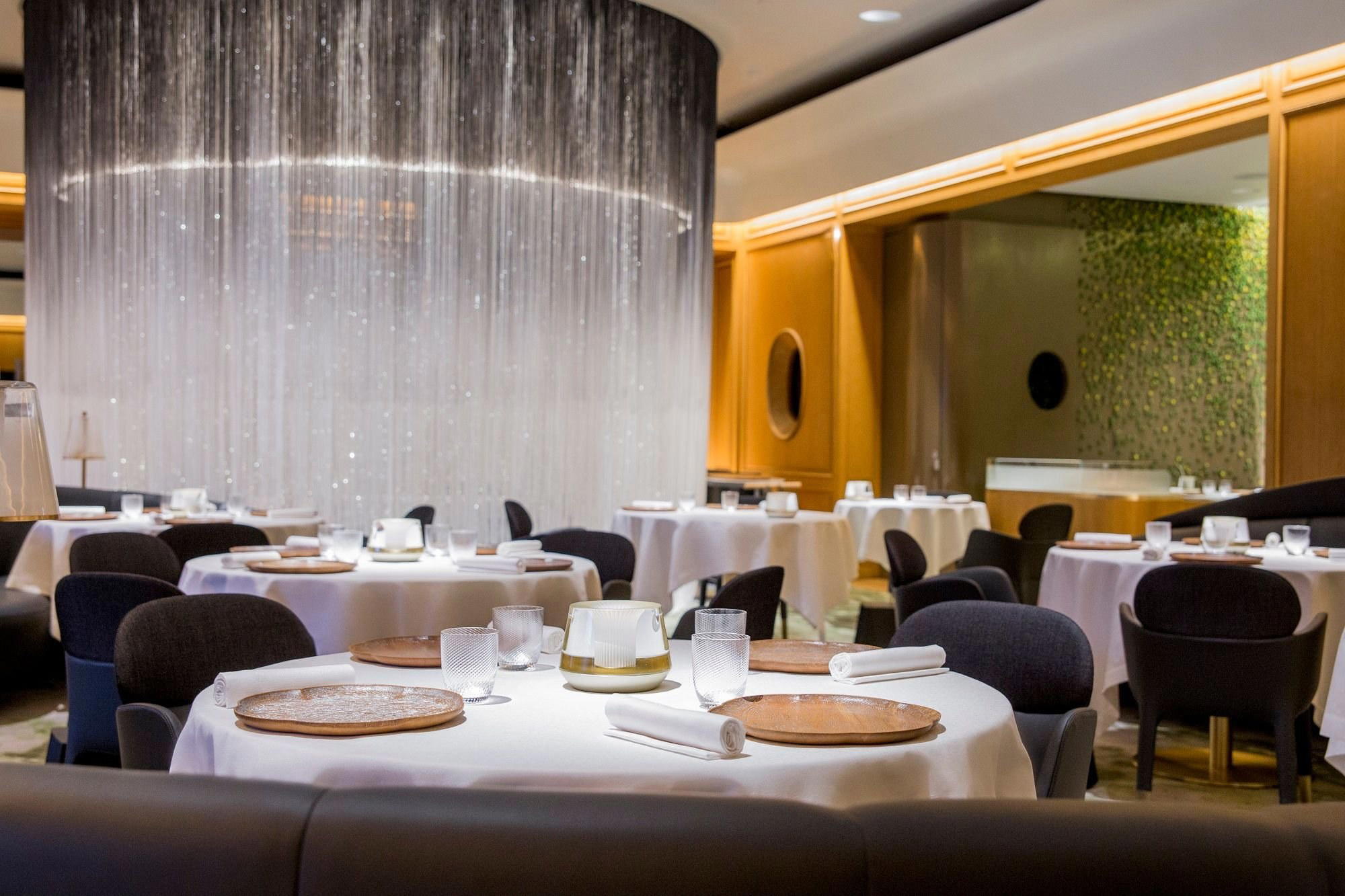
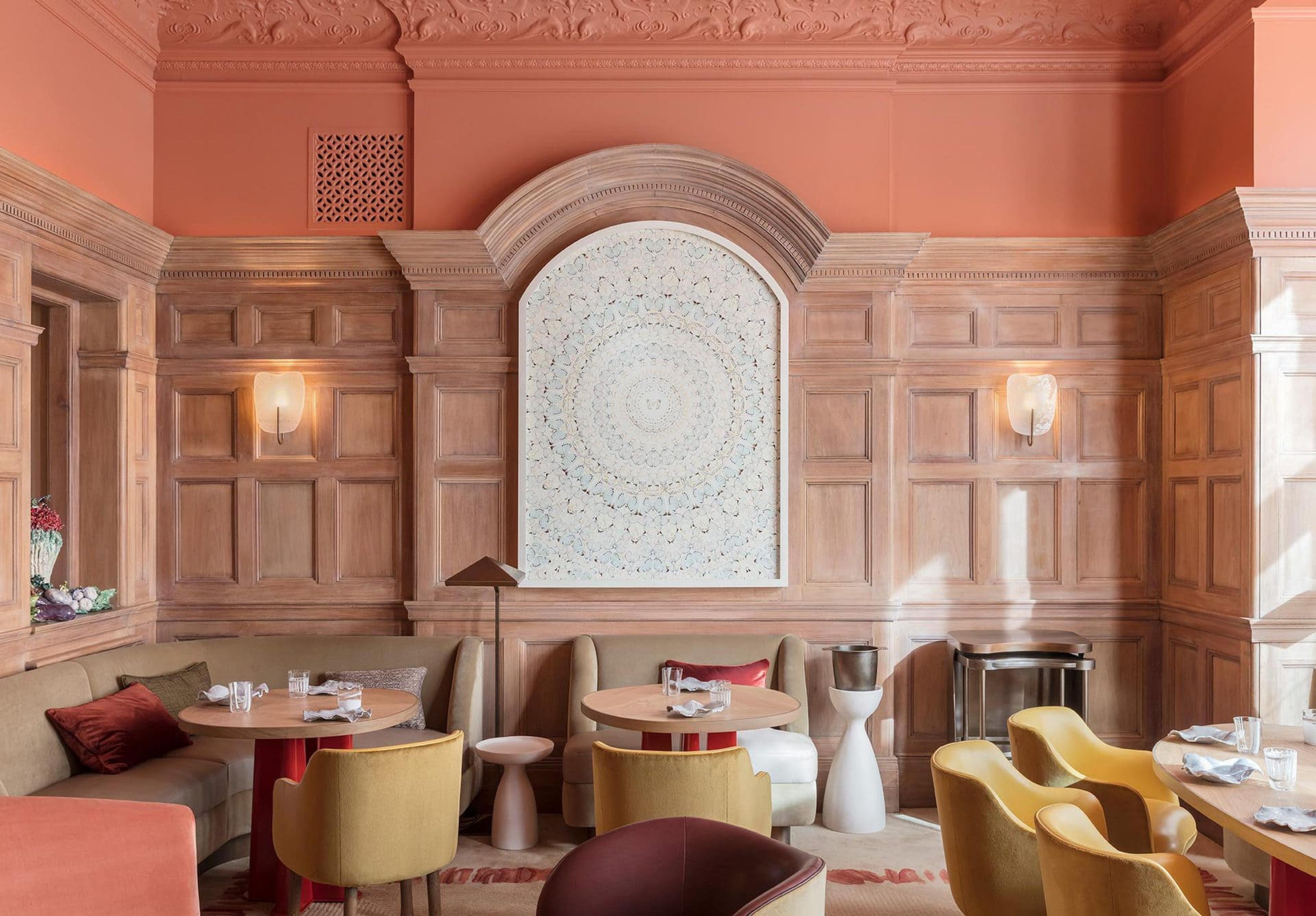
Bars in London
Browse all →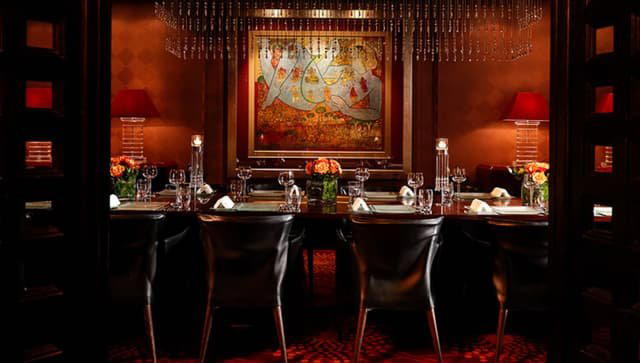
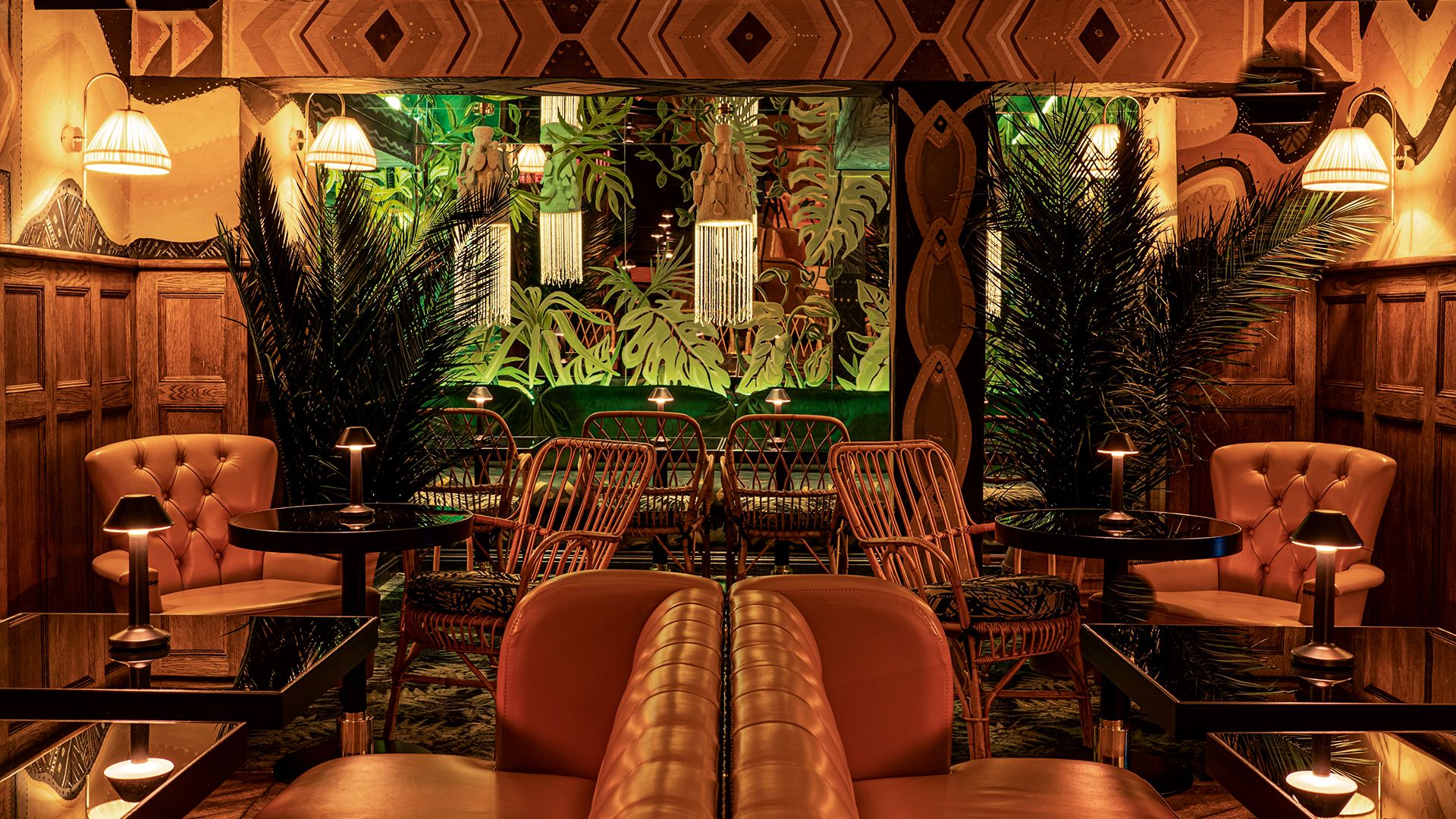
Hotels in London
Browse all →

At a Glance
- Romantic
- Elegant
- Modern
- Intimate
- Sophisticated
- Date Night
- Special Occasion
- Historic Building
- Extensive Wine List
- Local Sourcing
Current opening hours
- Monday
- 9 AM–5 PM
- Tuesday
- 9 AM–5 PM
- Wednesday
- 9 AM–5 PM
- Thursday
- 9 AM–5 PM
- Friday
- 9 AM–5 PM
- Saturday
- Closed
- Sunday
- Closed
Hours can change for holidays and private events. Last verified .
Beautifully dilapidated boudoir-style dining room with grand, OTT historic setting that buzzes with fun and romantic energy.