Our verdict
Tucked into Ningbo's Han Ling Old Street, 卿家姆小馆 specialises in two of the city's most demanding culinary traditions: 生腌 (raw-marinated seafood) and 熟醉 (cooked-then-drunk preserved preparations). The setting draws on the lakeside village atmosphere of Huanhu East Road, making it a reference point for visitors seeking the particular brine-forward character of authentic Ningbo home cooking.

Pearl is the En Primeur Club membership app, where members save venues, book tables and use the concierge.
The menu
What to order
- 熟醉沼虾
- 生腌河虾
- 熟醉大闸蟹
- 小馆红烧肉
Han Ling Old Street and the Architecture of Ningbo Flavour
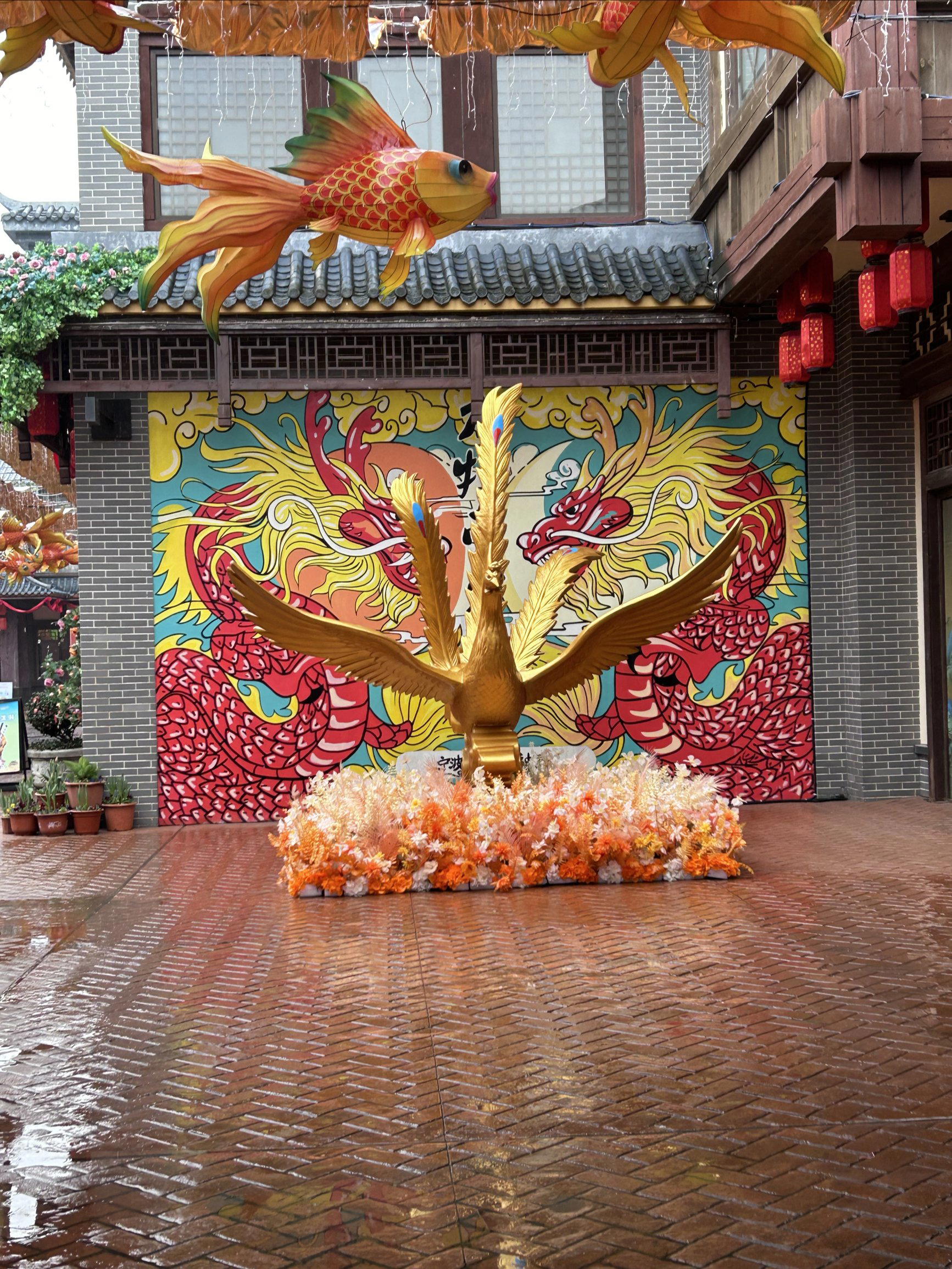
Han Ling Old Street sits along Huanhu East Road on the eastern fringe of East Qian Lake, a stretch of preserved village architecture that functions as one of Ningbo's most concentrated showcases of traditional Zhejiang domestic life. Arriving here in the warmer months, when the lake surface holds the light of late afternoon, the street's low-slung stone buildings and the smell of fermented brine drifting from kitchen windows establish the sensory register before you step inside anywhere. 卿家姆小馆·生腌熟醉·宁波小鲜 occupies number 85 on that street, and its signage, which announces the restaurant's two core techniques in the name itself, gives a more honest account of what is on offer than most menus do.
The name translates roughly as "Auntie Qing's Small House: Raw-Marinated, Cooked-Drunk, Ningbo Small Catches." Each term is a precise culinary category, not a decorative subtitle. That kind of naming convention, common in Ningbo's neighbourhood restaurants, signals a kitchen that considers technique its primary identity, which is an editorial point worth sitting with before looking at the food itself.
生腌 and 熟醉: Two Traditions, One Kitchen
Ningbo's food culture has long been shaped by proximity to the sea and by a historical necessity for preservation. The city sits at the mouth of the Yong River where it meets Hangzhou Bay, and its fishing communities developed preservation methods that are now considered among the most technically distinctive in the broader Jiangnan region. Two of those methods, 生腌 (shēng yān, raw marination in salt, soy, and aromatics) and 熟醉 (shú zuì, cooking followed by immersion in Shaoxing-style liquor and aromatics), sit at different ends of the preservation spectrum but share a common goal: concentrating the briny, oceanic character of the catch rather than masking it.
Raw marination of seafood, particularly crustaceans and shellfish, is a technique that demands ingredient quality above almost any other variable. The process applies no heat, so the protein's texture, salinity, and freshness carry through directly to the plate. The cooked-drunk method introduces heat first, then relies on the preserving and flavouring properties of yellow rice wine and spice, producing a chilled preparation that is often served as part of a cold appetiser spread. Both techniques are present across Ningbo's restaurant sector, from hotel dining rooms like Dining Room (悦轩) to neighbourhood specialists, but the density with which 卿家姆小馆 foregrounds them in its name and apparent focus marks it as a venue oriented specifically around this corner of the tradition.
Across the wider Jiangnan dining scene, similar commitments to hyper-local seafood preservation can be found at Ru Yuan in Hangzhou and at Ningbo contemporaries including HAI WEI SHI JIA RESTAURANT and Ning bo meiyan, though each operates at a different price point and with different degrees of formality. Further afield, the appetite for technically rigorous Chinese seafood cooking has fuelled recognition for venues like Xin Rong Ji (Xinyuan South Road) in Beijing and Xin Rong Ji in Chengdu, both of which have received Michelin recognition for their handling of Zhejiang-inflected seafood in non-coastal settings. The comparison is instructive: what 卿家姆小馆 offers is the source version, in the city where these techniques originated.
The Sensory Character of the Setting
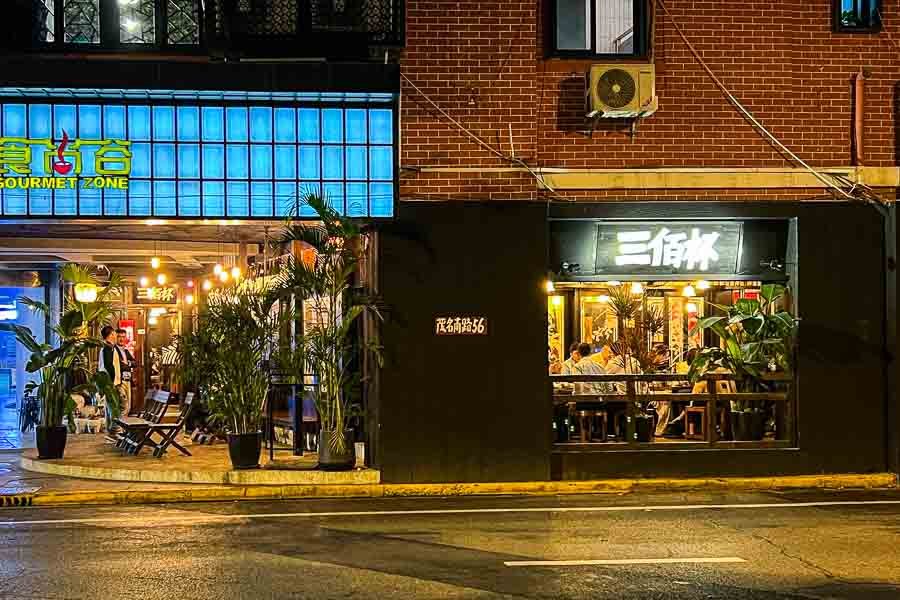
Han Ling Old Street operates as a living neighbourhood rather than a heritage theme park, and that distinction matters for the dining experience. The buildings along Huanhu East Road have been preserved rather than reconstructed, which means the proportions, materials, and ambient sounds reflect actual village scale: narrow lanes, timber and stone construction, and a proximity to water that keeps the air carrying humidity and the faint mineral quality of a lake. Inside a small-scale restaurant on that street, the environment is typically defined by the same compressed intimacy: low ceilings, tables close together, the sounds of a working kitchen nearby, and the sharp, vinegary-saline notes that 生腌 preparations release into a room.
This kind of sensory density is part of what separates neighbourhood specialists from hotel dining rooms handling the same ingredients. At MING COURT or Chen House·Champion Tower, the same Ningbo seafood traditions appear within formal, composed environments designed for insulation and service theatre. At a small house restaurant in Han Ling, the cooking and the setting are less separated from each other, and the dining experience is shaped as much by the street outside as by the kitchen within.
For visitors who want to cross-reference this sensory register against more formally plated Ningbo cooking, our full Ningbo restaurants guide maps the wider spectrum, from lake-view hotel restaurants to neighbourhood specialists like this one. The contrast is also usefully illustrated by looking outside Ningbo: at Chef Tam's Seasons in Macau or Imperial Treasure Fine Chinese Cuisine in Guangzhou, Chinese seafood technique operates within high-formality frameworks that prioritise presentation and service. At 卿家姆小馆, the technique is the framework.
Planning a Visit
The restaurant sits at 环湖东路1566号韩岭老街85号, within Han Ling Old Street on Huanhu East Road. The address places it in a part of greater Ningbo that is distinct from the downtown core, set instead in the East Qian Lake leisure zone east of the urban centre. Visitors arriving by car should allow for the narrow lane access characteristic of old street addresses in this zone; rideshare apps navigate to the area reliably. Seasonal timing matters here: the lake-facing streets around Han Ling draw significantly more visitors during spring and autumn, when temperatures suit al fresco movement between the street's restaurants and stalls, and when the quality of local catches from nearby coastal and freshwater sources peaks. Summer brings heat and higher visitor density; winter pares the crowd back considerably and brings different preserved-food preparations into focus. Checking current operating hours before travel is advisable.
Frequently asked questions
Where exactly is 卿家姆小馆·生腌熟醉·宁波小鲜?
卿家姆小馆·生腌熟醉·宁波小鲜 is located at 环湖东路1566号韩岭老街85号, 宁波, 浙江, Ningbo.
How far is 卿家姆小馆 from central Ningbo, and is it worth the trip to Han Ling Old Street?
The restaurant sits at 环湖东路1566号韩岭老街85号 on the eastern fringe of East Qian Lake, a location that puts it well outside Ningbo's urban core, expect around 40–50 minutes from the city centre depending on traffic. Han Ling Old Street itself is a preserved Qing-era village that operates as a working neighbourhood rather than a tourist reconstruction, which gives the dining context a different register from downtown Ningbo restaurants. The combination of the setting and the kitchen's specific focus on 生腌 and 熟醉 makes the journey purposeful rather than incidental.
What do people recommend at 卿家姆小馆·生腌熟醉·宁波小鲜?
The kitchen's focus falls squarely on 生腌 (raw-marinated) and 熟醉 (cooked-and-steeped-in-liquor) preparations, the two preservation traditions named in the restaurant's title. These are the dishes to order here. Ningbo's coastal pantry means the core ingredients are shellfish and small sea creatures treated with salt, soy, or Shaoxing-style spirit cures.
Should I book 卿家姆小馆·生腌熟醉·宁波小鲜 in advance?
Han Ling Old Street draws a steady local crowd, particularly on weekends when visitors come to walk the preserved village architecture along Huanhu East Road. Smaller neighbourhood spots on that strip tend to fill by midday service on Saturdays and Sundays. Contacting the venue directly before your visit is advisable, especially if travelling from central Ningbo.
What's 卿家姆小馆·生腌熟醉·宁波小鲜 best at?
The restaurant's identity is built on two specific Ningbo techniques: 生腌, which cures raw seafood in seasoned brine or soy, and 熟醉, which matures cooked seafood in rice wine or spirit-based liquid. These methods are historically tied to Ningbo's position at the Yongjiang River mouth, where preservation was a practical necessity before refrigeration. That focus, rather than a broad menu, is the reason to come.
Do they accommodate allergies at 卿家姆小馆·生腌熟醉·宁波小鲜?
The menu is centred on seafood and shellfish, both raw-cured and spirit-marinated, so this is not a suitable venue for guests with shellfish or crustacean allergies. For other dietary requirements, the venue's address is 环湖东路1566号韩岭老街85号, Ningbo; contacting them ahead of your visit is the most reliable way to confirm what the kitchen can accommodate on a given day.
Nearby-ish Comparables
| Venue | Cuisine | Price | Awards | Notes |
|---|---|---|---|---|
| 卿家姆小馆·生腌熟醉·宁波小鲜This venue (the venue you are viewing) | Ningbo Raw Marinated & Drunken Seafood | Not listed | Not listed | Not listed |
| 钱湖渔港 Qianhu Yugang at Park Hyatt | Modern Zhejiang Seafood | Not listed | La Liste Top Restaurants | Chinese Seafood |
| Chen House·Champion Tower | Cantonese and Jiangzhe Fine Dining | Not listed | Black Pearl 1 Diamond | Not listed |
| HAI WEI SHI JIA RESTAURANT | Traditional Ningbo Seafood | $100–150 | Black Pearl 1 Diamond | Not listed |
| MING COURT | Innovative Cantonese | $50–100 | Black Pearl 1 Diamond | Not listed |
| Ning bo meiyan | Contemporary Lakeside Chinese | Not listed | Black Pearl 1 Diamond | Not listed |
Continue exploring
More in Ningbo
Restaurants in Ningbo
All restaurants in Ningbo →

Hotels in Ningbo
All hotels in Ningbo →
Details
- Cozy
- Casual Hangout
- Family
- Standalone
- Local Sourcing
- A La Carte
- Small Plates
Cozy two-floor local eatery with a casual, authentic neighborhood feel.