Señor Sisig
Señor Sisig brings Filipino-American street food to Uptown Oakland at 330 17th St, operating in a city where immigrant-rooted cooking has long driven interesting dining. The concept traces its roots to the San Francisco food truck circuit, where sisig, the sizzling Kapampangan pork dish, was adapted into a format built for the American street food moment. That evolution continues to define what lands on the menu today.
Pearl is the En Primeur Club membership app — saves, bookings, and concierge access live there. Same editors, same standards.
- Address
- 330 17th St, Oakland, CA 94612
- Phone
- (855) 747-4455
- Website
- senorsisig.com
- Directions
- Get directions
 Saves & bookings on Pearl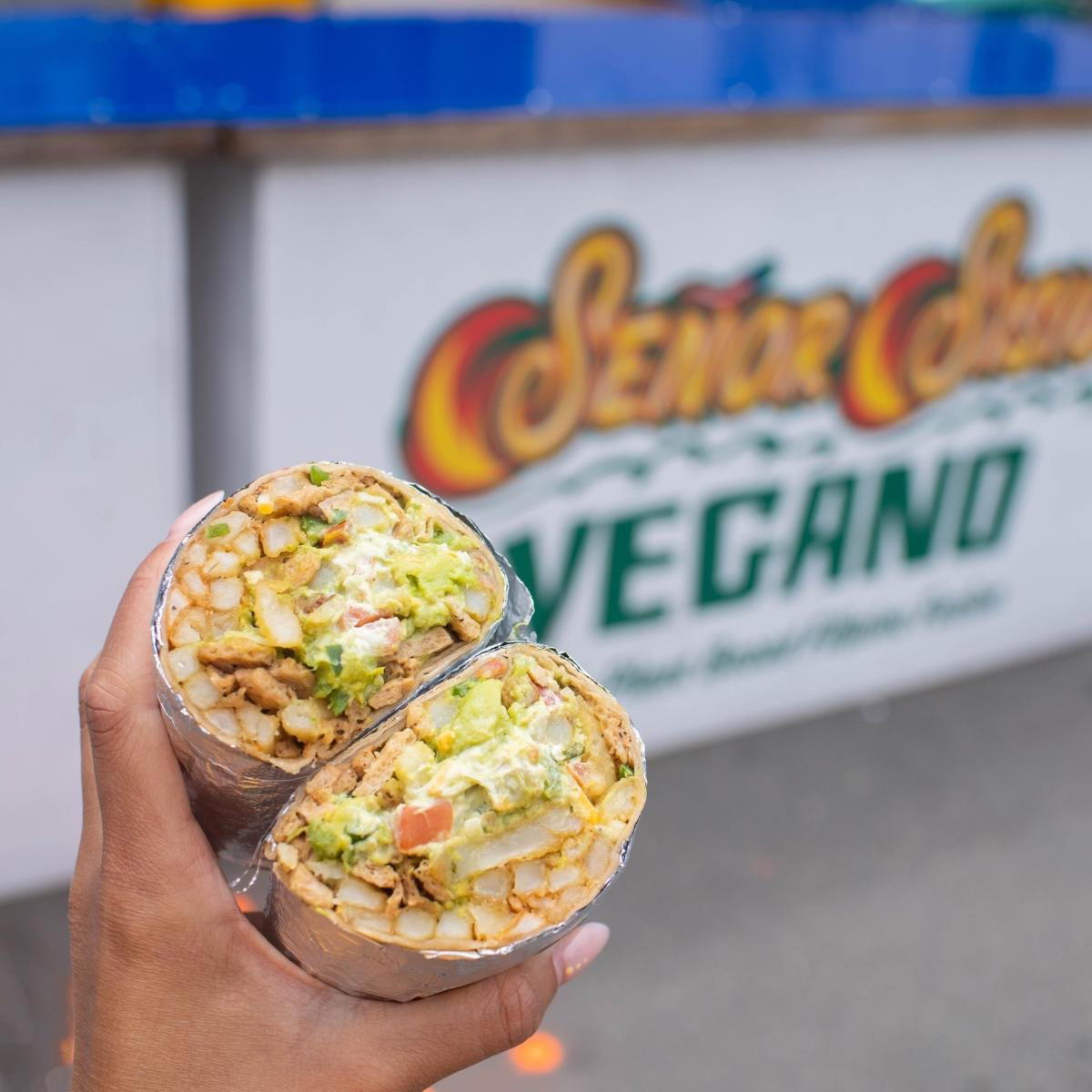
Where Oakland's Street Food Tradition Meets Filipino-American Reinvention
Señor Sisig is a Filipino-Mexican fusion street food restaurant in Oakland's Uptown district. The blocks around 17th Street hold Vietnamese sandwich shops, Ethiopian coffee counters like Alem's Coffee, Dominican kitchens, and the kind of low-overhead, high-specificity dining that defines the neighborhood's food character. Señor Sisig sits inside that pattern at 330 17th St, operating in a format that has shifted considerably since the concept first appeared on San Francisco's food truck circuit.
The broader story here is about how Filipino-American cooking crossed from truck to brick-and-mortar in the Bay Area, and what that transition demanded. Filipino food occupied an ambiguous position in the American dining imagination for most of the 2000s, widely eaten within Filipino communities, but rarely programmed for a mainstream audience. The sisig format, built around chopped, crisped pork with acid and heat, proved unusually well-suited to the burrito-bowl assembly logic that American fast-casual customers already understood. That fit is not accidental, and it explains why the concept found traction where other Filipino formats struggled.
The Dish That Defined the Concept
Sisig as a dish category predates the restaurant by centuries. The Kapampangan region of the Philippines has documented versions going back to at least the seventeenth century, originally referring to a sour preparation using unripe fruits. The modern sizzling-pork version, served on a cast-iron plate, became widely associated with Pampanga's roadside carenderias through the twentieth century. What the Señor Sisig format did was take that flavor profile, fatty pork, citrus, chilies, sometimes egg, and reframe it inside a rice bowl or burrito, stripping out the cast-iron theatrics in favor of throughput and portability.
That reframing positioned the concept directly inside the Bay Area's fast-casual wave of the early 2010s, which had already absorbed Korean barbecue into rice bowls and Japanese flavors into burritos at spots across San Francisco and Oakland. The restaurant was working the same logic, but with a cuisine that had considerably less mainstream visibility at the time. The comparison set is less Jollibee and more Chipotle with a Kapampangan edit.
From Truck to Uptown: The Evolution of the Format
The truck format that launched the concept required a simplified, legible menu, sisig in a bowl, sisig in a burrito, a side. That constraint turned out to be a strength, because it forced menu discipline that brick-and-mortar expansion often erodes.
The Uptown Oakland location represents a later chapter in that trajectory. The area's dining mix includes spots like Agave Uptown for Mexican and alaMar Dominican Kitchen nearby, both operating in a similar register, accessible price points, cuisine rooted in immigrant tradition, formats designed for daily use rather than occasion dining. The restaurant belongs to that cohort, not to the tasting-menu tier occupied by places like Lazy Bear in San Francisco or Alinea in Chicago. The comparison is deliberate: understanding what the restaurant is requires being clear about what it is not trying to be.
Pivot from street vendor to fixed address also introduced questions about atmosphere and consistency that trucks sidestep by design. A truck has no ambient expectations, the food carries the entire experience. A brick-and-mortar on 17th Street competes on multiple dimensions, including service pace, interior character, and whether the experience holds across lunch and dinner. Oakland's Uptown corridor rewards spots that resolve those tensions without drifting upmarket, and the local dining pattern here skews toward places that feel grounded rather than aspirational.
Filipino Food in the Bay Area Context
Filipino-American population in the Bay Area is among the largest outside the Philippines. The East Bay has historic concentrations in Daly City, Oakland, and the surrounding municipalities, which created demand for Filipino food across a range of formats, from traditional home-style cooking to fast-casual interpretations. Spots like 3 Bottled Fish represent another dimension of Oakland's broader immigrant food ecosystem, alongside Chinese tea-house formats at places like 8th St Cafe and the Ethiopian-influenced hospitality tradition at Alem's Coffee.
What distinguishes Filipino-American fast-casual from those adjacent traditions is the degree to which it required format translation to reach a non-Filipino audience. Ethiopian food built a following through the communal injera plate, which was legible as a sharing format. Korean food went through barbecue, which offered theatrics and customization. Filipino food, by contrast, is often more deeply layered in pork fat, fermented flavor, and sour acid than American palates initially expected. Sisig in a bowl resolved that by fronting the textures and heat, and letting the deeper fermented notes operate in the background.
Across the country, the same arc plays out at different speeds. In New York, Maharlika and Jeepney worked the Filipino-American dining moment a decade ago. In Los Angeles, the format has remained less consolidated. Oakland's version of this story runs through the truck circuit and ends up at addresses like 17th Street, a trajectory that maps onto how the Bay Area has historically processed immigrant food culture: trucks first, then corridors, then neighborhood fixtures.
Know Before You Go
Address: 330 17th St, Oakland, CA 94612
Neighborhood: Uptown Oakland
Format: Fast-casual, counter service
Reservations: Walk-in friendly
Leading For: Lunch, casual dinner, solo dining, quick weekday meals
Price Tier: $15 per person
Nearby Context: Close to Agave Uptown and alaMar Dominican Kitchen; sits within Uptown's broader casual dining corridor
A Pricing-First Comparison
Comparable venues nearby, for context on price, style, and recognition.
| Venue | Cuisine | Price | Notes |
|---|---|---|---|
| Señor SisigThis venue — the venue you are viewing | Not listed | $ | Not listed |
| Mo's Hut | Fruitvale, Samoan-Hawaiian Polynesian | $ | Not listed |
| Osmanthus | Not listed | $$ | Rockridge, Pan-Asian Fusion with Northern Chinese Focus |
| Best Taste Restaurant | Chinatown, Authentic Cantonese Dim Sum | $ | Not listed |
| Phở Gá Hủỏng Quê Cafe | Merritt, Vietnamese Pho Ga | $ | Not listed |
| Taiwan Bento | Uptown, Taiwanese Fast-Casual | $ | Not listed |
Continue exploring
More in Oakland
Restaurants in Oakland
Browse all →

Bars in Oakland
Browse all →
Hotels in Oakland
Browse all →



At a Glance
- Lively
- Trendy
- Casual
- Casual Hangout
- Group Dining
- After Work
- Late Night
- Open Kitchen
- Craft Cocktails
- Beer Program
Current opening hours
- Monday
- 11 AM–8 PM
- Tuesday
- 11 AM–8 PM
- Wednesday
- 11 AM–8 PM
- Thursday
- 11 AM–9 PM
- Friday
- 11 AM–9 PM
- Saturday
- 11 AM–9 PM
- Sunday
- 11 AM–8 PM
Hours can change for holidays and private events. Last verified .
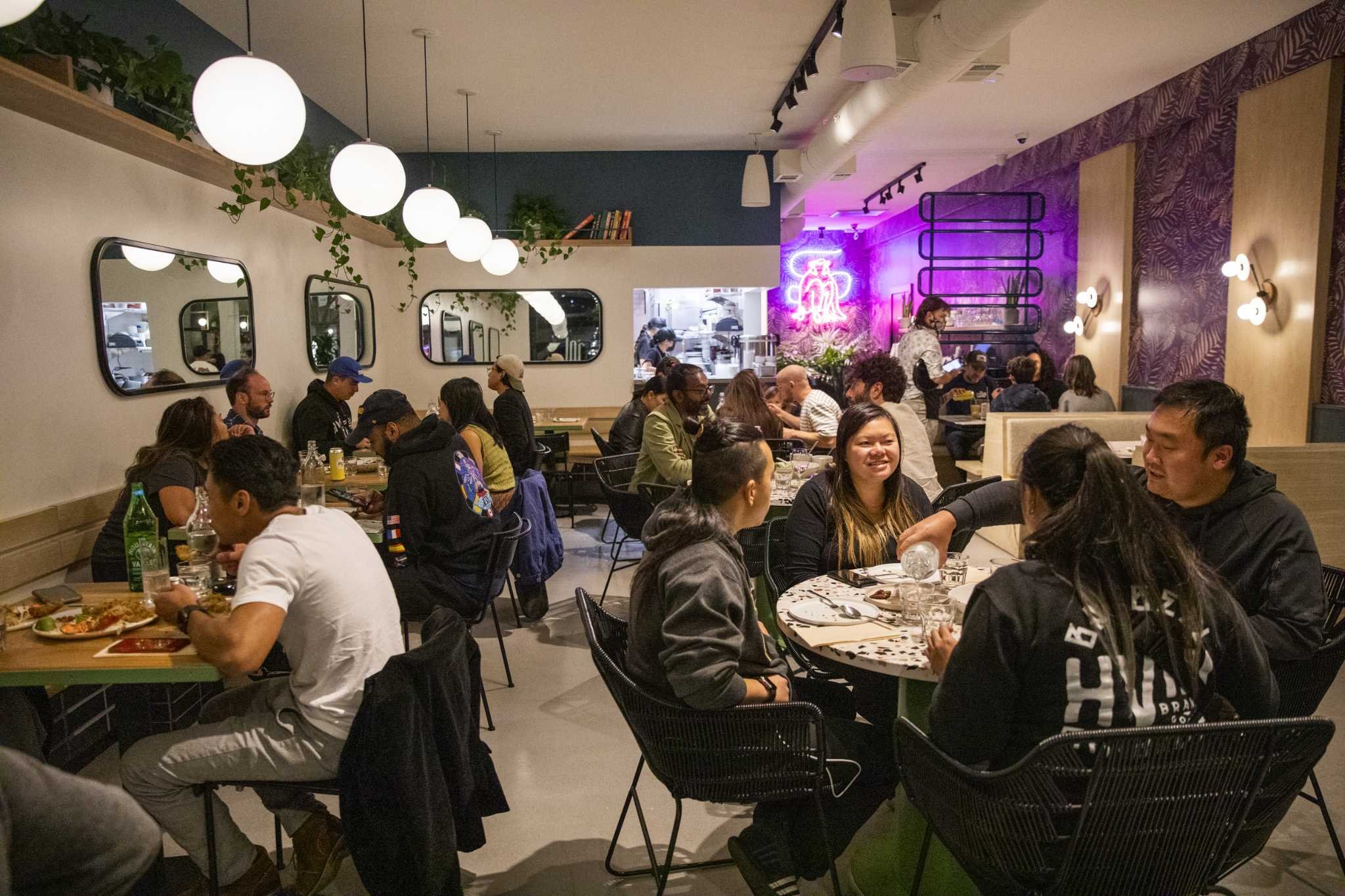
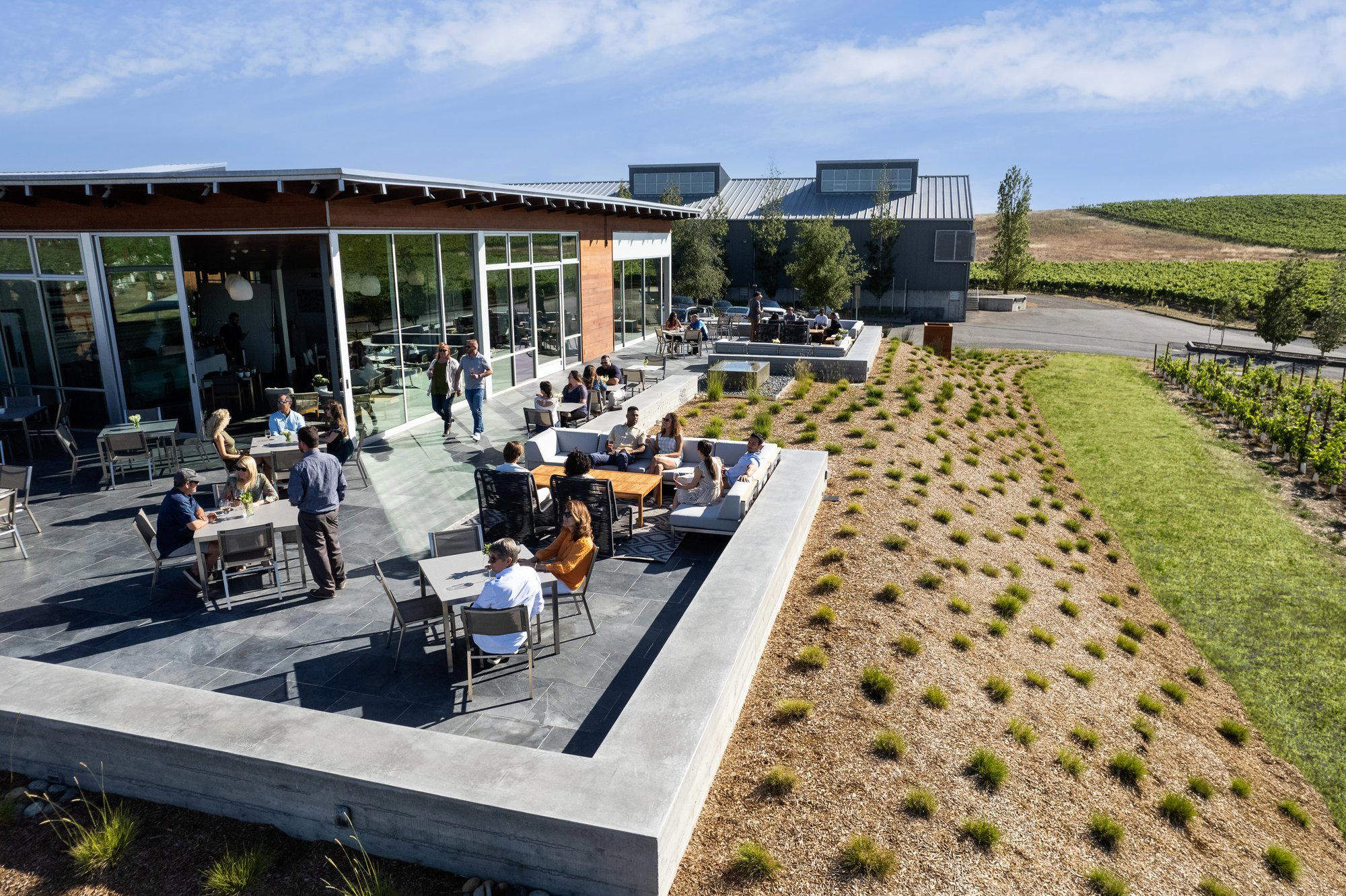
Casual, energetic street food atmosphere with bar seating and TVs; designed for quick, lively dining with a modern Bay Area vibe.