
Michelin Plate
Our verdict
A Michelin Plate holder for two consecutive years (2024–2025), Sébastopol occupies a mid-price bracket on one of Lille's most recognisable squares. The kitchen works in the modern French register, drawing on northern ingredients and applying considered technique. It has earned a consistent following among both residents and visitors passing through the city.

Pearl is the En Primeur Club membership app — saves, bookings, and concierge access live there. Same editors, same standards.
- Address
- 1 Pl. Sébastopol, 59000 Lille, France
- Phone
- +33 3 20 13 13 38
- Hours
- Mon–Sat 12–1:30 PM, 7–9 PMSun Closed
- Website
- restaurantsebastopol.com
- Directions
- Get directions
- Booking
- Book on Zenchef
The menu
What to order
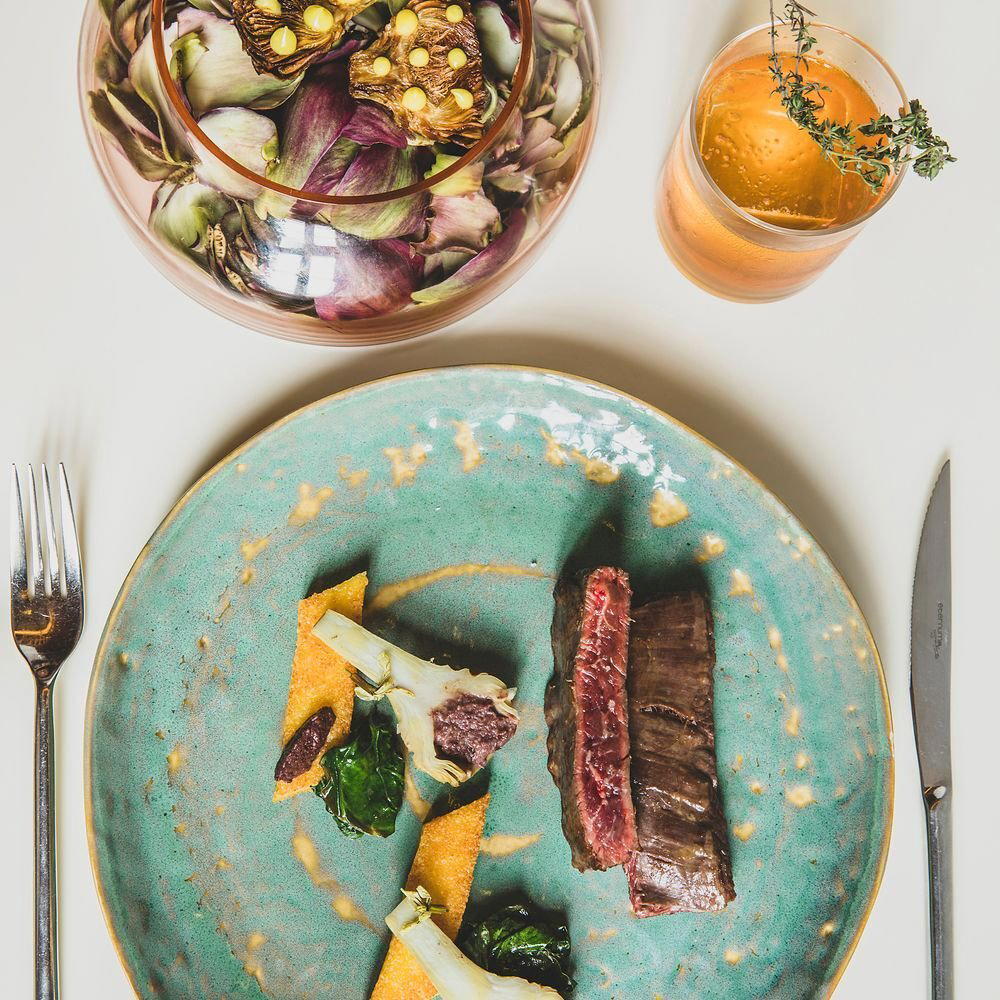
- Noix de Saint-Jacques de Boulogne
- Suprêmes de volaille de Licques
- Cabillaud rôti
Place Sébastopol and What It Signals
Place Sébastopol is one of Lille's more legible addresses: a broad, Haussmann-adjacent square in the southern reaches of the city centre, busy enough to feel anchored to daily life but not so saturated with tourism that it loses its residential character. Restaurants on named squares in Lille tend to read either as tourist-facing brasseries or as neighbourhood institutions that have quietly accumulated a serious following. The restaurant that shares the square's name sits firmly in the second category.
The address is 1 Place Sébastopol, which places it at the threshold between Lille's central dining corridor and the quieter residential streets that spread south toward the Porte de Paris. That position matters for pacing: arriving on foot from the Vieux-Lille or from the Grand-Place, a visitor crosses through several layers of the city before reaching the square, and the transition from spectacle to neighbourhood scale is part of what defines the experience of eating here. The mid-price bracket (€€) holds across both the Michelin Plate recognition in 2024 and its continuation into 2025, meaning the kitchen has maintained its standards without migrating toward a higher price tier to signal ambition.
The Michelin Plate in Lille's Competitive Frame
A Michelin Plate denotes a kitchen preparing food to a good standard, without the full critical elevation of a star. In a city like Lille, where the Michelin presence spans a meaningful range, the Plate sits in an identifiable tier. La Table - Hôtel Clarance operates at the €€€€ level with star ambitions, and Ginko and Pureté occupy the €€€ bracket with their own critical recognition. Sébastopol prices below all of them. What the consecutive Plate awards in 2024 and 2025 establish is that this is not accidental accessibility: the kitchen is producing food that meets a defined standard, at a price point that does not require a significant occasion to justify.
For context on what Michelin recognition means within the French system broadly, the guides that recognise houses like Alléno Paris au Pavillon Ledoyen, Mirazur, Bras, and Troisgros - Le Bois sans Feuilles at the highest tier apply the same evaluative framework to the Plate. The standard is consistent; only the level changes. Sébastopol's sustained recognition across two consecutive years points to a kitchen that has stabilised its execution rather than one making a first impression.
Northern Ingredients, Modern French Technique
The modern French cuisine designation covers a wide range of approaches, but in northern France it tends to mean something specific: the kitchen is working with the ingredient traditions of the Hauts-de-France region — root vegetables, freshwater fish, game from the Ardennes edge, dairy from Flemish farmland, and coastal shellfish from the short drive to the Opal Coast — while applying the precision techniques that have circulated through French restaurant culture since the 1990s and accelerated through international cross-pollination in the 2000s. The result, at its most coherent, is cooking that is regionally grounded in its sourcing but not nostalgic in its execution.
This intersection of local supply chains and contemporary technique has become a defining characteristic of the better mid-range restaurants across northern France. It is a different project from the purely regional cooking you find at a place like Bloempot, which draws more explicitly on Flemish tradition, and it is distinct from the ingredient-agnostic modernism of international tasting menus. The kitchens that do it well, extracting meaningful flavour from northern French produce through methods that would be equally at home in a technically ambitious kitchen in Stockholm or Copenhagen, produce cooking that locates itself without being provincial. At the global end of the modern cuisine register, restaurants like Frantzén and FZN by Björn Frantzén demonstrate how far this approach can travel; what is interesting in a city like Lille is seeing how the same underlying methodology plays out with a hyper-specific regional larder.
The Hauts-de-France region is not typically the first thing French food culture promotes about itself. Burgundy, the Rhône Valley, Provence, and the Basque Country have stronger international profiles. But the northern larder has real depth: maroilles cheese, chicory in multiple forms, the whelks and grey shrimp of Boulogne-sur-Mer, and an agricultural hinterland that supplies some of France's most significant vegetable production. A kitchen operating in the modern French register here has material to work with; the question is whether the technique is applied in a way that clarifies and intensifies that material or simply processes it into generic contemporary presentation. Sébastopol's sustained audience and two-year critical recognition suggest the former.
Where It Sits in Lille Dining
Lille's restaurant scene has developed considerably since the city's profile rose through its designation as a European Capital of Culture and its position as a cross-Channel rail hub. The city now supports a full range of serious eating, from neighbourhood bistros to destination-level addresses. Within that range, the €€ tier has become increasingly competitive: places like SOlange are making this bracket harder to inhabit without genuine kitchen commitment. Krevette demonstrates the appetite for ingredient-focused cooking at accessible prices. Sébastopol's position, recognised by Michelin at this price point, puts it among a small group of addresses that justify a deliberate booking rather than a walk-in decision.
The Paul Bocuse - L'Auberge du Pont de Collonges tradition and the broader French haute cuisine lineage remain the reference frame against which all French modern cuisine is implicitly measured. What is interesting at the mid-range level is how that inheritance gets translated into a format that works at volume and at accessible price. Flocons de Sel in Megève represents one answer in the Alpine luxury context; Sébastopol represents a different answer in an urban northern French context, where the same underlying craft ambition is applied without the apparatus of destination dining.
Planning Your Visit
Sébastopol is at 1 Place Sébastopol, accessible from the city centre on foot or by metro. The €€ price bracket means a meal here is feasible as a weekday lunch or a low-key dinner without requiring a significant occasion to justify the expenditure. For a broader survey of where to eat, drink, and stay in the city, our full Lille restaurants guide maps the scene across price tiers and cuisine types. Those planning a longer stay can also consult our full Lille hotels guide, our full Lille bars guide, our full Lille wineries guide, and our full Lille experiences guide for a complete picture of the city.
Frequently asked questions
How much does it cost to eat at Sébastopol?
Pricing at Sébastopol is listed as €€.
What part of town is Sébastopol in?
Sébastopol is located at 1 Pl. Sébastopol, 59000 Lille, France, Lille.
Booking and Cost Snapshot
| Venue | Cuisine | Price | Awards | Notes |
|---|---|---|---|---|
| SébastopolThis venue — the venue you are viewing | Modern French Bistronomy | $50–100 | Michelin Plate | Not listed |
| La Table - Hôtel Clarance | Modern French Fine Dining | $100–150 | Michelin Plate · Relais Chateaux Award | Modern Cuisine |
| Ginko | Modern French with Japanese and Italian Accents | $50–100 | 1 Michelin Star | Modern Cuisine |
| Le Restaurant du Cerisier | Modern French Fine Dining | $100–150 | 1 Michelin Star | Not listed |
| SOlange | Modern French Bistro | $50–100 | Michelin Plate | Not listed |
| Pureté | Modern French Gastronomique | $50–100 | 1 Michelin Star | Modern Cuisine |
Recognition history
Dated appearances from independent guides and award organizations, with the underlying list record or original source where available.
Michelin Plate
Michelin
Full recognition history (3 entries)
Michelin Plate
Michelin
Michelin Plate
Michelin
Continue exploring
More in Lille
Restaurants in Lille
Browse all →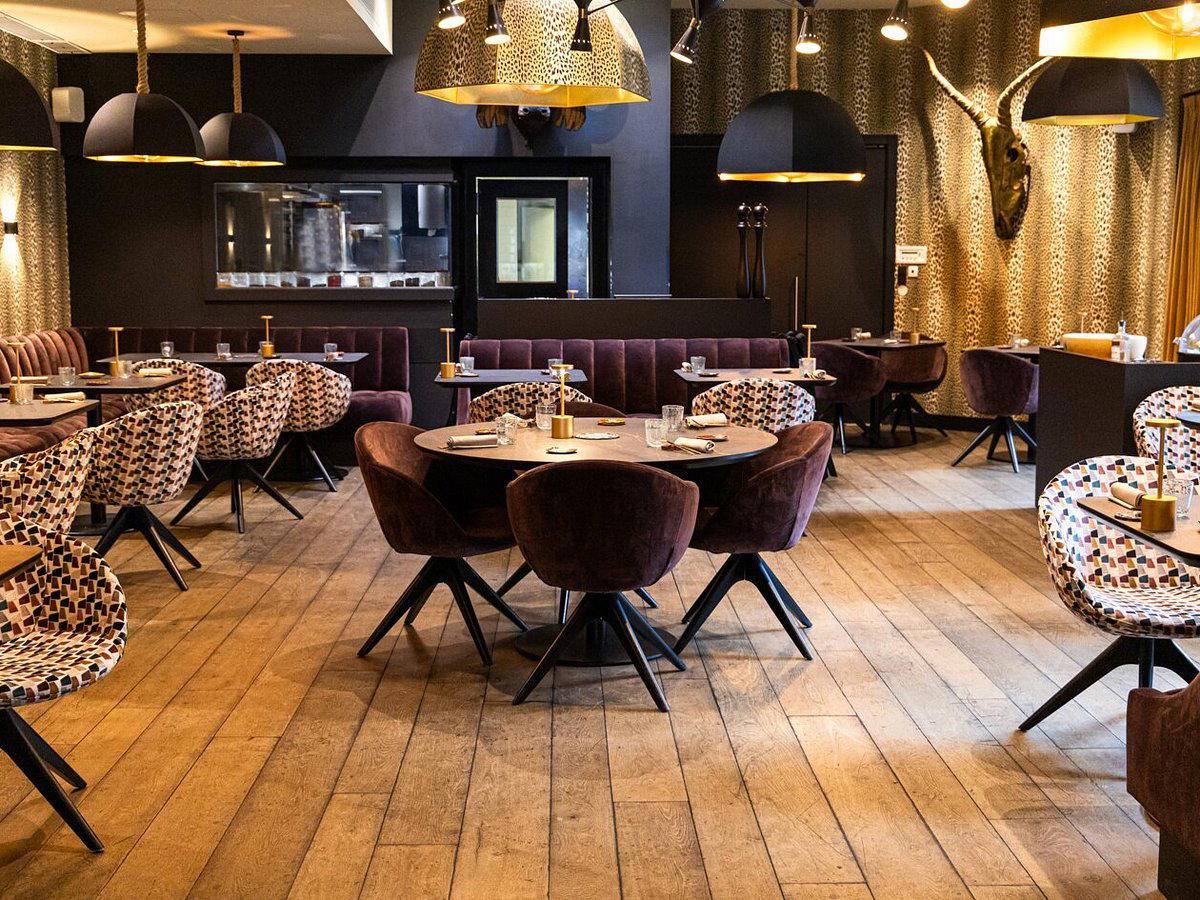
Bars in Lille
Browse all →
Hotels in Lille
Browse all →

Wineries in Lille
Browse all →
Details
- Elegant
- Cozy
- Sophisticated
- Lively
- Date Night
- Business Dinner
- Special Occasion
- Open Kitchen
- Extensive Wine List
- Local Sourcing
- Street Scene
- A La Carte
- Wine
- Vegetarian Friendly
- Vegan Options
Current opening hours
- Monday
- 12–1:30 PM, 7–9 PM
- Tuesday
- 12–1:30 PM, 7–9 PM
- Wednesday
- 12–1:30 PM, 7–9 PM
- Thursday
- 12–1:30 PM, 7–9 PM
- Friday
- 12–1:30 PM, 7–9 PM
- Saturday
- 12–1:30 PM, 7–9 PM
- Sunday
- Closed
Hours can change for holidays and private events. Last verified .
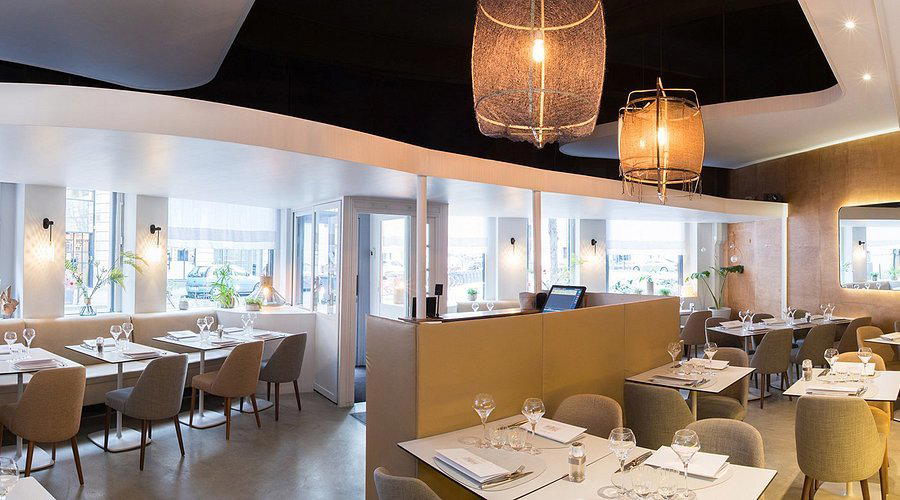
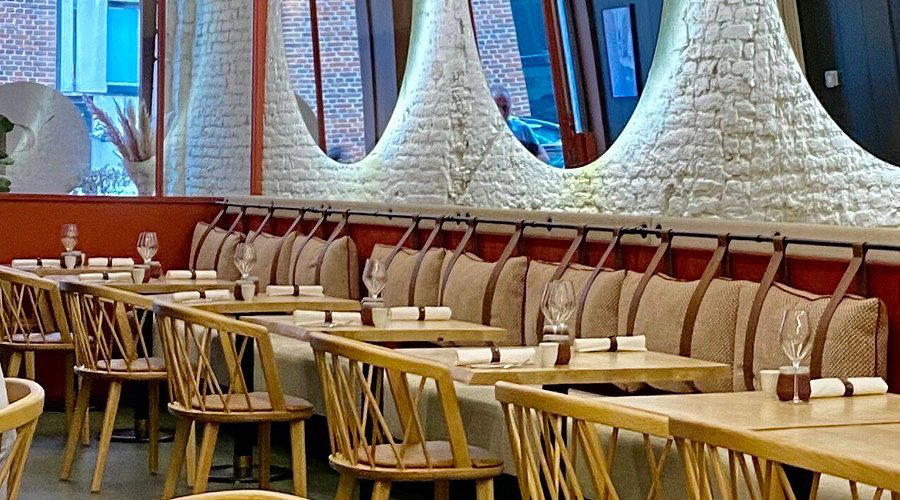
Elegant and cozy decor with warm, convivial atmosphere, luminous large room with long tables, and buzzy yet intimate vibe.