Seattle Food Truck .com
Our verdict
Seattle's food truck scene concentrates some of the city's most direct, format-driven eating into curbside formats that trade fixed addresses for flexibility and speed. Seattle Food Truck.com operates within this mobile dining ecosystem, connecting hungry visitors and locals to the rotating roster of street vendors that defines the city's casual culinary identity. For travellers already exploring Pike Place and Pioneer Square, the trucks are an extension of that market-driven, producer-close approach to eating.

Pearl is the En Primeur Club membership app, where members save venues, book tables and use the concierge.
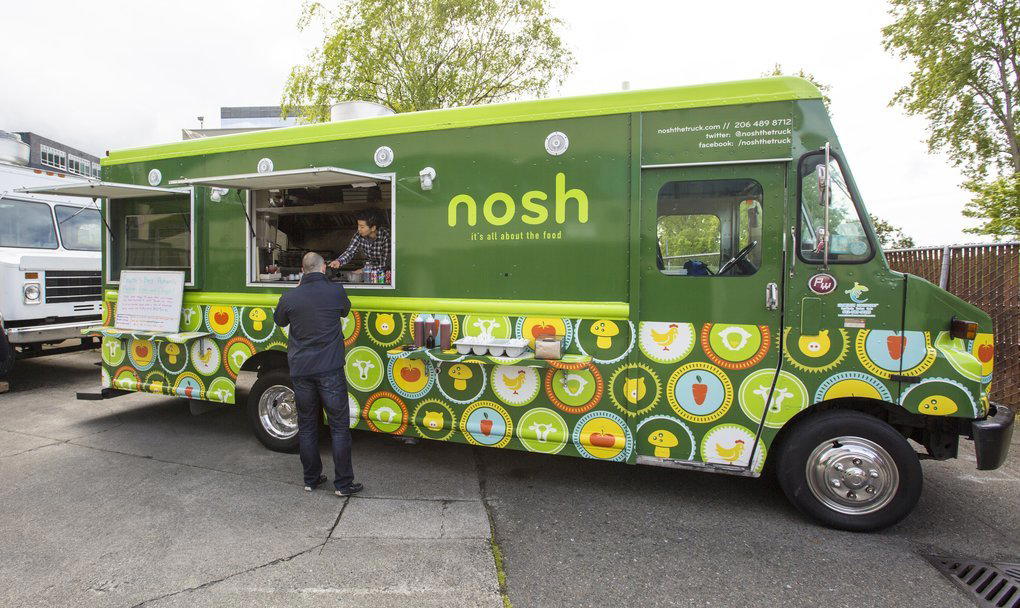
Street-Level Seattle: The Ritual of Eating at the Curb
There is a particular discipline to eating well from a food truck that indoor dining rarely demands. You read the menu board before you reach the window. You decide quickly. You eat standing, or perched on a ledge, or sitting cross-legged on a low wall while the city moves around you. The pacing is yours to set, the format stripped to its minimum, and the social contract between cook and customer is about as direct as it gets in any food city. Seattle has embraced this format with more consistency than many West Coast peers, and the ecosystem of trucks operating around Pioneer Square, South Lake Union, and the SoDo corridor reflects a city that takes portable food seriously, not as a compromise, but as a mode.
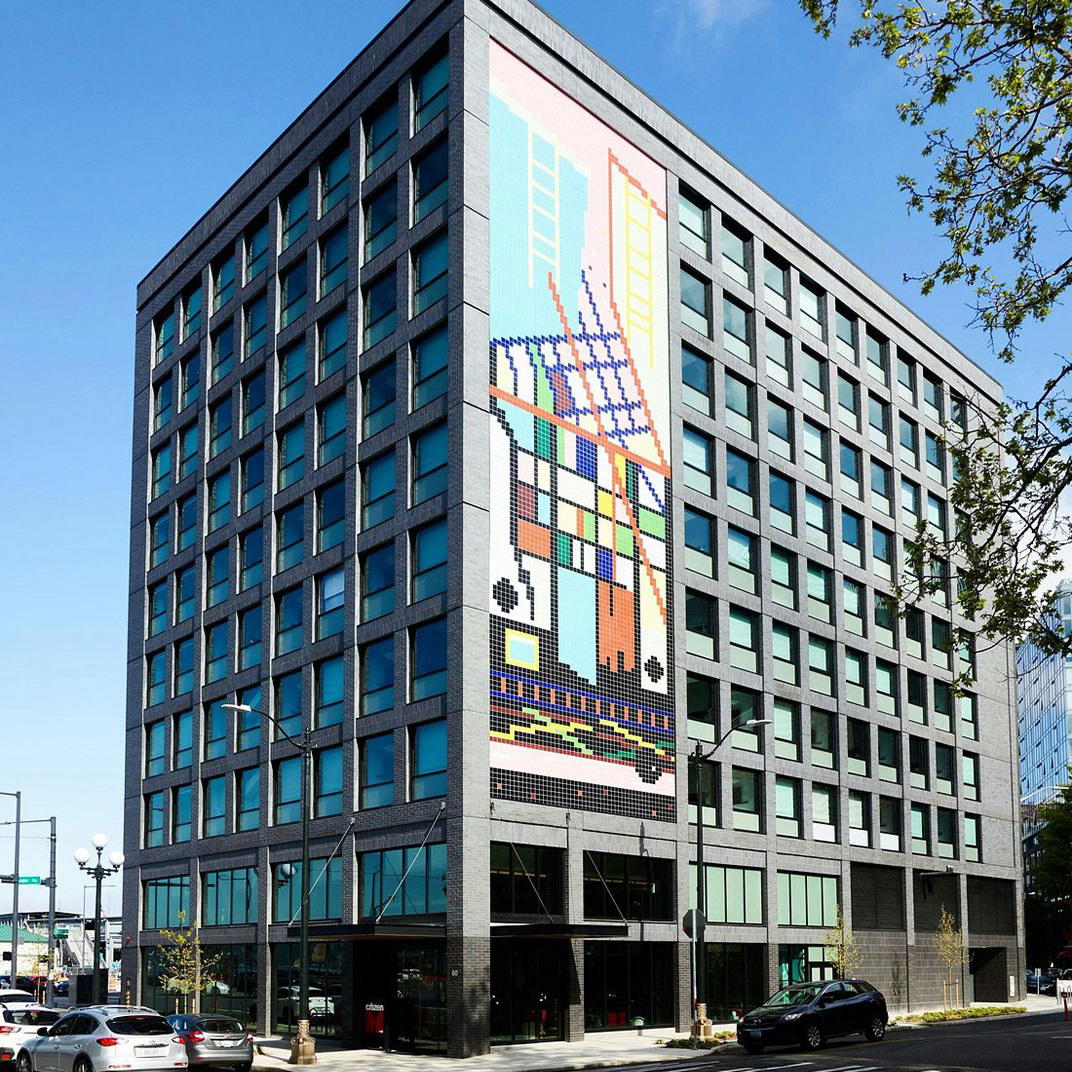
The address associated with Seattle Food Truck.com, 600 1st Ave, in the heart of the Pioneer Square neighbourhood, places it in one of Seattle's most historically layered districts. Pioneer Square is not Pike Place Market spectacle, nor is it the polished restaurant rows of Capitol Hill. It is older, grittier, and for that reason more interesting as a backdrop for casual eating. The neighbourhood sits at the overlap of the original city grid, the sports stadium corridors, and the early tech-era office expansion that pushed south from downtown. Foot traffic is irregular and genuinely mixed: office workers, tourists who wandered further than the waterfront, and locals who know exactly which truck parks where on which day.
How Seattle's Truck Culture Developed Its Own Etiquette
American food truck culture matured differently by city. Portland leaned into clusters and dedicated lots. Los Angeles dispersed trucks across an enormous geography, making discovery a near-research exercise. Seattle's model settled somewhere in between: semi-permanent pitch locations anchored to office density and lunch-hour movement, with a calendar logic that regulars learn and newcomers tend to stumble upon. The ritual that developed around this is less spontaneous than it appears. Returning customers know which days a favourite truck appears, understand the difference between a cash-only window and one running a tablet payment system, and have navigated the queue etiquette that forms without any visible management.
That queue etiquette is worth understanding before you arrive. Unlike a restaurant with a host, the food truck window operates on immediate social negotiation. The line is typically single-file and self-policed. Menus are fixed and visible from several metres back, which means deliberating at the window is considered poor form among regulars. The expectation is that you arrive with a rough idea of what you want, or at least that you have read the board during the wait. This is not unfriendly; it is efficient, and it produces a kind of low-stakes interaction between strangers that fixed dining rarely generates. Seattle's truck-side eating culture is, in this sense, a small civic ritual.
Seattle's Wider Table: Where Trucks Fit in the City's Dining Range
Understanding where street-format eating sits relative to the rest of Seattle's dining scene matters for anyone building a serious itinerary. At the formal end, Canlis (New American) and Joule (New Asian) represent the city's structured, reservation-driven tier. Mid-range and neighbourhood dining is covered across addresses like 1415 1st Ave, 1744 NW Market St, and 2963 4th Ave S. Food trucks occupy the most accessible end of that range, requiring no reservation, no particular dress code, and no commitment beyond what you order at the window.
That accessibility should not suggest a lower level of seriousness. Nationally, the truck format has produced some of the most technically interesting cooking in American cities, formats that trade kitchen size for culinary focus. Operators who work within the constraints of a truck tend to develop tight, well-rehearsed menus where every item justifies its place. There is no room for a dish that doesn't sell. This produces a natural editing process that formal kitchens, with their seasonal menu obligations and investor expectations, rarely replicate. For a broader sense of where Seattle's dining culture sits relative to other American food cities, the full Seattle restaurants guide offers a mapped view across categories and neighbourhoods.
The National Context: Street Formats and Premium Dining Side by Side
Across the country, the most interesting food cities now operate with a genuine continuum from street to tasting menu, and Seattle is no exception. Destinations like Le Bernardin in New York City, The French Laundry in Napa, and Lazy Bear in San Francisco anchor the reservation-only, multi-hour dining end. Regional institutions like Emeril's in New Orleans and Providence in Los Angeles hold the structured mid-to-upper tier. Format-led innovators including Smyth in Chicago, Single Thread Farm in Healdsburg, Blue Hill at Stone Barns in Tarrytown, Addison in San Diego, The Inn at Little Washington in Washington, Atomix in New York City, and Atelier Moessmer Norbert Niederkofler in Brunico demonstrate how the most deliberate contemporary dining often operates at the structural margins of the mainstream. Street-format eating belongs on this continuum, not below it.
Timing, Seasons, and When to Go
Seattle's truck culture is at its most active from late spring through early autumn, roughly May through September, when the Pacific Northwest weather cooperates and outdoor eating becomes a viable daily proposition. The lunch window, typically between 11:30am and 1:30pm on weekdays, is when Pioneer Square and the adjacent business corridors generate the density of foot traffic that truck operators depend on. Arriving before noon on a clear weekday morning gives you the widest selection and the shortest queues. By mid-afternoon, many trucks have sold through their prep and closed early. Weekend patterns differ: foot traffic shifts toward the waterfront and Pike Place, and the truck presence in Pioneer Square thins considerably.
Know Before You Go
- Address: 600 1st Ave Ste 330, Pioneer Square, Seattle, WA 98104
- Neighbourhood: Pioneer Square, walkable from Downtown Seattle and the waterfront
- Leading season: May through September for outdoor eating; weekday lunch hours for peak truck activity
- Payment: Confirm cash vs. card acceptance at the specific truck window, policies vary by operator
- Booking: No reservation required or available; walk-up format only
- Dress code: None
- More Seattle dining: Browse the full Seattle restaurants guide
Frequently asked questions
How do I find Seattle Food Truck.com?
Seattle Food Truck.com is located at 600 1st Ave Ste 330 #45647, Seattle, WA 98104, Seattle.
Is Seattle Food Truck.com useful for finding trucks near a specific Seattle neighbourhood?
The platform is positioned as a directory resource for Seattle's truck scene, making it a practical starting point when you want to locate operators by area rather than cuisine. Pioneer Square, Capitol Hill, and South Lake Union each host rotating truck presences throughout the week. For visitors building an itinerary around Seattle's street-format eating, cross-referencing the site with individual truck social accounts gives the most current location data, since schedules shift seasonally.
What's the signature dish at Seattle Food Truck.com?
Seattle Food Truck.com operates as an aggregator platform rather than a single-concept truck, so there is no house dish to single out. What it offers instead is a mapped index of individual operators across Seattle, each running their own menu. The range across the city skews toward Pacific Northwest ingredients, expect vendors working with local seafood, regional produce, and global street formats adapted to the Seattle palate.
How hard is it to get a table at Seattle Food Truck.com?
There are no tables and no reservations. Access works on a walk-up basis, which means timing matters more than planning ahead. Lunch hours on weekdays near Pioneer Square, close to the 600 1st Ave corridor, draw the heaviest foot traffic, so arriving before noon or after 1:30 pm keeps queues manageable. No booking system means no waitlist and no cancellation risk.
Peers You’d Cross-Shop
Comparable venues nearby, for context on price, style, and recognition.
| Venue | Cuisine | Price | Awards | Notes |
|---|---|---|---|---|
| Seattle Food Truck.comThis venue (the venue you are viewing) | Street Food Trucks | $10–20 | Not listed | Not listed |
| Taurus Ox | Lao | $20–30 | Not listed | Stevens |
| Kilig | Modern Filipino | Not listed | Not listed | International District |
| Musang | Modern Filipino | $30–50 | James Beard Award Semi Finalist | North Beacon Hill |
| Cloudy Cafe | Indonesian-French Bakery Cafe | $10–20 | Not listed | Adams |
| Thai Tom | Authentic Thai Street Food | $10–20 | Not listed | The Ave |
Continue exploring
More in Seattle
Restaurants in Seattle
All restaurants in Seattle →
Bars in Seattle
All bars in Seattle →
Details
- Lively
- Trendy
- Casual Hangout
- After Work
- Open Kitchen
- A La Carte
- Vegetarian Friendly
Current opening hours
- Monday
- 9 AM–6 PM
- Tuesday
- 9 AM–6 PM
- Wednesday
- 9 AM–6 PM
- Thursday
- 9 AM–6 PM
- Friday
- 9 AM–6 PM
- Saturday
- Closed
- Sunday
- Closed
Hours can change for holidays and private events. Hours as of .
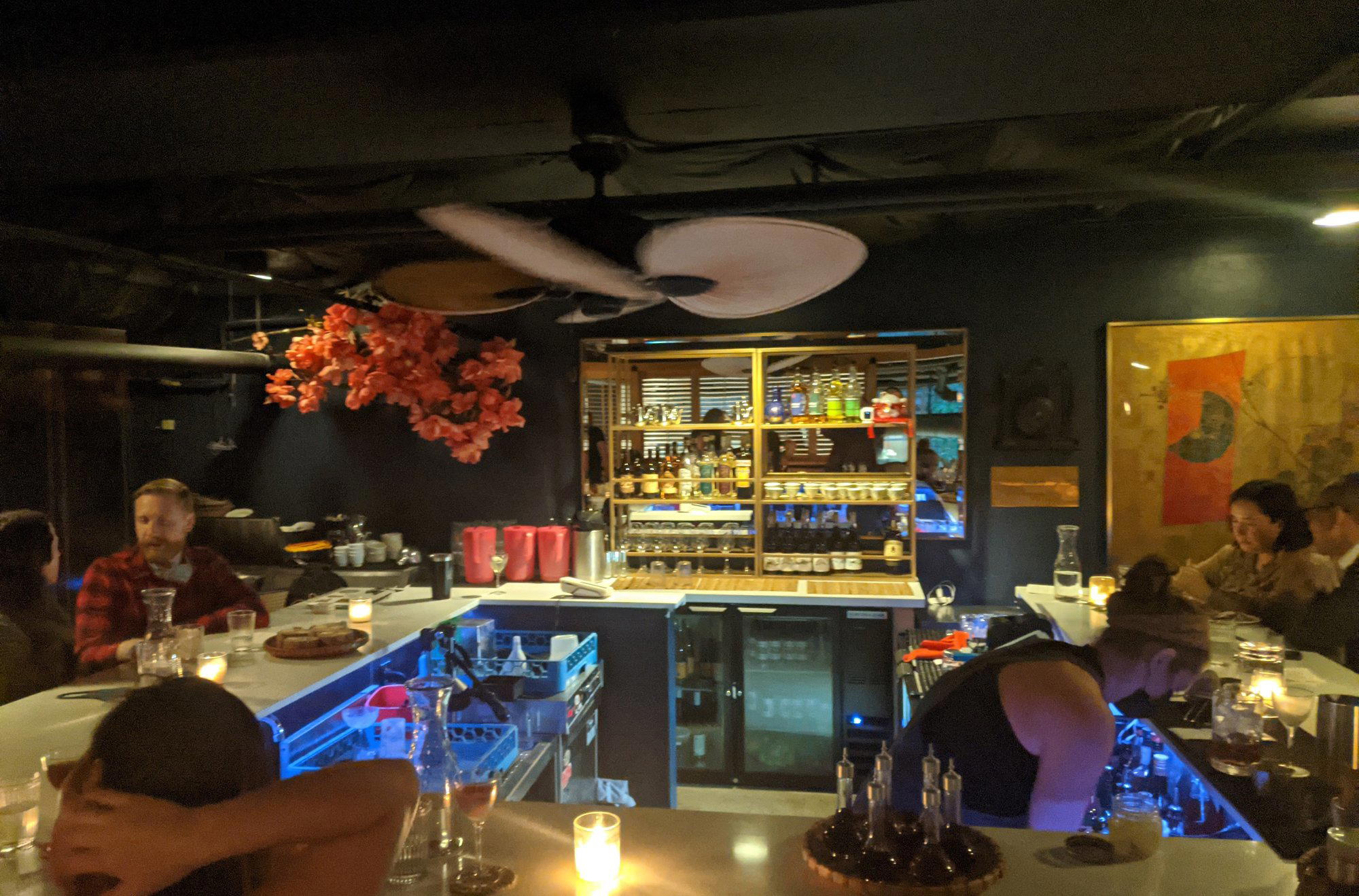
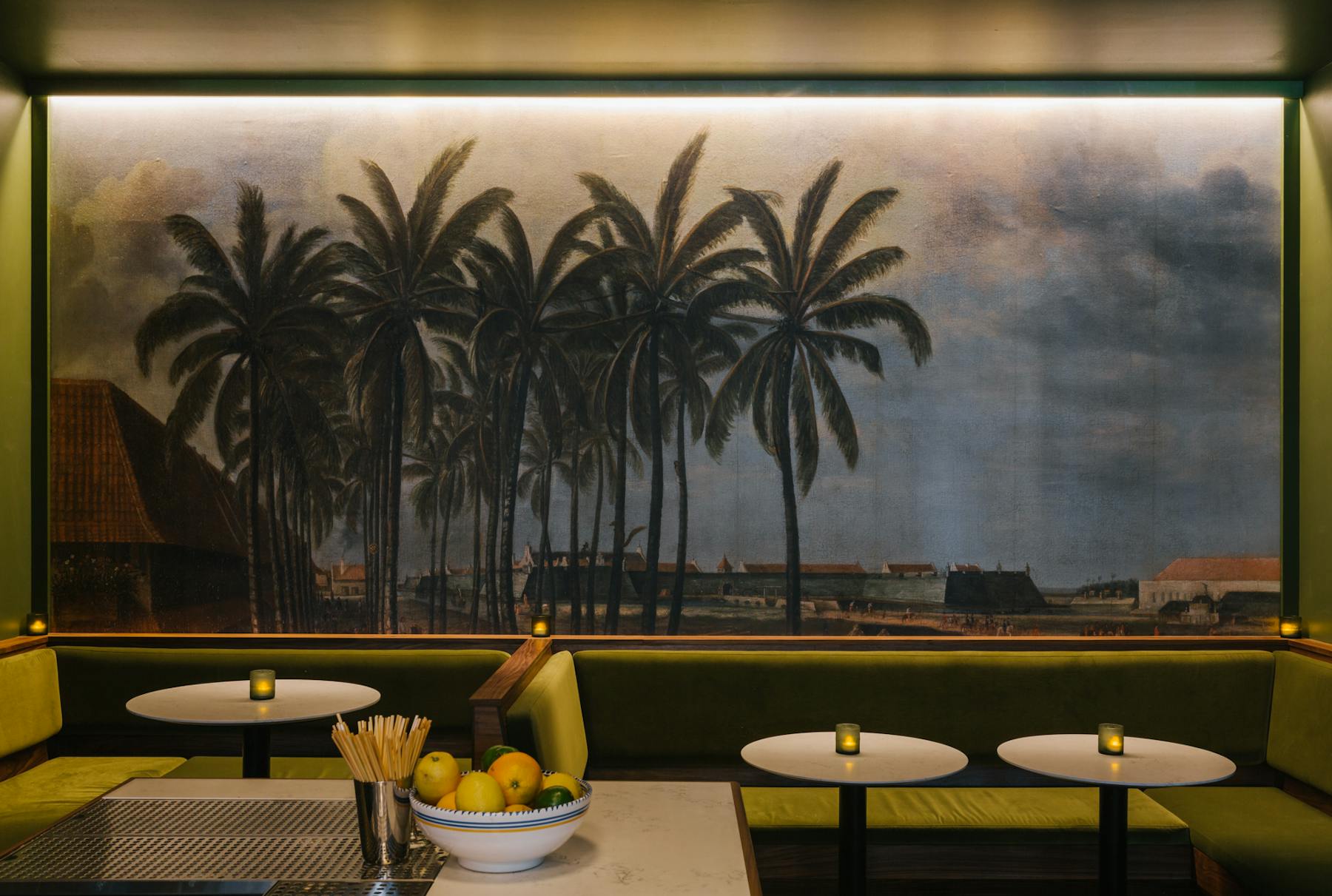
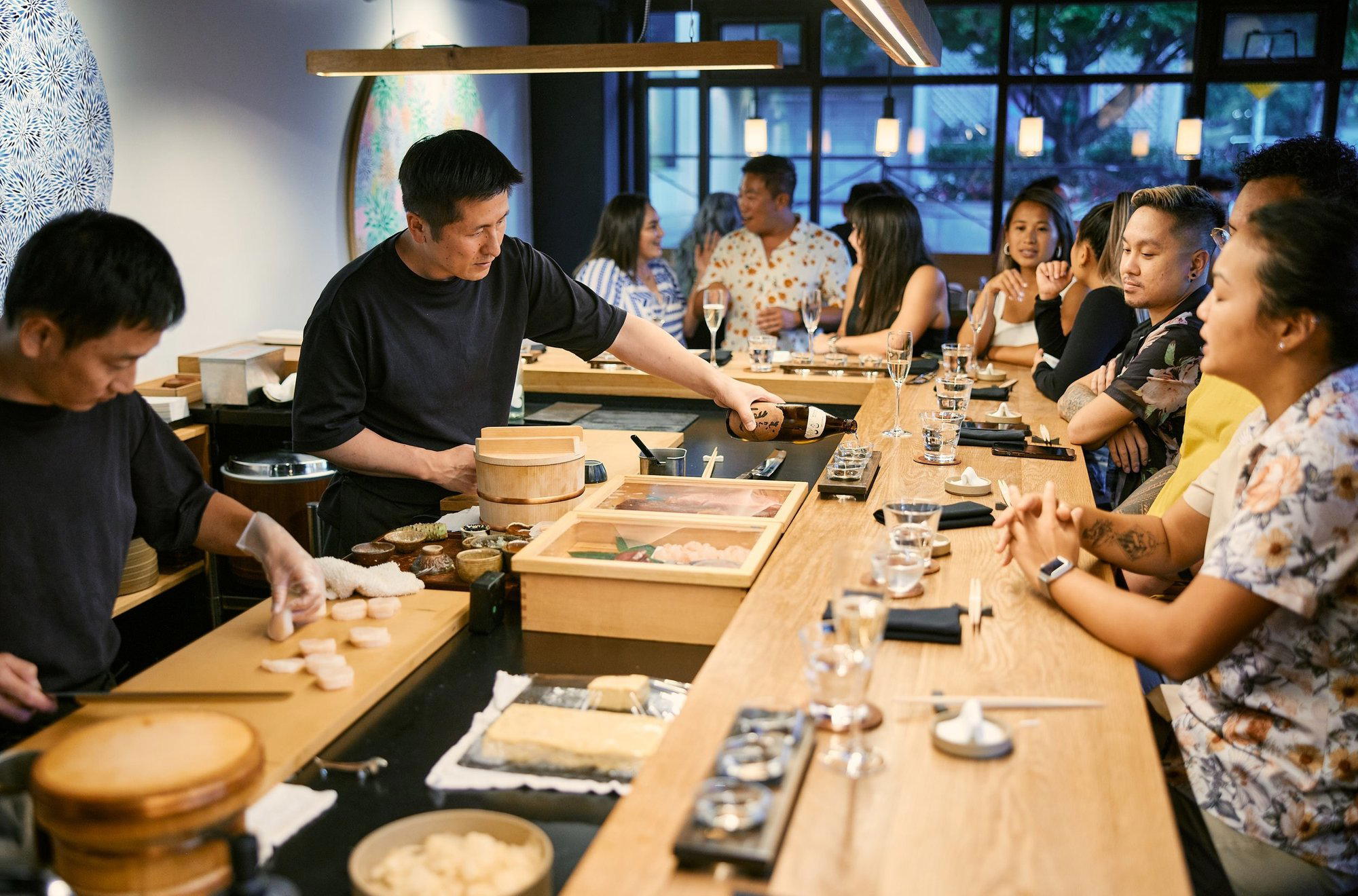
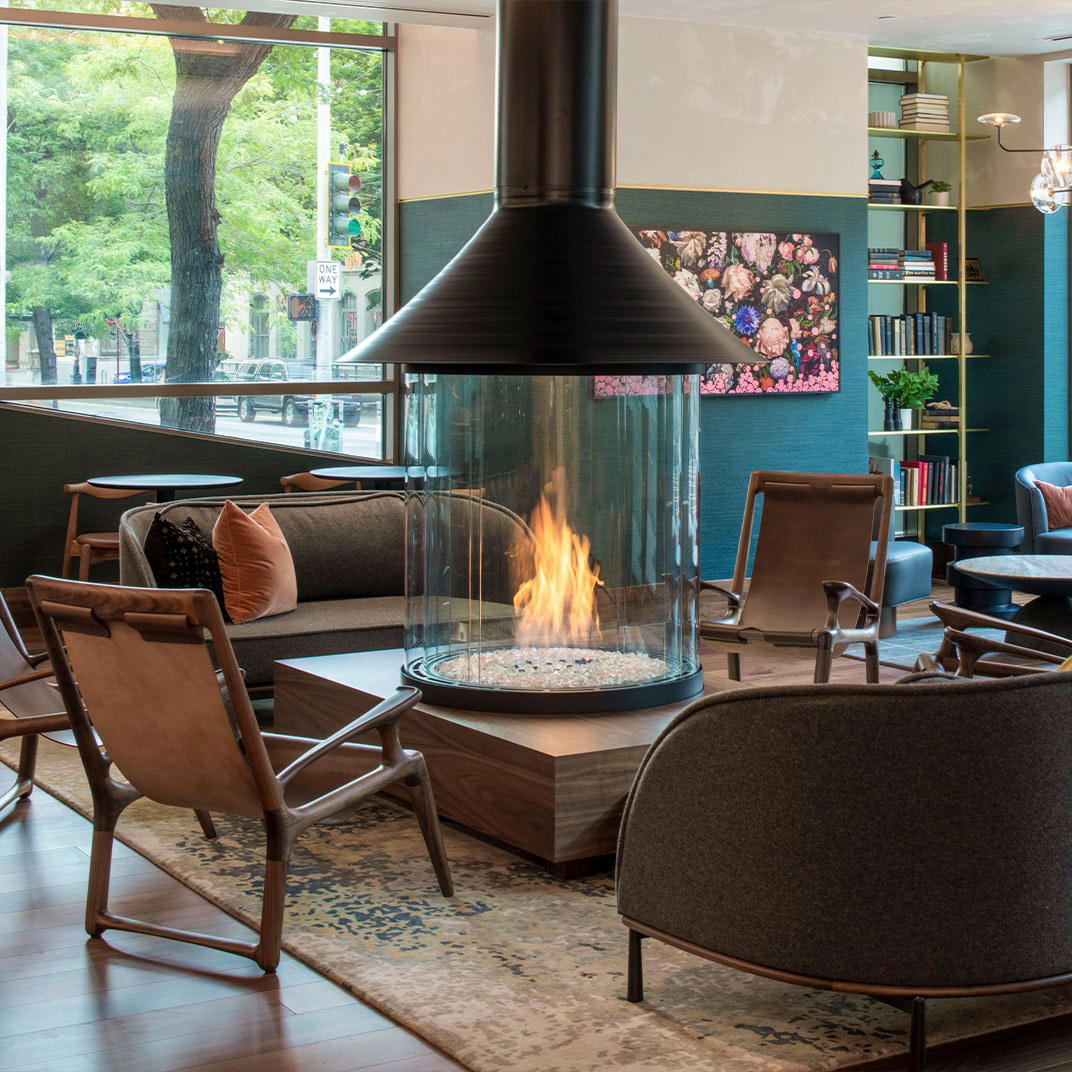
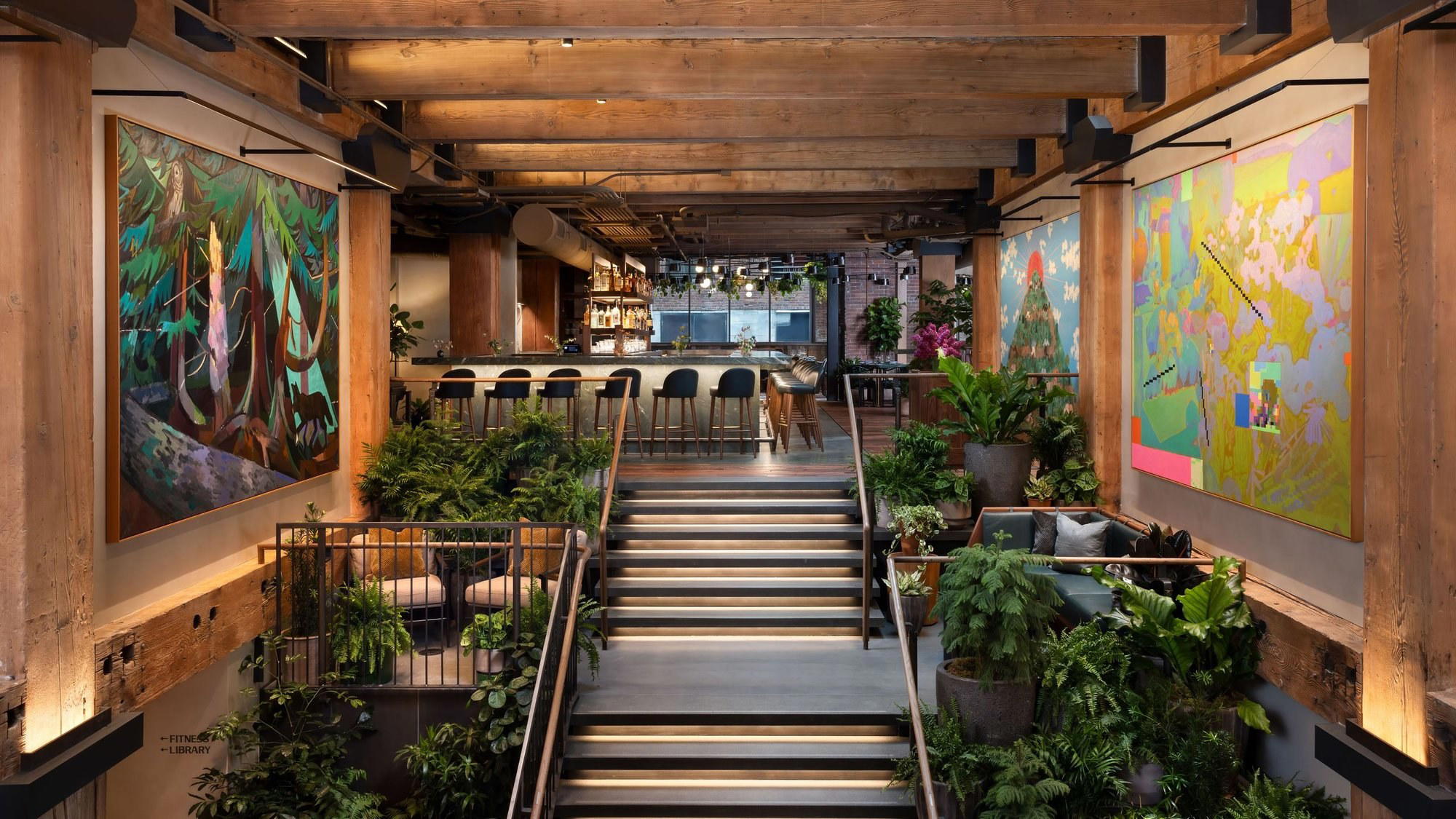
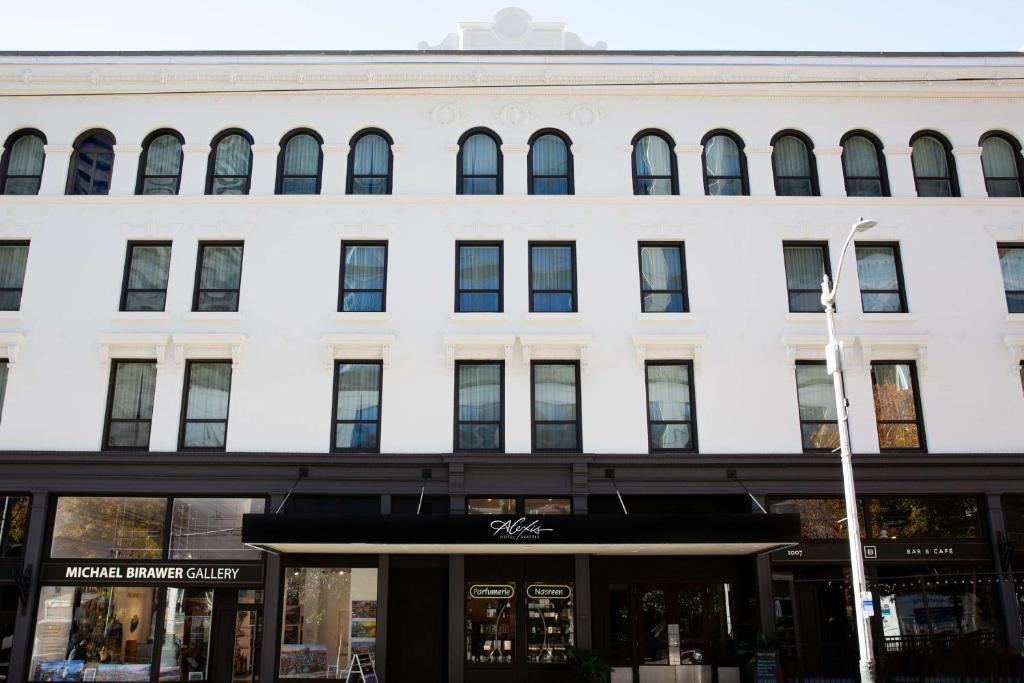
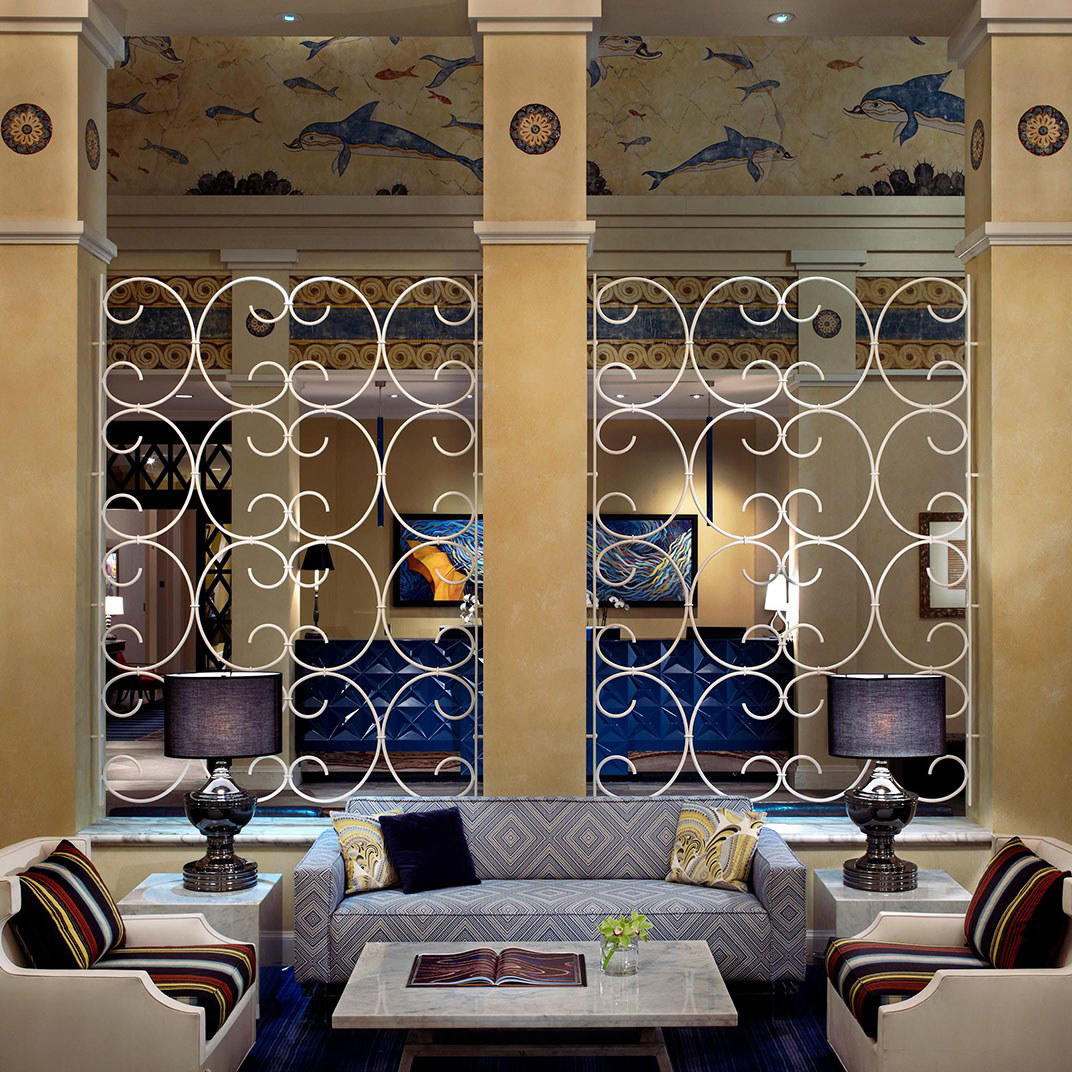
Casual street food scene atmosphere via mobile trucks.