Süder
Süder occupies a residential stretch of Weissensteinstrasse in Bern's Länggasse-Felsenau district, operating at a remove from the tourist circuits around the Zytglogge. The kitchen's emphasis on ingredient provenance places it within a growing tier of Swiss neighbourhood restaurants that treat sourcing as the primary editorial statement on the plate.
Pearl is the En Primeur Club membership app — saves, bookings, and concierge access live there. Same editors, same standards.
- Address
- Weissensteinstrasse 61, 3007 Bern, Switzerland
- Phone
- +41313715767
- Website
- restaurant-sueder.ch
- Directions
- Get directions
 Saves & bookings on Pearl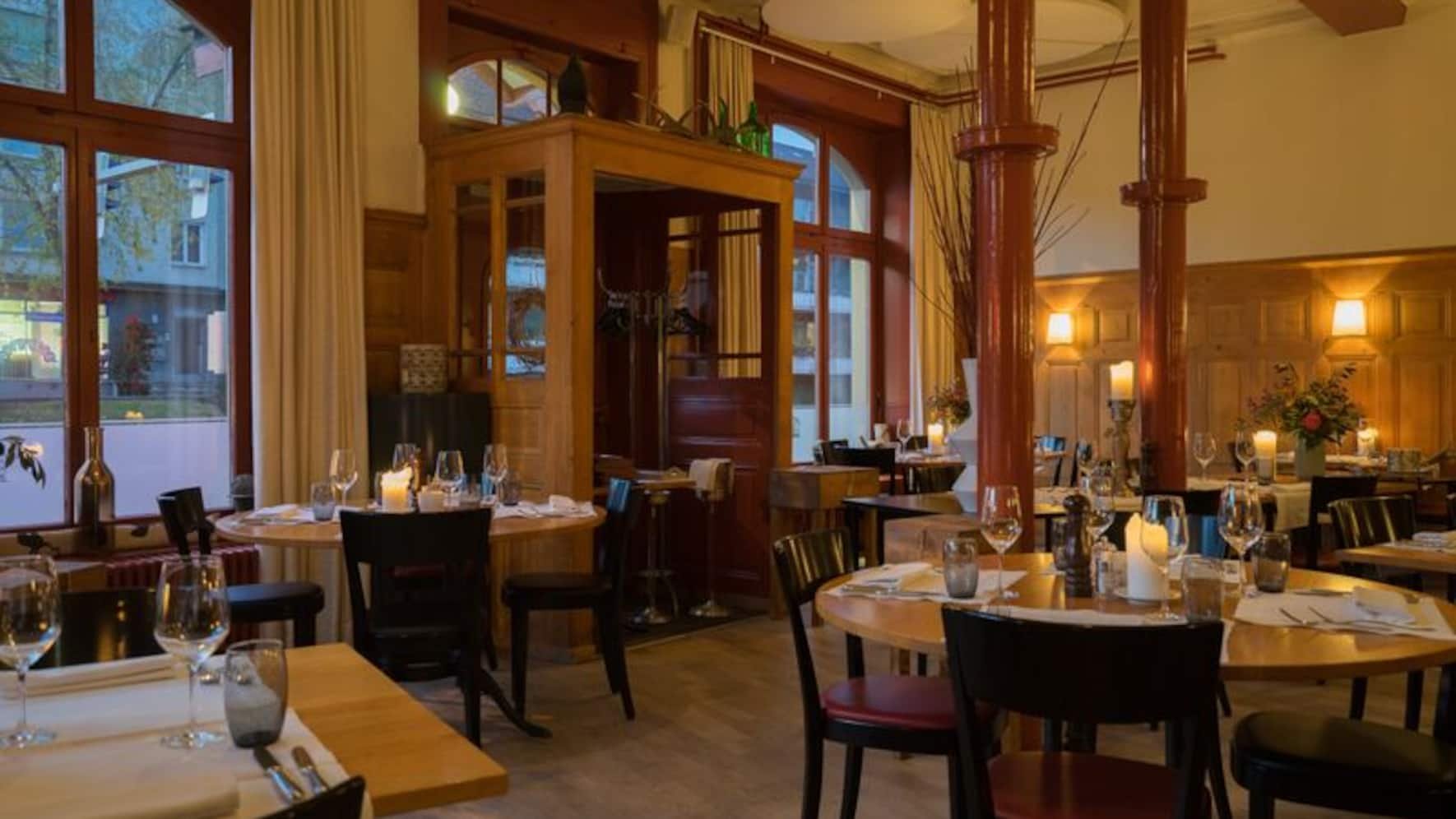
A Neighbourhood Address on Weissensteinstrasse
Weissensteinstrasse 61 sits in the kind of Bern neighbourhood that visitors rarely reach on a first trip: residential streets west of the old town where the tram lines thin out and the buildings shift from sandstone arcades to 20th-century apartment blocks. Arriving here by foot from Bärenplatz takes around twenty minutes, enough time to register how sharply the city's dining geography divides between its historic centre and the quieter districts beyond it. Süder occupies this outer tier, and the address is part of its editorial identity.
That positioning is not incidental. Across Switzerland's mid-sized cities, a pattern has emerged in which restaurants working closest to the source tend to set up outside the premium rental corridors. The logic is practical: lower overheads allow tighter margins on ingredient spend, which in turn permits sourcing from smaller producers whose volumes would never satisfy a high-traffic central location. Bern's equivalent of this pattern runs through Länggasse and Breitenrain, districts where the clientele is local by definition and the room has no obligation to perform for tourists.
Ingredient Provenance as the Menu's Organizing Principle
The broader shift in Swiss restaurant cooking over the past decade has been away from classical French structure toward something more explicitly regional, where the identity of a dish derives from where its components were grown or raised rather than from the technique applied to them. This is a different kind of discipline: it requires relationships with producers sustained across seasons, and it means the menu follows what is available rather than what the kitchen prefers to cook.
In that context, Bern has a geographic advantage that its restaurants are increasingly exploiting. The Bernese Mittelland sits between the Alps and the Jura, giving suppliers within a short drive access to both alpine dairy and lowland market gardens. The Emmental to the east contributes more than the cheese the region is named for: the farms there produce beef, pork, and poultry that enter restaurant supply chains at a scale and specificity rarely visible in larger cities. A kitchen on Weissensteinstrasse can, in principle, name the farm on its menu and mean it.
For context on what the upper tier of Swiss ingredient-led cooking looks like when resourced at full scale, Schloss Schauenstein in Fürstenau has spent years building one of the country's most documented farm-to-kitchen supply networks, with kitchen gardens on the estate grounds. Hotel de Ville Crissier in Crissier represents the classical French end of Swiss fine dining, where technique rather than terroir anchors the plate. Süder's neighbourhood register places it at neither extreme.
Where Süder Sits in Bern's Current Dining Structure
Bern's restaurant scene is smaller than Zurich's by volume and quieter than Geneva's in terms of international press coverage, but it has developed a coherent middle tier that neither city quite replicates. The leading comparison venues in the city are working within adjacent formats. Wein & Sein operates at the €€€€ level with modern cuisine and an explicit wine program. Steinhalle sits in the creative category at the same price tier, occupying a larger, more architecturally dramatic room. ZOE anchors the vegetarian side at €€€, a price point that reflects both its format and its ingredient commitments.
Süder's position relative to these addresses is a neighbourhood question as much as a culinary one. Where Wein & Sein and Steinhalle draw from a city-wide and occasionally regional audience, a restaurant on Weissensteinstrasse is working a tighter catchment. That constraint tends to produce a different kind of regulars culture, where the room reads the returning customer rather than the first-time visitor, and where the menu can evolve on a shorter cycle because the audience is paying close attention.
Other Bern addresses worth knowing for different registers include Al Toque and Azzurro – Terra e Mare. The full picture of what the city offers is covered in our full Bern restaurants guide.
The Swiss Fine Dining Comparison Set
Switzerland's awarded restaurant tier is concentrated in a handful of addresses that set the benchmark against which neighbourhood-level ambition is implicitly measured. Cheval Blanc by Peter Knogl in Basel holds three Michelin stars and represents the classical French tradition operating at peak technical intensity. Memories in Bad Ragaz and 7132 Silver in Vals demonstrate how resort-context fine dining operates when the setting does significant work. IGNIV Zürich by Andreas Caminada has brought a sharing-format approach to the Zurich fine dining scene. focus ATELIER in Vitznau, Colonnade in Lucerne, Da Vittorio in St. Moritz, and Einstein Gourmet in Sankt Gallen fill out a national picture in which serious cooking is spread across city and alpine resort formats rather than concentrated in one capital.
Bern contributes less to that awarded tier than its status as the federal capital might suggest, which is itself an editorial point. The city's dining culture has historically leaned toward the civic and the comfortable rather than the ambitious and the competitive. The neighbourhood restaurants working on provenance and seasonal sourcing represent the form that ambition currently takes in Bern, outside the structures of award recognition.
For international reference points on what an ingredient-led sourcing philosophy looks like when applied at the highest technical level, Le Bernardin in New York City demonstrates how proximity to specific suppliers shapes a menu's identity over decades. Atomix in New York City shows how sourcing and cultural specificity can operate together as a menu's conceptual foundation.
Planning a Visit
Weissensteinstrasse 61 is accessible by tram from Bern Hauptbahnhof, with the Länggasse corridor served by lines running west from the centre. The neighbourhood is walkable but not immediately adjacent to the main hotel cluster around the station, which places it in the category of restaurants requiring a deliberate trip rather than a spontaneous detour. With no published booking method, hours, or price range currently available through EP Club's database, contacting the venue directly before visiting is the practical approach. The address itself functions as a locating signal: this is a restaurant oriented toward the residential west of the city, not the tourist circuit of the old town.
Continue exploring
More in Bern
Restaurants in Bern
Browse all →
Bars in Bern
Browse all →
Hotels in Bern
Browse all →

At a Glance
- Cozy
- Elegant
- Rustic
- Date Night
- Family
- Terrace
- Local Sourcing
Current opening hours
- Monday
- Closed
- Tuesday
- 11:30 AM–2 PM, 6–11 PM
- Wednesday
- 11:30 AM–2 PM, 6–11 PM
- Thursday
- 11:30 AM–2 PM, 6–11:30 PM
- Friday
- 11:30 AM–2 PM, 6–11:30 PM
- Saturday
- 5:30–11:30 PM
- Sunday
- Closed
Hours can change for holidays and private events. Last verified .
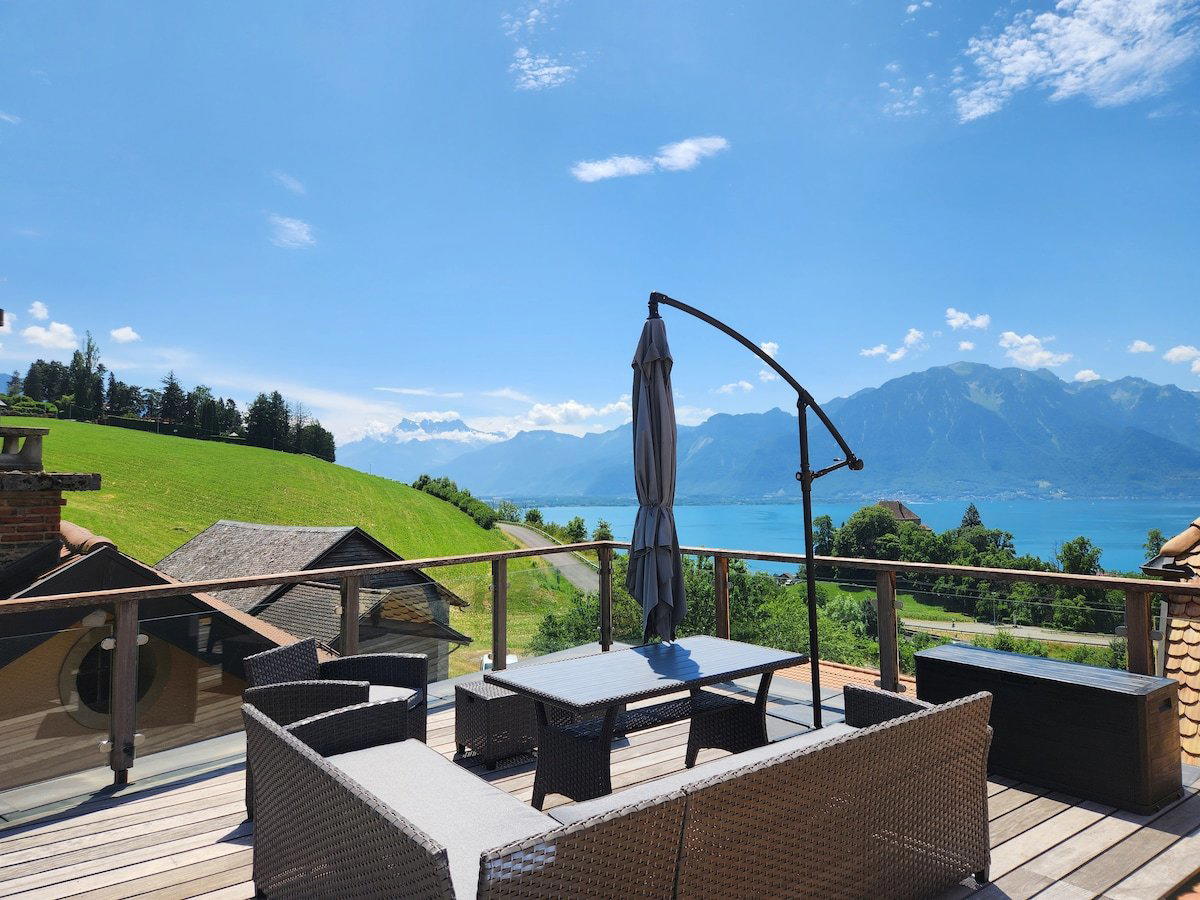
Cozy and elegant with rustic charm, beautifully decorated tables, fresh floral accents, and a welcoming atmosphere enhanced by a plant-surrounded terrace.