Scotch & Sirloin

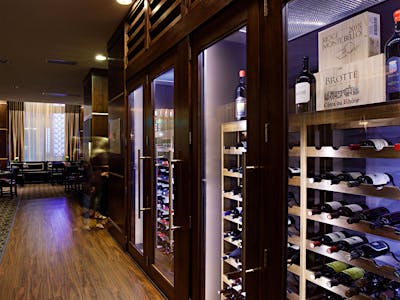
Scotch & Sirloin pairs prime rib and tomahawk steak with a wine cellar and an extensive wine list, set for leisurely lunch or dinner in business casual.
Pearl is the En Primeur Club membership app — saves, bookings, and concierge access live there. Same editors, same standards.
- Address
- 5325 E Kellogg Dr, Wichita, KS 67218
- Phone
- +13166858701
- Website
- scotchandsirloin.net
- Directions
- Get directions
 Saves & bookings on Pearl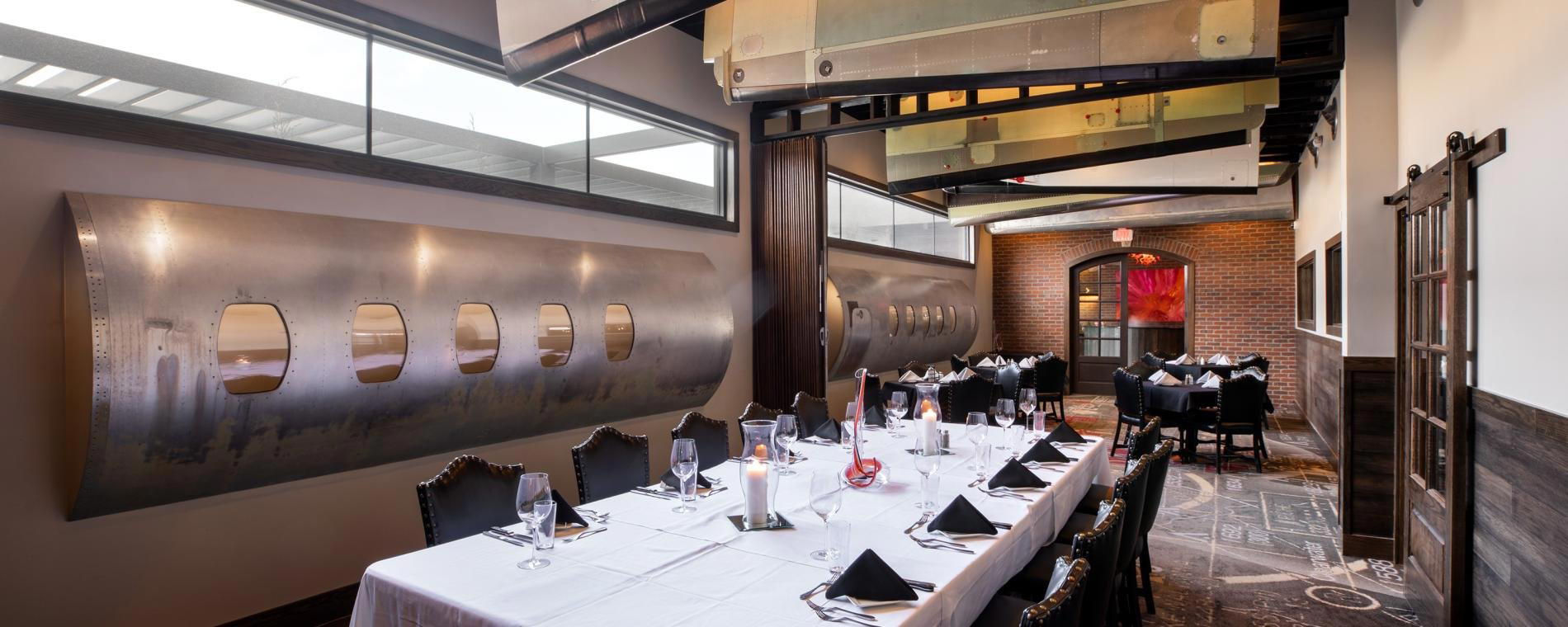
Beef Country, Done Right
East Kellogg Drive is not Wichita's most atmospheric corridor, but Scotch & Sirloin has occupied its address at 5325 E Kellogg Dr long enough to become a fixed point of reference in a city that takes its beef seriously. Kansas sits at the center of the American cattle industry, and the steakhouses that survive here for decades do so not by trading on novelty but by sourcing well and executing consistently. That context matters before you walk through the door.
The surrounding region produces some of the most traceable beef in the country. Kansas feedlots and ranches supply national packing operations, and a proportion of that supply chain feeds directly into independent steakhouses across the state. Restaurants like Scotch & Sirloin, positioned in a mid-continent beef corridor, operate closer to the source than comparable steak operations on either coast. That proximity shapes what ends up on the plate in ways that are harder to achieve in, say, Manhattan or Los Angeles, where supply chains are longer and cold-storage time adds days to the process.
The Steak Tradition Scotch & Sirloin Represents
American steakhouse culture divides, roughly, into three tiers. At one end sit the national chains, offering predictable cuts in high-volume rooms. At the other sit the destination houses, the kind of operations you find profiled alongside Le Bernardin in New York City or The French Laundry in Napa, where the beef program is part of a broader tasting format and the price-per-head reflects it. Between those extremes is a category that American food culture has historically undervalued: the regional independent, deeply embedded in a specific city, answering to local expectations rather than national brand standards or critic circuits.
Scotch & Sirloin belongs to that middle tier, and that tier is worth understanding on its own terms. These are not aspirational concept restaurants in the mode of Alinea in Chicago or Lazy Bear in San Francisco. They are not farm-to-table showcases like Blue Hill at Stone Barns in Tarrytown or Single Thread Farm in Healdsburg. What they offer instead is command of a specific, narrow discipline: sourcing a good cut, aging it correctly, cooking it to temperature, and presenting it without complication. That is harder than it sounds, and the restaurants that do it consistently build the kind of local loyalty that no marketing effort can manufacture.
Why Sourcing Defines the Category
The editorial angle on any serious steakhouse is always the supply chain. Beef quality at the plate level is almost entirely determined upstream: the breed, the feed program, the slaughter and aging protocol. A kitchen cannot rescue a poorly sourced steak through technique, and no amount of finishing butter changes the fundamental character of the meat. This is why the leading regional steakhouses in cattle-producing states tend to outperform their coastal equivalents at equivalent price points. The logistics are shorter, the relationships with suppliers are older, and the margin available for error is smaller because local diners know what good beef tastes like.
Kansas occupies a position in American beef geography that few states can match. The Flint Hills region, which runs through the eastern part of the state, is historically associated with grass-finished cattle, while the western feedlots supply a significant share of the grain-finished beef that defines the USDA Prime and Choice grades most fine-dining steakhouses depend on. A restaurant operating in Wichita sits at the crossroads of both traditions. The opportunity to source selectively from that supply, building relationships with specific operations rather than buying through a national broadline distributor, is a structural advantage that coastal steakhouses simply cannot replicate.
For context, restaurants like Bacchanalia in Atlanta and Frasca Food & Wine in Boulder have made sourcing transparency a central part of their identity, and the market has rewarded them for it. The regional steakhouse tradition in Kansas predates that trend by decades, operating on the same logic without necessarily narrating it to diners. The beef was always the point.
Wichita's Dining Position
Wichita is not a restaurant city in the way that Denver or Kansas City is. The dining scene here is smaller and more conservative, which means that longevity carries weight. A restaurant that has held its address and its reputation across years of shifting consumer habits in a mid-sized midwestern city is making a quiet argument about quality and consistency that louder operations in larger markets cannot always match. For a fuller map of where Scotch & Sirloin fits within the city's dining options, see our full Wichita restaurants guide.
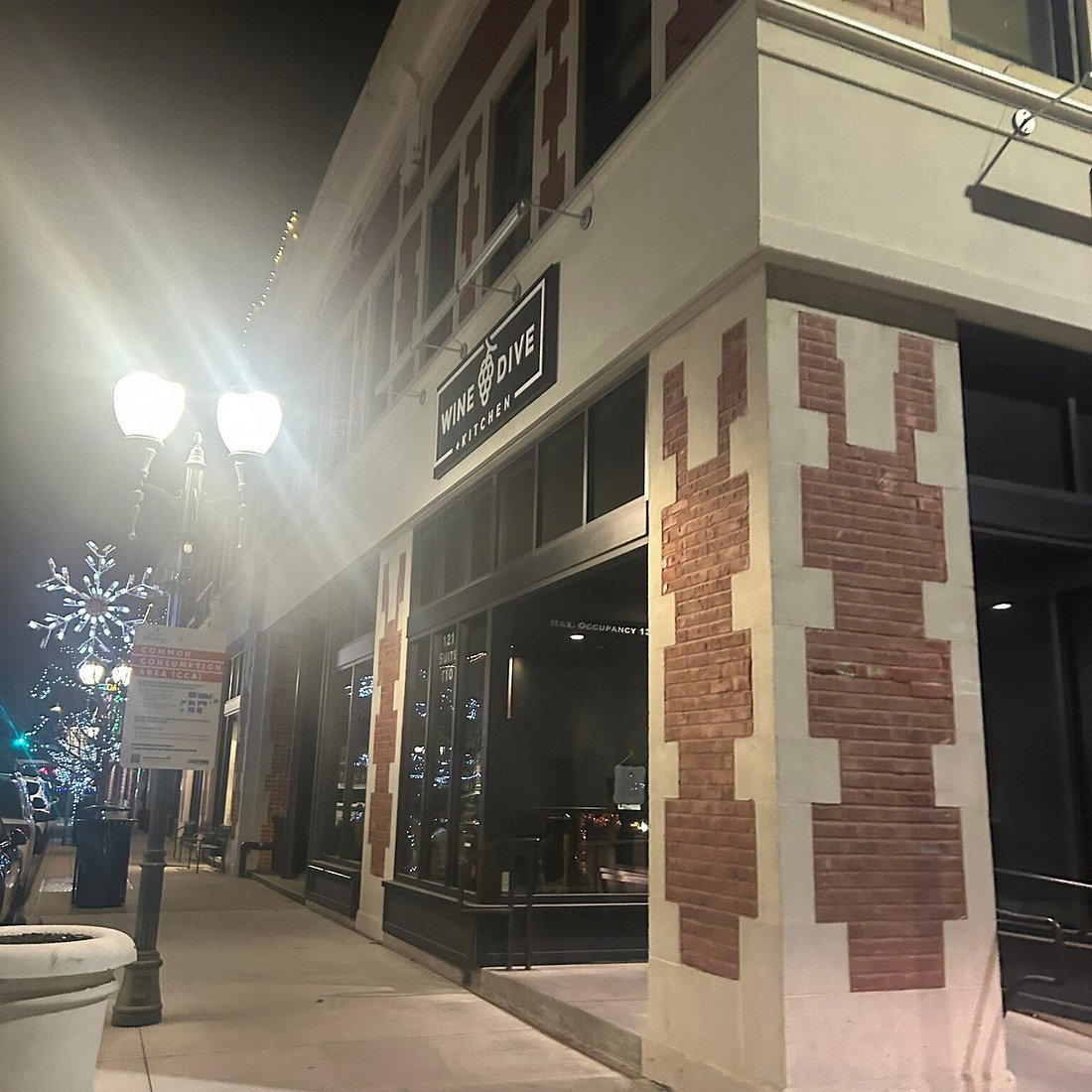
The city's steakhouse tradition also operates in an interesting counterpoint to the farm-to-table programming that has defined fine dining elsewhere. While operations like Brutø in Denver, Causa in Washington, D.C., and Atomix in New York City have built identities around hyperspecific sourcing narratives and seasonal programming, Wichita's serious independent restaurants have often operated on an older model: build relationships with regional suppliers, execute without showmanship, and let repeat customers decide the verdict. Bars like Wine Dive represent a more contemporary layer of the city's hospitality scene, but the steakhouse tradition predates and in many ways underwrites the credibility of the rest of the market.
Comparable operations elsewhere in the country, including Providence in Los Angeles, Emeril's in New Orleans, Addison in San Diego, The Inn at Little Washington, and 8 1/2 Otto e Mezzo Bombana in Hong Kong, carry awards infrastructure and national press attention that Scotch & Sirloin does not. That comparison is not a knock on the Wichita operation; it simply locates it accurately. These are different animals operating in different ecosystems, and the criteria that matter at a destination fine-dining room are not the criteria that matter at a well-run regional steakhouse. Judging one by the standards of the other produces a category error.
Planning Your Visit
Scotch & Sirloin is located at 5325 E Kellogg Dr in Wichita, on the eastern side of the city along one of its main commercial corridors. The address is easily reachable by car; street parking and lot access are standard for the area. Given the venue's longevity and local standing, reservations on weekend evenings are advisable, though the general pattern for established Wichita steakhouses suggests weeknight visits offer more room to settle in without time pressure. Current hours, booking options, and menu pricing are best confirmed directly with the restaurant before visiting, as those details were not available at the time of publication.
Recognition history
Dated appearances from independent guides and award organizations, with the underlying list record or original source where available.
Wine Spectator Award of Excellence
Wine Spectator
Continue exploring
More in Wichita
Restaurants in Wichita
Browse all →
At a Glance
- Classic
- Elegant
- Sophisticated
- Business Dinner
- Special Occasion
- Group Dining
- Wine Cellar
- Extensive Wine List
Current opening hours
- Monday
- 11 AM–10 PM
- Tuesday
- 11 AM–10 PM
- Wednesday
- 11 AM–10 PM
- Thursday
- 11 AM–10 PM
- Friday
- 11 AM–11 PM
- Saturday
- 4–11 PM
- Sunday
- 4–9 PM
Hours can change for holidays and private events. Last verified .
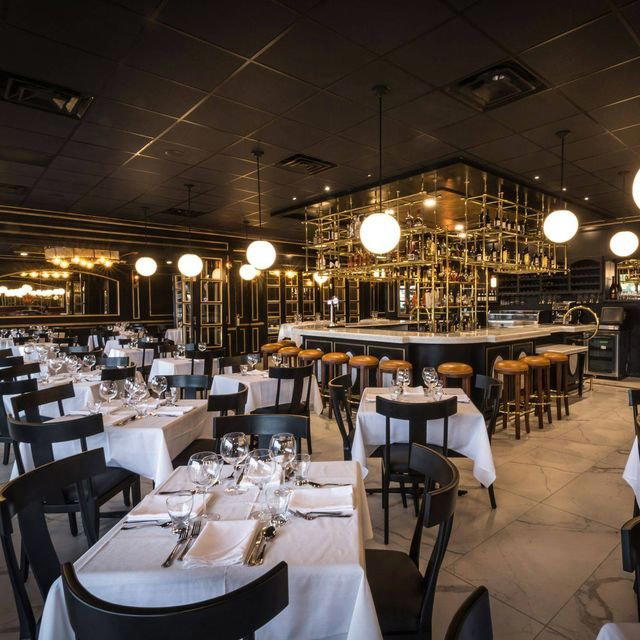
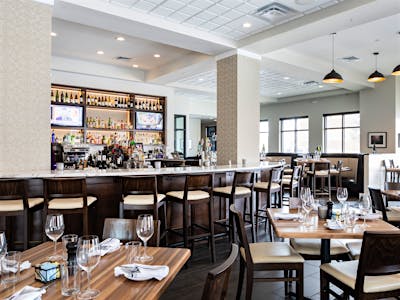
Newly remodeled internationally prominent interior with dramatic design and warm hospitality, featuring a massive wine wall.
Know Before You Go
- Getting there
- 5325 E Kellogg Dr, Wichita, KS 67218