Sapporo Japanese Sushi Restaurant
Sapporo Japanese Sushi Restaurant on Wichita's east side brings Japanese sushi tradition to a city where the format remains a relative rarity outside major metropolitan areas. Located at 8065 E Peachtree Ln, it occupies a distinct position in the local dining scene, offering a cuisine with deep cultural roots in a market dominated by American and Italian options.
Pearl is the En Primeur Club membership app — saves, bookings, and concierge access live there. Same editors, same standards.
- Address
- 8065 E Peachtree Ln, Wichita, KS 67207
- Phone
- +1 316 977 8808
- Website
- sapporoks.com
- Directions
- Get directions
 Saves & bookings on Pearl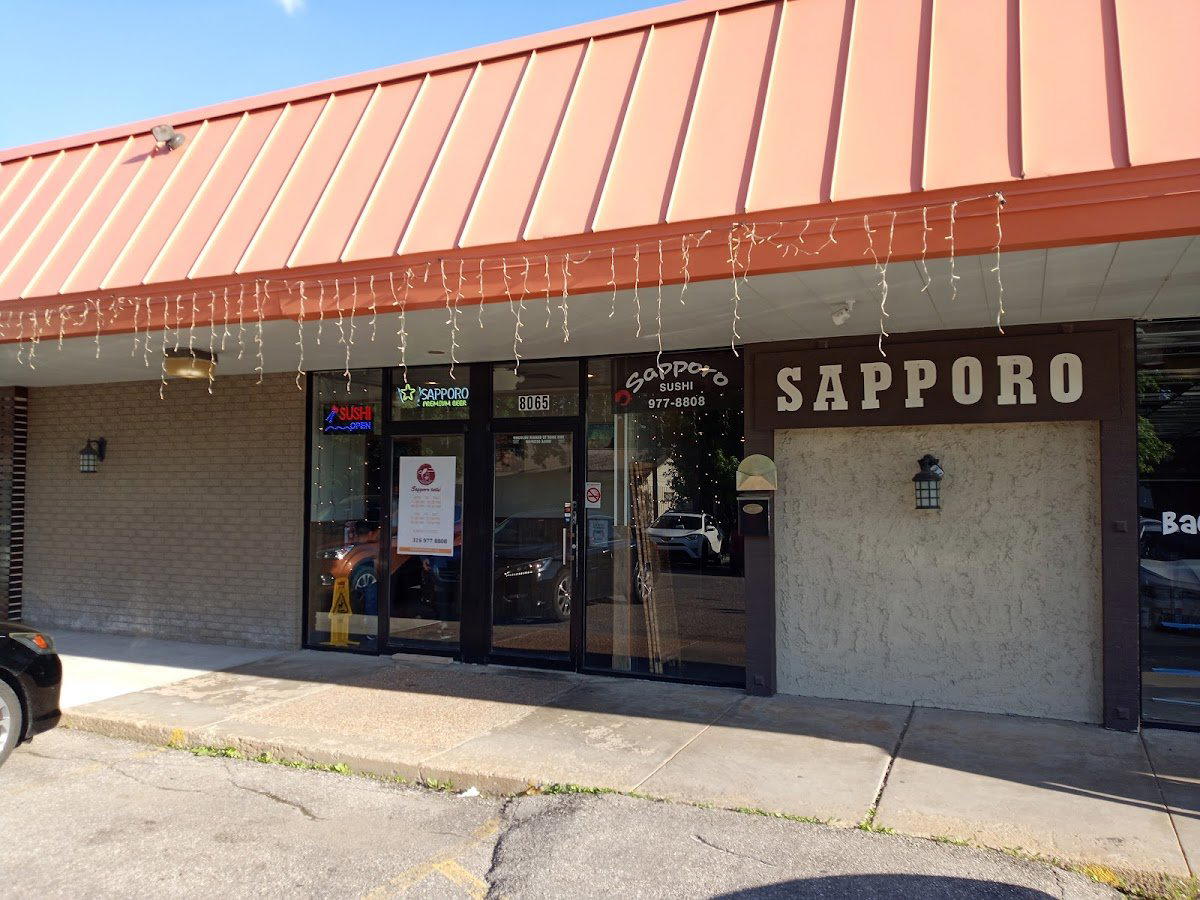
Japanese Sushi in the Kansas Plains: What the Format Demands
There is a particular kind of discipline built into sushi as a dining format that tends to get lost when the cuisine travels far from its origins. The rice temperature, the ratio of vinegar to grain, the cut angle of the fish, the resting time of a piece before it reaches the counter — these are not incidental details but structural requirements of a tradition that took centuries to formalize in Japan. In cities with dense Japanese-American communities or established sushi cultures, these standards are enforced by competition and peer scrutiny. In mid-continent American cities like Wichita, that pressure is lower, which makes the presence of any serious Japanese sushi operation both more notable and more worth examining on its own terms.
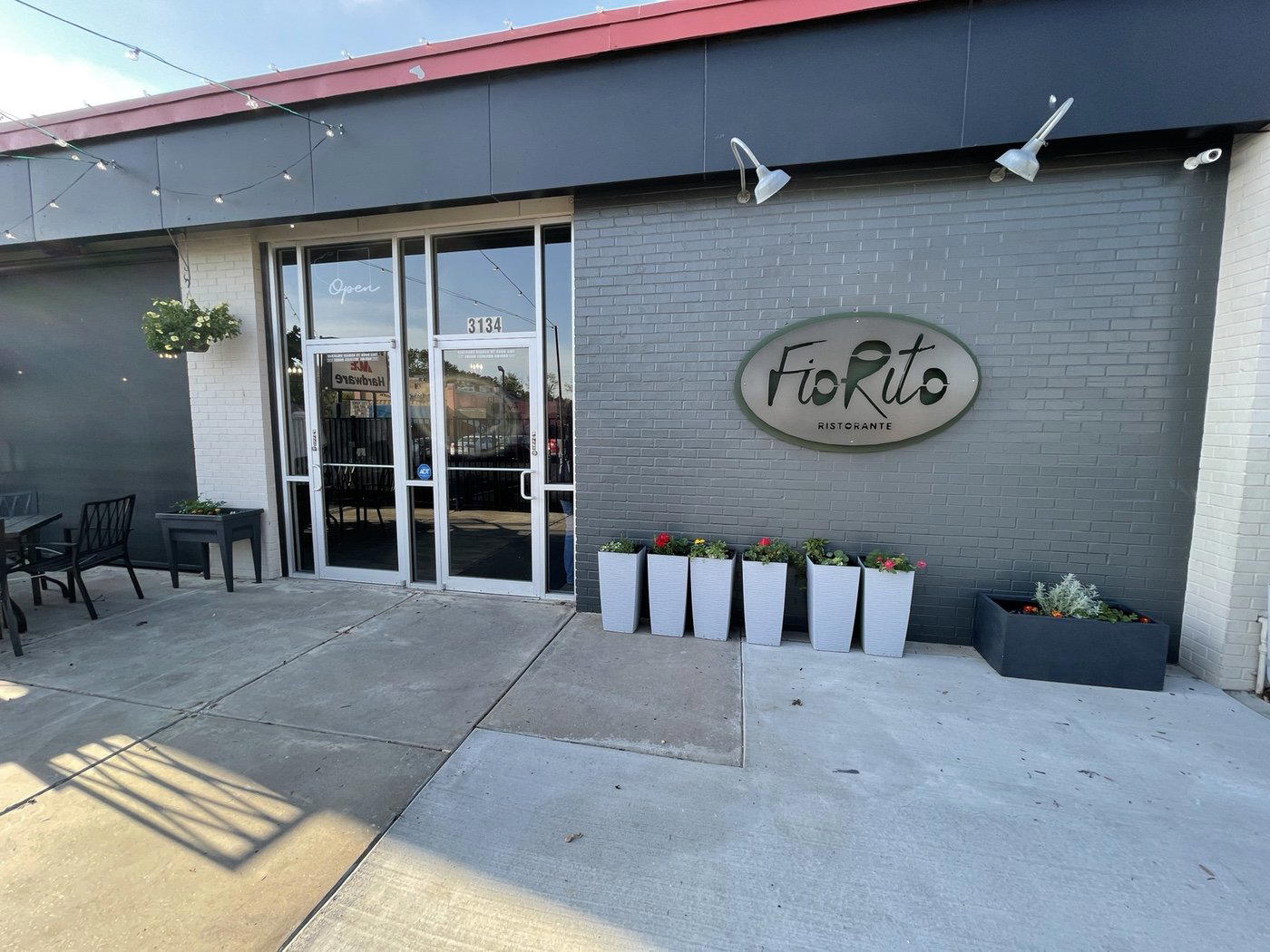
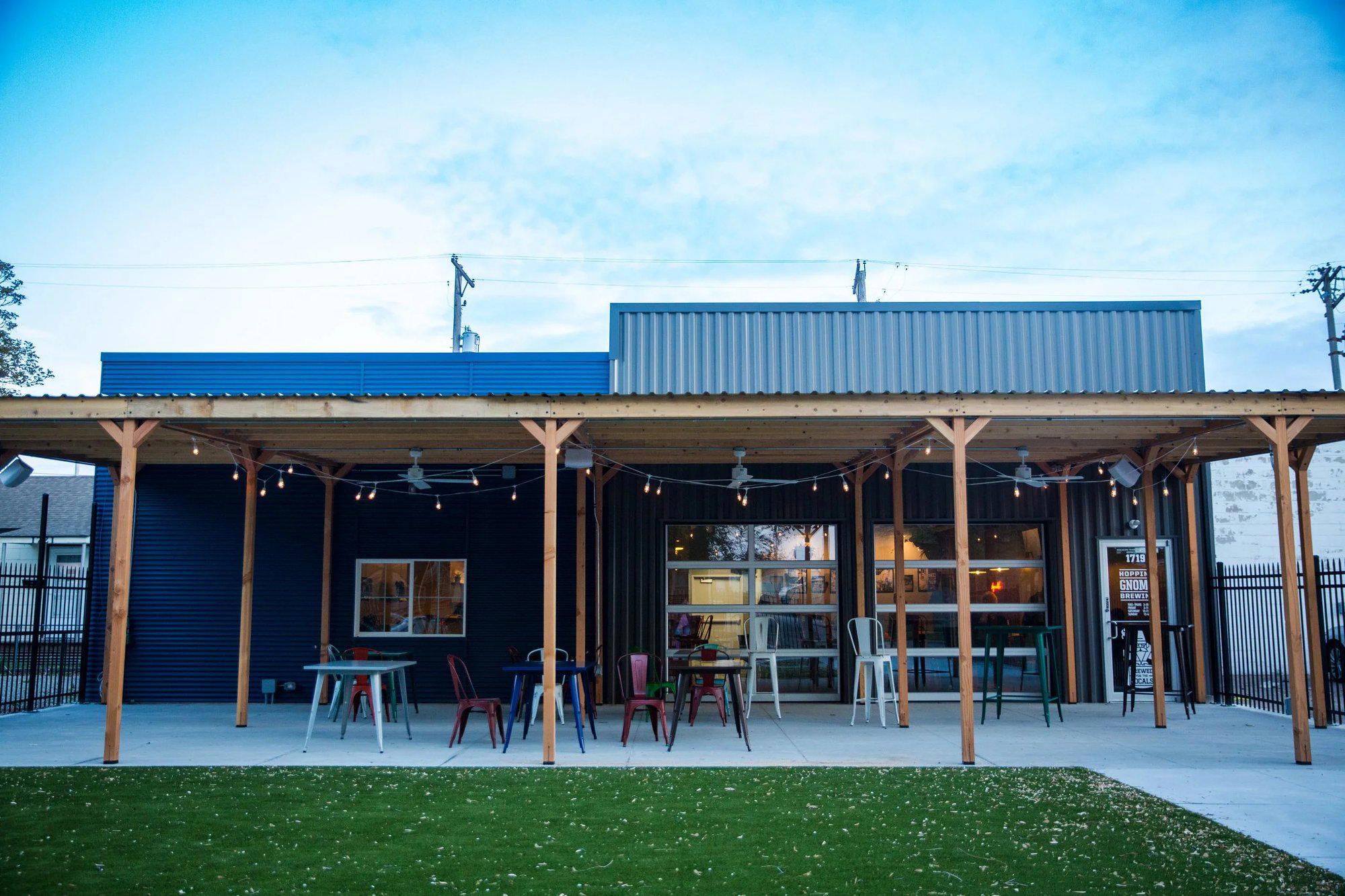
Sapporo Japanese Sushi Restaurant, located at 8065 E Peachtree Ln in Wichita's east side, operates in precisely that context. The dining market it serves is one where FioRito Ristorante and Bocatto Eatery and Pasta represent the kind of European-inflected dining that draws serious attention, and where craft beverage culture anchors around spots like Central Standard Brewing and Hopping Gnome Brewing Company. Japanese cuisine sits in a different tier of the conversation here — smaller in representation, with fewer reference points for comparison, and therefore carrying a different kind of responsibility to the tradition it represents.
The Cultural Architecture of Sushi
Sushi in its modern form, nigiri, maki, and their variations, is the product of Edo-period Tokyo, where fast-food stalls along the Sumida River sold hand-pressed rice topped with preserved or fresh seafood to working crowds. The dish was democratic in origin and highly technical in execution, a combination that has defined its global spread and the tension it creates when exported to markets where the supply chains, training pipelines, and ingredient sourcing look nothing like the original. The central challenge for any sushi restaurant operating outside major coastal American cities is not ambition but logistics: fresh fish arriving inland requires reliable cold-chain infrastructure, and the Japanese culinary tradition of respecting each ingredient's natural character leaves little room for masking supply inconsistencies with heavy saucing or flavoring.
This is the reason sushi restaurants in cities like Wichita, Kansas City, or Omaha occupy a structurally different position from their counterparts in Los Angeles, New York, or San Francisco. They are not competing with high-volume fish markets or a dozen omakase counters within walking distance. Their reference class is the regional category, and the meaningful question is whether the cultural logic of the format, the precision, the restraint, the ingredient integrity, translates across that geographic gap. When it does, it matters considerably more than the setting might suggest. For comparison, serious cocktail-focused programs at venues like Kumiko in Chicago or Bar Leather Apron in Honolulu demonstrate what happens when a non-native format is adopted with genuine rigor, the result earns recognition that transcends local context entirely.
What the East Side Location Says About Wichita's Dining Geography
Wichita's restaurant geography has long concentrated serious dining along its eastern and central corridors, with the east side in particular housing a mix of neighborhood restaurants and strip-mall operations that punch above their architectural weight. The address on Peachtree Lane places Sapporo in a part of the city where accessibility by car is the organizing logic, rather than foot traffic or destination walk-in culture. This is not unusual for mid-sized American cities, where dining identity is shaped more by community loyalty and word of mouth than by the urban density that feeds coastal reservation queues. For full context on how this venue fits into the city's broader dining picture, the EP Club Wichita restaurants guide maps the category across neighborhoods and formats.
The east side's dining scene includes multiple international formats that have found stable audiences over years of operation. A Japanese sushi restaurant in this corridor is not a novelty experiment but a response to a genuine local appetite, one that has historically supported Asian cuisine across multiple subcategories. The question of whether a sushi restaurant in this environment maintains fidelity to the format's technical standards is one that only on-the-ground experience can fully answer, but the cultural stakes of that question are consistent regardless of zip code.
Reading the Room: How Sushi Formats Vary and Why It Matters
American sushi menus broadly divide into three operational tiers. The first is the Americanized roll-heavy format, where the menu centers on elaborate maki with multiple sauces, tempura components, and cream cheese, a format with its own legitimate following but one that diverges significantly from Japanese tradition. The second is the mid-range hybrid, which offers both traditional nigiri and sashimi alongside Western-adapted rolls, often with Japanese beer and sake on the drinks menu. The third is the counter-service omakase format, where a single chef sequences the meal and ingredient provenance is part of the offer, a model that requires specific training, very high-quality fish sourcing, and a clientele willing to pay premium prices and surrender menu control.
Venues like Jewel of the South in New Orleans, Julep in Houston, Superbueno in New York City, ABV in San Francisco, and The Parlour in Frankfurt on the Main each illustrate how format discipline, knowing exactly what tier you are operating in and executing within it with consistency, determines long-term standing far more than ambition alone. The same logic applies to sushi. A restaurant that understands its tier and executes it cleanly earns more credibility than one that reaches for a format its supply chain cannot support.
Planning Your Visit
Sapporo Japanese Sushi Restaurant is located at 8065 E Peachtree Ln, Wichita, KS 67207, on the city's east side. As the venue's website and phone contact are not currently listed in public records, the most reliable way to confirm current hours, reservation availability, and menu format is to visit in person or check for updated contact details through local search platforms. For a city like Wichita, where dining room sizes tend to be moderate and weekend evenings draw consistent local traffic, calling ahead or arriving early in the dinner service is a practical approach regardless of the specific venue. Visitors coming from downtown Wichita should plan for a short drive east; the Peachtree Lane address is most accessible by car, with parking available at the strip-level location typical of this part of the city.
Continue exploring
More in Wichita
Bars in Wichita
Browse all →
At a Glance
- Classic
- Casual Hangout
- Standalone
- Seated Bar
- Sake
Current opening hours
- Monday
- 11 AM–2:30 PM, 4:30–9:30 PM
- Tuesday
- 11 AM–2:30 PM, 4:30–9:30 PM
- Wednesday
- 11 AM–2:30 PM, 4:30–9:30 PM
- Thursday
- 11 AM–2:30 PM, 4:30–9:30 PM
- Friday
- 11 AM–2:30 PM, 4:30–10 PM
- Saturday
- 12–10 PM
- Sunday
- Closed
Hours can change for holidays and private events. Last verified .
Down-to-earth sushi restaurant with friendly service in a quiet neighborhood.
Know Before You Go
- Getting there
- 8065 E Peachtree Ln, Wichita, KS 67207