Scoma’s

On a quiet block off Fisherman's Wharf, Scoma's has operated through decades of San Francisco dining upheaval with a format that has barely shifted since the 1970s: white-jacketed servers, a long recitation of the daily catch, and whole Dungeness crab that arrives demanding full physical commitment. While the Wharf undergoes its most significant redevelopment in a generation, Scoma's reads as a deliberate act of resistance to it.
Pearl is the En Primeur Club membership app — saves, bookings, and concierge access live there. Same editors, same standards.
- Address
- 1965 Al Scoma Way, San Francisco, CA 94133
- Phone
- (415) 771-4383
- Website
- scomas.com
 Saves & bookings on Pearl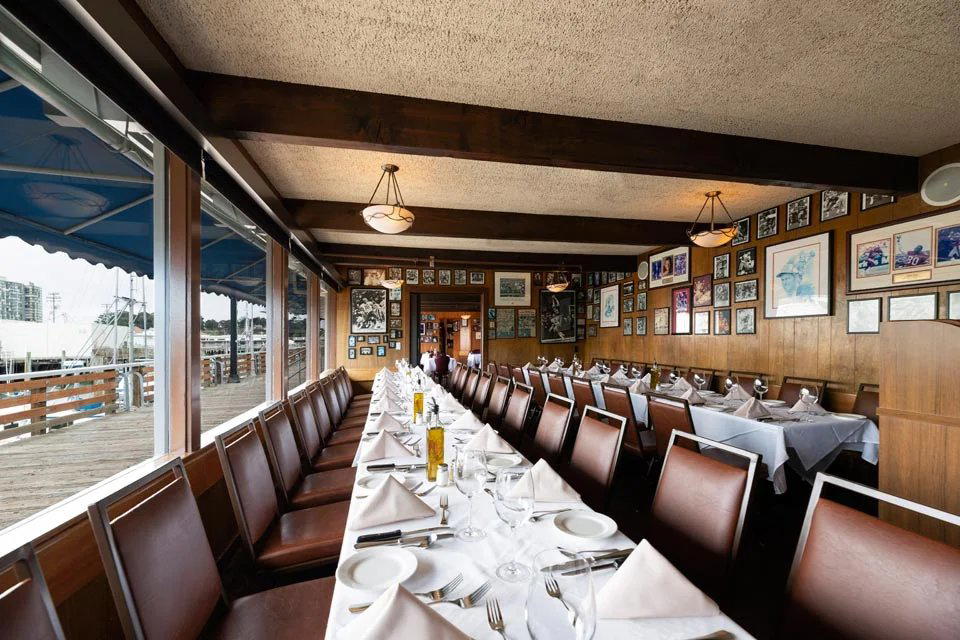
A Block Away from the Demolition Crews
Fisherman's Wharf is mid-transformation. Alioto's, a name that anchored the waterfront for generations, has been demolished. New restaurants are opening along the main drag as part of a coordinated redesign effort that the San Francisco Chronicle has been tracking closely. One block over on Al Scoma Way, none of this appears to have registered. The dining room format, the white jackets on the floor staff, the oral recitation of the day's catch, all of it maps back to a version of American seafood dining that peaked around 1975 and has largely been replaced elsewhere by chalkboard menus and tasting progressions. At Scoma's, the form held.
That kind of institutional continuity is rarer in San Francisco's restaurant scene than the city's reputation for tradition might suggest. The city's upper-tier dining is occupied by tasting-menu formats at places like Lazy Bear, Atelier Crenn, Benu, and Quince, with structured multi-course formats and reservation windows measured in months. Saison runs a similar model anchored in live-fire technique. Scoma's operates in a different register entirely: à la carte, waterfront, and organized around the logic of what came off the boat that morning rather than around a chef's creative sequence.
How a Meal at Scoma's Actually Unfolds
The meal at Scoma's is structured less by a printed menu than by the server's opening recitation. This is not a token gesture. The catch of the day list runs long, and the pace is deliberate, intended, apparently, to let diners actually absorb what's available rather than default to whatever they already planned to order. It's a format that predates QR codes, Instagram-optimized plating, and the chef-as-narrator school of dining, and it works precisely because it puts the sourcing front and center before a single dish arrives at the table.
For visitors coming from the higher-end tasting-menu circuit, from the kind of experience offered at The French Laundry in Napa or Single Thread Farm in Healdsburg, the contrast is instructive. The narrative arc of a meal at Scoma's is driven by the catch itself, not by a kitchen's conceptual agenda. The progression is market-to-table in a literal sense: what the servers describe is what was available that morning, and the sequencing of a meal is as much the diner's editorial decision as the kitchen's.
The centerpiece of that decision, for most tables, is the whole roasted Dungeness crab. The servers' warning to remove rings before engaging with it is not theater, it's operational. Dungeness in this format is a full-contact exercise. The crab is served whole, the cracking and extraction are part of the experience, and the mess is expected. This is the kind of dish that disappears from restaurants as they move upmarket, replaced by crab presented in more manageable, already-extracted forms. At Scoma's, the whole animal remains the point.
Dungeness Crab and the Waterfront Tradition It Represents
Dungeness crab has defined San Francisco's waterfront dining identity for well over a century, with the commercial fishery operating out of the bay since the mid-1800s. The season typically runs from mid-November through June, with the peak of the local fleet's activity concentrated in the winter months. Restaurants along Fisherman's Wharf built their reputations on access to that catch, and the whole-crab format served at Scoma's sits within that tradition rather than departing from it.
What makes Scoma's position notable in the current moment is that the Wharf is actively shedding that tradition in favor of redevelopment. The demolition of Alioto's removed one of the longest-running names in the area's seafood history. As new restaurants open along the redesigned waterfront, the pressure on older formats to modernize or close is structural. Scoma's, on its own block, has so far absorbed that pressure without visible change to its operating format, which is either an act of conviction or an accident of location, and both.
Where Scoma's Sits in a City Full of Ambitious Dining
San Francisco's restaurant scene spans a wider range than its Michelin-heavy reputation implies. The city's most-discussed tables, those with the longest booking windows and editorial coverage, operate at the progressive end of American and global cuisine. For a broader view of that range, our full San Francisco restaurants guide maps the city from casual neighborhood spots to destination tasting rooms.
Scoma's occupies a different position in that map: not a destination in the tasting-menu sense, but a reference point for a style of seafood dining that the city's waterfront made famous and that most of the city's ambitious kitchens have since moved past. In the national context, the closest analogues are places like Le Bernardin in New York City or Providence in Los Angeles, both rigorous seafood institutions, though operating at a formality and price point well above Scoma's traditional register. Emeril's in New Orleans and Alinea in Chicago represent other poles of American institution-restaurant dining, each with a different relationship to tradition and transformation.
What those comparisons clarify is that Scoma's durability is not about ambition in the conventional fine-dining sense. It's about format fidelity, the commitment to a style of service, a sourcing logic, and a presentation of seafood that treats the ingredient as the primary event rather than as material for a kitchen to reinterpret.
Planning Your Visit
Scoma's sits on Al Scoma Way, set back from the main Fisherman's Wharf pedestrian traffic, which means approaching it involves a brief departure from the tourist-facing strip, a small but meaningful orientation shift. The venue is accessible from the waterfront on foot; travelers staying at properties covered in our full San Francisco hotels guide in Fisherman's Wharf or North Beach will find it within walking distance. For Dungeness crab specifically, visiting during the active season (mid-November through June) maximizes the likelihood that local-catch crab is on the recitation rather than imported alternatives. The evening meal is the format most associated with the white-jacket service. Diners should expect construction proximity on the main strip.
City Peers
Comparable venues nearby, for context on price, style, and recognition.
| Venue | Cuisine | Price | Notes |
|---|---|---|---|
| Scoma’sThis venue — the venue you are viewing | Classic San Francisco Seafood | $$$ | Not listed |
| Franciscan Crab Restaurant | Fresh Seafood & Dungeness Crab | $$$ | North Beach |
| Crustacean | Vietnamese Seafood Fusion | $$$$ | Financial District/South Beach |
| Sirene | Modern Seafood and Fried Chicken | $$$ | Grand Lake |
| Sam's Grill | Classic San Francisco Seafood | $$ | Financial District/South Beach |
| Prelude | American Bar & Lounge | $$$ | Galleria |
Recognition history
Dated appearances from independent guides and award organizations, with the underlying list record or original source where available.
San Francisco Chronicle Top 100 Bay Area Restaurants #78
San Francisco Chronicle
Continue exploring
More in San Francisco
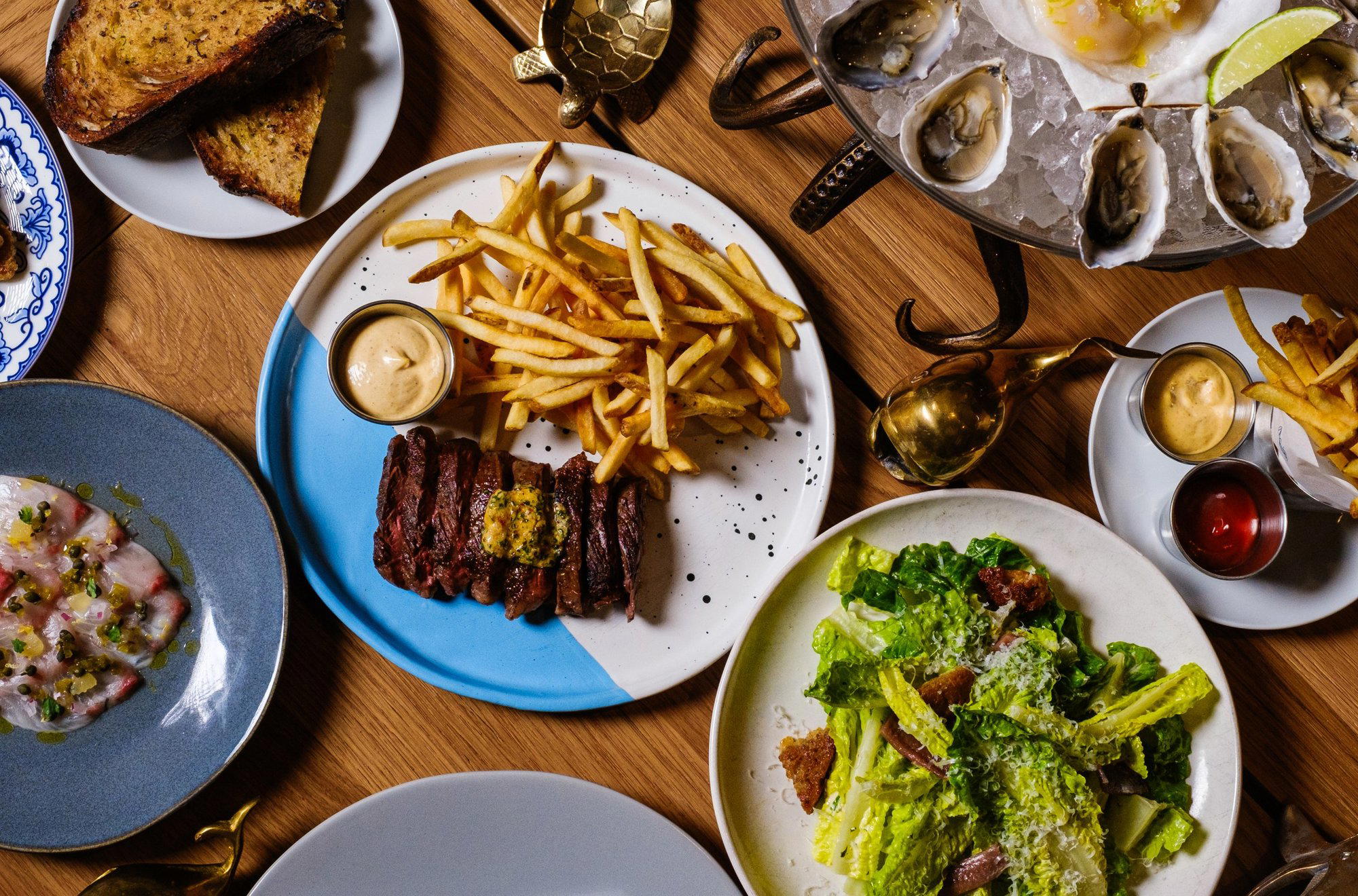
Restaurants in San Francisco
Browse all →
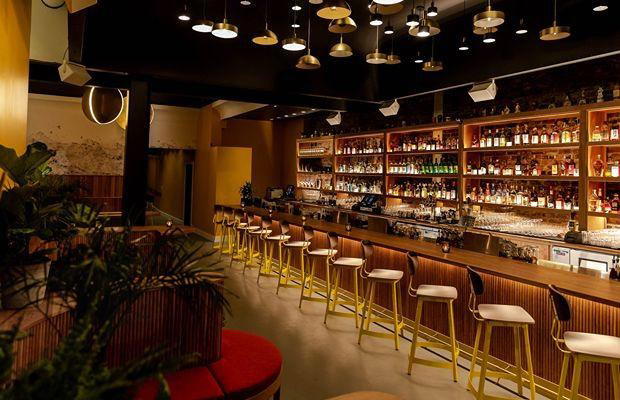
Bars in San Francisco
Browse all →
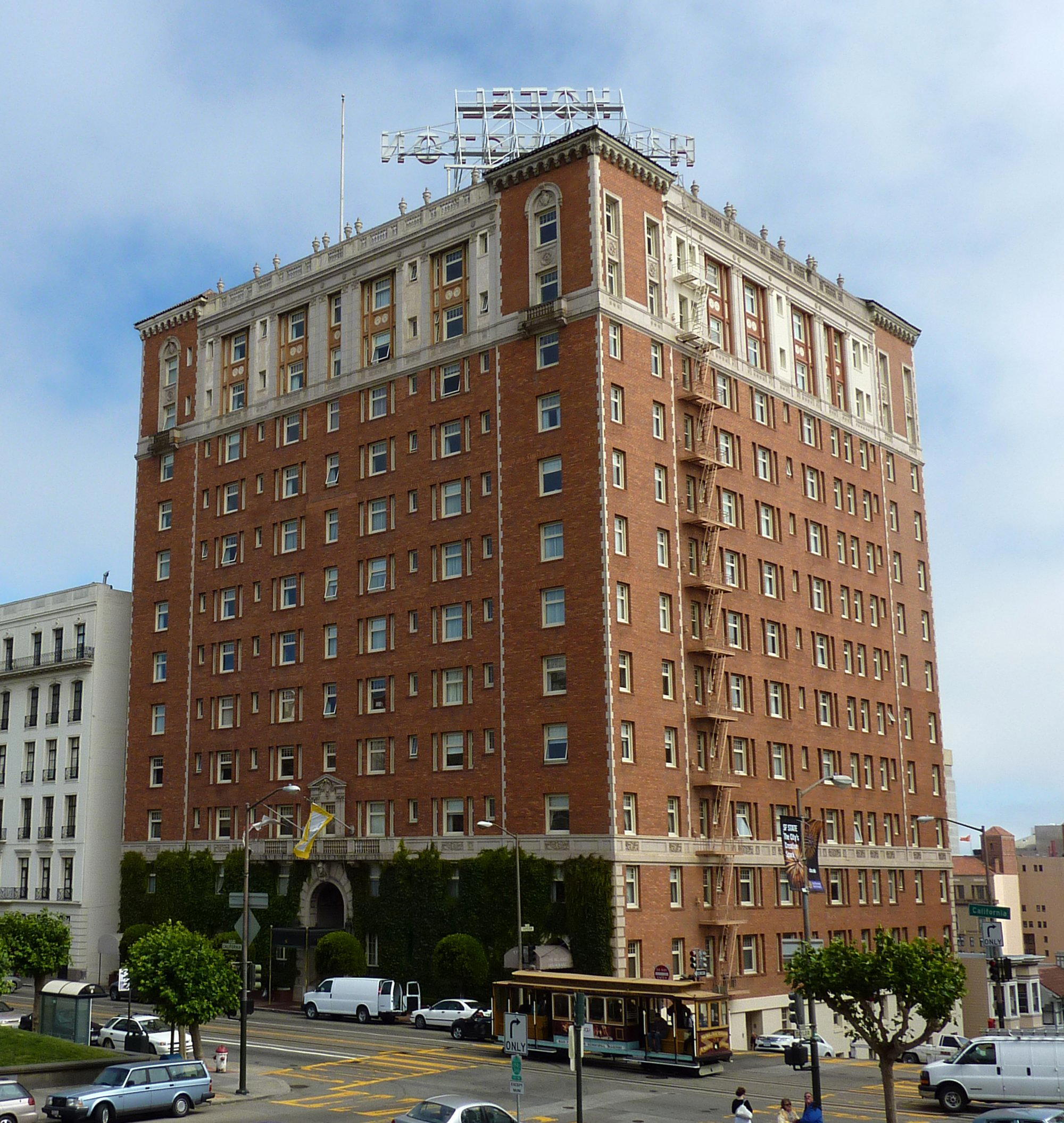
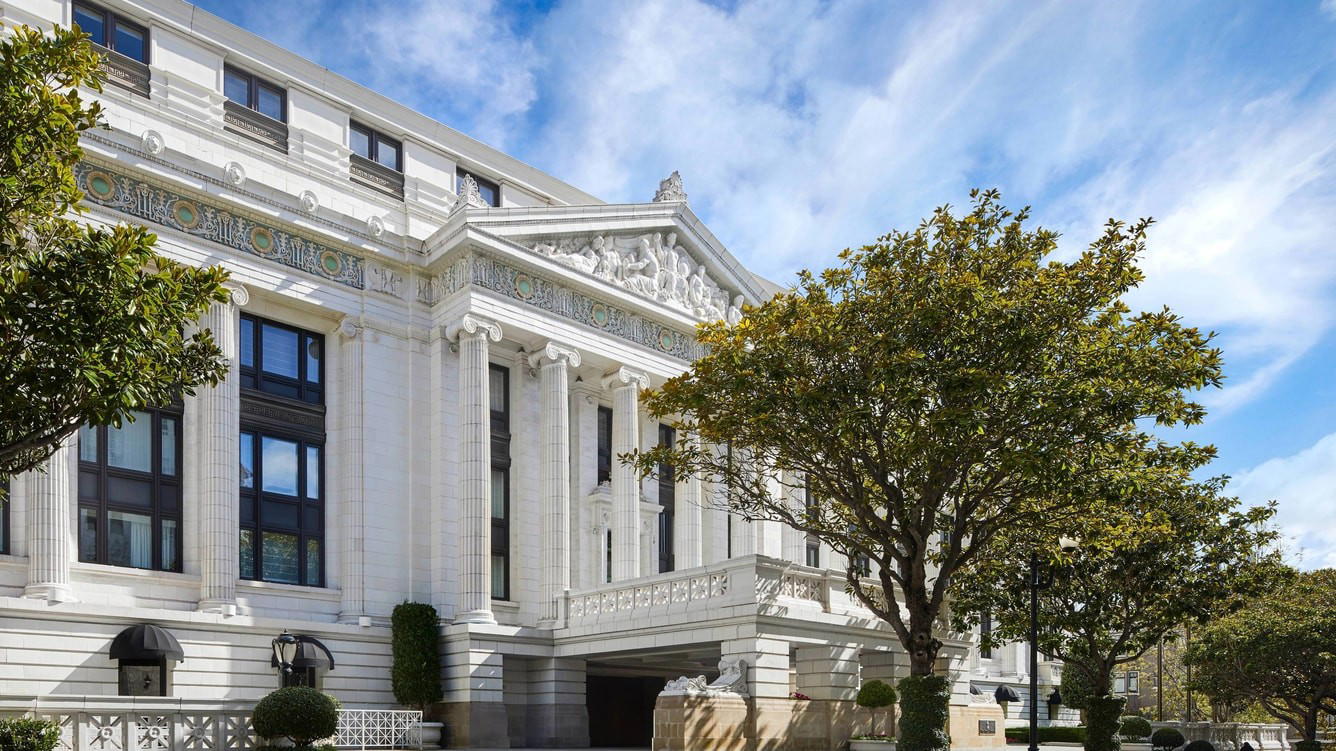
Hotels in San Francisco
Browse all →
At a Glance
- Classic
- Well Known
- Charming
- Special Occasion
- Family
- Celebration
- Waterfront
- Historic Building
- Sustainable Seafood
- Waterfront
Current opening hours
- Monday
- 12–9 PM
- Tuesday
- 12–9 PM
- Wednesday
- 12–9 PM
- Thursday
- 12–9 PM
- Friday
- 12–10 PM
- Saturday
- 12–10 PM
- Sunday
- 12–9 PM
Hours can change for holidays and private events. Last verified .
Charming, nostalgic atmosphere with dark wood paneling, leather chairs, and framed celebrity photos evoking timeless maritime heritage.