Schönblick-Mehdafu
Schönblick-Mehdafu sits in Eichenberg, a village perched above the Bodensee in the Vorarlberg hills of western Austria, where the dining tradition draws on both Alpine produce and the lake region's quieter culinary identity. The setting positions it within a small tier of destination restaurants in the Austrian west, distinct from the metropolitan circuits of Vienna or Salzburg. Visitors planning a table should check current booking availability directly at the address: Dorf 6, 6911 Eichenberg.
Pearl is the En Primeur Club membership app — saves, bookings, and concierge access live there. Same editors, same standards.
- Address
- Dorf 6, 6911 Eichenberg, Austria
- Phone
- +43557445965
- Website
- schoenblick.at
- Directions
- Get directions
 Saves & bookings on Pearl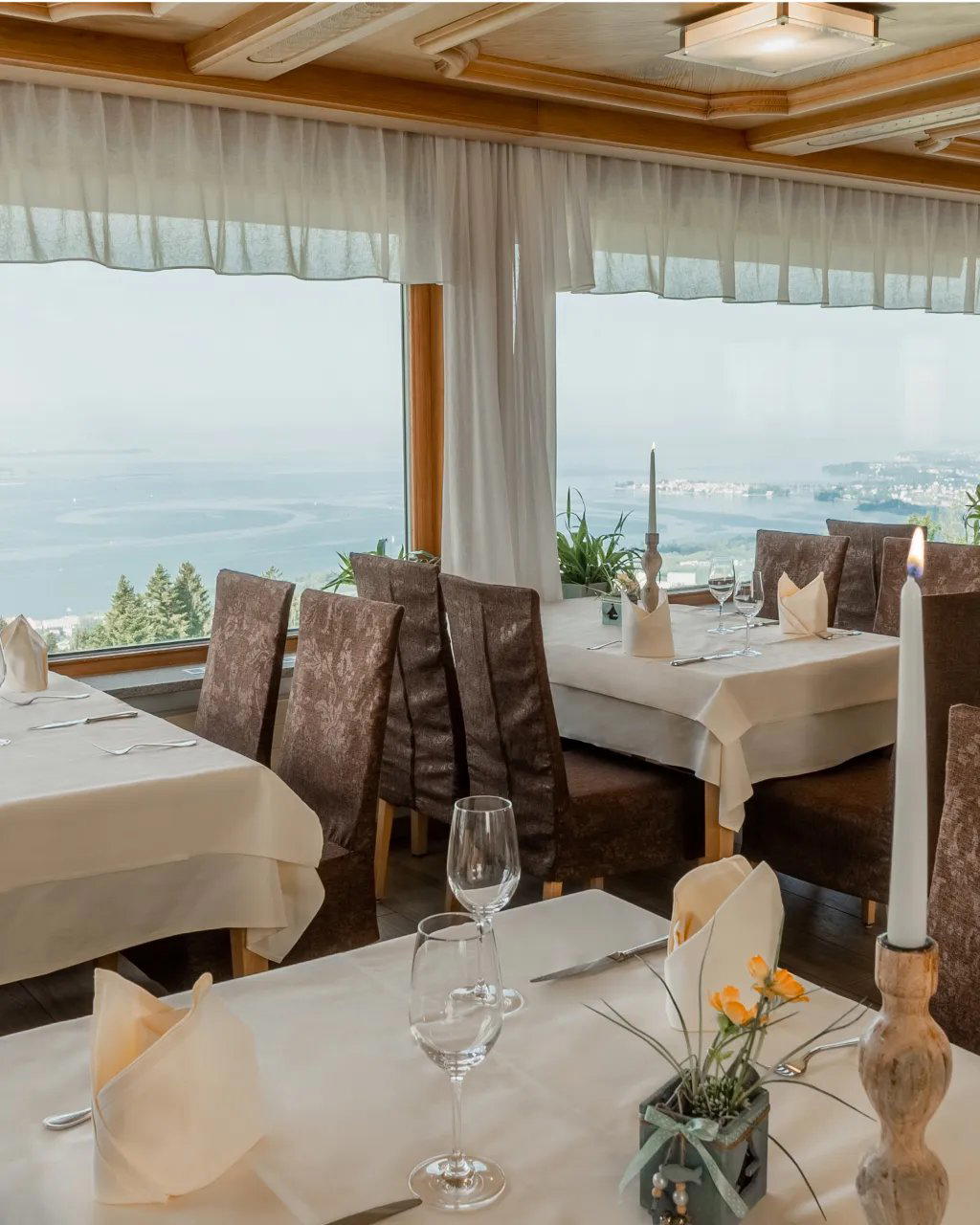
Above the Lake: Dining at Altitude in Vorarlberg
Eichenberg occupies a ridge above the Bodensee at roughly 900 metres, which places it in an unusual position within Austrian dining geography. The village is neither a ski resort with a captive winter market nor a city neighbourhood with foot traffic to sustain a broad restaurant scene. What it has is elevation, panoramic orientation toward the lake and the Swiss and German shores beyond, and the particular character of Vorarlberg, a region that has long maintained a distinct culinary identity from the rest of Austria. Schönblick-Mehdafu, addressed at Dorf 6 in this small hillside settlement, belongs to that tradition of destination dining in the Austrian west, where the journey to the table is part of the proposition.
The adjacent operation Mehdafu shares the same Eichenberg address.
The Vorarlberg Culinary Tradition
Western Austria has historically operated on a different culinary clock from Vienna. Where the capital developed grand cafe culture and high-bourgeois Viennese cuisine, Vorarlberg and the neighbouring Tyrol built a kitchen tradition rooted in Alpine self-sufficiency: cured meats, aged cheeses, lake fish from the Bodensee, and produce that reflected altitude and short growing seasons. That tradition now underpins a category of restaurants across the Austrian west that position themselves against the landscape they inhabit rather than against urban fine dining benchmarks.
The comparison set for serious dining in this part of Austria includes properties like Griggeler Stuba in Lech and Stüva in Ischgl, both of which operate within the logic of destination resort dining in the western Alpine arc. Further east, Gourmetrestaurant Tannenhof in Sankt Anton am Arlberg represents a similar positioning: serious kitchens removed from urban infrastructure, drawing guests who have already committed to the region. These venues do not compete with Vienna's leading counters on the same terms; they offer a different rationale entirely.
Austria's nationally recognised fine dining circuit includes long-established names such as Steirereck im Stadtpark in Vienna and Landhaus Bacher in Mautern an der Donau, which represent the country's most decorated dining. The western Alpine restaurants occupy a separate tier: smaller, more dependent on regional produce sourcing, and oriented toward guests who are already in the area for reasons beyond the meal itself.
Bodensee Produce and the Lake Region Kitchen
The Bodensee, one of Central Europe's largest freshwater lakes, has historically supplied the kitchens of its surrounding communities with freshwater fish, including féra (a local whitefish), perch, and pike-perch. Restaurants in Eichenberg and the broader Vorarlberg lake fringe have access to this supply chain in a way that kitchens further inland do not, and strong examples among them have built menus around the rhythm of the lake rather than importing protein from outside the region.
This kind of hyper-regional sourcing has become a meaningful differentiator in Austrian fine dining. Properties like Döllerer in Golling an der Salzach built a significant reputation on Alpine produce identity, and Kräuterreich by Vitus Winkler in Sankt Veit im Pongau concentrated specifically on herb and mountain plant sourcing. The Bodensee region offers its own version of this argument: proximity to the lake creates a sourcing logic that is genuinely place-specific rather than generically Alpine.
Situating Schönblick-Mehdafu in the Austrian Restaurant Conversation
Austria has developed a recognisable circuit of destination restaurants outside its major cities, a pattern that runs from Obauer in Werfen in Salzburg province through to the Tyrolean properties and into Vorarlberg. These are kitchens that guests plan trips around rather than stumble upon. The model has parallels in other European regions with small populations and strong food cultures: the Basque Country, rural Burgundy, the Norwegian coast. In each case, the restaurant becomes an anchor for a broader journey.
Within that pattern, venues positioned in villages rather than resort towns occupy a quieter register. They draw a more locally rooted clientele alongside travellers who specifically seek out the Bodensee ridge.
For those approaching from further afield, kitchens at a different scale, such as Ikarus in Salzburg or internationally from Le Bernardin in New York City and Atomix in New York City, underline how different the proposition is at village altitude in Vorarlberg. The scale, the pace, and the sourcing logic belong to a different category of restaurant experience entirely. Similarly, Taubenkobel in Schützen am Gebirge, Artis in Graz, and Ois in Neufelden each illustrate how Austria's destination dining tier has spread well beyond Vienna into village and small-town contexts where the surrounding environment does significant work in framing the meal.
Planning a Visit to Eichenberg
Eichenberg is reached most practically from Bregenz, the Vorarlberg capital on the Bodensee shore, which sits roughly 10 kilometres below the ridge by road. Train connections reach Bregenz from Zurich, Innsbruck, and Munich, after which the ascent to Eichenberg requires a car or local bus. The village sits at altitude and the approach roads reflect that; arriving in winter or early spring means accounting for conditions on the hill. The Bodensee region draws visitors most heavily between late spring and early autumn, when the lake is navigable and the ridge views are unobstructed. Anyone planning a table at Schönblick-Mehdafu should confirm current hours and booking arrangements directly with the venue at Dorf 6, 6911 Eichenberg.
Cost and Credentials
Comparable venues nearby, for context on price, style, and recognition.
| Venue | Cuisine | Price | Notes |
|---|---|---|---|
| Schönblick-MehdafuThis venue — the venue you are viewing | Not listed | $$$ | Not listed |
| Mehdafu | Not listed | $$$ | Eichenberg, Regional Austrian Fine Dining |
| Nevo | Lauterach, Modern Austrian Fine Dining | $$$ | Not listed |
| Biberia | Warth center, Modern Austrian Bistro | $$ | Not listed |
| Fritsch am Berg | Not listed | $$$ | Lochau, Regional Austrian & Vorarlberg Specialties |
| Vitalquelle Montafon | Not listed | $$$ | Schruns, Modern Austrian with International Influences |
Continue exploring
More in Eichenberg
Restaurants in Eichenberg
Browse all →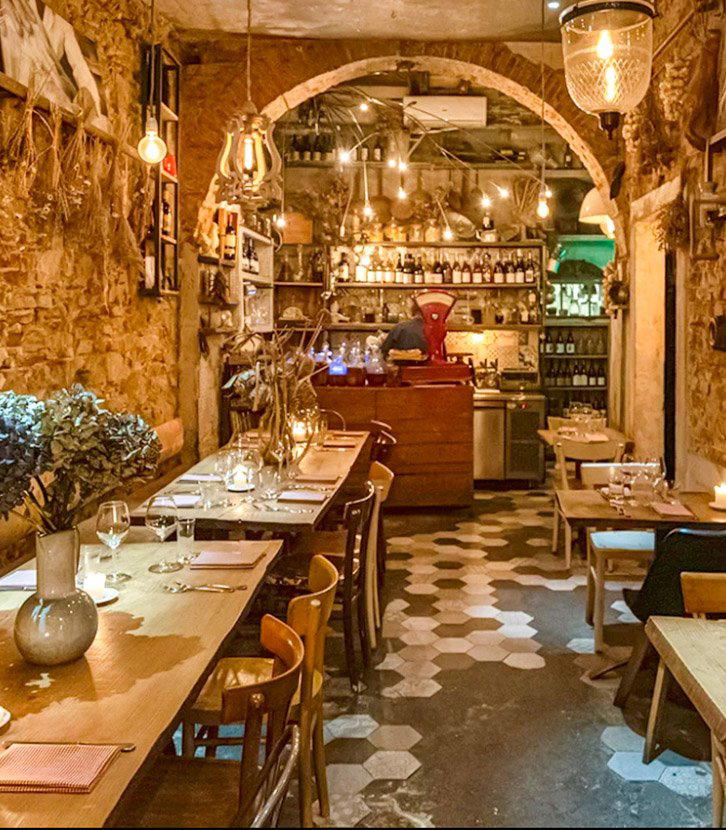
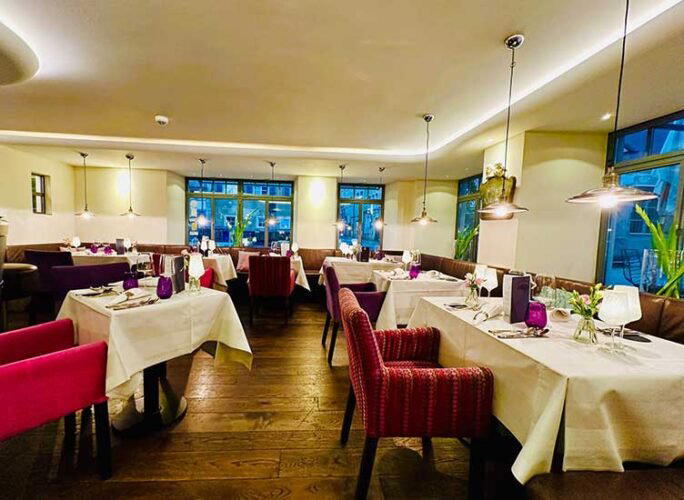
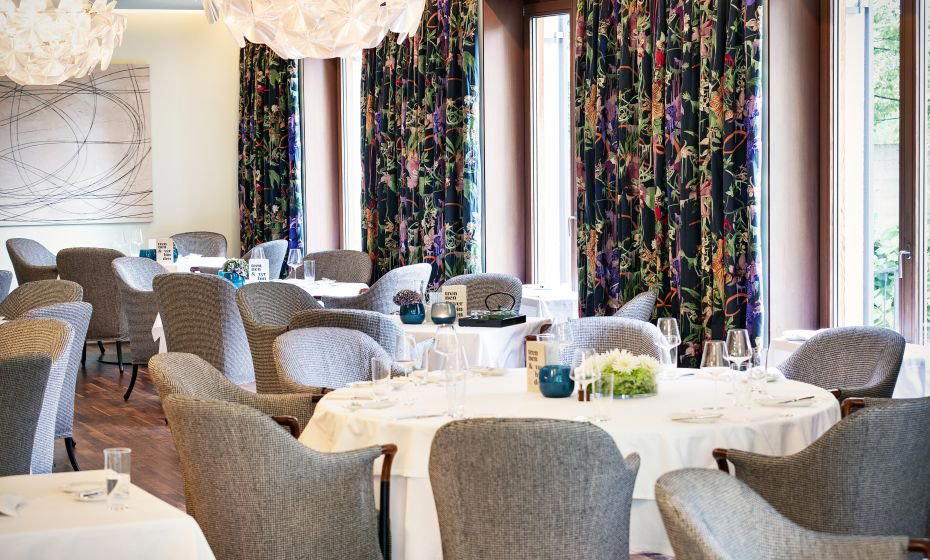
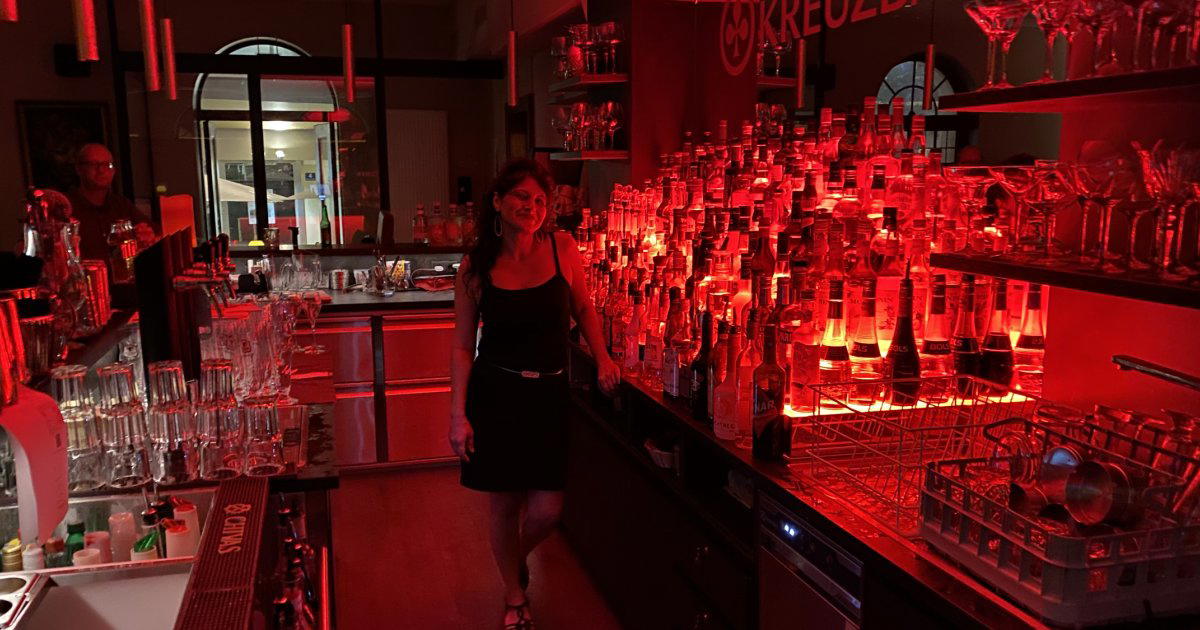
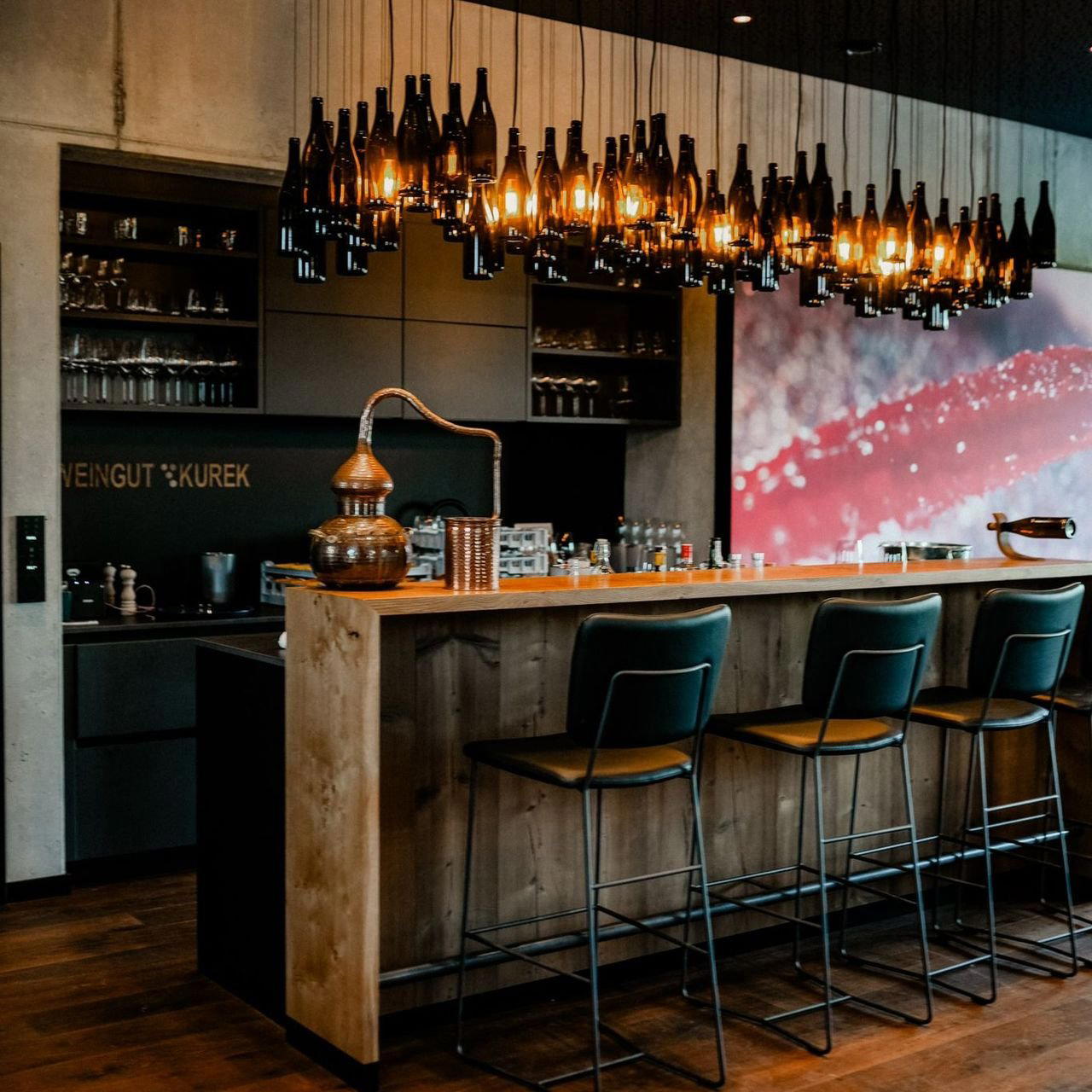
Bars in Eichenberg
Browse all →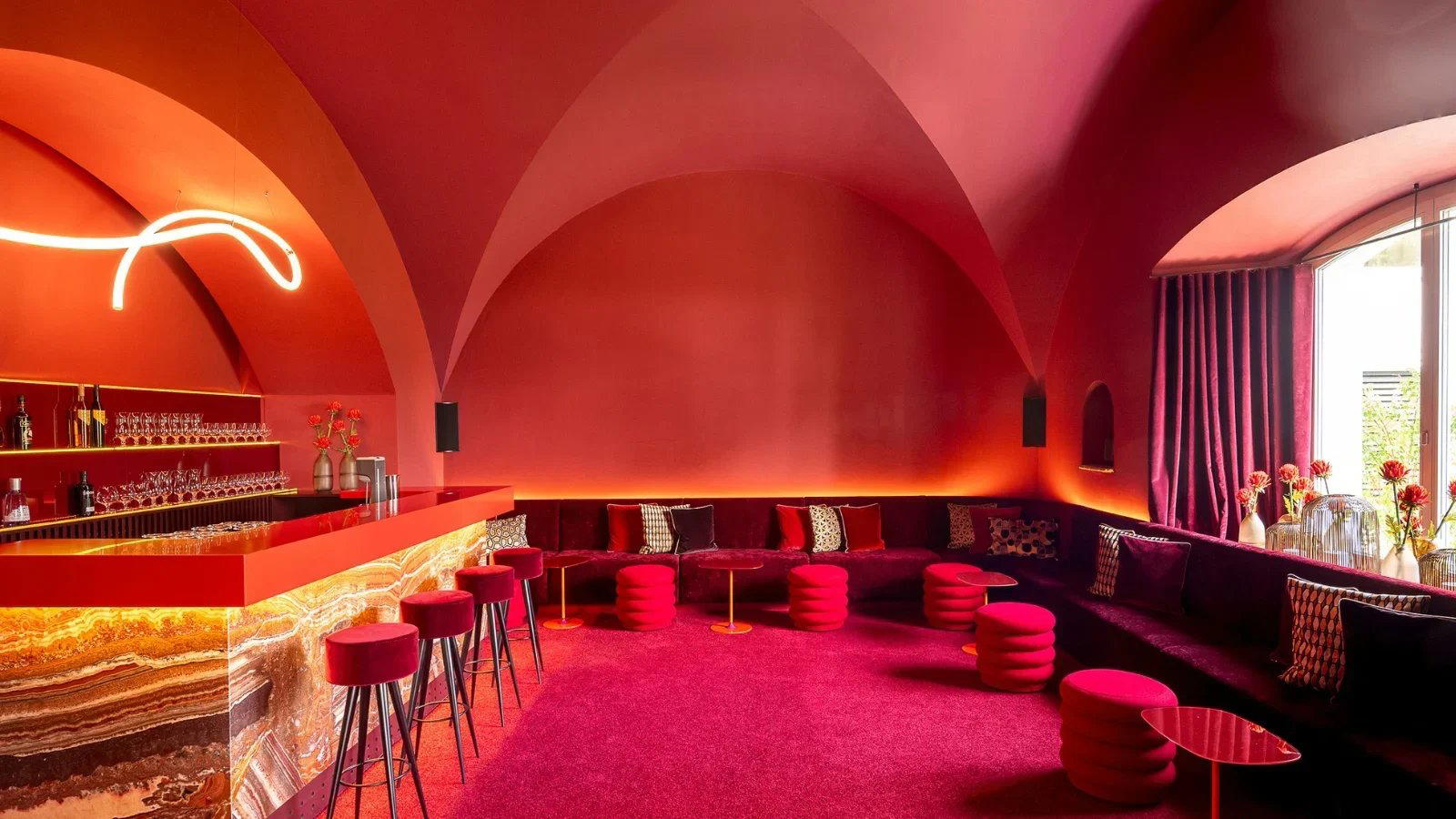
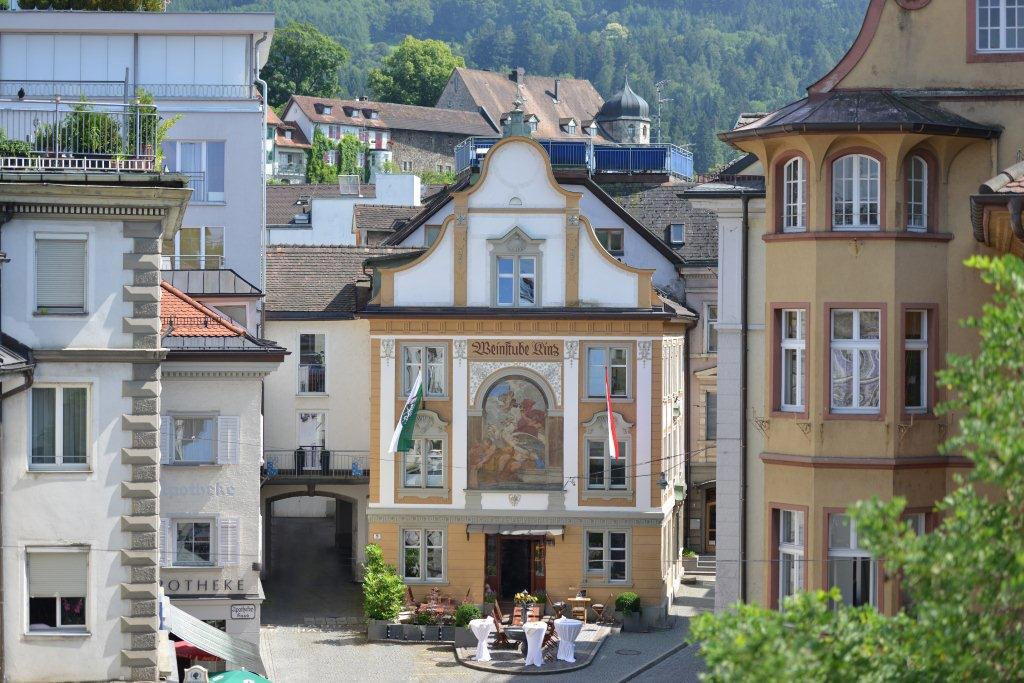

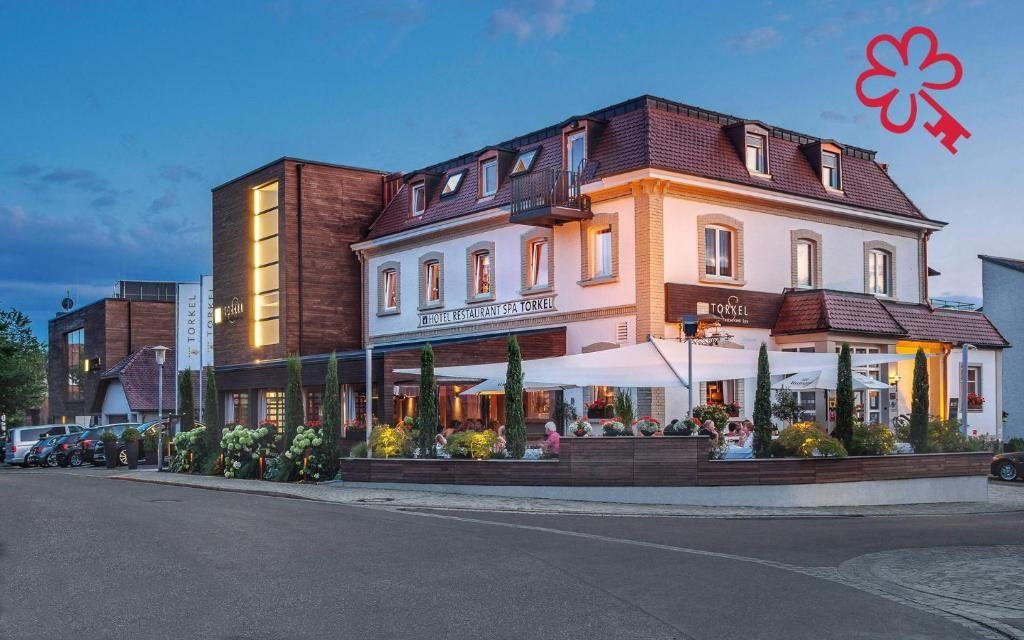
Hotels in Eichenberg
Browse all →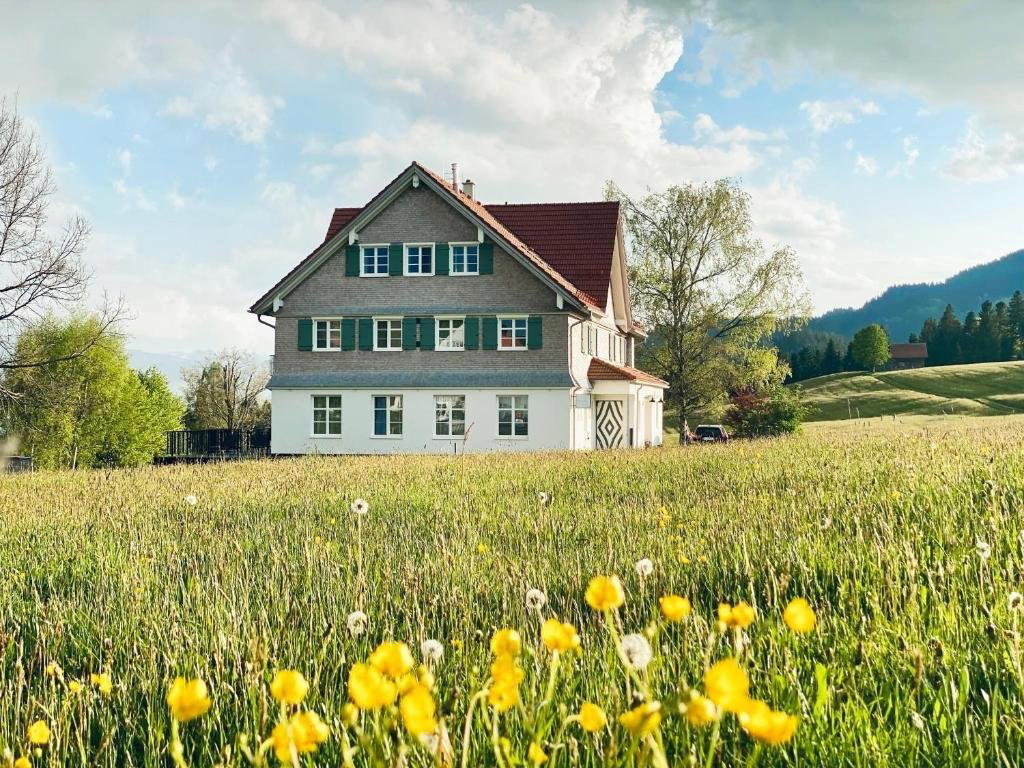

At a Glance
- Elegant
- Scenic
- Sophisticated
- Special Occasion
- Date Night
- Panoramic View
- Hotel Restaurant
- Extensive Wine List
- Local Sourcing
Current opening hours
- Monday
- Closed
- Tuesday
- 6–9:45 PM
- Wednesday
- 6–9:45 PM
- Thursday
- 6–9:45 PM
- Friday
- 6–9:45 PM
- Saturday
- 6–9:45 PM
- Sunday
- Closed
Hours can change for holidays and private events. Last verified .
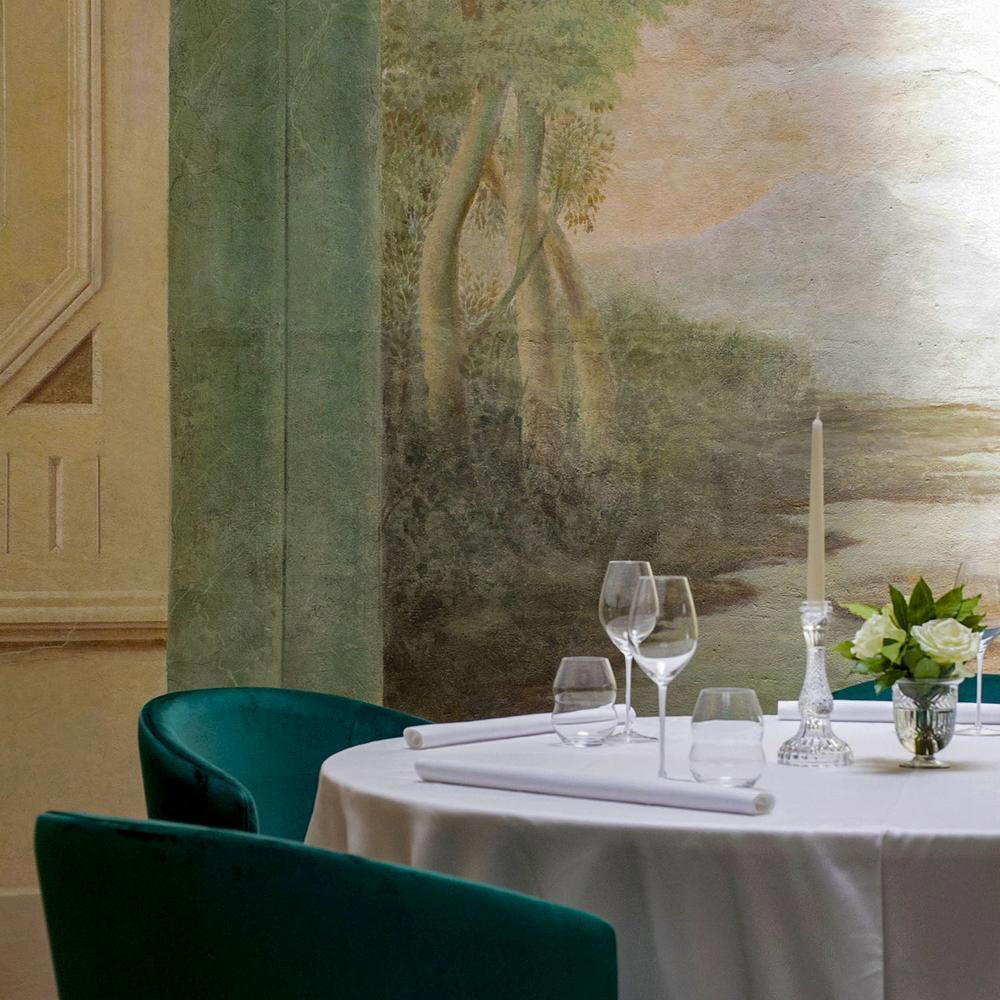
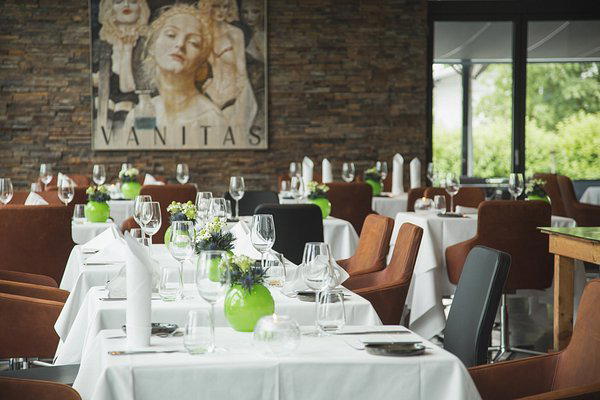
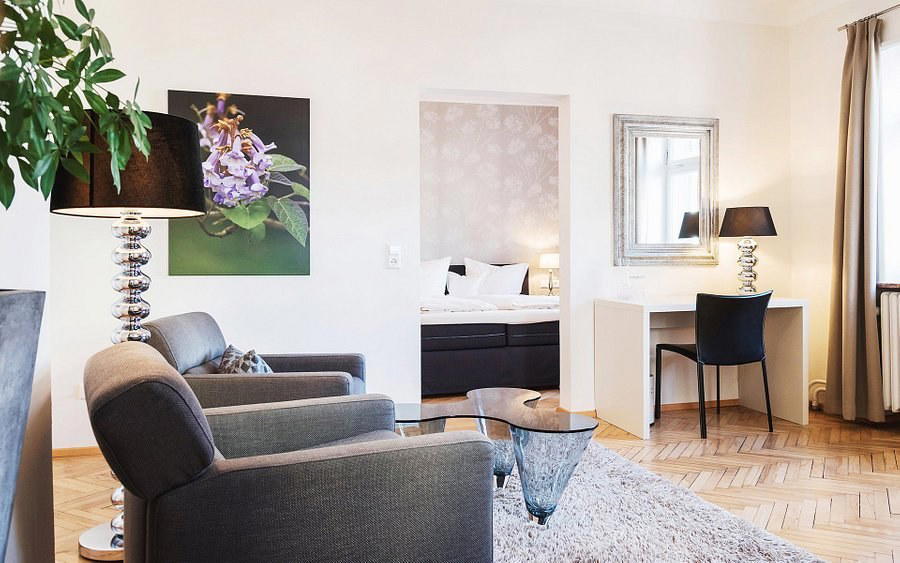
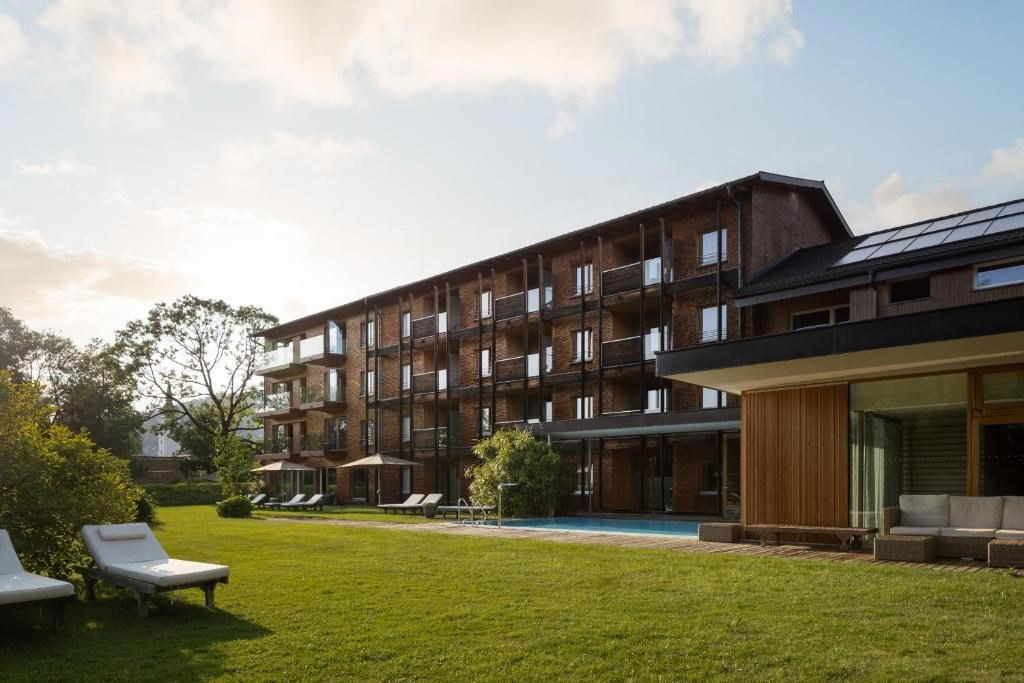
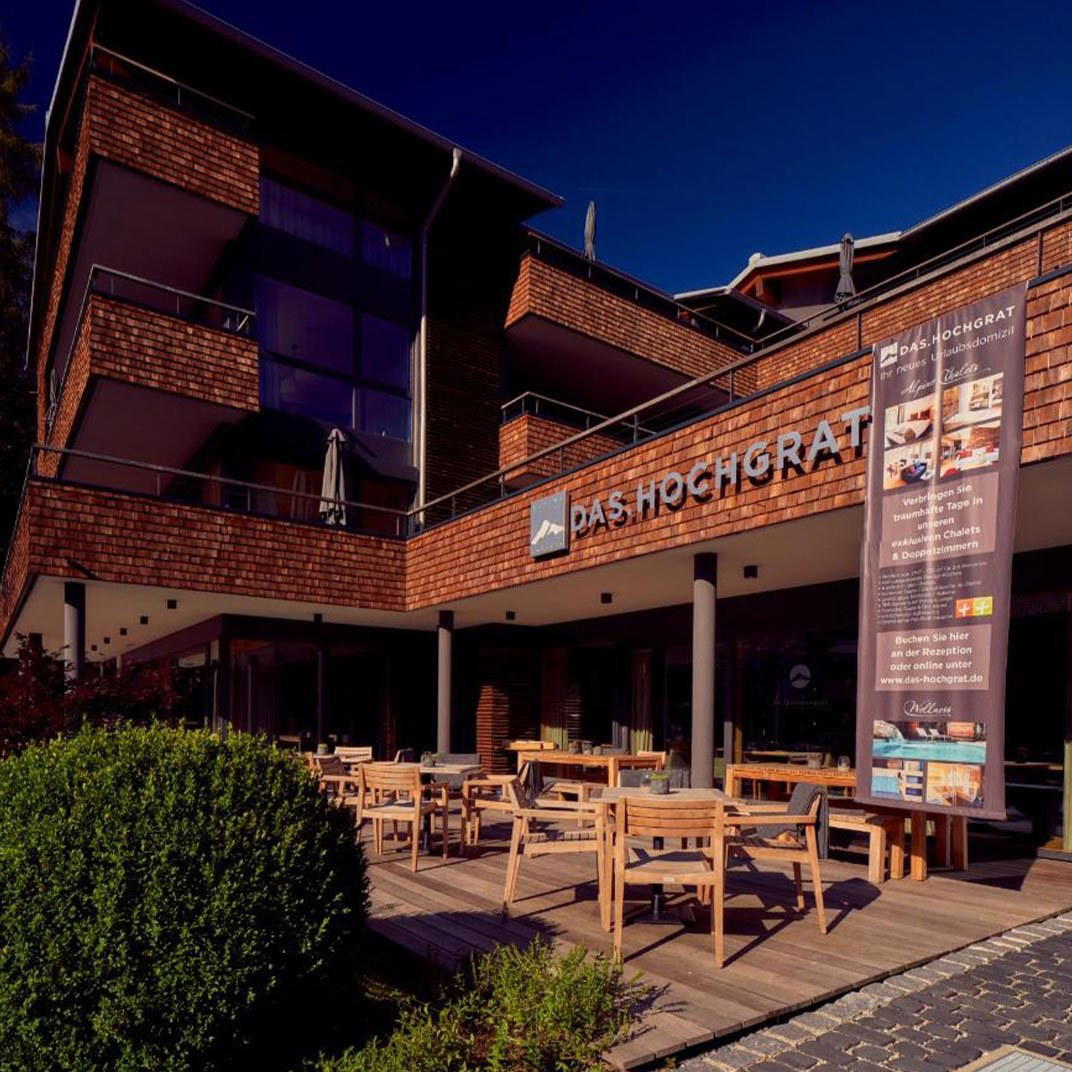
Stylish and exclusive ambiance with panoramic vistas, well-suited for rich dining.