Fritsch am Berg sits above Lochau on the Buchenberg slope, placing it within Austria's tradition of landscape-rooted dining where what grows nearby shapes what arrives on the plate. The address alone signals a kitchen oriented toward its surroundings rather than imported prestige. For visitors exploring the Vorarlberg dining scene, it represents the quieter, locally anchored end of the regional spectrum.
Pearl is the En Primeur Club membership app — saves, bookings, and concierge access live there. Same editors, same standards.
- Address
- Buchenberg 10, 6911 Lochau, Austria
- Phone
- +43557443029
- Website
- fritschamberg.at
- Directions
- Get directions
 Saves & bookings on Pearl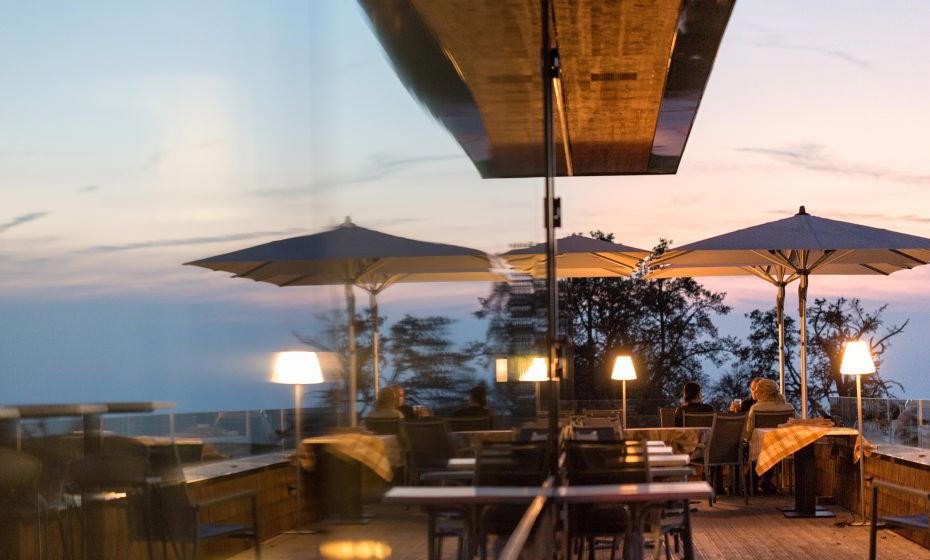
Where the Slope Meets the Table
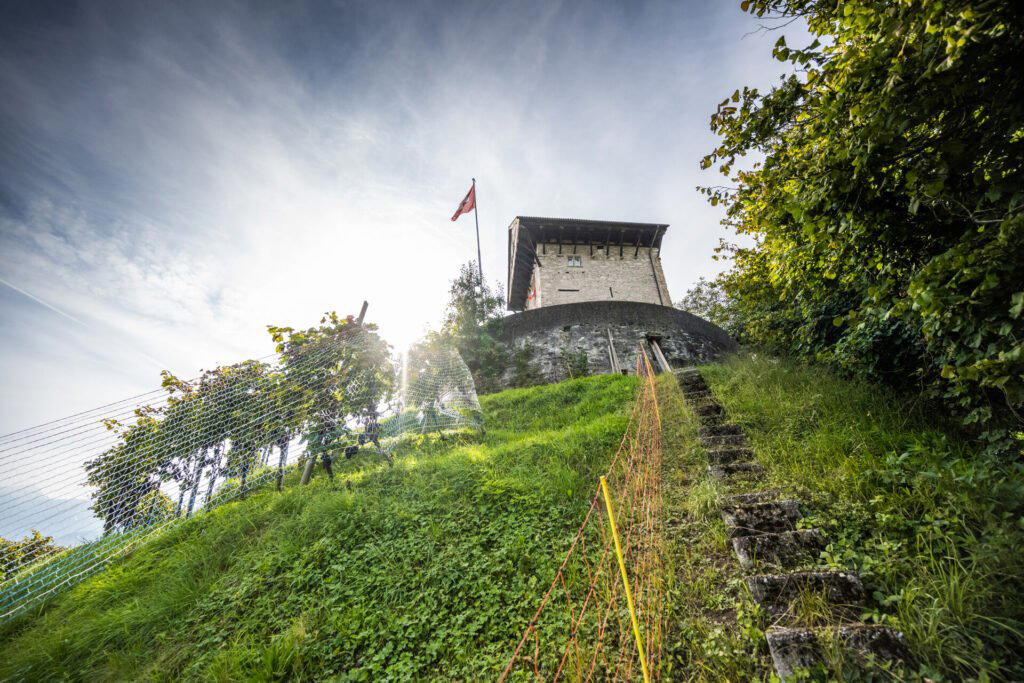
Approaching a restaurant at altitude in the Austrian state of Vorarlberg means the view arrives before the menu does. The Buchenberg hillside above Lochau positions Fritsch am Berg within a distinctly Austrian dining tradition: the Berggasthof or refined inn, where the physical setting is not decoration but argument. The kitchen's relationship to its surroundings, to the farms, dairies, and foragers operating within the same altitude band, is the animating principle of this category of dining, and it is the lens through which Fritsch am Berg is best understood.
Lochau itself occupies a narrow strip of Austrian territory between Lake Constance and the German and Swiss borders, a geography that makes ingredient sourcing a genuinely interesting editorial subject. Vorarlberg's micro-regional produce culture is among the more developed in the Alpine arc. The state has long maintained a reputation for mountain dairy products, in particular its aged and fresh cheeses, that circulate well beyond Austrian borders. A kitchen working from this address has access to a supply chain that restaurants in Vienna or Salzburg must work considerably harder to approximate. For comparison, Steirereck im Stadtpark in Vienna has built much of its international reputation on foregrounding Austrian regional produce, what makes Vorarlberg restaurants compelling is that the same commitment operates at a fraction of the logistical complexity.
The Regional Sourcing Tradition in Vorarlberg
Austria's western states have developed a sourcing culture that sits closer to the Swiss and Bavarian models than to the Viennese one. Vorarlberg in particular benefits from a combination of Alpine pasture, lake fisheries on the Bodensee, and a dense network of small producers who have historically supplied across the border as readily as within Austria. The Bregenzerwald, the forested upland region east of Lochau, is frequently cited by food writers as among the more producer-dense areas in the Alpine region, a concentration of cheesemakers, herb growers, and cattle farmers that gives serious kitchens in this corner of Austria a material advantage.
This is the tradition within which Fritsch am Berg operates. Restaurants in the Lochau and Bregenz corridor that commit to local sourcing are not making a marketing gesture; they are working with a supply infrastructure that is genuinely mature. The contrast with, say, Obauer in Werfen or Landhaus Bacher in Mautern an der Donau is instructive: those are kitchens that have built reputations on sourcing from across Austria's diverse agricultural zones. The western Vorarlberg approach tends to be narrower in geographic scope and more intense in local specificity, which, depending on the season, can mean either a constraint or an asset.
Lochau's Dining Position
Within Lochau, the dining scene divides roughly between accessible neighbourhood restaurants and more considered, produce-led operations. Mangold, operating at the Classic Cuisine tier with a €€€ price point, represents the more formal end of the local offer. Tasty and vju fill out the mid-range. The restaurant's hillside address places it in a separate register, physically removed from the town centre in a way that signals intention. Restaurants that require a deliberate journey to reach tend to attract a guest who has already decided to invest time, and that shapes both the kitchen's latitude and the atmosphere at the table.
The broader Vorarlberg region supports several kitchens working at a high level. Gourmetrestaurant Tannenhof in Sankt Anton am Arlberg and Griggeler Stuba in Lech anchor the alpine fine dining end of the western Austrian spectrum, both operating within the ski resort economy where price tolerance is high and sourcing ambition runs alongside it. The restaurant operates outside the resort context, which typically means different price dynamics and a more locally rooted guest base. For a broader orientation to what the area offers, see our full Lochau restaurants guide.
Austrian Alpine Dining in European Context
Austria's mountain dining tradition occupies a specific position in European gastronomy. It shares the Alpine produce focus of Swiss fine dining and the craft-led wine culture of parts of northern Italy, while retaining a distinctly Austrian approach to hospitality, less formal than France, warmer in register than Germany. The kitchens drawing international attention currently tend to be those that treat Alpine produce with technical precision without losing the directness that defines the tradition. Kräuterreich by Vitus Winkler in Sankt Veit im Pongau has built a reputation specifically on herb and forage-led cooking from mountain terrain, and represents one direction the genre has travelled. Ois in Neufelden and Döllerer in Golling an der Salzach each demonstrate how seriously Austrian kitchens outside Vienna are taking the sourcing conversation.
For context outside Austria, the produce-first format that defines this category has analogues at different price and scale points: Lazy Bear in San Francisco built its reputation on a commitment to seasonal local sourcing within a communal dining format, while Le Bernardin in New York City illustrates what happens when sourcing precision is combined with long-standing institutional recognition. The Austrian mountain version tends to be quieter in register, with fewer theatrical elements and more emphasis on the material quality of what the region produces.
Planning a Visit
The restaurant's address at Buchenberg 10 in 6911 Lochau is the primary practical anchor for planning. The hillside location means a car or taxi is the practical approach; the walk from central Lochau involves meaningful elevation gain. Visitors combining the restaurant with time on Lake Constance will find Lochau well-positioned, with Bregenz a short drive along the lake shore and the Swiss border crossing near Höchst adding cross-border itinerary options. Contacting the restaurant directly before visiting is the sensible course. Reservations are recommended.
Comparison Snapshot
Comparable venues nearby, for context on price, style, and recognition.
| Venue | Cuisine | Price | Awards | Notes |
|---|---|---|---|---|
| Fritsch am BergThis venue — the venue you are viewing | Regional Austrian & Vorarlberg Specialties | $$$ | Not listed | Not listed |
| vju | Contemporary Regional Cuisine | $$$ | Not listed | Lochau |
| Tasty | Turkish Street Food & Pizza | $ | Not listed | Lochau |
| Mangold | Modern Austrian with Mediterranean Influences | $$$ | Michelin 1 Star | Lochau |
| Falkeis | Traditional Austrian Tyrolean | $$$ | Not listed | Kauns |
| Hotel Alpenstern | Alpine Austrian Fine Dining | $$$ | Not listed | Damüls |
Continue exploring
More in Lochau
Restaurants in Lochau
Browse all →
Bars in Lochau
Browse all →

Hotels in Lochau
Browse all →

At a Glance
- Scenic
- Cozy
- Elegant
- Quiet
- Date Night
- Special Occasion
- Celebration
- Hotel Restaurant
- Panoramic View
- Terrace
- Garden
- Sommelier Led
- Farm To Table
- Local Sourcing
- Organic
- Waterfront
- Mountain
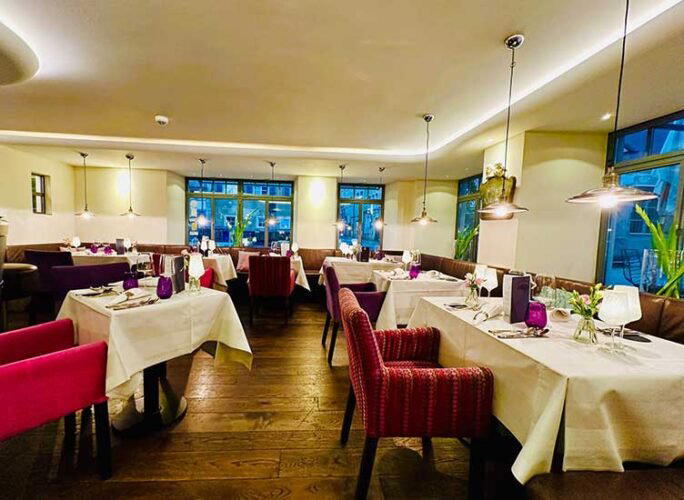
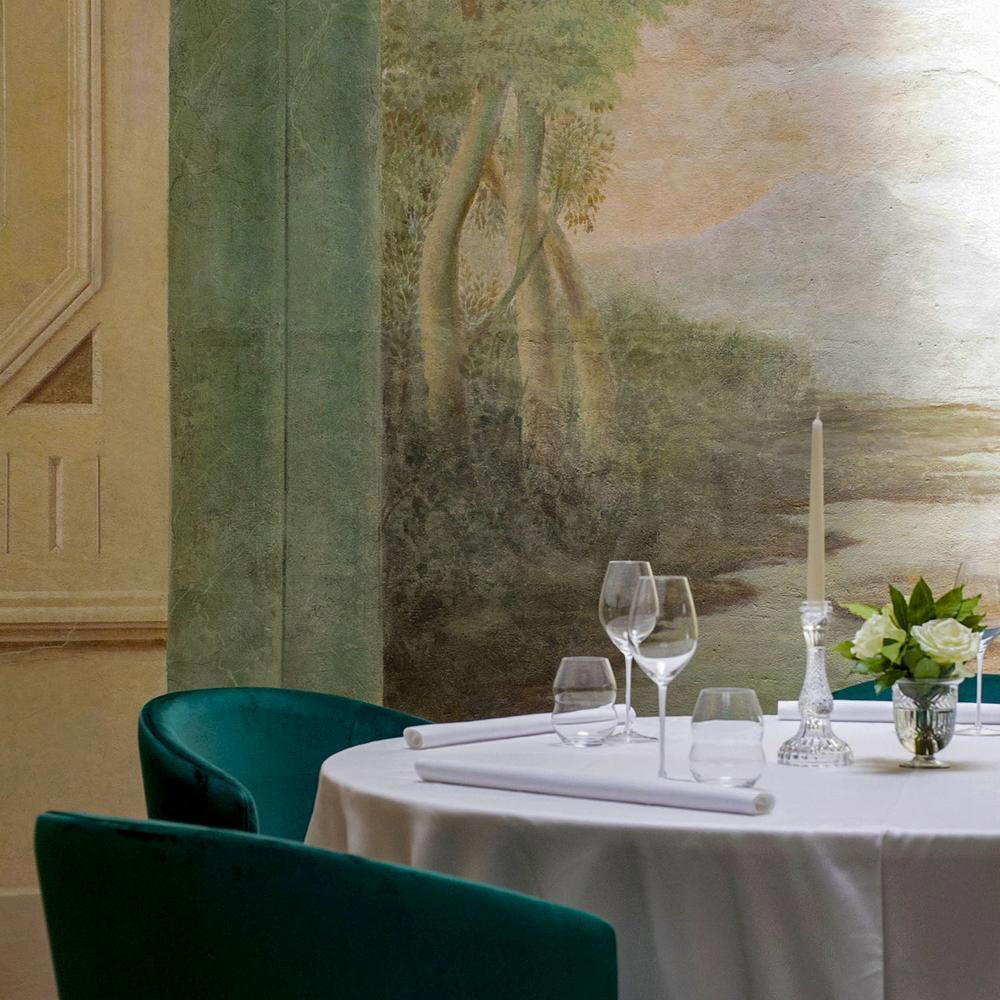
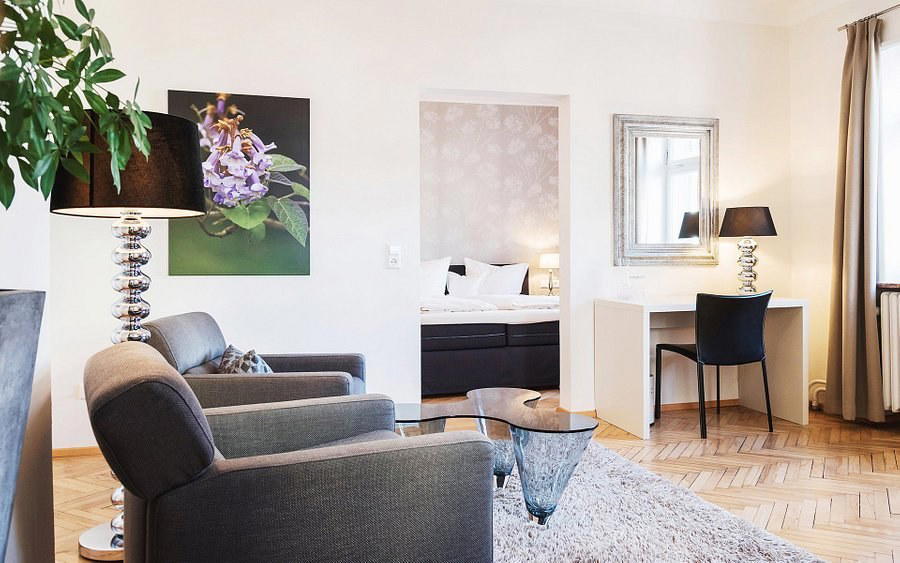
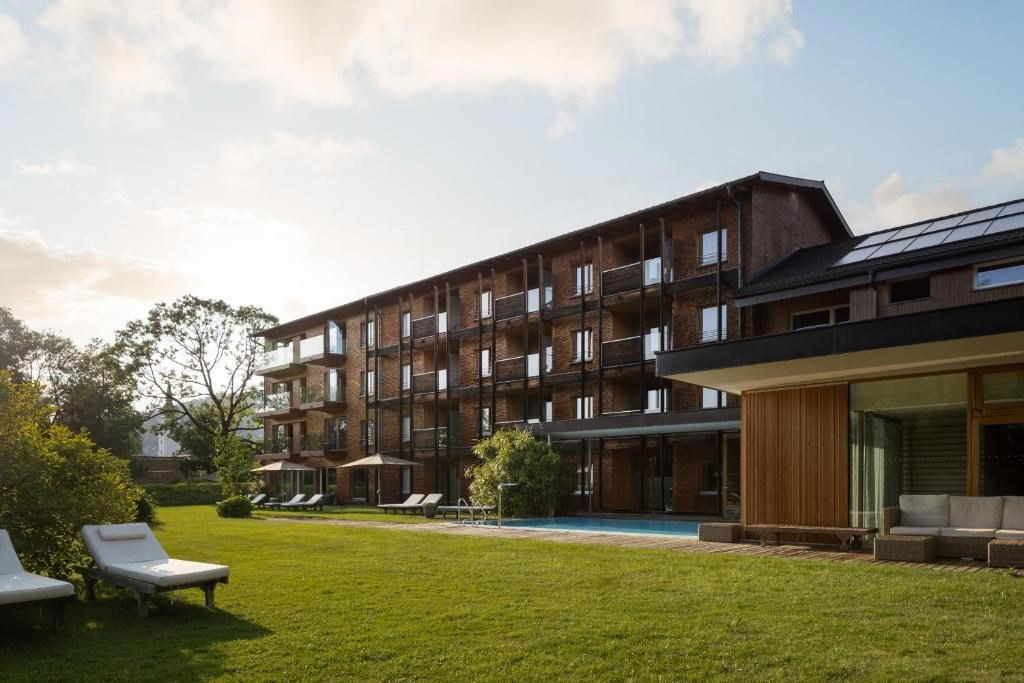
Cosy and inviting atmosphere with large windows overlooking the lake and mountains, providing a calm and pleasant setting for intimate dining.