
On Dunhua South Road in Da'an District, Sansan Bistro pairs neo-Sichuan cooking with an inventive cocktail program inside a burgundy-and-wood room that reads as both refined and contemporary. The kitchen's use of Sichuan-imported spices and sauces grounds the menu in regional authenticity, while dishes like the fresh-peppercorn chicken reframe familiar Sichuan formats for a Taipei audience.
Pearl is the En Primeur Club membership app — saves, bookings, and concierge access live there. Same editors, same standards.
- Address
- 170, Section 2, Dunhua South Road, Da'an District
- Phone
- +886 2 2732 3388
- Directions
- Get directions
 Saves & bookings on Pearl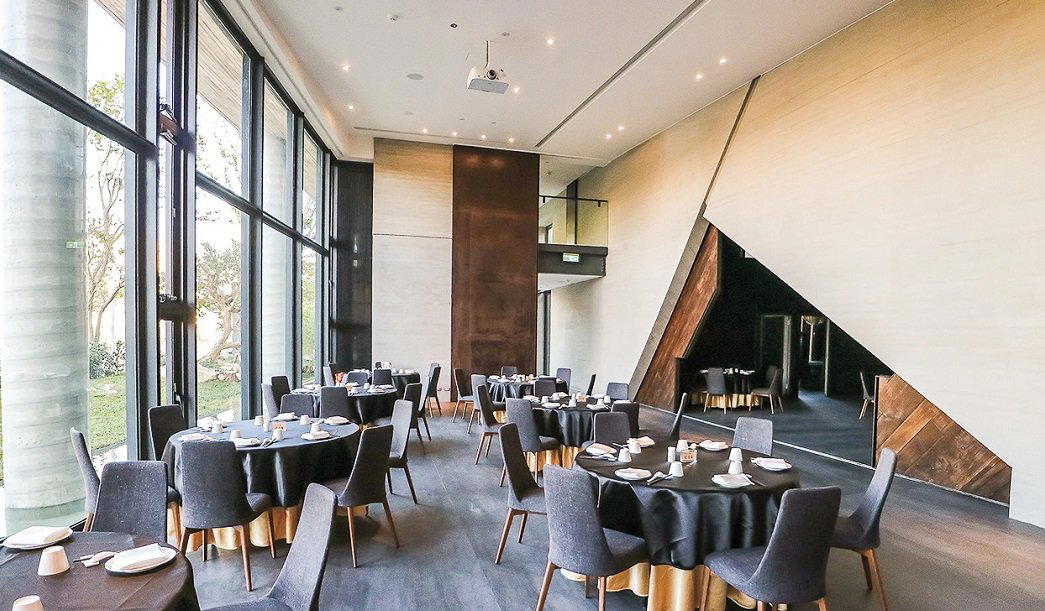
Where Sichuan Flavour Meets Taipei's Modern Dining Scene
Dunhua South Road has long been one of Taipei's more considered dining corridors, a stretch of Da'an District where mid-range ambition and genuine culinary seriousness coexist. Sansan Bistro occupies that register with some precision. The room arrives in burgundy red, tempered by wood and metal trim that prevents it from tipping into heaviness. It reads as a place that has thought about its atmosphere without overclaiming it. That calibration matters in a city where the dining room as statement has become almost as competitive as the food.
Taipei's restaurant scene has developed a recognisable tier of venues doing serious cross-cultural work, from Taïrroir's Taiwanese-French synthesis to logy's Modern European and Asian Contemporary approach, and Molino de Urdániz's Spanish contemporary cooking. Sansan Bistro operates in a different register from those tasting-menu heavyweights, but the underlying ambition is the same: take a culinary tradition seriously enough to push it somewhere new. Here, that tradition is Sichuan, and the direction is forward.
The Neo-Sichuan Argument
What distinguishes serious Sichuan cooking from its diluted international versions is the sourcing and the balance of heat. Sichuan peppercorns produce a numbing sensation, known as má, that is chemically distinct from chilli burn. When the two combine correctly, neither dominates. That distinction tends to collapse when spices are substituted, blended out of season, or sourced without care. Sansan Bistro addresses this directly: spices and sauces come imported from Sichuan province, which grounds the menu in regional authenticity in a way that most Taipei interpretations of the cuisine do not bother with.
The kitchen's approach is captured clearly in one signature preparation. The chicken with fresh Sichuan peppercorns takes the structure of Shuizhu beef, a Sichuan classic built around meat submerged in spiced oil with layered aromatics, and applies it to poultry. The result carries the meaty depth of the original format while the fresh peppercorns introduce a more lively, green numbing quality than dried alternatives. It is an editorial decision about an ingredient, not just a menu variation, and it signals how the kitchen thinks. Dishes like this position the restaurant within a small group of Taipei restaurants treating Sichuan cooking as a subject worth studying rather than a flavour profile to approximate.
Taiwan sits at an interesting geographic and cultural midpoint for Chinese regional cuisines. Shanghainese, Cantonese, and Hunanese cooking all have deep roots on the island, partly as a legacy of the 1949 migration that brought chefs and cooking traditions from the mainland. Sichuan cooking arrived in that same wave, and Taipei has maintained a stronger baseline of Sichuan restaurants than most Southeast Asian cities. What the restaurant adds is the neo prefix, a willingness to work inside the tradition's logic while adjusting format, sourcing, and pairing for a contemporary Taipei audience.
Cocktails as a Second Argument
The integration of a serious cocktail program into a Sichuan-leaning menu is not accidental. The pairing of high-spice food with alcohol presents genuine technical challenges. Beer and sparkling drinks cut through oil and manage capsaicin heat effectively. Spirits-forward cocktails, if well-constructed, can complement the numbing má of Sichuan peppercorn rather than fight it. A kitchen that imports its spices from Sichuan and a bar program described as working with unusual alcoholic beverages suggest a venue that has considered this relationship rather than bolted on a cocktail list for commercial reasons.
In Taipei's bar scene, serious cocktail programs have become a marker of ambition across restaurant categories. Venues like those in our full Taipei bars guide show how the city has developed genuine depth in this area. The restaurant's food-and-drink integration reflects that broader shift, where the cocktail list is part of the editorial argument rather than an afterthought.
The Competitive Context
The restaurant's comparable set in Taipei is not the tasting-menu circuit occupied by Le Palais or L'Atelier de Joël Robuchon Taipei. It operates as a bistro with a focused concept, and its competitive relevance comes from the specificity of that concept rather than from format scale. In a city where generalist Asian fusion has become easy to dismiss, a venue that commits to Sichuan sourcing, studies the structure of classic preparations, and builds a drinks program around the cuisine's demands occupies a distinct position.
Broader comparisons across Taiwan are instructive. JL Studio in Taichung takes a different cross-cultural approach, blending Singaporean and European influences at a Michelin-starred level. GEN in Kaohsiung and Zhu Xin Ju in Tainan represent the regional diversity of serious dining beyond the capital. What these venues share is a resistance to safe, crowd-pleasing interpretation. The restaurant belongs in that company, even operating at a different price register.
Planning a Visit
The restaurant is located at 170, Section 2, Dunhua South Road, Da'an District, Taipei. The address places it in a walkable section of the district, accessible from the Daan or Zhongxiao Dunhua MRT stations. Given that the venue runs a concept-specific menu with imported ingredients, arriving with some appetite for both the food and the drinks program will take full advantage of the format. The restaurant is open daily from 11:30 AM to 2 PM and 5:30 PM to 10 PM, and reservations are recommended.
How It Stacks Up
Comparable venues nearby, for context on price, style, and recognition.
| Venue | Cuisine | Price | Awards | Notes |
|---|---|---|---|---|
| Sansan BistroThis venue — the venue you are viewing | Modern Sichuan Bistro | $$ | Michelin Plate | Not listed |
| Chuan Mu Yuan | Traditional Chinese Dim Sum and Noodles | $$ | Michelin Plate | Shuanglian |
| Shan Nay Chicken | Taiwanese Steamed Chicken | $$ | Michelin Plate | Zhongqin |
| Shi | Seasonal Contemporary Taiwanese | $$$ | Michelin Plate | Heng'an |
| Chinese Cuisine | Modern Chinese Dim Sum | $$ | Michelin Plate | Linquan |
| 500 Chicken House | Taiwanese Chicken House | $$ | Not listed | Guangxin |
Recognition history
Dated appearances from independent guides and award organizations, with the underlying list record or original source where available.
Michelin Plate
Michelin
Continue exploring
More in Taipei
Restaurants in Taipei
Browse all →
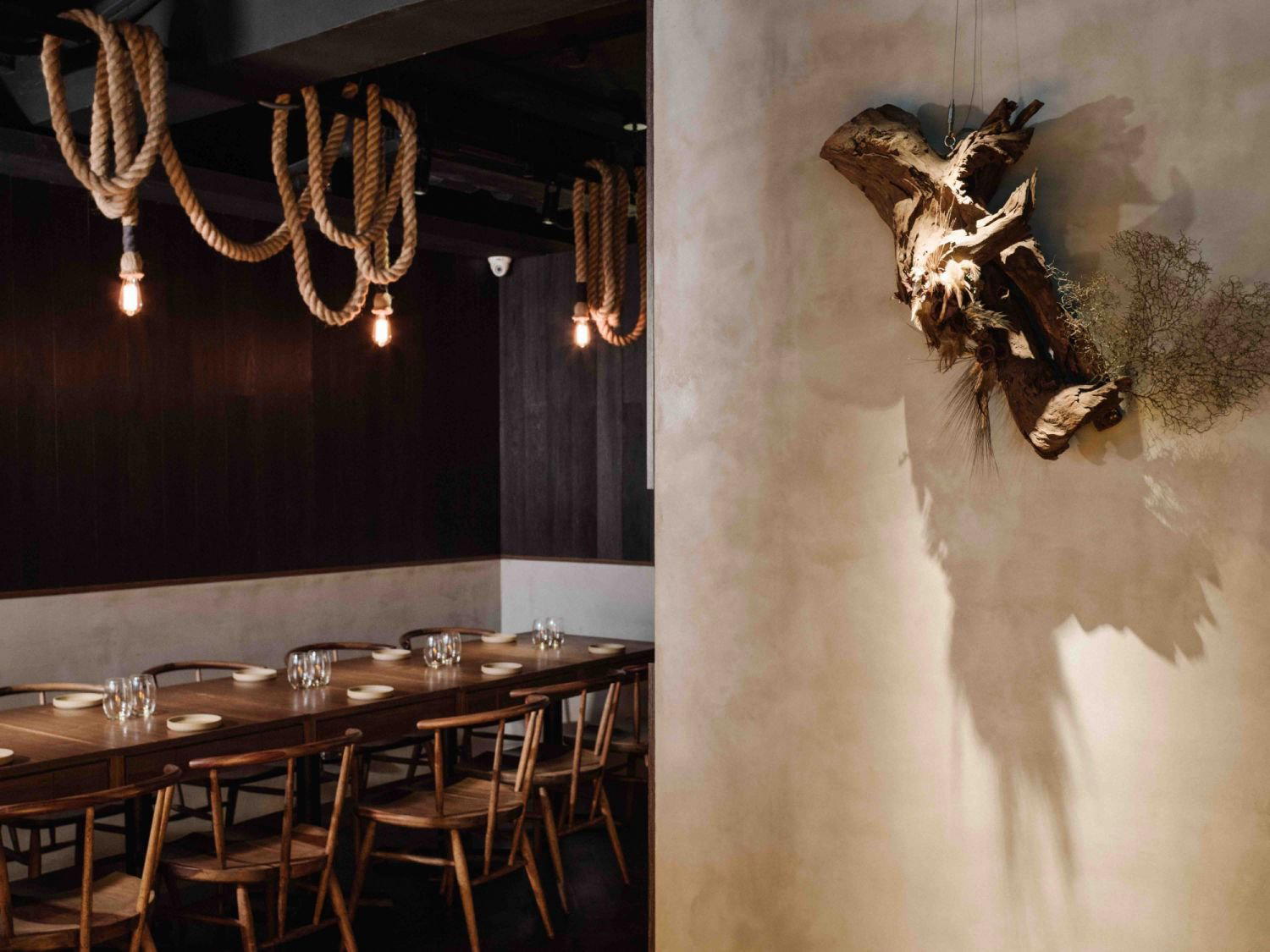
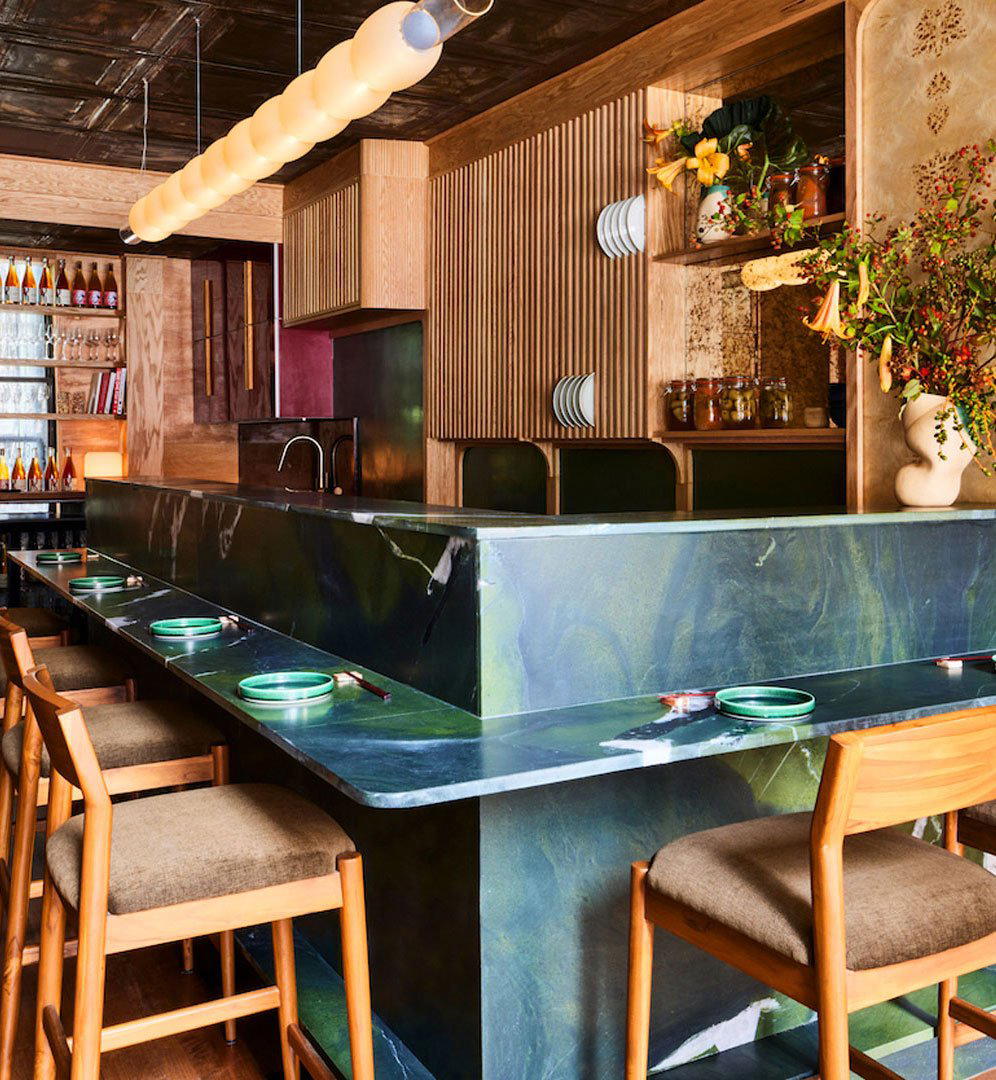
Bars in Taipei
Browse all →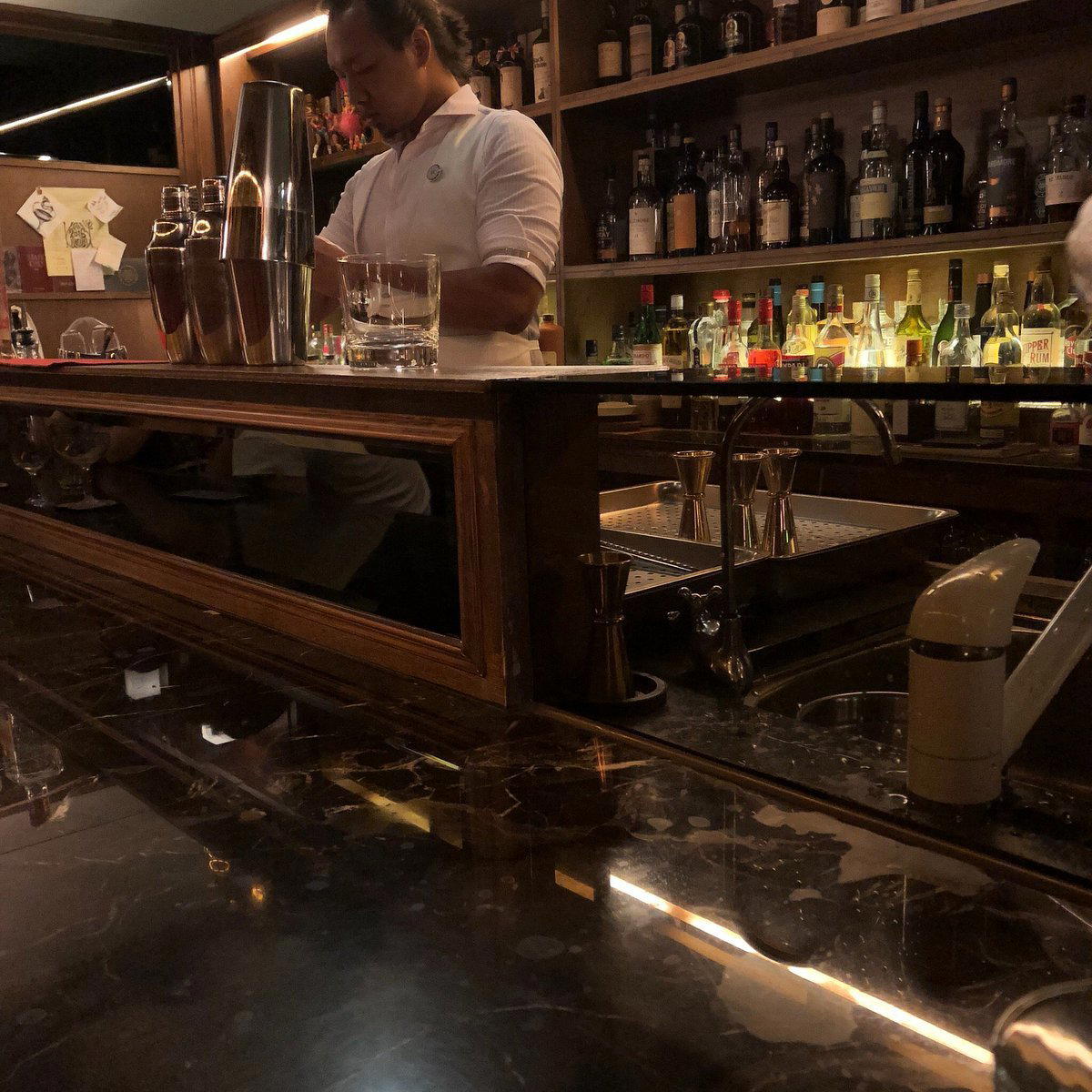
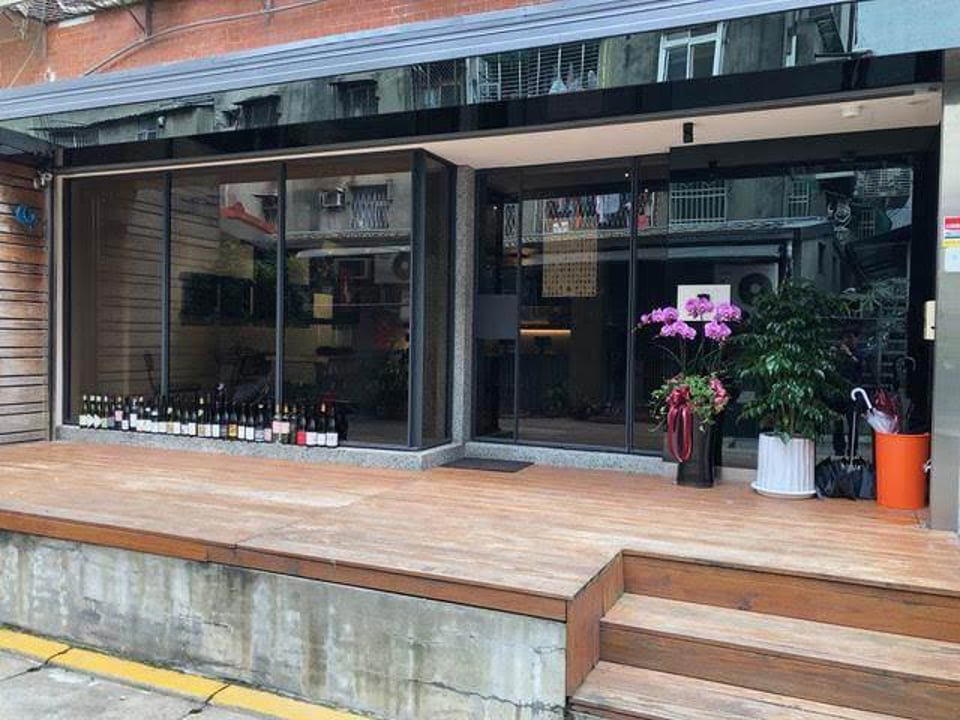
Hotels in Taipei
Browse all →
Wineries in Taipei
Browse all →
At a Glance
- Modern
- Trendy
- Elegant
- Lively
- Sophisticated
- Date Night
- Group Dining
- Casual Hangout
- Private Dining
- Craft Cocktails
Current opening hours
- Monday
- 11:30 AM–2 PM, 5:30–10 PM
- Tuesday
- 11:30 AM–2 PM, 5:30–10 PM
- Wednesday
- 11:30 AM–2 PM, 5:30–10 PM
- Thursday
- 11:30 AM–2 PM, 5:30–10 PM
- Friday
- 11:30 AM–2 PM, 5:30–10 PM
- Saturday
- 11:30 AM–2 PM, 5:30–10 PM
- Sunday
- 11:30 AM–2 PM, 5:30–10 PM
Hours can change for holidays and private events. Last verified .
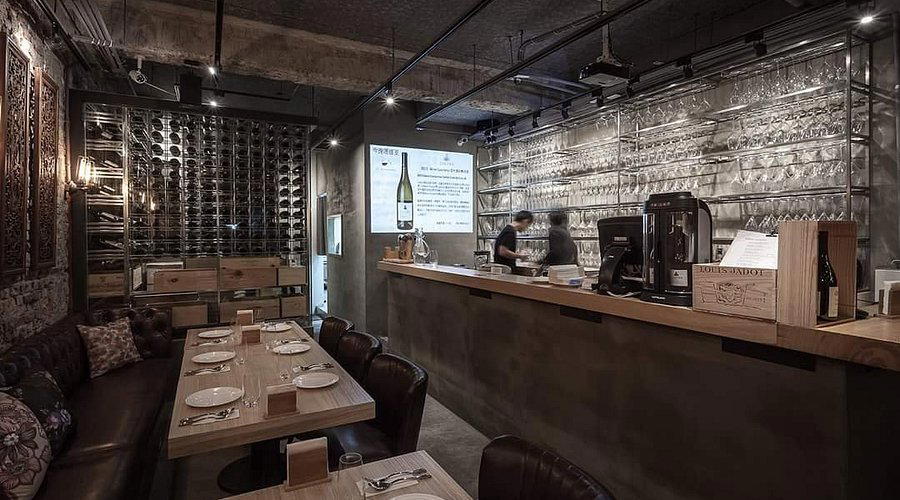
Sleek modern décor in burgundy red with wood and metal trim, creating a refined, trendy, and lively yet comfortable atmosphere.