Our verdict
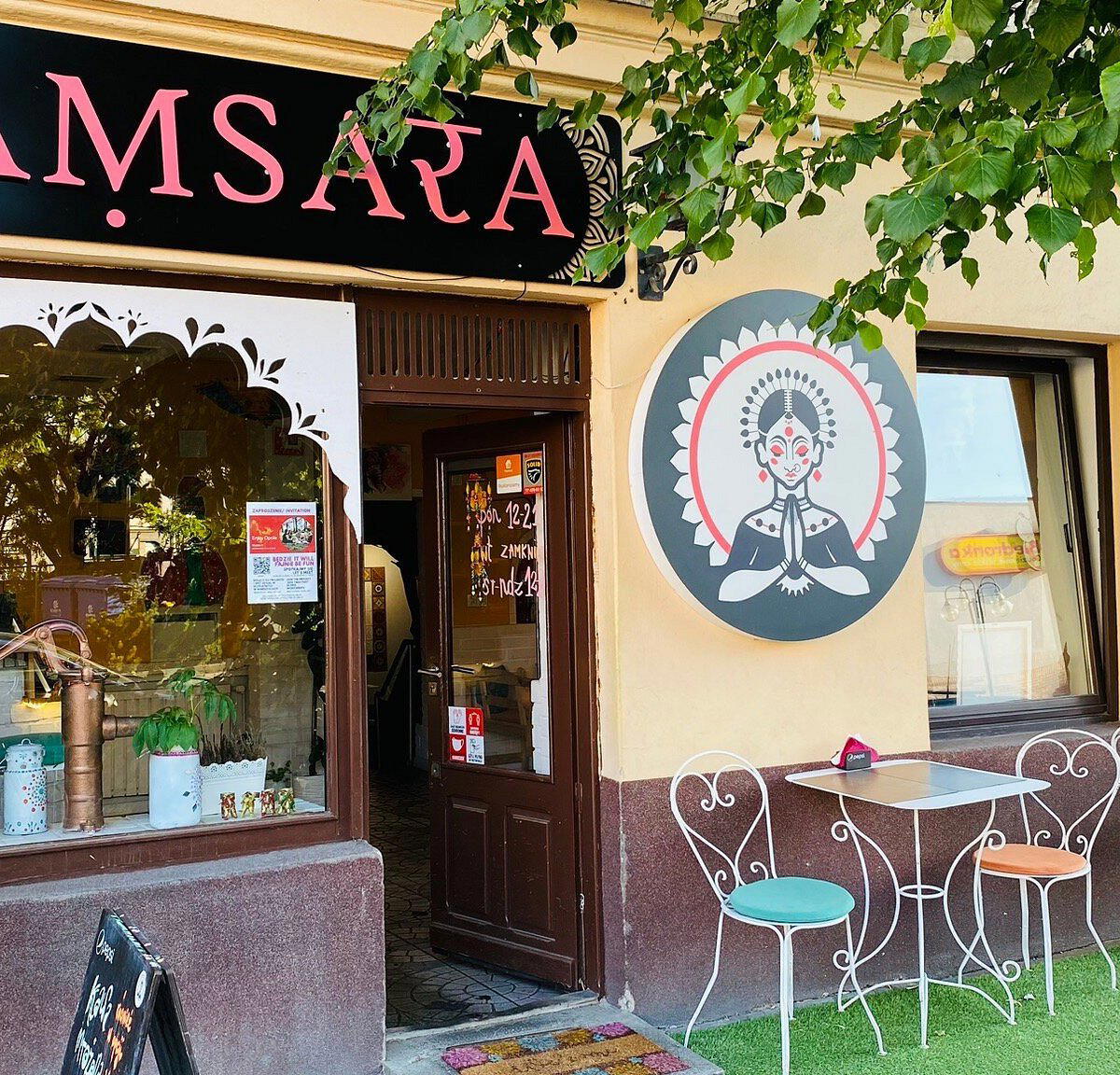
Indian cuisine occupies a specific and still-thin slice of the restaurant scene in Opole, a city where Polish and Central European traditions dominate nearly every menu. Samsara Restauracja Indyjska, located on Księdza Piotra Ściegiennego 5, represents that alternative strand — a place where spice sourcing and subcontinental technique land in an unexpected Silesian address. For visitors seeking something outside the regional default, it earns attention on those terms alone.

Pearl is the En Primeur Club membership app — saves, bookings, and concierge access live there. Same editors, same standards.
- Address
- Księdza Piotra Ściegiennego 5, 46-020 Opole, Poland
- Phone
- +48517289191
- Hours
- Mon 12–9 PMTue ClosedWed–Sun 12–9 PM
- Website
- facebook.com
- Directions
- Get directions
Indian Cooking in Opole: The Context That Shapes Samsara
In most mid-sized Polish cities, the restaurant map follows a familiar pattern: Polish classics, Italian-inflected casual dining, and the occasional sushi counter. Indian cuisine occupies a narrower lane, and in Opole it is narrower still. The city sits in Silesia, a region whose food culture runs on slow-braised meats, hearty soups, and rye-heavy traditions with roots stretching back through German and Austro-Hungarian influence. Against that backdrop, a restaurant committed to Indian cooking is not filling an obvious gap so much as proposing a different frame of reference entirely. Samsara Restauracja Indyjska, at Księdza Piotra Ściegiennego 5, occupies that position in the city's dining scene.
For readers planning an Opole visit and wanting a broader sense of what the city offers, our full Opole restaurants guide maps the full range of options across cuisines and price points.
The Sourcing Argument Behind Indian Cooking in Central Europe
The ingredient sourcing question sits at the centre of any serious assessment of Indian restaurants operating outside South Asia or its diaspora-dense urban hubs. The spice supply chain has improved substantially across Central Europe over the past decade, with specialist importers now reaching second- and third-tier cities. What this means in practice: the gap between an Indian kitchen in Warsaw and one in Opole is less about access to dry spices and more about access to fresh produce, dairy, and proteins that perform correctly at temperature and texture. Ghee quality, paneer freshness, the aromatics in a wet masala base — these are the variables that separate technically competent Indian cooking from the approximations that plagued the category in Poland through the 2000s and early 2010s.
Samsara operates in this environment where the ingredient ceiling has risen but the execution bar remains uneven. A kitchen in a city like Opole cannot lean on the density of supply relationships available in Warsaw's more competitive restaurant districts. What it can do is prioritise the spice elements — the area where sourcing has become genuinely accessible, and build dishes around those foundations rather than hoping fresh-component quality compensates. Whether Samsara's kitchen makes those priorities correctly is a question leading answered in the dining room itself, but the structural constraints are worth understanding before you arrive.
Subcontinental Technique and What to Expect
Indian restaurant cooking at its better end is a discipline of time and layering: onion foundations cooked down over long periods, spice bloomed in fat at precise temperatures, proteins rested in marinades measured in hours rather than minutes. In Central European cities, the restaurants that handle this correctly tend to share a common trait, they treat the kitchen process as non-negotiable and resist the temptation to shorten it for service speed. The result is a depth of flavour in base sauces that no amount of finishing can replicate if the foundation work was skipped.
The point is not that a neighbourhood Indian restaurant in Opole should be measured against New York fine dining, but that the underlying technical principles, patience, sequencing, sourcing respect, apply regardless of price point or geography.
Indian cooking in Poland has also benefited from the same pan-Asian wave that brought more serious Japanese work to cities like Gdańsk (see Hashi Sushi) and more considered Asian formats to Gdynia (see Lolo Thai Jolo). Growing diner familiarity with non-European cuisines has raised expectations and created a more informed customer base, even in smaller cities.
Where Samsara Sits in the Opole Picture
Opole's dining scene is not large. The city has a population under 130,000, and its restaurant density reflects that scale. This means individual venues carry more weight than they would in Kraków or Wrocław, where competition sharpens everything. The Indian category in a city this size is unlikely to see another serious competitor opening in the short term, which has obvious implications for standards: there is less pressure from within the category, though curious diners do have the option of travelling the roughly 90 kilometres to Wrocław where the field is wider.
In the broader Polish dining context, the most discussed restaurants tend to cluster around the larger cities, Bottiglieria 1881 in Kraków, Arco by Paco Pérez in Gdańsk, and Muga in Poznań define what the country's more ambitious tier looks like. Venues operating in smaller cities, from Kwestia Czasu in Białystok to Cudne Manowce in Olsztyn, play a different game: they serve local regulars, manage expectations that are set by regional norms, and succeed on consistency rather than headline ambition. Samsara operates in this same mid-city reality. Its measure of success is not whether it would register on a national critics' list, but whether it consistently delivers on what Indian cooking requires technically, in a city that lacks a natural reference point for judging it.
Planning Your Visit
Samsara Restauracja Indyjska is located at Księdza Piotra Ściegiennego 5 in Opole. Opole's compact city centre makes the address walkable from the main train station and the old town area, so Samsara integrates naturally into a wider evening itinerary rather than requiring a dedicated journey. For a sense of how Polish cities outside the major centres handle independent and speciality dining more broadly, venues like Hattori Hanzo in Czestochowa and Art Katowice offer useful reference points for regional dining character, as do Górnik in Krakow, Włoska Restauracja Bellanuna in Rzeszow, MaQAron Spaghetteria in Bydgoszcz, Kuchnia Manhattan in Gorzow Wielkopolski, and Giewont in Kościelisko.
Frequently asked questions
Can I bring kids to Samsara Restauracja Indyjska?
Indian restaurant cooking tends to span a wide heat range, from mild dal-style preparations to fierier curries, which makes it adaptable for families with children. Samsara is located at Księdza Piotra Ściegiennego 5 in Opole, a city where mid-scale dining is generally relaxed in format. check the venue's official channels to confirm seating arrangements and menu flexibility for younger guests.
Is Samsara Restauracja Indyjska formal or casual?
Samsara operates as a standalone Indian restaurant in Opole, a city of under 130,000 people where the dining culture runs toward accessible rather than ceremonial.
Is Samsara Restauracja Indyjska one of the only Indian restaurants in Opole?
Opole's restaurant scene reflects its population of under 130,000, which means the city has a narrow roster of specialist cuisine restaurants. Dedicated Indian kitchens operating outside Warsaw, Kraków, or Wrocław are uncommon in Poland, which positions Samsara at Księdza Piotra Ściegiennego 5 as one of the few places in the region serving subcontinental cooking as a primary focus rather than a menu afterthought.
What should I order at Samsara Restauracja Indyjska?
At any serious Indian kitchen, the dal and the bread service are reliable indicators of kitchen discipline. Check the restaurant's current menu directly for confirmed dish listings.
What's Samsara Restauracja Indyjska's location?
Samsara Restauracja Indyjska is located at Księdza Piotra Ściegiennego 5, 46-020 Opole, Poland, Opole.
In Context: Similar Options
Comparable venues nearby, for context on price, style, and recognition.
| Venue | Cuisine | Price | Notes |
|---|---|---|---|
| Samsara Restauracja IndyjskaThis venue — the venue you are viewing | Authentic Indian Vegetarian | $10–20 | Not listed |
| Yami Vegan Sushi | Vegan Japanese Sushi | $10–20 | Katowice |
| KLAR kawa i wino | Specialty Coffee & Wine Bar | $1–10 | center Gliwice |
| Brunch SQUARE Restaurant | Modern Brunch | $10–20 | city center |
| People Say Different Things | Neapolitan Pizza | $10–20 | Chorzów Market Square |
| Dos Gatos Taqueria | Authentic Mexican Taqueria | $10–20 | city center |
Details
- Cozy
- Casual Hangout
- Family
- Standalone
- A La Carte
- Vegetarian Friendly
Current opening hours
- Monday
- 12–9 PM
- Tuesday
- Closed
- Wednesday
- 12–9 PM
- Thursday
- 12–9 PM
- Friday
- 12–9 PM
- Saturday
- 12–9 PM
- Sunday
- 12–9 PM
Hours can change for holidays and private events. Last verified .
Relaxed atmosphere with colorful decor.