Our verdict
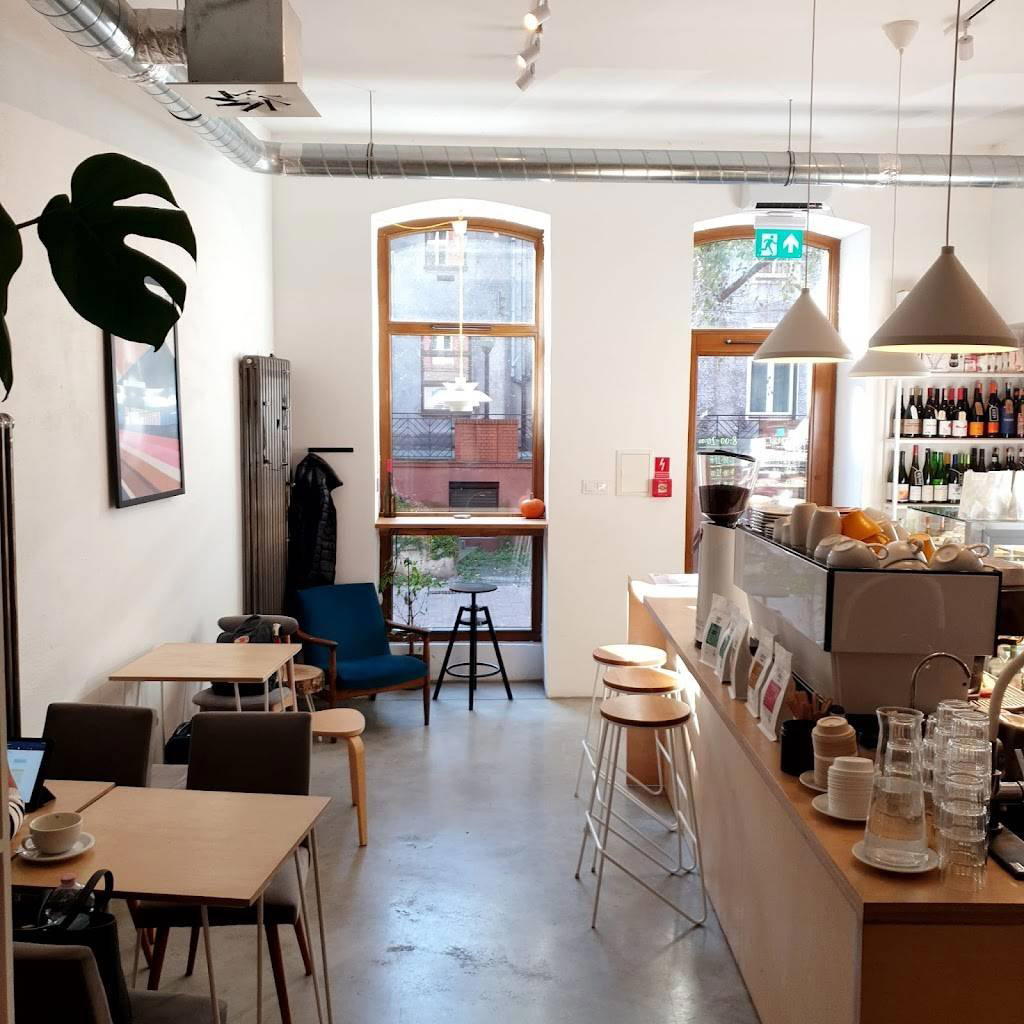
KLAR kawa i wino sits on aleja Przyjaźni in Gliwice, occupying the intersection where specialty coffee culture and considered wine drinking converge. The venue's name signals its editorial position plainly: clarity, in both the cup and the glass. In a Polish city better known for industrial heritage than café culture, KLAR represents a format that has taken root across Central Europe's second-tier cities over the past decade.

Pearl is the En Primeur Club membership app, where members save venues, book tables and use the concierge.
The menu
What to order
- Vegan desserts
- Specialty coffee
Where Coffee and Wine Share the Same Serious Attention
There is a particular kind of venue that has emerged across Central European cities over the past decade, one that refuses to choose between the morning and the evening, between the espresso bar and the wine list. KLAR kawa i wino, on aleja Przyjaźni 11 in Gliwice, belongs to that format. The name translates directly: clear, coffee, and wine. The lack of flourish is deliberate. In a city whose identity has long been shaped by the Silesian industrial belt rather than café society, a venue that takes both brewing variables and natural wine with equal seriousness occupies an editorial position worth examining.
The Silesian Context
Gliwice sits in the Upper Silesia region, an area that spent most of the twentieth century oriented around coal and steel rather than gastronomy. The hospitality scene that has developed since the 1990s has done so largely in the shadow of Kraków, which draws the international press and the Michelin inspectors, and Warsaw, which anchors the country's fine-dining conversation. That pressure has, paradoxically, created space for venues in cities like Gliwice to operate without performing for a particular audience. Places like KLAR exist because a local population wants them, not because a tourism brief demands them.
That distinction matters when reading the venue through the lens of the coffee-and-wine hybrid format. Across Poland, the format has taken different shapes depending on the city. In Warsaw, venues like hub.praga operate within a dense, competitive hospitality scene where positioning is explicit. In Poznań, Muga demonstrates how a considered wine program can anchor a broader dining offer. Gliwice operates at a different register, where the audience is predominantly local and the bar for seriousness is set by the venue itself rather than by peer pressure from a crowded neighbourhood.
The Coffee-and-Wine Format as Cultural Statement
The pairing of specialty coffee and natural or low-intervention wine is not an arbitrary commercial decision. Both disciplines, in their contemporary forms, share a set of values: transparency about sourcing, attention to process, resistance to industrial standardisation, and a preference for letting a product speak with minimal interference. A roaster who traces a lot to a specific farm in Ethiopia and a natural wine producer working without added sulphites are making related arguments about what quality means. Venues that hold both simultaneously are, in effect, presenting a coherent philosophy across the day's drinking arc.
In Central Europe, this format arrived slightly later than in Western capitals but has developed with a regional character of its own. Polish coffee culture, particularly in cities outside Warsaw and Kraków, has matured quickly over the past seven or eight years. The growth of independent roasters, barista competition culture, and café spaces that invest in proper equipment has created a baseline of technical competence that venues can now build on rather than establish from scratch. KLAR's name, with its insistence on clarity, reads as a position statement within that maturing scene.
The wine side of the equation connects to a broader European shift. Natural and low-intervention wines have moved from a niche producer conversation to a mainstream hospitality offer in many Central European cities. For venues that want to run a wine list with genuine depth rather than a conventional by-the-glass selection, the natural wine category offers producers who work at smaller scales, which means bottles that reward a curious audience rather than a volume-driven one. In Poland, the wine list has historically defaulted to French and Italian classics; venues that step outside that orthodoxy are making a statement about their intended customer.
Finding KLAR in Gliwice's Broader Scene
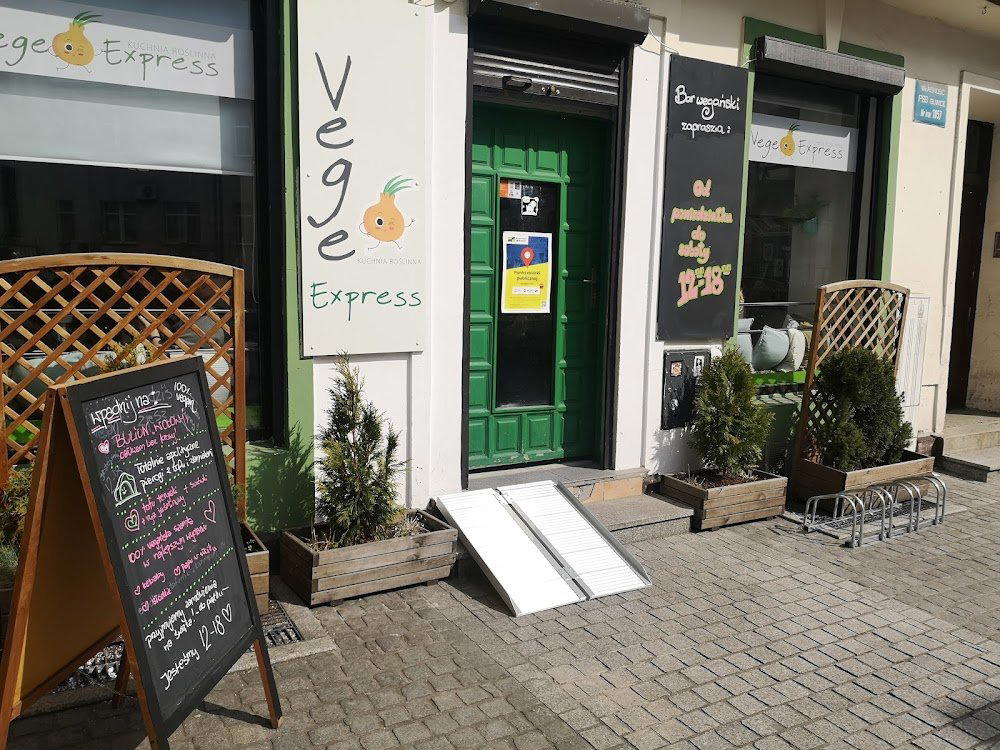
Gliwice's restaurant and café scene has diversified considerably over the past several years. The city now sustains venues across a range of formats and references. Dos Gatos Taqueria brings a Mexican reference point, Vege Express addresses the plant-forward dining segment, and Alahamora Gildia Czarodziejów operates in the themed dining space. Within that mix, KLAR occupies the position of the venue that takes its two core products with the most focused attention. For a fuller view of where it sits within the city's hospitality offer, our full Gliwice restaurants guide maps the scene in more detail.
The comparison that makes most sense for KLAR is not with its immediate Gliwice neighbours but with the broader category of Polish venues where product seriousness drives the offer. Bottiglieria 1881 in Kraków demonstrates what a deeply researched wine and food offer looks like in a Polish city with a higher international profile. Arco by Paco Pérez in Gdańsk shows what happens when international culinary credentials anchor a local operation. KLAR operates without those external credentials visible in the record, which places it in a different tier of reference, but the format it represents is consistent with a direction that Poland's more decorated venues have also pursued.
Further afield, venues like Kwestia Czasu in Białystok, Cudne Manowce in Olsztyn, and Górnik in Kraków each represent how Polish regional cities are developing hospitality identities that do not simply replicate Warsaw. KLAR fits that pattern in the Silesian context. For those interested in how the format plays out in other European cities, the contrast with established fine-dining programs like Le Bernardin in New York or the tasting-menu format at Atomix clarifies how different the café-and-wine model is in its ambitions and its audience. Closer in spirit, venues like Hashi Sushi in Gdańsk, Hattori Hanzo in Częstochowa, and Giewont in Kościelisko each illustrate how Polish venues outside the major cities build focused identities around a specific product or reference.
Planning a Visit
KLAR kawa i wino is located at aleja Przyjaźni 11, 44-100 Gliwice. The address places it on one of the city's principal avenues, accessible on foot from the city centre. Given the format, walk-in visits during café hours are likely the norm, though busier periods or events may warrant checking ahead. The venue name, with its deliberate plainness, suggests a space where the product does the signalling rather than any particular dress or reservation formality.
Frequently asked questions
Where do I go for KLAR kawa i wino?
KLAR kawa i wino is located at aleja Przyjaźni 11, 44-100 Gliwice, Poland, Gliwice.
Is KLAR kawa i wino one of the few venues in Upper Silesia treating both specialty coffee and wine as equal priorities?
Upper Silesia's hospitality scene, shaped for most of the twentieth century by industrial rather than gastronomic culture, has a limited number of venues that give serious structural attention to both disciplines simultaneously. KLAR's name, kawa i wino translates directly as coffee and wine, signals that the dual focus is a founding premise rather than a secondary offer layered onto a food or cocktail menu. That positioning, at aleja Przyjaźni 11 in Gliwice, places it in a distinct category within the regional city circuit.
What do people recommend at KLAR kawa i wino?
KLAR's dual focus gives visitors two clear axes: the specialty coffee side, which in venues of this format typically centres on single-origin filter and espresso-based drinks drawn from traceable supply chains, and the wine side, where low-intervention and natural bottles tend to anchor the list. Given the venue's positioning in Gliwice, where this level of coffee-and-wine specificity is rare, both programmes are worth treating as primary rather than ordering one as an afterthought to the other. The address at aleja Przyjaźni 11 places it within reach of the city centre, making it a practical stop across different points of the day.
Should I book KLAR kawa i wino in advance?
Gliwice operates without the external reservation pressure that hits venues in Kraków or Warsaw, where award recognition draws visitors from well outside the local area. For KLAR specifically, walk-in visits are likely workable on most weekday visits, though weekend evenings at a wine-focused bar in a format this focused can fill quickly from a regular local crowd. Contacting the venue directly before a planned evening visit is the straightforward precaution, particularly if visiting in a group.
Cost and Credentials
Comparable venues nearby, for context on price, style, and recognition.
| Venue | Cuisine | Price | Notes |
|---|---|---|---|
| KLAR kawa i winoThis venue (the venue you are viewing) | Specialty Coffee & Wine Bar | $1–10 | Not listed |
| Dos Gatos Taqueria | Authentic Mexican Taqueria | $10–20 | city center, Authentic Mexican Taqueria |
| Alahamora Gildia Czarodziejów | Magical Vegetarian Cafe | Not listed | Gliwice center, Magical Vegetarian Cafe |
| Vege Express | Vegan Fast Casual | $1–10 | Gliwice city center, Vegan Fast Casual |
| Ariel | Traditional Jewish Eastern European | $20–30 | Kazimierz, Traditional Jewish Eastern European |
| Oberża pod Czerwonym Wieprzem | Traditional Polish Communist-Era Cuisine | $20–30 | Mirów, Traditional Polish & Eastern Bloc Communist-Era Cuisine |
Continue exploring
More in Gliwice
Restaurants in Gliwice
All restaurants in Gliwice →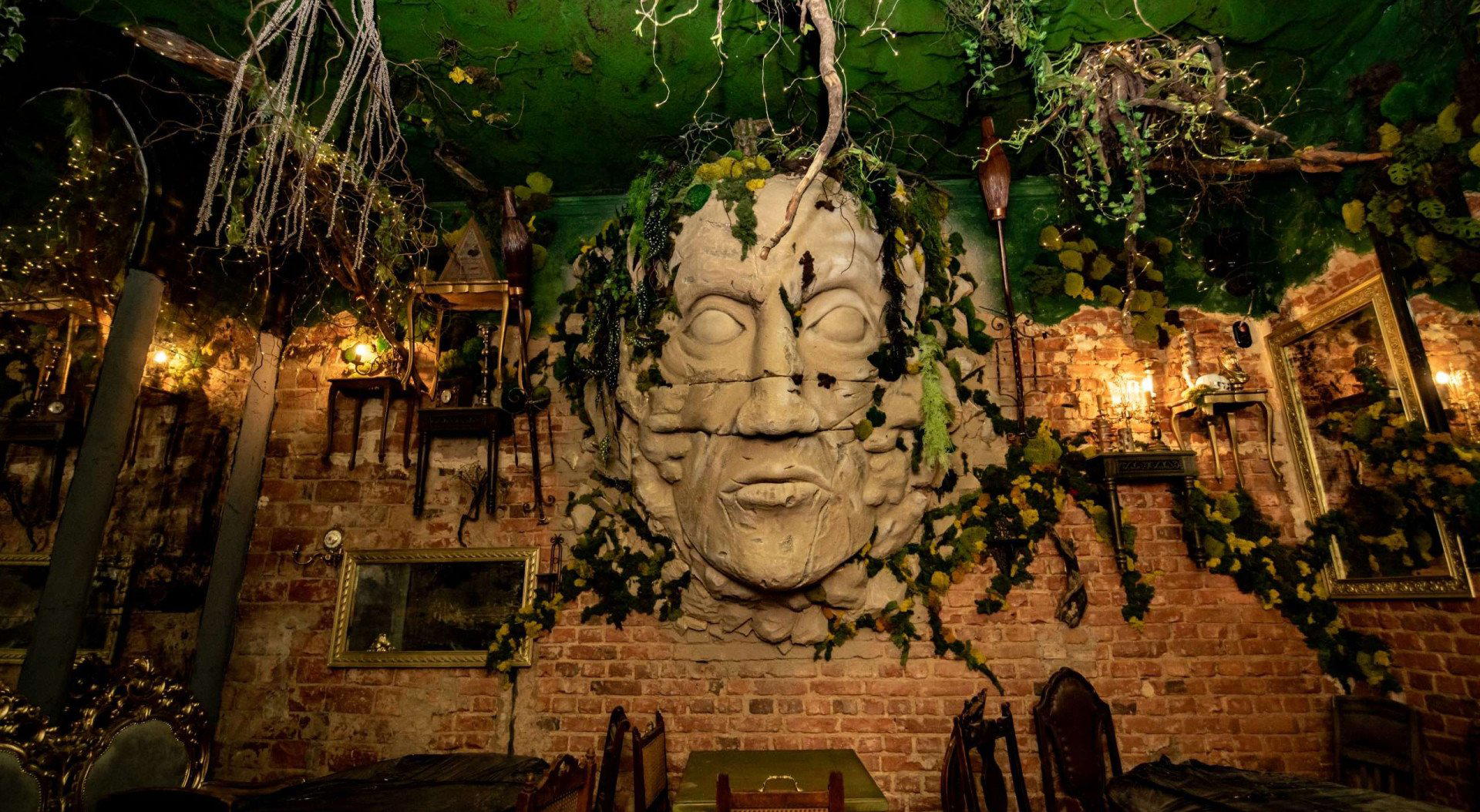
Bars in Gliwice
Browse all →
Hotels in Gliwice
Browse all →
Details
- Cozy
- Quiet
- Casual
- Casual Hangout
- Solo
- After Work
- Historic Building
- Standalone
- Beer Program
- A La Carte
- Coffee
- Wine
- Beer
- Vegan Options
- Vegetarian Friendly
Current opening hours
- Monday
- 9 AM–8 PM
- Tuesday
- 9 AM–8 PM
- Wednesday
- 9 AM–8 PM
- Thursday
- 9 AM–8 PM
- Friday
- 9 AM–10 PM
- Saturday
- 10 AM–10 PM
- Sunday
- 10 AM–8 PM
Hours can change for holidays and private events. Hours as of .
Cozy and relaxed atmosphere in a charming historic building, ideal for quiet conversation and casual coffee enjoyment.