Salum
Our verdict
On Cole Avenue in Uptown Dallas, Salum occupies a quiet corner that rewards attention. The restaurant has built a loyal following in a dining corridor where turnover is frequent and spectacle is common, operating instead on the slower logic of careful sourcing, seasonal adjustment, and a kitchen philosophy aligned with reducing waste at the ingredient level. It sits in the mid-to-upper tier of Dallas independent dining, alongside peers like Lucia and 3Eleven Kitchen and Cocktails.

Pearl is the En Primeur Club membership app — saves, bookings, and concierge access live there. Same editors, same standards.
- Address
- 4152 Cole Ave # 103, Dallas, TX 75204
- Phone
- (214) 252-9604
- Hours
- Mon 11:30 AM–2:30 PM, 6–10 PMTue–Thu 11:30 AM–2:30 PM, 6–10:30 PMFri 11:30 AM–2:30 PM, 6–11 PMSat 6–11 PMSun Closed
- Website
- salumrestaurant.com
- Directions
- Get directions
- Booking
- Book on OpenTable
The menu
What to order
- Texas Goat Cheese
- Home Made Country Pâté
- Rack of Lamb
Cole Avenue in Context
Uptown Dallas has spent the better part of two decades cycling through openings, repositionings, and closures at a pace that makes longevity meaningful. The stretch of Cole Avenue where Salum sits at 4152, suite 103, is walkable, low-key by Dallas standards, and increasingly populated by independently owned restaurants rather than the group-backed concepts that dominate other corridors. In a city where dining energy has historically gathered around spectacle — large formats, theatrical presentations, celebrity chef associations — an independently operated room that competes on ingredient discipline and seasonal consistency represents a deliberate counterposition.
That counterposition matters as a starting point for understanding what Salum is doing and where it sits relative to its peers. Dallas independent dining at the mid-to-upper tier now includes a range of approaches: Italian-focused rooms like Mamani, Japanese formats like Tatsu Dallas, and broader American kitchens like 3Eleven Kitchen and Cocktails. Salum has remained in that conversation across a city that rarely rewards patience over performance.
The Ethical Sourcing Thread
Among the defining shifts in American fine dining over the past decade, the move toward traceable, regionally sourced ingredients has separated kitchens that treat sustainability as marketing from those that build operational systems around it. The distinction shows in procurement patterns, menu seasonality, and waste management, not in branding language. Salum belongs to the second category. The kitchen's approach to sourcing reflects the same logic that has shaped restaurants like Blue Hill at Stone Barns in Tarrytown and Single Thread Farm in Healdsburg at higher price points and with larger operational infrastructure, though applied here at the scale of an independent urban restaurant in a Texas market.
In practical terms, this means the menu adjusts with what is available from regional producers rather than maintaining a static card built around imported or year-round commodity ingredients. Texas has a complicated agricultural geography, intense summer heat, variable rainfall, a short window for cool-weather produce, and kitchens that source honestly within that geography tend to cook differently than those that treat the state as a logistics endpoint for national distributors. The result is a seasonal rhythm that visitors from cities with more developed farm-to-table infrastructure may recognize immediately, and that Dallas regulars have come to expect from Salum specifically.
Waste reduction at the ingredient level also informs how the kitchen handles trim, off-cuts, and secondary cuts that higher-margin kitchens discard or ignore. This is a technical discipline as much as an ethical one, and it places Salum in a peer conversation that extends nationally to restaurants like Lazy Bear in San Francisco and Providence in Los Angeles, where whole-product utilization is embedded in kitchen culture rather than performed for the menu description.
What the Room Delivers
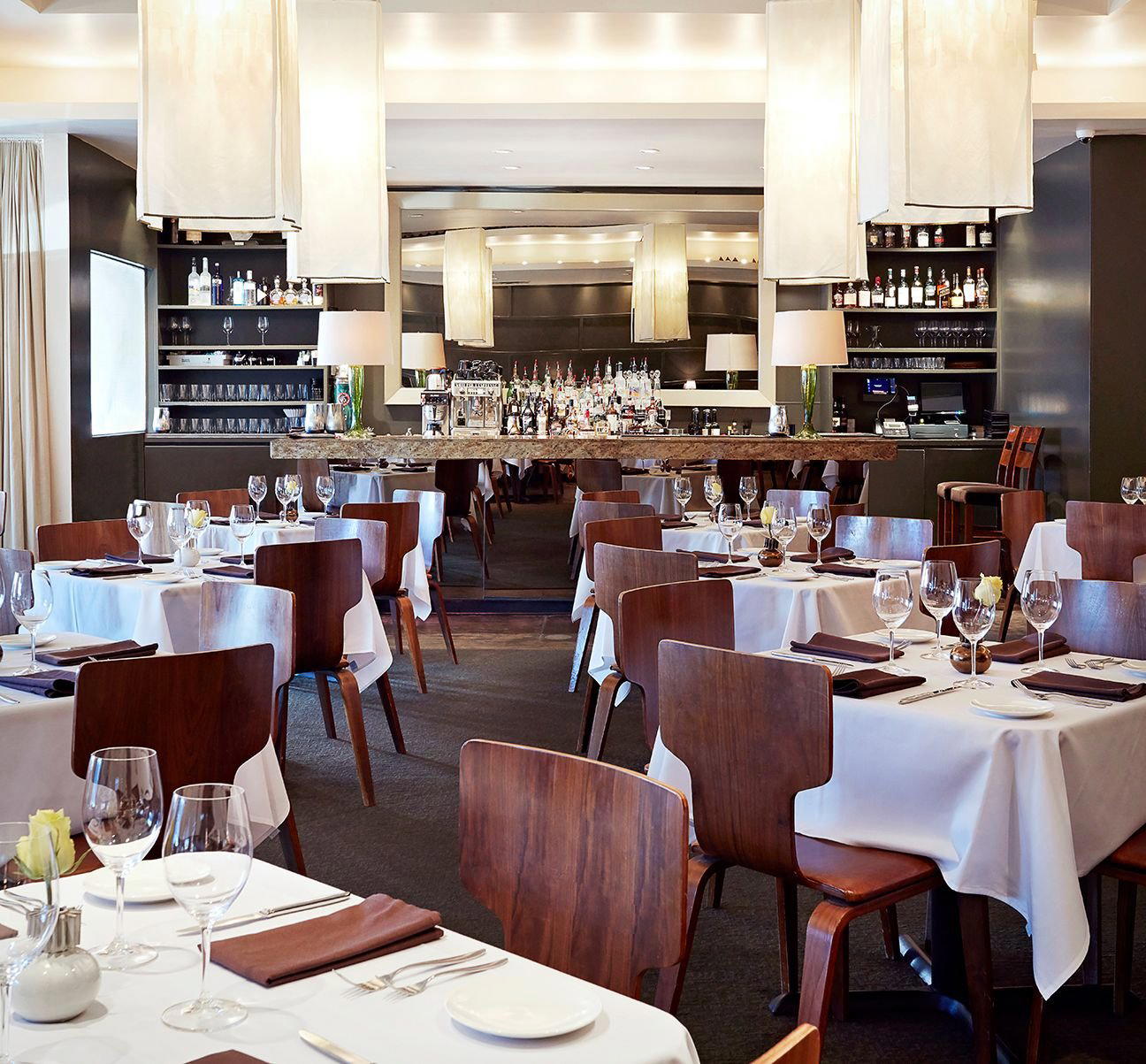
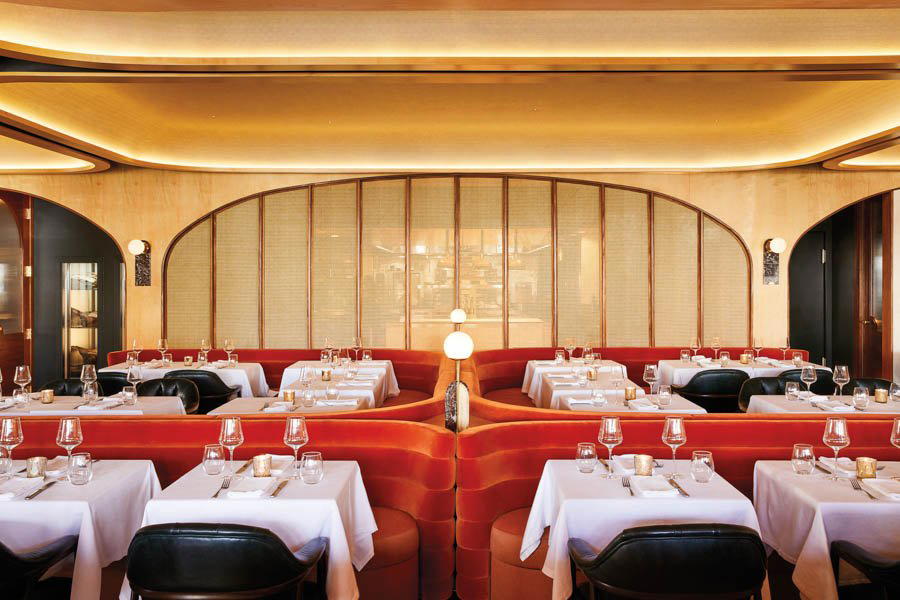
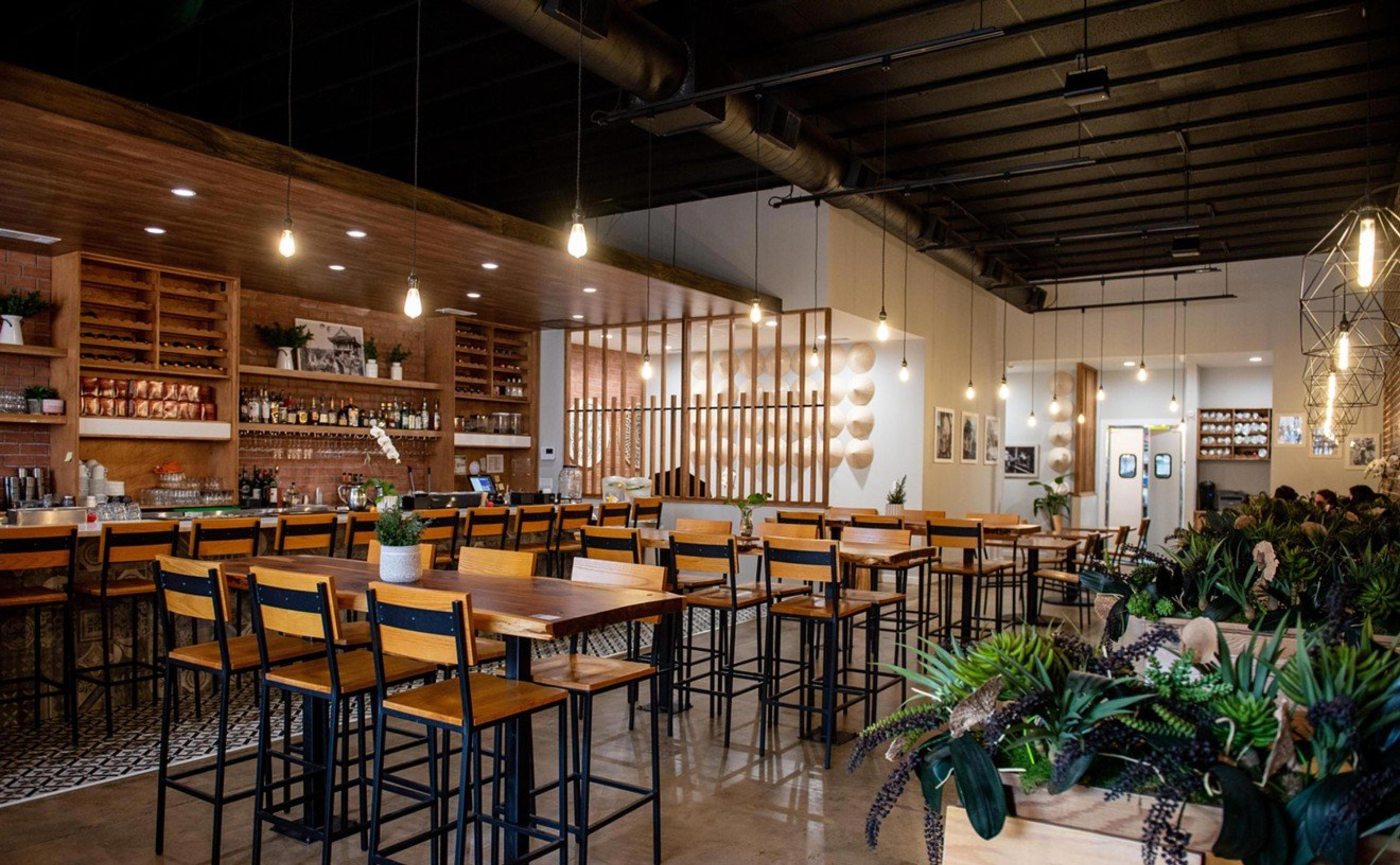
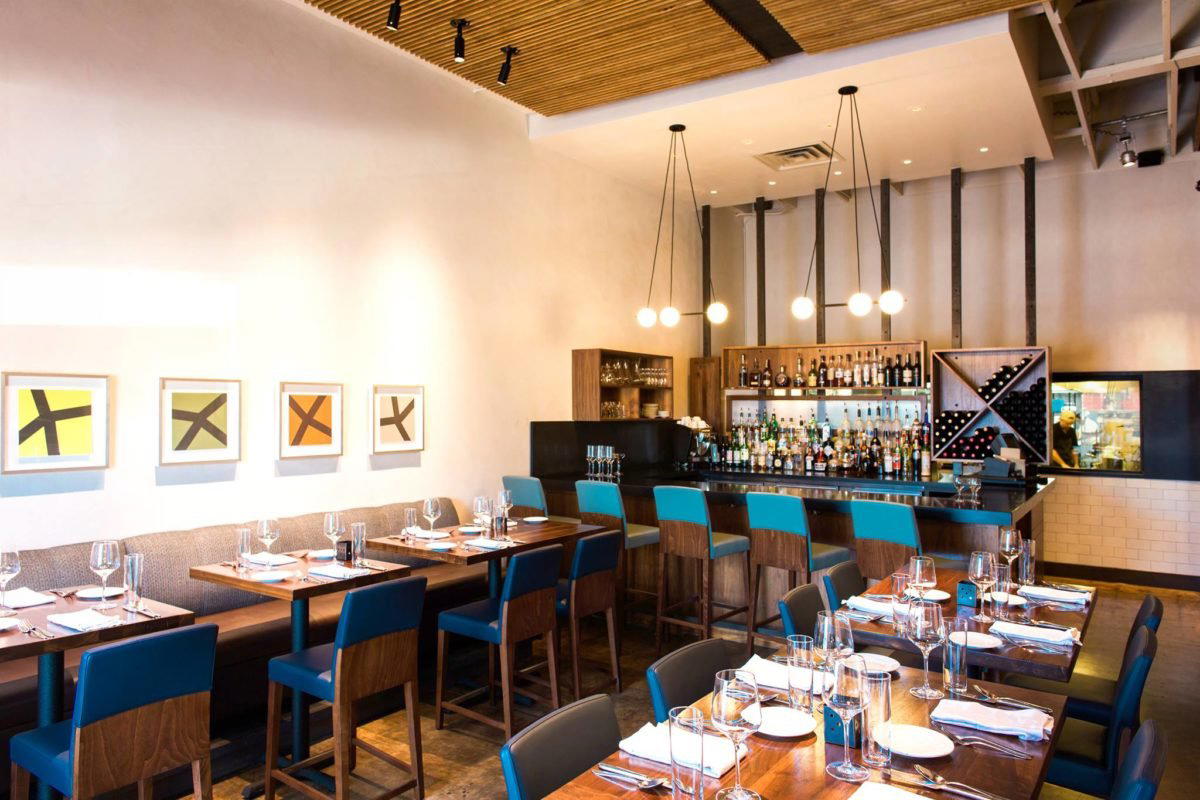
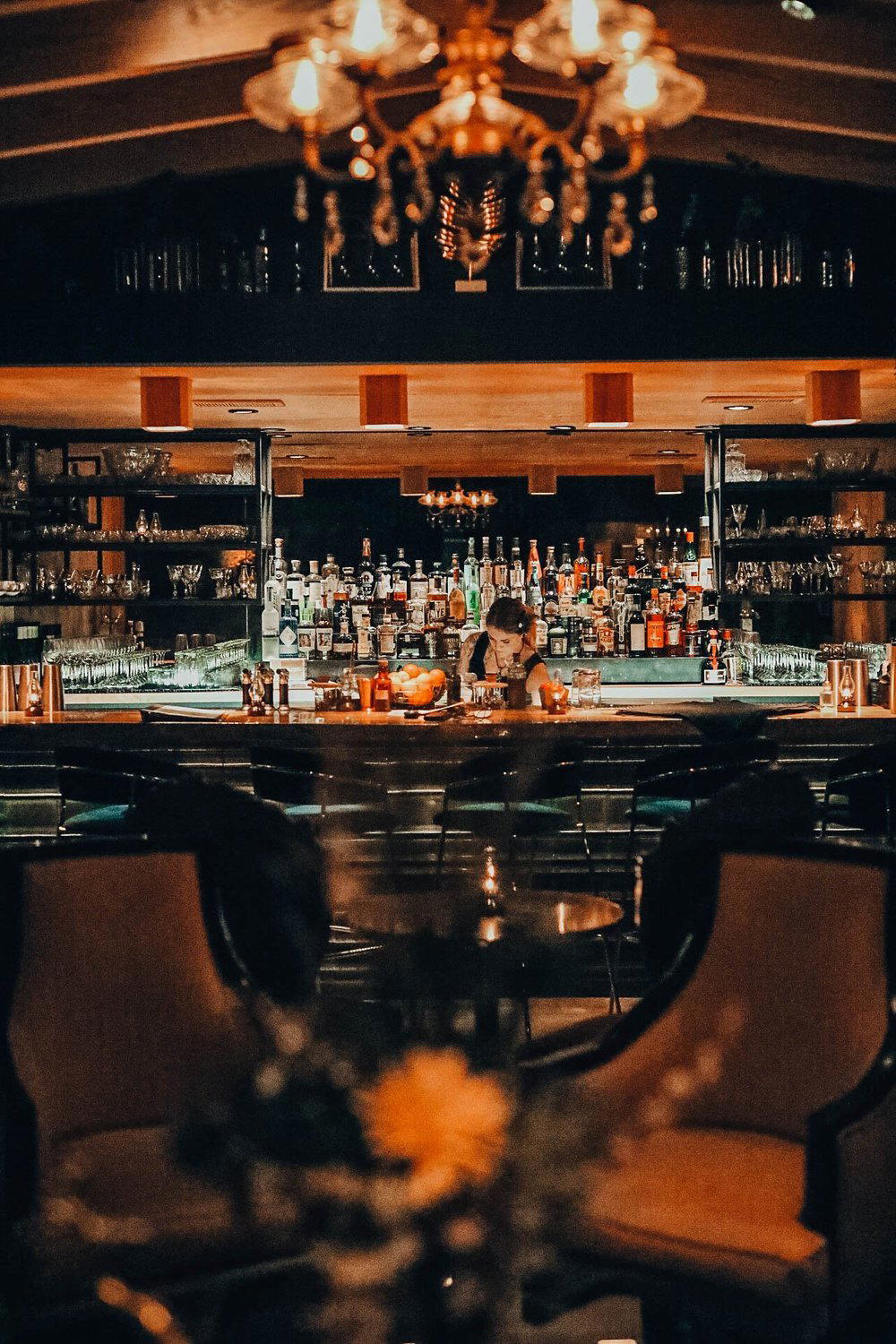
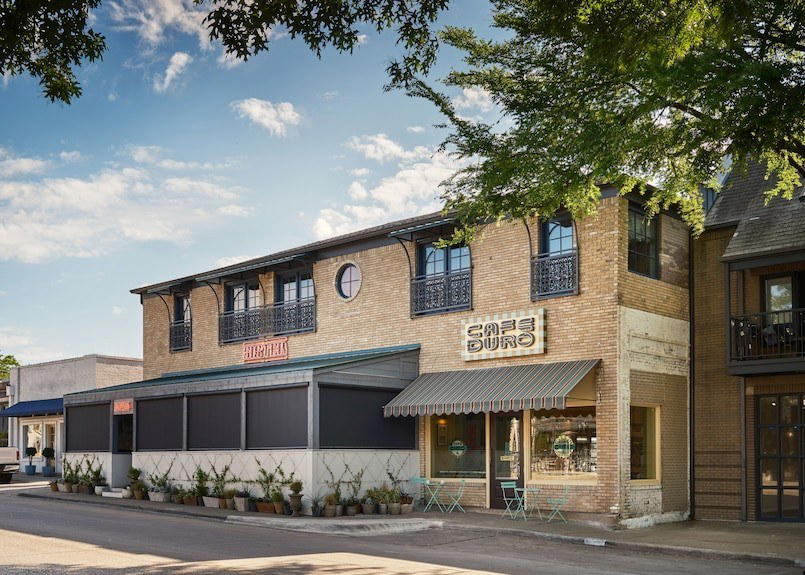
Approaching the Cole Avenue address, the scale is deliberately human. This is not a room designed to impress on arrival through volume or visual statement. The suite-format entry and the surrounding Uptown neighborhood context signal a kitchen that has chosen depth over breadth. Inside, the atmosphere reads closer to a serious European bistro than to the polished, high-ceilinged formats that define Dallas dining at the Fearing's or Tei-An tier. The room works for extended meals rather than quick turns, which aligns with a kitchen philosophy that requires time to be appreciated.
American independent restaurants at this price point face a consistent structural challenge: the cost of ethical sourcing compresses margins, which creates pressure to either raise prices or reduce ambition. Salum has navigated that tension in the direction of maintained quality rather than cost-cutting substitution, a choice visible in the sourcing continuity and the lack of the kind of menu inflation that signals a kitchen cutting corners on ingredients while maintaining price. For comparison, Addison in San Diego and The French Laundry in Napa operate this discipline at a significantly higher price tier with different operational resources. The interesting question at Salum is how the same commitment functions at the scale of an independent mid-market room.
Dallas in the Broader American Dining Map
Dallas dining has historically been underrepresented in the national critical conversation relative to cities like New York, where Le Bernardin and Atomix anchor the upper tier, or Chicago, where Alinea defines the conceptual edge. That gap has narrowed. The independent restaurant cohort in Dallas, spanning cuisines and formats from 12 Cuts Brazilian Steakhouse to the casual formats of 360 Brunch House, now offers range that competes with comparable mid-size American cities. Salum has been part of that development, operating as a reference point for what independent, sourcing-focused cooking looks like in North Texas rather than as an outlier within it.
The comparison with Gulf South dining is also worth drawing. Emeril's in New Orleans built a model for regionally inflected, independently spirited American cooking that influenced kitchens across the South. Dallas kitchens have developed their own version of that identity, less defined by Creole or Gulf tradition and more by the intersection of Texas agricultural reality, Southwestern flavoring, and European technique. Salum sits inside that intersection. See our full Dallas restaurants guide for a broader map of how the city's dining has developed across neighborhoods and price points.
For completeness in the national context: The Inn at Little Washington represents a different model of sourcing-led American fine dining, where the estate scale enables a degree of vertical integration unavailable to urban independent restaurants. The contrast clarifies what Salum is managing: a city-embedded, landlord-dependent, market-reliant sourcing operation rather than a controlled agricultural environment. That constraint makes the kitchen's consistency more, not less, notable.
Know Before You Go
- Address: 4152 Cole Ave, Suite 103, Dallas, TX 75204
- Neighborhood: Uptown Dallas, walkable from Cole Avenue residential and commercial blocks
- Booking: Contact at time of publication, verify current reservations method directly
- Price tier: Mid-to-upper independent Dallas dining; comparable to Lucia and 3Eleven Kitchen and Cocktails in positioning
- Format: Sit-down, full-service; suited to extended meals rather than quick turns
- Sourcing note: Menu reflects seasonal and regional availability; specific dishes vary with procurement
Frequently asked questions
Is eating at Salum worth the cost?
For diners who weigh ingredient sourcing and kitchen discipline heavily in their assessment of value, Salum's positioning within Uptown Dallas's independent tier makes it a coherent choice. The cost-to-quality calculation at this tier in Dallas generally reflects honest pricing against the real cost of regional procurement, rather than the markup structures of larger, group-operated rooms.
Does Salum's location in Uptown Dallas make it convenient for hotel guests staying in the Arts District or downtown?
Salum's address on Cole Avenue places it in Uptown, roughly between the Arts District and the residential density of Oak Lawn. For visitors staying in downtown Dallas or the Arts District, the restaurant is accessible by car or rideshare in under ten minutes from most central accommodations. The neighborhood is walkable from parts of Uptown itself, making it a practical choice for guests based in that corridor who want a sourcing-focused independent restaurant within the area rather than commuting to suburban dining destinations.
Awards and Standing
Comparable venues nearby, for context on price, style, and recognition.
| Venue | Cuisine | Price | Awards | Notes |
|---|---|---|---|---|
| SalumThis venue — the venue you are viewing | Contemporary American | $50–100 | Not listed | Not listed |
| Claremont Neighborhood Grill | American Neighborhood Grill | $50–100 | Resy Best of the Hit List | Preston Hollow |
| Neighborhood Services | Upscale American Steakhouse | Not listed | Not listed | Lovers Lane |
| Tillman's Bishop Arts | Upscale Southern American | Not listed | Not listed | Bishop Arts District |
| Velour | Southern-Asian Fusion | Not listed | Not listed | Victory Park |
| Dream Cafe Lakewood | American Eclectic Cafe | $20–30 | Not listed | Caruth Terrace |
Details
- Elegant
- Sophisticated
- Cozy
- Intimate
- Classic
- Date Night
- Special Occasion
- Business Dinner
- Open Kitchen
- Extensive Wine List
- Local Sourcing
- A La Carte
- Small Plates
- Vegetarian Friendly
- Gluten Free Options
Current opening hours
- Monday
- 11:30 AM–2:30 PM, 6–10 PM
- Tuesday
- 11:30 AM–2:30 PM, 6–10:30 PM
- Wednesday
- 11:30 AM–2:30 PM, 6–10:30 PM
- Thursday
- 11:30 AM–2:30 PM, 6–10:30 PM
- Friday
- 11:30 AM–2:30 PM, 6–11 PM
- Saturday
- 6–11 PM
- Sunday
- Closed
Hours can change for holidays and private events. Last verified .
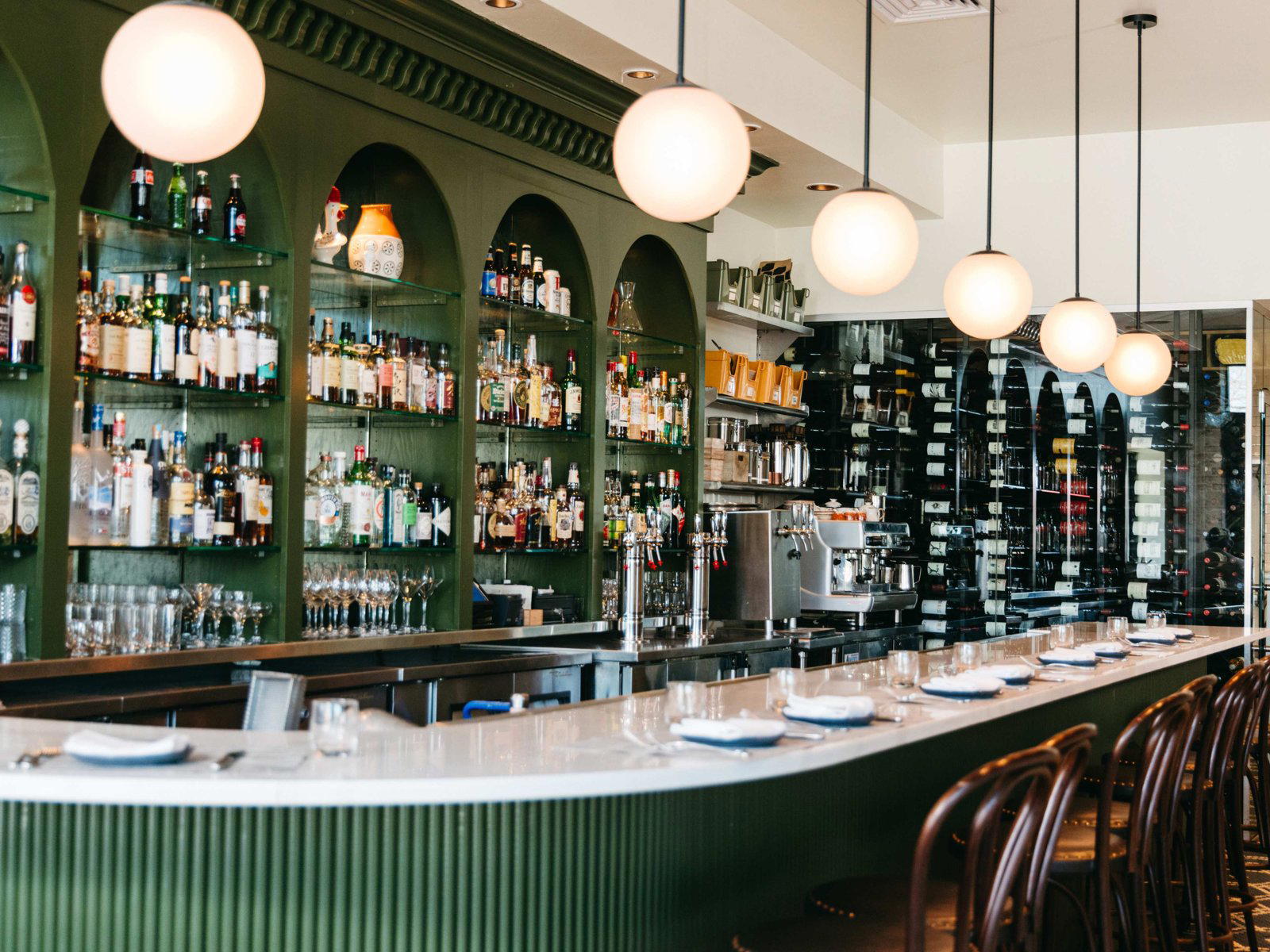
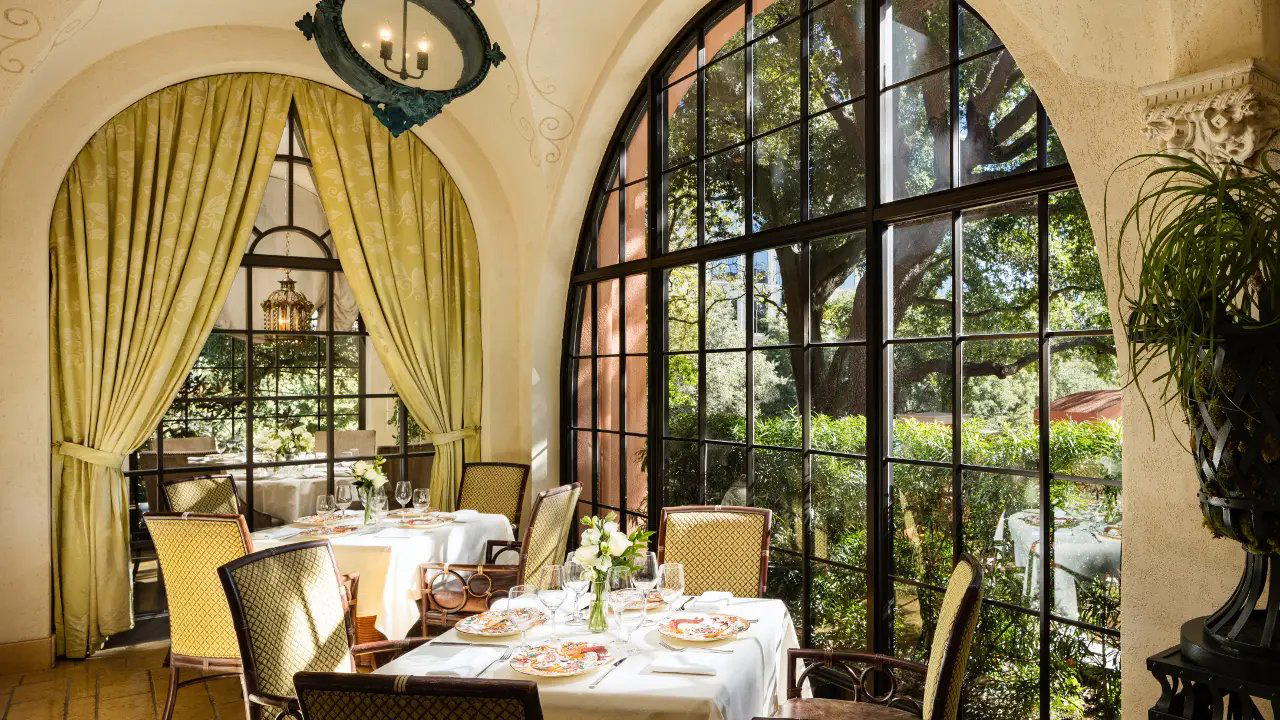
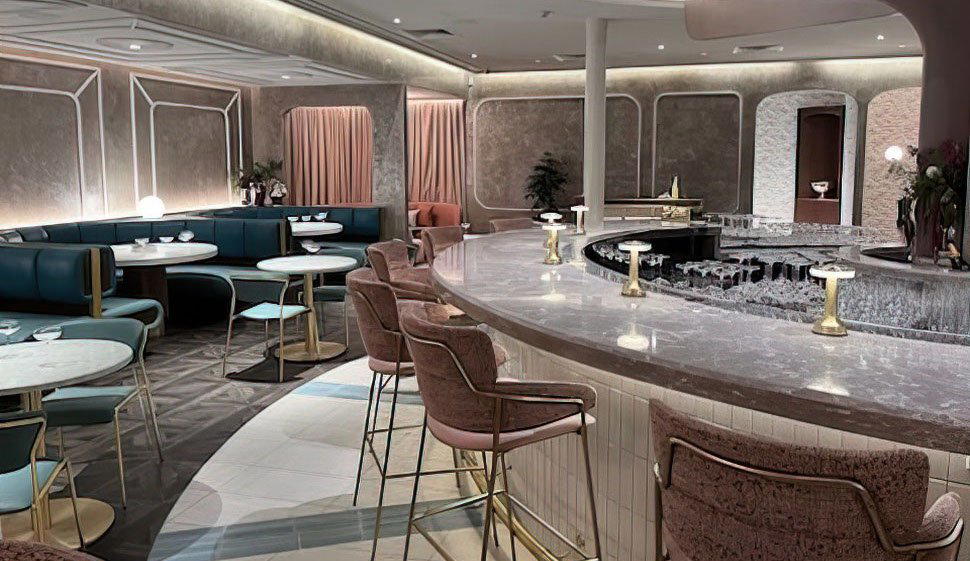
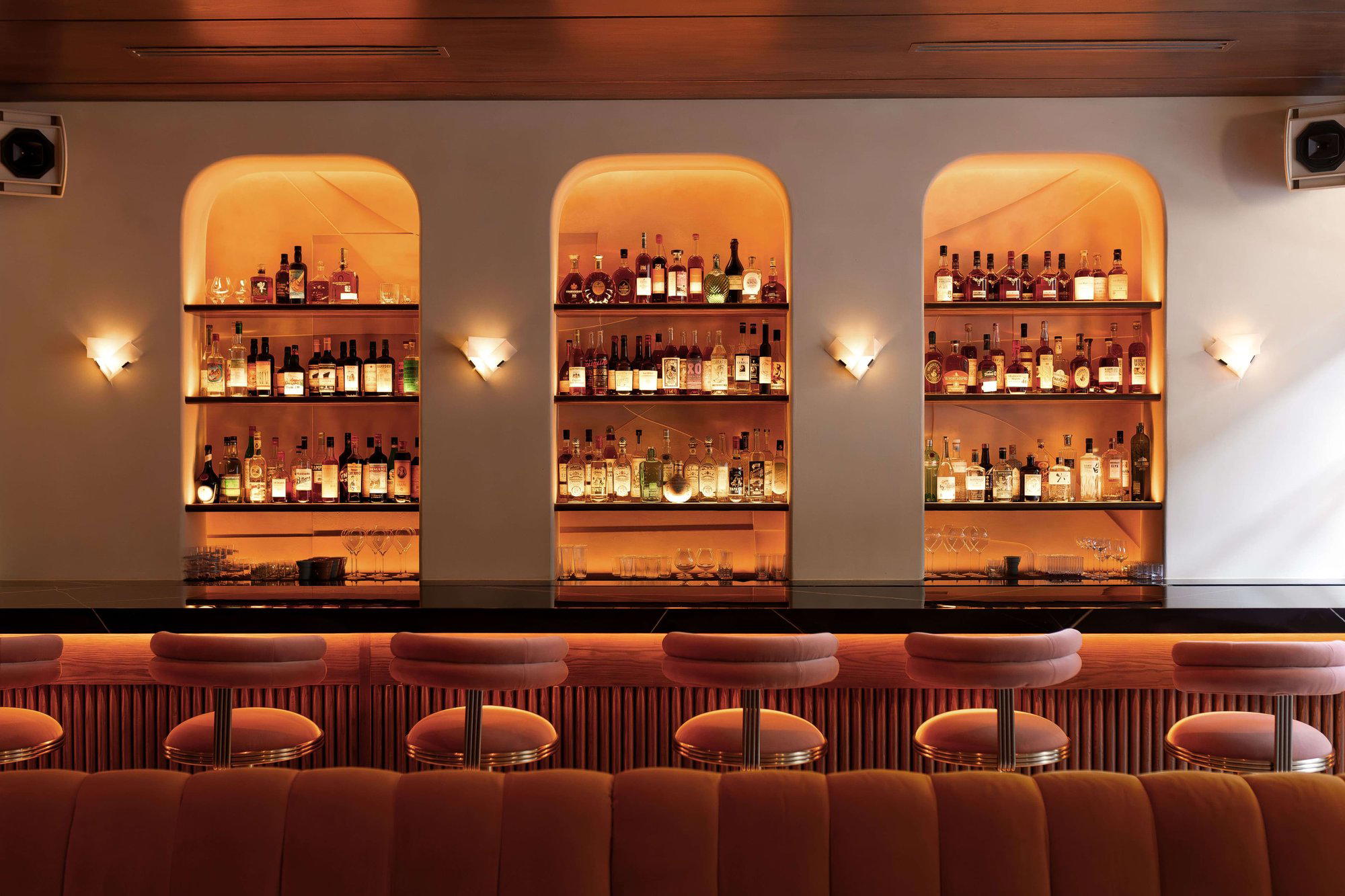
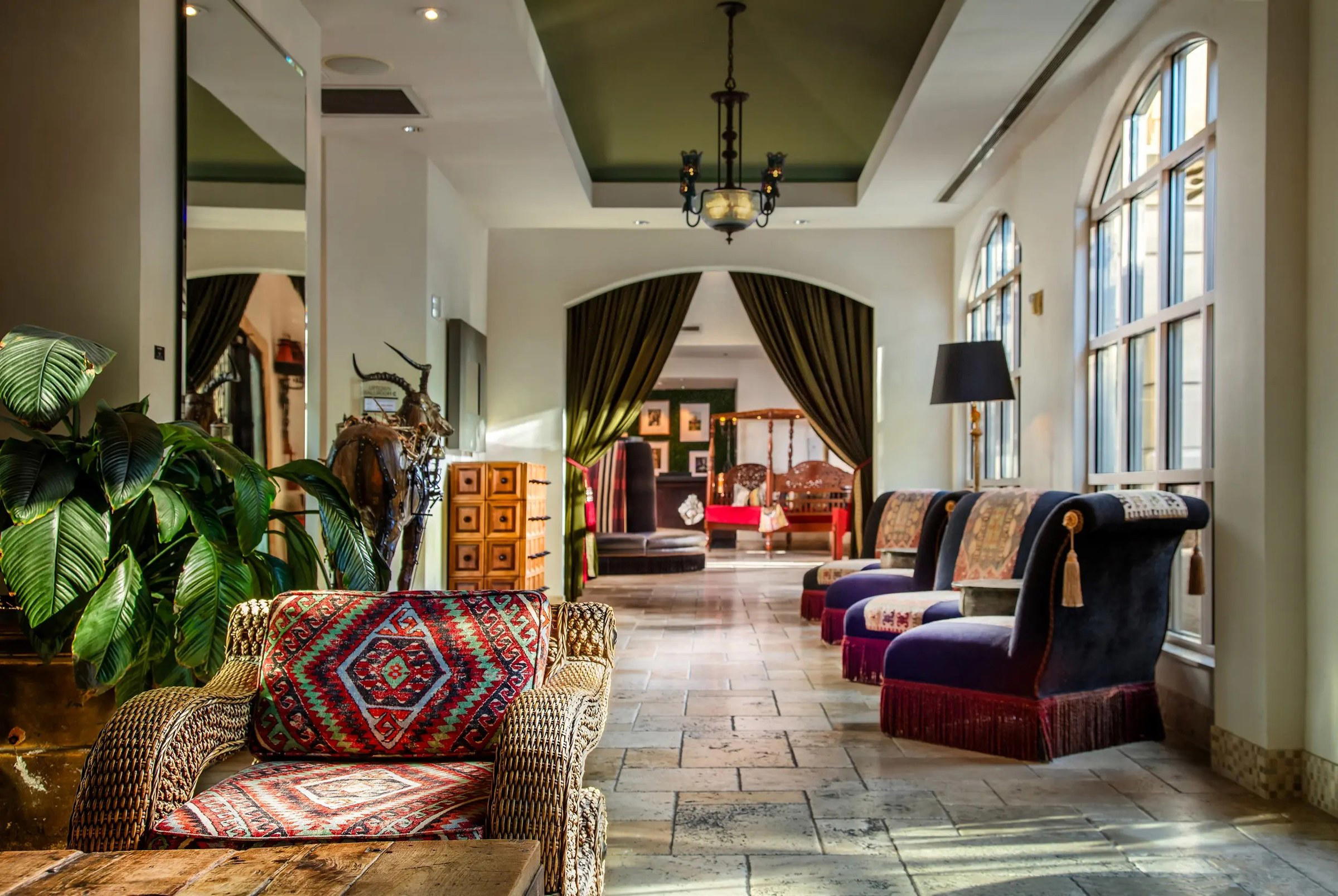
Classy, beautiful, chic, and comfortable interior with an open kitchen, warm lighting, and welcoming atmosphere praised for relaxed conversations.