Sally

Michelin Bib Gourmand
Our verdict
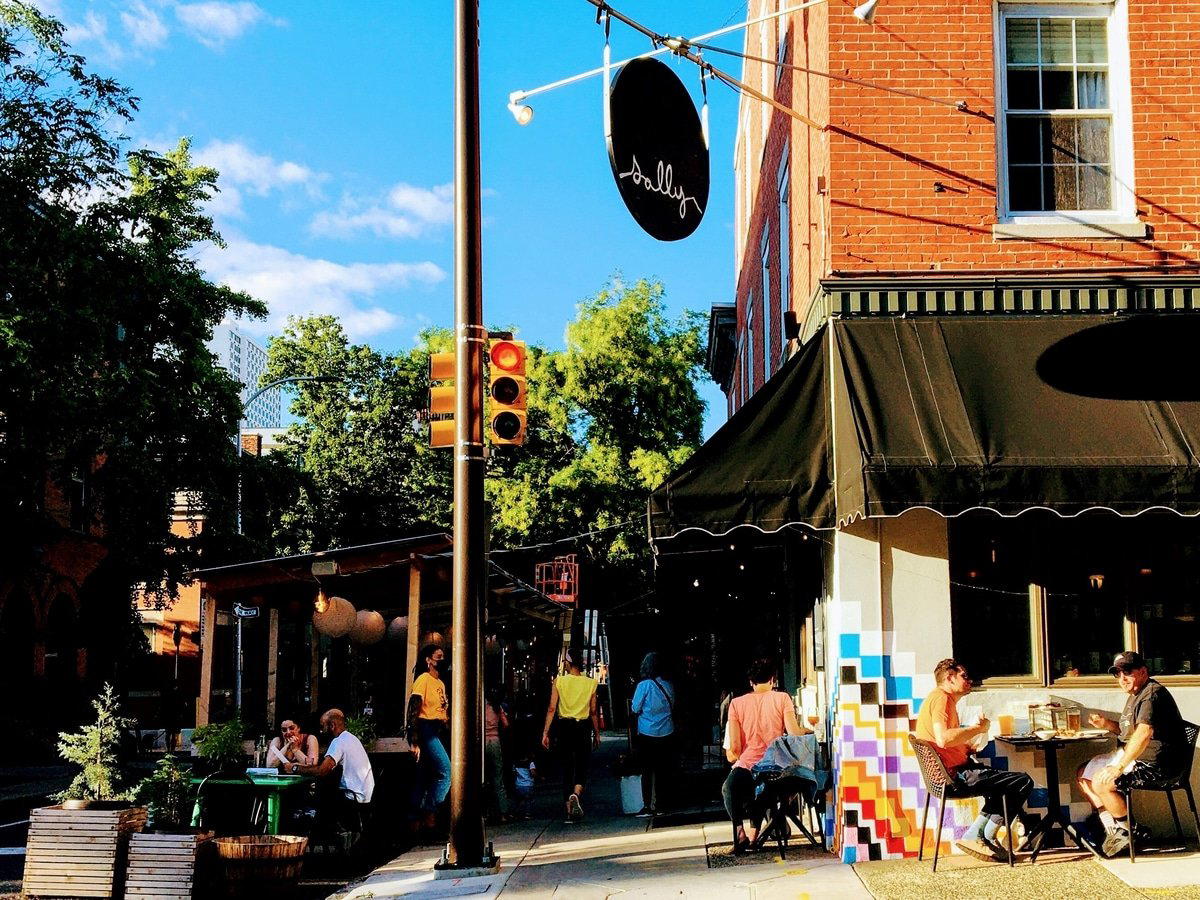
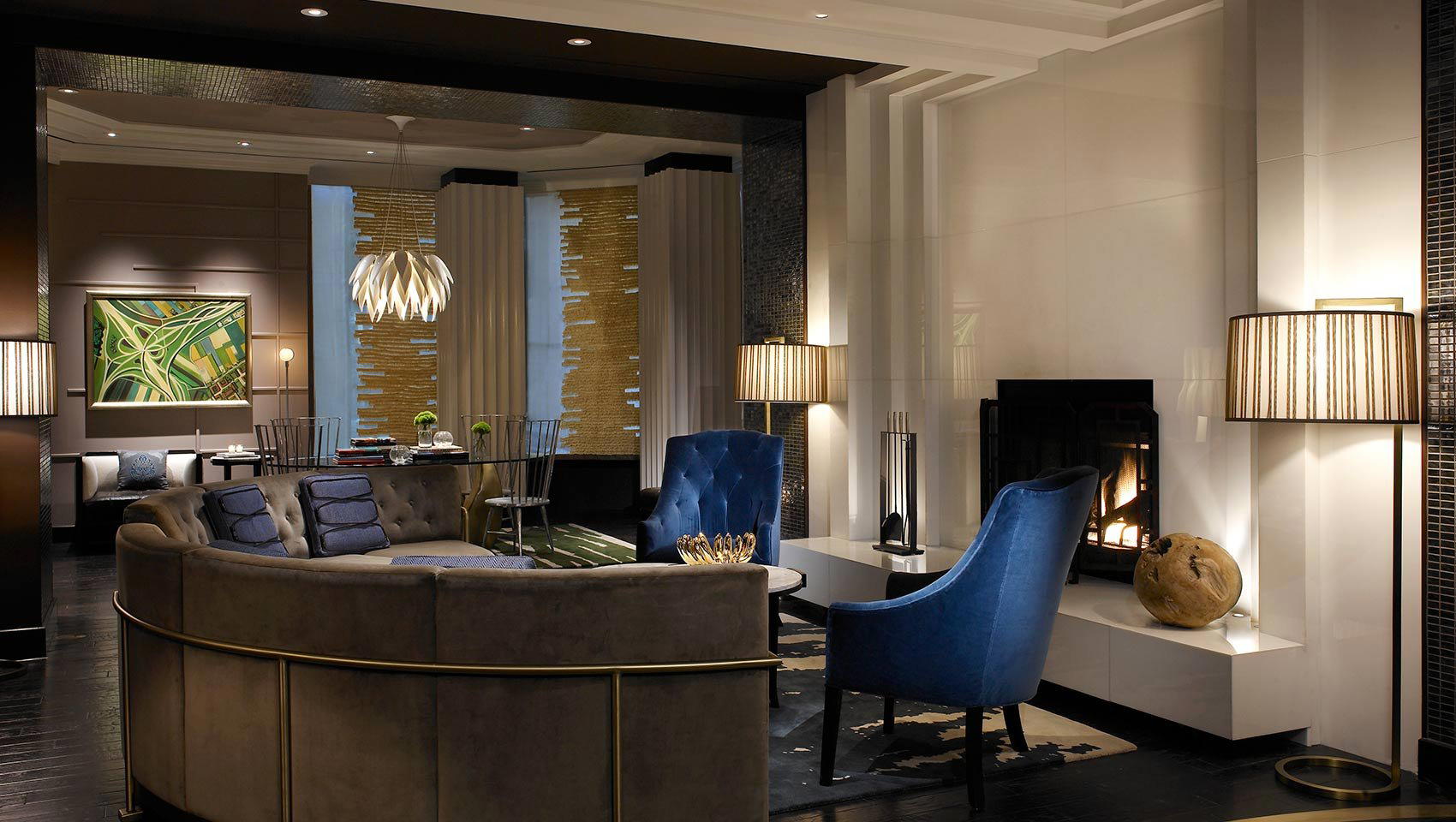
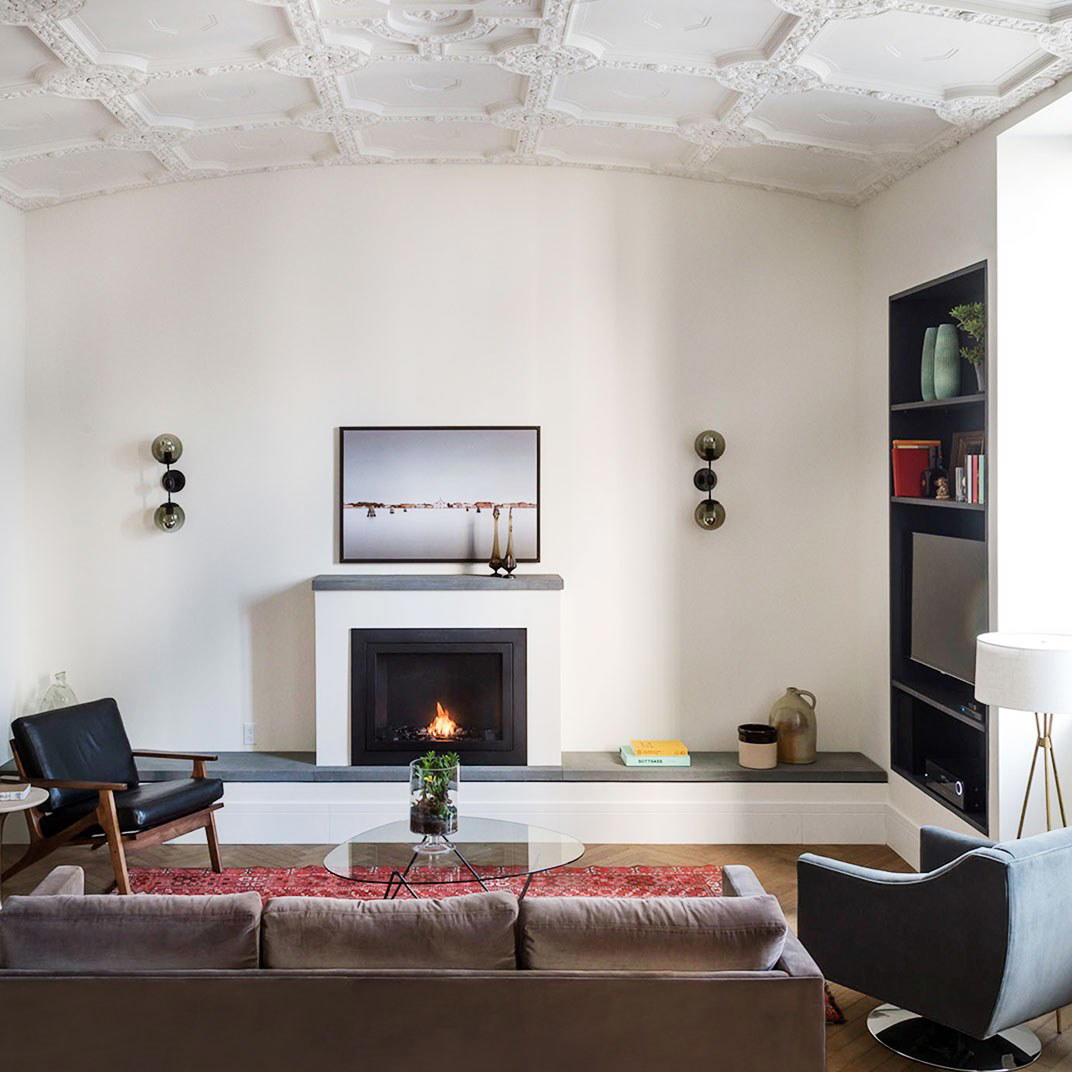
On Spruce Street in Philadelphia's Graduate Hospital neighborhood, Sally has built a following around wood-fired, naturally leavened sourdough pizzas served alongside small plates and a natural wine list. Exposed brick walls, wine bottles lining the windows, and a heart-shaped accent lamp define the room's character. The format works across group sizes, from couples to families, without compromising on the quality of the crust.

Pearl is the En Primeur Club membership app — saves, bookings, and concierge access live there. Same editors, same standards.
- Address
- 2229 Spruce St, Philadelphia, PA 19103
- Phone
- (267) 773-7178
- Hours
- Mon–Fri 4:30–10 PMSat–Sun 11 AM–2:30 PM, 4:30–10 PM
- Website
- sallyphl.com
- Directions
- Get directions
- Booking
- Book on Resy
The menu
What to order
- Clam and Leek Pizza
- Pizzaz Pizza
- Charcoal Grilled Shrimp
Philadelphia Pizza, and Where Sally Fits In It
Pizza occupies a specific kind of cultural real estate in Philadelphia. It sits between the city's deep-dish Italian-American heritage in South Philly and the newer wave of fermentation-forward, wood-fired spots that began appearing in the 2010s across neighborhoods like Graduate Hospital and Fishtown. Sally, at 2229 Spruce Street, belongs to the latter current: sourdough-leavened dough, a wood-fired oven, and a room that reads more wine bar than pizzeria. That combination now represents a distinct tier in Philadelphia's pizza conversation, one that prices and positions itself against craft-dining peers rather than the corner slice shop.
The broader shift this reflects is not unique to Philadelphia. Across American cities, the pizza format that emerged from the Neapolitan revival of the 2000s has continued to evolve. Natural leavening replaced commercial yeast as the preferred marker of craft. Wood fire displaced gas deck ovens as the aesthetic and technical signal of seriousness. And wine programs, particularly natural and low-intervention bottles, became the expected accompaniment in spots aiming at a dinner-out crowd. Sally's format slots directly into that evolution, offering the full package: the fermented crust, the live-fire cook, and a wine list selected to match.
The Room and What It Signals
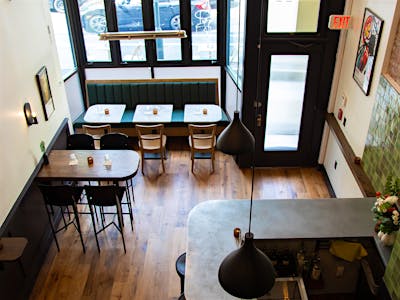
The physical space on Spruce Street does specific work. Exposed brick walls and wine bottles arranged along the windows are functional design choices that communicate informality and warmth simultaneously. A heart-shaped accent lamp hanging from the ceiling pushes the room slightly toward the playful, preventing the exposed-brick-and-natural-wine combination from tipping into self-seriousness. The result is a room that draws couples on weeknight dinners and family groups on weekends without either feeling out of place, a calibration that many casual-fine spots struggle to achieve.
This flexibility is worth noting because it shapes who shows up and what they expect. Spots that manage cross-demographic comfort tend to develop loyal neighborhood followings faster than either strict date-night venues or family-dining operations. On Spruce Street, Sally functions as something of a neighborhood anchor in that sense, a place the surrounding Graduate Hospital blocks have adopted across dining occasions rather than reserving for a single type of outing. For a broader look at where Philadelphia dining is concentrating its creative energy right now, our full Philadelphia restaurants guide maps the current scene across neighborhoods and price tiers.
The Menu: Structure and Sequence
Sally's menu follows a logical two-act structure: small plates first, pizza as the main event. The meatball plate has established itself as the standard opening move, a classic Italian-American anchor that frames what follows. The move matters structurally because it grounds the meal in familiar reference before the sourdough crust arrives, which is a different object from both the New York slice and the Neapolitan soft-centered pie that most diners carry as a mental baseline.
The crust that Sally produces is thin and stays crisp under toppings, a technical outcome that requires both the right fermentation schedule and a correctly managed wood fire. In the natural-leavening context, achieving a thin crust that holds structure under weight is harder than it looks: higher-hydration sourdoughs tend toward chew and open crumb rather than the structural rigidity needed to support generous toppings without going soft. Getting that balance right is the central technical argument Sally's pizza makes, and by most accounts it makes it consistently.
The natural wine list operates in parallel with the food program rather than as an afterthought. In the current Philadelphia dining environment, natural wine has moved from novelty to expected feature at this tier of casual-fine restaurant. Spots like Friday Saturday Sunday and My Loup have helped establish the city's appetite for low-intervention bottles, and Sally's wine program fits that same sensibility without requiring the higher price points those rooms carry.
How Sally Has Evolved Within Philadelphia's Craft Pizza Moment
Craft pizza movement in American cities has gone through recognizable phases. The first phase was about legitimacy: demonstrating that American-made, naturally leavened pizza could stand alongside its Italian references. The second phase was about differentiation: every serious craft pizzeria needed a distinct dough formula, sourcing story, or wood-fire configuration to separate itself from the field. The current phase, which Sally navigates, is about normalization: the craft pizza spot has become a neighborhood institution in many cities, and the question is whether a given spot maintains its quality and character as the format matures.
Sally's continued positioning on Spruce Street suggests it has moved through those phases without losing the qualities that defined its appeal. The room's character, the wine program's coherence, and the crust's technical consistency are the markers of a spot that has settled into its identity rather than chasing the next signal of credibility. Philadelphia's dining scene has broadened considerably in recent years, with spots like Mawn expanding the city's ambitions in Cambodian and Pan-Asian cooking and South Philly Barbacoa anchoring Mexican cooking in the city's cultural fabric. Against that wider field, Sally occupies a specific and durable niche.
For context on how Philadelphia's dining ambitions compare to fine-dining programs at restaurants like Fork, or to destination-level venues such as Le Bernardin in New York City, Alinea in Chicago, or The French Laundry in Napa, Sally operates in a different register entirely: approachable pricing, informal setting, and a neighborhood-first identity. That is not a limitation; it is the point. The craft pizza format at its finest is not trying to compete with tasting-menu rooms. It is trying to be the place a neighborhood comes back to, and Sally appears to have achieved that on Spruce Street.
Planning Your Visit
Sally sits at 2229 Spruce Street in the Graduate Hospital neighborhood, walkable from Center City and well-served by public transit from most Philadelphia zip codes. The room's versatility across group types means it books across a range of occasions, and the combination of weekend pizza demand and a loyal neighborhood following suggests that reservations are advisable rather than optional on Friday and Saturday evenings. Weeknight visits carry less friction. The Philadelphia hotels guide covers accommodation options near Graduate Hospital and Center City for visitors building a longer trip around the city's dining scene. Travelers exploring further can also check our Philadelphia bars guide and experiences guide for adjacent programming.
Frequently asked questions
What do people recommend at Sally?
How hard is it to get a table at Sally?
What is the signature at Sally?
How does Sally handle allergies?
Is Sally a good fit for natural wine enthusiasts visiting Philadelphia?
Peers Worth Knowing
Comparable venues nearby, for context on price, style, and recognition.
| Venue | Cuisine | Price | Awards | Notes |
|---|---|---|---|---|
| SallyThis venue — the venue you are viewing | Wood-fired Sourdough Pizza | $30–50 | Michelin Bib Gourmand | Not listed |
| Pizzeria Beddia | Exceptional Neapolitan-Style Pizza | $30–50 | Michelin Bib Gourmand · 50 Top Pizza USA #16 | Fishtown |
| Fiorella Philadelphia | Handmade Italian Pasta | $50–100 | Michelin Bib Gourmand · OpenTable Top 100 Restaurants | Bella Vista |
| Saloon Restaurant | Classic Italian Steakhouse | $50–100 | OpenTable Top 100 Restaurants | Bella Vista |
| Laser Wolf | Modern Israeli Grill | $50–100 | Michelin Plate | Olde Kensington |
| Melograno | Authentic Roman-Inspired Italian | $50–100 | Not listed | Rittenhouse Square |
Recognition history
Dated appearances from independent guides and award organizations, with the underlying list record or original source where available.
Michelin Bib Gourmand
Michelin
Continue exploring
More in Philadelphia
Restaurants in Philadelphia
Browse all →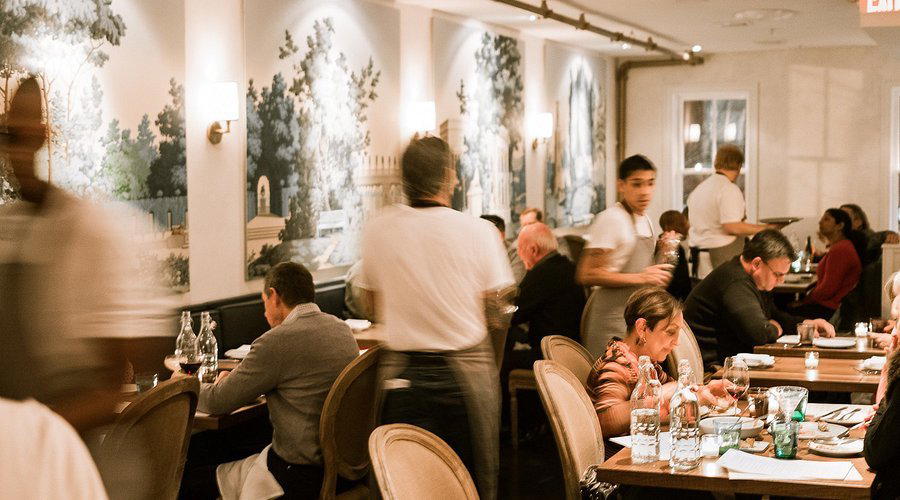
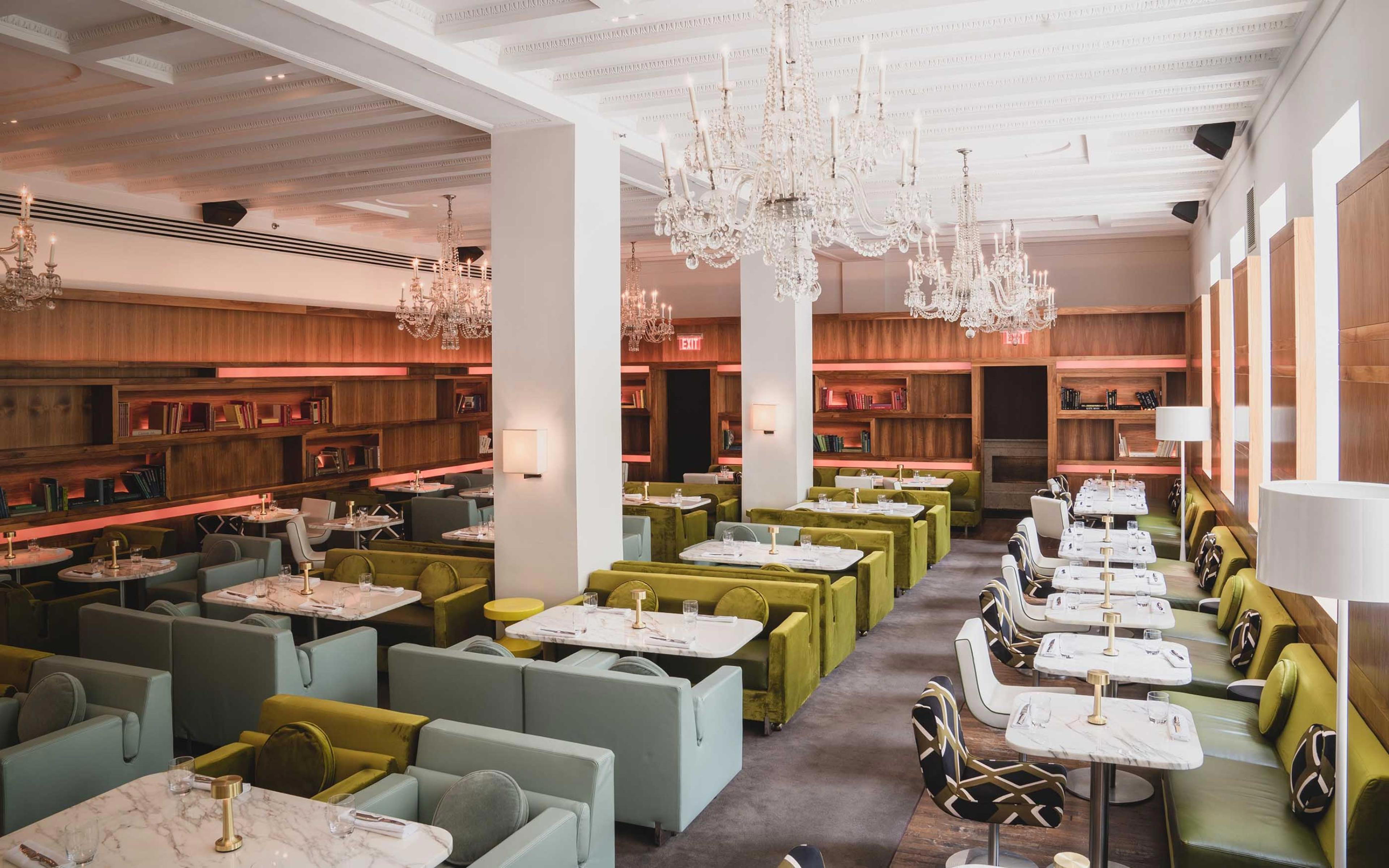
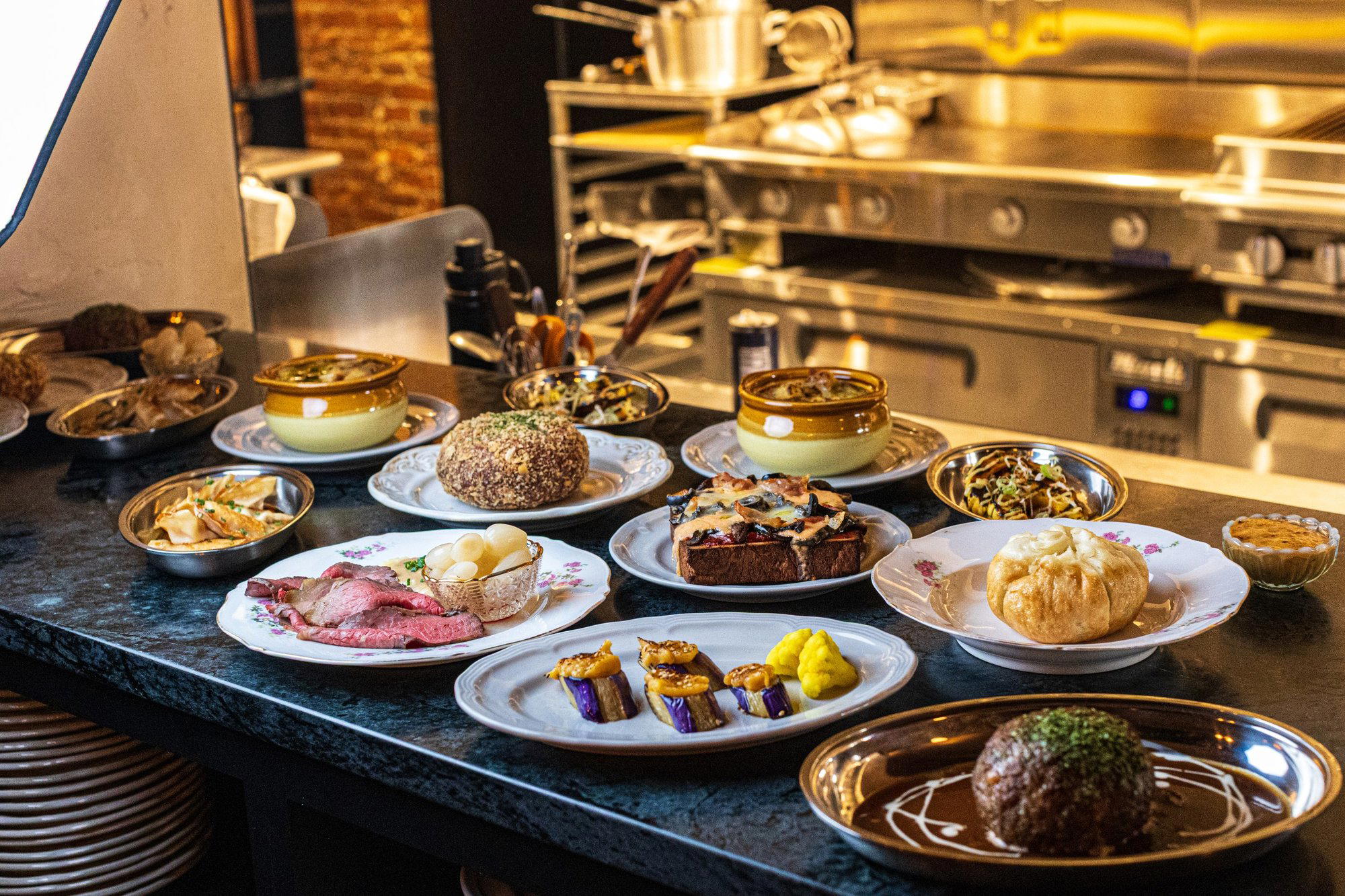
Bars in Philadelphia
Browse all →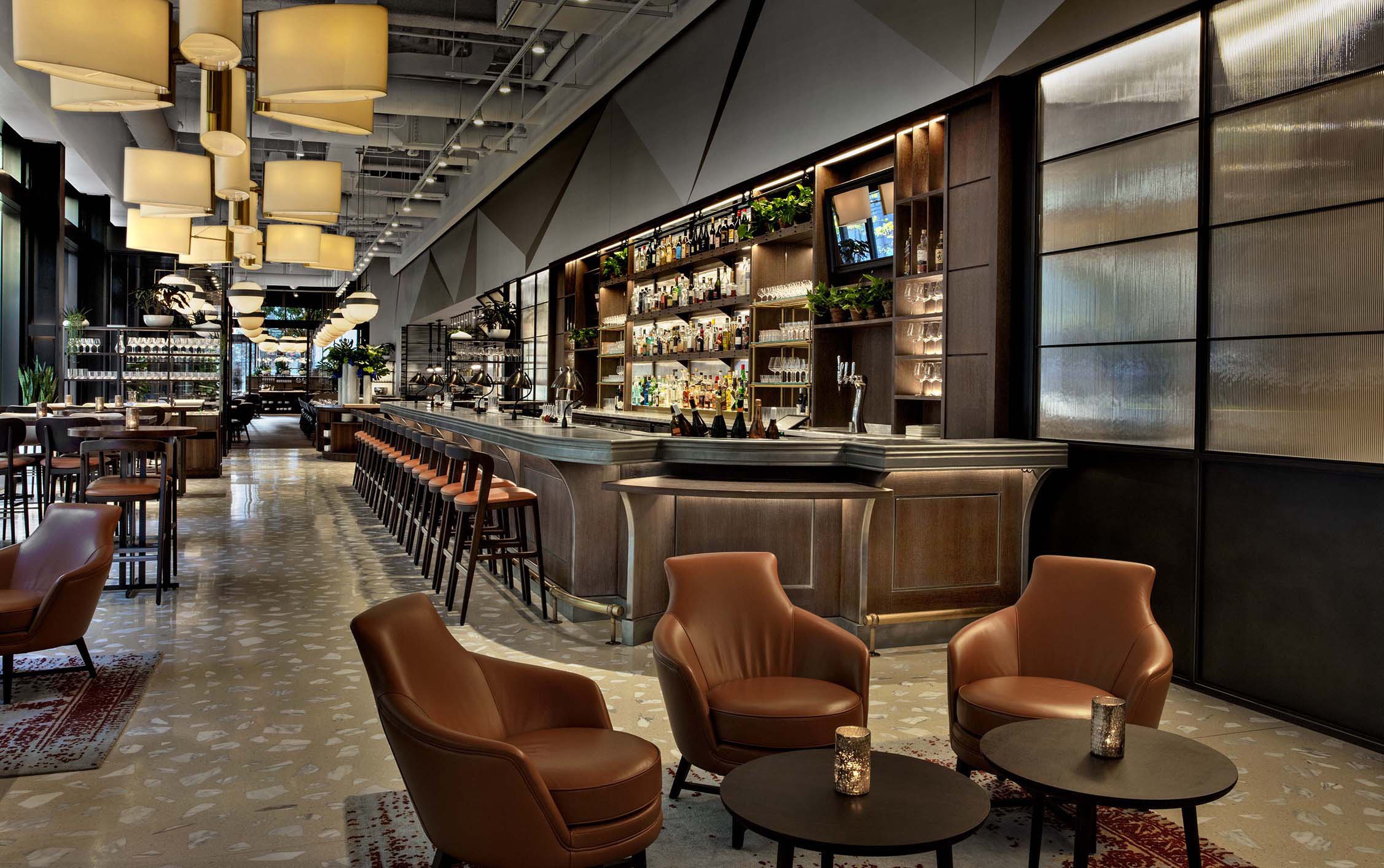
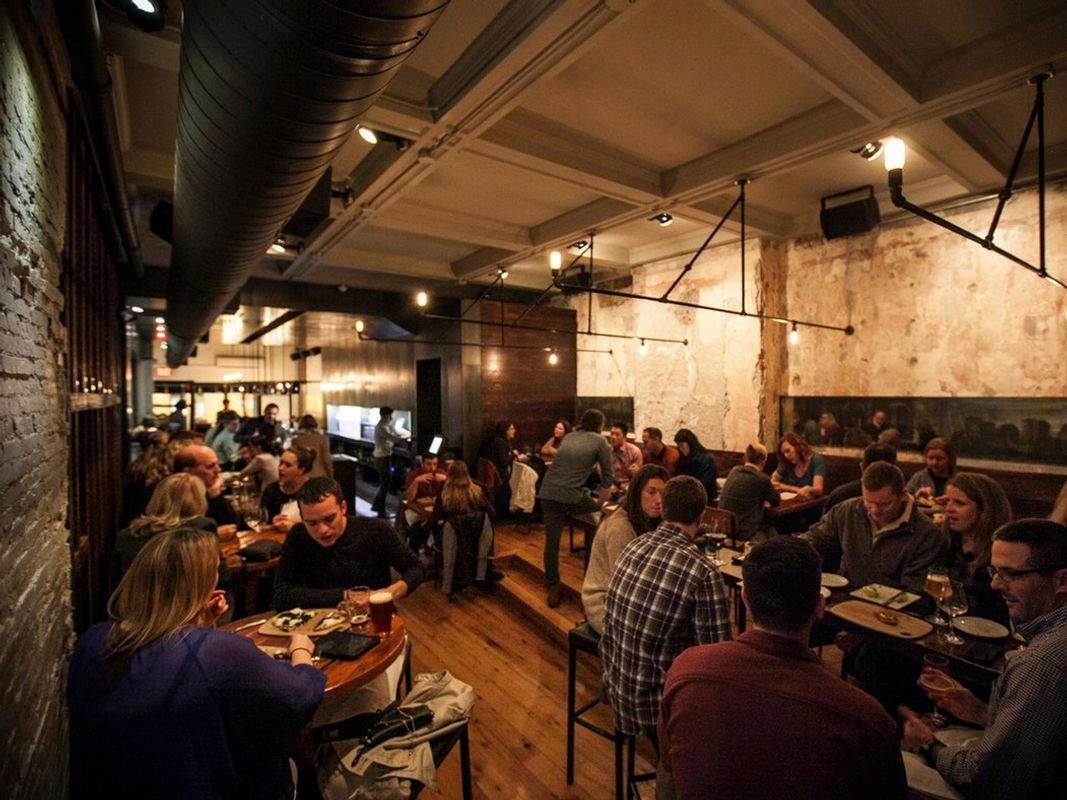
Details
- Cozy
- Trendy
- Lively
- Modern
- Date Night
- Casual Hangout
- Group Dining
- Open Kitchen
- Natural Wine
- Craft Cocktails
- Local Sourcing
- Small Plates
- A La Carte
- Natural Wine
- Vegetarian Friendly
- Pescatarian Friendly
Current opening hours
- Monday
- 4:30–10 PM
- Tuesday
- 4:30–10 PM
- Wednesday
- 4:30–10 PM
- Thursday
- 4:30–10 PM
- Friday
- 4:30–10 PM
- Saturday
- 11 AM–2:30 PM, 4:30–10 PM
- Sunday
- 11 AM–2:30 PM, 4:30–10 PM
Hours can change for holidays and private events. Last verified .
Cozy with rose-colored heart-shaped chandeliers, soft velvet seating, lively music, and warm lighting.