Saloon Restaurant

OpenTable Top 100 Restaurants
Our verdict
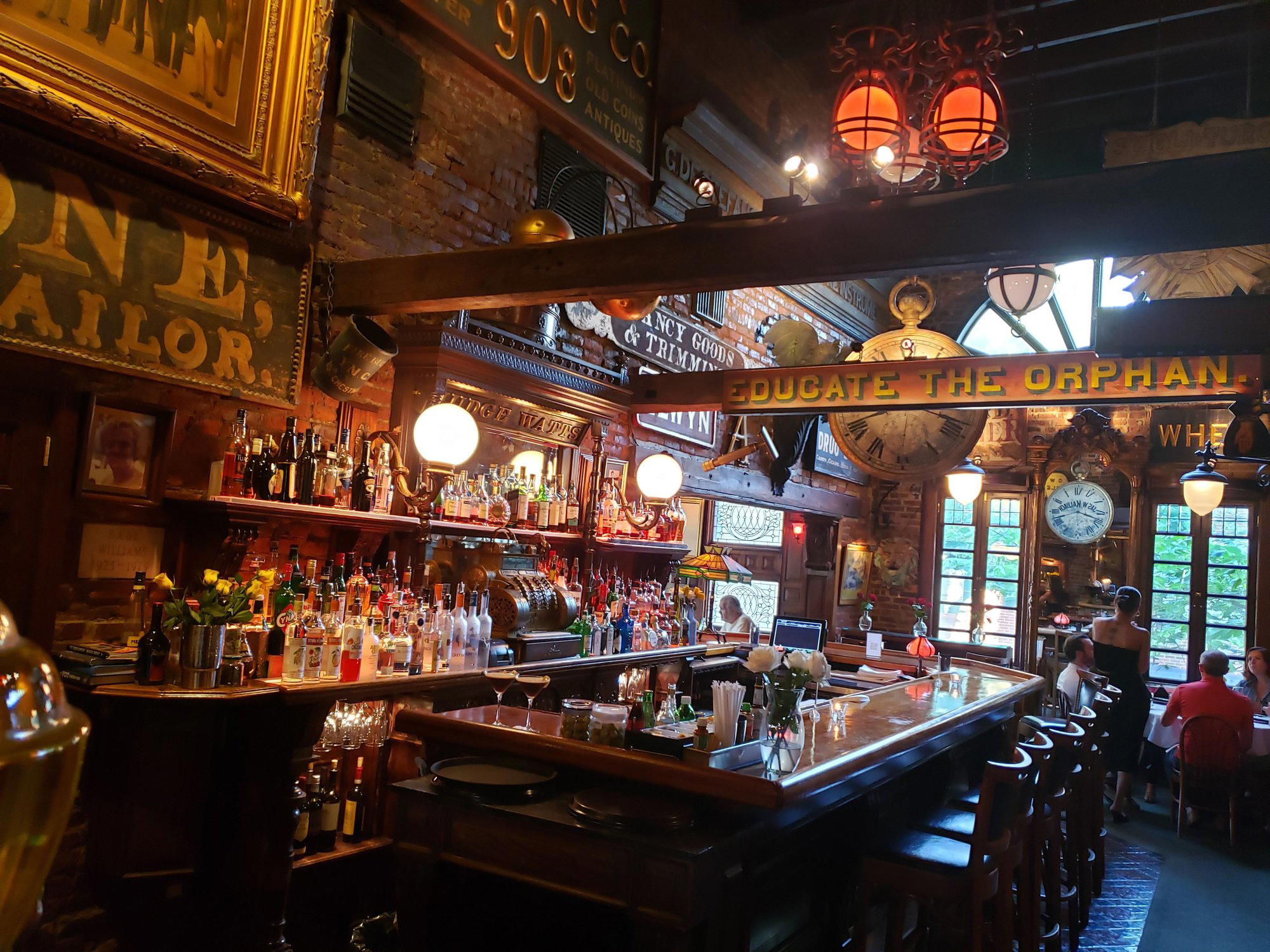
For five decades, Saloon Restaurant on South 7th Street has held its place among Philadelphia's most enduring fine-dining institutions, serving updated Italian and American classics in an interior layered with art, antiques, and references to local history. The room itself is an argument for a certain kind of permanence in a city whose restaurant scene has otherwise turned over repeatedly since the 1970s.

Pearl is the En Primeur Club membership app, where members save venues, book tables and use the concierge.
The menu
What to order
- Veal chops
- Saloon steaks
- Clams casino
- Braciole
Fifty Years on South 7th: What Saloon Restaurant Says About Philadelphia Dining
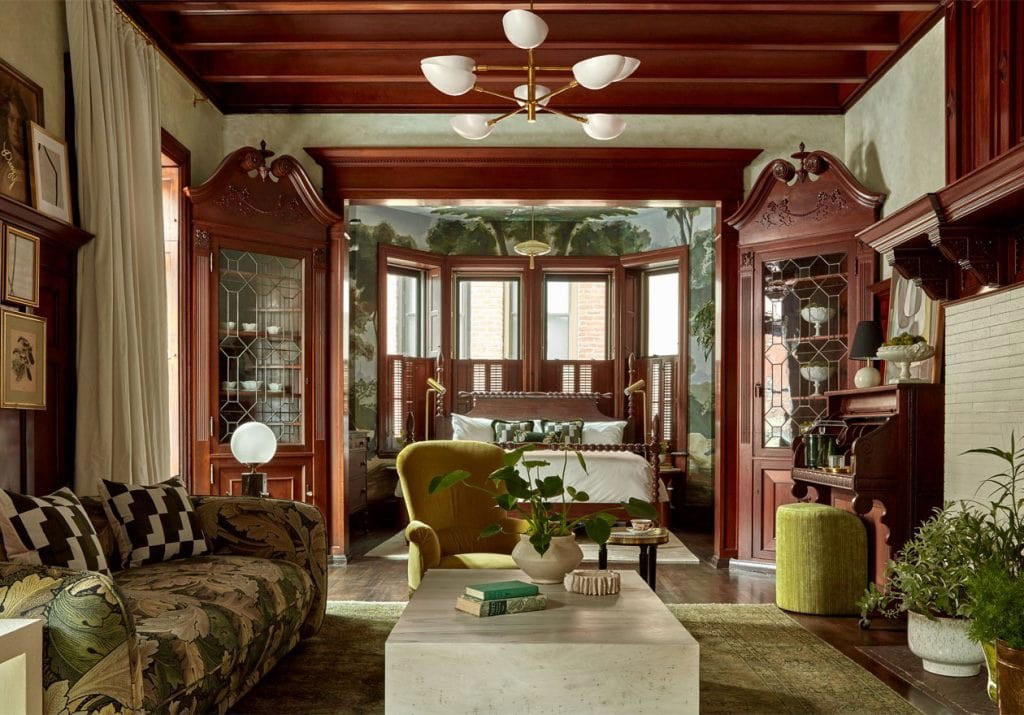
There is a particular kind of Philadelphia dining room that exists in deliberate contrast to the city's newer, louder dining culture. Heavy fabrics, paintings with provenance, antique furniture that was never intended to be ironic, these interiors were built to signal commitment rather than trend. The room at Saloon Restaurant, on South 7th Street in the Italian Market corridor, belongs firmly to that tradition. The art and antiques that line its walls are not decorative shorthand; they are a specific editorial statement about Philadelphia folklore and history, accumulated over five decades of operation.
That fifty-year tenure is the most significant fact about Saloon Restaurant, and it deserves to be read as data rather than sentiment. Philadelphia's restaurant attrition rate is unforgiving. The city's dining scene has cycled through multiple identities since the 1970s, old-guard Continental, the Italian Market revival, the Garces empire years, the James Beard-era independents, and now a generation defined by restaurants like Fork and Friday Saturday Sunday.
The Italian-American Classic and Why It Still Has Purchase
Saloon's menu positions itself in the tradition of updated Italian and American culinary classics, a category that is easy to dismiss and harder to execute consistently over decades. The Italian-American tradition in this neighborhood is not a marketing appeal to nostalgia. The Italian Market district, running along 9th Street a few blocks west, has been a working food corridor since the late nineteenth century, when Italian immigrant vendors established produce, meat, and cheese operations that still operate in some form today. Restaurants in this radius have always had access to that supply chain, and the emphasis on sourcing from the finest available ingredients is a claim with real geographic grounding when made here.
The distinction between Italian-American cooking done at this level and the broader category elsewhere in the country comes down to ingredient discipline. The classic preparations that define this tradition, braised meats, handmade pasta formats, simply finished proteins, are merciless amplifiers of ingredient quality. There is nowhere for an inferior cut or a commodity product to hide inside a reduction or a direct sauce. That dynamic makes sourcing the actual subject of the menu, even when the menu itself is framed in familiar terms. Restaurants like 8½ Otto e Mezzo Bombana in Hong Kong operate on the same premise at a different price tier, the Italian classics framework as a vehicle for the finest available product.
For context on how ingredient-sourcing philosophy plays out across American fine dining more broadly, the farm-to-table discipline at operations like Single Thread Farm in Healdsburg represents one end of that spectrum, where provenance is the explicit story. Saloon operates from a different position: the sourcing is foundational rather than narrated, embedded in the tradition rather than announced in the menu copy.
The Interior as Evidence
The decorated interior at Saloon deserves more analytical attention than it typically receives. Philadelphia has a particular relationship with its own history, it is a city that produced both the Declaration of Independence and a century of industrial decline, and its relationship with historical identity is accordingly complicated. Restaurants that engage seriously with Philadelphia folklore and local visual history are making a curatorial argument, not just an atmospheric one. The antiques and paintings in Saloon's dining room function as a kind of permanent collection, one that has been assembled and maintained over fifty years rather than staged for a recent opening.
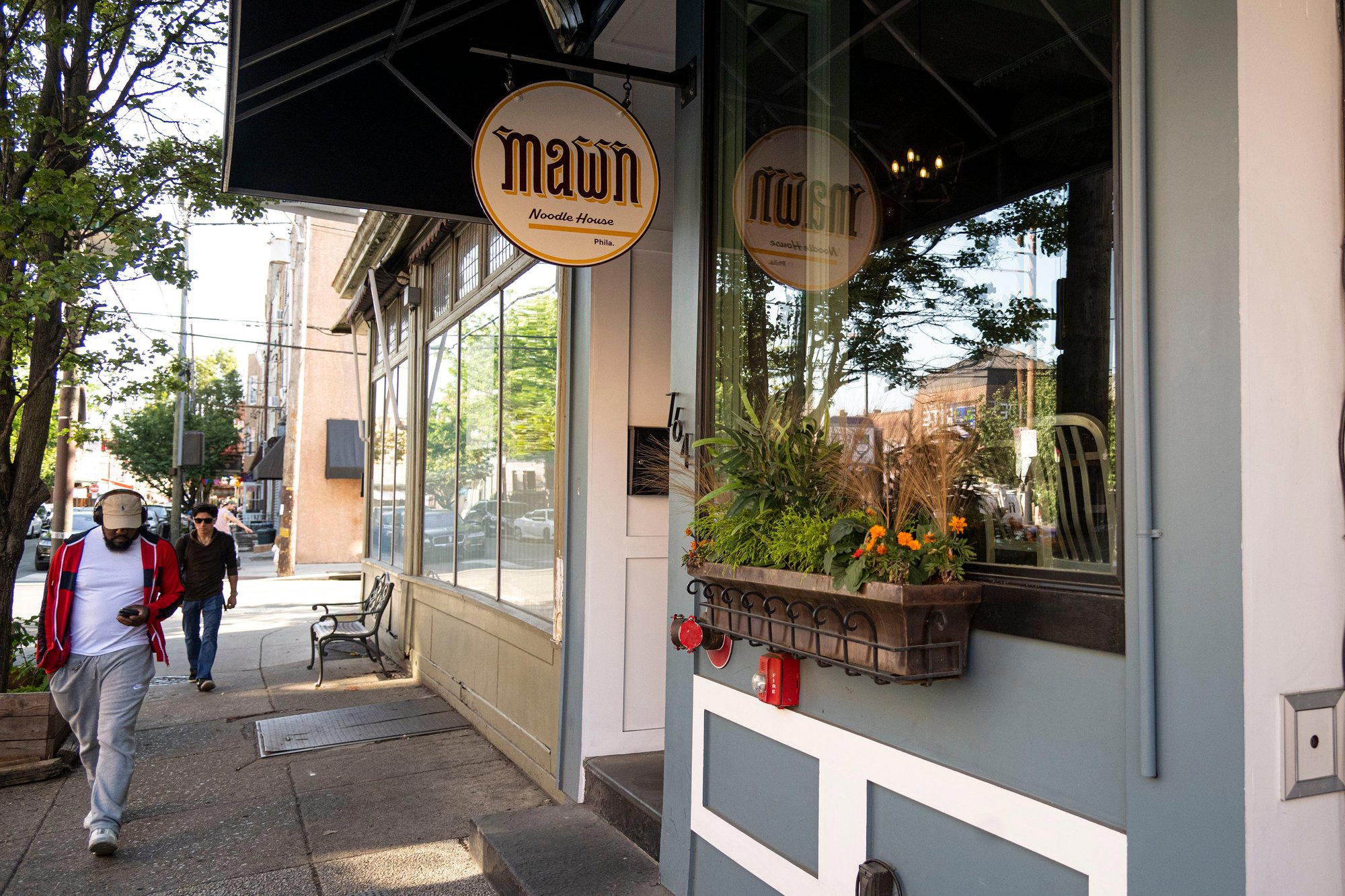
That approach to interior design places Saloon in a different conversation from contemporaries in the neighborhood. South Philly Barbacoa, a few blocks away, operates with a completely different aesthetic logic, stripped back, focused entirely on the food. Mawn and My Loup represent a newer Philadelphia generation for whom the dining room is a carefully considered but deliberately contemporary statement. Saloon's sumptuous setting is neither of those things. It is an accumulated environment, which is a different and rarer achievement.
Where Saloon Sits in the Philadelphia Fine-Dining Tier
American fine dining at the level represented by Saloon's half-century record occupies an interesting position in 2024. The generation of restaurants that earned Michelin stars and 50 Best recognition in the 2010s, Alinea in Chicago, Atomix in New York, Le Bernardin in New York City, built their reputations on technical innovation or category-defining rigor. Saloon's claim is different: it is the institutional memory of Philadelphia fine dining, a restaurant that has outlasted trends by committing to a particular standard rather than chasing recognition frameworks.
That is not a consolation prize. Longevity at this level, in this city, is its own credential. The restaurant has been described in its own documentation as synonymous with excellent food served in a sumptuous setting, language that would sound promotional if the fifty-year record did not give it ballast. For comparison, Emeril's in New Orleans and The French Laundry in Napa represent other models of American restaurant longevity built on consistent execution rather than reinvention.
Philadelphia has produced a strong cohort of newer fine-dining operations, and the city's restaurant identity now extends well beyond its Italian-American heritage. But the institutional anchor that a restaurant like Saloon provides, a fixed point of reference against which newer arrivals can be measured, is not something that can be opened. It can only be maintained. For a full picture of where Philadelphia dining sits in 2024, our full Philadelphia restaurants guide maps the current field across neighborhoods and price tiers. Those planning a wider visit can also consult our Philadelphia hotels guide, bars guide, wineries guide, and experiences guide.
Know Before You Go
- Address: 750 S 7th St, Philadelphia, PA 19147
- Neighborhood: Italian Market / South Philadelphia
- Cuisine: Updated Italian and American classics
- Setting: Formal dining room with art, antiques, and Philadelphia historical references
- Years in operation: 50+
- Reservations: Recommended for this category of restaurant; contact details not currently listed, check current booking channels directly
Frequently asked questions
Where exactly is Saloon Restaurant?
Saloon Restaurant is located at 750 S 7th St, Philadelphia, PA 19147, Philadelphia.
Has Saloon Restaurant won any awards?
Saloon Restaurant has received recognition including: For 50 years, Saloon Restaurant has been synonymous with excellent food served in a sumptuous setting. It offers updated interpretations of Italian and American culinary classics, masterfully prepared with the finest ingredients. The elegan….
What's the best thing to order at Saloon Restaurant?
Saloon's menu is built around Italian and American culinary classics prepared with a stated emphasis on the finest available ingredients, a format that rewards ordering whatever the kitchen has centered that evening. In a room that has been operating on South 7th Street for fifty years, the classical preparations tend to be the point, not the departures from them.
Do they take walk-ins at Saloon Restaurant?
For a Philadelphia room with fifty years of operation behind it at 750 S 7th St, a reservation is the safer approach, check the venue's official channels to check availability before arriving.
What's the signature at Saloon Restaurant?
After five decades, the restaurant's identity is the category itself: updated Italian and American classics executed in a formal, antique-filled setting that positions the dining room as the experience, not any individual plate.
Can Saloon Restaurant accommodate dietary restrictions?
Italian and American classical menus of this scope typically include options across the menu, but anyone with strict dietary requirements should call ahead before booking.
A Quick Peer Check
A compact comparison to help you place this venue among nearby peers.
| Venue | Cuisine | Price | Awards | Notes |
|---|---|---|---|---|
| Saloon RestaurantThis venue (the venue you are viewing) | Classic Italian Steakhouse | $50–100 | OpenTable Top 100 Restaurants | Not listed |
| Fork | Seasonal New American | Not listed | James Beard Award Outstanding Restaurateur #1 · Wine Spectator Award of Excellence | New American |
| Friday Saturday Sunday | Modern American Tasting Menu | $100–150 | 1 Michelin Star · World's 50 Best #40 | New American |
| South Philly Barbacoa | Authentic Mexican Barbacoa Taqueria | $10–20 | James Beard Award Best Chef: Mid Atlantic · Chef's Table Featured on Chef's Table | Mexican |
| Barbuzzo | Mediterranean Small Plates & Pizza | $30–50 | Not listed | Italian |
| Federal Donuts | Fried Chicken & Donuts | $10–20 | Not listed | Doughnuts |
Recognition history
Dated appearances from independent guides and award organizations, with the underlying list record or original source where available.
OpenTable Top 100 Restaurants
OpenTable
Continue exploring
More in Philadelphia
Restaurants in Philadelphia
All restaurants in Philadelphia →
Bars in Philadelphia
All bars in Philadelphia →
Details
- Classic
- Elegant
- Intimate
- Well Known
- Special Occasion
- Business Dinner
- Date Night
- Celebration
- Historic Building
- Extensive Wine List
- A La Carte
- Gluten Free Options
Current opening hours
- Monday
- 5–9:30 PM
- Tuesday
- 5–9:30 PM
- Wednesday
- 5–9:30 PM
- Thursday
- 5–9:30 PM
- Friday
- 5–9:30 PM
- Saturday
- 5–9:30 PM
- Sunday
- Closed
Hours can change for holidays and private events. Hours as of .
Over-decorated Victorian dining rooms with polished wood, brass fittings, stained glass, classic artwork, and old-school gangster movie vibe.