
Set within the Sogaris hotel in Licinella-Torre di Paestum, Sale occupies a glass-fronted dining room overlooking a garden and pool, where the focus falls squarely on the seafood and fish traditions of the Campanian coast. Regional recipes are handled with a light, modern touch, and the daily raw seafood specials are worth ordering before the kitchen's broader menu.
Pearl is the En Primeur Club membership app — saves, bookings, and concierge access live there. Same editors, same standards.
- Address
- Via dell'Amore, 21, 84047 Licinella-Torre di Paestum SA, Italy
- Phone
- +39 0828 432032
- Website
- saleristorante.it
- Directions
- Get directions
 Saves & bookings on Pearl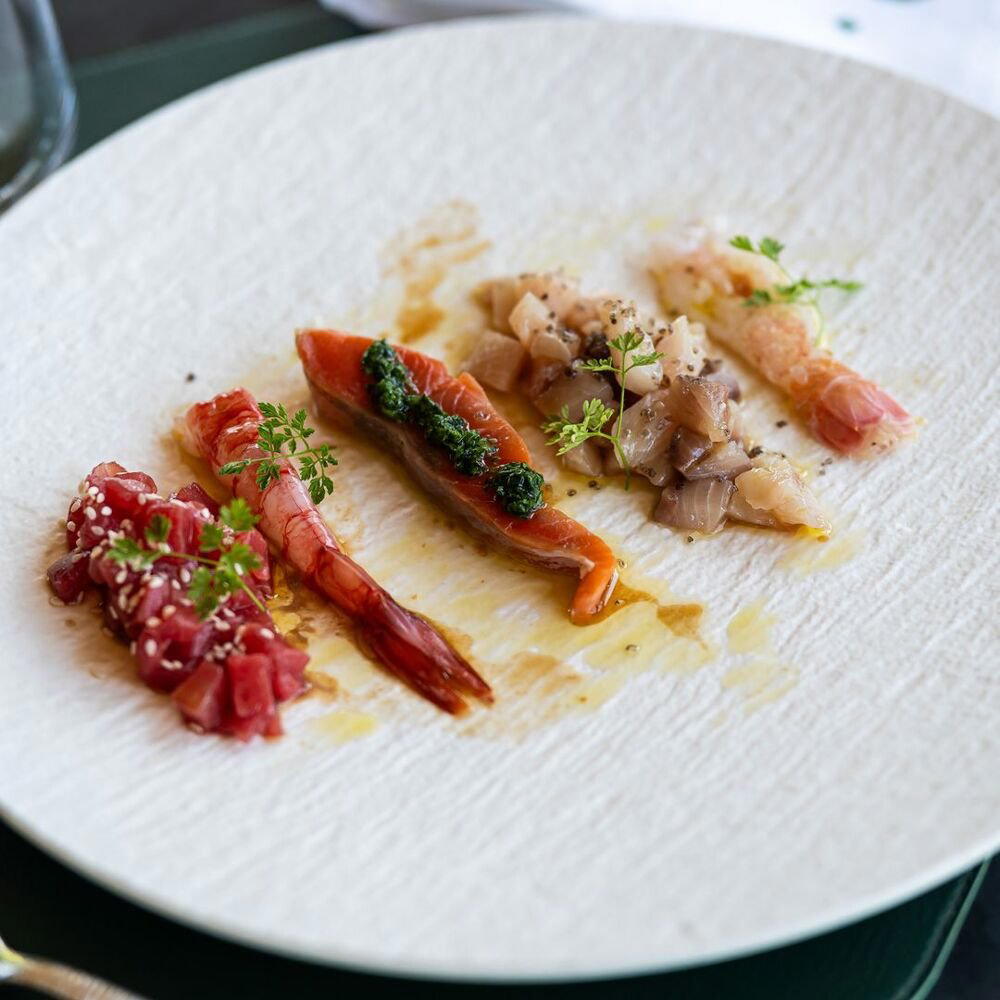
Glass, Garden, and the Gulf of Salerno
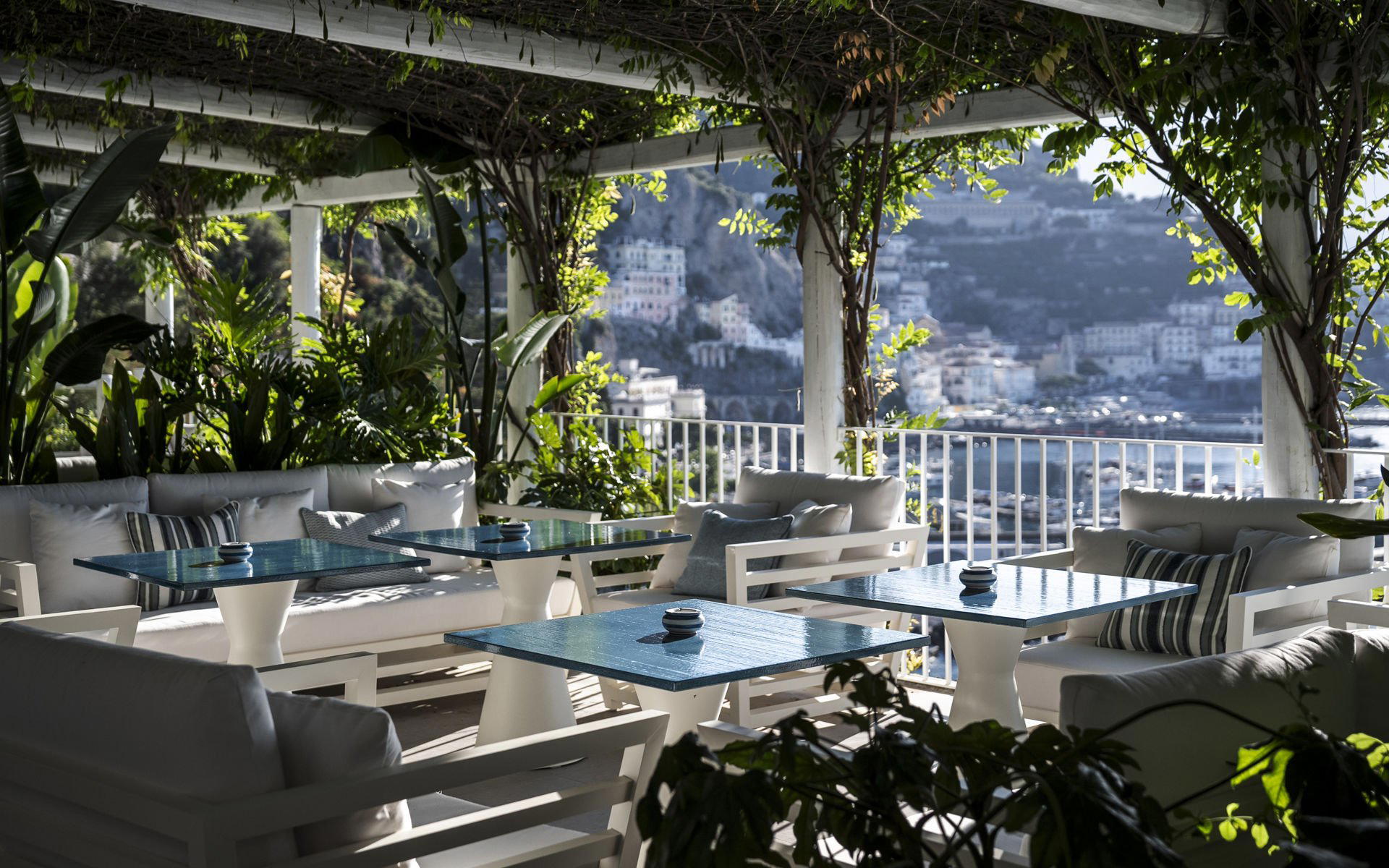
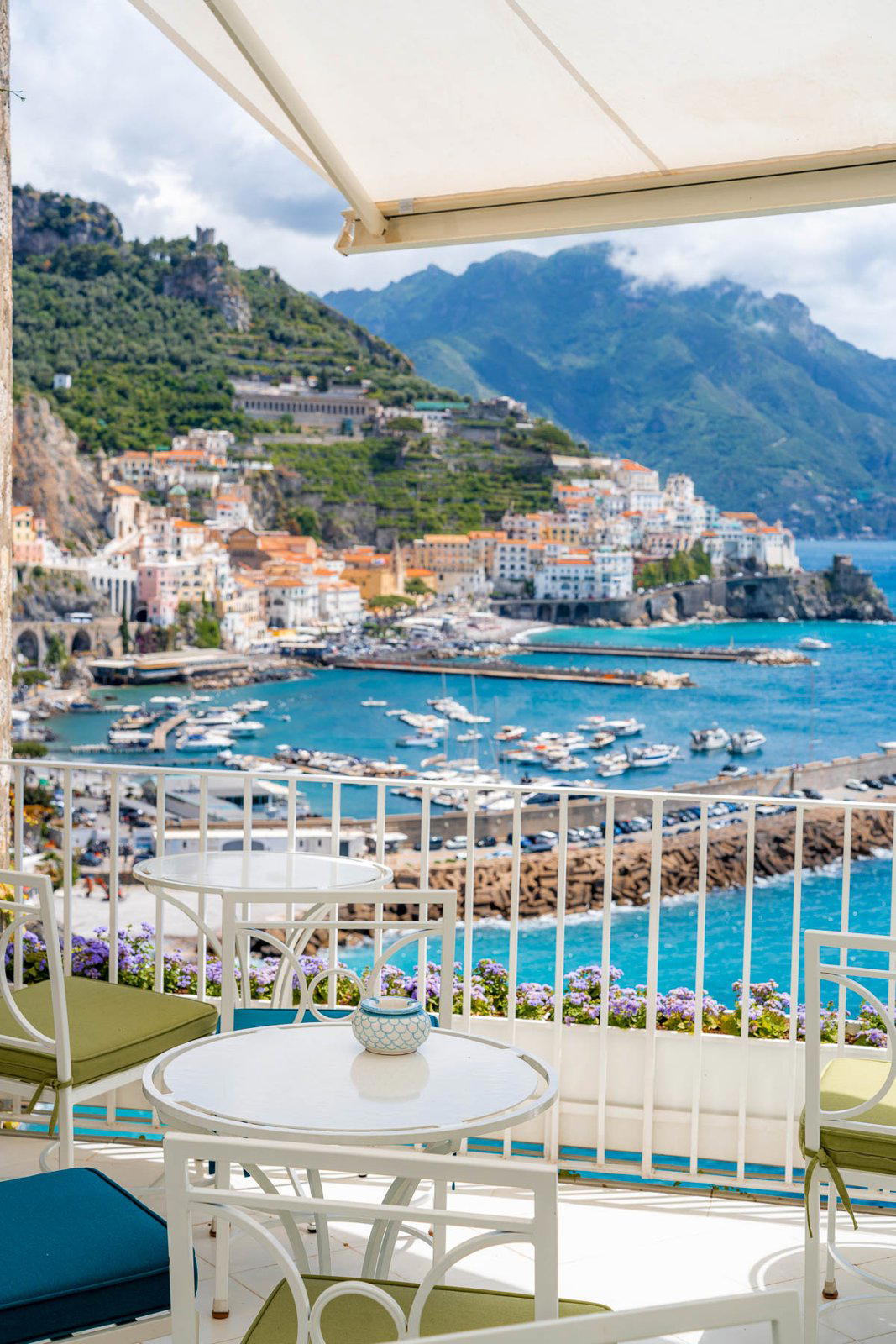
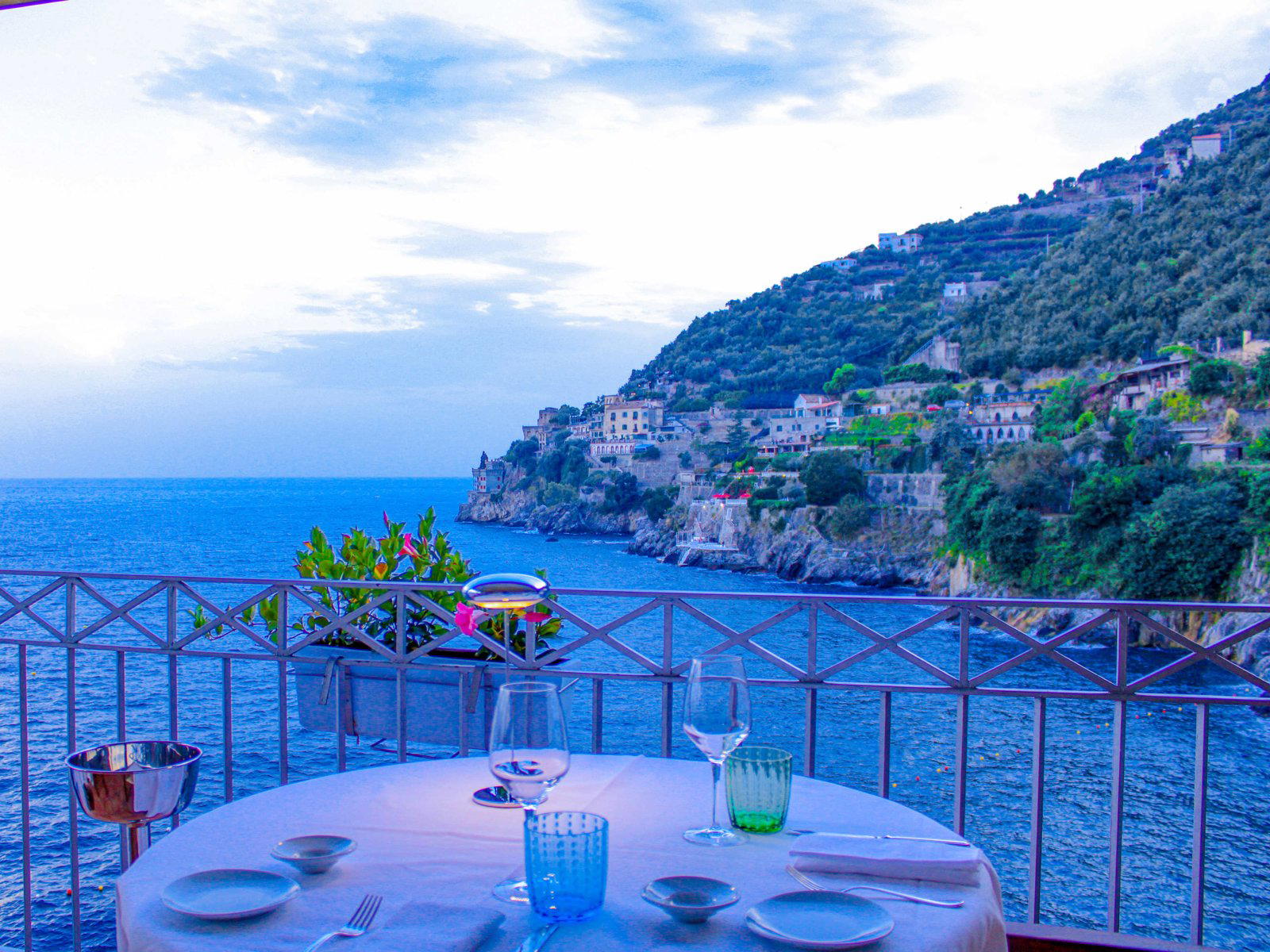
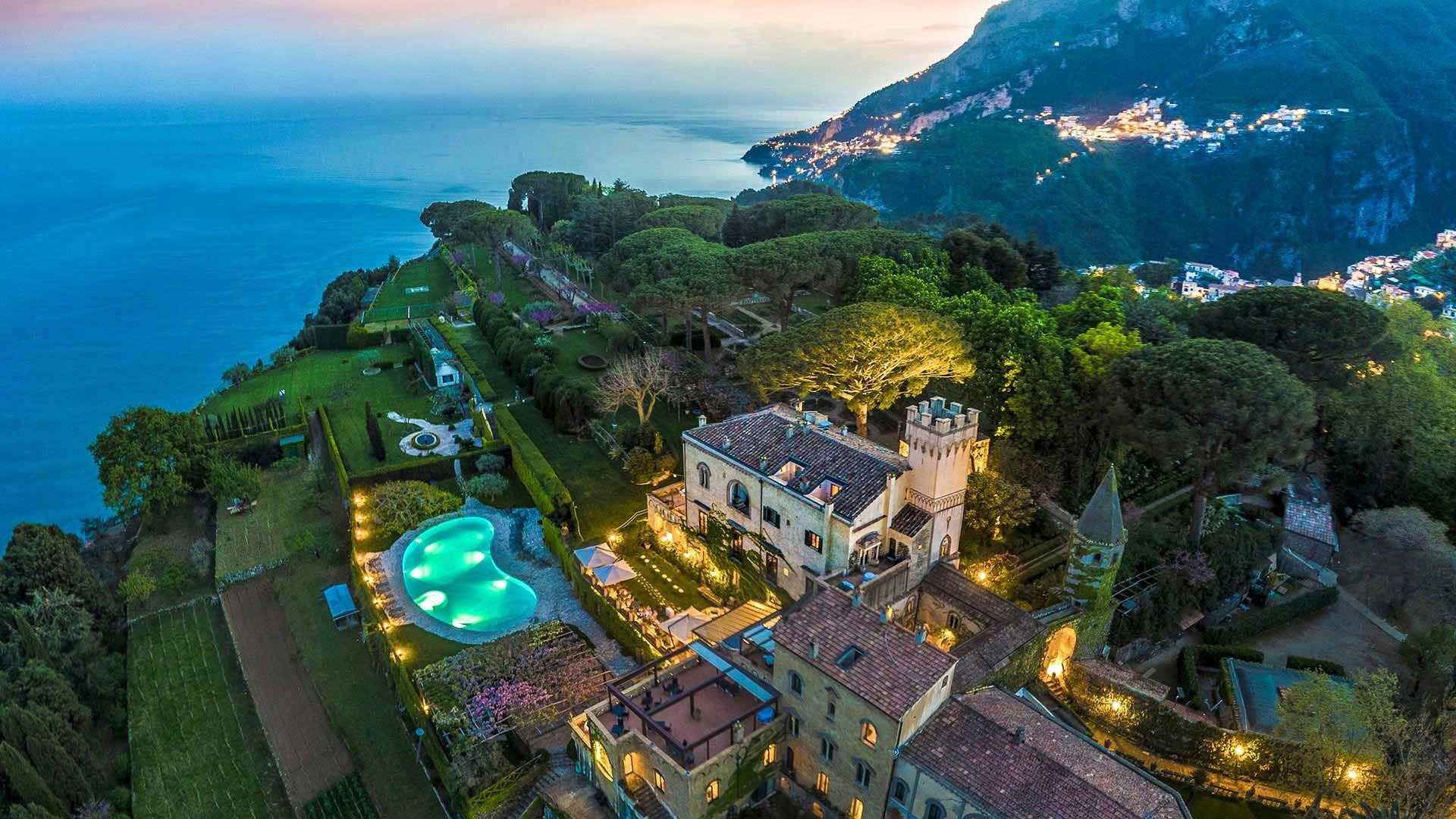
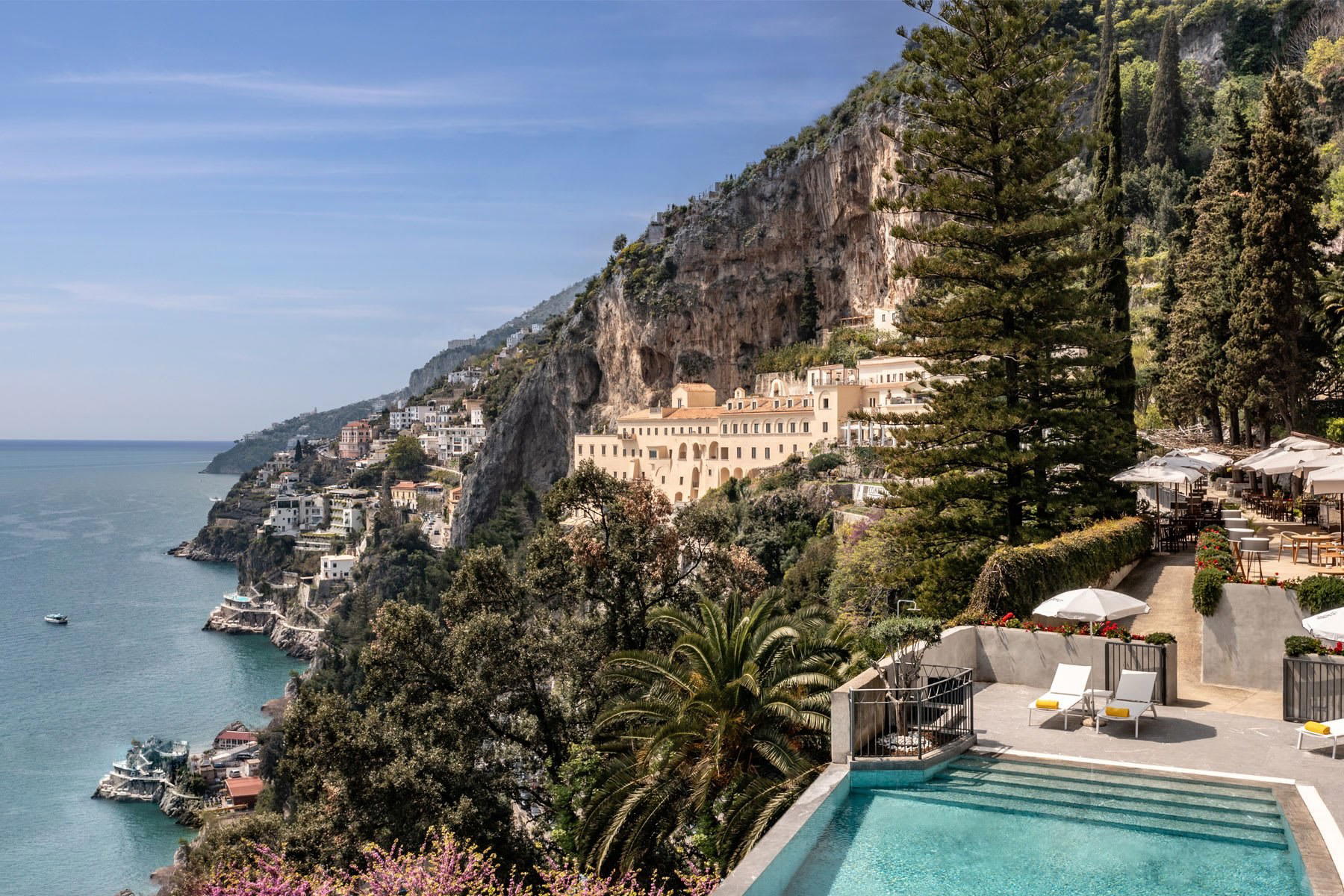
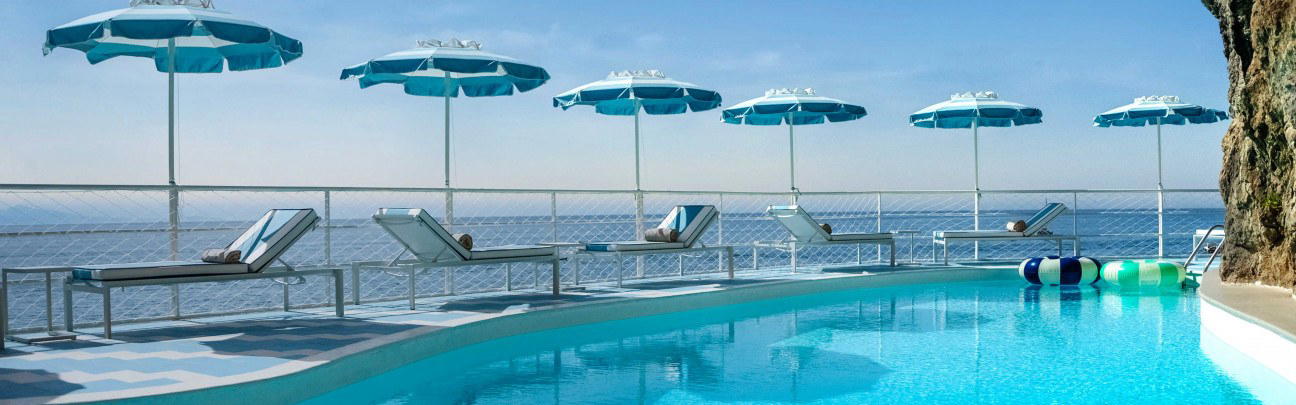
The Cilento coastline south of Salerno has spent decades in the shadow of the Amalfi coast's more photographed villages, which means the restaurants that have taken root here operate against a quieter register. Sale is a restaurant in Licinella-Torre di Paestum, Italy, serving modern Italian seafood in a smart-casual setting, with reservations recommended. It sits within the Sogaris hotel on Via dell'Amore in Licinella-Torre di Paestum, a strip of the Campanian coast defined less by tourism infrastructure than by proximity to particularly productive fishing waters in southern Italy. The dining room is glass-fronted and spacious, oriented toward a garden with a swimming pool, and furnished in a contemporary style that keeps things relaxed without sacrificing a sense of occasion. What you feel entering is the particular calm of a room that has been designed to frame the outside rather than compete with it.
Across the better seafood restaurants of coastal Campania, the relationship between dining room and local catch has become a defining argument: the sourcing is the cuisine, and the architecture of the room is simply the stage for it. Sale positions itself within that tradition, with a menu built around fish and seafood from regional waters, handled with what the kitchen describes as a light, modern touch applied to recognisable Campanian recipes.
What the Coastline Produces
The waters around the Gulf of Salerno and the Cilento stretch supply a specific and seasonally variable catch. The area is known for its sea bream, sea bass, cuttlefish, clams, and red mullet, alongside the kind of crustaceans that rarely travel far before they deteriorate. For a kitchen that has anchored its identity to this coastal tradition, the sourcing argument is direct in practical terms: proximity to the water determines freshness, and freshness determines what is worth reinterpreting and what is worth serving raw.
The daily raw seafood specials listed separately on Sale's menu are the clearest expression of that logic. Across Italian coastal cooking, raw preparations have moved from regional curiosity to a point of culinary legitimacy in their own right, particularly in the south. A restaurant willing to list raw specials as a distinct daily category is making a commitment to the morning's catch rather than to a fixed menu written weeks in advance. That discipline is what separates source-driven seafood kitchens from those that perform the language of freshness without the operational follow-through. At Sale, the instruction from those who know the room is clear: start with whatever the raw specials board offers before considering anything else.
Italy's most decorated seafood restaurants operate on a similar premise, even when the format scales up considerably. Uliassi in Senigallia on the Adriatic coast has built three Michelin stars around an ingredient-first relationship with the northern Italian sea; Quattro Passi in Marina del Cantone works the same Campanian waters from a more southerly position on the Sorrento Peninsula. Sale operates at a different register of formality and price, but the underlying sourcing logic connects it to the same coastal cooking tradition that those kitchens have made internationally visible.
Regional Recipes with a Modern Edit
Campanian seafood cooking has a long-established repertoire: impepata di cozze, spaghetti alle vongole, acqua pazza, pasta with clams or sea urchin, grilled fish with lemon and capers from the nearby islands. The risk in reinterpreting these dishes is that the modern edit strips the dish of what made it worth eating in the first place. The more credible approach, and the one that Sale appears to take, is to reduce rather than replace: cleaner sauces, more precise timing, less accumulated fat, but the same fundamental logic of letting the ingredient speak. That approach has become the dominant register for coastal Italian restaurants working in the €€ to €€€ bracket, where diners expect recognisable regional cooking with enough technique to justify a restaurant table over a home kitchen.
For comparison, the formal end of Italian creative cooking operates in a different frame entirely. Osteria Francescana in Modena, Enrico Bartolini in Milan, and Enoteca Pinchiorri in Florence work at the €€€€ level with creative or progressive frameworks that have little structural resemblance to what Sale is doing. The relevant comparable set for Sale is the coastal southern Italian restaurant that has absorbed modern technique without abandoning regional identity. Dal Pescatore in Runate offers a parallel in Lombardy, where traditional family cooking has been refined without being deconstructed. At Sale, the contemporary styling of the dining room gives a visual cue about where the kitchen sits on that spectrum.
Planning a Visit
Licinella-Torre di Paestum sits roughly 90 kilometres south of Naples and is most directly reached by car, with the A3 motorway providing access to the Battipaglia exit and a short drive south along the coast road. The area is also within reach of Paestum's archaeological site, which makes the surrounding strip a practical base for a day or two. Sale operates within the Sogaris hotel, so guests staying on-site have immediate access, while those visiting from elsewhere should treat the restaurant as part of a wider plan for the day rather than a standalone destination requiring a dedicated long journey.
The glass-fronted room and garden aspect make the experience dependent on daylight and season in a way that a basement dining room would not be. Late spring through early autumn represents the period when the setting delivers its full effect, and when the Gulf of Salerno's catch is at its most varied. Booking ahead is advisable in summer months when the hotel is at capacity and the surrounding area draws visitors to Paestum's temples and the Cilento national park.
Comparable Venues
Comparable venues nearby, for context on price, style, and recognition.
| Venue | Cuisine | Price | Awards | Notes |
|---|---|---|---|---|
| SaleThis venue — the venue you are viewing | Modern Italian Seafood | $$$ | Michelin Plate | Not listed |
| Cinque Foglie | Modern Italian Fine Dining | $$$ | Michelin Plate | Battipaglia |
| Alessandro Feo | Modern Italian Seafood | $$$ | Michelin Plate | Marina di Casal Velino |
| Suscettibile Salerno | Modern Italian Seafood | $$$ | Michelin Plate | Salerno center |
| Casa Rispoli | Modern Italian Seafood | $$$ | Michelin Plate | Historic Centre (Piazza San Francesco) |
| Mia Ristorante | Modern Italian Creative | $$$ | Michelin Plate | Borgotufi |
Recognition history
Dated appearances from independent guides and award organizations, with the underlying list record or original source where available.
Michelin Plate
Michelin
Continue exploring
More in Licinella-Torre di Paestum
Restaurants in Licinella-Torre di Paestum
Browse all →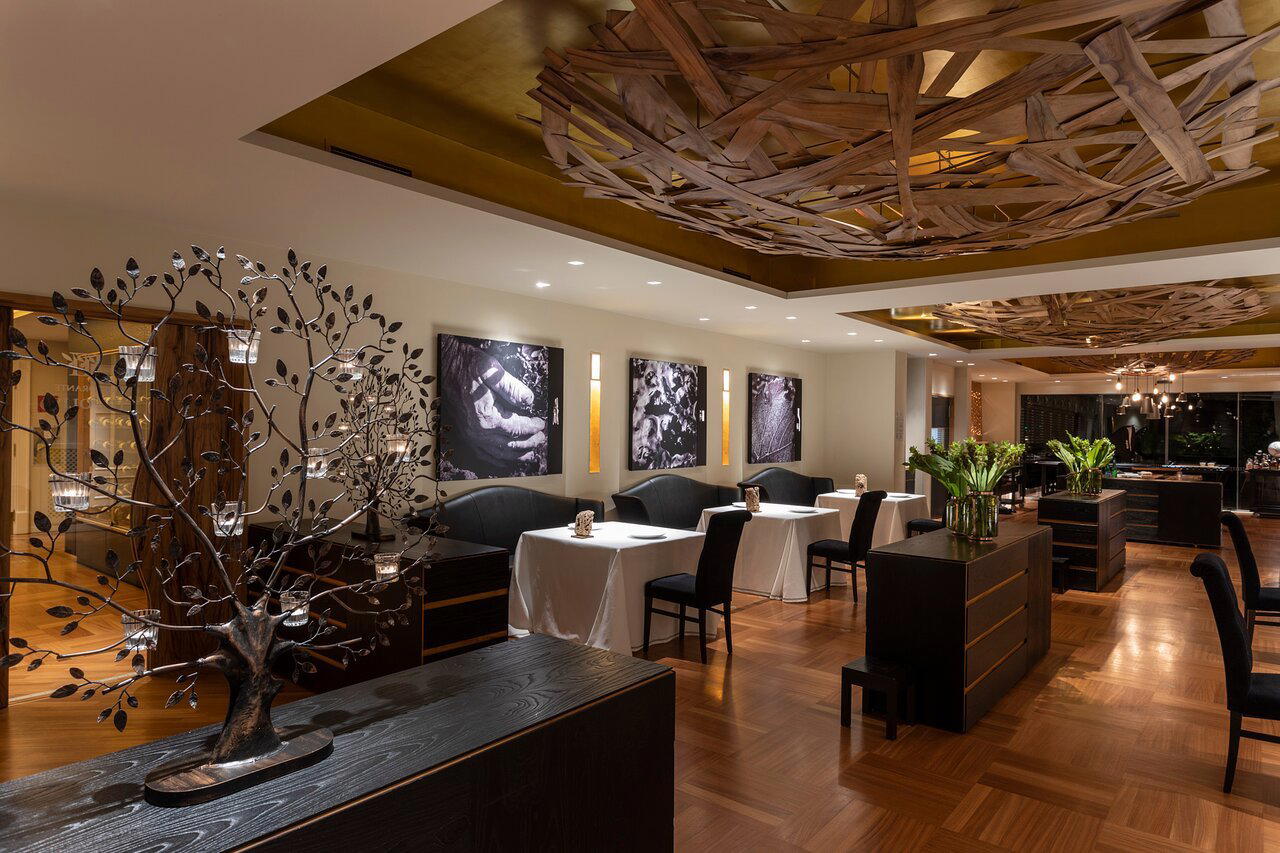
Bars in Licinella-Torre di Paestum
Browse all →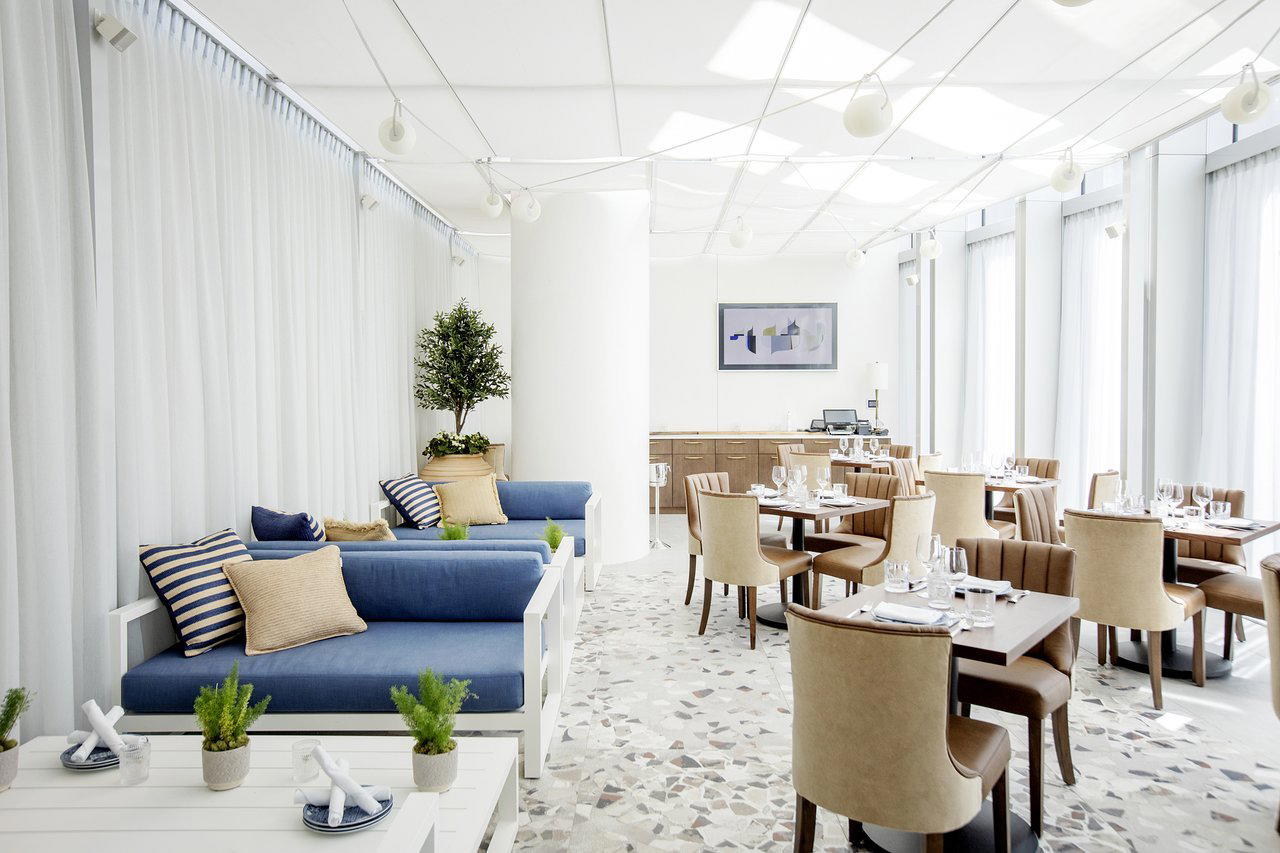
At a Glance
- Trendy
- Cozy
- Elegant
- Date Night
- Special Occasion
- Waterfront
- Waterfront
Current opening hours
- Monday
- Closed
- Tuesday
- 12:30–3 PM, 7:30–11:30 PM
- Wednesday
- 12:30–3 PM, 7:30–11:30 PM
- Thursday
- 12:30–3 PM, 7:30–11:30 PM
- Friday
- 12:30–3:30 PM, 7:30–11:30 PM
- Saturday
- 12:30–3:30 PM, 7:30–11:30 PM
- Sunday
- 12:30–4:30 PM
Hours can change for holidays and private events. Last verified .
Cozy atmosphere with great service and a trendy, elegant vibe.