Salazar

Salazar belongs to <strong>Los Angeles</strong>’s <strong>casual Mexican</strong> conversation rather than its tasting-menu circuit: open-air in spirit, masa-centered in implication, and recognized by <strong>Opinionated About Dining</strong> as Recommended in its 2026 <strong>North America Casual</strong> list. With chef <strong>Jonathan Aviles</strong> attached in the OAD record, it fits a city where tortilla craft, grilled meats, and regional Mexican cooking carry serious critical weight without needing formal-service theater.
 Discover on Pearl
Pearl is the En Primeur Club membership app — saves, bookings, and concierge access live there. Same editors, same standards.
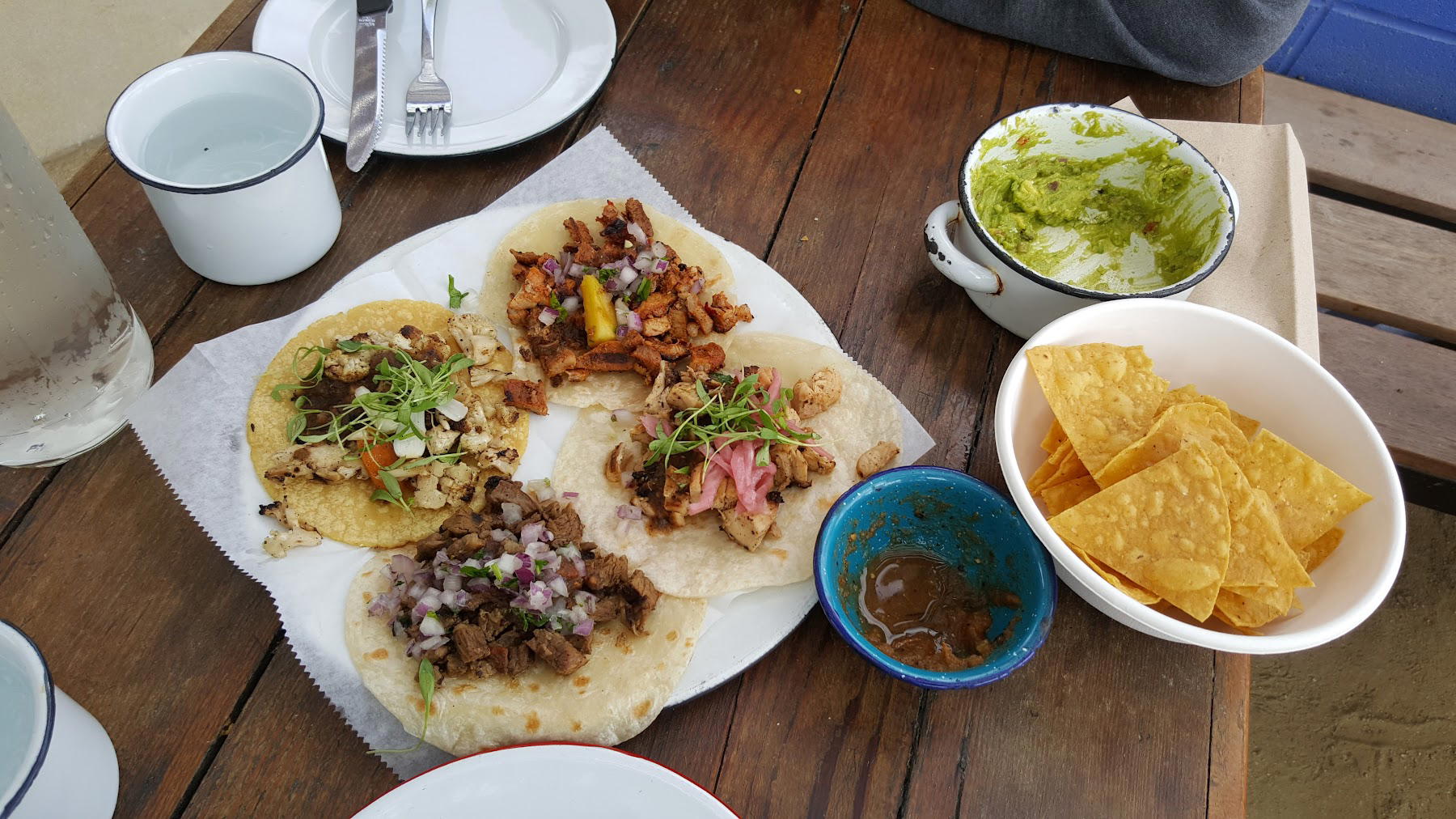
Approaching an open-air Mexican restaurant in Los Angeles sets a different expectation from entering a dining room built around linen, hush, and tasting-menu choreography. The city’s Mexican cooking has always been partly architectural: patios, trucks, market counters, strip-mall rooms, backyard-style grills, and street-corner taquerias shape how food is read before a plate arrives. In that context, Salazar belongs to a recognizable Los Angeles mode, casual in service language but serious in cultural stakes. Its listing as Recommended in Opinionated About Dining’s 2026 North America Casual guide places it in a peer set where informality is not a demotion. It is a signal that the evaluation is happening on different terms: heat, masa, smoke, timing, and the social rhythm of eating outdoors in a city that understands Mexican food as daily practice rather than occasional novelty.
The useful way to read this restaurant is through corn. Los Angeles has spent the past decade paying closer attention to masa, not only as a vehicle for fillings but as a craft system with its own standards. Nixtamalization, the alkaline cooking process that turns dried corn into masa, changes nutrition, aroma, texture, and structure. It is the reason a tortilla can flex around grilled meat without tasting like a neutral wrapper. It is also why Mexican cooking in Los Angeles cannot be reduced to tacos as a format. The quality of the tortilla sets the terms for the meal, and the city’s strongest Mexican addresses increasingly make that visible, whether through regional antojitos, Yucatán cooking, carnitas specialists, or asada traditions.
Masa is the argument, not the garnish
In a city with deep Mexican communities and a long commercial history of taquerias, the current masa conversation is not a trend imported from fine dining. It is a correction of attention. Corn has always been central; the recent shift is that critics, diners, and chefs now discuss varieties, grinding, freshness, and texture with the vocabulary once reserved for bread programs or sushi rice. That matters because Mexican restaurants are often misread through protein first. Carne asada gets the photograph, carnitas gets the craving, salsa gets the heat scale. Masa is quieter, but it determines whether the rest of the table coheres.
Salazar’s OAD classification as Casual is useful here because the category removes the old assumption that technical seriousness must arrive with high formality. The chef field in the OAD record names Jonathan Aviles, but the broader story is not a chef biography. Los Angeles Mexican dining is full of places where craft is embedded in repeatable systems: tortillas made to order, meat cooked for volume without losing texture, salsas calibrated for different fats, and service formats designed for groups rather than ceremony. That is the city’s advantage. It can put a masa-led meal in a setting that feels closer to a gathering than an audition.
For comparison within Los Angeles, Chichen Itza points toward regional Yucatán cooking, while Carnitas El Momo makes a narrower argument through pork and texture. Carnes Asadas Pancho Lopez frames the grill as the center of gravity, and Broken Spanish showed how Mexican American cooking could enter a more explicitly restaurant-driven conversation in the city. Salazar sits among these reference points as part of a broader spectrum rather than as a replacement for any of them.
Los Angeles Mexican dining rewards specificity
Los Angeles is not a single Mexican dining scene. It is a set of overlapping scenes shaped by migration, neighborhood economics, family businesses, market halls, late-night labor patterns, and a dining public that can be exacting about tortillas and forgiving about décor when the food has a clear purpose. This is why broad labels such as “Mexican” only get a reader halfway. A Yucatán counter, a Sonoran-style grill room, a mariscos truck, a Oaxacan dining room, and a contemporary patio restaurant may share pantry anchors, but they answer different cravings and social uses.
The city’s casual Mexican restaurants also occupy a different critical lane from the national fine-dining circuit. A meal at Benu in San Francisco, Le Bernardin in New York City, The French Laundry in Napa, Single Thread Farm in Healdsburg, Smyth in Chicago, or Emeril’s in New Orleans is judged through systems of reservation control, service pacing, wine depth, and composed sequencing. Los Angeles casual Mexican dining asks sharper questions about repetition: can a restaurant maintain heat, texture, tortilla integrity, and crowd rhythm across an entire service? OAD’s 2026 Casual Recommended citation is a trust signal because it recognizes that category on its own terms.
That distinction matters for travelers. A visitor who only books formal rooms can miss how Los Angeles actually eats. The city’s Mexican restaurants are not side notes to its restaurant culture; they are part of its grammar. Chulita represents another modern neighborhood expression of that grammar, while the broader spread is easier to understand through Our full Los Angeles restaurants guide. The useful itinerary pairs at least one casual Mexican meal with a more formal reservation, not because one balances the other, but because both reveal different dining economies inside the same city.
What the OAD recognition actually says
Opinionated About Dining’s 2026 North America Casual list identifies Salazar as Recommended, with the record released on May 19, 2026, and the source category marked Casual. That is not the same kind of signal as a Michelin star or a ranked placement. It works more like a category-specific editorial filter: a restaurant has entered a regional conversation broad enough to include specialists, informal rooms, and places whose value is not measured by tasting-menu architecture. The OAD record also lists Mexican as the cuisine and Los Angeles, California, United States as the location, which keeps the claim precise.
For EP Club readers, the point is not to treat any single recommendation as a verdict. It is to understand what kind of evidence it provides. Awards and guides often over-index toward capital-intensive restaurants because those are easier to evaluate through conventional service markers. Casual recognition can be more revealing in a city like Los Angeles, where the meal may be defined by open-air tempo, masa quality, grill management, and table culture. The absence of a published price range in the database also matters: without a verified figure, the responsible reading is category-based rather than price-specific. Expect a casual restaurant framework, not a confirmed spend level.
On the international Mexican dining map, comparison also needs care. Pujol — Mexican in Mexico City operates in a different register, one shaped by tasting-menu structure, national symbolism, and global destination dining. Alma Fonda Fina — Mexican in Denver gives another American city’s version of contemporary Mexican cooking. Los Angeles, by contrast, has density and daily-use authority. Its Mexican restaurants do not need to translate themselves as often, and that changes the tone of the meal.
How to place it in a Los Angeles day
Because the database does not provide verified hours, a phone number, a website, a booking method, or a dress code, planning should be based on the realities of Los Angeles dining rather than invented specifics. Confirm current operating details through the restaurant’s current public channels before building a schedule around it. The address field in the record is city-level, not street-level, so transportation planning should also be checked against a current map. In Los Angeles, that is not a minor footnote. Cross-town timing can decide whether a meal feels easy or turns into a logistics project.
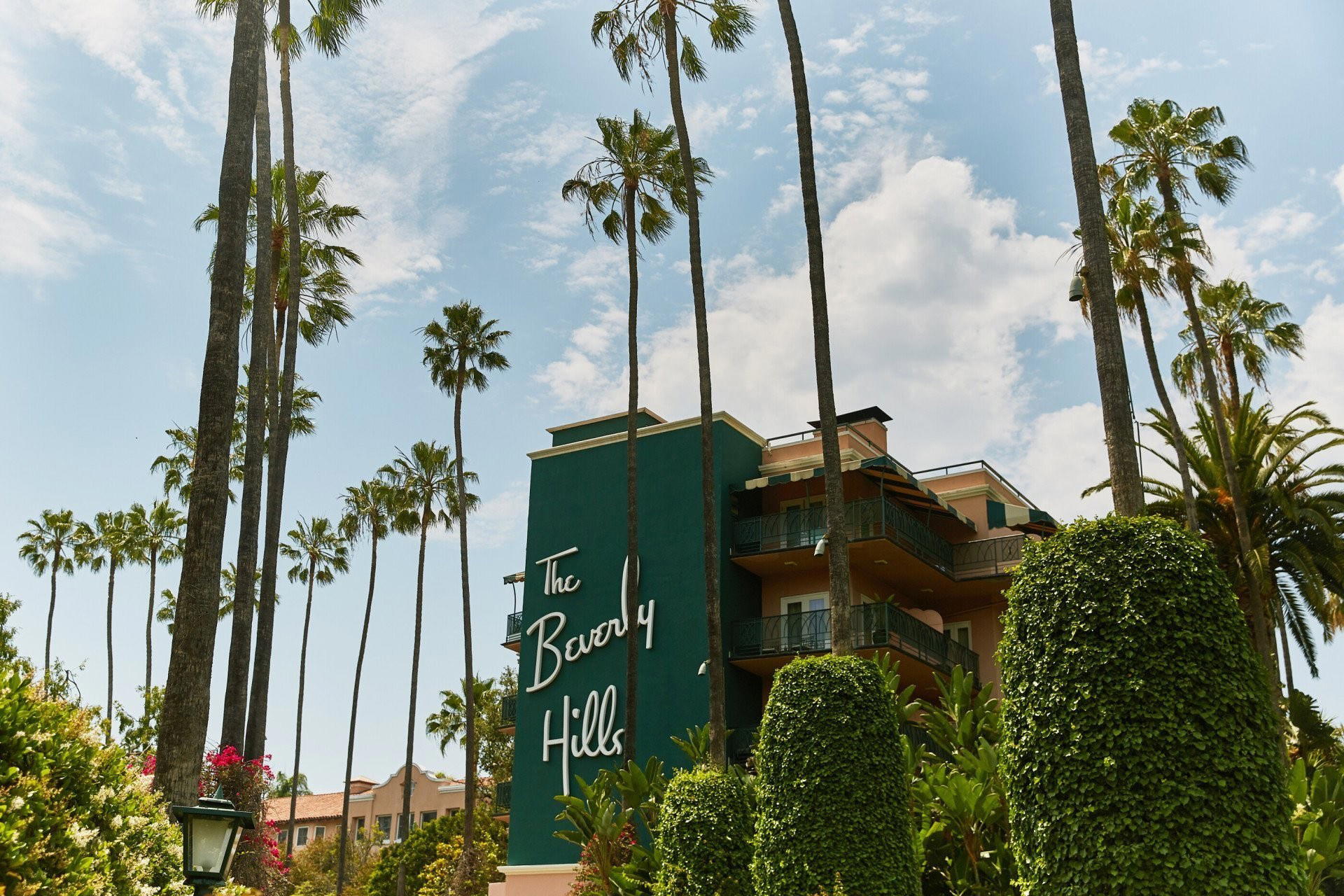
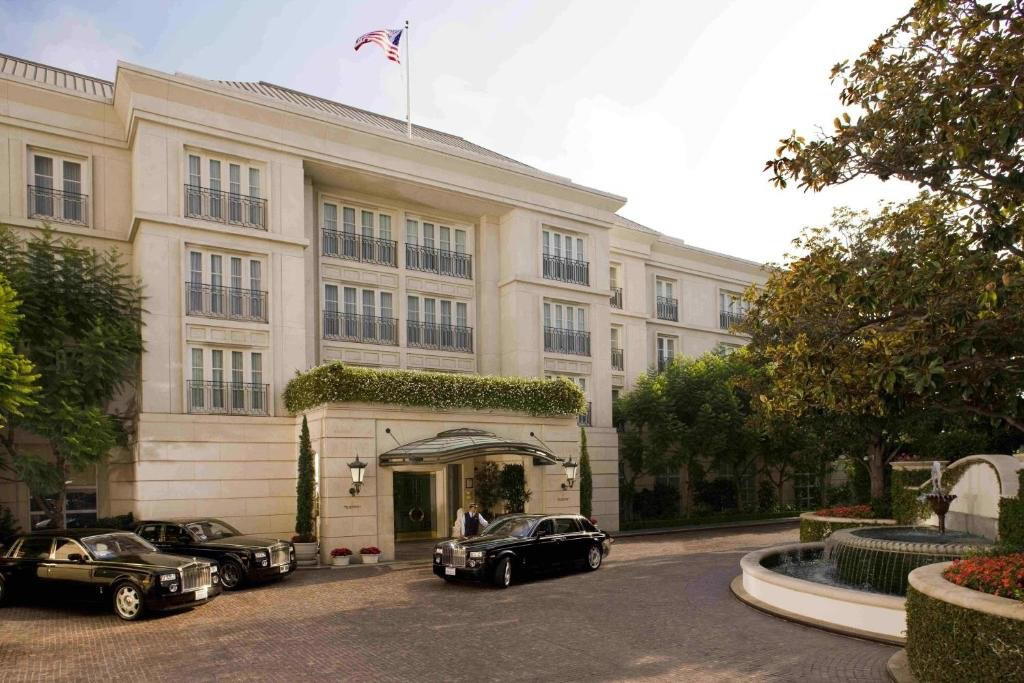
The stronger use case is to make it part of a neighborhood-led day rather than a single-purpose pilgrimage. Los Angeles rewards clustering: a restaurant, a bar, and a hotel plan within a realistic radius will usually beat an itinerary that chases names across the basin. For lodging context, Our full Los Angeles hotels guide helps frame where to stay relative to dining plans. For after-dinner or pre-dinner context, Our full Los Angeles bars guide is the better companion than treating dinner as the whole night. Travelers adding cellar visits or regional wine context can use Our full Los Angeles wineries guide, while cultural scheduling sits more naturally with Our full Los Angeles experiences guide.
The practical dress reading follows the category: OAD lists it as Casual, and no verified dress code appears in the record. That supports a relaxed plan, but not a careless one. Los Angeles casual dining can still involve waiting, weather, parking, rideshare timing, and group coordination. Families and mixed-age groups should think less about formality and more about pacing. A patio-style Mexican meal can work well across generations when timing is handled intelligently, but no verified children’s policy or seating count is available from the database.
The corn question changes the way to order
A masa-first lens changes how a diner evaluates a Mexican meal. Instead of treating tortillas as an accessory, the reader should watch how the meal uses corn structurally. Does the format ask tortillas to carry fat, salsa, char, acid, and heat? Does the table feel designed for sharing rather than individual plating? Does the restaurant’s casual structure allow the food to be eaten at the right tempo? These are not abstract questions. They decide whether grilled meats, salsas, beans, vegetables, and drinks feel connected or merely adjacent.
Without verified menu data in the record, specific dish claims would be irresponsible. The editorial point can still be precise: the strongest Los Angeles Mexican meals often derive their authority from systems rather than isolated signatures. Tortilla craft, fire management, salsa range, and the timing of plates matter more than a single named dish. This is why casual Mexican restaurants can age well in a city full of opening cycles. If the core systems hold, the restaurant does not depend on novelty.
That also explains why Salazar is better understood as part of Los Angeles’s masa-and-grill conversation than as a generic modern Mexican venue. The OAD recognition gives the outside reader a reason to pay attention, but the deeper evidence lies in the category itself. Casual Mexican dining in Los Angeles is where technique often hides in plain sight: in how corn is treated, how heat is managed, and how a table becomes social without service choreography forcing the point.
Continue exploring
More in Los Angeles
More from Chef Jonathan Aviles
Browse all →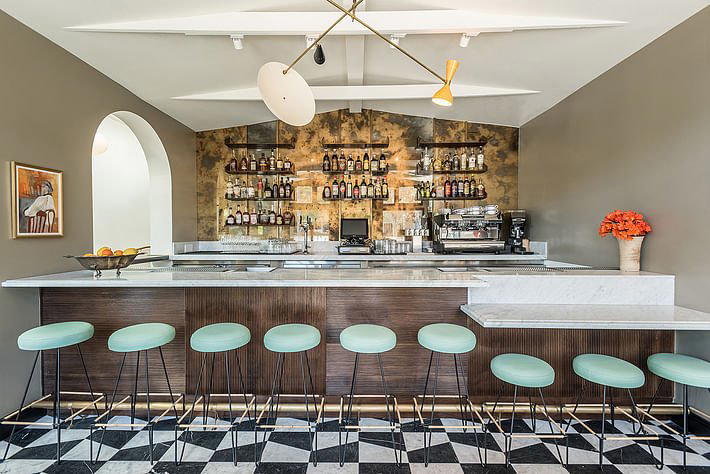
Restaurants in Los Angeles
Browse all →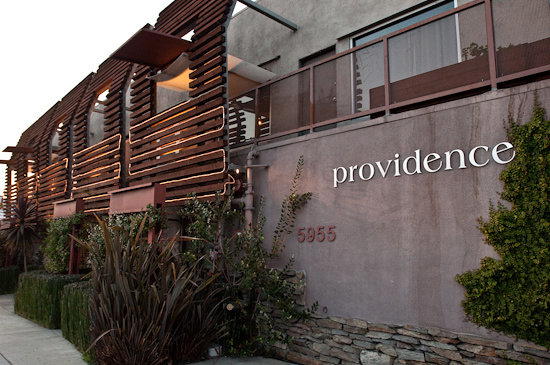
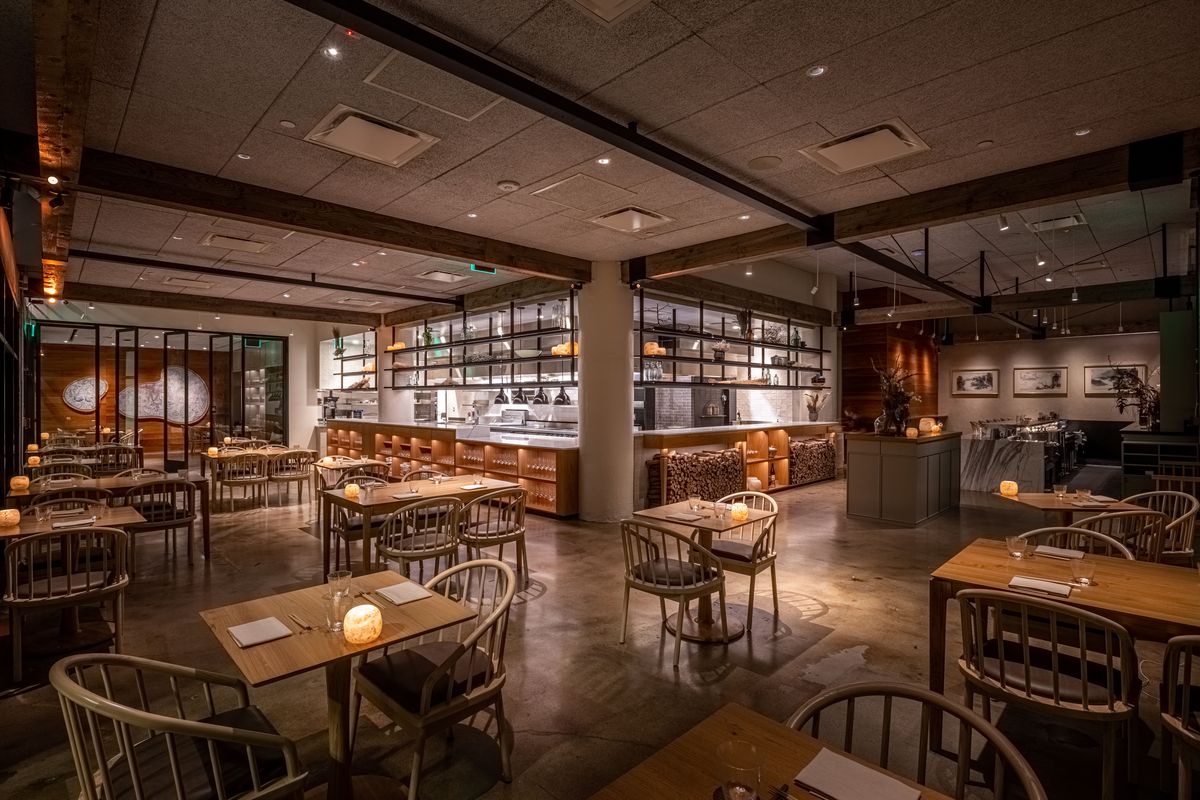
Bars in Los Angeles
Browse all →

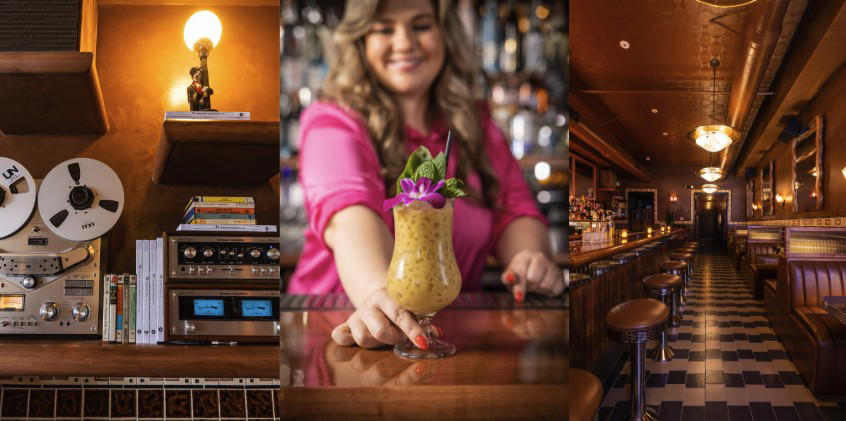
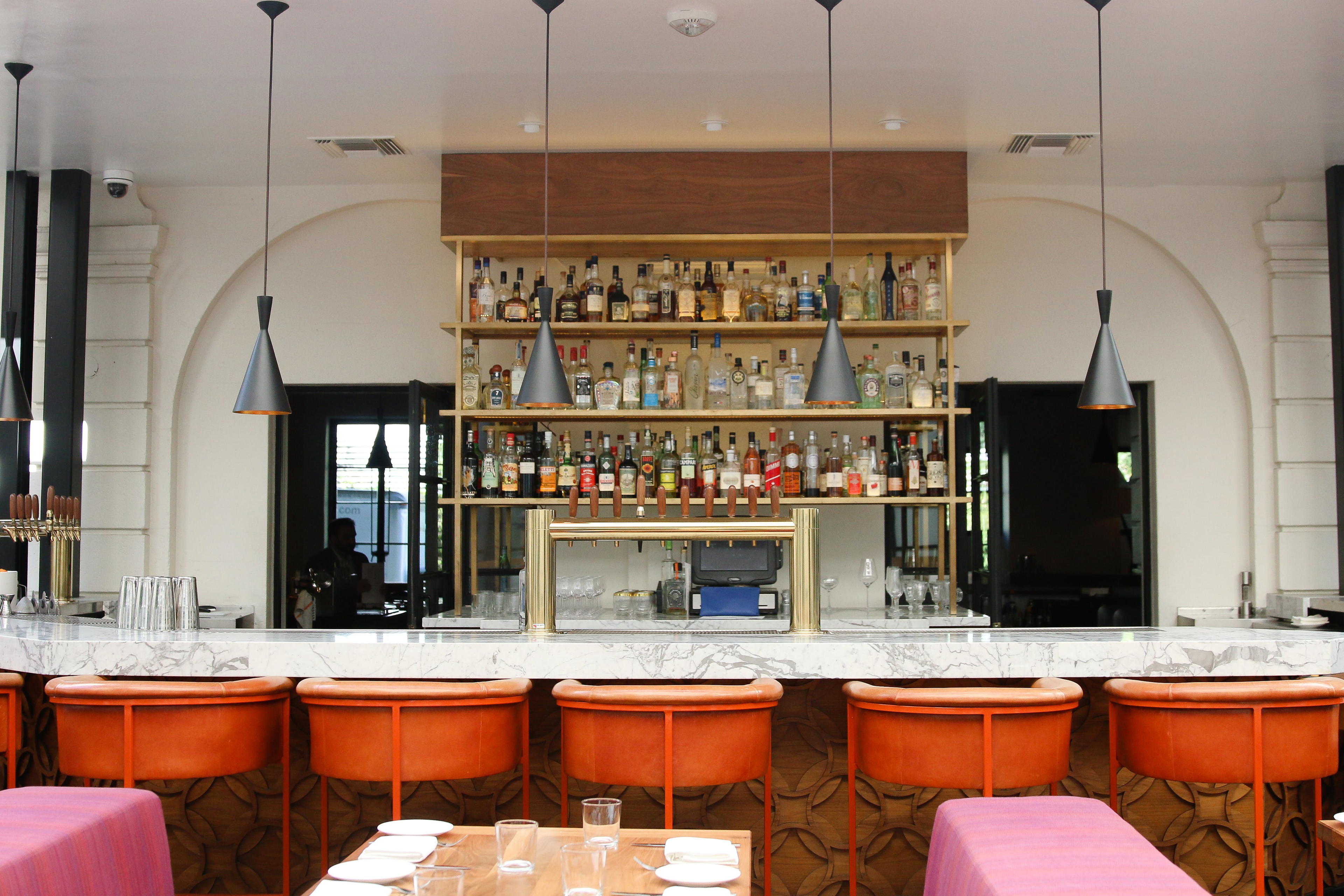
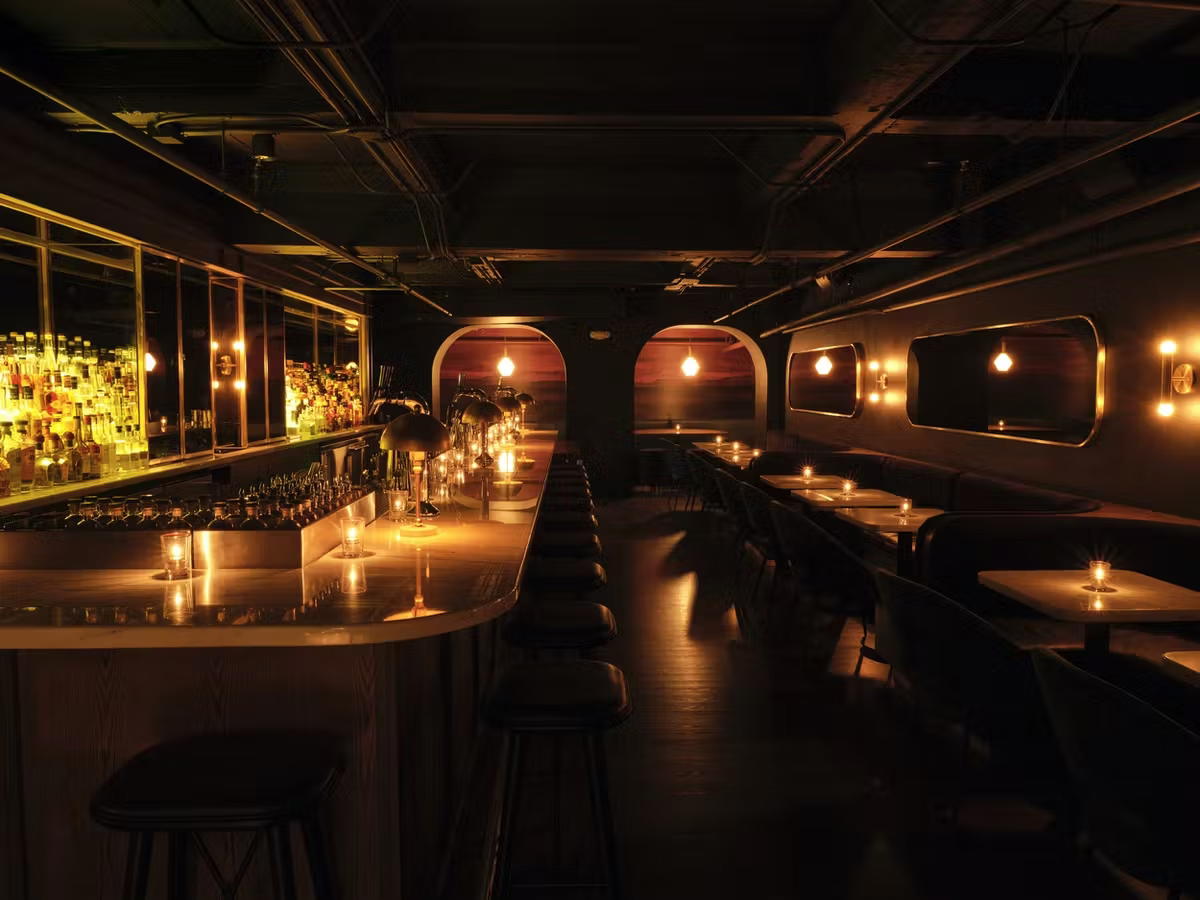
Hotels in Los Angeles
Browse all →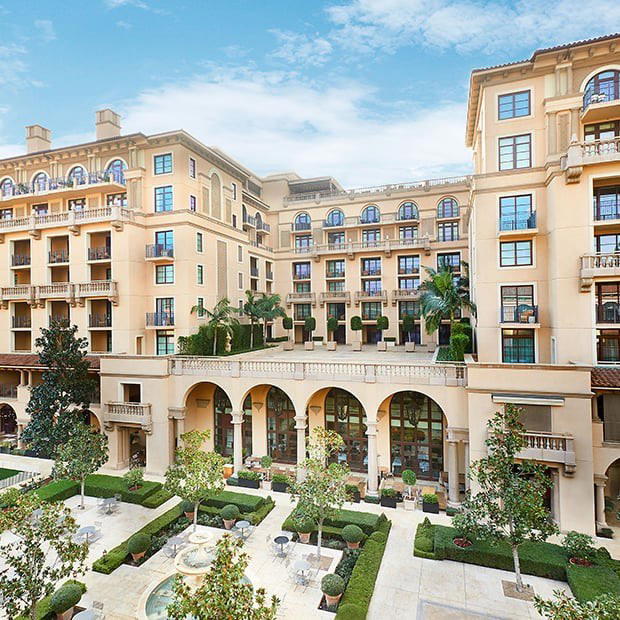


Wineries in Los Angeles
Browse all →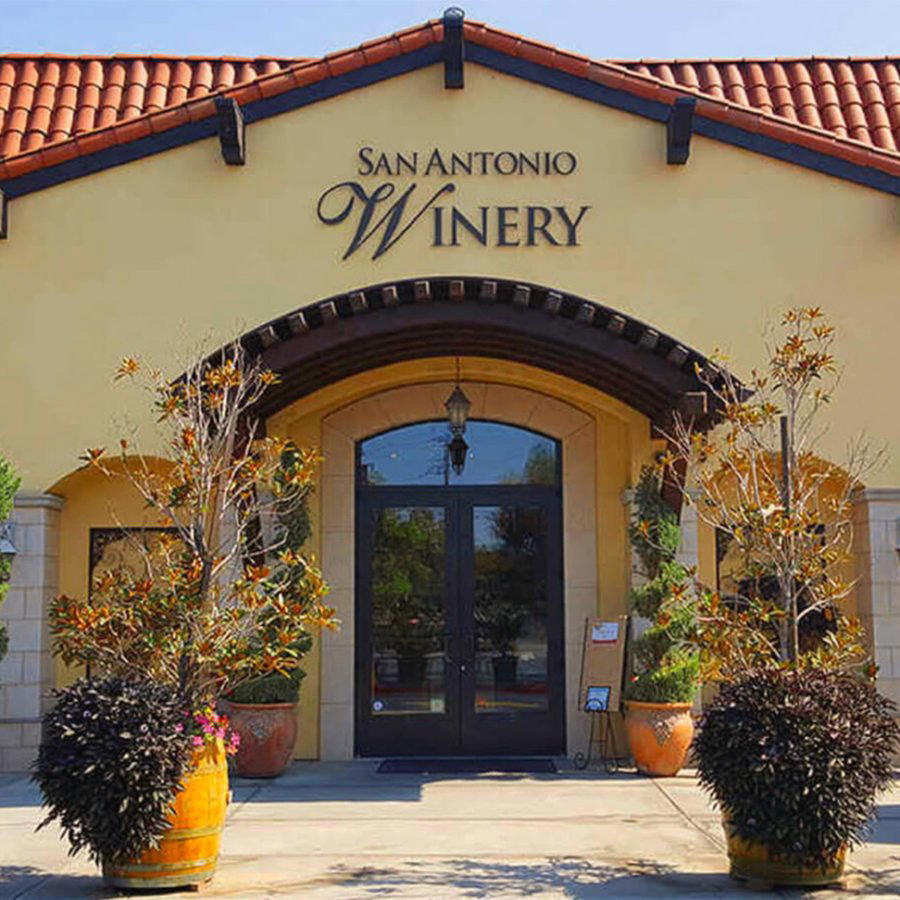
At a Glance
- Lively
- Rustic
- Trendy
- Energetic
- Scenic
- Bohemian
- Casual Hangout
- Group Dining
- After Work
- Date Night
- Brunch
- Late Night
- Garden
- Courtyard
- Terrace
- Standalone
- Design Destination
- Craft Cocktails
- Beer Program
- Garden
- Street Scene
Almost entirely outdoor dining with desert plants, picnic-style seating, and string lights, creating a lively, rustic backyard party feel that stays energetic and buzzy at peak hours.