Chichen Itza


Diners, Drive-Ins and Dives Featured Restaurant
Our verdict
Chichen Itza operates out of the Mercado La Paloma in South Los Angeles, serving Yucatecan cooking that draws a consistent following far beyond the neighborhood. Under chef Gilberto Cetina, the kitchen works with the regional ingredients and preparations of the Yucatán Peninsula, earning three consecutive appearances on Opinionated About Dining's Cheap Eats in North America list between 2023 and 2025.

Pearl is the En Primeur Club membership app — saves, bookings, and concierge access live there. Same editors, same standards.
- Address
- 3655 S Grand Ave c6, Los Angeles, CA 90007
- Phone
- (213) 741-1075
- Hours
- Daily 9 AM–9 PM
- Website
- chichenitzarestaurant.com
- Directions
- Get directions
The menu
What to order
- Cochinita pibil
- Poc chuc
- Sikil-pak
- Tamal colado
South LA's Case for Regional Mexican Cooking
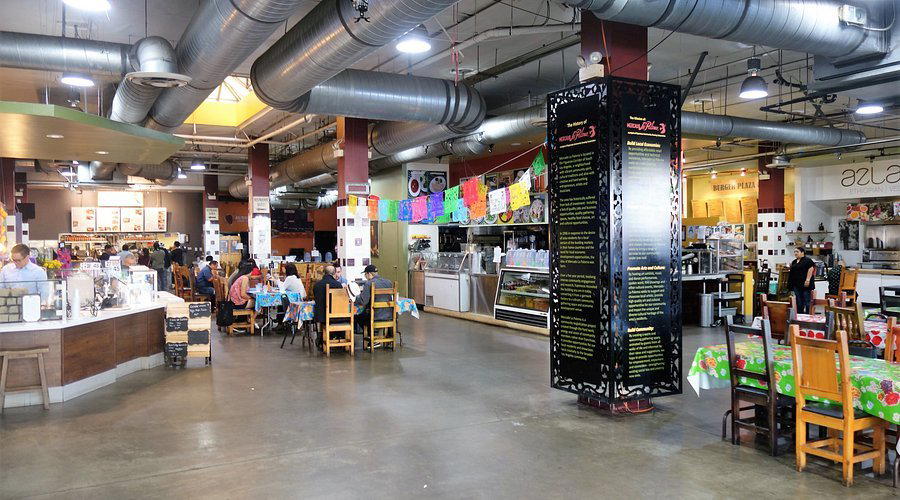
The Mercado La Paloma on South Grand Avenue is a converted warehouse that houses a cluster of small food stalls and community vendors. The building is functional rather than atmospheric — concrete floors, shared seating, the ambient noise of multiple kitchens running at once. It is not a setting designed to signal fine dining, and that is exactly the point. The food stalls operating here occupy a category of Los Angeles dining that is both deeply competitive and frequently overlooked by the city's high-end press cycle: the regional specialist counter, where the credential is the cooking, not the room.
Chichen Itza is the best-known tenant in the Mercado. It draws a lunch and dinner crowd from across the city, including people who drive past dozens of Mexican restaurants to get here specifically. That specificity matters: this is not a generalist taqueria. The kitchen focuses on the cooking of the Yucatán Peninsula, a regional tradition that uses achiote, sour orange, and habanero in ways that are historically and technically distinct from the Oaxacan, Jalisco, or Baja-inflected Mexican cooking that dominates much of Los Angeles.
What Yucatecan Cooking Actually Means on the Plate
Yucatecan cuisine develops from a set of ingredients and techniques shaped by the peninsula's geography, its Mayan heritage, and the colonial-era influence of Spanish and Lebanese immigrants who settled there in the nineteenth and early twentieth centuries. The result is a cuisine that uses citrus as both marinade and cooking medium, relies heavily on recado pastes built from dried chiles, spices, and achiote (annatto seed), and employs pit-cooking methods like pibil that slow-cook proteins wrapped in banana leaf.
The ingredient sourcing behind this approach is what separates Yucatecan cooking from improvised regional approximations. Achiote gives cochinita its characteristic deep red-orange color and an earthy, slightly peppery flavor that synthetic coloring cannot replicate. Sour orange, sometimes called naranja agria, has a different acid profile than lime or standard orange — it is less sharp, more aromatic, and it penetrates protein differently during marination. When a kitchen is working with the right inputs, those distinctions arrive at the table. When they are not, the dish can look correct but taste flattened.
In Los Angeles, where Mexican food spans an enormous range from fast-casual chains to tasting-menu formats like Damian and Broken Spanish, the Yucatecan register remains a niche. Most taquerias in the city do not work in this tradition, and the restaurants that gesture toward it often do so without the sourcing infrastructure to back it up.
Gilberto Cetina and the Kitchen's Positioning
Chef Gilberto Cetina has run Chichen Itza for more than two decades. In Los Angeles's Mexican dining ecosystem, that tenure places the restaurant in a small category of long-operating specialists whose reputations have been built through consistency rather than media cycles. The Mercado La Paloma format keeps overhead low, which in turn allows the kitchen to maintain pricing at a level that reflects the stall format rather than a full-service restaurant premium.
That pricing structure is part of why the restaurant appears on Opinionated About Dining's Cheap Eats in North America list, where it ranked 139th in 2023, 316th in 2024, and 300th in 2025. OAD's Cheap Eats rankings are compiled from critic and industry votes, which means the recognition reflects professional opinion rather than volume-based aggregation. The consistent presence across three years signals a kitchen that is not coasting on a single strong season.
Among the city's broader Mexican restaurant set, the positioning is distinct. The tasting-menu end of the spectrum, including places with Michelin recognition, operates with entirely different pricing logic and a different relationship to regional tradition. Street-level carnitas specialists like Carnitas El Momo or Carnes Asadas Pancho Lopez work in different sub-regional traditions. Chichen Itza occupies a specific slot: affordable, Yucatecan, with a critical track record that extends over multiple years.
The Broader Los Angeles Context
Los Angeles has a Mexican restaurant ecosystem that is arguably more regionally diverse than any other American city. The concentration of Oaxacan, Jalisco, Sinaloan, and Yucatecan cooking within a single metropolitan area reflects the demographics of the city's Mexican-American population and the migration patterns of the twentieth century. That diversity means that a diner willing to look past brand-name restaurants can eat across a range of Mexican regional traditions in a single week.
For visitors arriving from cities where Mexican food largely means a unified Tex-Mex or California-style format, this breadth can be disorienting. The useful entry point is to pick a regional tradition and follow it at multiple price points and formats. Yucatecan cooking is a strong choice for that exercise because its flavors are distinctive enough to track, you can eat at Chichen Itza and then at a higher-price-point format like Pujol in Mexico City and understand the same underlying ingredient logic being interpreted at different scales. Chulita offers another point of comparison within LA for regional Mexican cooking approached through a different lens.
For those building out a broader Los Angeles dining picture that moves between price tiers, the city's Michelin-recognized kitchens, Kato, Hayato, Vespertine, Camphor, operate in entirely different culinary traditions and at price points where the logic of comparison breaks down. Chichen Itza is relevant to a different kind of research: the question of where regional specificity and value intersect in American cities. On that question, it has a stronger documented case than most.
For more context on where this fits within the city's dining options across price tiers and cuisine types, see our full Los Angeles restaurants guide. For planning the rest of a trip, our full Los Angeles hotels guide, our full Los Angeles bars guide, our full Los Angeles wineries guide, and our full Los Angeles experiences guide cover the wider picture.
Know Before You Go
- Address: 3655 S Grand Ave C6, Los Angeles, CA 90007 (inside Mercado La Paloma)
- Hours: Monday through Sunday, 9 am to 9 pm
- Format: Market stall with shared seating; counter service
- Price tier: Cheap Eats category (OAD-recognized); no price range data on file
- Awards: Opinionated About Dining Cheap Eats in North America: #139 (2023), #316 (2024), #300 (2025)
- Booking: No reservation data on file; walk-in format typical for market stalls
- Parking: Street parking and lot available on South Grand Avenue; Metro accessible
Frequently asked questions
How do I find Chichen Itza?
Chichen Itza is located at 3655 S Grand Ave c6, Los Angeles, CA 90007, Los Angeles.
What kind of recognition has Chichen Itza received?
Chichen Itza has received recognition including: Opinionated About Dining Cheap Eats in North America Ranked #300 (2025); Opinionated About Dining Cheap Eats in North America Ranked #316 (2024); Opinionated About Dining Cheap Eats in North America in Ranked #139 (2023).
What's the must-try dish at Chichen Itza?
Cochinita pibil is the reference point for any first visit. The dish anchors Chichen Itza's Yucatecan identity and demonstrates the slow-cooking and achiote-based ingredient logic the kitchen has built its reputation on over more than two decades. Opinionated About Dining ranked the restaurant among its top Cheap Eats in North America in 2023, 2024, and 2025, and the cochinita pibil is central to why those rankings hold.
What It’s Closest To
| Venue | Cuisine | Price | Awards | Notes |
|---|---|---|---|---|
| Chichen ItzaThis venue — the venue you are viewing | Authentic Yucatecan Mexican | $10–20 | Diners, Drive-Ins and Dives Featured Restaurant | Not listed |
| Kato | Modern Taiwanese Fine Dining | $300–500 | 2 Michelin Stars · World's 50 Best #49 | New Taiwanese, Asian |
| Hayato | Traditional Japanese Kaiseki | $300–500 | 2 Michelin Stars · La Liste Top Restaurants | Japanese |
| Vespertine | Avant-Garde Tasting Menu | $200–300 | 2 Michelin Stars · La Liste Top Restaurants | Progressive, Contemporary |
| Camphor | Modern French with Southeast Asian influences | $150–200 | Michelin Plate · World Best Burgers World's 101 Best Burgers #15 | French-Asian, French |
| Gwen | Contemporary American Steakhouse | $50–100 | Michelin Plate · Wine Spectator Best of Award of Excellence | New American, Steakhouse |
Recognition history
Dated appearances from independent guides and award organizations, with the underlying list record or original source where available.
Diners, Drive-Ins and Dives Featured Restaurant
Diners, Drive-Ins and Dives · 2026 Diners, Drive-Ins and Dives Featured Restaurants
Opinionated About Dining Cheap Eats in North America Recommended
Opinionated About Dining
Full recognition history (5 entries)
Opinionated About Dining Cheap Eats in North America Ranked #300
Opinionated About Dining
Opinionated About Dining Cheap Eats in North America Ranked #316
Opinionated About Dining
Opinionated About Dining Cheap Eats in North America in Ranked #139
Opinionated About Dining
Continue exploring
More in Los Angeles
Restaurants in Los Angeles
Browse all →
Bars in Los Angeles
Browse all →
Hotels in Los Angeles
Browse all →


Wineries in Los Angeles
Browse all →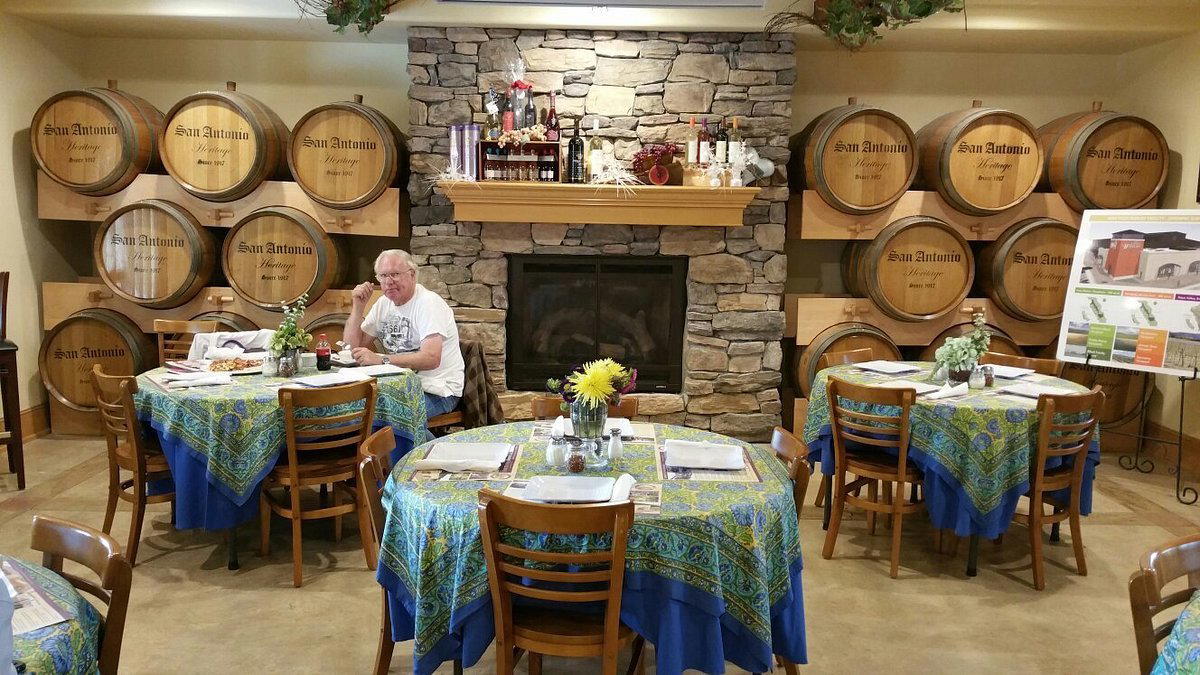
Details
- Casual
- Rustic
- Casual Hangout
- Family
- Open Kitchen
- A La Carte
- Small Plates
- Vegetarian Friendly
Current opening hours
- Monday
- 9 AM–9 PM
- Tuesday
- 9 AM–9 PM
- Wednesday
- 9 AM–9 PM
- Thursday
- 9 AM–9 PM
- Friday
- 9 AM–9 PM
- Saturday
- 9 AM–9 PM
- Sunday
- 9 AM–9 PM
Hours can change for holidays and private events. Last verified .
Casual market atmosphere with communal seating, outdoor patio, and the aroma of mesquite-grilled meats and fresh tortillas.