

Lisbon's most recognised steakhouse occupies a corner of Praça Dom Luís I, where open-fire grilling and in-house dry-aging define the format. Sala de Corte sources cuts from the Iberian Peninsula, Australia, and Japan, placing it at the serious end of Portugal's meat-dining spectrum. A Star Wine List White Star recognition in 2026 confirms the wine program matches the ambition of the kitchen.
Pearl is the En Primeur Club membership app — saves, bookings, and concierge access live there. Same editors, same standards.
- Address
- Praça Dom Luís I 7, 1200-148 Lisboa, Portugal
- Phone
- +351 21 346 0030
- Website
- saladecorte.pt
- Directions
- Get directions
 Saves & bookings on Pearl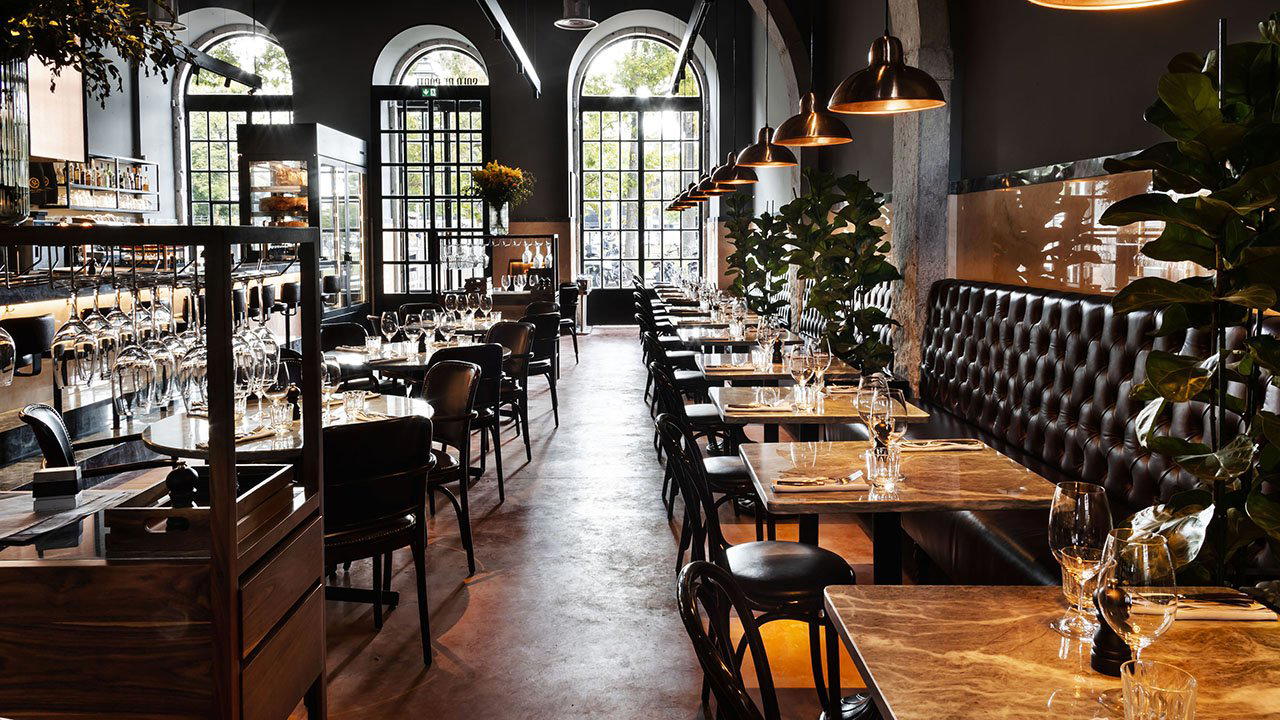
Fire, Smoke, and the Theatre of the Cut
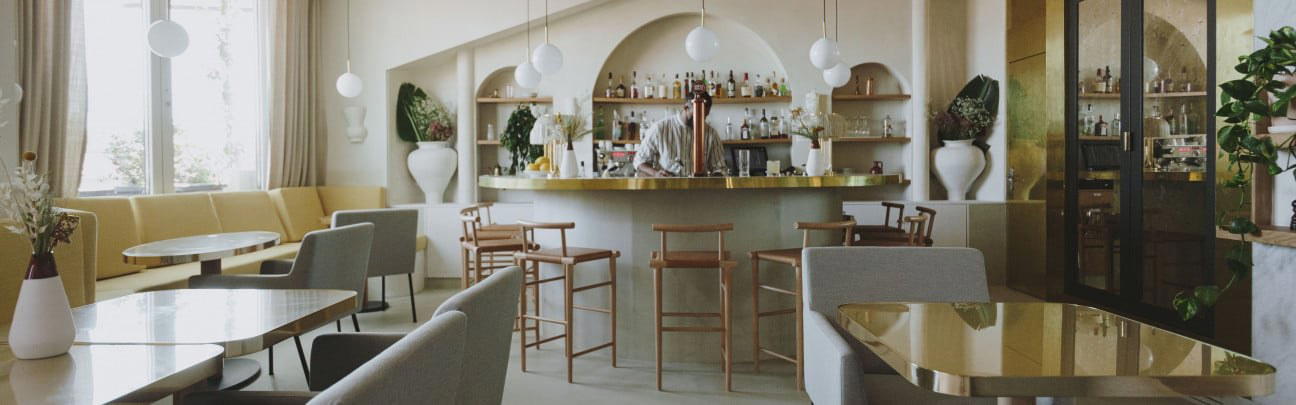
Sala de Corte is a premium steakhouse in Lisbon, Portugal, at Praça Dom Luís I 7. It is in this setting that the open-fire grill at the centre of Sala de Corte becomes almost a civic statement: visible through the kitchen pass, flames working over premium cuts, smoke threading into a contemporary interior of warm light and considered seating. The room is designed so that watching the kitchen is part of the experience rather than a distraction from it. Guests oriented toward the pass have a clear sightline to the grill; those preferring a quieter vantage have it. Either way, the smell of charring beef arrives before the plate does.
This format, where the grill is architecture as much as equipment, has become a signature of the serious steakhouse tier across Europe. At Sala de Corte, the open-fire design is not decorative. It signals the kitchen's method: heat management over an open flame requires precision and judgment that a gas or electric grill does not demand in the same way, and the Maillard crust it produces on a well-aged cut carries a depth of flavour that has made wood and charcoal-fired grilling the preferred technique of the category's most credentialed operators.
The Sourcing Logic Behind Portugal's Leading Steak Restaurant
Portugal's steakhouse scene is narrower and less codified than, say, Argentina's or the United States', where cuts, grades, and aging protocols are embedded in dining culture. The country's own cattle traditions, particularly the Galician breed from the northwest Iberian Peninsula, have gained serious recognition over the past decade, but most establishments operate without a coherent sourcing philosophy that spans domestic and international supply. The restaurant takes a different position. The kitchen works across three distinct sourcing geographies: Iberian Peninsula beef (including Galician-breed Buey Gallego), Australian cattle, and Japanese Wagyu. Each brings a different fat structure, muscle composition, and flavour register to the grill, which means the menu functions as a comparative study in beef as much as a list of options.
In-house dry-aging underpins all of this. The process concentrates flavour and breaks down connective tissue in ways that wet-aging cannot replicate, and it requires temperature-controlled infrastructure, trained oversight, and a willingness to hold inventory for weeks or months. The fact that restaurant handles this in-house rather than receiving pre-aged product from a supplier is an operational commitment that separates it from most restaurants in the city. Its sourcing program and the consistency of execution under chef Luis Gaspar define the kitchen.
Within Lisbon's broader fine-dining scene, the restaurant occupies a distinct niche. The city's most-decorated restaurants, including Belcanto, CURA, Eleven, and 50 Seconds from Martin Berasategui, operate in the creative and contemporary Portuguese idiom, where tasting menus and technique-driven plates define the experience. The restaurant draws from a different tradition: the premium steakhouse format, where the product itself and the precision of its preparation are the argument, and elaboration is reserved for accompaniments rather than applied to the main event. The two categories attract overlapping but not identical audiences, and the restaurant is the clearer address for anyone whose primary interest is provenance-driven beef cooked over fire.
Menu Architecture: Cuts, Sides, and the Wine Program
The menu centres on the cuts, as it should. Buey Gallego Chuletón and dry-aged T-bone represent the range between Iberian tradition and international beef culture. Galician Buey, sourced from older oxen, carries a fat marbling and depth of flavour associated with extended rearing periods and traditional pasture-based diets. It is among the more sought-after beef in the Iberian Peninsula, and its appearance on a menu in this format indicates access to supply chains that most restaurants in Lisbon do not maintain.
The accompaniments are calibrated to add contrast rather than compete for attention. Roasted cherry tomatoes bring acidity; a pepper romesco sauce offers char and nuttiness that echoes the grill's character. The dessert program is concise: a cheese tart and a fresh berry Pavlova, both functioning as clean finishes after a rich main course rather than elaborate productions in their own right.
The wine list earned a White Star recognition from Star Wine List. This places the restaurant in a verified tier of wine programs within the Star Wine List framework, which evaluates lists on depth, structure, and range rather than volume alone. The list covers Portuguese and international wines, and the floor staff are trained to pair against the fat content and preparation method of specific cuts, which is a more useful form of service than generic recommendations. For context on Portugal's wine culture beyond Lisbon, readers exploring the country's wider restaurant scene may find reference in operations like The Yeatman in Vila Nova de Gaia or Vila Joya in Albufeira.
Planning a Visit
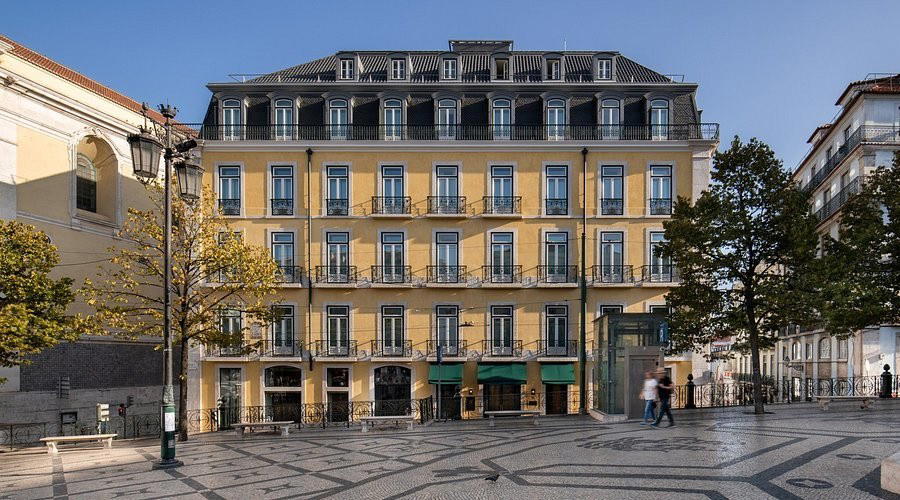
The restaurant is at Praça Dom Luís I 7, in the Cais do Sodré area of Lisbon, within direct reach of the city's riverfront and a short walk from several of the city's most-used metro and tram connections. The location makes it a natural anchor for an evening that begins or ends along the waterfront. Booking ahead is advisable, particularly for weekend evenings or larger groups. Those travelling more broadly in Portugal can also reference Antiqvvm in Porto, Casa de Chá da Boa Nova in Leça da Palmeira, Il Gallo d'Oro in Funchal, and Ocean in Porches for a sense of the country's fine dining range beyond the capital.
For those whose reference points include premier steakhouse formats elsewhere, the gap between Lisbon's meat-dining scene and the major international steakhouse cities remains real. The restaurant demonstrates the strength of its in-house aging program and multi-origin sourcing. Restaurants like 2Monkeys show how differently ambition can be expressed in a dining room. At the restaurant, the ambition is concentrated in the product and the fire.
What It’s Closest To
Comparable venues nearby, for context on price, style, and recognition.
| Venue | Cuisine | Price | Notes |
|---|---|---|---|
| Sala de CorteThis venue — the venue you are viewing | Premium Steakhouse | $$$$ | Not listed |
| Tavares | Classical French & Portuguese Fine Dining | $$$$ | Chiado |
| Il Gattopardo | Traditional Southern Italian | $$$$ | Campolide |
| Seen by Olivier | Contemporary Mediterranean-Japanese Fusion | $$$$ | Rato |
| JNcQUOI Asia | Pan-Asian Fusion | $$$$ | Rato |
| Barbela Companhia de Peixe e Marisco | Modern aged-seafood restaurant with Japanese influence | $$$ | Santos |
Recognition history
Dated appearances from independent guides and award organizations, with the underlying list record or original source where available.
Star Wine List
Star Wine List
World's Best Steaks 101 Best Steak Restaurants #81
World's Best Steaks
Continue exploring
More in Lisbon
Restaurants in Lisbon
Browse all →
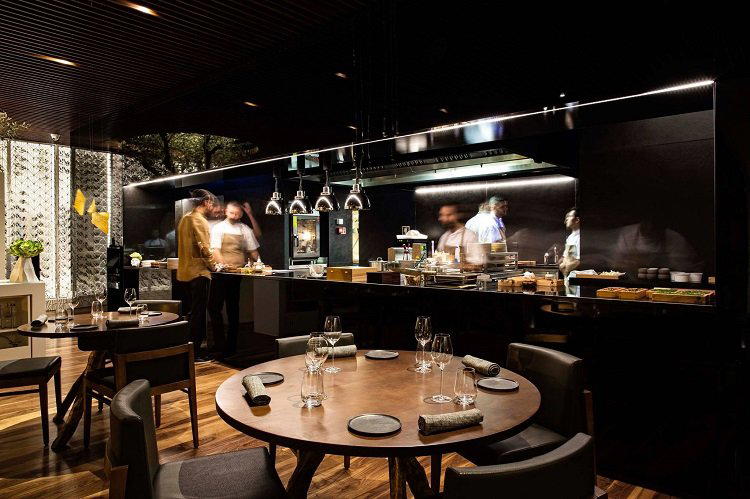
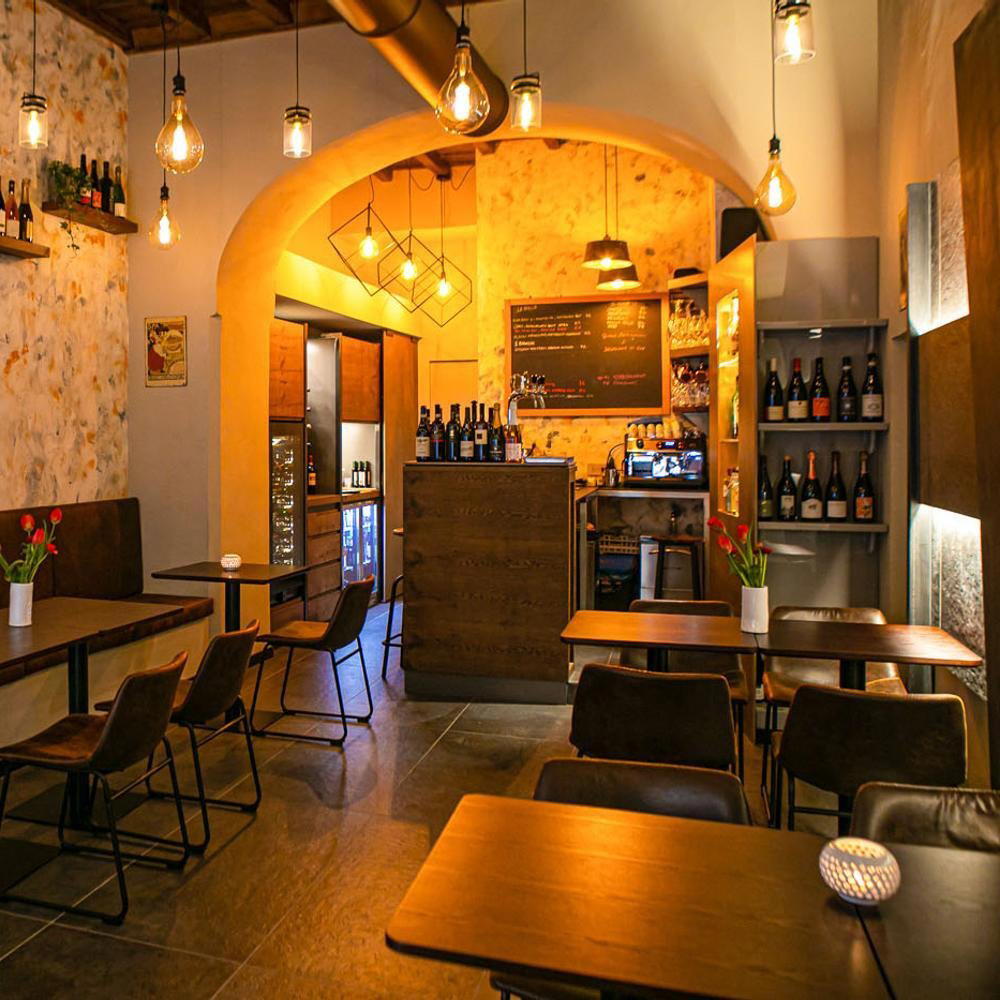
Bars in Lisbon
Browse all →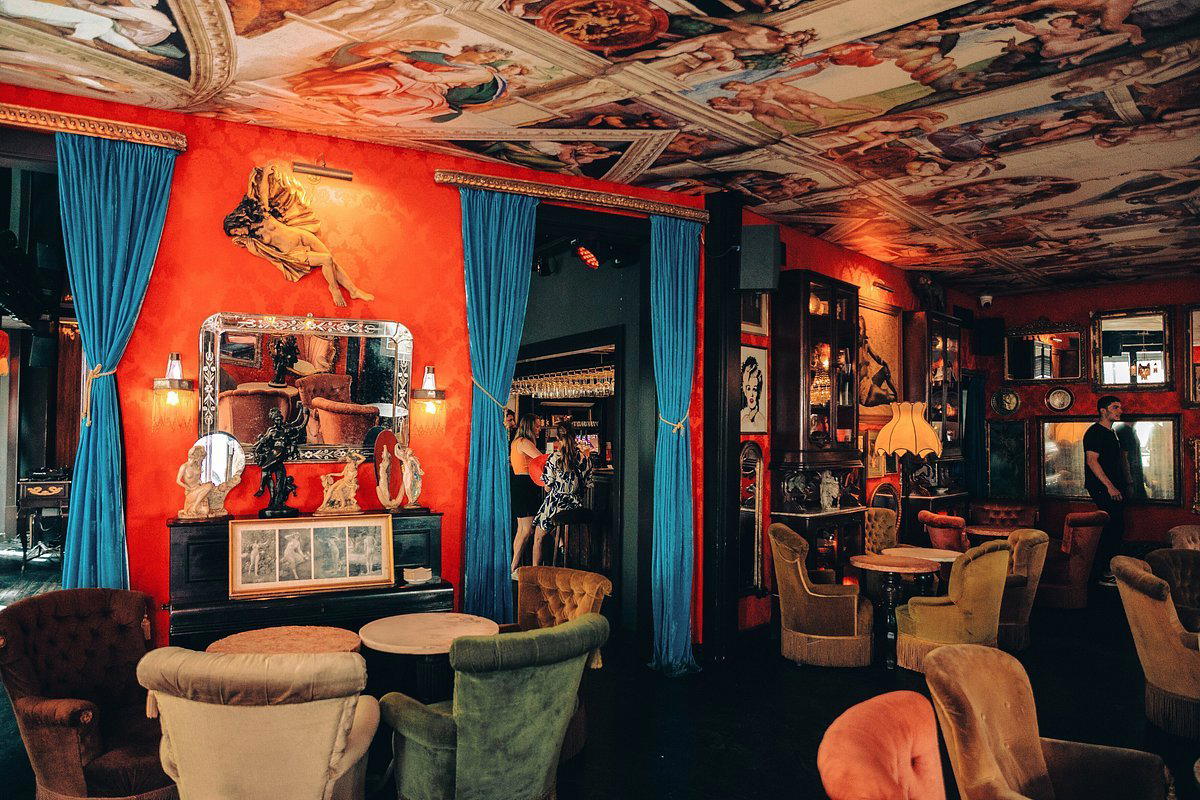
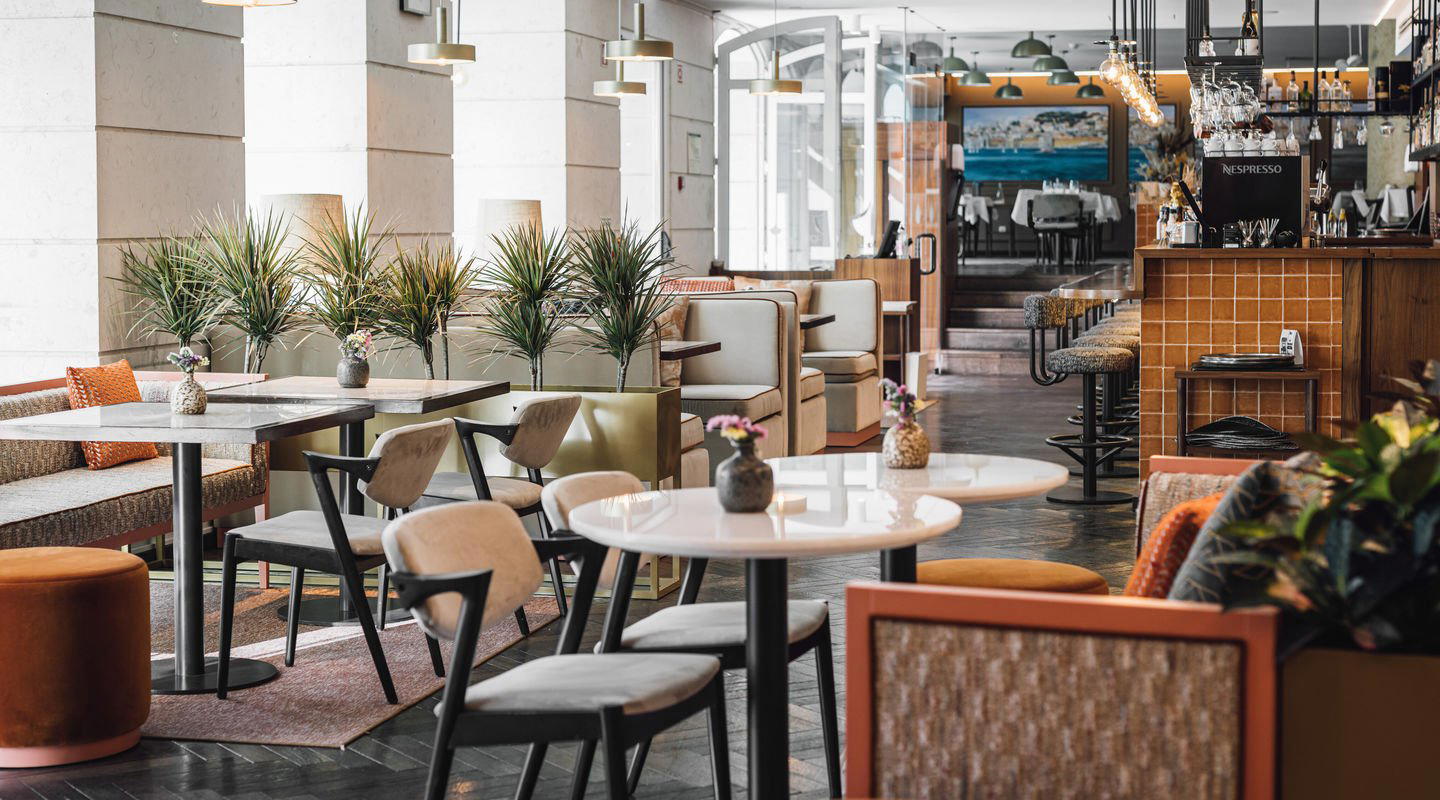
Hotels in Lisbon
Browse all →

At a Glance
- Elegant
- Modern
- Sophisticated
- Date Night
- Special Occasion
- Group Dining
- Open Kitchen
- Extensive Wine List
Current opening hours
- Monday
- 12–4 PM, 7 PM–12 AM
- Tuesday
- 12–4 PM, 7 PM–12 AM
- Wednesday
- 12–4 PM, 7 PM–12 AM
- Thursday
- 12–4 PM, 7 PM–1 AM
- Friday
- 12–4 PM, 7 PM–1 AM
- Saturday
- 12 PM–12 AM
- Sunday
- 12 PM–12 AM
Hours can change for holidays and private events. Last verified .
Stylish contemporary interior with open kitchen theatre, warm lighting, and comfortable seating creating an inviting atmosphere.