Sabor




Sabor puts Spain’s counter culture into a London room built around movement: ground-floor tapas, seafood and sherry energy below, with El Asador upstairs for Galician and Castilian cooking. Nieves Barragán’s restaurant carries a Michelin star, National Restaurant Awards Top 100 recognition in 2025, and a Spanish wine focus that makes the drinks list part of the education rather than an afterthought.
Pearl is the En Primeur Club membership app — saves, bookings, and concierge access live there. Same editors, same standards.
- Address
- 35-37 Heddon St, London W1B 4BR, United Kingdom
- Phone
- +44 20 3319 8130
- Website
- saborrestaurants.co.uk
- Directions
- Get directions
 Saves & bookings on Pearl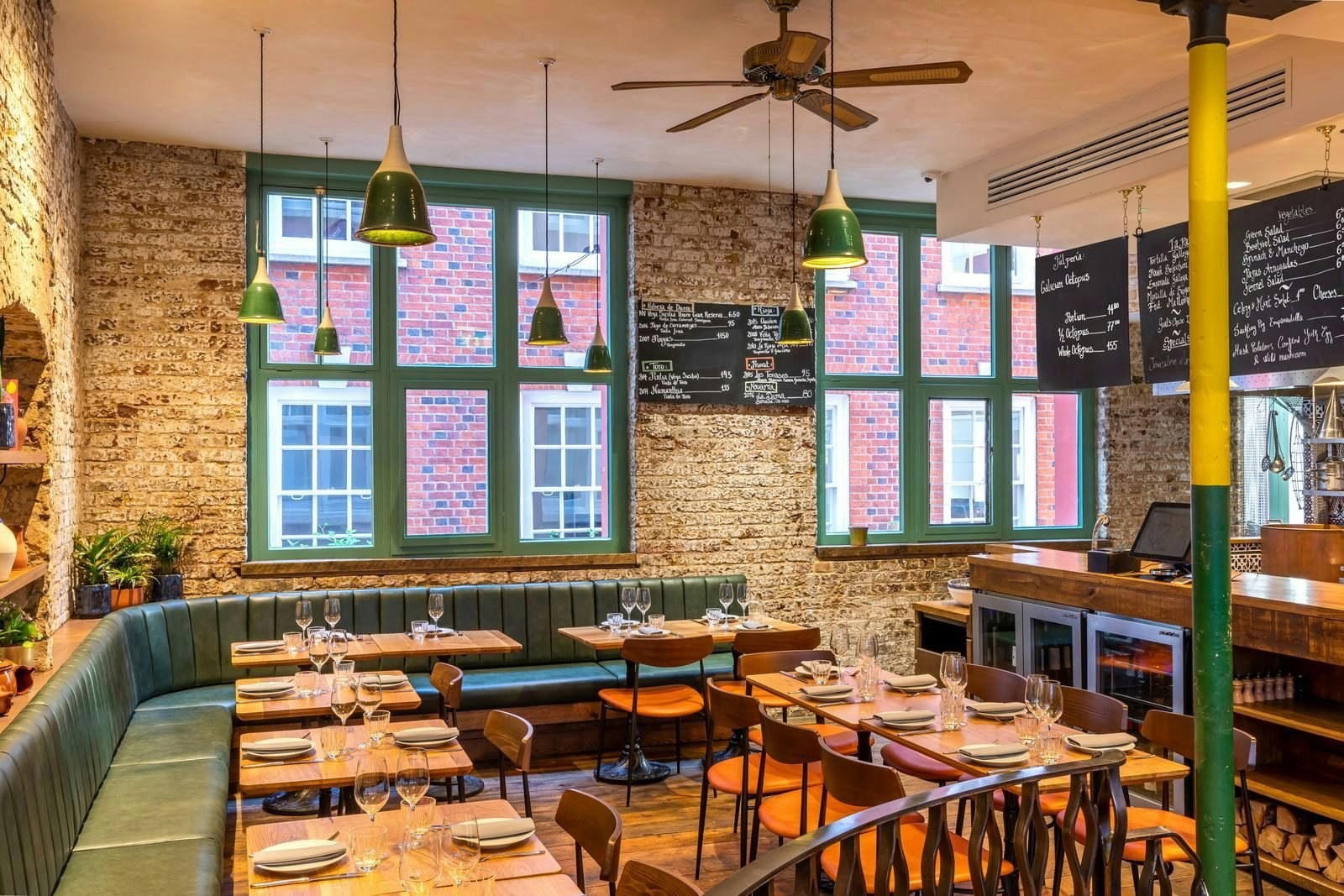
London has a particular dining energy: busy enough for a retail crush, yet intimate enough for restaurant doors and pavement queues to set the rhythm. Spanish small plates fit here. Tapas is not just a menu format; it is a social system of appetites arriving in waves, glasses topped up, and the table deciding the next round after the first, not before it.
London has had several versions of this Spanish moment. Barrafina helped normalise a more immediate style of serious dining, while José kept the bar-led, small-room model close to Spanish grazing. Sabor belongs to the same conversation but works at broader regional scale, moving from tapas culture into the cooking of Galicia, Castile, Andalucia and other Spanish traditions without turning dinner into a lecture.
Spanish small plates treated as rhythm, not decoration
The strongest Spanish restaurants in London understand pacing. A good tapas meal should not feel like a tasting menu broken into smaller dishes, or a table crowded with everything at once. It should move: something salty with the first drink, something grilled or fried as the room gathers speed, something more substantial if the evening stretches. That rhythm frames Sabor, where the meal rewards attention rather than over-planning.
The structure underlines it. The restaurant’s appeal lies in a dynamic way of presenting Spanish cooking, allowing the meal to shift pace without losing its social charge. That matters in London, where many Spanish restaurants compress the country into one all-day tapas list. Here, the format points to a wider argument: one meal can carry the easy energy of tapas while still drawing on the regional cooking traditions that Sabor takes from across Spain.
Nieves Barragán Mohacho’s name gives the project authority, alongside co-founder José Etura, but the richer story is what Sabor says about London’s appetite for Spanish food beyond clichés. The city’s better tapas rooms now compete on product, regional confidence and service tempo, not tiled nostalgia or holiday shorthand. Sabor’s Michelin star and National Restaurant Awards Top 100 listing in 2025 place it in the serious end of that bracket, while its founding in 2018 gives the restaurant a clear modern-London context.
London can make small plates feel interchangeable, but Spanish cooking has stronger internal logic when disciplined: tortilla, seafood, cured and grilled elements, sherry and Spanish wine all have roles. At Sabor, the Spanish frame is not a theme applied to a generic small-plates restaurant; it is the organising principle.
Why the counter matters in London's Spanish scene
The counter has become one of London’s great restaurant theatres, but Spanish-inflected dining differs from more reverential formats. The point is not silence; it is proximity, speed and appetite. Orders can be shaped by the table’s mood, plates arrive with momentum, and the room’s energy becomes part of the meal. Sabor fits a London lineage where informality and seriousness are not opposites.
Comparison helps. Barrafina is the obvious London reference for polished Spanish dining, while José sits closer to the compact tapas-bar model. Sabor’s difference is as much about range as style: the quick, social side of tapas remains present, while the cooking reaches into broader Spanish traditions. That duality makes it more than another place for croquetas and glasses of fino, without the solemnity of a formal dining room.
The format changes expectations. This is not simply a quick grazing stop, even if the structure allows a lighter meal. Value sits in produce quality, regional range and the choice between a shorter, looser meal and a more structured experience. In a city where Spanish food runs from casual bar snack to Michelin-recognised restaurant, Sabor occupies the point where looseness remains but the cooking must justify scrutiny.
For readers mapping London dining, it belongs beside restaurants that use format as an argument. Other London dining rooms make blackboards, wine lists, specialist menus or neighbourhood polish central to the experience. Sabor’s equivalent argument is that tapas can stay social, flexible and loud enough for pleasure while operating at award-recognised level.
How to read the meal: bar appetite, regional cooking, serious recognition
The practical decision is less about what Spanish food means than which evening is wanted. Some diners will lean into the spontaneous rhythm of small plates and let the meal build in stages. Others may want regional breadth and a steadier structure. That distinction is useful in London, where booking expectations and lively Spanish dining can create different experiences within the same restaurant.
The recognition gives context, but should not flatten the mood. A Michelin star can make casual formats stiffen under expectation. Spanish tapas suffers when too polished, because the tradition depends on interruption, appetite and noise. Sabor matters because London diners accept Spanish food as serious cooking without asking it to behave like a formal tasting-menu room.
It also works for visitors using the city as part of a wider UK dining trip. London’s Spanish scene is one thread in a national map that includes tasting-menu projects, regional restaurants and more casual specialist rooms across the country. Within that spread, Sabor’s role is specific: a London argument for Spanish regional cooking at a high-recognition level, not a generic capital-city crowd-pleaser.
Internationally, the comparison is instructive. Spanish restaurants outside Spain adapt tapas to their cities’ appetite and pace, whether through bar-led rooms, counter dining or more polished urban restaurants. London’s version prizes immediacy, tight rooms and visible cooking. Sabor adds regional breadth to that urban habit.
For a wider stay, Sabor sits naturally within a London dining itinerary rather than as an isolated destination. Use our full London restaurants guide for nearby tables across styles, then pair the meal with our full London bars guide if the night includes drinks before or after. Travellers shaping the whole trip can cross-reference our full London hotels guide, our full London experiences guide and our full London wineries guide for the rest of the city’s hospitality map.
Awards and Standing
Comparable venues by cuisine and price in the same metro.
| Venue | Cuisine | Price | Awards | Notes |
|---|---|---|---|---|
| SaborThis venue — the venue you are viewing | Spanish Tapas | $$$ | Michelin 1 Star | Not listed |
| Trinity | Modern British Fine Dining | $$$ | Michelin 1 Star | Clapham |
| 1890 by Gordon Ramsay | Modern French Fine Dining | $$$$ | Michelin 1 Star | Strand |
| OMA | Modern Greek | $$$ | Michelin 1 Star | Borough |
| Portland | Modern British Fine Dining | $$$ | Michelin 1 Star | Marylebone |
| Dorian | Modern British Bistro | $$$ | Michelin 1 Star | Notting Hill |
Recognition history
Dated appearances from independent guides and award organizations, with the underlying list record or original source where available.
Michelin 1 Star
Michelin
National Restaurant Awards Top 100 #53 · No. 53
National Restaurant Awards · 2026 National Restaurant Awards Top 100
Opinionated About Dining Casual in Europe Ranked #148
Opinionated About Dining
Star Wine List
Star Wine List
Michelin 1 Star
Michelin
National Restaurant Awards Top 100 #29
National Restaurant Awards
Opinionated About Dining Casual in Europe Ranked #106
Opinionated About Dining
The Good Food Guide GFG Very Good
The Good Food Guide
Michelin 1 Star
Michelin
Opinionated About Dining Casual in Europe Ranked #148
Opinionated About Dining
Opinionated About Dining Casual in Europe Highly Recommended
Opinionated About Dining
Continue exploring
More in London
Restaurants in London
Browse all →
Bars in London
Browse all →
Hotels in London
Browse all →

At a Glance
- Lively
- Energetic
- Elegant
- Well Known
- Date Night
- Group Dining
- Special Occasion
- Celebration
- Open Kitchen
- Chefs Counter
- Extensive Wine List
- Craft Cocktails
- Sommelier Led
- Local Sourcing
- Sustainable Seafood
Current opening hours
- Monday
- 5:30–10:30 PM
- Tuesday
- 12–2:30 PM, 5:30–10:30 PM
- Wednesday
- 12–2:30 PM, 5:30–10:30 PM
- Thursday
- 12–2:30 PM, 5:30–10:30 PM
- Friday
- 12–2:30 PM, 5:30–10:30 PM
- Saturday
- 12–2:30 PM, 5:30–10:30 PM
- Sunday
- Closed
Hours can change for holidays and private events. Last verified .
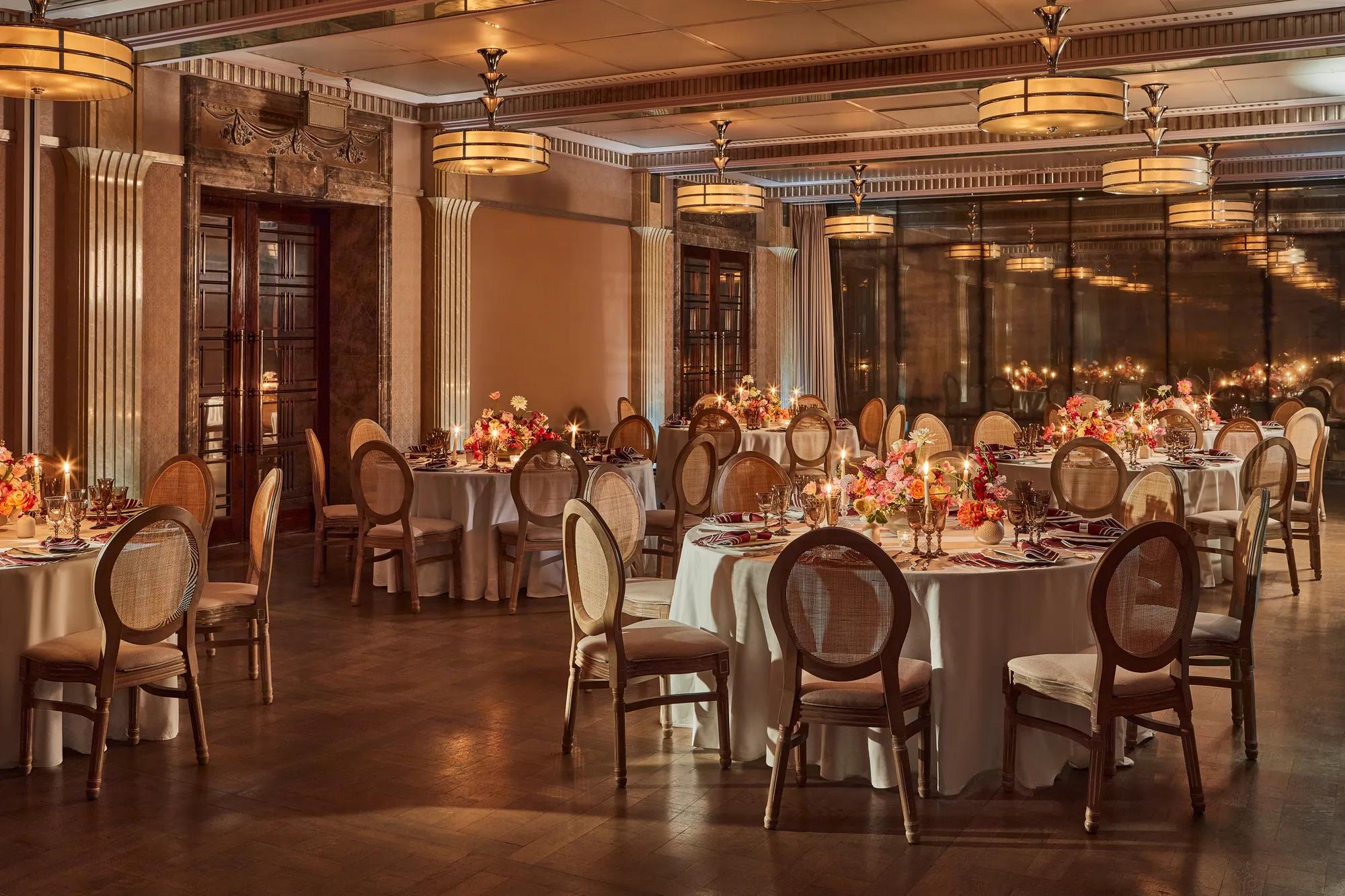
Lively and busy atmosphere with an open kitchen visible from counter seating; upstairs dining is more intimate but still energetic. Warm lighting and authentic Spanish tapas bar aesthetic transported from a Madrid backstreet.