Sabor Colombiano
On South Union Avenue in the Westlake district, Sabor Colombiano represents a strand of Los Angeles dining that sits well outside the tasting-menu circuit occupied by the city's Michelin-decorated rooms. Where Colombian cuisine remains underrepresented in a city that has enthusiastically absorbed nearly every other Latin American tradition, this address functions as a practical reference point for the community it serves and the curious diners who find their way to it.
Pearl is the En Primeur Club membership app — saves, bookings, and concierge access live there. Same editors, same standards.
- Address
- 847 S Union Ave, Los Angeles, CA 90017
- Phone
- +12133880150
- Website
- saborcolombianola.com
- Directions
- Get directions
 Saves & bookings on Pearl
Where Colombian Cooking Sits in Los Angeles
Los Angeles has absorbed Mexican, Salvadoran, Peruvian, and Guatemalan cuisines into its mainstream dining conversation with considerable depth, yet Colombian food occupies a narrower lane. The city's Colombian population is concentrated largely in the Westlake and Koreatown corridors west of downtown, and the restaurants that serve that community tend to operate without the press infrastructure that propels other immigrant cuisines into broader visibility. Sabor Colombiano, at 847 S Union Avenue in the 90017 zip code, sits inside that pattern: a neighborhood-anchored Colombian address in a part of the city that dining coverage has historically passed over in favor of the dining rooms further west or the chef-driven rooms of downtown proper.
To understand why that gap exists, it helps to consider the competitive dynamics of Los Angeles at the upper end. Rooms like Kato, with its New Taiwanese tasting format, or Hayato, operating a Japanese kaiseki counter in the Arts District, attract the editorial attention that comes with Michelin recognition and prix-fixe price points. Somni and Providence occupy the molecular and contemporary seafood tiers respectively. Osteria Mozza holds the Italian anchor position it has maintained for years. None of these are the category Sabor Colombiano competes in, and that distinction matters: community-serving immigrant restaurants operate on different metrics entirely, where consistency of preparation, pricing accessibility, and cultural authenticity carry more weight than tasting menu architecture or sommeliers.
Colombian Cuisine and What Defines It
Colombian cooking is regional in ways that casual observers rarely appreciate. The cuisine of Bogotá's highlands centers on ajiaco, a potato and chicken soup built around three distinct potato varieties that dissolve at different rates to create a layered texture. The coastal Caribbean tradition runs toward fried fish, coconut rice, and ceviches quite different from their Peruvian counterparts. The paisa tradition of Antioquia, centered on Medellín, produces the bandeja paisa: a composed plate of red beans, rice, ground beef, chicharrón, fried egg, plantain, and arepa that functions simultaneously as a cultural statement and a caloric argument for afternoon rest.
These dishes are not, by design, configured around contemporary ideas of restraint or sourcing transparency in the way that, say, Blue Hill at Stone Barns in Tarrytown or Single Thread Farm in Healdsburg have built their identities. Nor do they chase the sourcing-forward frameworks that Lazy Bear in San Francisco or Bacchanalia in Atlanta have made central to their propositions. The sustainability conversation in Colombian immigrant restaurants tends to manifest differently: through whole-animal approaches embedded in tradition rather than flagged as policy, through minimal food waste driven by economic practicality, and through sourcing from within the local Latin wholesale markets that supply ingredients difficult to source through conventional restaurant supply chains.
Sustainability as Practice, Not Marketing
The sustainability story at community-anchored restaurants like Sabor Colombiano is worth examining precisely because it operates without the vocabulary that fine-dining rooms deploy. When The French Laundry in Napa or Addison in San Diego communicate sourcing philosophies, they do so through menus, press releases, and chef interviews. The same underlying practices at a neighborhood Colombian kitchen in Westlake are structural rather than promotional: plantains used across multiple preparations to eliminate waste, slow-cooked cuts that transform inexpensive secondary proteins into the foundations of the menu, and bean-forward dishes that carry nutritional density at a fraction of the resource cost of protein-heavy plates.
This is not a new phenomenon specific to Colombian restaurants. Across the country, the kitchens operating in immigrant communities have long practiced what the fine-dining world now labels as sustainability, because those practices were economically necessary before they became philosophically fashionable. The difference is documentation. Le Bernardin in New York City receives coverage for its sourcing commitments. Emeril's in New Orleans built a public identity around Gulf sourcing. Alinea in Chicago and Atomix in New York communicate their ingredient relationships through the tasting menu format itself. Community restaurants in Westlake do not have that platform, which is partly why they remain outside the mainstream dining conversation despite practicing many of the same principles.
The Westlake Context
South Union Avenue sits in a dense residential and commercial corridor between downtown Los Angeles and Koreatown. The neighborhood draws little of the dining tourism that moves through Silver Lake, Los Feliz, or the Arts District, and the restaurant blocks here are oriented almost entirely toward the working population of the area rather than destination diners. This is, in some respects, a more honest restaurant environment than the designed-for-Instagram corridors that attract coverage. Foot traffic is driven by habit and community need rather than by algorithm or press cycle.
For visiting diners, this has practical implications. The assumptions that apply to reservations, service cadence, and menu presentation at rooms like The Inn at Little Washington or 8 1/2 Otto e Mezzo Bombana in Hong Kong do not transfer to this context. This is a category where showing up and ordering directly from the menu is the operating model. The value, for a traveler using our full Los Angeles restaurants guide, lies in encountering a cuisine and a neighborhood that sit outside the curated dining corridors that most visiting diners trace.
Planning a Visit
The address at 847 S Union Avenue, Los Angeles, CA 90017 is easy to reach by rideshare from downtown or Koreatown. Visitors approaching from the fine-dining tier of Los Angeles dining should calibrate expectations accordingly: this is neighborhood Colombian cooking, not a tasting menu room.
Quick reference: 847 S Union Ave, Los Angeles, CA 90017. Reservations are recommended. Price tier is moderate.
The Short List
Comparable venues nearby, for context on price, style, and recognition.
| Venue | Cuisine | Price | Notes |
|---|---|---|---|
| Sabor ColombianoThis venue — the venue you are viewing | Westlake, Authentic Colombian | $$ | Not listed |
| Men & Beasts | Echo Park, Modern Plant-Based Chinese | $$ | Not listed |
| 어원 Awon | Not listed | $$ | Koreatown, Korean-Style Japanese Sushi & Sashimi |
| Sushi Go 55 | Little Tokyo, Traditional Japanese Sushi | $$ | Not listed |
| Ggiata Delicatessen | Not listed | $$ | Hollywood Studio District, Italian Deli Sandwiches |
Continue exploring
More in Los Angeles
Restaurants in Los Angeles
Browse all →
Bars in Los Angeles
Browse all →
Hotels in Los Angeles
Browse all →

Wineries in Los Angeles
Browse all →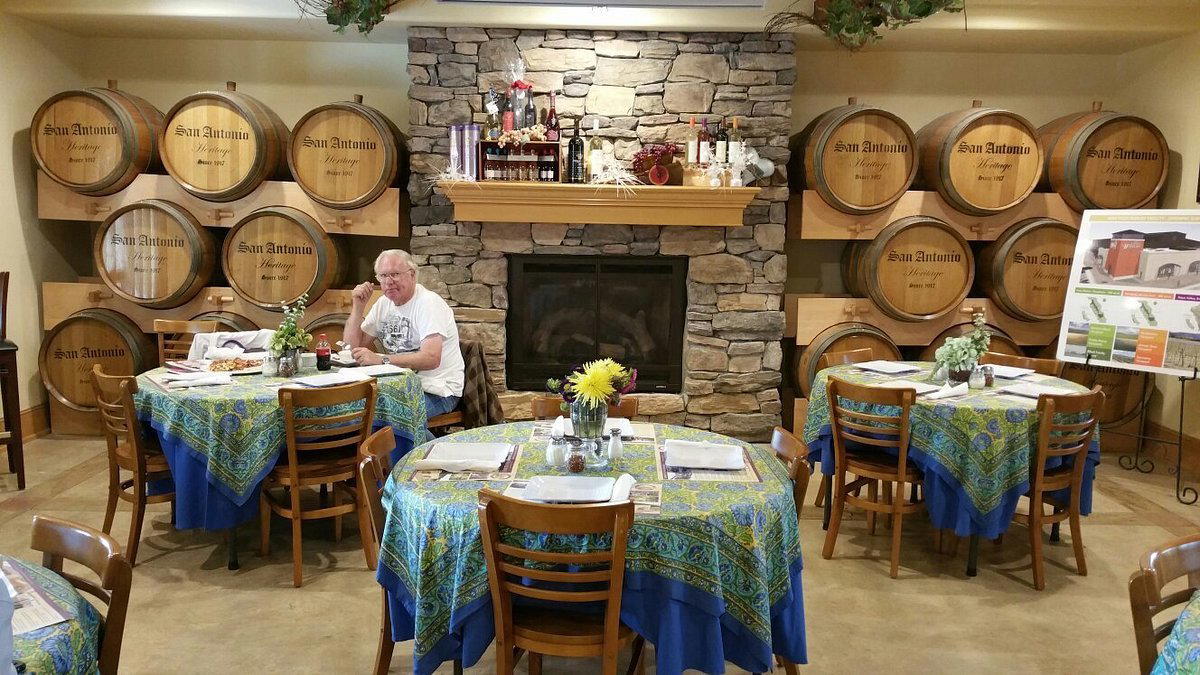
At a Glance
- Cozy
- Lively
- Family
- Casual Hangout
- Live Music
- Beer Program
Current opening hours
- Monday
- 10 AM–8 PM
- Tuesday
- 10 AM–8 PM
- Wednesday
- 10 AM–8 PM
- Thursday
- 10 AM–8 PM
- Friday
- 10 AM–8 PM
- Saturday
- 10 AM–9 PM
- Sunday
- 9 AM–9 PM
Hours can change for holidays and private events. Last verified .
Cozy and casual with colorful decor, live music on evenings, and an welcoming atmosphere that transports guests to Colombia.