S S Dion
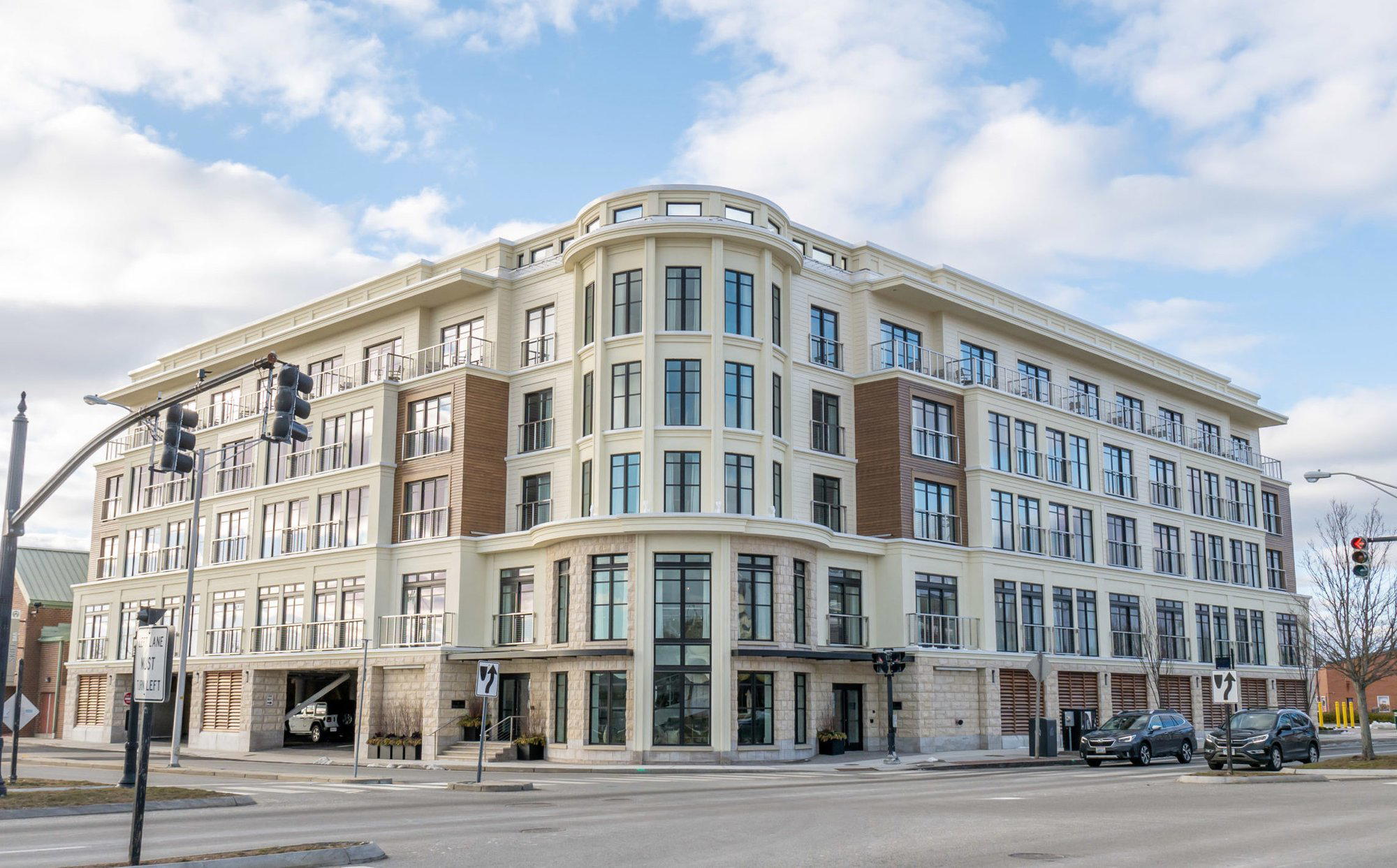
S S Dion occupies a Thames Street address in Bristol, Rhode Island, a waterfront corridor where New England coastal tradition and more technically ambitious cooking increasingly share the same block. The venue sits within a dining scene that has grown more ingredient-driven over the past decade, with the town's proximity to Narragansett Bay fisheries and local farm networks shaping what serious kitchens in the area are able to put on the plate.
Pearl is the En Primeur Club membership app — saves, bookings, and concierge access live there. Same editors, same standards.
- Address
- 520 Thames St, Bristol, RI 02809
- Phone
- +14012532884
- Website
- ssdion.com
- Directions
- Get directions
 Saves & bookings on Pearl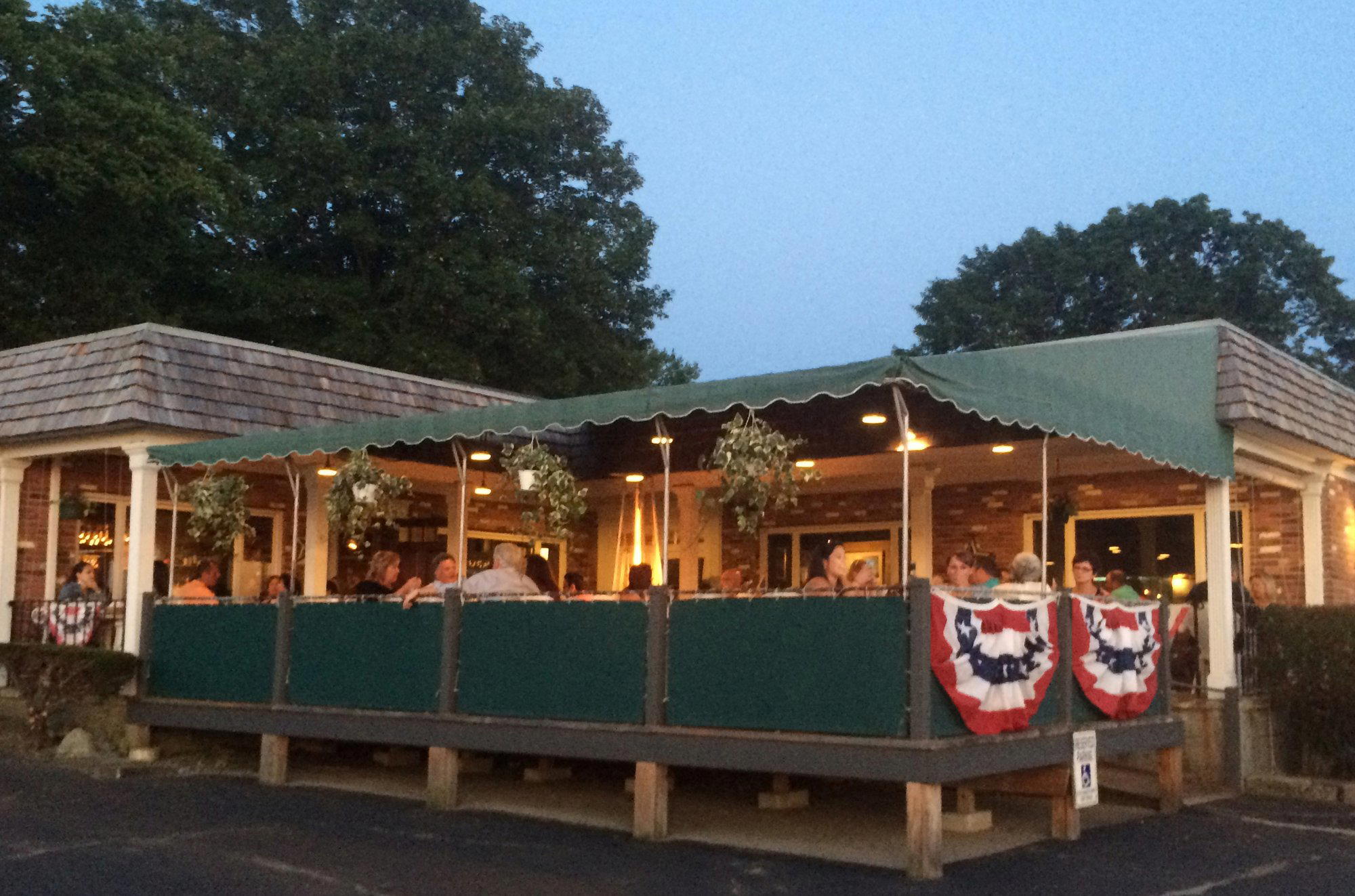
Thames Street and the Cooking That Happens at the Water's Edge
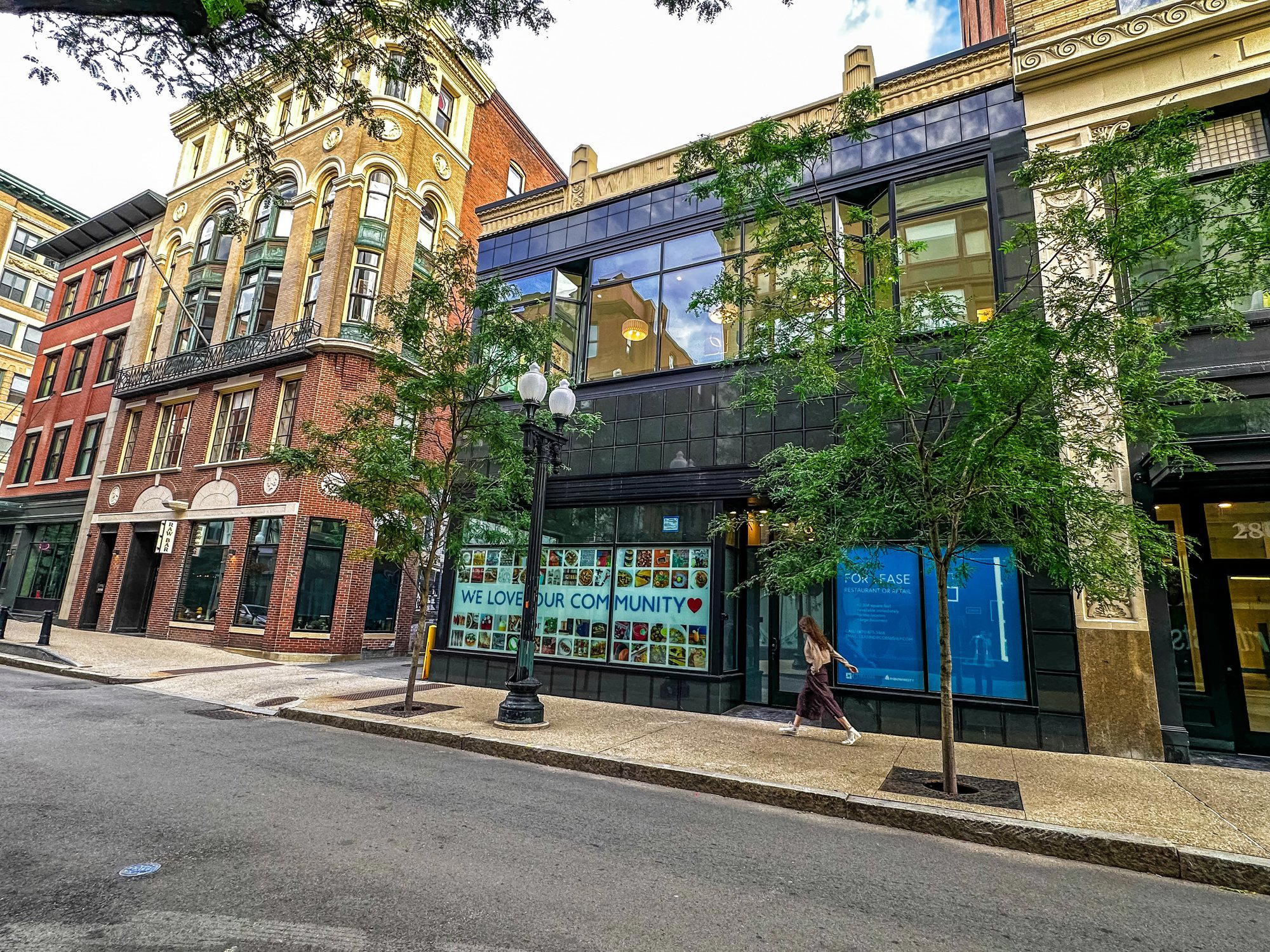
Bristol, Rhode Island is a small town that tends to get overlooked in conversations about serious American dining, which is partly what makes its waterfront strip worth attention. Thames Street runs along the eastern shore of Narragansett Bay, and the buildings that line it carry the architectural confidence of a town that was once a significant maritime hub. Arriving on foot from the harbor end, you move through a corridor where restored Federal-period facades alternate with more relaxed storefronts, the water visible at the cross streets, the smell of brine present even in the cooler months. It is the kind of setting that tells you something about what the cooking here should be doing: working with what the geography hands it.
S S Dion sits at 520 Thames Street within that context. The address places it in the denser, more commercial section of the strip, where the foot traffic is higher and the expectations of a dining room are shaped by the mix of locals and visitors who move through Bristol's small but increasingly deliberate food scene. Rhode Island as a state has a coastal-ingredient story to tell that remains underexplored relative to the attention paid to Boston or Providence, and venues on Thames Street occupy an interesting position: close enough to serious regional supply chains to work with genuinely local product, but operating in a market where the dining room volume rarely supports the kind of formal tasting-menu infrastructure you find at, say, Providence in Los Angeles or Single Thread Farm in Healdsburg.
Local Product, Applied Technique
The broader editorial question in New England coastal dining right now is whether the region's ingredient advantages are being matched by technical ambition. In larger American cities, the conversation has moved firmly toward kitchens that combine serious sourcing with imported or classically grounded method: Le Bernardin in New York City remains the reference point for what disciplined French technique does to Atlantic seafood, while Blue Hill at Stone Barns in Tarrytown established a model for hyper-local agriculture meeting rigorous kitchen craft. Rhode Island sits in a geography that could support that conversation at a smaller scale, given the bay's output of quahogs, striped bass, and winter flounder, and the farm networks in the state's interior that supply heritage vegetables and smaller producers.
Across Bristol's dining corridor, the more ambitious venues have been moving in this direction over the past several years. The pattern mirrors what has happened in comparable waterfront towns along the Northeast coast: a first wave of casual seafood houses gives way to a second generation of kitchens more interested in what technique can do with the same raw material. In Bristol specifically, the scale of the market keeps most operations in a mid-format range, closer in scope to Bank or Bianchis in terms of accessibility, rather than the formal architecture of a French Laundry in Napa or Alinea in Chicago.
Where S S Dion Fits in the Bristol Tier
Bristol does not have a deep bench of venues with formal award recognition or the kind of critical documentation that follows kitchens in Providence or Newport. That is a function of market size rather than culinary ceiling, and it creates an environment where a venue's position in the local hierarchy depends more on consistent sourcing, cooking quality, and repeat-customer loyalty than on external accolades. In that context, a Thames Street address carries its own form of weight: the street functions as the town's primary dining axis, and venues there are visible to the full range of Bristol's dining traffic through the warmer months.
For comparison with venues that have more documented critical footprints in the broader American dining conversation, the trajectory toward locally grounded cooking with imported technique is well established. Emeril's in New Orleans helped codify the regional-ingredient, classical-technique model for American fine dining in an earlier era. More recent iterations of the format appear at Lazy Bear in San Francisco, where the communal-format tasting menu draws on Northern California product through a lens of deliberate technique, and at Atomix in New York City, where Korean culinary tradition meets high-precision kitchen method. The editorial point those venues establish is that the local-ingredient, global-technique pairing is not a niche position but the current competitive standard for serious American dining. Venues in smaller markets like Bristol are increasingly measured against that benchmark, even when operating at a fraction of the scale.
Within Bristol itself, the comparison set is instructive. The town's dining corridor skews toward accessible price points and casual formats, which makes any venue operating at a more deliberate level relatively visible. Our full Bristol restaurants guide maps the current field in more detail. For a sense of what the modern British equivalent of this ingredient-focused approach looks like at a higher technical level, Bulrush and Adelina Yard in Bristol, UK offer a useful cross-reference, though the two Bristols operate in entirely different market contexts.
Seasonal Timing and the Bay Calendar
Rhode Island's coastal dining is most compelling between late May and October, when the bay's output is at its peak and the Thames Street corridor operates at full capacity. The striped bass season runs through summer into early fall, quahog supply is consistent through the warmer months, and the state's farm networks are most productive in the July-to-September window. Visitors planning around the ingredient calendar should weight their timing toward that stretch. The shoulder months of April, May, and October offer a quieter version of the same geography, with smaller crowds on Thames Street and the same underlying supply chains. Winter on Bristol's waterfront is austere in a way that suits some visitors and deters others; the restaurant scene contracts, and the venues that remain open are typically the ones with the most established local following.
From a logistics standpoint, Bristol sits roughly 45 minutes south of Providence by car, and the town's compact layout means Thames Street is walkable from the main visitor parking areas near the harbor. The Inn at Little Washington and Addison in San Diego represent the kind of destination-dining logic that brings visitors specifically for the meal; Bristol operates differently, drawing visitors through a combination of the town's historical character, the bay, and the dining strip as a collective experience rather than a single-venue draw. That context shapes what a visit to S S Dion or any Thames Street venue actually looks like in practice: it is part of a half-day or full-day engagement with the town, not an isolated dining pilgrimage.
For reference points beyond the American context, 8 1/2 Otto e Mezzo Bombana in Hong Kong illustrates what imported European technique looks like operating on local and regional Asian product at the highest price tier, a useful frame for thinking about how the same tension between method and material plays out across different geographies and scales. 1 York Place in Bristol, UK offers another point of comparison for European-influenced cooking in a mid-sized city context.
Planning a Visit
Thames Street is accessible on foot from central Bristol, and the strip's density means that pre-visit confirmation of hours is advisable, particularly outside the peak summer season when some venues operate reduced schedules.


At a Glance
- Romantic
- Scenic
- Cozy
- Elegant
- Date Night
- Group Dining
- Special Occasion
- Waterfront
- Terrace
- Panoramic View
- Local Sourcing
- Sustainable Seafood
- Waterfront
Current opening hours
- Monday
- Closed
- Tuesday
- 4–9 PM
- Wednesday
- 4–9 PM
- Thursday
- 4–9 PM
- Friday
- 4–10 PM
- Saturday
- 4–10 PM
- Sunday
- Closed
Hours can change for holidays and private events. Last verified .
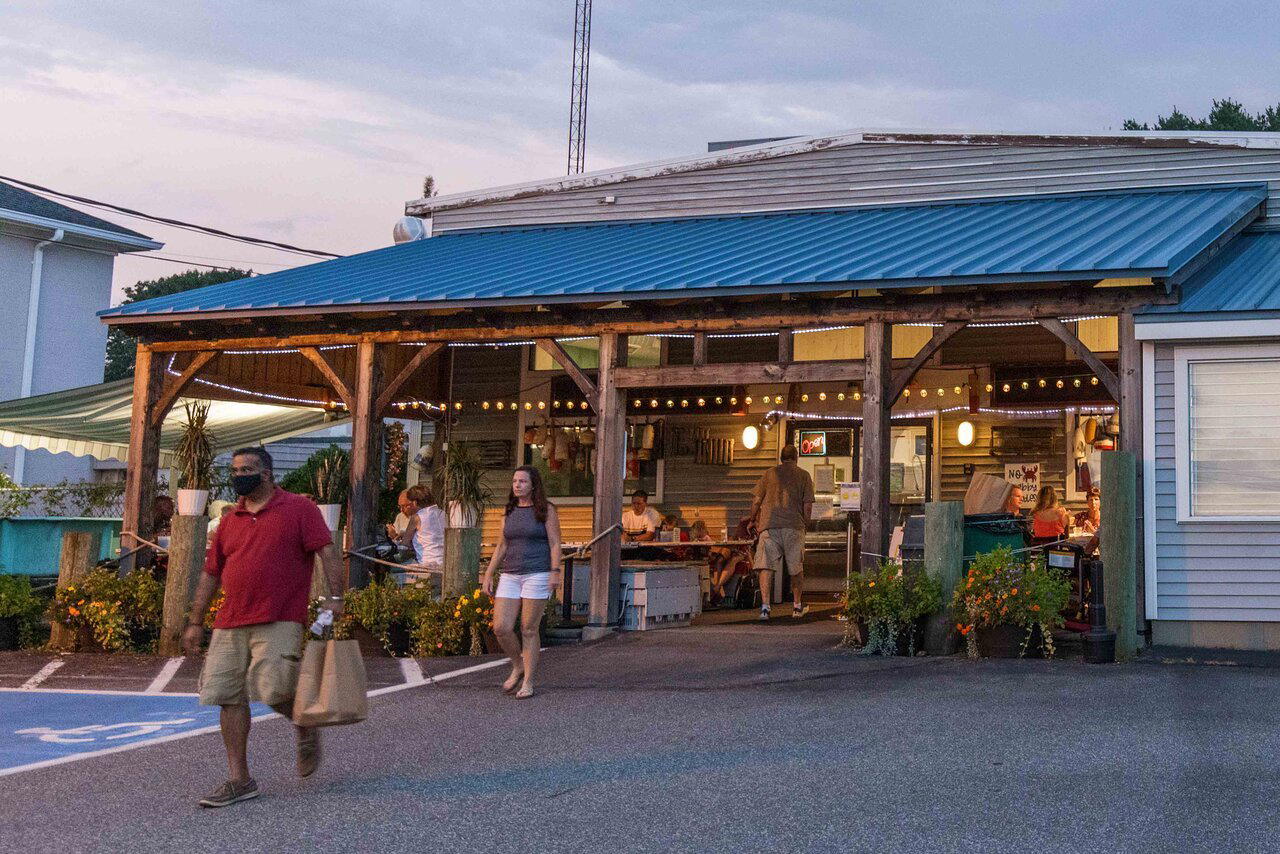
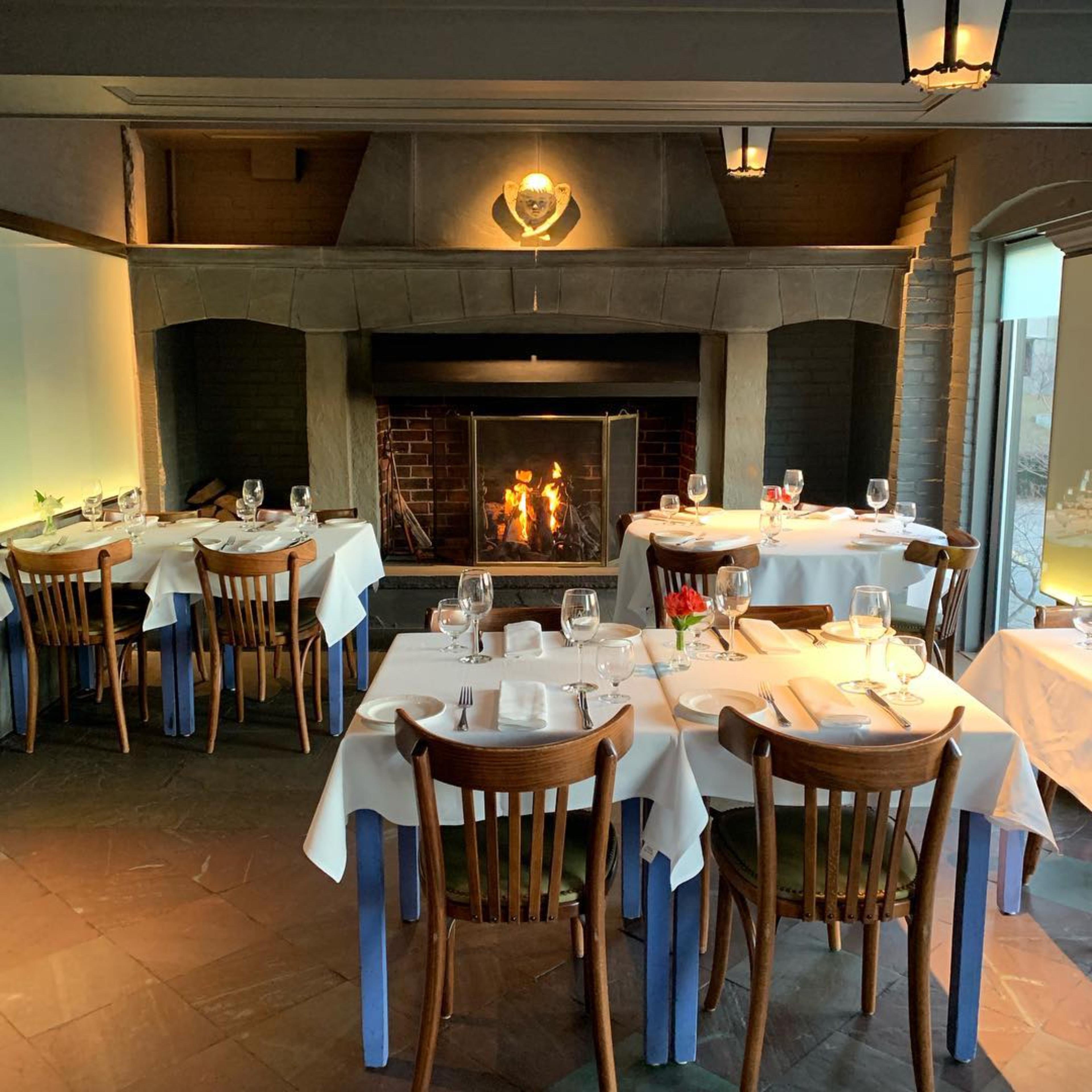
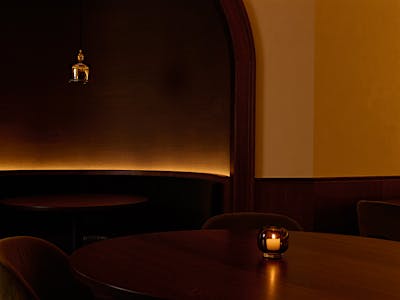
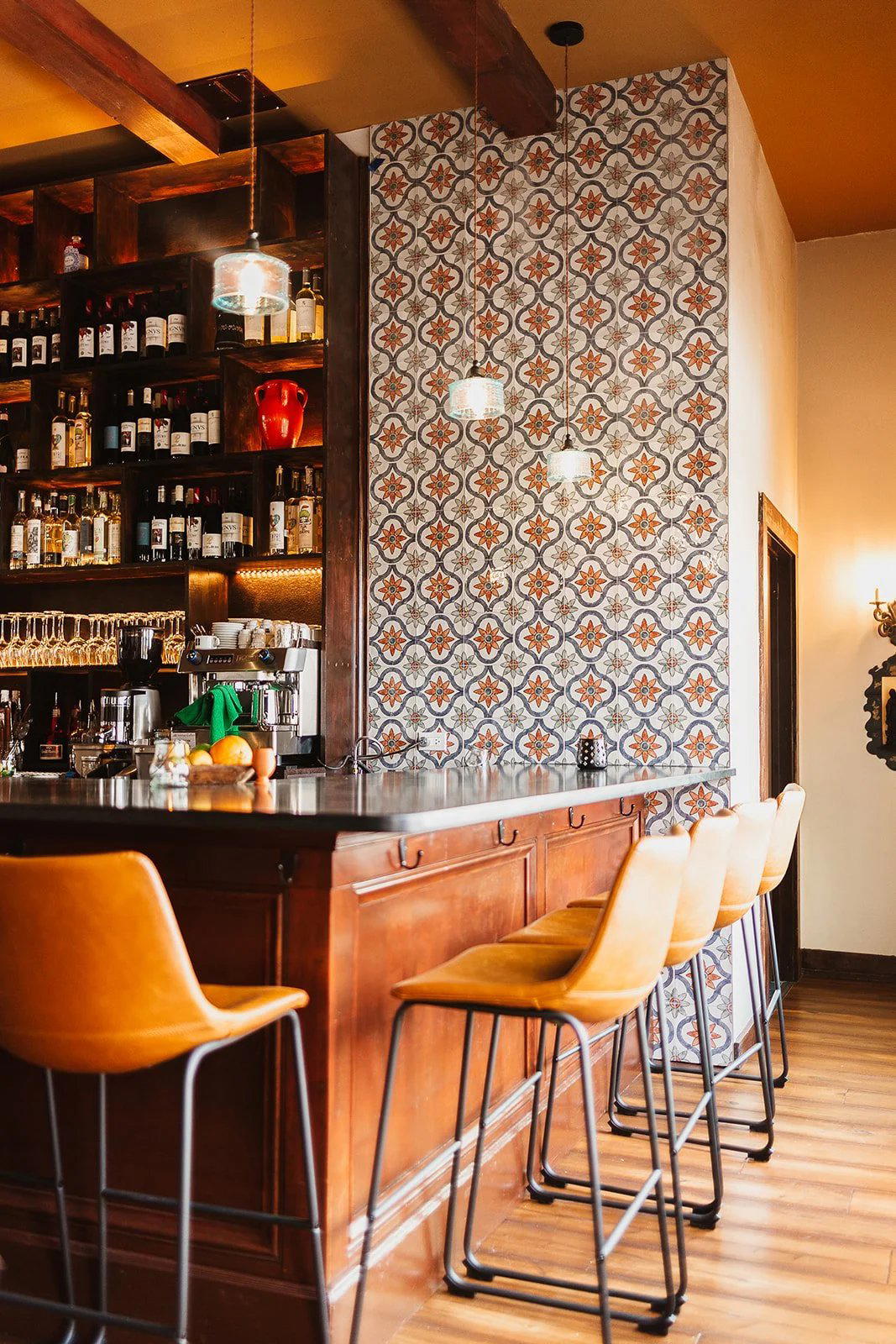
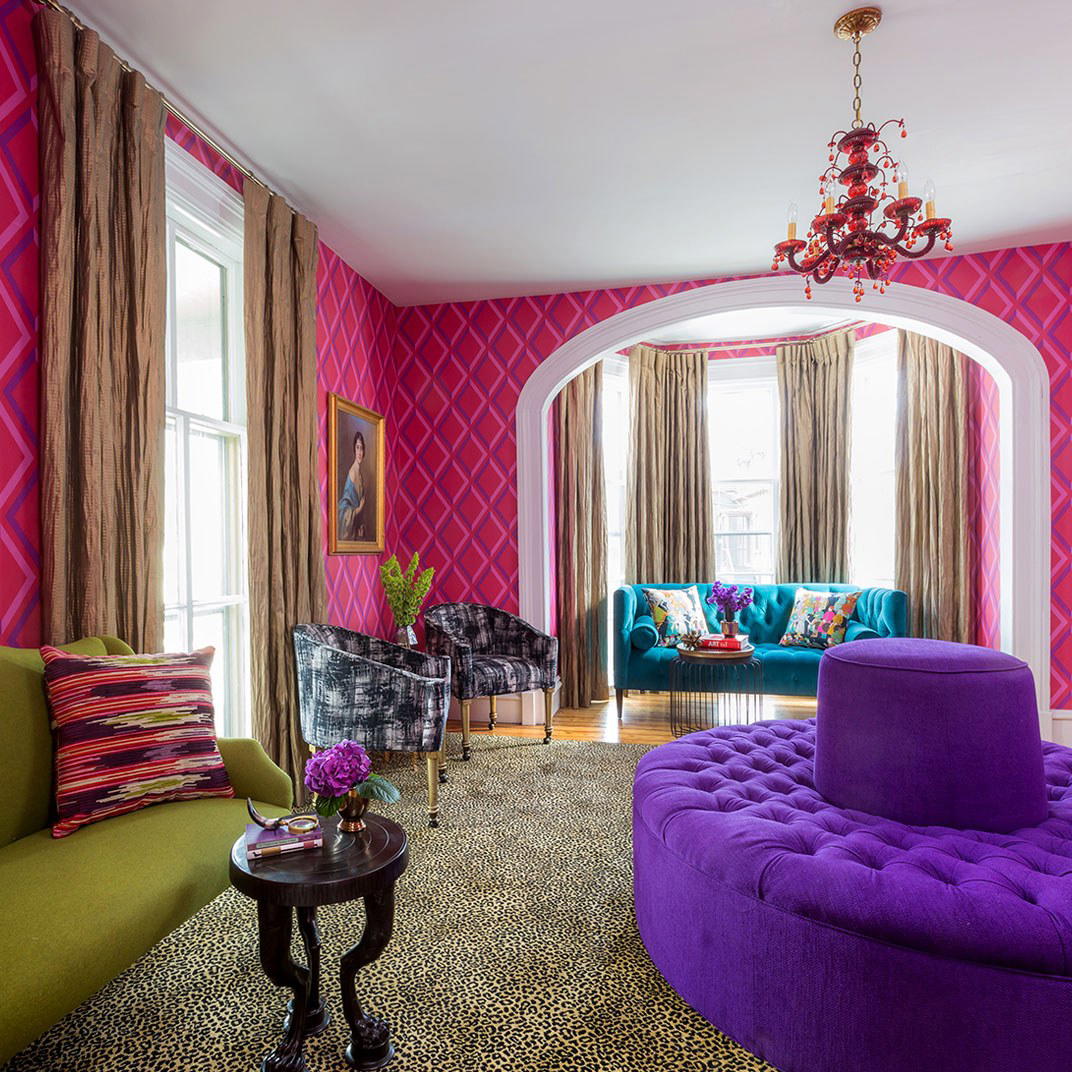
Warm and cozy with waterfront views, newly renovated space with natural lighting enhanced by harbor vistas and sunset ambiance.
Know Before You Go
- Getting there
- 520 Thames St, Bristol, RI 02809