Situated along Silvertip Trail in Canmore, Rustica occupies a position within the town's growing fine-casual dining conversation, where mountain setting and menu architecture intersect. The address places it above the valley floor, framing the dining experience against the peaks of the Front Ranges. For visitors already exploring Canmore's restaurant scene, it belongs on the same itinerary as the town's more established names.
Pearl is the En Primeur Club membership app — saves, bookings, and concierge access live there. Same editors, same standards.
- Address
- 2000 Silvertip Trail, Canmore, AB T1W 3J4, Canada
- Phone
- +14036096701
- Website
- silvertipresort.com
- Directions
- Get directions
 Saves & bookings on Pearl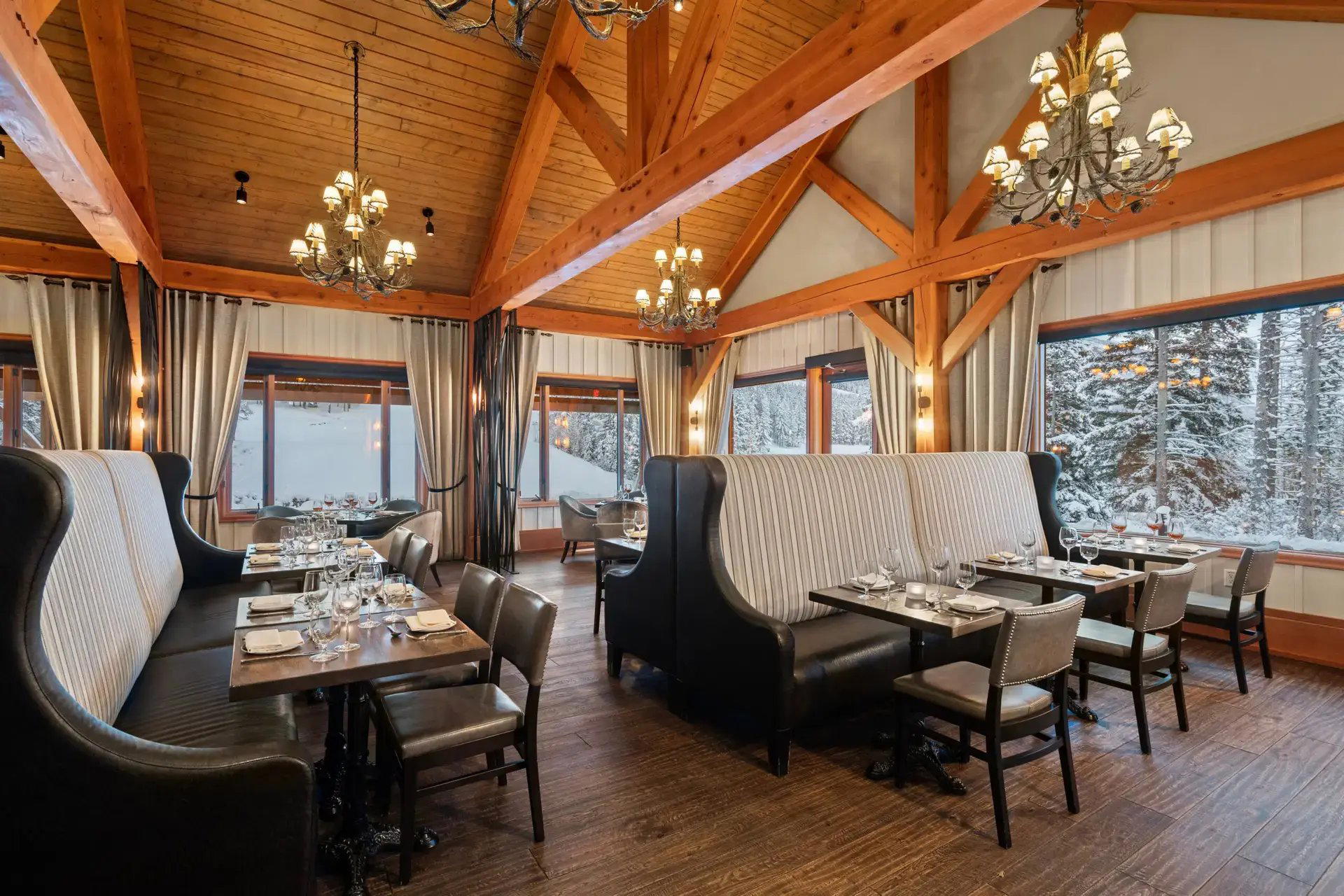
Dining Above the Valley Floor
Rustica is an Italian steakhouse in Canmore, Alberta, with a price point of about $120 per person. Canmore's restaurant scene has developed along two distinct tracks over the past decade. One runs toward the approachable and informal, feeding the town's year-round outdoor tourism. The other reaches for something more considered, where the setting is not incidental but structural to the experience. Rustica, at 2000 Silvertip Trail, sits closer to that second track. The address alone signals intent: Silvertip sits above the valley, and the approach through the residential edges of the development orients you away from the busy commercial strip of Main Street before you arrive. That physical remove from the town centre is not accidental. Restaurants that choose refined or peripheral addresses in mountain towns are typically counting on the journey to do some of the framing work before a guest crosses the threshold.
In Canmore's dining scene, that positioning matters. Rustica's positioning on Silvertip Trail places it in a different spatial and atmospheric tier from both, one defined more by the approach and the address than by volume or visibility.
How the Menu Is Built
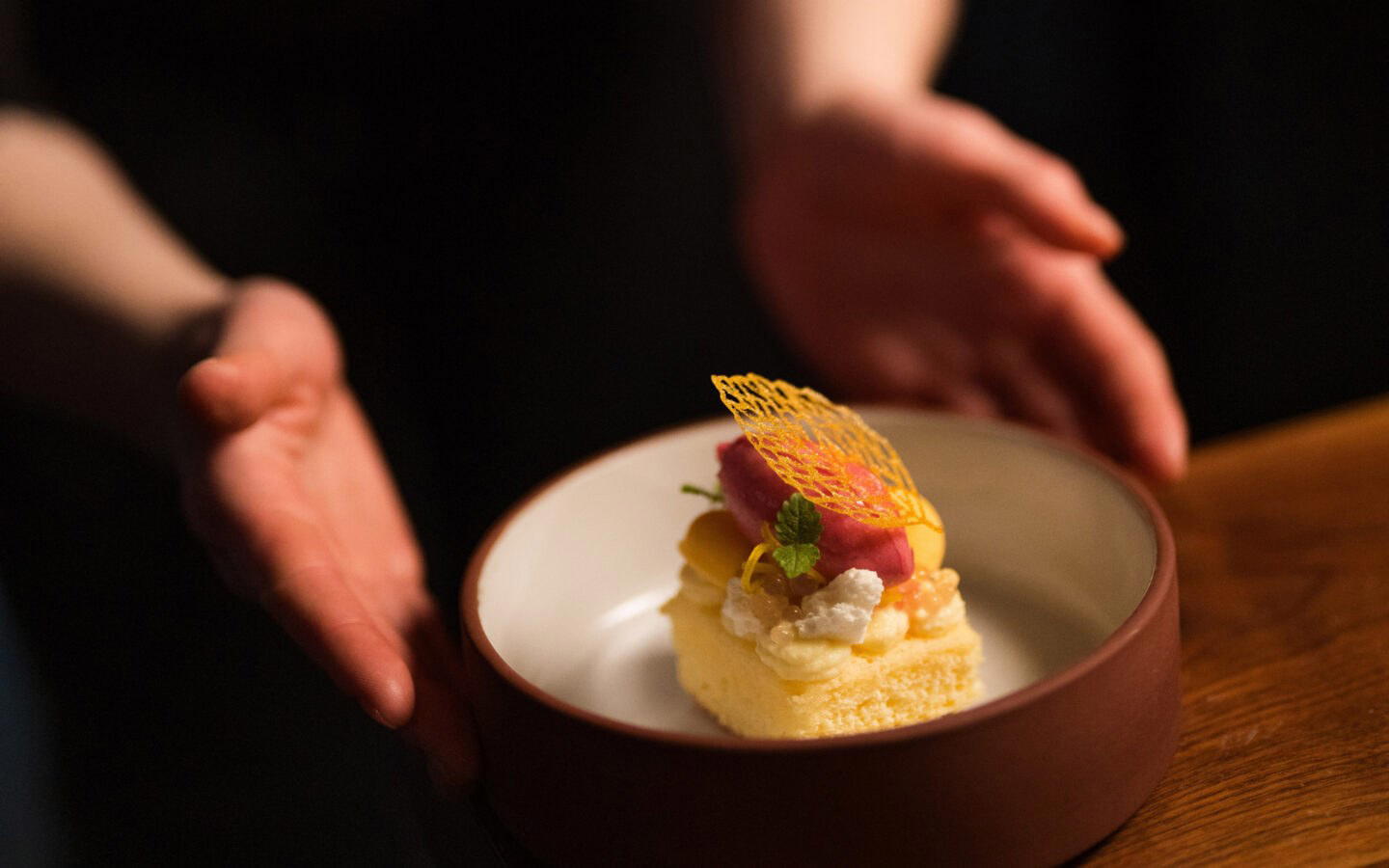
The word "rustica" carries a specific set of culinary implications. Across Italian and broader European traditions, it signals cooking that foregrounds honesty of ingredient over elaboration of technique: bread with crust, pasta with texture, proteins treated with restraint rather than ornamentation. A menu built around that sensibility tends to be structured around a small number of well-sourced anchors rather than a long sequence of intricate courses. In mountain resort contexts specifically, that architecture suits both the appetite guests arrive with after a day on the trails or the slopes, and the expectation that the setting itself will carry some of the experiential weight.
What distinguishes restaurants that use this architecture well from those that use it as shorthand for low ambition is the sourcing intelligence behind each section. The leading versions of rustic-inflected menus in Canadian mountain towns draw on regional suppliers, local game and produce where seasons permit, and a wine or drink list that complements rather than overwhelms. For reference points at a national level, houses like Eigensinn Farm in Singhampton and Restaurant Pearl Morissette in Lincoln have demonstrated how that sourcing philosophy can anchor a fine-casual experience entirely. In a different register, AnnaLena in Vancouver shows how a neighbourhood-scale room can sustain serious editorial attention over years through menu discipline rather than scale.
Within Canmore itself, the appetite for that kind of focused menu has grown alongside the town's maturation as a destination. Gaucho Brazilian Barbecue operates a format built around a single protein tradition, while 4296 and Rhythm & Howl address different points on the casual-to-considered spectrum. Rustica's name implies a menu that is structured around something specific, not assembled from trend signals.
The Mountain Resort Dining Context
Canmore occupies a distinct position in Canadian mountain dining that differs from Banff's tourism volume and from the hyper-seasonal patterns of smaller Rocky Mountain towns. As a year-round community with a permanent population alongside its visitor economy, the town sustains restaurants in ways that pure resort towns cannot. That sustainability allows for something closer to a neighbourhood restaurant register, where tables are not solely dependent on peak-week traffic and menus can reflect the preferences of a local clientele as much as visitor expectations.
That dynamic shapes how ambitious restaurants in the town build their programs. Canadian mountain fine dining at its most developed, as seen at places like Tanière³ in Quebec City and Alo in Toronto, depends on density and year-round urban traffic. Mountain-town versions operate under different constraints and typically succeed by being precisely calibrated to what their specific location can support: a tighter menu, a smaller room, and a clearer point of view about who they are cooking for on any given night. Jérôme Ferrer's Europea in Montreal and Narval in Rimouski each demonstrate how regional identity can be built into a menu architecture without sacrificing execution standards.
For broader comparisons outside Canada, Le Bernardin in New York City represents the opposite end of that spectrum, where a singular focus on product becomes a program built around decades of technical refinement. Atomix in New York City illustrates how menu architecture itself can become the primary editorial statement of a restaurant. Rustica operates closer to the intimate and the locally rooted end of that range, where the question is not how elaborate the program can be, but how honest and specific it can be given the place and the season.
Planning a Visit
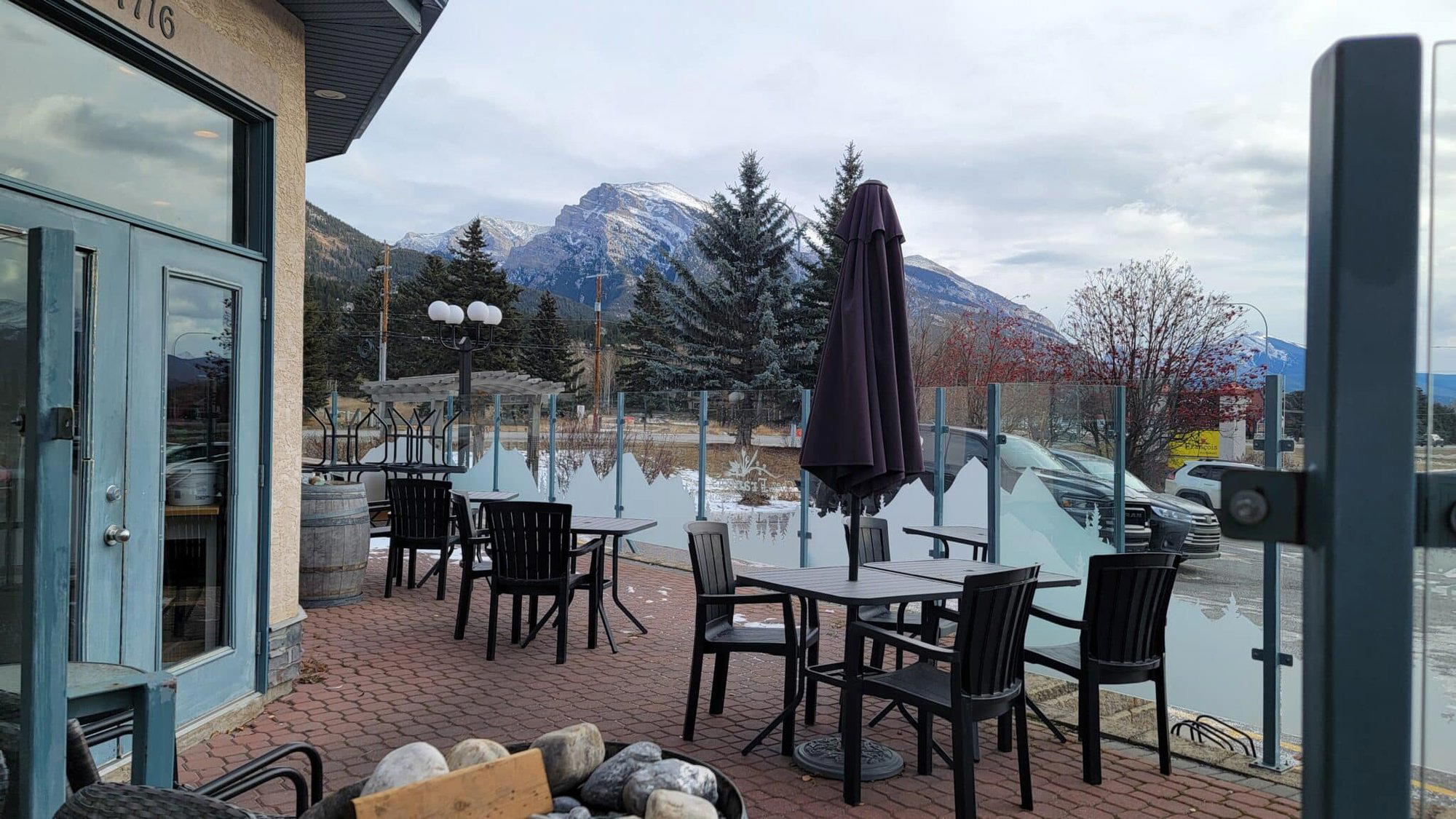
Rustica's address at 2000 Silvertip Trail puts it within the Silvertip Resort development, which sits at elevation above the main town. Guests arriving from Canmore's core will want to allow extra time for the drive up and factor in that the address is residential in character, lacking the walk-up accessibility of the Main Street corridor. For those exploring the broader Canmore dining scene, it makes sense to position Rustica as a dedicated evening destination rather than a casual drop-in, particularly given the location. For a fuller picture of where Rustica sits within the town's current restaurant options, the wider context comes from Canmore's restaurant mix.
For visitors whose itinerary moves between mountain dining and broader Canadian fine dining, Barra Fion in Burlington and The Pine in Creemore offer useful reference points for how smaller-town restaurants outside urban centres are handling the same tension between local identity and national dining standards.
Accolades, Compared
Comparable venues nearby, for context on price, style, and recognition.
| Venue | Cuisine | Price | Notes |
|---|---|---|---|
| RusticaThis venue — the venue you are viewing | Italian Steakhouse with Rocky Mountain Fine Dining | $$$$ | Not listed |
| Table Food + Drink | Contemporary Canadian with Local Mountain Ingredients | $$$ | Bow Valley |
| ÄNKÔR | Contemporary Canadian | $$$$ | Downtown Canmore |
| The Market Bistro | French-Italian Bistro | $$ | Three Sisters |
| Crazyweed Kitchen | Eclectic Global Fusion | $$$ | Railway Ave |
| 4296 | Pop Culture Fusion Fine Dining | $$$ | Downtown Canmore |
At a Glance
- Romantic
- Scenic
- Elegant
- Classic
- Date Night
- Celebration
- Special Occasion
- Group Dining
- Business Dinner
- Panoramic View
- Private Dining
- Terrace
- Hotel Restaurant
- Extensive Wine List
- Craft Cocktails
- Sommelier Led
- Local Sourcing
- Sustainable Seafood
- Mountain
Current opening hours
- Monday
- Closed
- Tuesday
- Closed
- Wednesday
- Closed
- Thursday
- 5:30–8:30 PM
- Friday
- 5:30–8:30 PM
- Saturday
- 5:30–8:30 PM
- Sunday
- 5:30–8:30 PM
Hours can change for holidays and private events. Last verified .
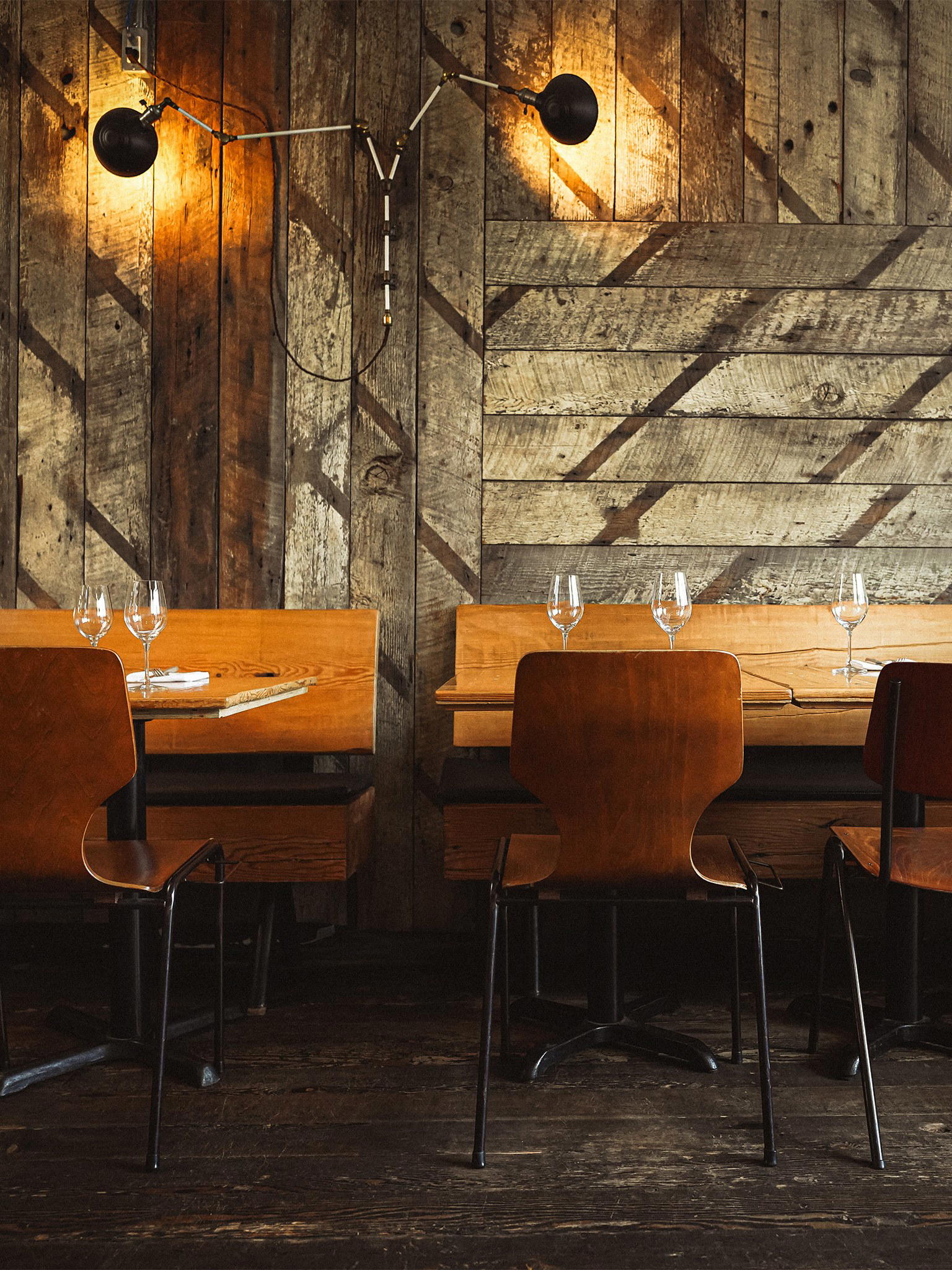
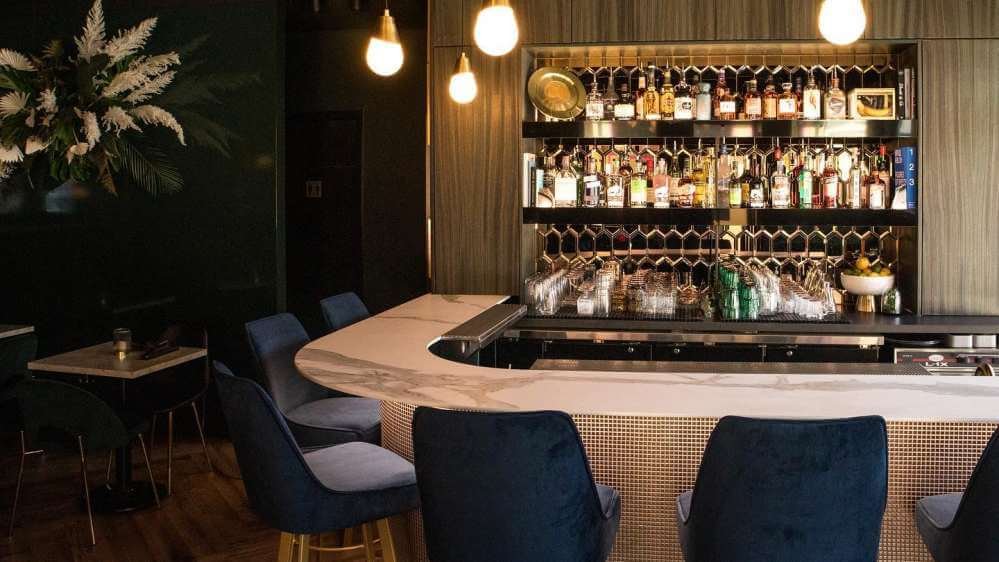
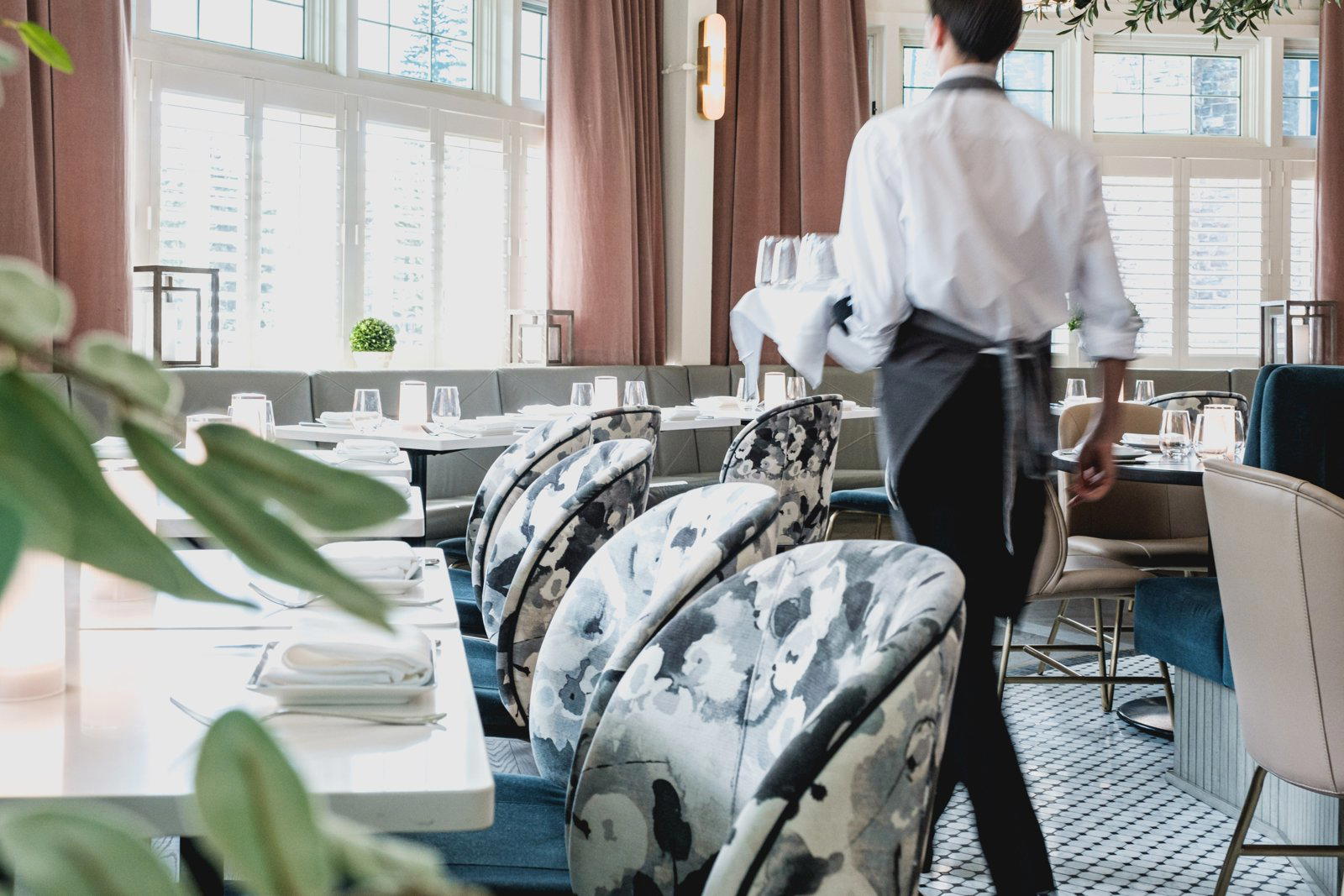
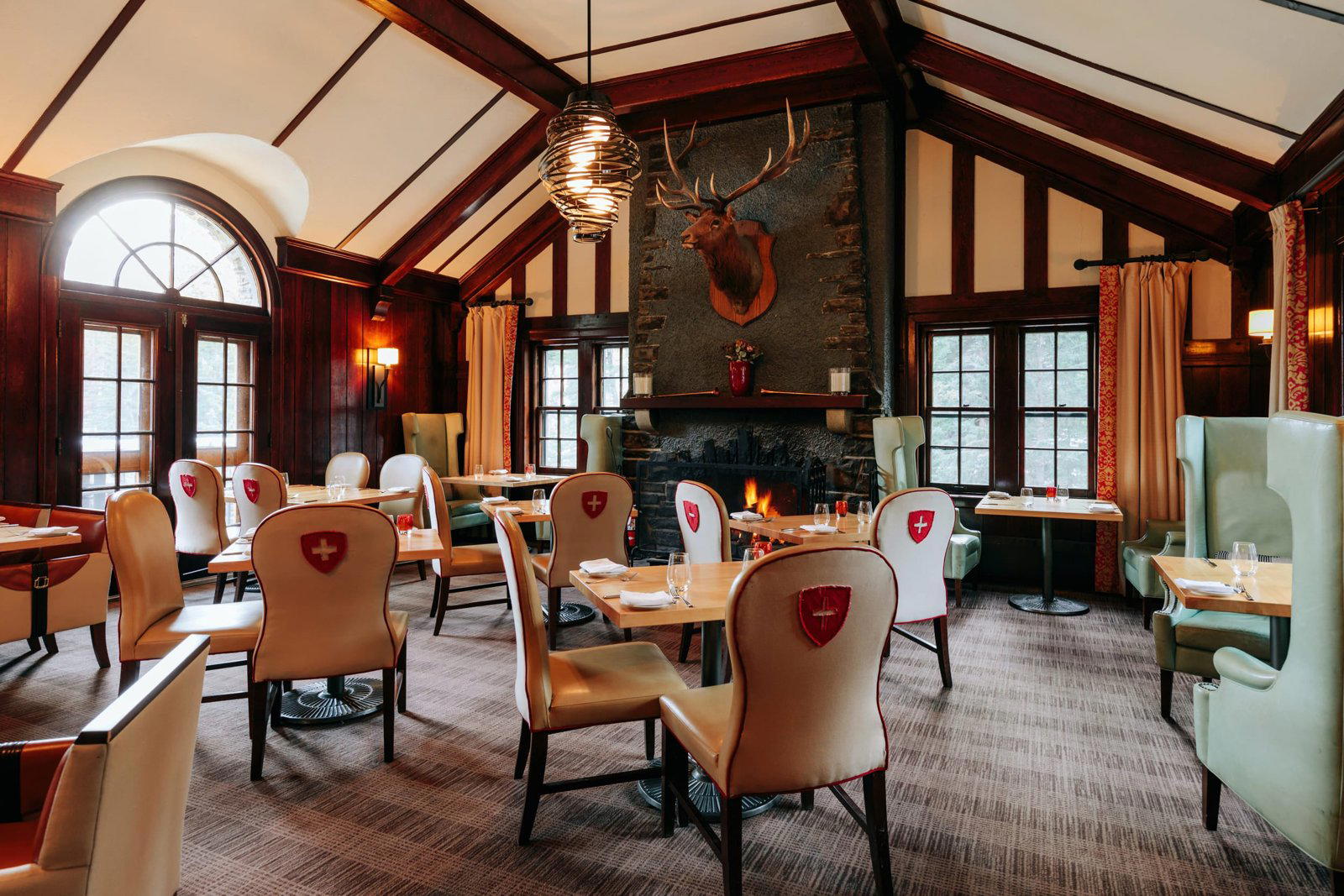
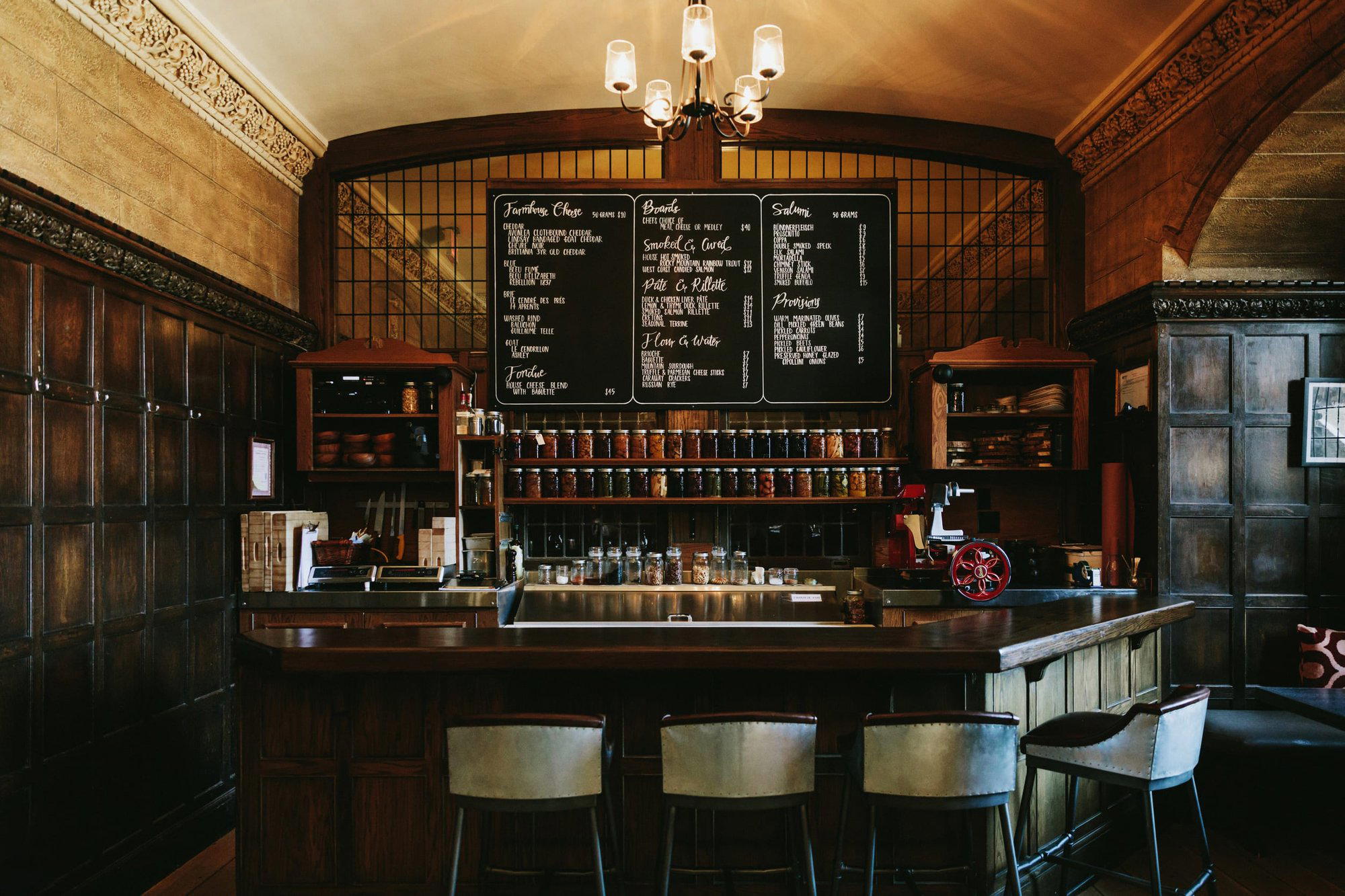
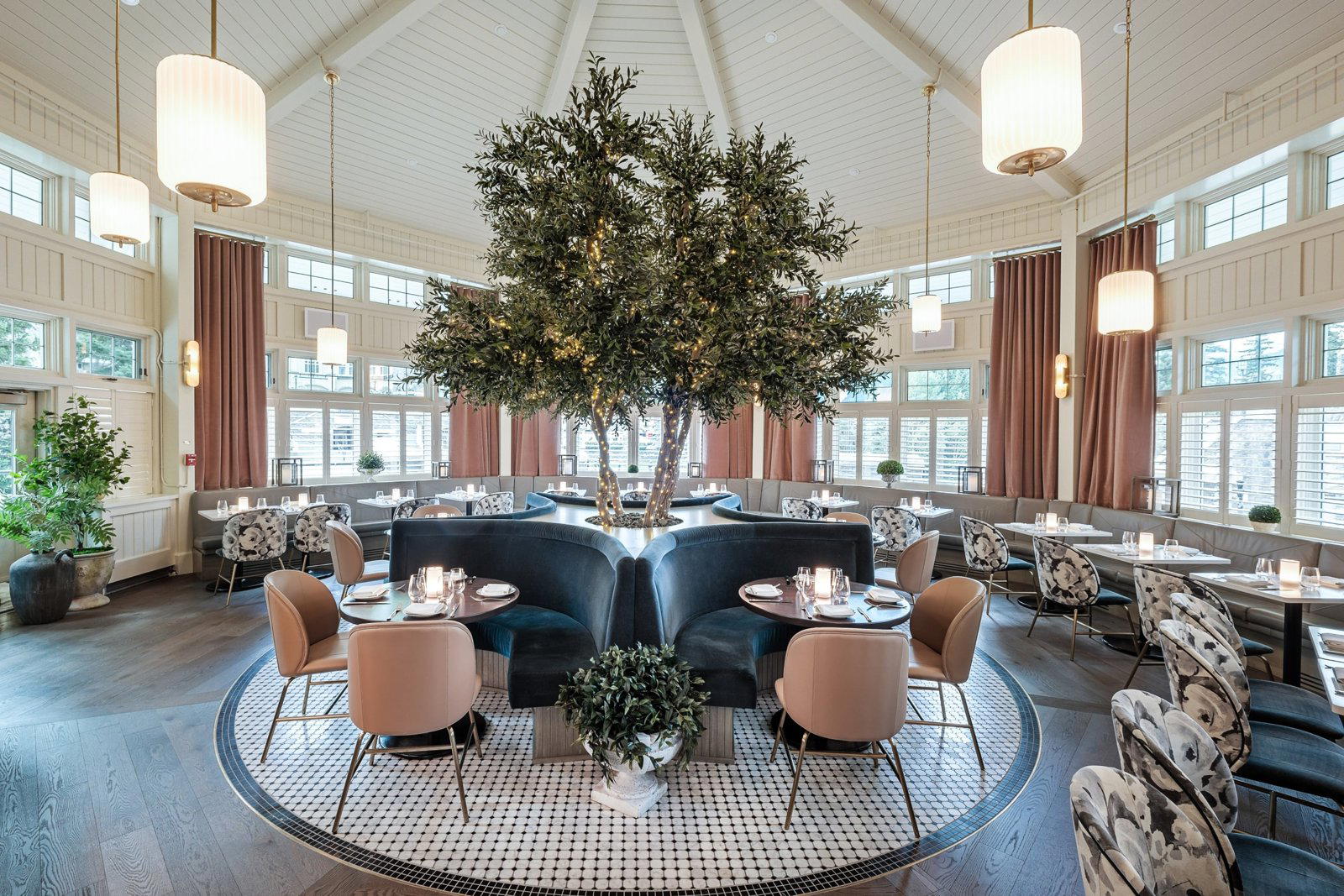
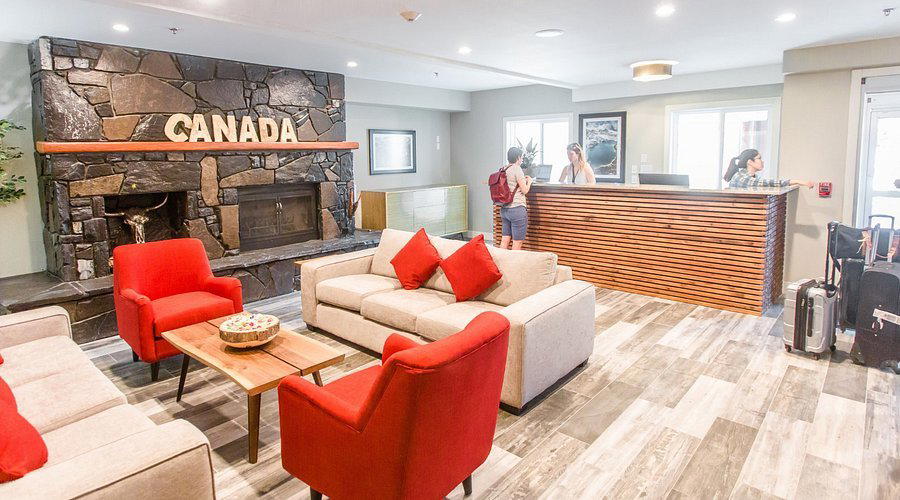
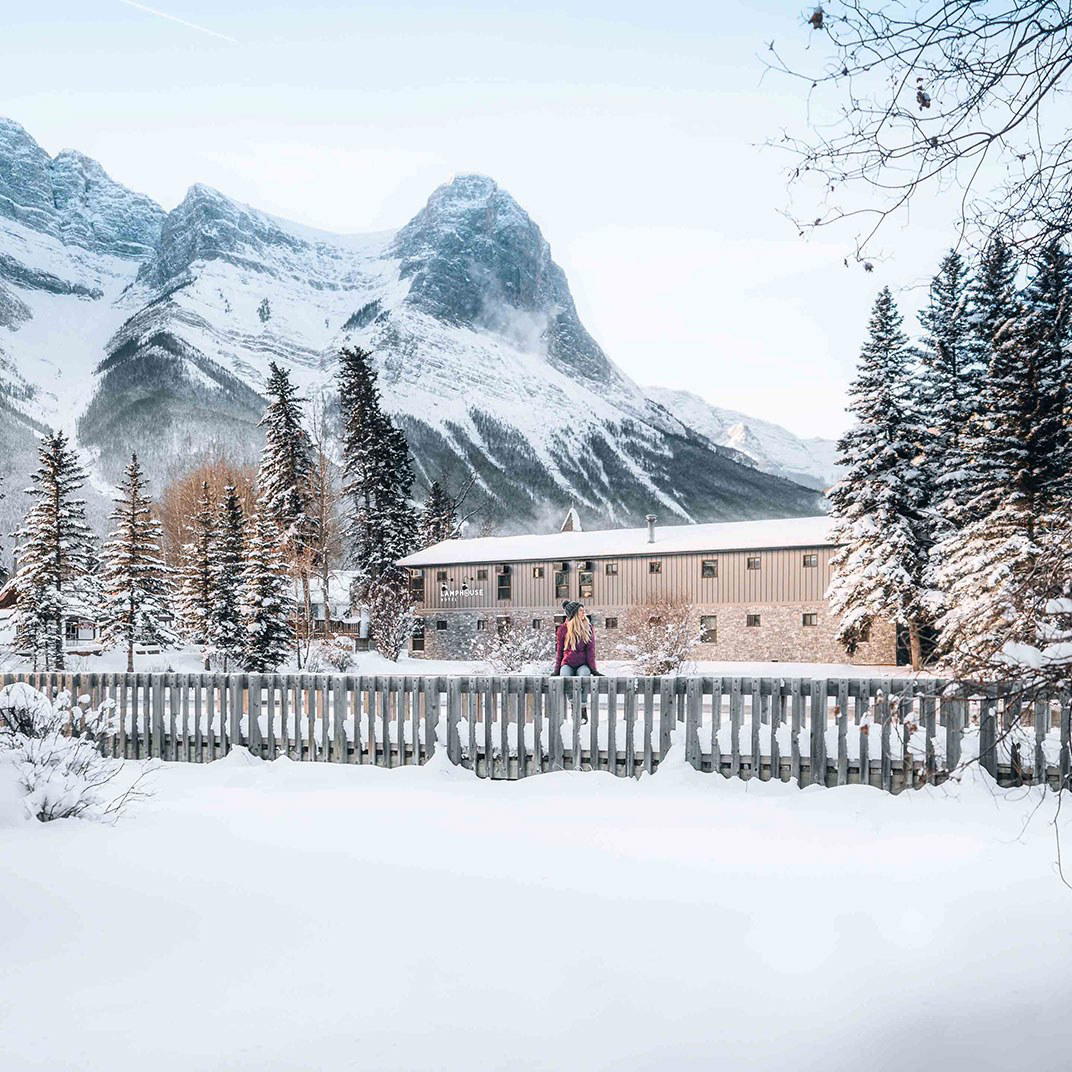
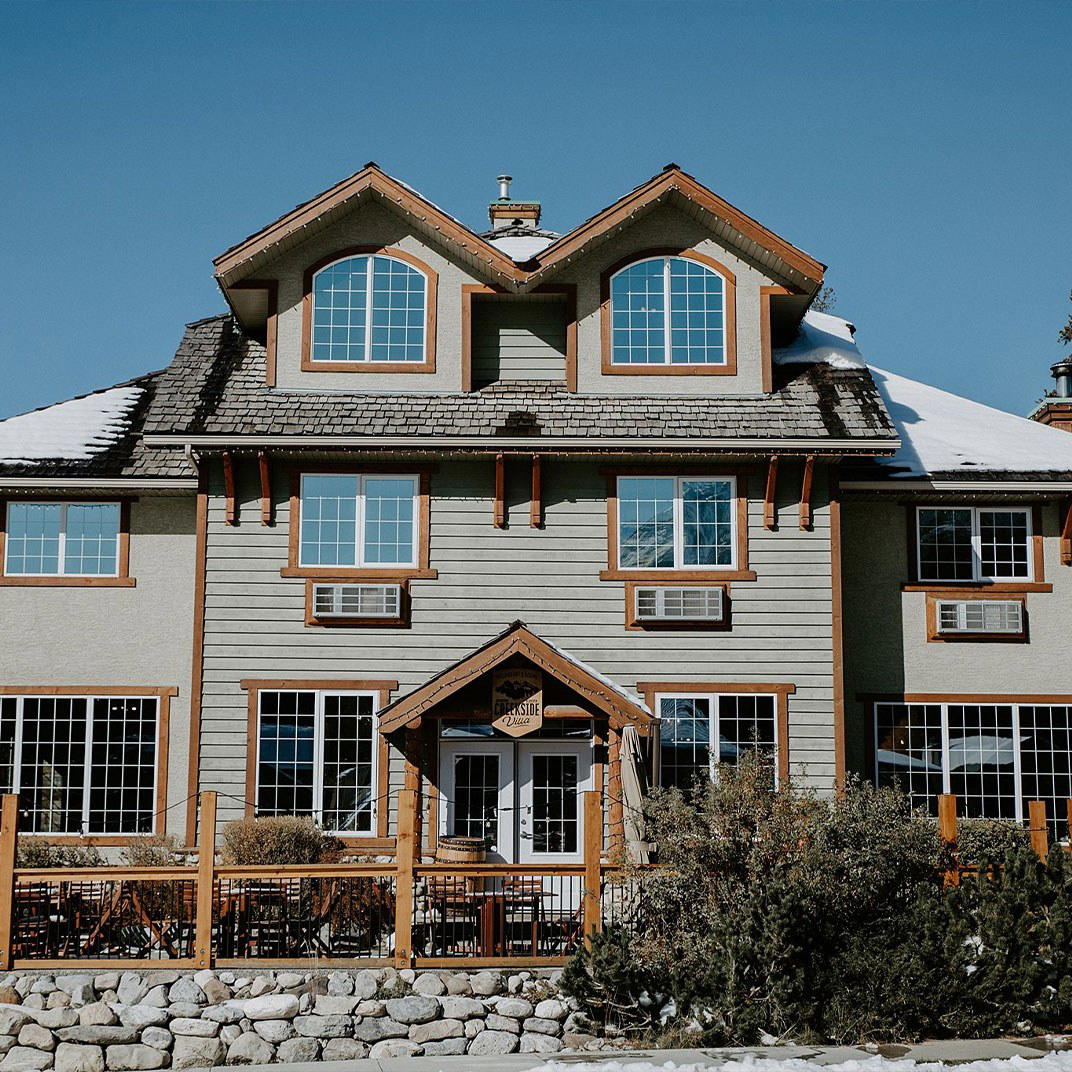
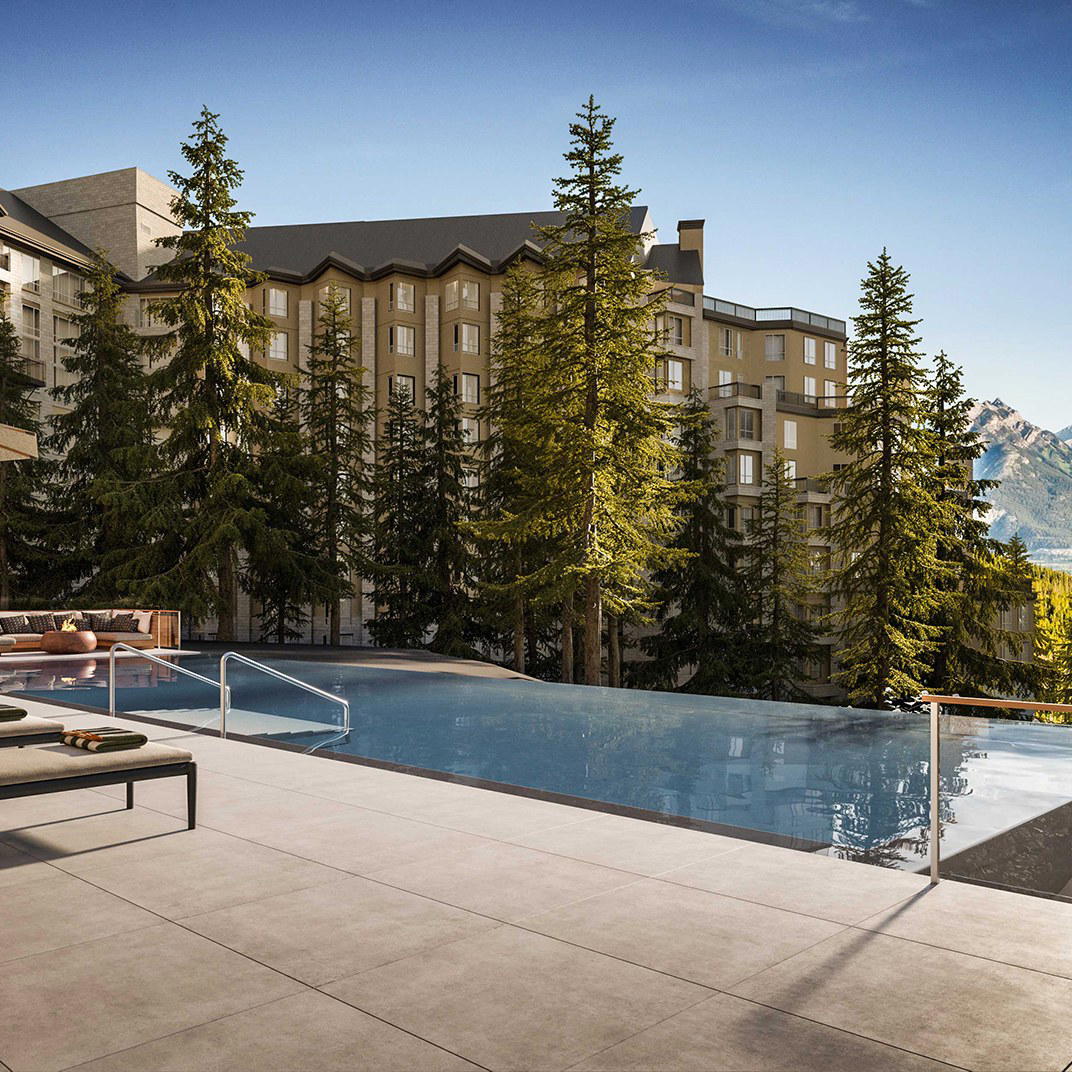
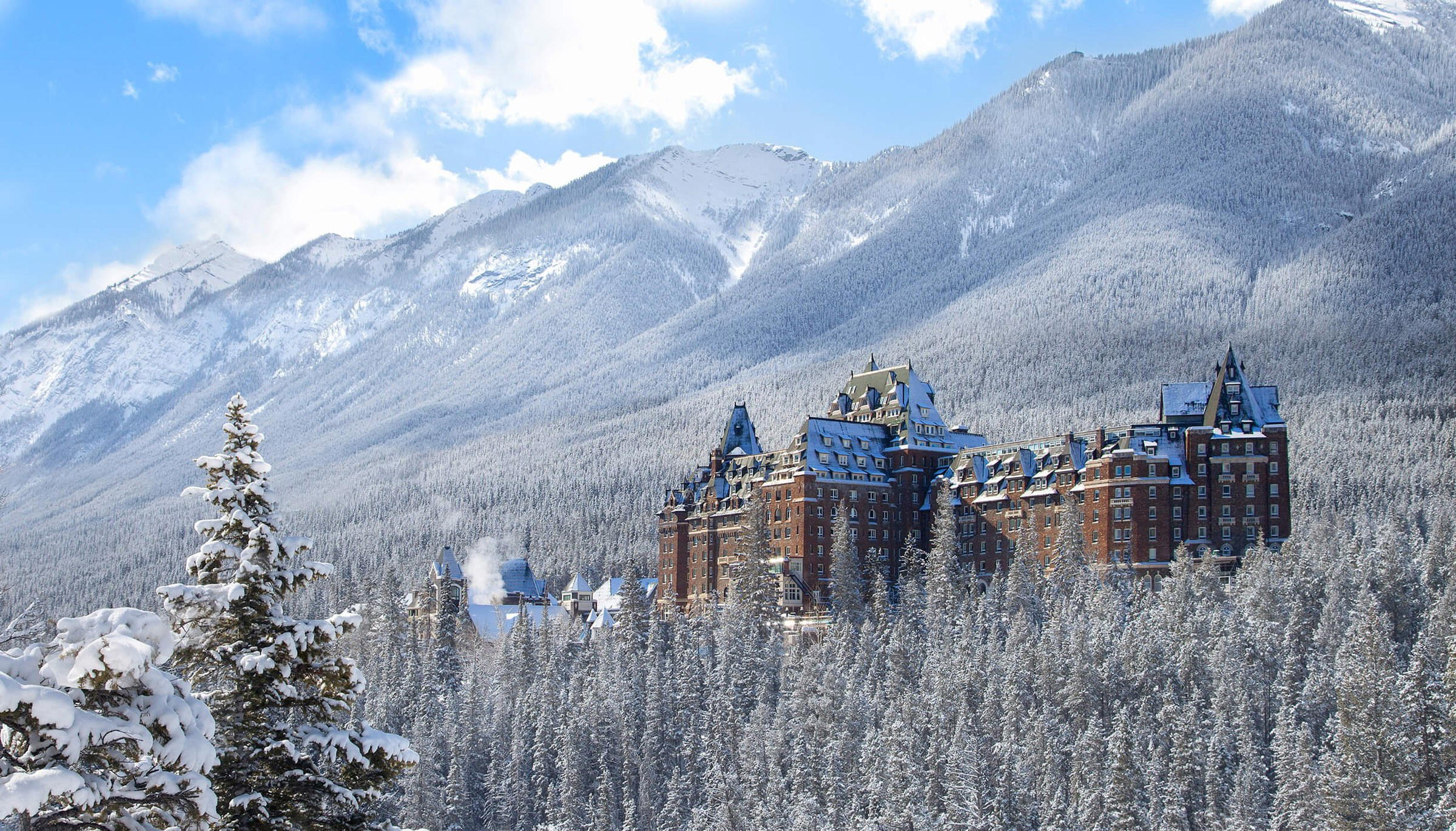
Rustic-inspired space with cozy fireplace seating, warm lighting, and far-reaching mountain vistas; elegant yet relaxed atmosphere suitable for special occasions.