
Michelin Selected for 2025, Lamphouse Hotel sits at 610 8th Street in Canmore, Alberta, a town where the Rockies press close enough to frame every window. The property occupies a niche between mountain-lodge convention and design-led boutique, earning its Michelin recognition among a small cohort of Canadian properties where architectural intent and setting work in deliberate conversation. For travellers choosing a base in the Bow Valley corridor, it represents one of the more considered options in the area.
Pearl is the En Primeur Club membership app — saves, bookings, and concierge access live there. Same editors, same standards.
- Address
- 610 8 St, Canmore, AB T1W 2B5, Canada
- Phone
- +1 587-807-6276
- Website
- basecampresorts.com
 Saves & bookings on Pearl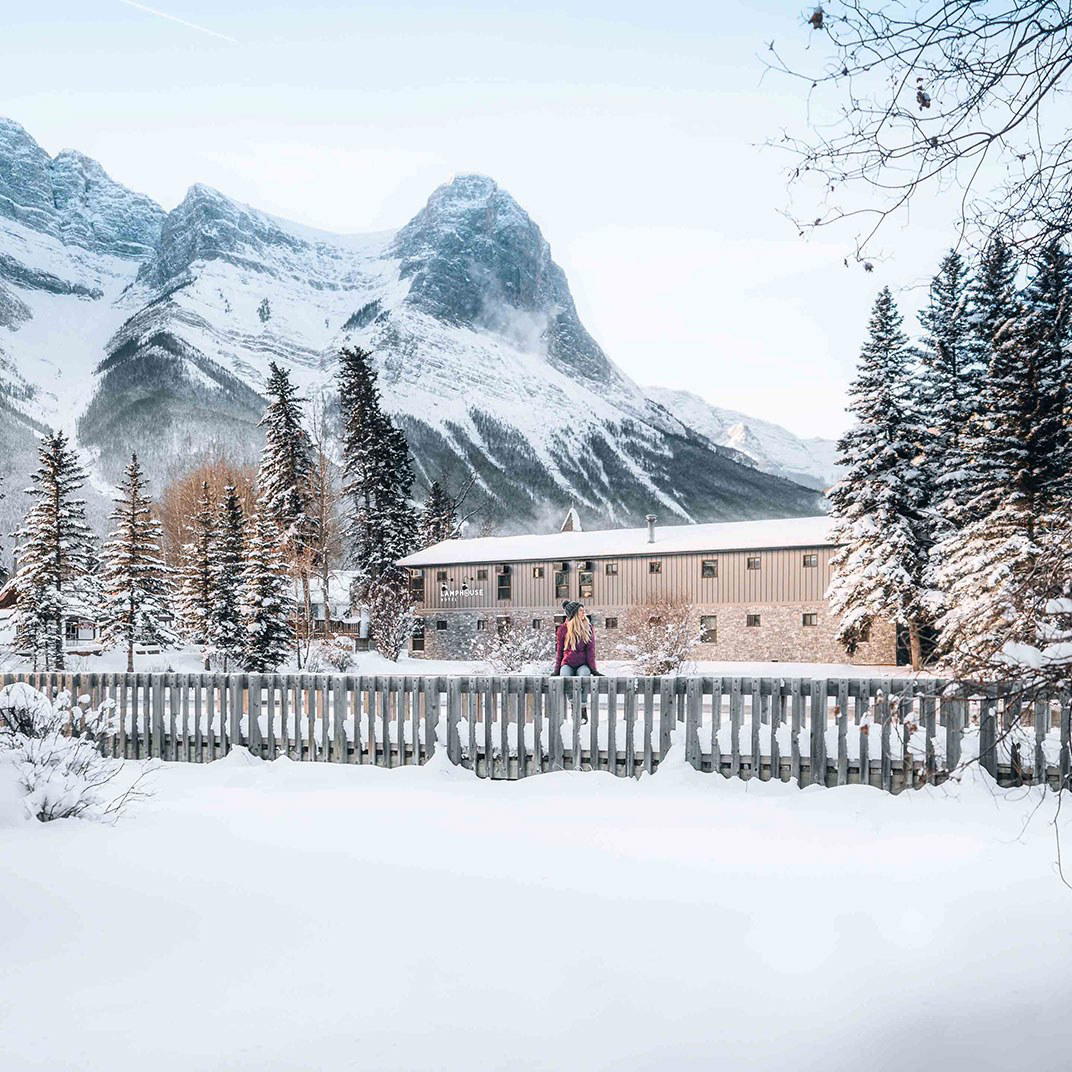
Where the Bow Valley Sets the Terms
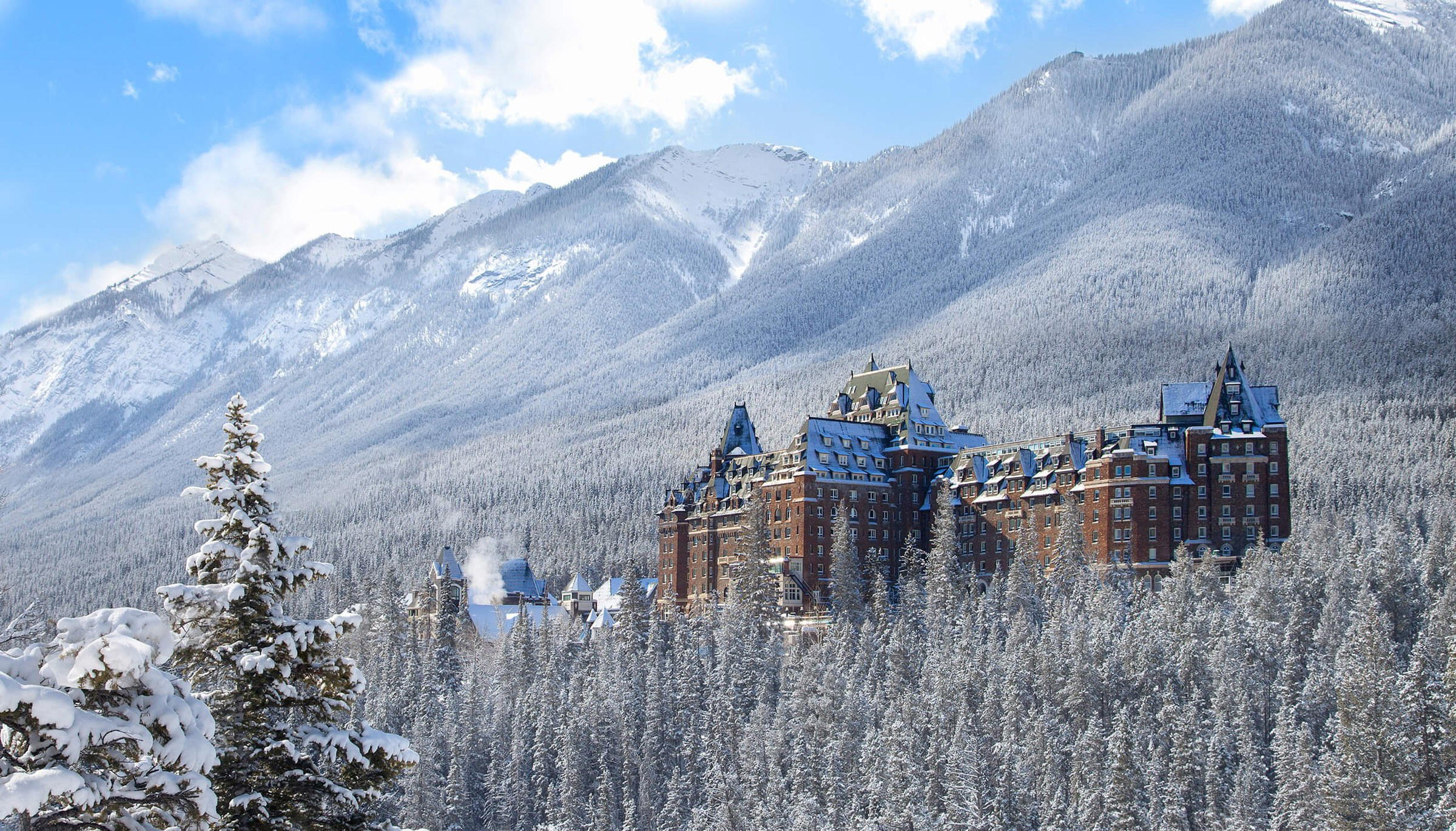
Canmore operates on a different register than Banff, its more famous neighbour 25 kilometres to the west. Where Banff leans into heritage grandeur, with the Fairmont Banff Springs anchoring the upper tier like a sandstone castle, Canmore has evolved into a town where smaller, design-conscious properties compete on specificity rather than scale. The mountain backdrop is identical, but the hospitality proposition diverges sharply: fewer castle-sized footprints, more buildings that try to respond to their setting rather than impose upon it. Lamphouse Hotel, at 610 8th Street, is a 4-star hotel in Canmore.
In Canada, that list is short: properties such as Fogo Island Inn in Joe Batt's Arm, Clayoquot Wilderness Lodge in Tofino, and Manoir Hovey in North Hatley each carry Michelin recognition, and the common thread is a sense that the property could only exist in its specific place. Lamphouse belongs to that thread.
Architecture as Editorial Statement
Mountain hotel design in western Canada has historically defaulted to two modes: the grand château style associated with Canadian Pacific Railways, and the log-and-stone vernacular that fills the mid-market across Banff and Jasper. Both approaches treat the mountains as backdrop rather than interlocutor. The more interesting contemporary properties in the Rockies attempt something harder: a design language that acknowledges the industrial and extractive history of mountain towns while remaining liveable and precise.
Canmore itself was a coal-mining settlement before tourism became its primary economy, and that layered history gives the town's architecture a more textured brief than purely resort contexts allow. The name Lamphouse is a direct reference to the lamp houses once common at mine entrances, where workers retrieved and returned their safety lamps. That etymological grounding is not incidental: it positions the hotel within a local material and historical culture rather than importing a generic alpine aesthetic. Where properties like the Fairmont Chateau Whistler or the Le Mount Stephen in Montréal draw on railway-era grandeur for their identity, Lamphouse draws on something more specifically local and more modest in its register.
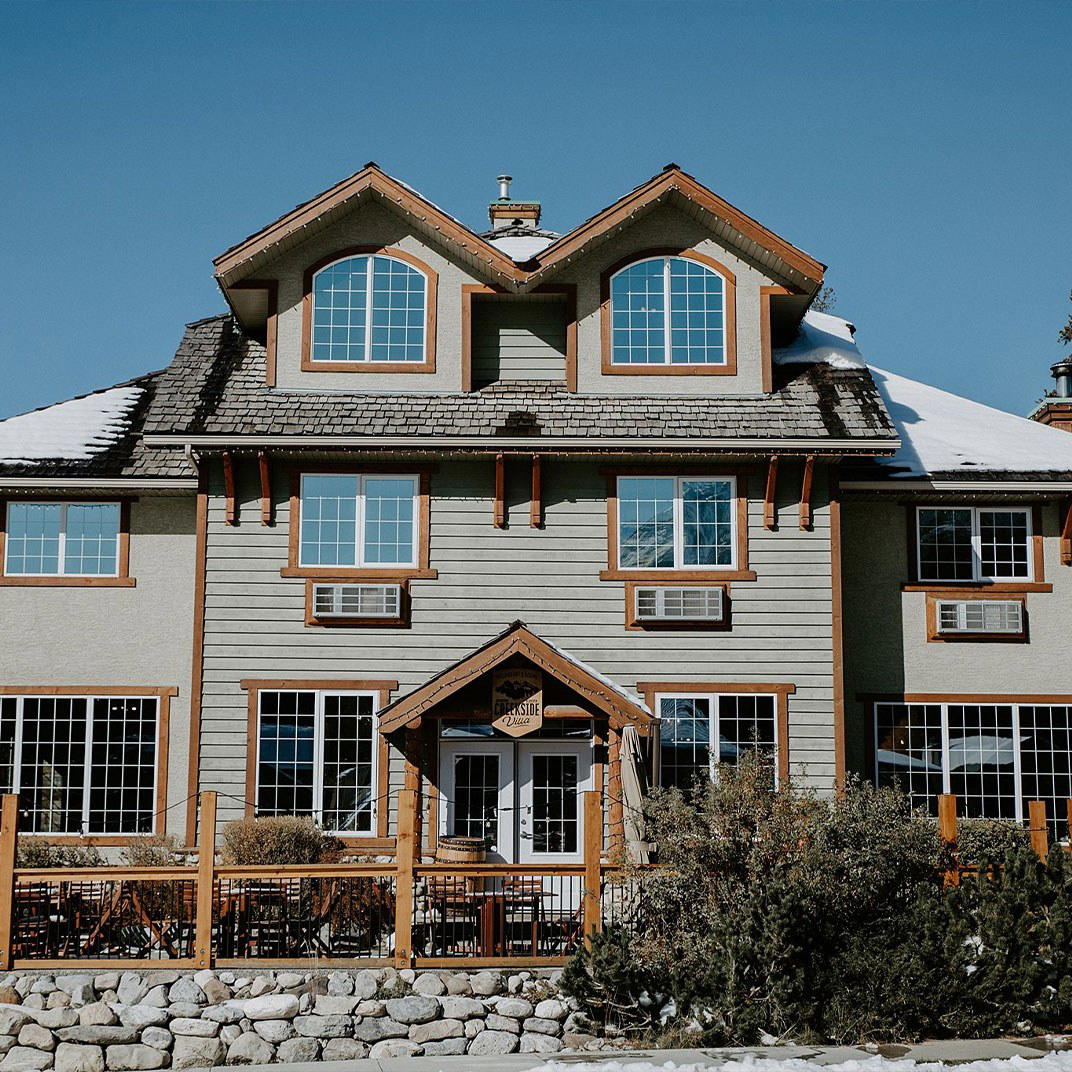
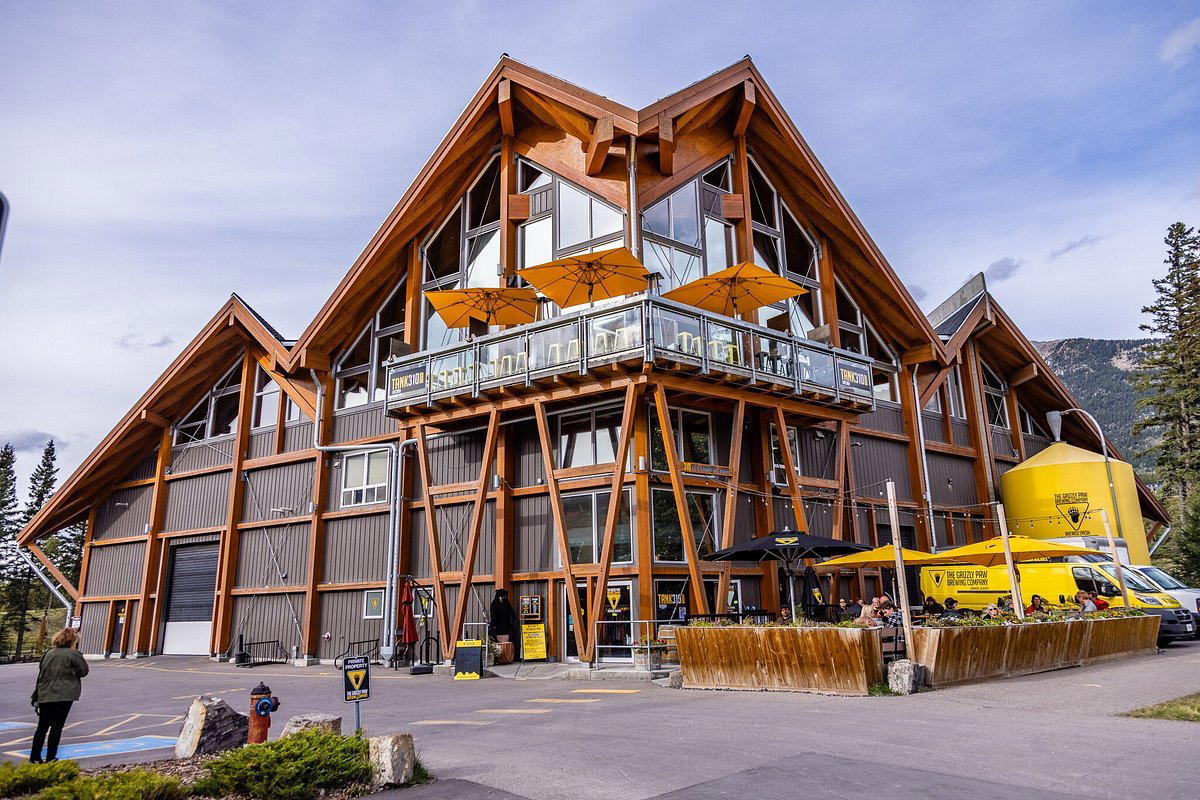
In practice, this means a building and interior vocabulary that tends toward the industrial-meets-mountain intersection: an aesthetic sensibility visible across a generation of Canmore properties that have moved away from chintz and trophy antlers. For travellers comparing this to the nearby Basecamp Lodge Canmore or the Creekside Villa, the Lamphouse sits at the design-forward end of the local spectrum, distinguished by its Michelin recognition and its architectural point of reference.
The Canmore Positioning
The Bow Valley corridor draws two distinct types of visitor. The first uses it as a staging post for Banff National Park, prioritising access to trailheads, ski areas like Banff Sunshine Village, and the park infrastructure west of the town boundary. The second type chooses Canmore for its own sake: a working mountain town with a denser local restaurant and bar scene than Banff's tourist-volume economics allow, plus property prices and zoning that have attracted a cohort of residents who care about coffee, food, and how a hotel room is furnished. Lamphouse positions itself for the second type without being inaccessible to the first.
The 8th Street address places the hotel within reasonable reach of Canmore's main commercial drag, where the dining options that keep recurring in travel coverage are concentrated. For guests arriving from Calgary International Airport, roughly 100 kilometres to the east along the Trans-Canada Highway, the drive takes around 60 to 75 minutes under normal conditions, making Canmore a practical choice for a long weekend without requiring a domestic flight. That Calgary proximity is part of what sustains Canmore's year-round hospitality economy in a way that more remote mountain destinations cannot always match.
For travellers building a wider Canadian itinerary, Canmore and Lamphouse sit logically between the Alberta mountain circuit and properties that require more deliberate routing. The Fairmont Chateau Lake Louise is accessible as a day trip or extension westward. Urban counterparts in the broader Canadian premium tier, including the Rosewood Hotel Georgia in Vancouver, the Four Seasons Hotel Toronto, and The Dorian in Calgary, provide onward context for guests combining mountain and city stays.
Planning Your Stay
Canmore operates with clear seasonal peaks: July and August for hiking and the town's summer festival calendar, December through March for ski access and winter trail programmes. Shoulder seasons in May and October offer lower nightly rates with access to most outdoor activities and, in October, the larch colour that turns the Rockies' upper elevations a documented gold. Booking at Lamphouse is recommended in advance. The Michelin Selected status means it draws attention from travellers who cross-reference the Michelin hotel guide alongside the restaurant guide, so peak-season availability moves faster than the property's scale alone would suggest.
For those comparing boutique mountain properties across Canada, Hôtel Quintessence in Mont-Tremblant, Le Germain Charlevoix in Baie-St-Paul, and Hastings House on Vancouver Island represent different but comparable positions in the design-led, non-chain tier. Internationally, the design-responsive-to-place philosophy that defines this category appears in properties like Badrutt's Palace in St. Moritz at a much larger scale.
Comparable Venues
Comparable venues nearby, for context on price, style, and recognition.
| Venue | Cuisine | Price | Awards | Notes |
|---|---|---|---|---|
| Lamphouse HotelThis venue — the venue you are viewing | modern mountain motel | $$$ | 4-Star | |
| Creekside Villa | Retro-modern boutique retreat combining nostalgic '70s design elements with contemporary comfort and mountain lodge aesthetics. | $$ | 3-Star | Benchlands Trail |
| Basecamp Lodge Canmore | lodge-style getaway with modern amenities | $$ | 3-Star | Canmore Village |
| Basecamp Revelstoke | modern boutique resort with apartment-style suites | $$$ | 4-Star | Downtown Revelstoke |
| Metcalfe Montréal | Downtown boutique hotel offering quiet luxury behind a historic façade with contemporary interiors and locally rooted touches. | $$$ | 4-Star | Downtown Montreal |
| The Clayfield | contemporary wine-country retreat | $$$$ | 4-Star | Old Town Historic District |
At a Glance
- Modern
- Rustic
- Lively
- Cozy
- Weekend Escape
- Romantic Getaway
- Panoramic View
- Wifi
- Hot Tub
- Flat Screen Tv
- Nespresso
- Air Conditioning
- Mountain
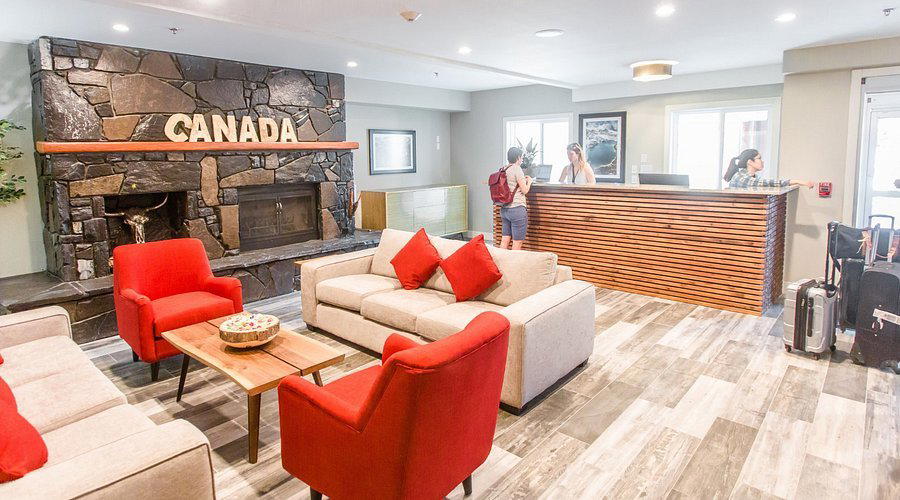
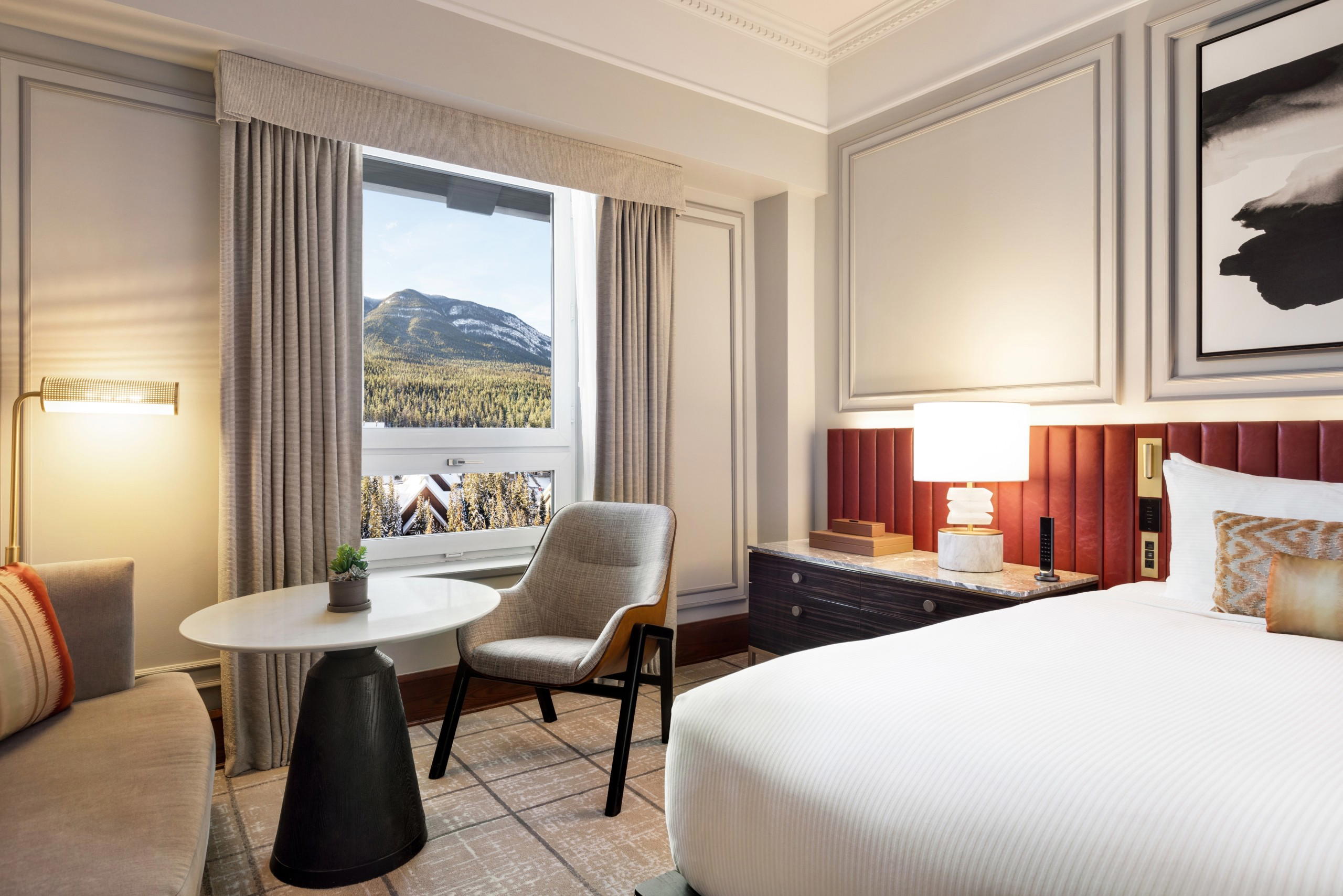
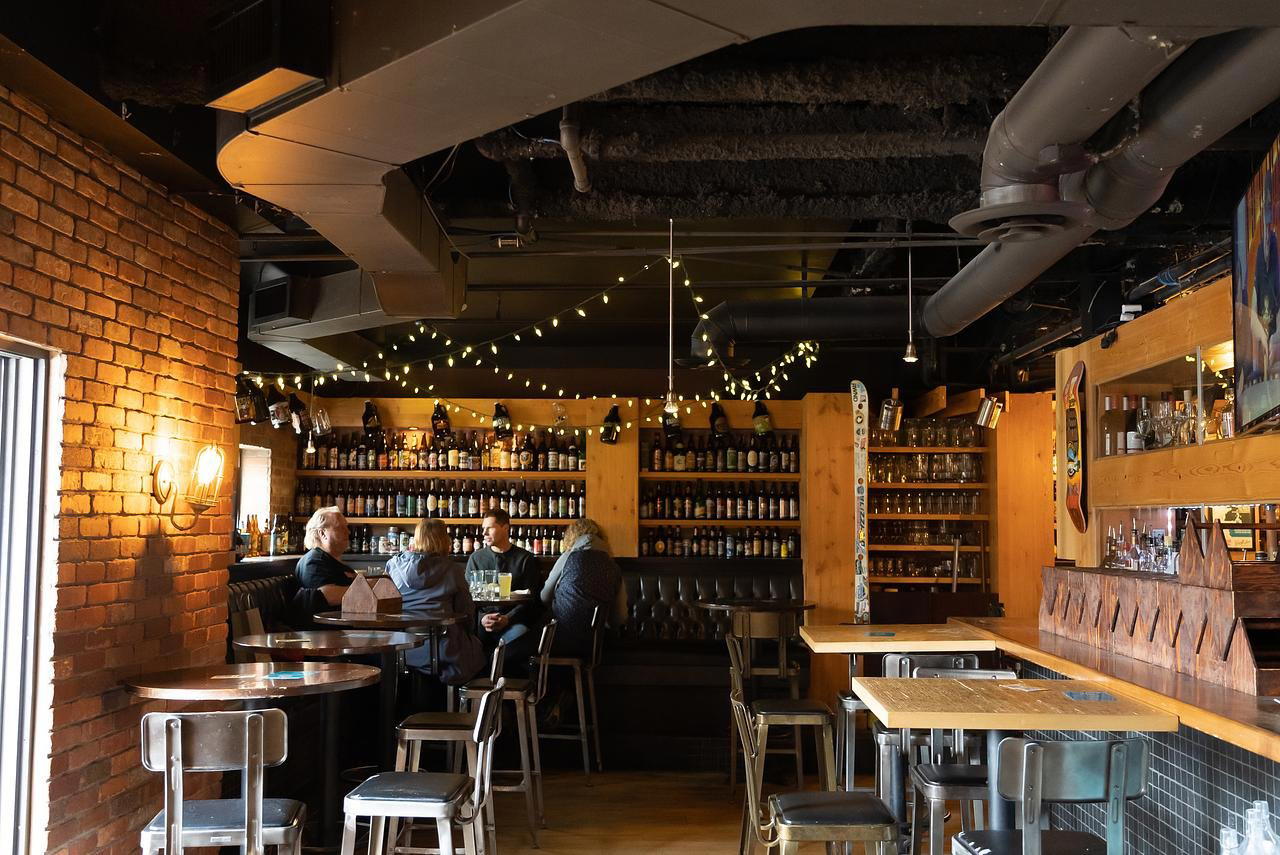
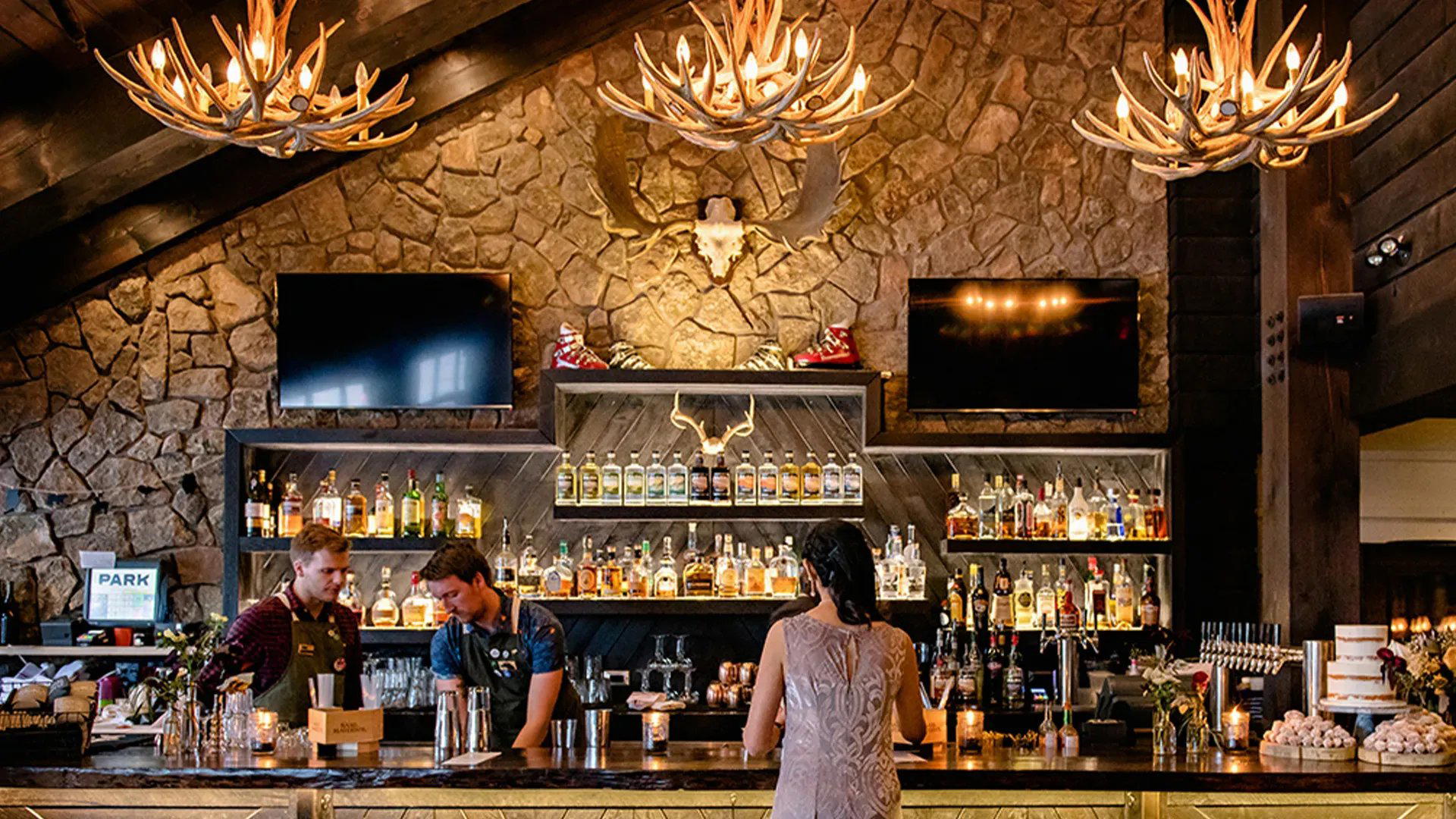
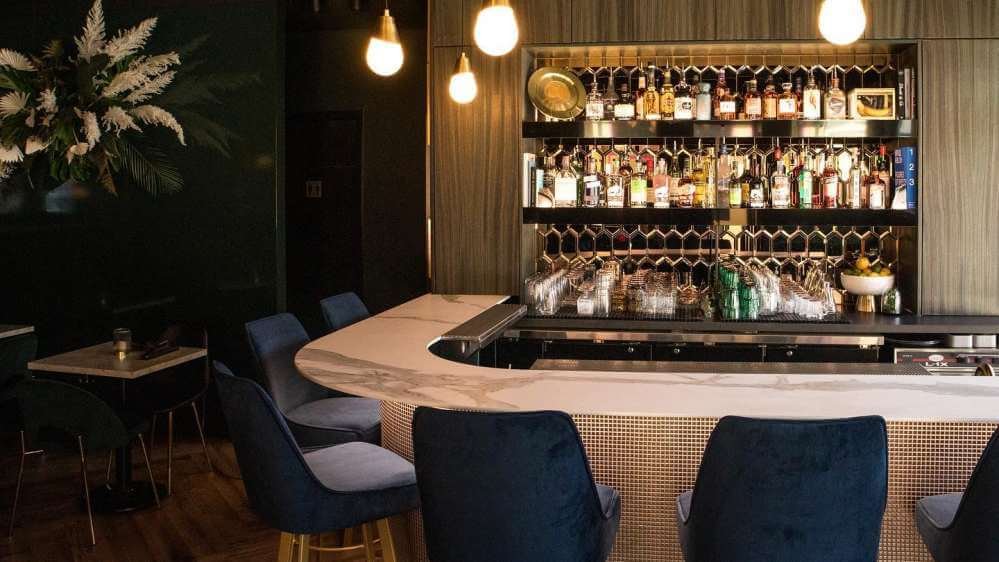
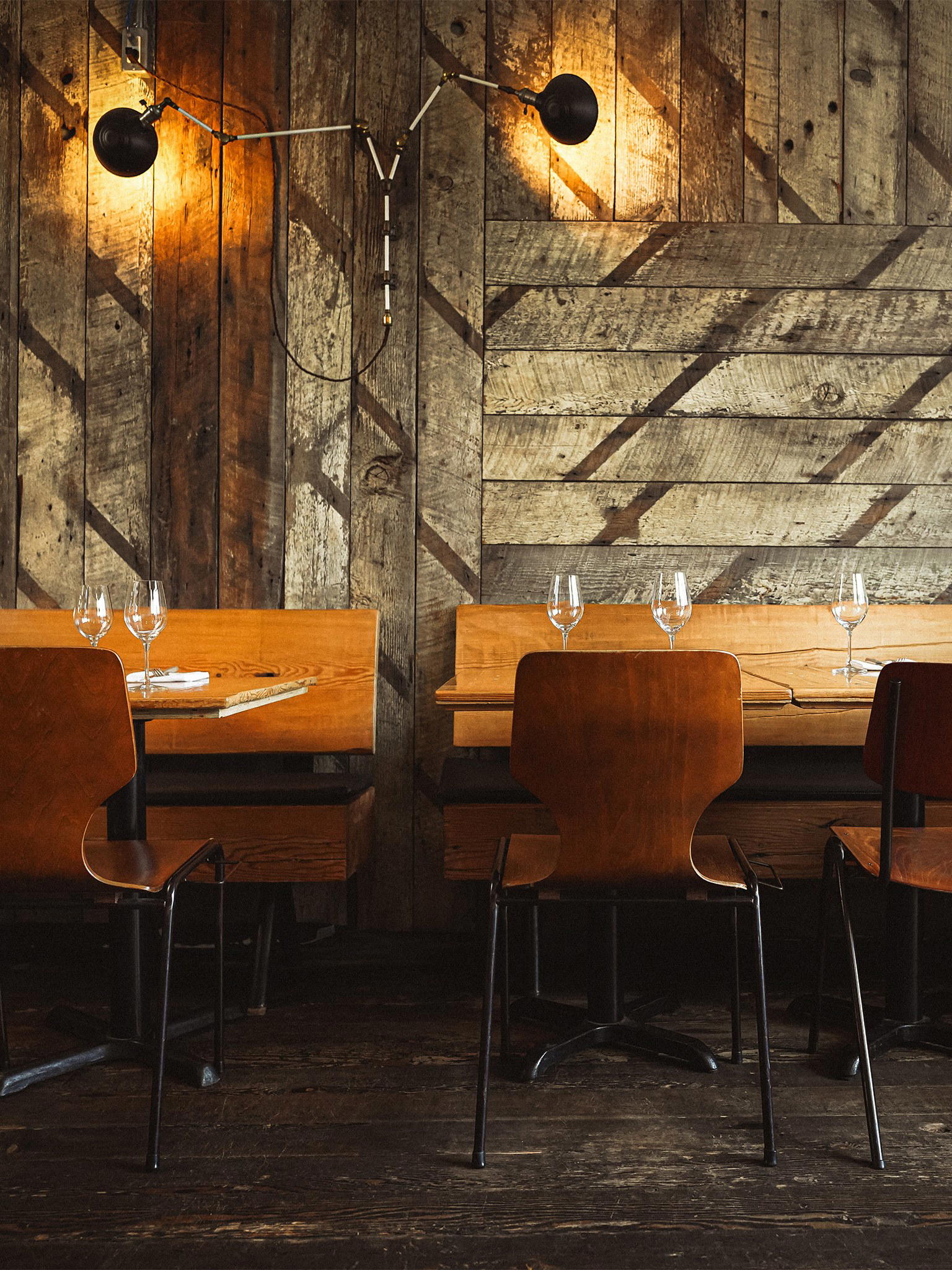
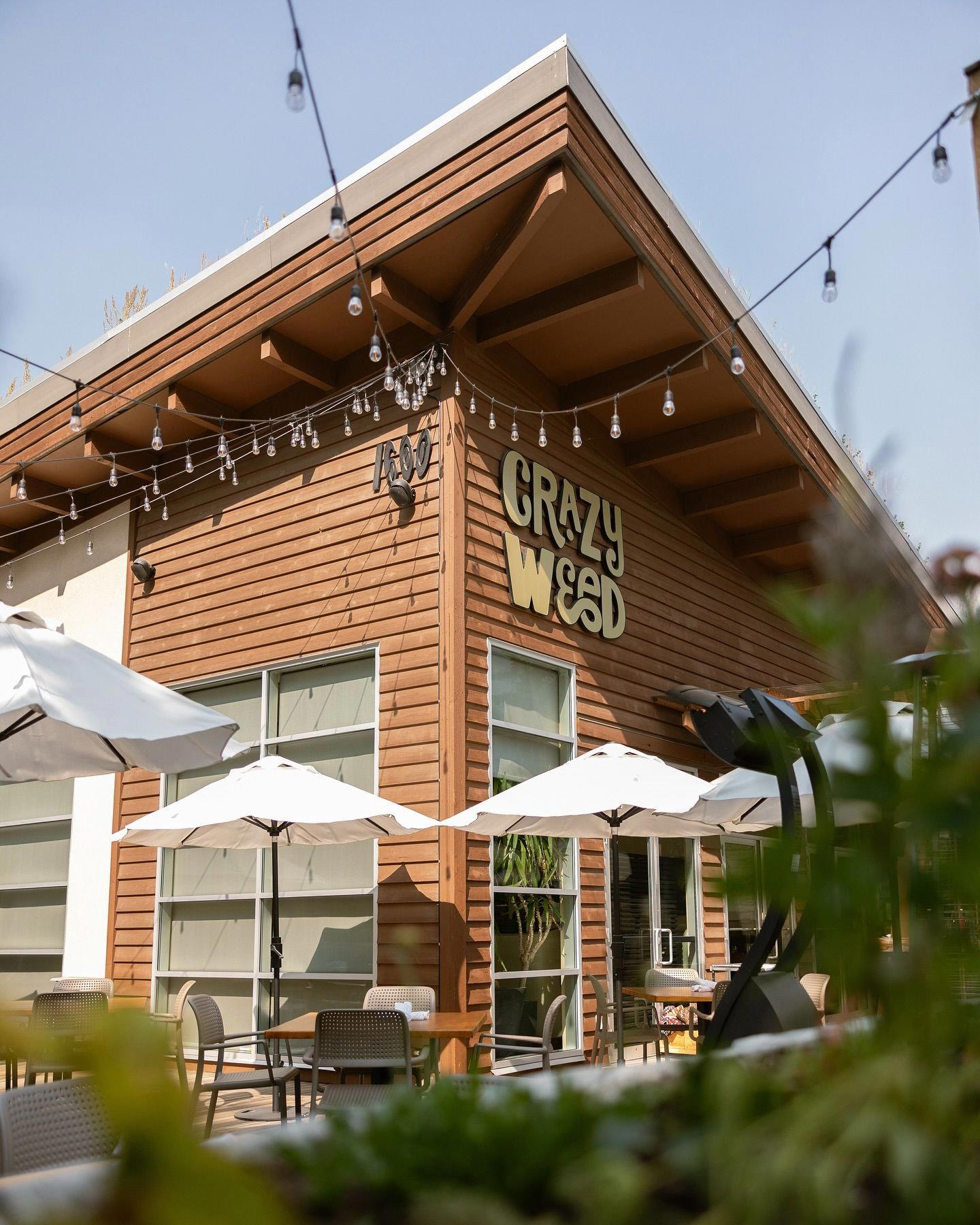
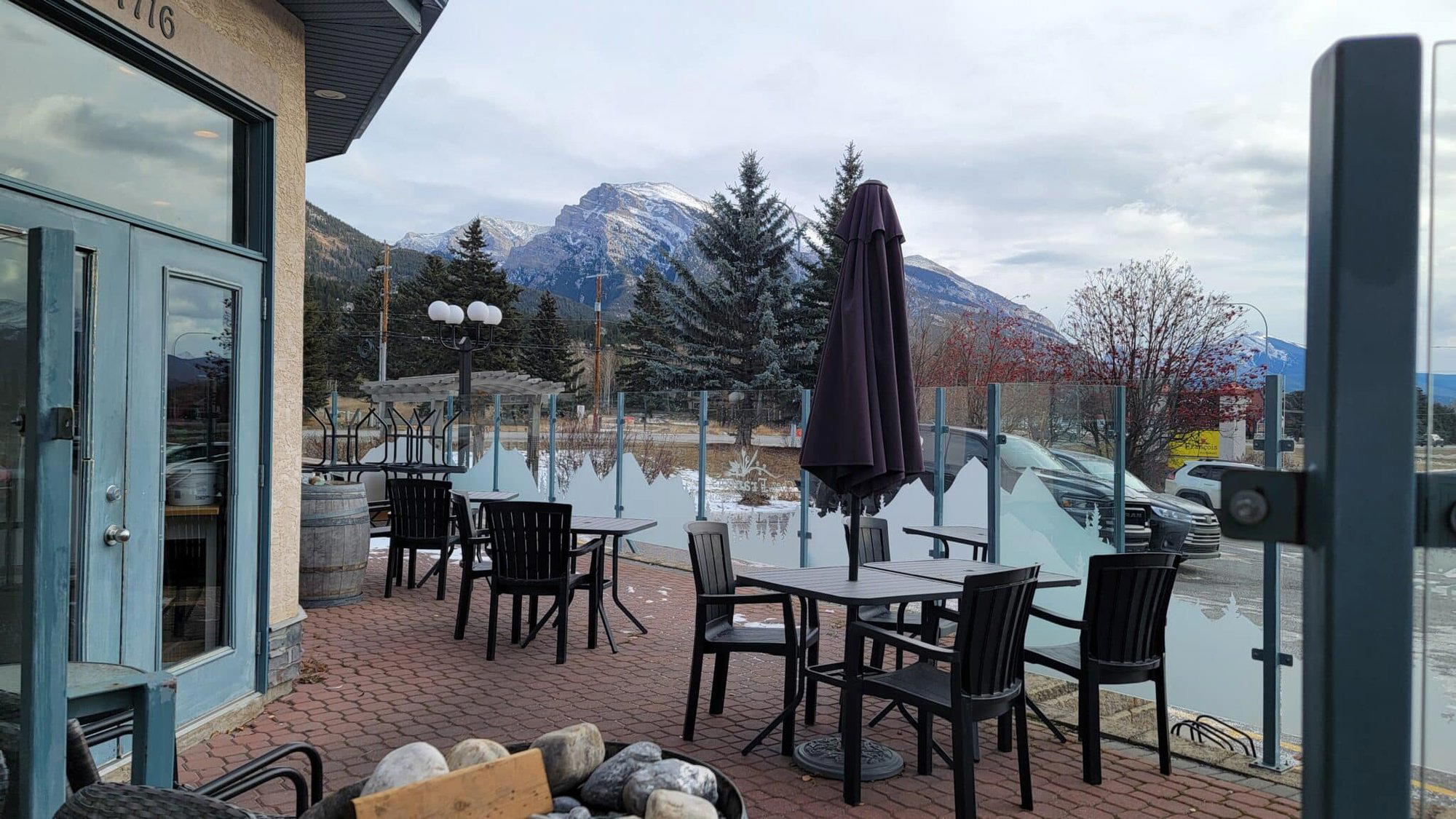
Bright and lively with rustic wood accents, leather textures, and Scandinavian modernist furnishings creating a stylish mountain retreat atmosphere.