Brazilian churrasco comes to the Canadian Rockies at Gaucho Brazilian Barbecue on 8th Street in Canmore, Alberta. The format centers on the traditional rodízio ritual, rotating cuts of fire-roasted meat brought tableside, placing it in a different register from Canmore's alpine-European dining mainstream. For visitors seeking a meat-focused communal format after a day in the mountains, it occupies a distinct position in the town's restaurant offering.
Pearl is the En Primeur Club membership app — saves, bookings, and concierge access live there. Same editors, same standards.
- Address
- 629 8 St, Canmore, AB T1W 2B1, Canada
- Phone
- +14036789886
- Website
- brazilianbbq.ca
 Saves & bookings on Pearl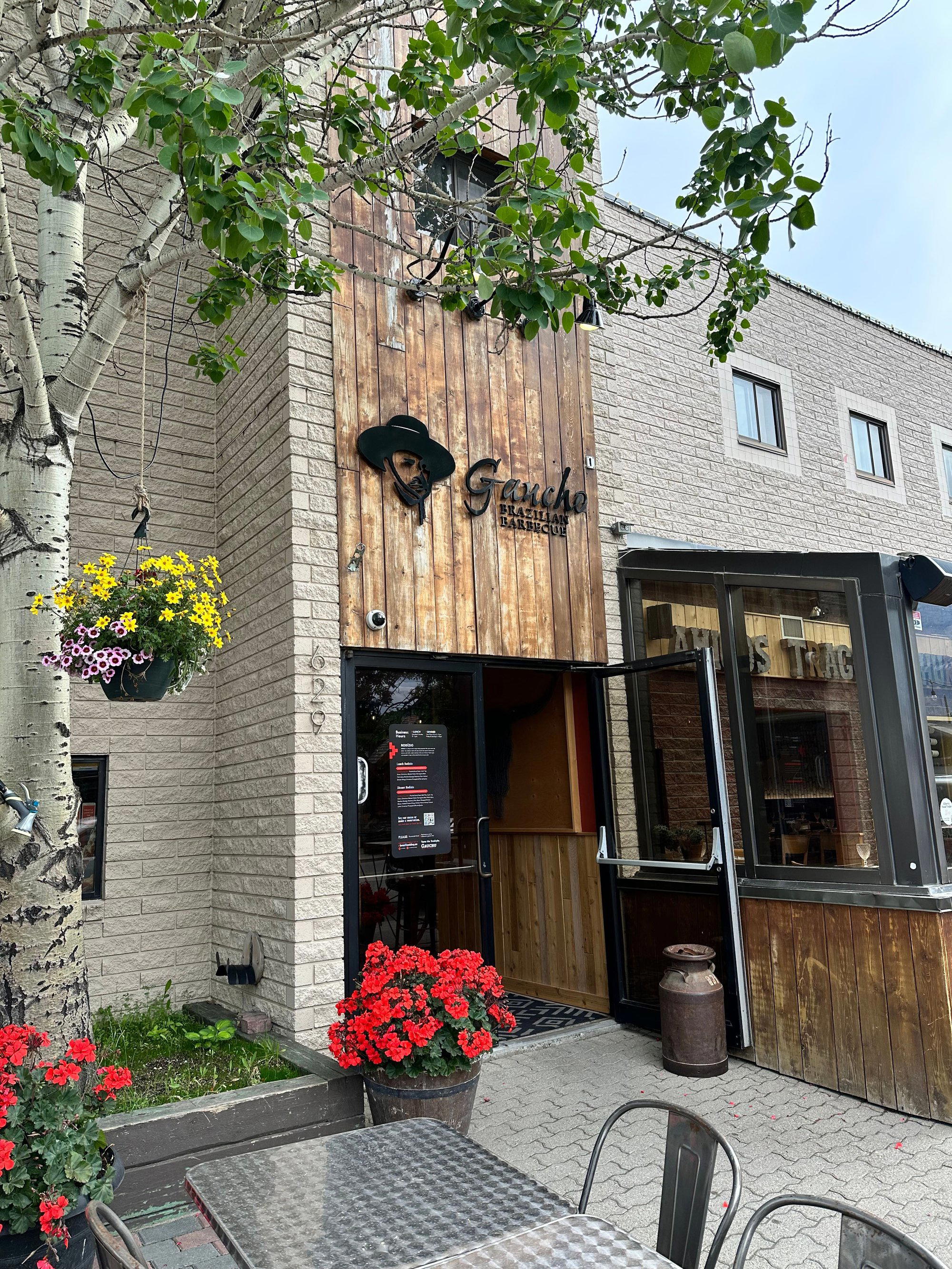
Fire and Ritual in the Rockies
Canmore's dining character has long been shaped by its geography: a mountain town with European settler roots and an outdoor-culture identity that pulls visitors toward hearty, ingredient-led cooking. Most of the town's better-known rooms, from the French-accented warmth of Chez Francois Restaurant and Patio to the produce-driven ambition of Crazyweed Kitchen, sit firmly in a North American-European tradition. Gaucho Brazilian Barbecue, at 629 8th Street, arrives from a different tradition entirely: the Brazilian churrascaria, where the meal is less a menu and more a ceremony governed by fire, rotation, and the pacing of the table.
The churrascaria format carries its own logic. In Brazil, the rodízio, from the Portuguese word for rotation, is a dining ritual in which passadores (servers carrying skewered meats on long swords) circulate the room continuously, carving directly onto the plate. The diner controls the pace with a small token: green side up means keep coming, red side up means pause. It is one of the few dining formats in which the guest, not the kitchen, sets the tempo of the meal. That structure, transplanted to a mountain town in Alberta, creates an encounter that reads differently here than it would in São Paulo or Curitiba, more novelty, perhaps, but also genuine contrast against the alpine norm.
The Architecture of the Meal
Understanding the churrascaria ritual requires setting aside the familiar arc of appetizer, main, dessert. The rodízio format is non-linear and abundance-oriented by design. Cuts arrive in a loosely traditional sequence, the leaner poultry and pork early, the fattier beef cuts (picanha, costela, fraldinha) toward the middle, when appetite is still present but has sharpened, though the precise sequence varies by house. The picanha, a rump cap cut prized in Brazilian barbecue for its fat cap and clean beef flavour, is typically the centrepiece: it is sliced thin against the grain at the table, each piece still carrying heat from the fire.
In most churrascarias, the meat rotation runs alongside a fixed salad and side station, farofa (toasted cassava flour), vinaigrette salsa, rice, black beans, that provides ballast between cuts. The discipline of the format, for the diner, is knowing when to hold back. The passador will keep returning. The table that attacks the chicken hearts and sausage early and then runs out of appetite before the prime beef arrives has misread the rhythm. Experienced churrascaria diners treat the early cuts as pacing tools, not centerpieces.
For those visiting Canmore from elsewhere in Canada's dining circuit, where rooms like Alo in Toronto or Tanière³ in Quebec City represent the high-tasting-menu end of the national spectrum, Gaucho sits at the opposite structural pole: casual, communal, quantity-forward, and paced by the diner rather than the chef. That is not a criticism. It is a different mode of dining with its own internal logic and pleasures.
Canmore's Meat-Forward Tradition
Alberta's relationship with beef is foundational. The province produces some of Canada's most sought-after beef, and the tradition of open-fire cooking has deep roots in western Canadian culture, from ranch cookouts to the competitive barbecue circuits that run through the prairies each summer. A Brazilian-format barbecue house in this context is not as incongruous as it might appear in another city. The fire-and-meat premise lands on familiar cultural ground, even if the specific technique, the rotisserie spit, the long sword, the continuous service, is distinctly South American in origin.
In Canmore specifically, the casual end of the dining market serves a visitor population that arrives hungry from hiking the Goat Creek trail or a morning on the Ha Ling Peak route. The churrascaria format, with its all-you-can-eat abundance and no-decisions-required ease, suits that appetite profile. It is not the room you book for a special occasion tasting menu; it is the room you fill after a day of significant physical output. Canmore's dining range runs wide enough to accommodate both registers: the more considered cooking at Rhythm and Howl or the community-oriented casual of Rocky Mountain Flatbread Co. sit alongside formats like Gaucho without friction.
Canmore also sits within a wider western Canadian dining conversation that includes destination-format rooms like Eigensinn Farm in Singhampton and the remote ambition of Fogo Island Inn Dining Room, both of which represent the far end of the effort-and-occasion spectrum that Gaucho does not occupy and does not try to.
Planning Your Visit
Gaucho Brazilian Barbecue is located at 629 8th Street in Canmore, Alberta, within walking distance of the town's main commercial strip. The 8th Street address places it in the core of Canmore's accessible dining cluster, reachable on foot from most central accommodation. Hours, pricing, and reservations should be checked before you go, especially in peak hiking and ski seasons. The format is priced at about $60 per person. Dress code is smart casual.
Those interested in comparing barbecue formats across Canada's dining map might also look at Busters Barbeque in Kenora, which operates in a different regional tradition. And for broader context on where fire-and-meat cooking sits within Canada's fine dining conversation, the work being done at rooms like Restaurant Pearl Morissette in Lincoln and AnnaLena in Vancouver shows how the national scene handles the full range from primal to precise.
Cuisine-First Comparison
Comparable venues nearby, for context on price, style, and recognition.
| Venue | Cuisine | Price | Awards | Notes |
|---|---|---|---|---|
| Gaucho Brazilian BarbecueThis venue — the venue you are viewing | Brazilian Churrascaria Rodízio | $$$$ | , | |
| Crazyweed Kitchen | Eclectic Global Fusion | $$$ | , | Railway Ave |
| Rhythm & Howl | Modern Farm-to-Table Bistro | $$ | , | Silvertip Trail |
| 4296 | Pop Culture Fusion Fine Dining | $$$ | , | Downtown Canmore |
| Rocky Mountain Flatbread Co. | Wood-Fired Flatbread Pizza | $$ | , | downtown |
| Rustica | Italian Steakhouse with Rocky Mountain Fine Dining | $$$$ | , | Silvertip Resort |

At a Glance
- Rustic
- Lively
- Energetic
- Group Dining
- Celebration
- Special Occasion
- Open Kitchen
- Craft Cocktails
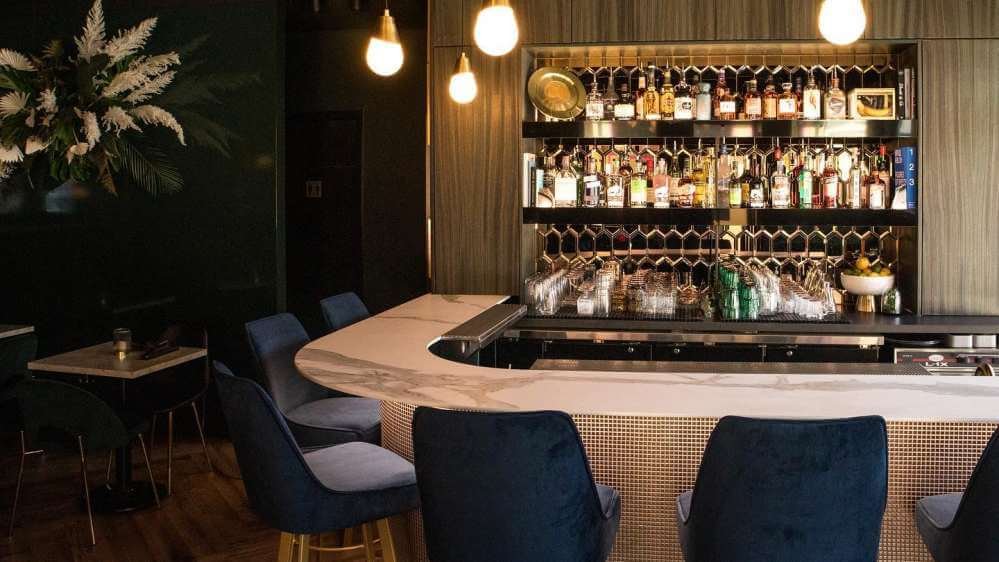
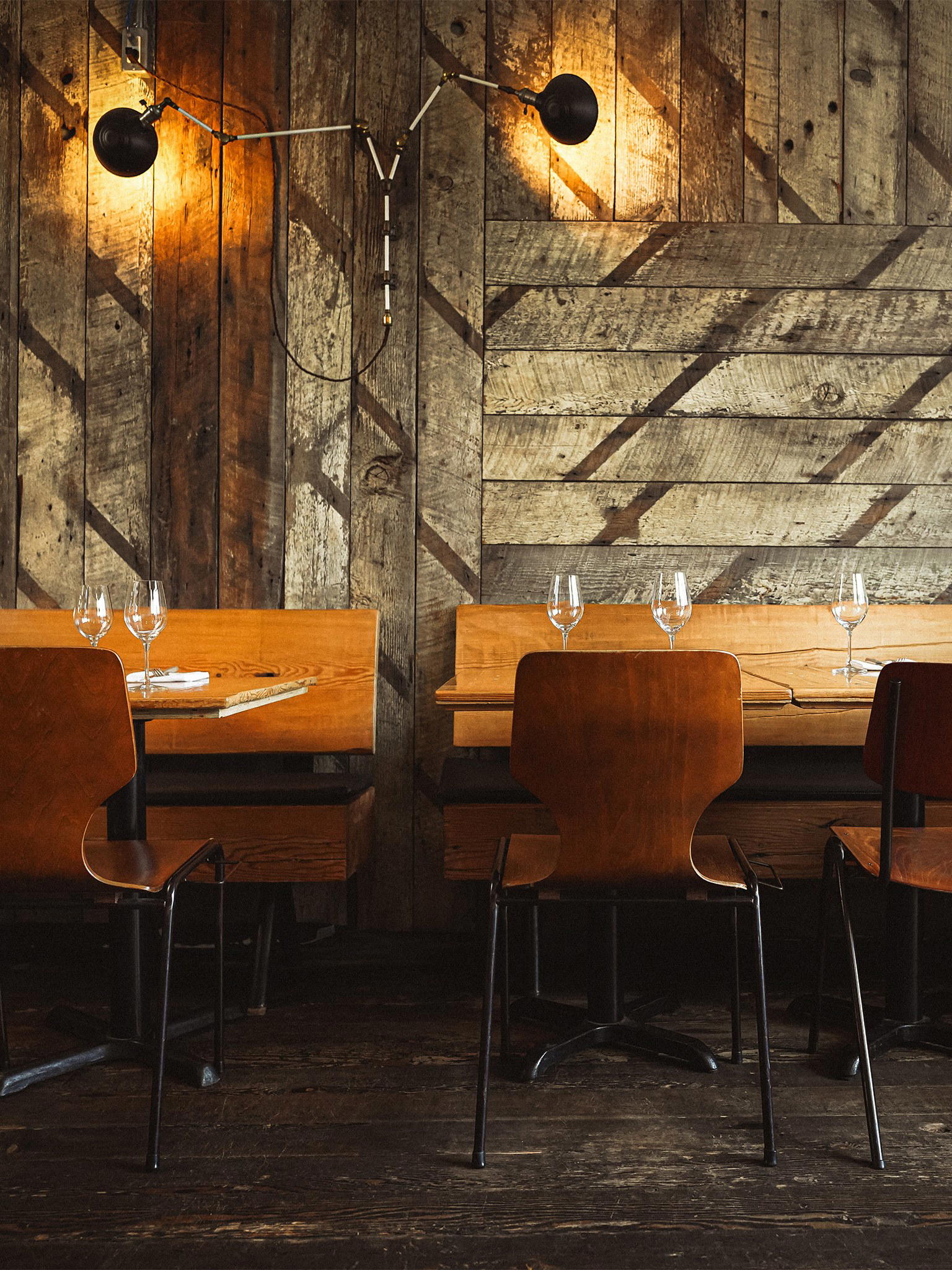
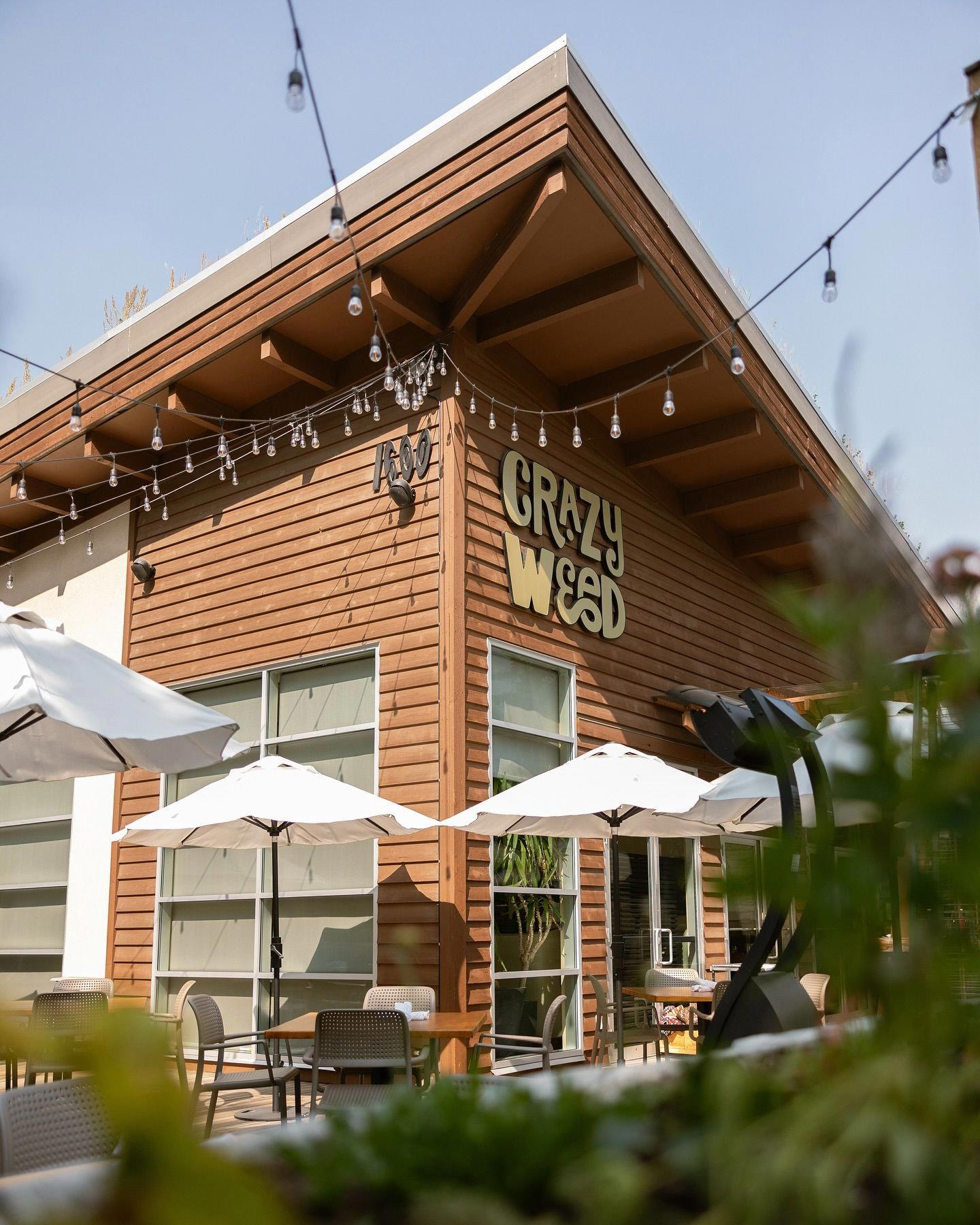
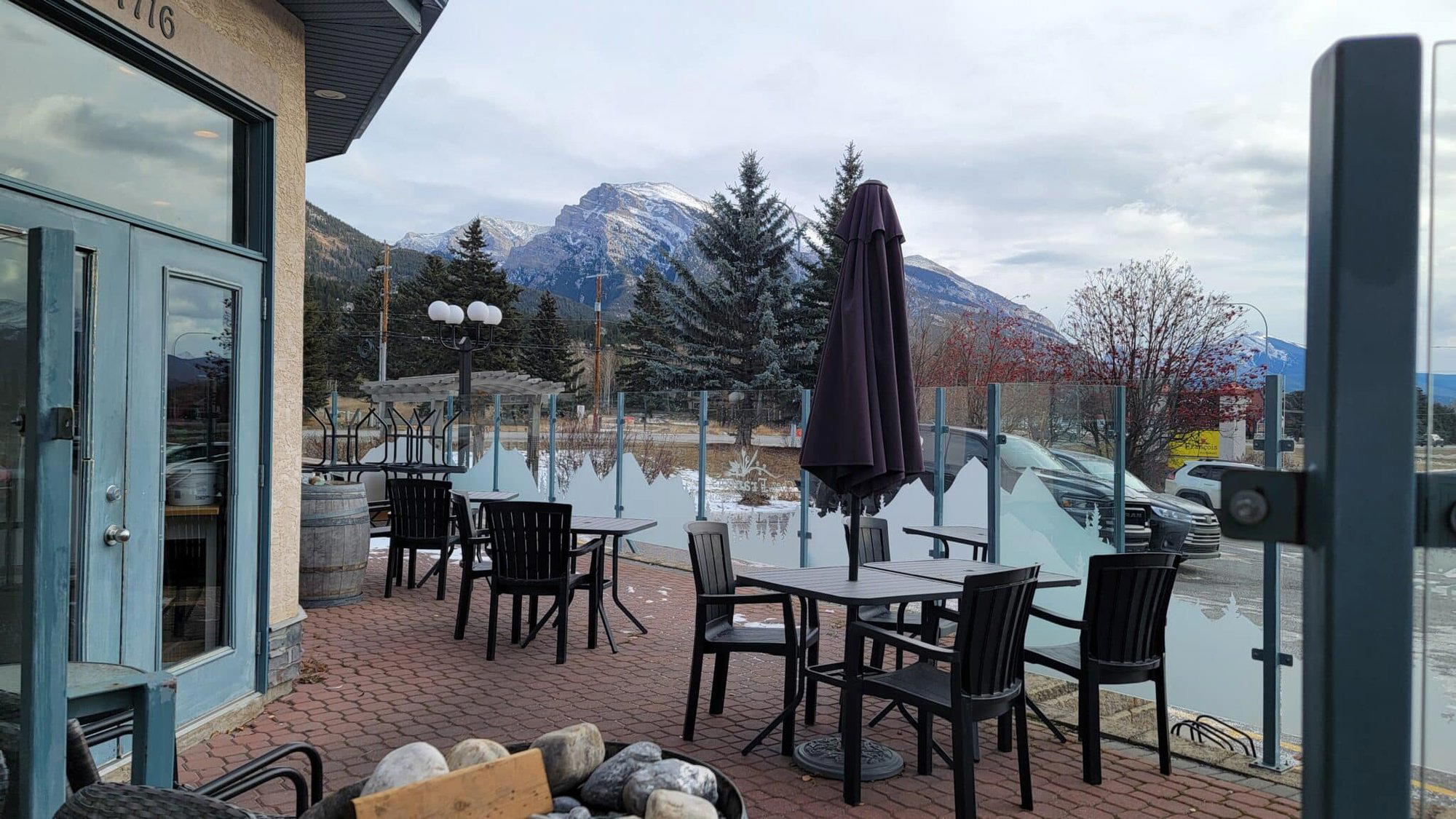
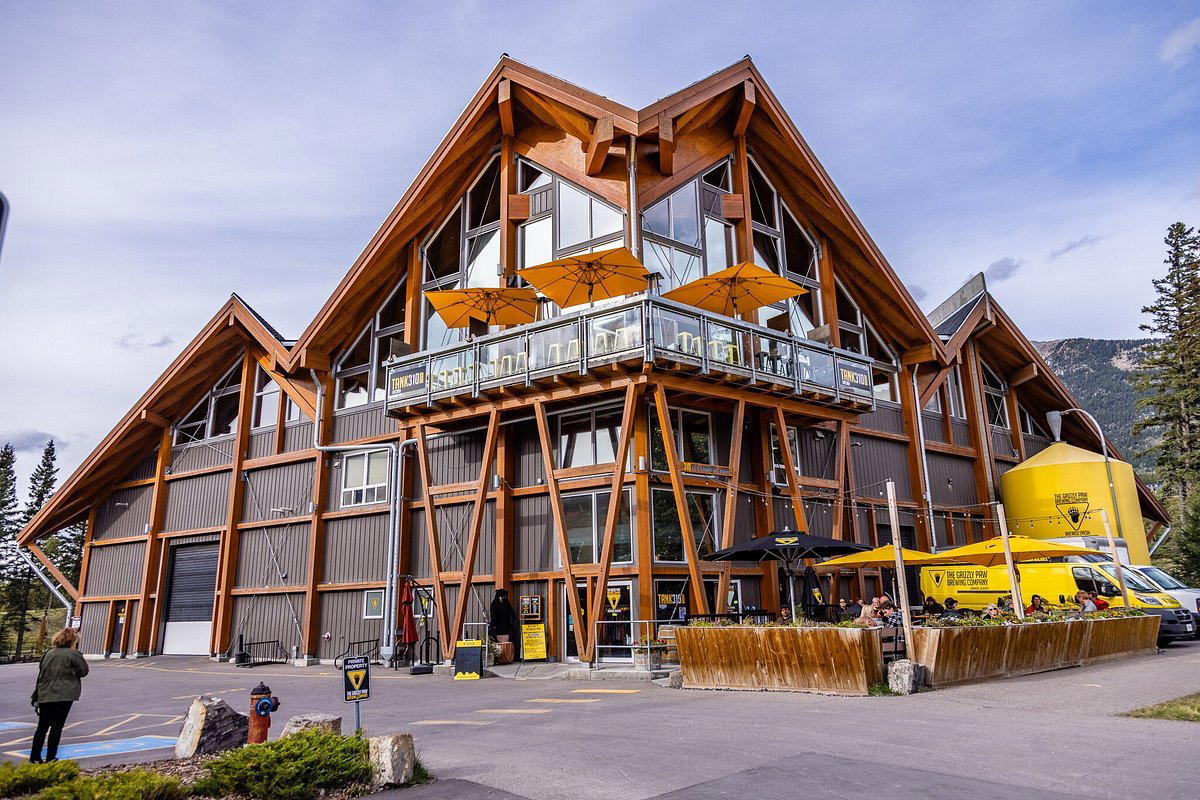
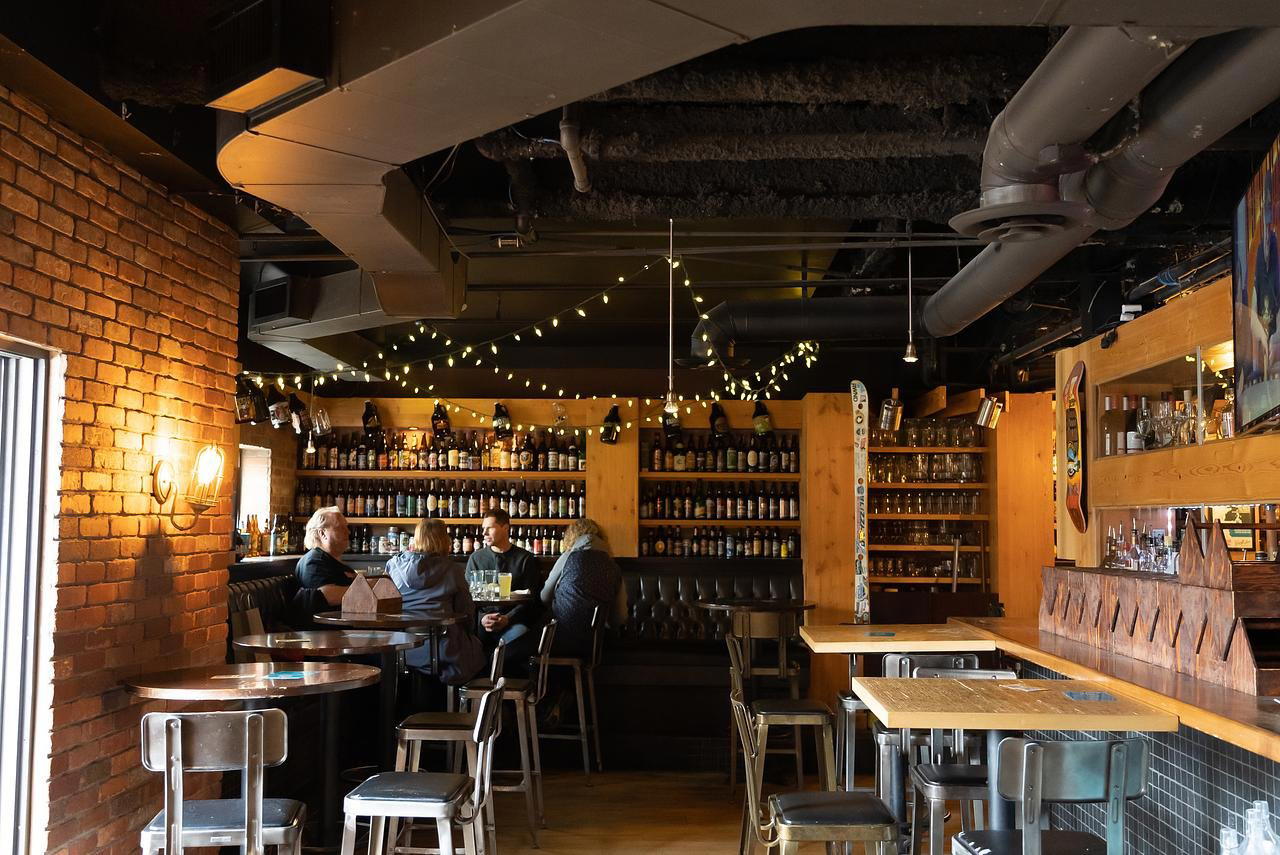
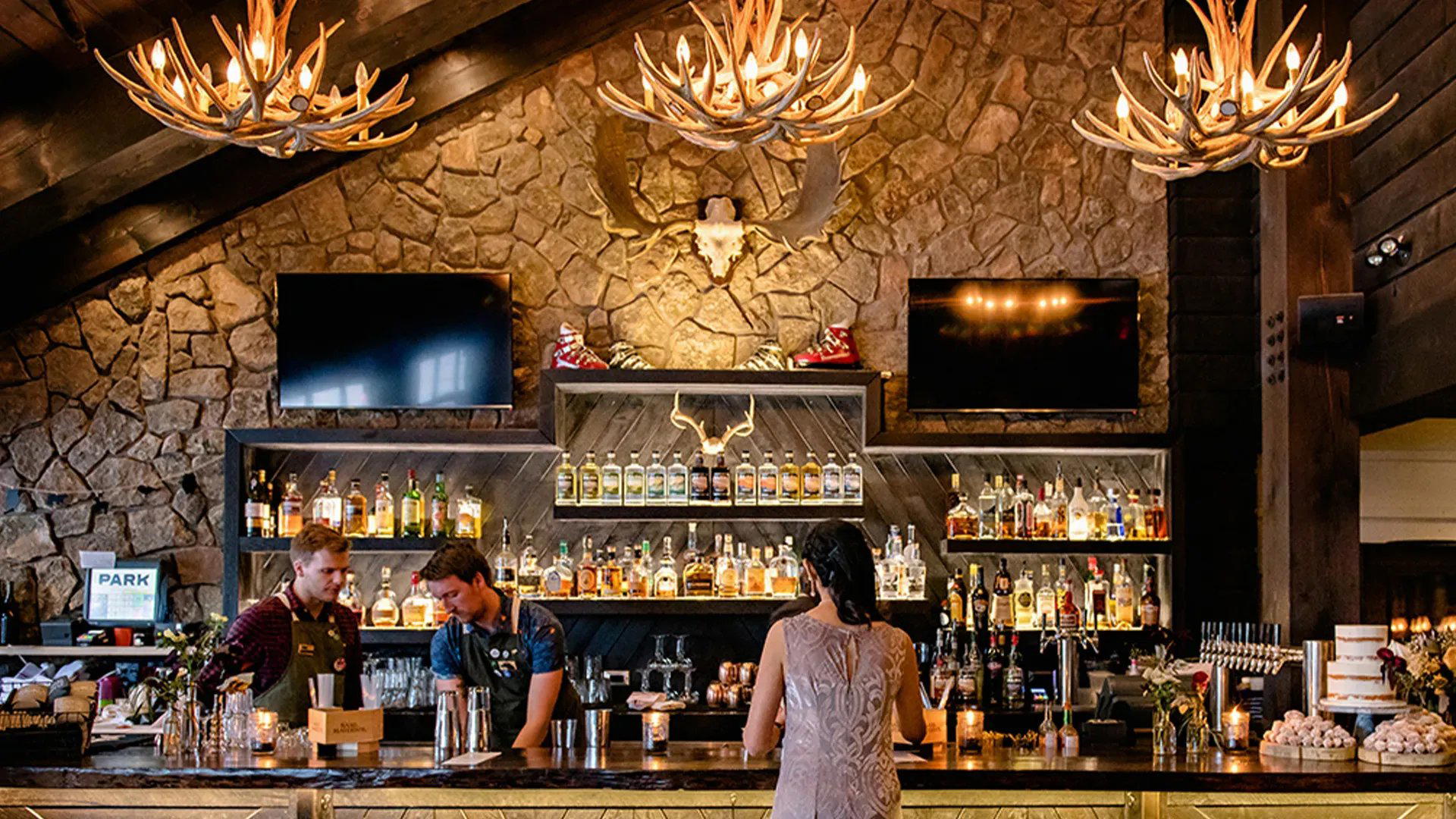
Warm, rustic dining room blending mountain charm with South American traditions, featuring cozy lighting, energetic atmosphere from lively tableside service, and festive vibe during group celebrations.