Rural by Marc Veyrat occupies a singular position in Megève's haute cuisine scene, where alpine foraging traditions meet a chef whose career has shaped French mountain cooking for decades. Sitting above the village on the Route de la Côté 2000, the address connects a specific high-altitude philosophy to one of France's most debated culinary reputations. For visitors building a serious dining itinerary in the Haute-Savoie, it belongs on the shortlist alongside Megève's other upper-tier tables.
Pearl is the En Primeur Club membership app — saves, bookings, and concierge access live there. Same editors, same standards.
- Address
- 3461 Rte de la Côté 2000, 74120 Megève, France
- Phone
- +33485300270
- Website
- rural-megeve.com
- Directions
- Get directions
 Saves & bookings on Pearl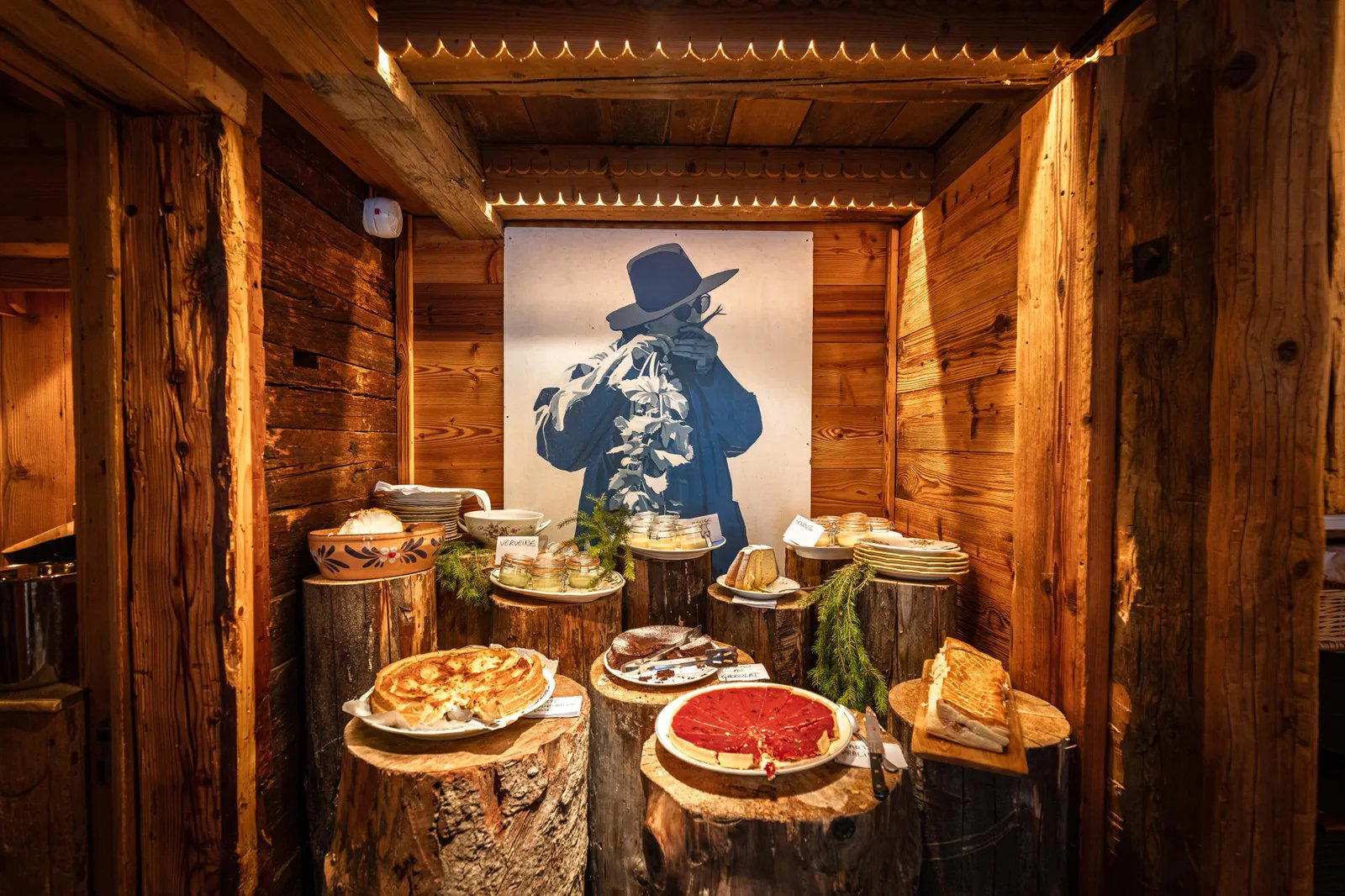
Altitude and Appetite: Dining Above Megève
Rural by Marc Veyrat is a restaurant in Megève, France, with a price tier of 4 and an estimated price of about $100 per person. The drive up from Megève's village centre toward the Route de la Côté 2000 already signals a shift in register. The road climbs past chalets, pine stands, and open pasture before arriving at an address that feels less like a restaurant destination and more like a place that has always existed here, shaped by the terrain around it. This is the logic behind Rural by Marc Veyrat: the location is not incidental to the cooking, it is the argument for it. High-altitude Alpine cuisine, grounded in the meadows, forests, and farms of the Haute-Savoie, requires exactly this kind of remove from the village below.
Megève itself occupies a particular tier in the geography of French mountain dining. It is not a ski resort that happens to have good food. The village has sustained a concentration of serious kitchens for years, from the three-Michelin-star benchmark of Flocons de Sel to the hotel-anchored ambition of La Table de l'Alpaga and the Franco-Japanese register of 1920. Rural by Marc Veyrat enters this conversation from a different angle: not urban-trained refinement brought to the mountains, but a cooking identity that was built here, and that uses the surrounding landscape as its primary source material.
Marc Veyrat and the Alpine Kitchen
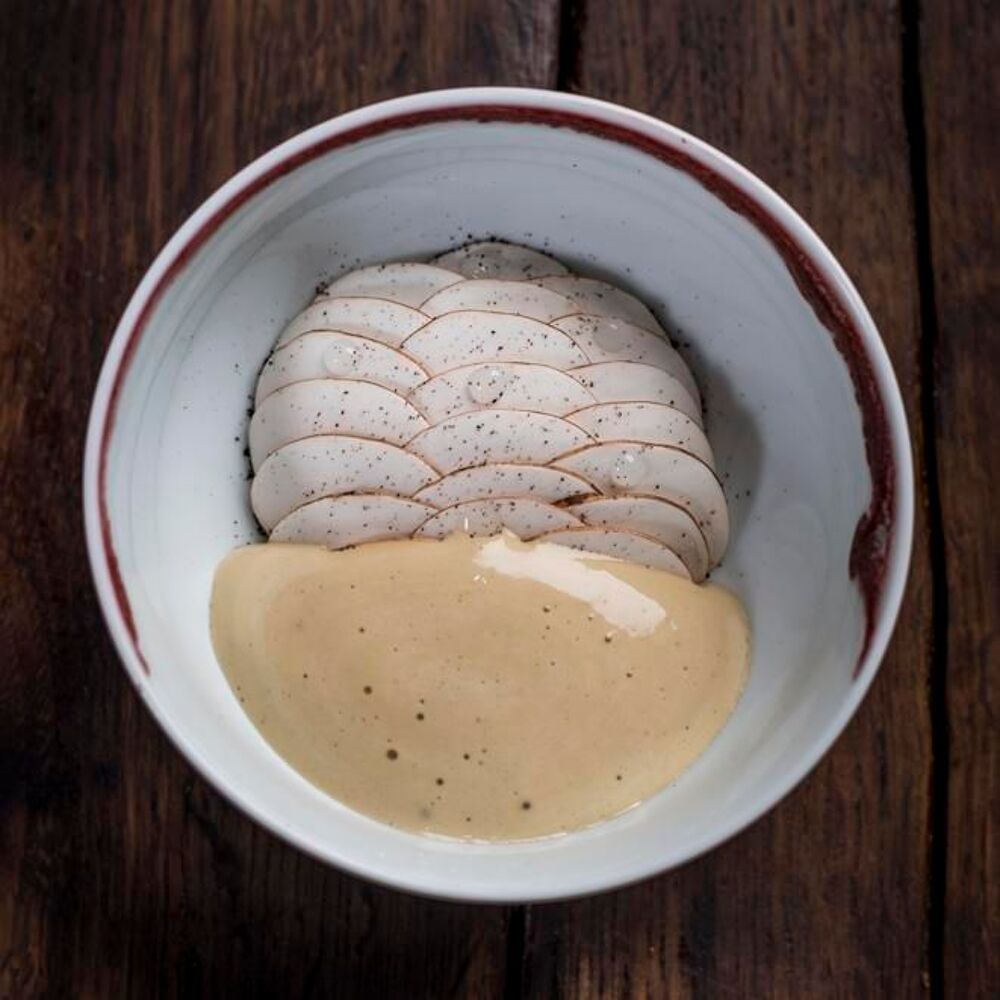
French fine dining has a set of chef figures whose reputations extend beyond their current restaurant and into the broader definition of a regional cuisine. Marc Veyrat is among the more discussed in that category, particularly in relation to the Haute-Savoie. His approach to foraging, wild plants, and high-altitude ingredients preceded the mainstream Scandinavian-led conversation about sourcing from the land by well over a decade. That context matters when reading Rural: this is not a chef applying a foraging trend to a mountain setting. This is the mountain setting producing a chef, and a kitchen, that helped define what foraging-led fine dining could look like in France.
Within the French haute cuisine canon, his career sits alongside figures whose restaurants have become reference points for understanding regional ambition: the multi-generational model of Auberge de l'Ill in Alsace, the terroir-as-identity position of Bras in Laguiole, or the long institutional authority of Paul Bocuse near Lyon. Rural belongs to a different format than any of these, but it shares the principle that a restaurant can function as a declaration about a specific place.
The Scene at Côté 2000
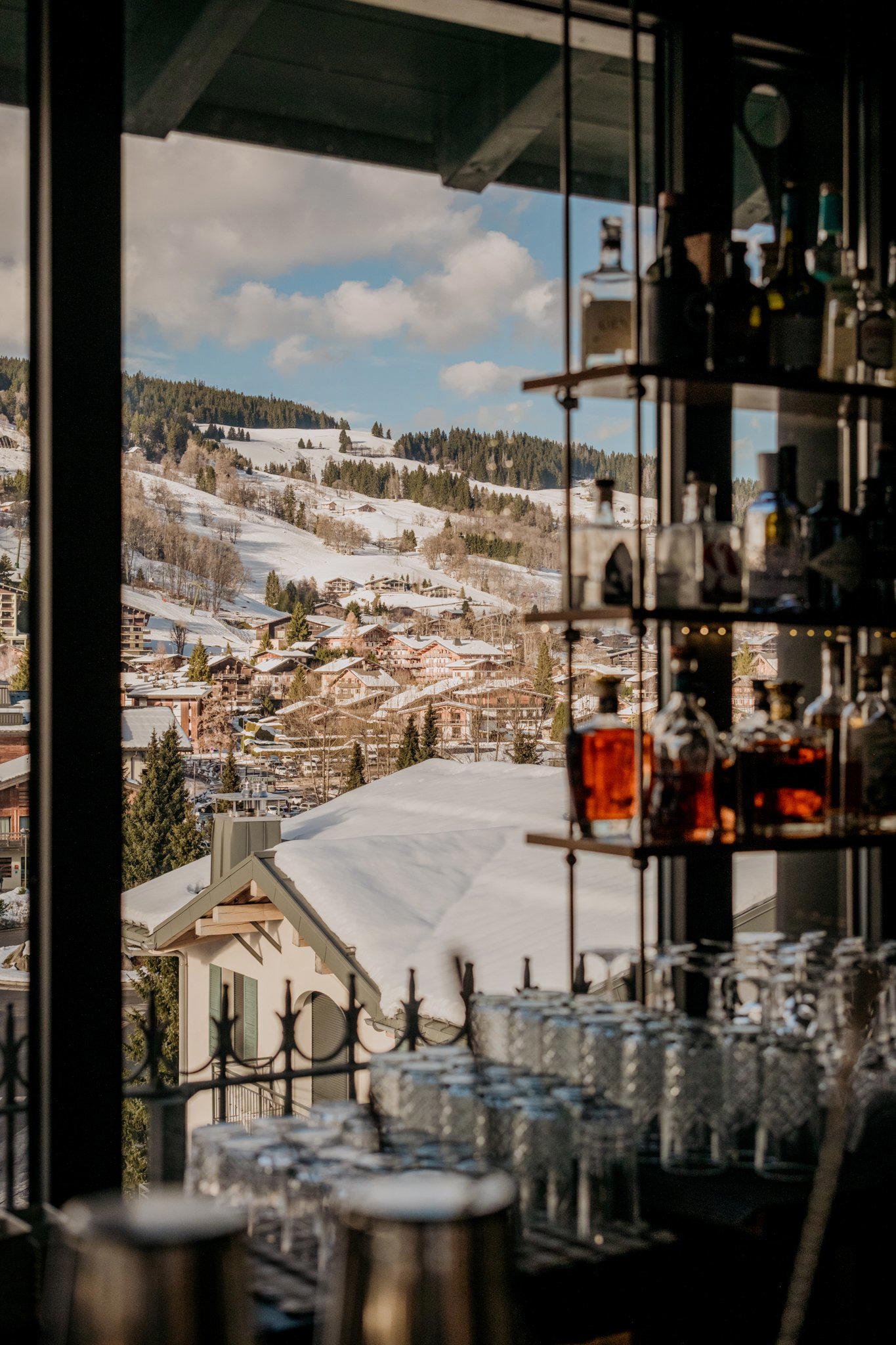
The address at 3461 Route de la Côté 2000 places Rural outside the pedestrian centre of Megève, at an elevation and remove that shape the experience before a single dish arrives. Mountain restaurants operating at this altitude face conditions that urban and coastal kitchens do not: short growing seasons, extreme weather variability, and a guest population that arrives either mid-winter on skis or in summer for hiking and warmer conditions. Seasonality at this latitude is not a marketing framework; it is a hard constraint that the kitchen has to work within every service.
This positions Rural differently from Megève's other high-end tables. Vous and Anata operate on menus shaped by more international reference points. Rural's orientation is more singular: the surrounding Alpine environment is the subject, and the cooking is the interpretation. That distinction matters for visitors deciding how to structure their time across the village's dining options.
Rural in the Wider French Fine Dining Conversation
France's serious restaurant culture distributes across the country rather than concentrating entirely in Paris. The three-star kitchens of Alléno Paris au Pavillon Ledoyen and the coastal ambition of Mirazur in Menton represent different poles of that geography, as does the sustained regional authority of Troisgros in Ouches. The restaurant operates in a different register again: it is a mountain restaurant making a case for the Haute-Savoie as a serious culinary region, not a luxury satellite of the Paris scene. That argument has resonance internationally, given how rarely Alpine French cuisine appears in the same conversation as the Loire Valley, Alsace, or Provence when sommelier circuits and food media map the country's serious kitchens.
Comparable ambition exists at other French addresses where terrain and kitchen identity fuse: Auberge du Vieux Puits in Fontjoncouse, Assiette Champenoise in Reims, and Au Crocodile in Strasbourg each demonstrate that France's most compelling dining is not always found at a Parisian address. Rural fits that pattern squarely. For travellers who already have AM par Alexandre Mazzia in Marseille or Le Bernardin in New York on their serious dining map, Rural represents the mountain pole of that same impulse: cooking that justifies the distance required to reach it. Atomix in New York City offers another point of comparison for the kind of destination-led dining commitment that Rural asks of its guests.
Planning a Visit
The restaurant sits above Megève on a mountain road, which means arriving by car is the practical default; taxis from the village centre are available but require advance coordination, particularly during peak winter and summer seasons when resort traffic is heaviest. The restaurant's position outside the village core also means that guests who combine a meal here with a stay in Megève should plan the evening around the drive rather than treating it as a walkable dinner option. Given the address's elevation and the route involved, summer visits benefit from longer daylight and clearer road conditions, making the approach as much a part of the experience as the dining room itself.
The Essentials
Comparable venues nearby, for context on price, style, and recognition.
| Venue | Cuisine | Price | Notes |
|---|---|---|---|
| Rural by Marc VeyratThis venue — the venue you are viewing | Not listed | $$$$ | Not listed |
| Les Fermes de Marie | Megève, Savoyard Mountain Cuisine | $$$$ | Not listed |
| Le Trappeur Restaurant | Not listed | $$$ | Traditional French & Savoyard fine dining in a cozy alpine bistro |
| Le Café Megève | Not listed | $$$ | centre du village, Traditional French Brasserie with Savoyard Accents |
| Le Torrent | Not listed | $$ | village center, Traditional Savoyard French |
| Le Refuge | Leutaz, Traditional Savoyard Bistro | $$$ | Not listed |
At a Glance
- Rustic
- Cozy
- Elegant
- Scenic
- Special Occasion
- Group Dining
- Standalone
- Local Sourcing
- Mountain
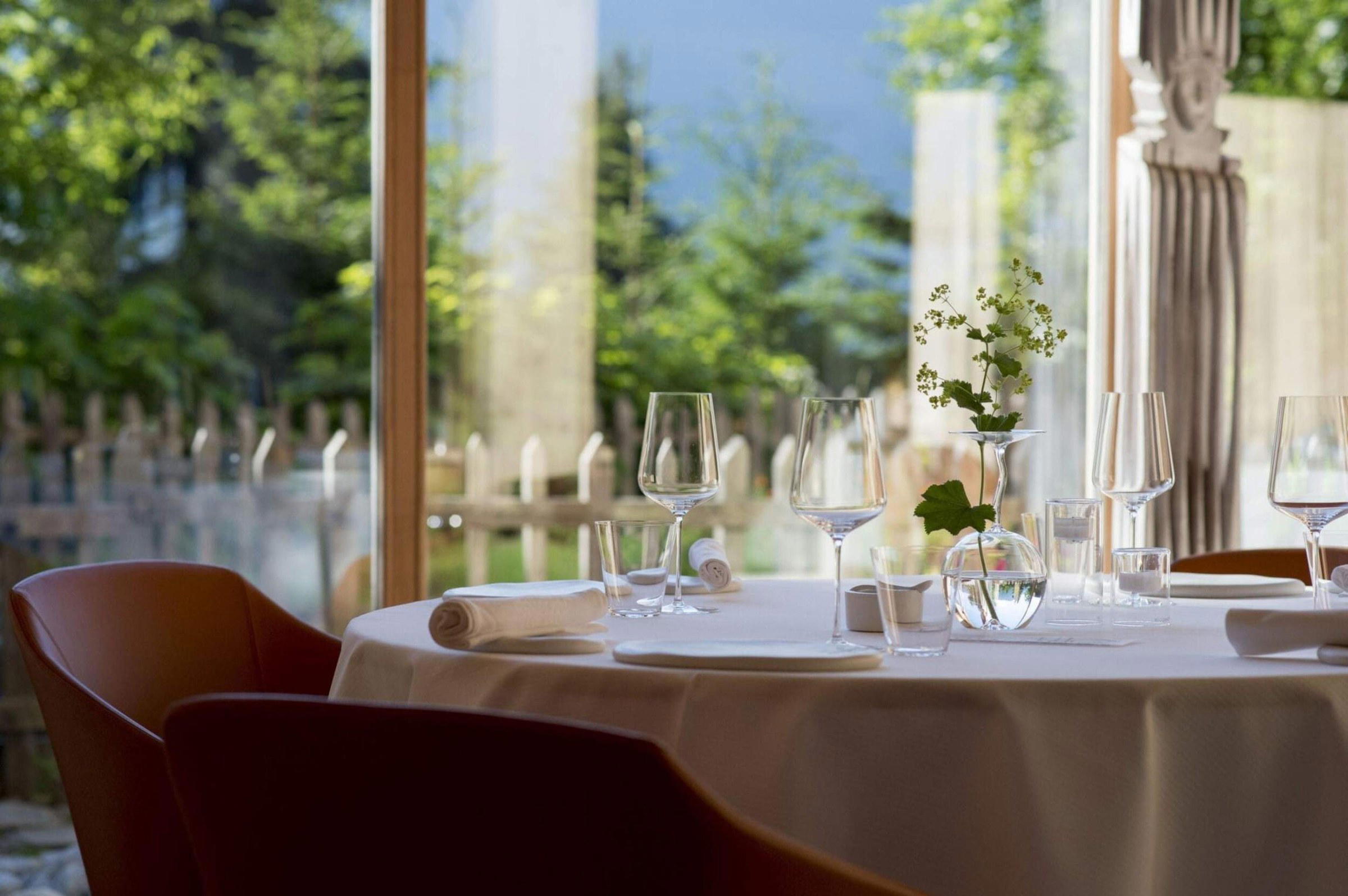
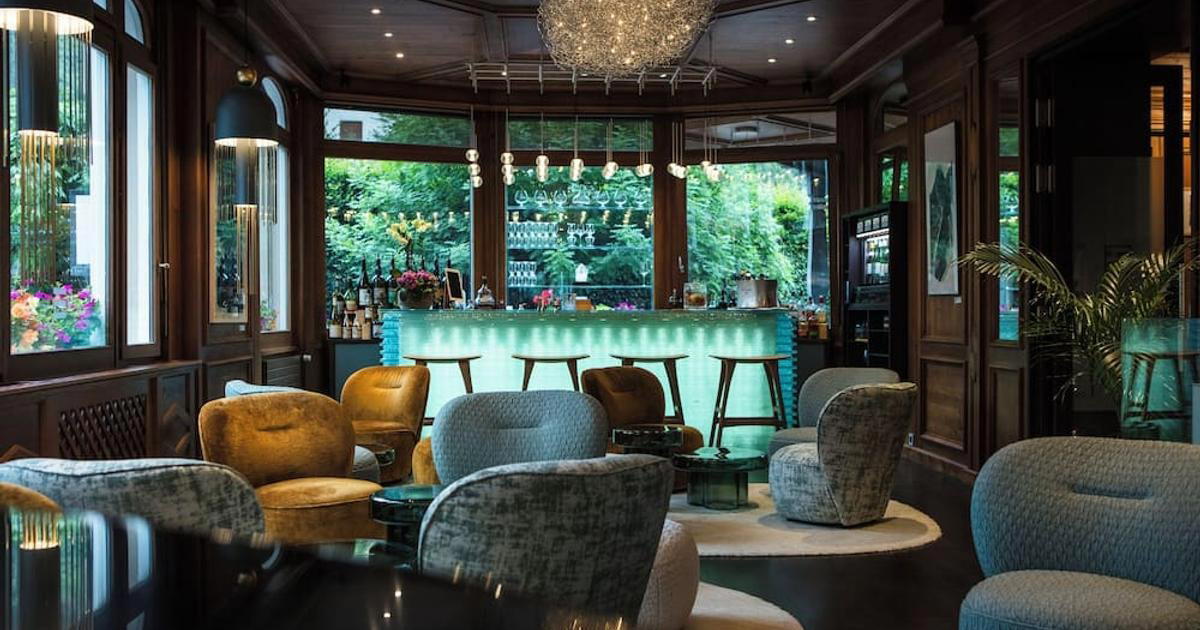
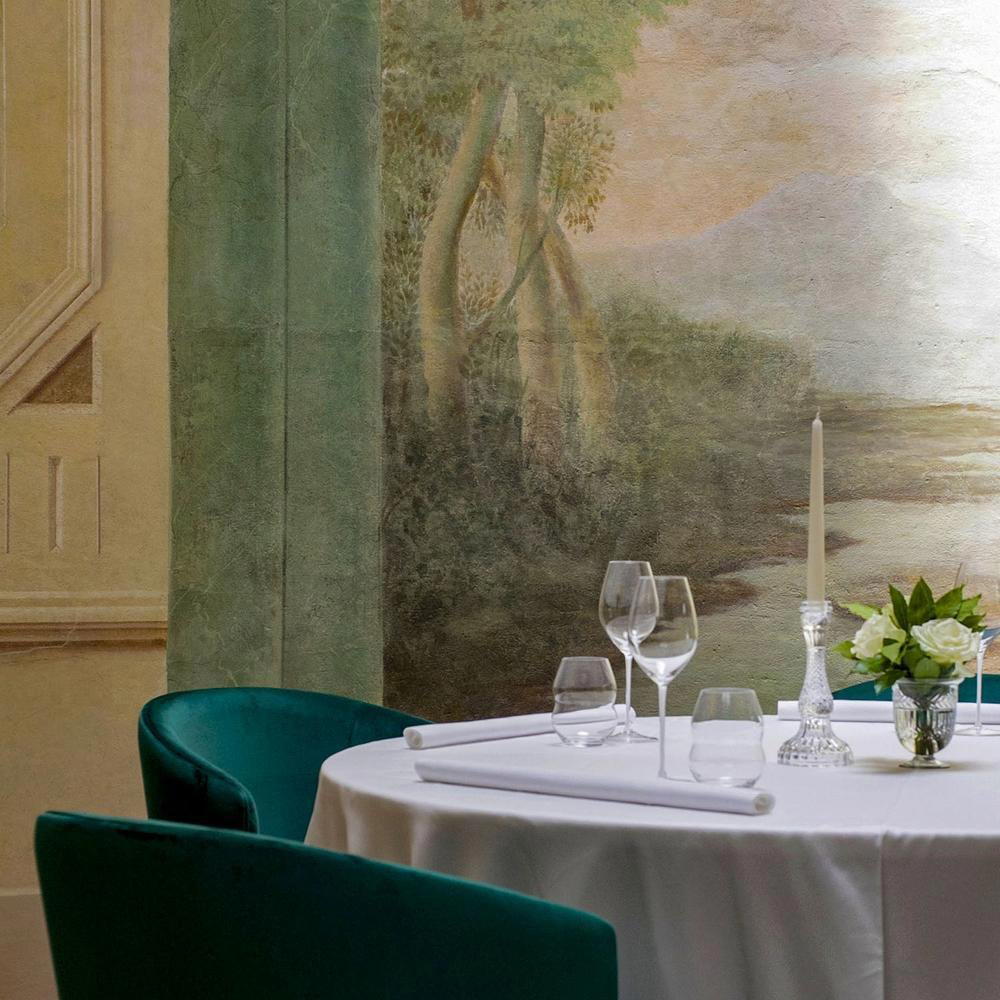
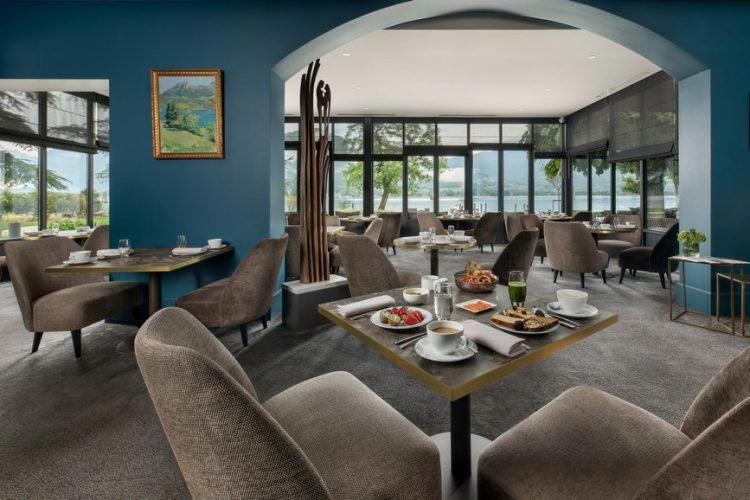
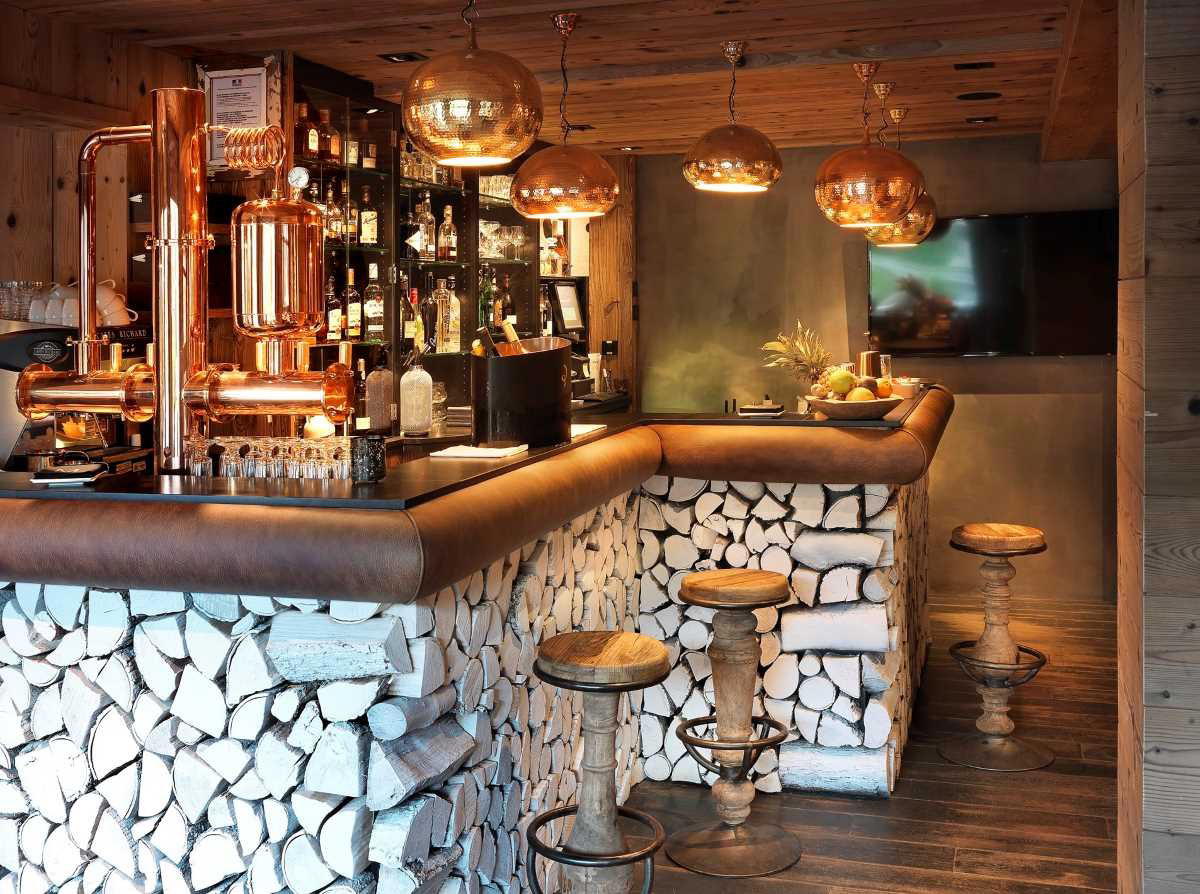
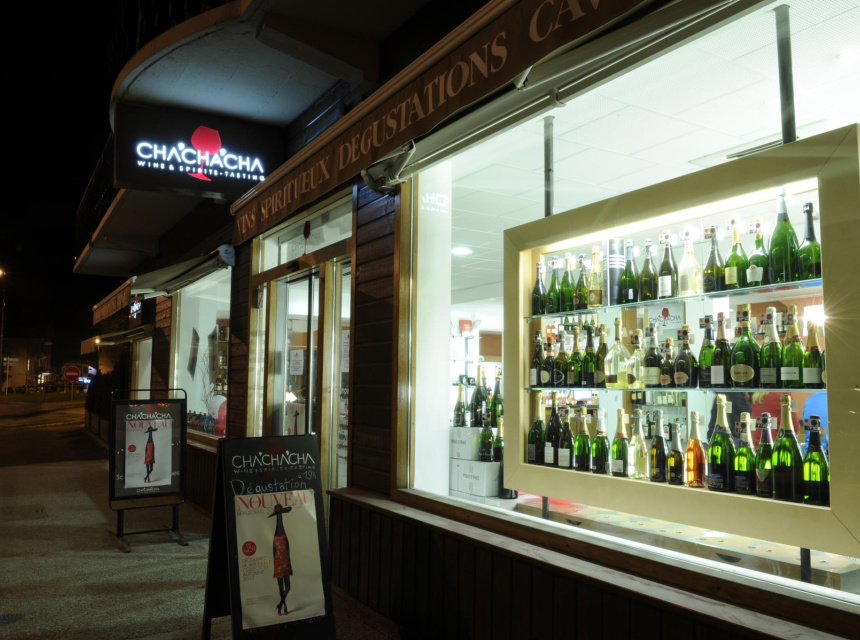
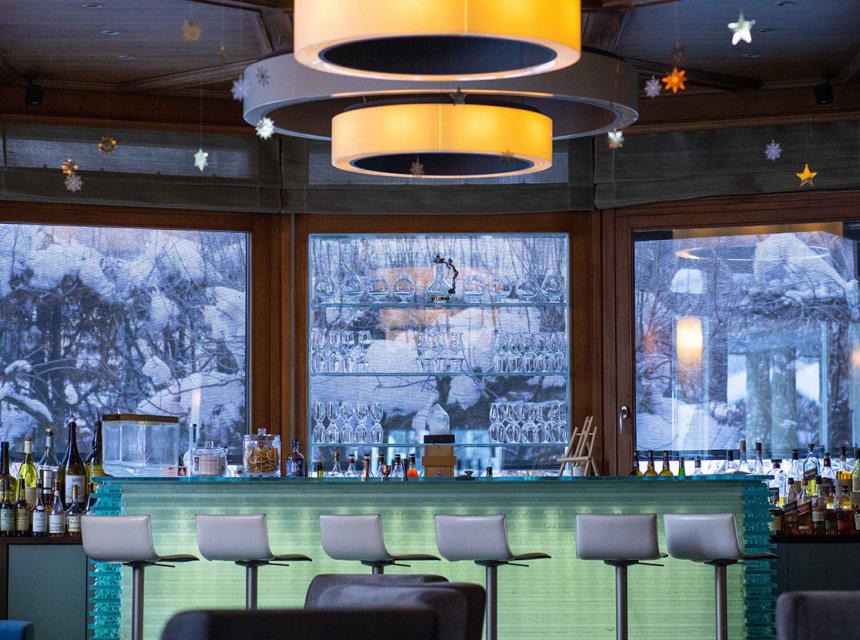
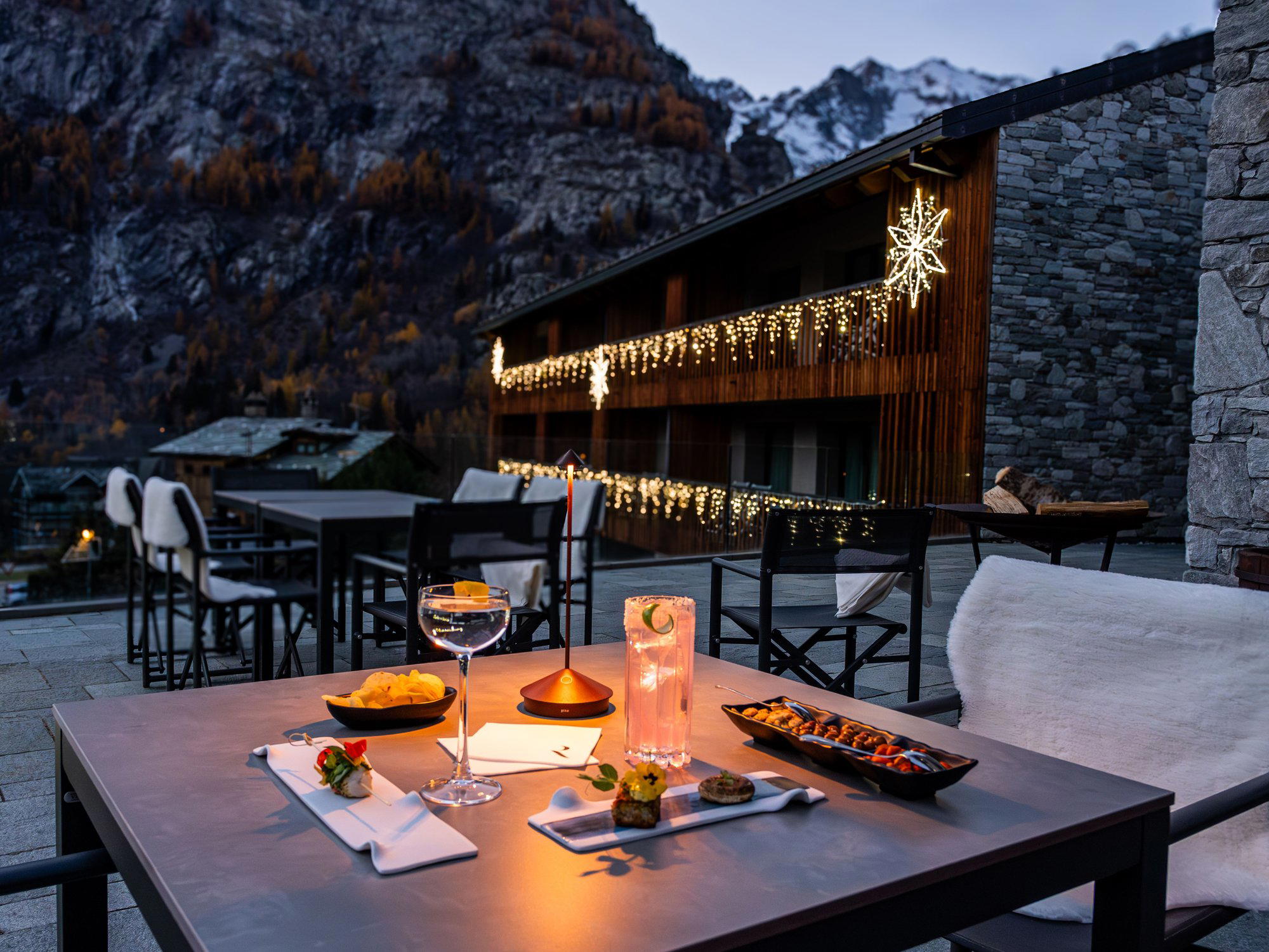
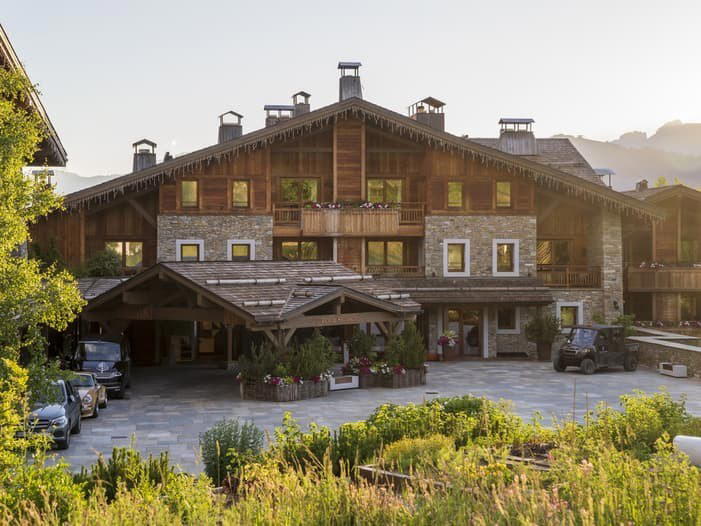
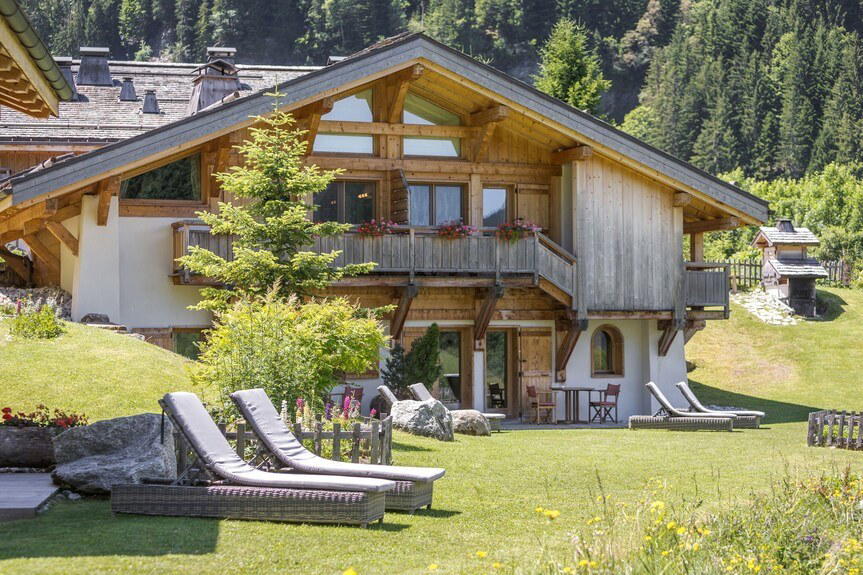
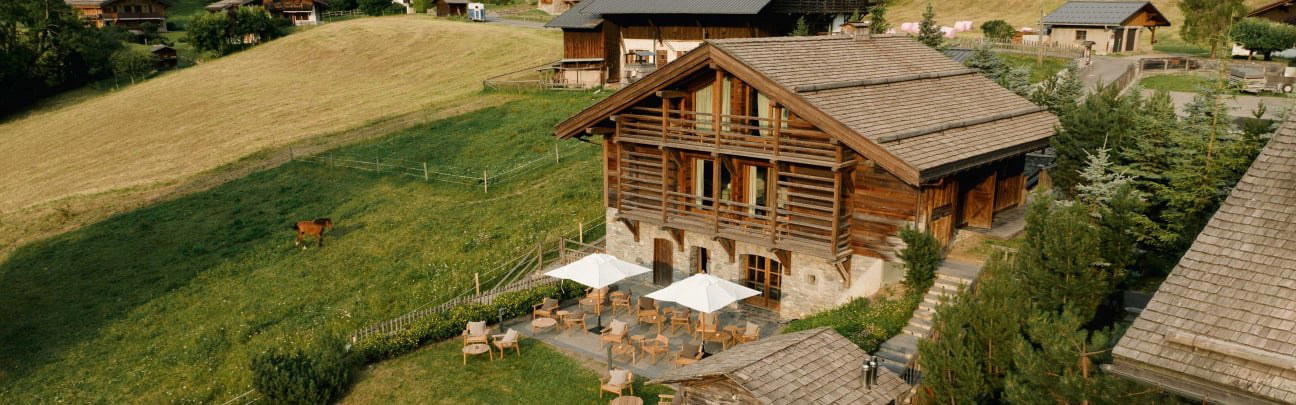
Warm rustic ambiance with raw wood and antique objects evoking Savoyard farms, evolving from lively daytime with DJ to subdued comfortable evenings.